
Yes, rain helps grass grow, and it's genuinely one of the best things that can happen right after you seed a lawn. Lightning does not help grass grow the way water does, so treat it as unrelated to germination and focus on consistent moisture instead rain helps grass grow. But here's what most people get wrong: a single rainstorm doesn't guarantee anything. What actually triggers germination and gets seedlings to establish is consistent moisture in the top 1 to 2 inches of soil, day after day, for at least two to three weeks. Rain can absolutely provide that, but only if it falls frequently enough, gently enough, and is followed up with irrigation when it stops.
Does Rain Help Grass Grow? Germination and Establishment Tips
Marcus Volkmann
20 Jun 2026
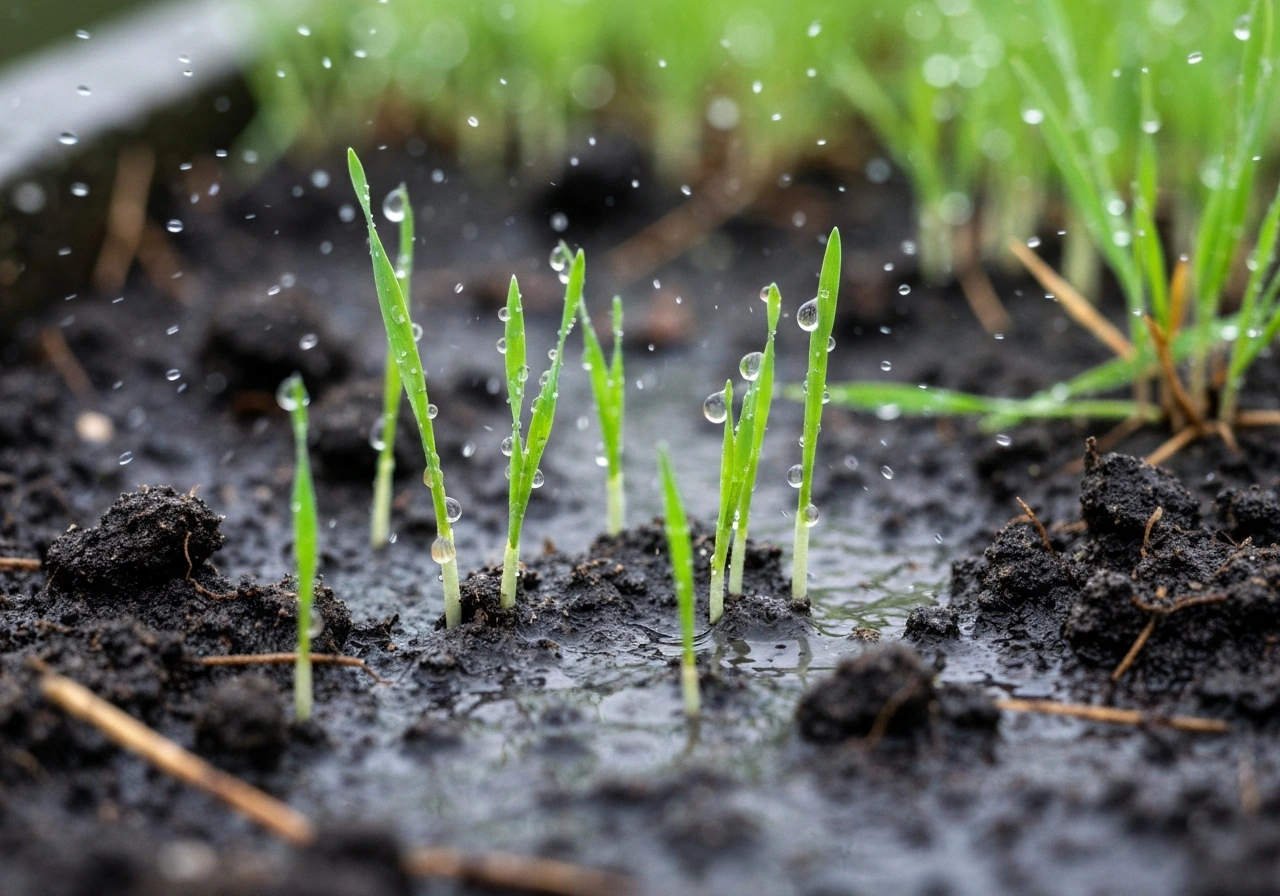
How rain helps grass grow
Rain does two important things for grass. First, it delivers moisture directly into the seedbed, which is what grass seed needs to imbibe water and begin the germination process. Without that initial water uptake, the seed just sits there dormant. Second, rain softens the soil surface, which blank" rel="noopener noreferrer">improves seed-to-soil contact and makes it easier for tiny roots to penetrate once a seedling pushes through. That's the mechanical side of why rainfall matters.
For established grass, rain replenishes soil moisture that roots are constantly drawing down, keeps the crown of the plant hydrated, and temporarily boosts nutrient availability as water moves minerals through the soil profile. If you've ever noticed how grass seems to perk up and green up within 24 hours of a decent rain, that's why. The plant isn't growing new leaf tissue that fast; it's just rehydrating. The actual growth surge you see a few days later is the real response.
Temperature and moisture together drive how fast any of this happens. Purdue Extension's germination temperature data shows, for example, that Kentucky bluegrass germinates best between 59 and 86°F. Rain that falls during cool nights but dry, hot days may wet the surface but not hold moisture long enough for germination to complete. So rain isn't magic; it's just one part of the equation.
Does rain help grass seed germinate? How much and for how long
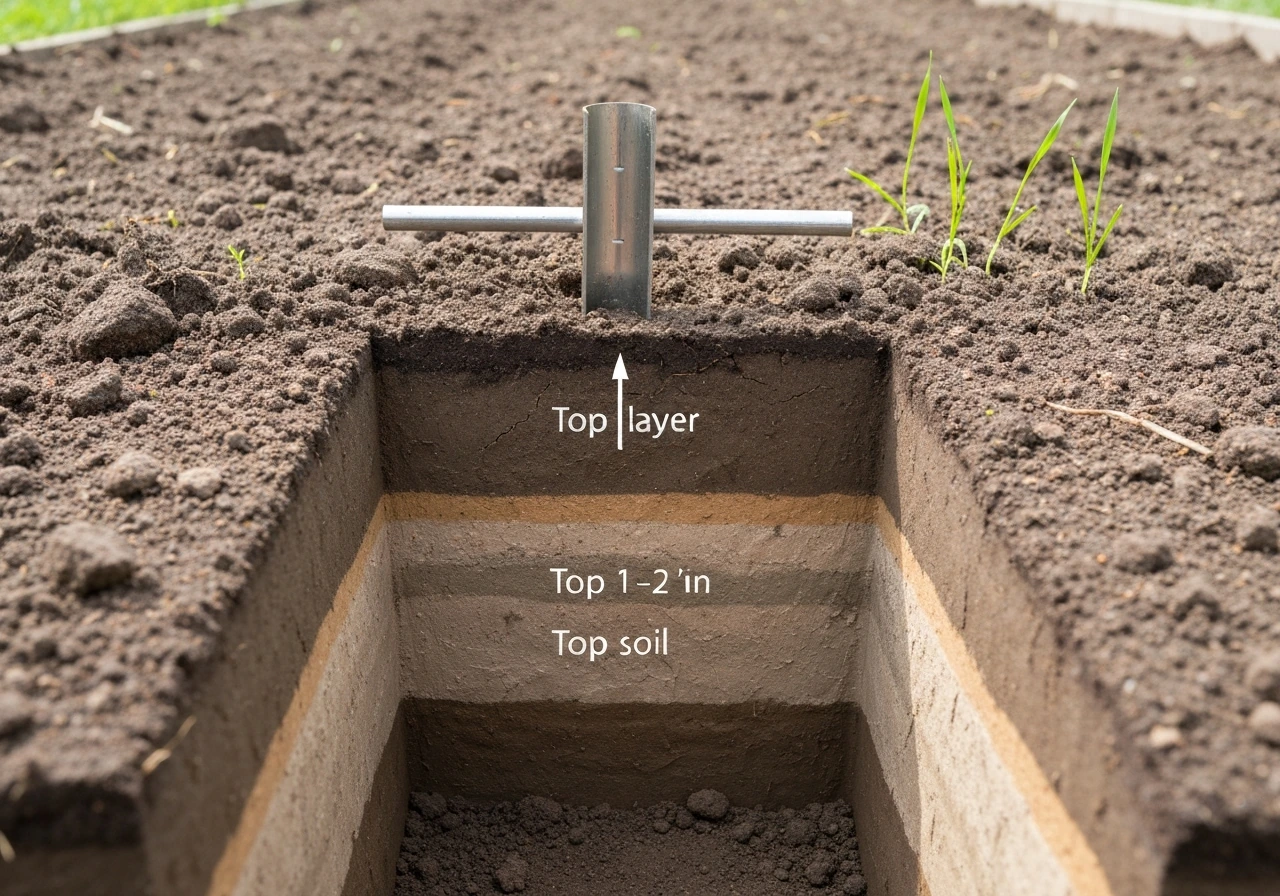
Rain helps grass seed germinate only if it keeps the top 1 to 2 inches of soil consistently moist, not just wet for a day. Lime can help grass indirectly by correcting soil pH, but it won't replace the consistent moisture rain provides during germination does lime help grass grow. Every major turfgrass extension program says essentially the same thing: the seed needs to stay moist from the moment it starts absorbing water until it has a functional root system. Any drying-out during that window can kill the germinating seed before you ever see a sprout.
In practical terms, here's what that moisture target looks like. Iowa State Extension recommends keeping the top 1 to 2 inches of soil moist with light applications of about 1/8 to 1/4 inch of water, applied one to four times per day. UGA Extension pegs the same target: daily watering of roughly 1/8 to 1/4 inch for the first two to three weeks. University of Minnesota Extension says the first couple of weeks should involve two to three light waterings per day. These aren't arbitrary numbers; they reflect how quickly a thin, exposed seedbed can dry out in sun and wind.
If rain is delivering that kind of consistent, gentle moisture, great. Under ideal conditions, most turfgrasses will germinate in 5 to 10 days according to OSU Extension, though Kentucky bluegrass is notably slower at around 14 days (Penn State). The germination clock starts when the seed gets reliably wet and stays that way. Interrupt that moisture, even once, and the clock can reset or the seedling can die.
When rain isn't enough: what to do today
If you're waiting on rain to do the work and the forecast is dry, scattered, or unpredictable, you need to step in with irrigation. Grass can still grow with very little or no rain if you provide enough moisture through irrigation or groundwater, but you need to keep the soil consistently wet for germination does grass grow without rain?. Don't wait to see if the surface looks dry; if it's been more than a few hours since rain or watering in warm or windy weather, the top inch has probably already started drying.
The goal is to mimic gentle rainfall, not a downpour. Use a sprinkler that puts out a fine mist or light spray, not a rotor head that hammers the soil. Here's the schedule most extensions converge on:
- Weeks 1 to 2 after seeding: water two to three times per day in light doses (1/8 to 1/4 inch per application). The surface should look damp, not puddled.
- By the end of week 2: scale back to once per day as seedlings become visible and roots start to anchor.
- Week 3 and beyond: shift to deeper, less frequent watering, around 1/3 inch every other day, to encourage roots to chase moisture downward.
If you've already had a good rain event and the soil feels moist an inch down when you press your finger in, you may not need to water immediately. Check every few hours in warm weather, especially in the afternoon. Sandy soils drain and dry much faster than loam, so if you're working with sand, lean toward the more frequent end of that watering range.
One thing worth doing today: lay straw mulch over newly seeded areas if you haven't already. University of Minnesota Extension notes that organic mulches reduce evaporation and help maintain more consistent moisture between rain events. UMass Extension adds that straw also holds seed in place on slopes and reduces surface erosion. A thin, patchy layer, not a thick blanket, is all you need.
Timing your seeding around rainfall forecasts
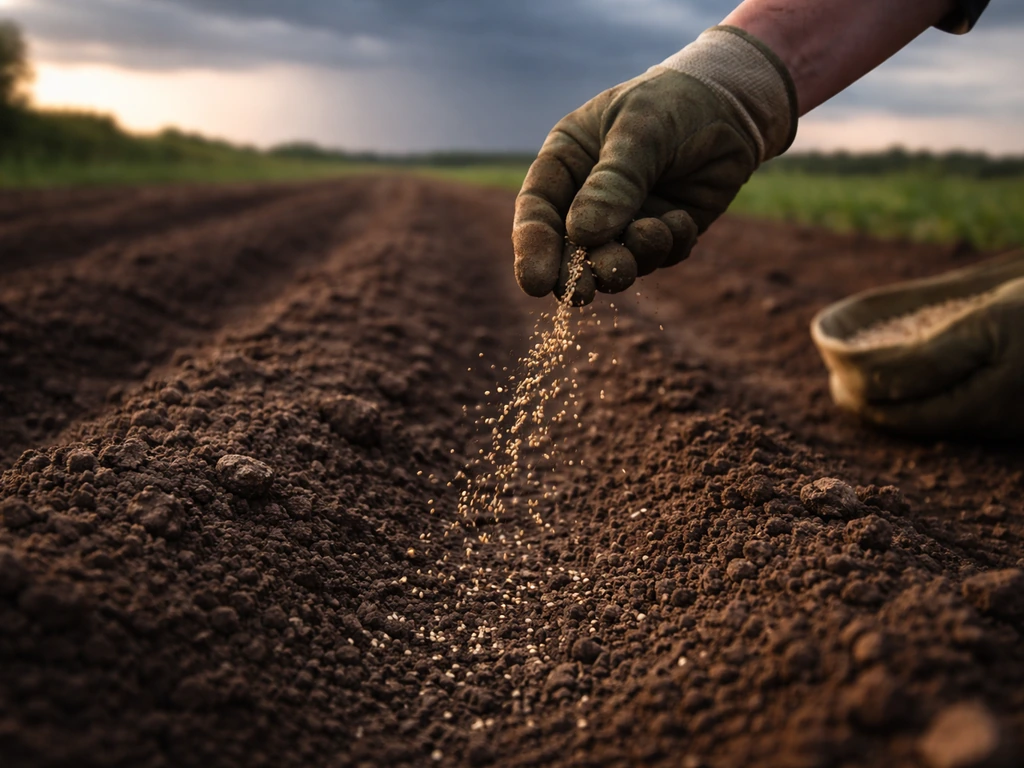
If you have some control over when you seed, use the forecast to your advantage. Seeding one to two days before a multi-day rain event is ideal: the soil gets worked up, the seed goes down, and then consistent rainfall does the heavy lifting for you during that critical first week. What you want to avoid is seeding right before a heavy, concentrated storm, which can wash seed into piles or compact the seedbed surface.
If rain is forecast but you're not sure it will be enough, seed anyway and plan to supplement. Don't wait for a perfect forecast window that may never come. The risk of a dry spell is worse than the risk of having to hand-water for a few days. Once you seed, your commitment is to soil moisture, however you deliver it.
If you have an irrigation controller with a rain sensor, make sure it's working. Purdue Extension specifically recommends rain sensors to avoid irrigating during or just after rain events. Overwatering is a real problem, not just inefficiency. The seedbed should never be saturated to the point of standing water or prolonged puddling.
When rain actually hurts your grass seed
Not all rain events are helpful. Here are the specific ways rain can damage a newly seeded lawn if conditions are wrong.
Seed washout and erosion
Heavy rain, especially on slopes or bare, loose soil, can physically move seed off where you planted it, washing it into low spots or off the property entirely. If you've ever seeded a slope and then had a storm roll through, you know exactly what this looks like. Straw mulch and erosion-control matting help, and if you catch seed that has washed into piles on a flat area, you can sometimes rake it back out before it dries, but that's a best-case scenario.
Surface crusting
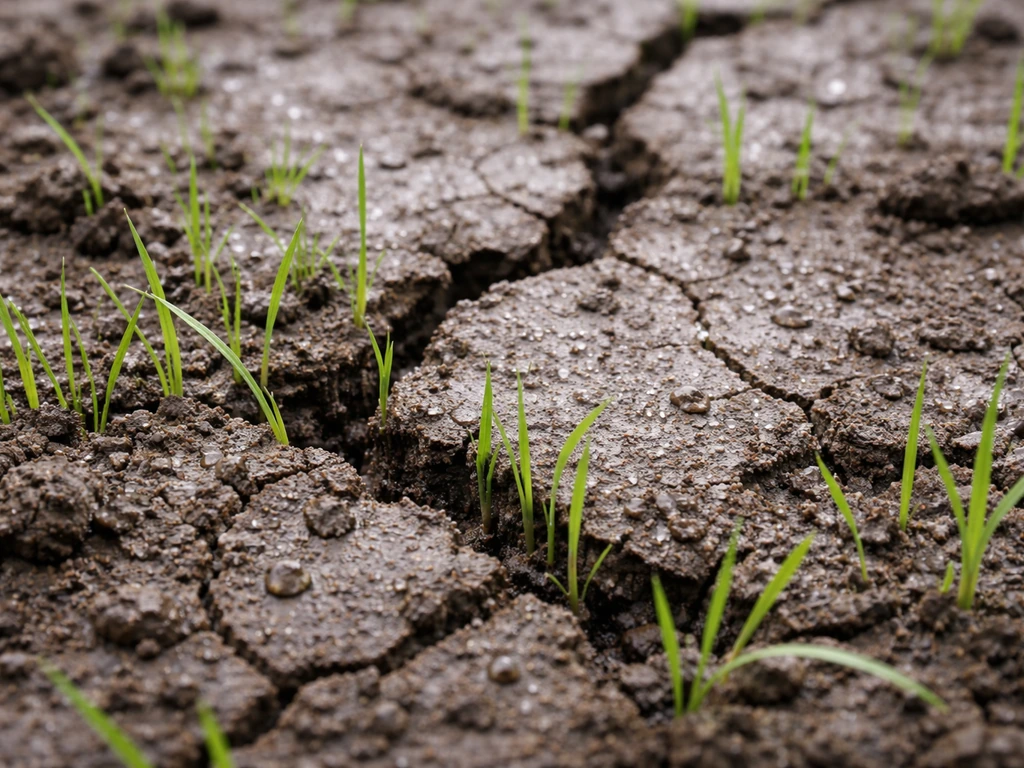
Rain that falls hard enough to compact the soil surface can cause crusting, especially on clay-heavy soils. A crust can physically block seedlings from pushing through, even when moisture is fine underneath. If you suspect crusting is an issue, a very light, careful raking of the surface (barely touching it) can break it up without disturbing seeds too deeply.
Fungal disease: damping-off
This is the rain problem people overlook most. Damping-off, which is caused by soil-borne fungi like Pythium, thrives in excessively wet, poorly drained conditions. Utah State University Extension, Penn State, and UC IPM all flag this as a major risk when seedlings are kept too wet for too long. The seedling looks fine one day and is collapsed at the soil line the next. It's devastating and fast.
University of Missouri Extension recommends good surface and subsurface drainage and using frequent small doses of water rather than overwatering, which is exactly the approach that also protects against damping-off during rainy stretches. If you're in a period of heavy, consecutive rain, make sure water isn't pooling in your seeded area. If it is, you may need to address drainage before you reseed.
Grass not sprouting after rain? Here's what to check
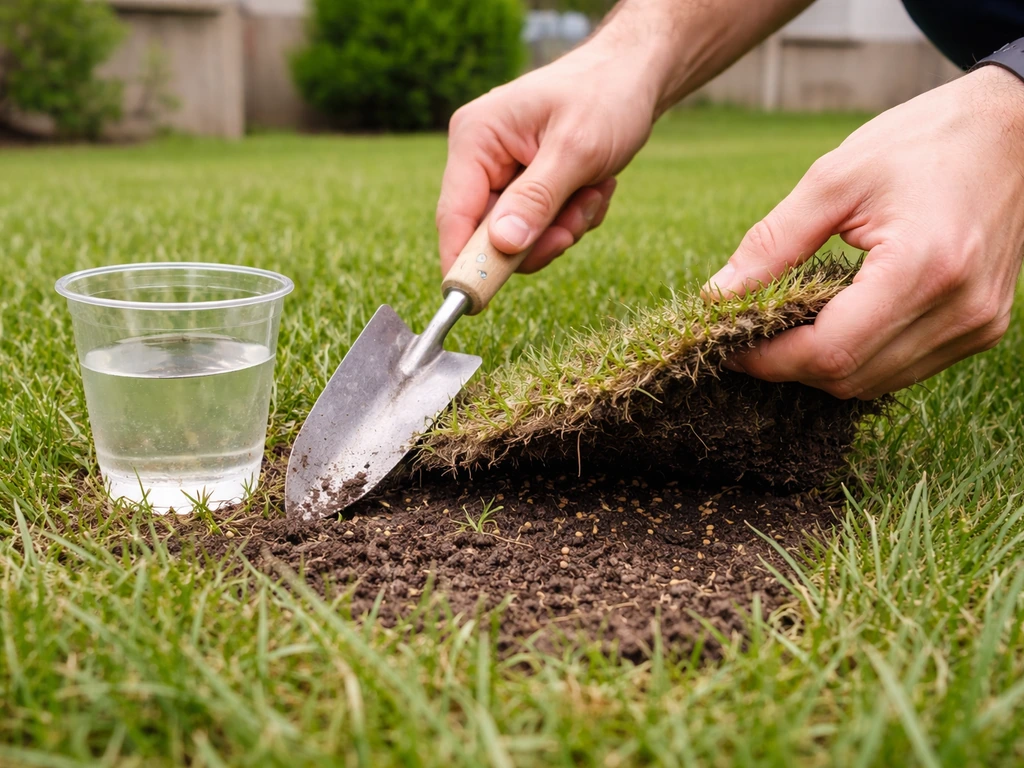
If you've had rain, the soil seems moist, and nothing is coming up, work through this list before assuming the seed is bad.
- Check how long it's actually been. Kentucky bluegrass can take 14 days or more even under good conditions. Cool-season mixes often show the fastest germinators (ryegrass) first, then fill in over weeks. Give it time before panicking.
- Dig gently and check soil moisture at 1 inch down. If it's dry an inch below the surface, the rain wasn't enough and the seedbed dried between events. Start supplemental watering now.
- Look for seed in the soil. If the ground was rained on hard, seed may have washed away. Check low spots or edges of your seeded area.
- Check the seeding depth. Seed buried more than 1/4 inch deep struggles to emerge. If you tilled heavily right before rain compacted the surface, seed may be too deep.
- Look for damping-off signs: seedlings that appeared and then collapsed at the base, or slimy, rotted patches. This means the area stayed too wet.
- Consider soil temperature. If nights are still dropping below 50°F consistently, cool-season grass germination is going to be sluggish regardless of moisture.
- Assess the seed itself. Old seed, or seed stored improperly, has lower viability. If you're using leftover seed from a prior season, germination rates may be much lower than the label suggests.
What to do next for patchy or failed germination
Patchy results after rain are normal, but they're also fixable. The approach depends on what went wrong.
| Problem | Likely Cause | What to Do Now |
|---|---|---|
| Bare patches in otherwise germinating lawn | Uneven moisture or seed contact | Hand-water bare patches more frequently; lightly rake and re-seed if needed |
| Seed washed into low spots | Heavy rain on bare soil | Rake redistributed seed back into bare areas while moist; apply straw mulch before next event |
| Seedlings emerged then died | Damping-off from overwatering | Let area dry slightly; improve surface drainage; re-seed with fresh seed at correct rate |
| Nothing came up anywhere | Insufficient or inconsistent moisture | Begin supplemental irrigation schedule (1/8 to 1/4 inch, 2-3x daily); check soil moisture at 1-inch depth |
| Germination was slow and sparse | Low soil temperature or old seed | Wait for temperatures to stabilize above 50°F at night; re-seed with fresh seed if viability is suspect |
| Surface crust blocking emergence | Hard rain on clay-heavy soil | Gently rake the surface crust; maintain lighter, more frequent watering going forward |
For genuinely failed seedings, the honest answer is to wait for the right seasonal window, fix the underlying problem (drainage, soil compaction, or grade issues), and re-seed. University of Minnesota Extension also points out that while slightly compacted soil can improve seed-to-soil contact and speed germination, overly compacted conditions can harm that contact and soil structure excessive conditions can harm contact/structure. Trying to force grass in poor conditions just burns money on seed. Fall is typically the best window for cool-season grasses, and late spring or early summer for warm-season types. Plan around a stretch of mild temperatures and be ready to irrigate consistently from day one, whether or not rain is in the forecast.
It's also worth thinking about what's happening with your broader lawn environment. If cloudy, overcast weather has been accompanying the rain, light availability may be limiting early growth even after germination occurs. Because cloudy days can mean less light, it can slow early grass growth even when the seed is germinating. And if you're on sandy soil, moisture retention between rain events is going to be your biggest ongoing challenge, since sand drains fast and the top inch can dry out in hours. Both of those conditions require more hands-on irrigation management, not just reliance on whatever falls from the sky.
Rain is a genuine ally for grass growth, but treating it as a set-it-and-forget-it solution is what leads to failed lawns. Many people wonder whether urine makes grass grow, but it can burn plants and should be avoided on lawns. Use it, supplement it, and protect your seedbed from its downsides. That combination works better than waiting for perfect weather.
FAQ
How can I tell if the rain was enough, or if I still need to water?
A good rule is to test moisture 1 inch down (not just the surface). If the top 1 to 2 inches feel dry to the touch when you press your finger, germination moisture is likely breaking and you should start light irrigation right away.
What if it keeps raining, but the soil stays soggy, should I still water?
If rain is frequent but you see puddling or standing water, you should pause irrigation. Seedlings are vulnerable to damping off when the seedbed stays too wet for too long, especially in poor drainage or compacted soil.
Can heavy rain after seeding still help grass grow, or does it usually hurt?
Yes, but only if it delivers gentle moisture. If the rain was intense enough to run off and create rills or wash seed into piles, you may need to re-spread seed and add light straw mulch to restore even seed-to-soil contact.
Does rain only matter at the beginning, or will it affect germination later too?
No. Even if rain starts germination, seed can fail if the soil dries out during the first 2 to 3 weeks. Plan to maintain consistent moisture until you have solid rooting, not just until you see sprouts.
How does season or temperature change whether rain helps grass grow?
Yes, because soil temperature can control how quickly a seed takes up water and completes germination. Cool, wet conditions can slow growth, and in extreme cold or heat, you may need a longer moisture window than usual.
Why do I get patchy grass after rain, especially on hills?
On slopes or bare ground, rain can move seed even if total rainfall is high. Use straw mulch or a light erosion-control mat before storms, and avoid seeding when heavy rain with likely runoff is expected.
What should I do if rain creates a crust and seedlings will not push through?
Light crusting is usually best handled gently. If you suspect a crust, lightly rake only the surface to break it up (barely disturbing the seed) and then resume the same consistent moisture pattern.
My sprinkler controller has a rain sensor, can that prevent overwatering during rainy spells?
If your rain sensor is skipping irrigation, verify it is not getting triggered incorrectly (for example, by a faulty sensor location or clogged sensor cup). Test the system during the next dry window to confirm you still hit the daily light watering target.
Can I fix seed that washed into piles after a storm, or should I just re-seed?
If you find seed has washed into low spots, you can sometimes rake it back out before it fully dries and then re-cover with a thin straw layer. For major washouts, reseeding later is often more cost-effective than trying to fix everything after the soil dries and hardens.
How often should I check moisture after rain in hot or windy weather?
If you are in warm, sunny, or windy conditions, the top inch can dry quickly even after rain. Expect to check every few hours after the storm ends, and water lightly sooner rather than waiting until the surface fully looks dry.
Next Articles
Does Lightning Help Grass Grow Faster? What to Do Instead
Does lightning boost grass growth? Mostly no, and not faster. Get today’s steps to fix soil, water, aeration, and seedin
Does Rain Make Grass Grow Faster? Here’s What Happens
Learn when rain speeds grass growth and when it stalls, plus after-rain steps for mowing, fertilizing, and fixing proble
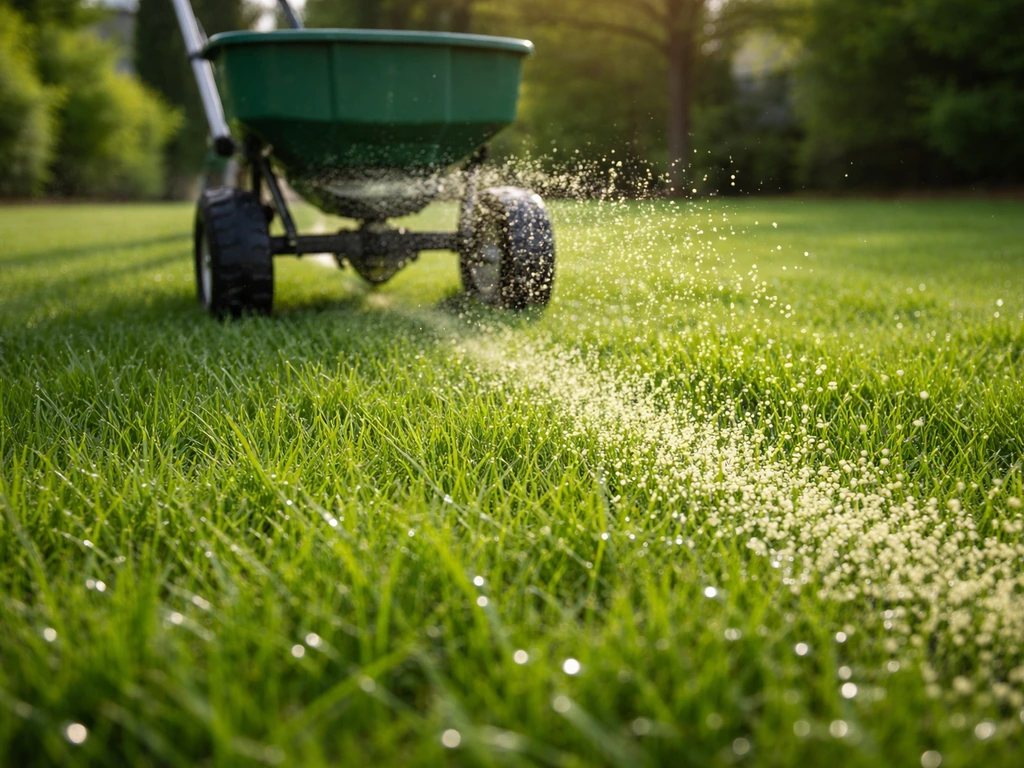
Does Lime Help Grass Grow? When and How to Use It
Learn if lime helps grass grow by fixing soil pH, when to apply it, and how fast results can be.