
Yes, lime can absolutely help grass grow, but only when your soil actually needs it. Lime isn't a fertilizer or a growth booster in the way most people assume. What it does is fix soil pH, and when soil pH is too low (acidic), that single problem can choke off nutrient availability, poison grass roots with excess aluminum and manganese, and stall growth completely. Fix the pH, and you fix a whole cascade of problems. But if your soil pH is already in a good range, lime won't do a thing except potentially make matters worse.
Does Lime Help Grass Grow? When and How to Use It
Marcus Volkmann
4 Apr 2026
What lime actually does to your soil
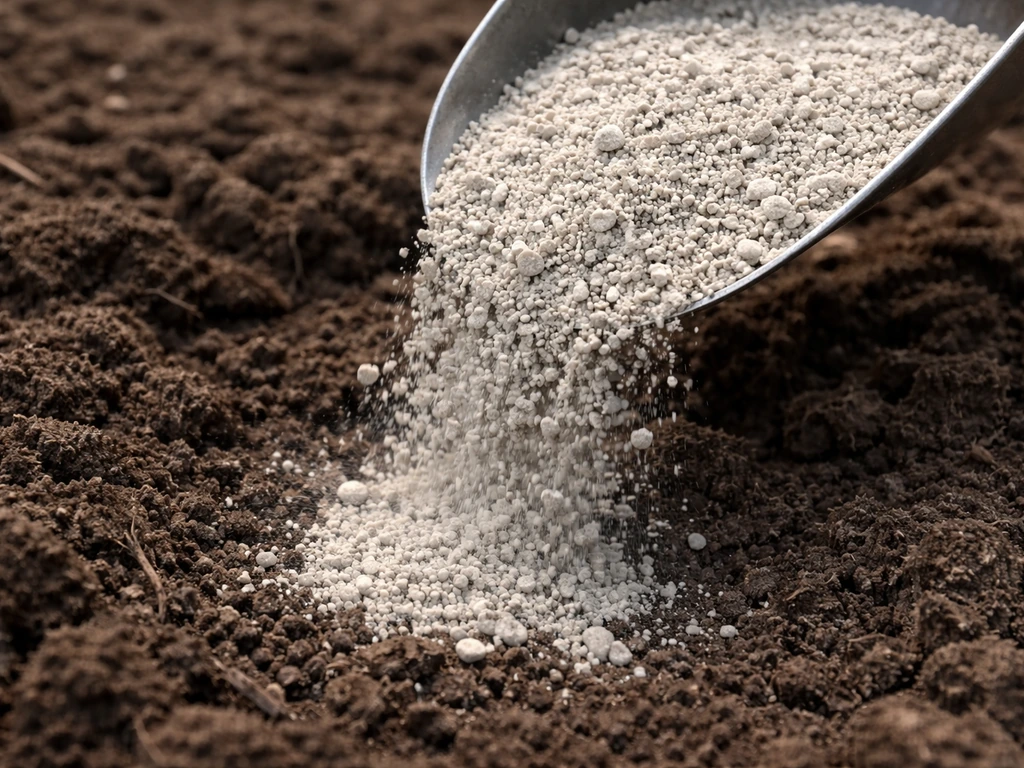
Lime is a calcium-based soil amendment, most commonly sold as ground limestone (either calcitic or dolomitic). When you apply it to soil, it neutralizes acidity by raising the pH. That shift in pH has a big downstream effect: it changes what's available to your grass roots and what isn't.
In strongly acidic soil (pH at or below 5.5), something bad happens that most people don't realize. Aluminum and manganese become highly soluble and can reach toxic levels for turfgrass. At the same time, calcium, magnesium, and phosphorus become less available, even if those nutrients are physically present in the soil. You can dump fertilizer on that lawn all season and still see weak, struggling grass because the roots can't access what they need. A 2025 field study confirmed this clearly: liming acidic soil raised pH, reduced exchangeable acidity, and improved availability of phosphorus, calcium, nitrogen, magnesium, and potassium all at once. That's not a small fix. That's a complete soil chemistry correction.
Lime also stimulates soil microbial activity. The beneficial bacteria and fungi that break down organic matter and cycle nutrients back to plant roots work best in a near-neutral pH environment. Acidic soil suppresses that microbial community, which slows nutrient turnover even further. So liming in the right situation doesn't just solve one problem, it solves five or six simultaneously.
When lime helps and when it won't
This is where most lawn advice goes wrong. Lime is often recommended as a general lawn fix, almost like a default step. It isn't. Lime only helps if your soil is too acidic. Most cool-season grasses (fescue, bluegrass, ryegrass) prefer a soil pH between 6.0 and 7.0. Warm-season grasses (bermuda, zoysia, centipede) are often happy a bit lower, around 5. Florida UF/IFAS also notes that warm-season turfs such as zoysiagrass and centipede generally perform best in near-neutral to alkaline soil conditions, which is why you should avoid a one-size-fits-all pH target Warm-season grasses (bermuda, zoysia, centipede) are often happy a bit lower. 5 to 6.5, with centipede actually preferring the lower end of that range around 5.5.
If your soil is already at pH 6.5, adding lime pushes it higher and can start locking out micronutrients like iron, manganese, and zinc that grass needs in small amounts. You can literally create new deficiencies by over-liming. And if your soil is alkaline (pH above 7.0), lime makes things actively worse. This is a real mistake I've seen people make repeatedly, especially in the western U.S. and in areas with naturally alkaline soil or heavy concrete dust near foundations.
The other common misconception is that lime is fast. It isn't. Lime reacts slowly with soil, and the pH shift happens over months, not days. Applying lime and expecting to see lush grass in two weeks is setting yourself up for disappointment. It's also worth noting that lime doesn't replace fertilizer. It makes nutrients more accessible, but if nutrients aren't present in the soil in the first place, raising pH alone won't produce them out of thin air.
Does lime make grass grow faster? Realistic timelines
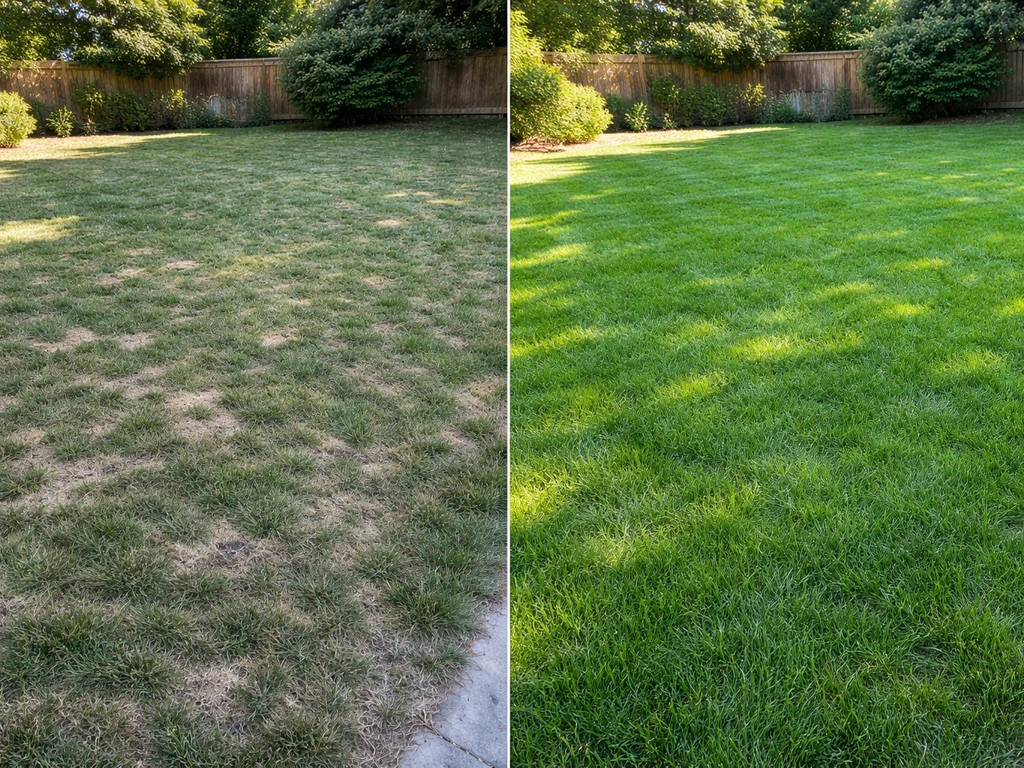
Sort of, and here's how to think about it honestly. In soil that's been chronically acidic, you might see noticeably greener, thicker grass within 4 to 8 weeks of a lime application during the growing season. That visible improvement isn't lime making grass grow faster exactly. It's the grass finally being able to use the nutrients and water it already had access to. The growth engine was just stuck, and lime freed it up.
In soils that aren't severely acidic, lime doesn't produce a visible growth difference at all. Healthy, properly fertilized turf growing in soil at pH 6.5 won't look any different after liming. There's simply nothing broken to fix. Timing matters too. Lime applied in fall on cool-season lawns has the whole winter to work into the soil before spring growth begins, which is one reason fall is the most recommended time to apply it. Spring applications work, but they have less time to react before the grass enters its peak growing window. I've tested this firsthand: fall lime applications on acidic lawns consistently outperform spring applications in terms of how quickly grass responds the following season.
Other growing conditions also play a role. Even with perfect soil pH, grass still needs adequate moisture and light to thrive. Humidity and warm temperatures can accelerate grass growth rates during the recovery period after liming, which is one reason summer lime applications on warm-season grasses sometimes appear to work very quickly. It's the growing conditions helping, not just the lime.
Does lime help grass seed germinate?
Yes, under the right conditions. Grass seed germination is sensitive to soil environment, and highly acidic soil creates two problems for seed: it suppresses the soil microbial activity that supports early root development, and it limits the availability of phosphorus, which is critical for root growth in seedlings. If you're overseeding or seeding a new lawn into acidic soil, you're fighting those problems from day one.
Applying lime before seeding (ideally 2 to 3 months before, to give it time to react) gives new grass seed a significantly better environment to germinate and establish. The phosphorus availability improvement matters especially at the seedling stage because young roots depend heavily on phosphorus for energy transfer and early development.
That said, lime doesn't speed up germination directly. Seed germination is driven primarily by soil temperature and moisture. Rain and consistent soil moisture are among the biggest drivers of successful germination and early grass establishment, and lime doesn't replace those. What lime does is remove the pH-related obstacles so that once germination occurs, those seedlings can actually grow and thrive rather than stall out at the two-leaf stage.
How to tell if your lawn actually needs lime
You cannot tell by looking at the grass. Low-pH lawns can look thin, yellow, or patchy, but so can lawns with compaction problems, drought stress, shade, or nitrogen deficiency. The only way to know is a soil test, and it's worth doing before you buy a single bag of lime.
Getting a soil test
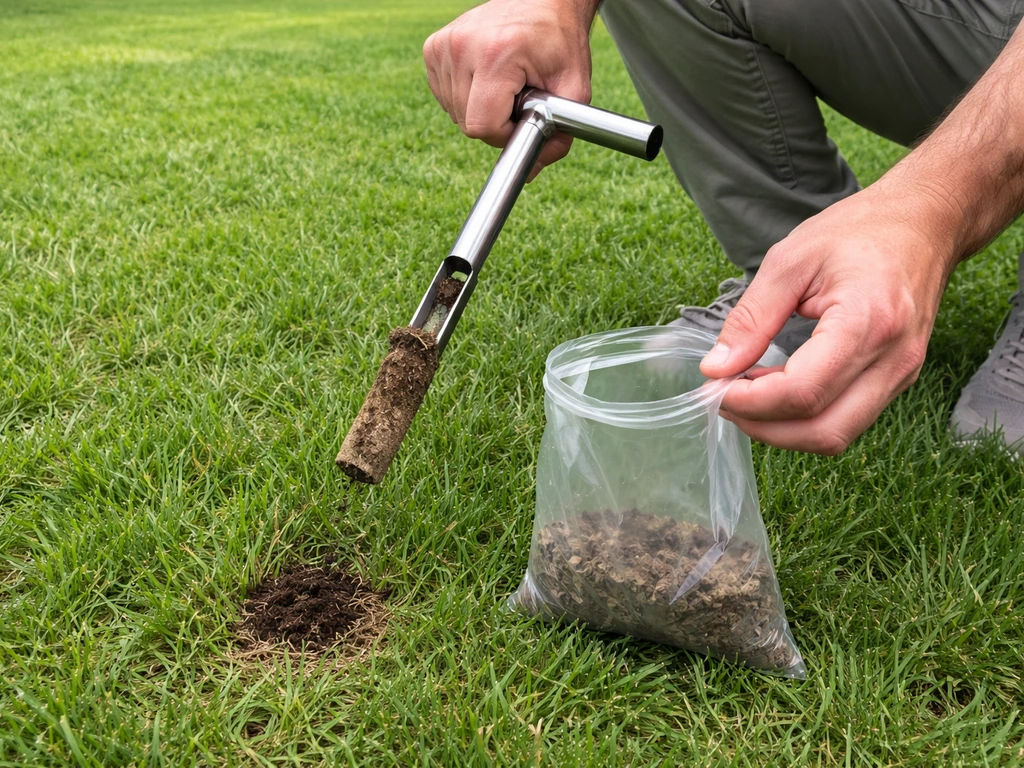
Your local cooperative extension office is the best starting point. Most charge between $10 and $25 for a full soil analysis, which gives you pH, organic matter percentage, and levels of major nutrients. That's far cheaper than applying the wrong amendment and making your lawn worse. Home test kits from garden centers work for a rough pH reading, but they don't give you the nutrient data you need to make smart decisions.
To take a good sample, use a clean trowel or soil probe and pull cores from 6 to 8 spots around your lawn at a depth of about 3 to 4 inches. Mix them together in a clean bucket, let the sample air-dry, and send roughly a cup of that mixed sample to the lab. If your lawn has notably different zones (shady area, sunny slope, area near the driveway), sample those separately.
Reading your results
The report will give you a pH number and usually a lime recommendation in pounds per 1,000 square feet. Here's a quick way to interpret the pH number on its own:
| Soil pH Range | What It Means | Lime Needed? |
|---|---|---|
| Below 5.5 | Strongly acidic, likely toxic aluminum/manganese levels, nutrient lockout | Yes, high priority |
| 5.5 to 6.0 | Moderately acidic, nutrient availability reduced | Yes, especially for cool-season grasses |
| 6.0 to 6.5 | Slightly acidic, acceptable for most grasses | Maybe, small amount if targeting 6.5 |
| 6.5 to 7.0 | Near-neutral, ideal for most turfgrass | No |
| Above 7.0 | Alkaline, lime will make things worse | Definitely not, consider sulfur instead |
How to apply lime correctly
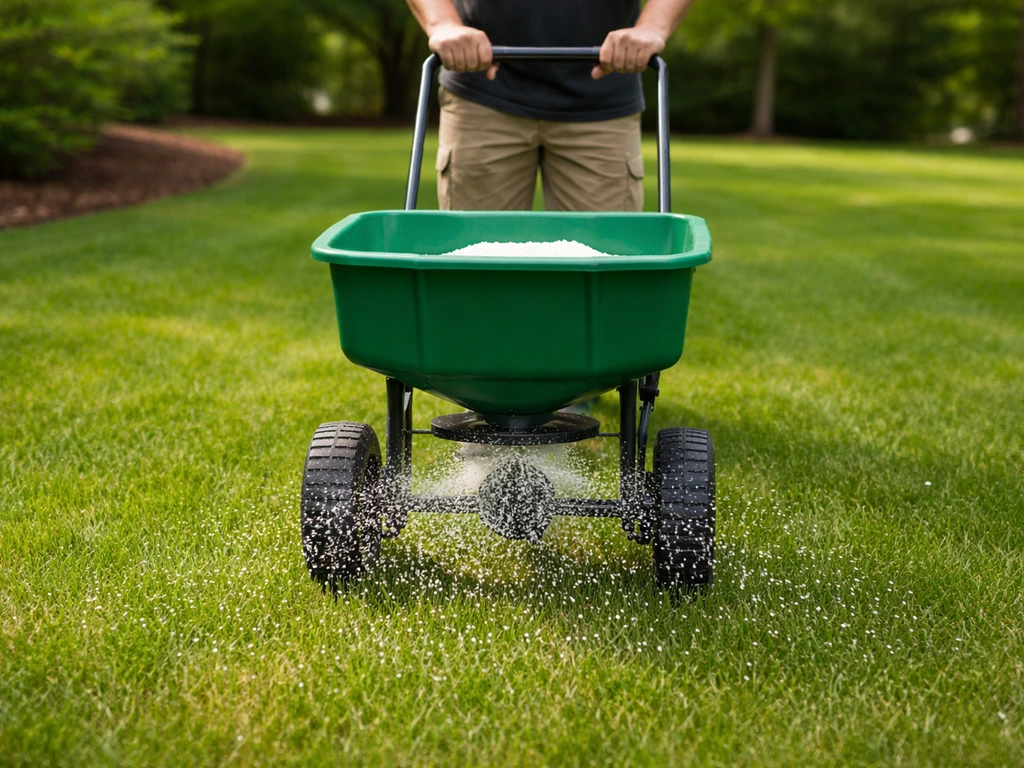
Application rate depends on your current pH, your target pH, and your soil type. Clay soils have more buffering capacity and need more lime to shift pH than sandy soils. Extension soil tests account for this and give you a specific rate. As a general reference, raising pH by one full point in a sandy loam might take 25 to 50 pounds of ground limestone per 1,000 square feet, while a heavy clay soil might need 75 to 100 pounds for the same shift.
For established lawns
- Mow your lawn at its normal height before applying.
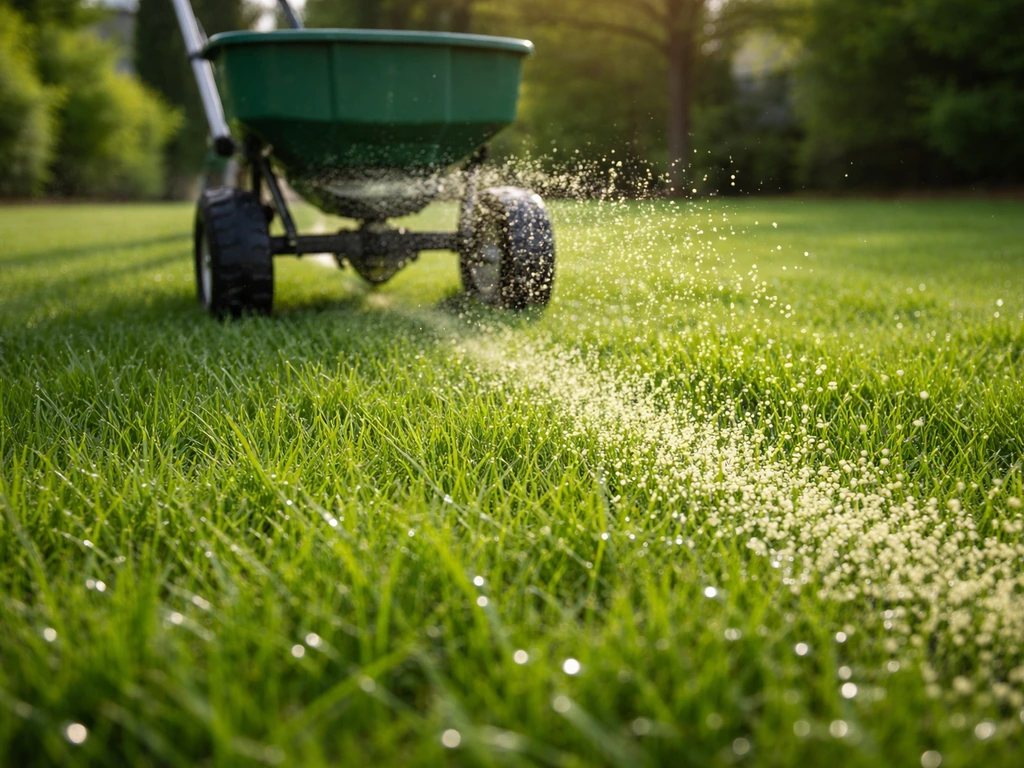
- Use a rotary spreader for pelletized lime (easier to apply evenly) or a drop spreader for fine-ground lime.
- Split the total rate into two passes at right angles to each other to avoid streaking.
- Apply when rain is in the forecast within the next day or two. Lime needs moisture to start reacting. Grass grows and soil amendments activate most effectively when consistent rainfall follows application.
- Don't apply lime and nitrogen fertilizer at the same time. The alkaline environment from fresh lime can cause nitrogen volatilization. Wait at least two to four weeks between applications.
- Retest soil in 3 to 6 months to see how much pH has shifted before applying more.
For new seeding or overseeding
Ideally, incorporate lime into the soil 2 to 3 months before seeding. If you're doing a fall overseeding, a summer lime application gives it time to react. If you're in a rush, pelletized lime reacts faster than coarse-ground agricultural lime and can be applied closer to seeding time, but give it at least 3 to 4 weeks if possible. Apply lime before you aerate and seed so it gets worked into the soil profile when you aerate. Don't apply lime and starter fertilizer at the same time for the same reason as above: wait a couple of weeks.
After seeding, consistent moisture is the single biggest factor in whether seed takes. Rain tends to accelerate germination and early growth better than irrigation in many cases because it's more consistent and gentle, but the key is keeping the seed bed moist for the first two to three weeks regardless of source.
Pelletized vs. agricultural ground limestone: which to use
Both work, but they have trade-offs worth understanding before you buy.
| Type | Reaction Speed | Ease of Application | Cost | Best For |
|---|---|---|---|---|
| Pelletized lime | Faster (breaks down quickly when wet) | Very easy, spreads cleanly | Higher per pound | Established lawns, pre-seeding with limited lead time |
| Agricultural ground limestone | Slower, especially coarser grinds | Dusty, harder to spread evenly | Lower per pound | Larger areas, fall applications with long lead time |
| Dolomitic limestone | Medium | Easy to moderate | Moderate | When soil test also shows low magnesium |
My recommendation: for most homeowners doing one or two lawn applications a year, pelletized lime is worth the slightly higher price for the ease of application and faster reaction time. If you're treating a large area or working with a long lead time before the growing season, agricultural ground limestone is perfectly fine and more economical.
If lime doesn't fix it: other things to check
Lime is one tool for one specific problem. If you've tested your soil, the pH is fine, you've applied lime where needed, and your grass is still thin or slow, here are the most likely culprits and what to do about them.
- Nitrogen deficiency: This is the most common cause of slow, pale, thin grass after pH is corrected. A complete fertilizer with slow-release nitrogen applied in spring and fall is the next step. Don't skip the soil test results here either, because phosphorus and potassium levels matter too.
- Compaction: Dense, compacted soil restricts root growth and water infiltration regardless of pH. Core aeration in fall or spring breaks up compaction and improves lime and nutrient movement into the soil profile.
- Shade: If your lawn is under heavy tree cover, even perfect soil chemistry won't overcome the light deficit. Consider fine fescues or shade-tolerant alternatives, or thin the tree canopy. No soil amendment fixes a shade problem.
- Poor watering: Inconsistent moisture stalls grass growth at any soil pH. Grass can slow or stop growing without consistent water access, so check your irrigation coverage or rainfall patterns before blaming soil chemistry.
- Wrong grass species for your climate: If you're growing cool-season grass in a warm climate or vice versa, the grass will always struggle. Lime won't fix a species mismatch.
- Thatch buildup: A thatch layer over half an inch thick blocks water and nutrient penetration. Dethatch before liming if you have significant buildup.
- Weed competition: Heavy weed pressure (especially broadleaf weeds that actually prefer acidic soil) can outcompete thin grass. After correcting pH, a targeted herbicide program and overseeding are often needed together.
It's also worth knowing that not all unusual growth triggers are bad. Lightning deposits nitrogen into the soil in ways that can briefly stimulate grass growth, which is one reason lawns sometimes look noticeably greener after a thunderstorm. That kind of nitrogen boost is temporary, but it's a reminder that grass growth responds to a whole ecosystem of inputs, not just soil pH alone.
On a similar note, people sometimes wonder whether other organic inputs make a difference. Diluted urine can act as a nitrogen source for grass in small amounts, though it's not something most homeowners are actively using as a strategy. The point is: grass growth is driven by multiple variables at once, and lime is just the pH piece of that puzzle.
Once your soil chemistry is sorted, don't underestimate how much weather affects the pace of recovery. Even on overcast days, grass continues to photosynthesize and grow, just somewhat more slowly, so don't be discouraged if you don't see a dramatic response immediately after lime and fertilizer applications during a cloudy stretch.
The bottom line: start with a soil test
Lime helps grass grow when the soil is acidic and that acidity is the limiting factor. In that situation, it's one of the most cost-effective fixes you can make, often more impactful than adding fertilizer because it makes everything the grass already has access to actually work. But lime applied to already-neutral or alkaline soil is money wasted at best and actively harmful at worst. Test first, apply based on results, use the right rate, and give it time. That sequence works. Guessing doesn't.
FAQ
If I lime my lawn, do I still need fertilizer?
Not directly. Lime changes soil pH over time, it does not supply nitrogen, phosphorus, or potassium. If your soil test shows low nutrients, you still need fertilizer, but lime should be applied based on pH needs first (or on the schedule your soil report recommends) so you do not lock nutrients out by applying too much or at the wrong time.
Can I apply lime and fertilizer at the same time?
Yes, you can, but it depends on what else is in your plan. A common safe approach is to apply lime, then wait about 2 weeks before applying starter fertilizer, since combining can interfere with nutrient availability. Follow your soil test recommendation, especially if the report includes both lime and fertilizer rates or target timing.
Does lime need to be watered in, or will rain do it?
You usually can keep using irrigation, but do not treat lime like an immediate “water-in” product. Lime still reacts slowly, so watering right after application is fine, but the real timeline is weeks to months. Also avoid flooding, as runoff can leave untreated patches.
What happens if I apply too much lime?
More is not better. Over-liming can raise pH too high, which can cause micronutrient lockout (commonly iron, manganese, and zinc) and may lead to new deficiencies. Use your soil test’s recommended pounds per 1,000 sq ft, and if you are unsure, split applications rather than pushing one large dose.
How often should I lime my lawn?
Lime can be applied more than once, but the pace should be guided by testing. Many lawns do not need annual liming, since pH changes gradually and soils have buffering capacity (especially clay). If you re-lime without re-testing, you risk creeping pH higher than the target range for your grass type.
When is the best time of year to lime, for existing grass versus new seed?
The “best” time depends on whether you are trying to fix established turf or prepare a seedbed. For established cool-season lawns, fall is often preferred because it has months to react. For spring, it can work but you may see slower response before peak growth. If you are seeding, aim to apply lime 2 to 3 months before seeding if possible, so the pH change happens before roots need phosphorus most.
How can I tell if my lawn problem is actually caused by low pH?
If you see lime on the lawn but have no soil test, you cannot reliably diagnose whether the problem is pH-related. Patchy or yellow grass can also be compaction, drought stress, shade, thatch issues, or nitrogen deficiency. A soil test tells you whether lime is the missing piece before you spend money and risk worsening pH.
Are home soil test kits accurate enough to decide how much lime to use?
Do not rely on a home pH-only kit if your goal is deciding lime rate and whether nutrients are also limited. Soil pH affects availability, but your soil test should also include major nutrients and organic matter, so you can tell the difference between “need lime” and “need fertilizer,” or both. If your lawn is divided into zones (driveway edge, shade, slope), test separately.
Should I choose pelletized lime or agricultural (ground) limestone?
Yes, but pelletized lime is not automatically the right answer. Pelletized products can spread more evenly and may react a bit faster than coarse ag lime, which can help if you have a tighter schedule. However, the correct choice still depends on your target pH and budget, and on whether you can give it enough weeks to work.
Is lime ever harmful if my soil pH is already high?
In highly alkaline soils (pH above about 7.0), lime can make things worse by increasing pH further and raising the chance of micronutrient lockout. If your soil test already shows you are in-range for your grass type, skip lime rather than “trying it anyway.”
If I’m seeding, will lime help the grass germinate faster?
For seeding and overseeding, lime can help only by removing pH-related barriers, it does not speed germination by itself. Seed germination depends mostly on temperature and consistent moisture, so treat lime as part of long-term root health, while planning irrigation or rain coverage for the first 2 to 3 weeks to keep the seed bed consistently moist.
What if my soil pH is corrected with lime but my grass still looks thin?
Yes. If you are dealing with soil compaction, poor drainage, heavy thatch, or root stress, lime will not fix those. In many yards, pH may be correct but the grass still struggles because roots cannot grow into the profile or because water and air movement are limited. Address compaction and drainage issues alongside soil chemistry for best results.
Next Articles
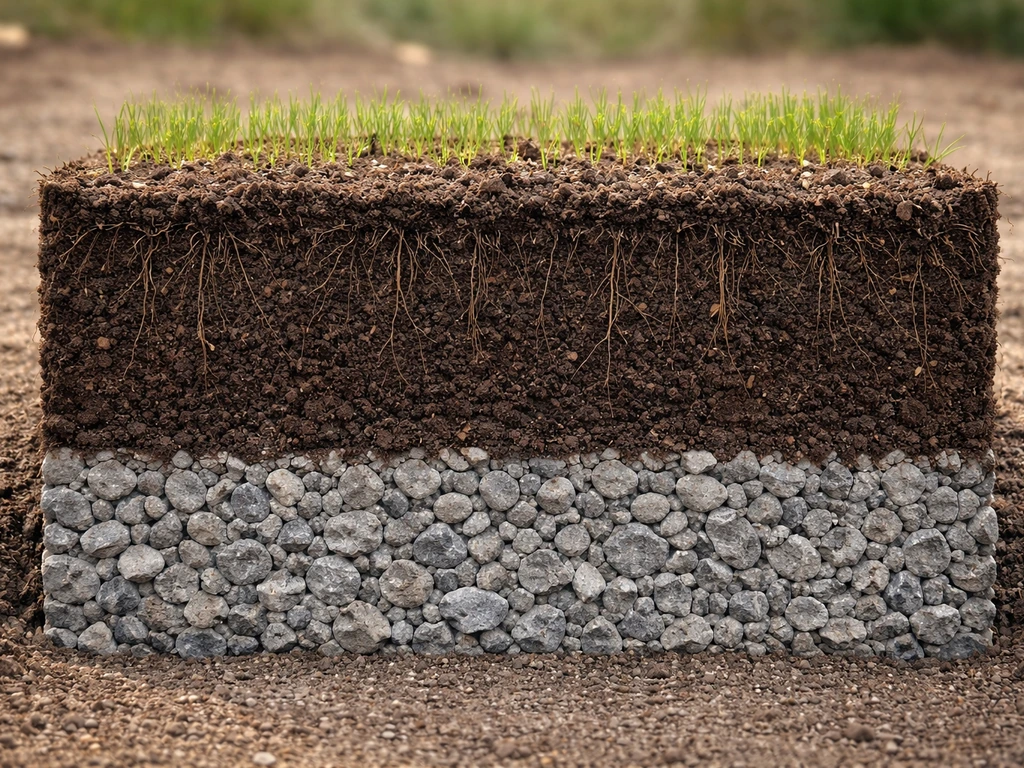
Can You Grow Grass Over Gravel? How to Do It Right
Learn when you can grow grass over gravel and follow a step-by-step method for soil depth, drainage, seeding or sod, and
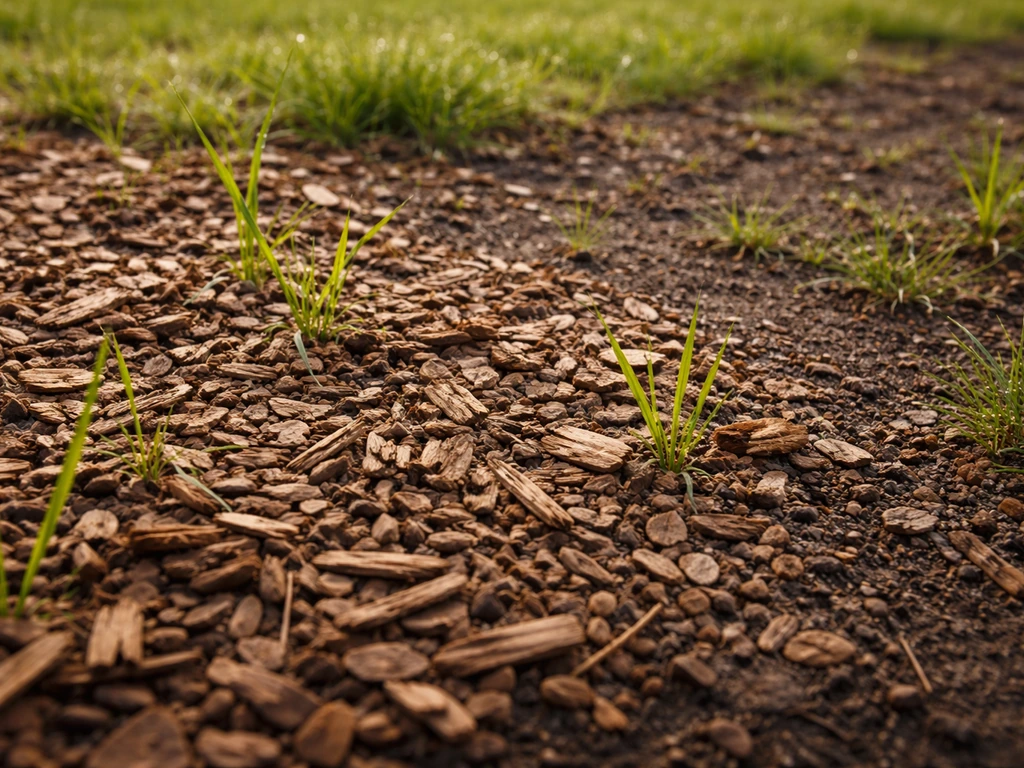
Do Wood Chips Help Grass Grow? When They Work and When Not
Learn when wood chips help grass grow, when they steal nitrogen, and step-by-step how much to apply and seed options.

Will Potting Soil Help Grass Grow? What Works and What Fails
When potting soil helps grass grow, when it fails, and how to prep, apply, seed, water, and troubleshoot bare spots.