
Yes, grass grows on cloudy days, but slower than it would under full sun. Cloud cover reduces the amount of photosynthetically active light reaching your lawn, which puts a soft brake on growth. It doesn't stop growth entirely unless clouds are part of a bigger problem like cold soil, waterlogged ground, or deep shade from trees. Most of the time, an overcast stretch just means your lawn is ticking along at a lower gear, not stalling out completely.
Does Grass Grow on Cloudy Days? Lawn Growth Tips
Marcus Volkmann
3 Jul 2026
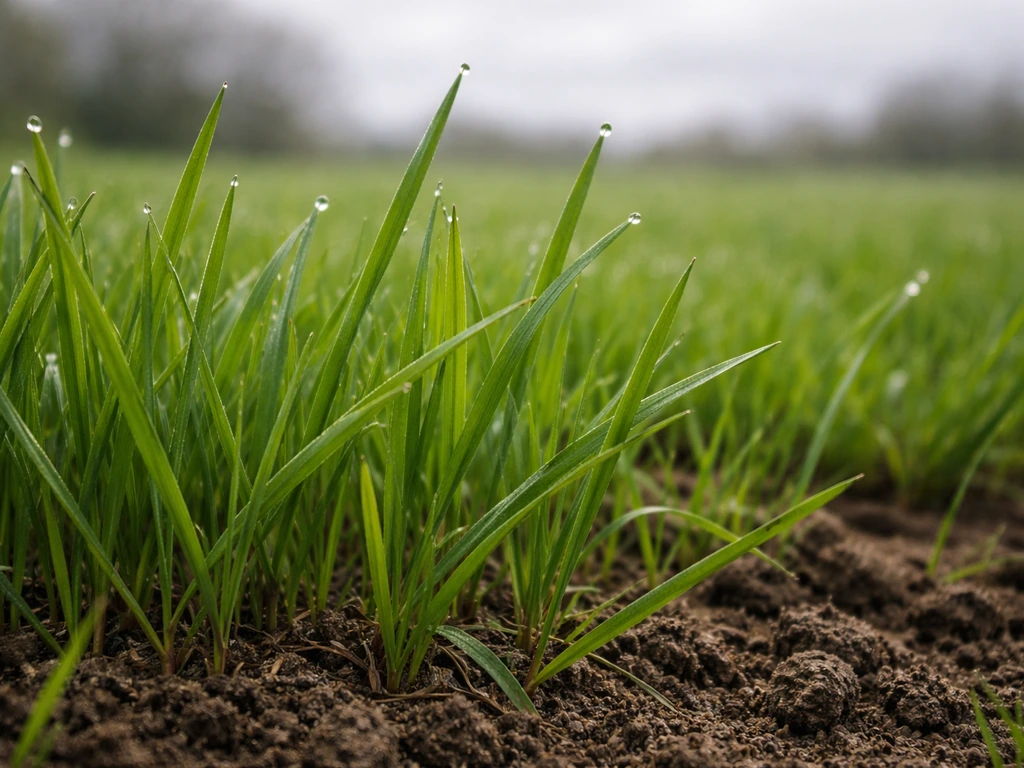
How cloud cover affects grass growth
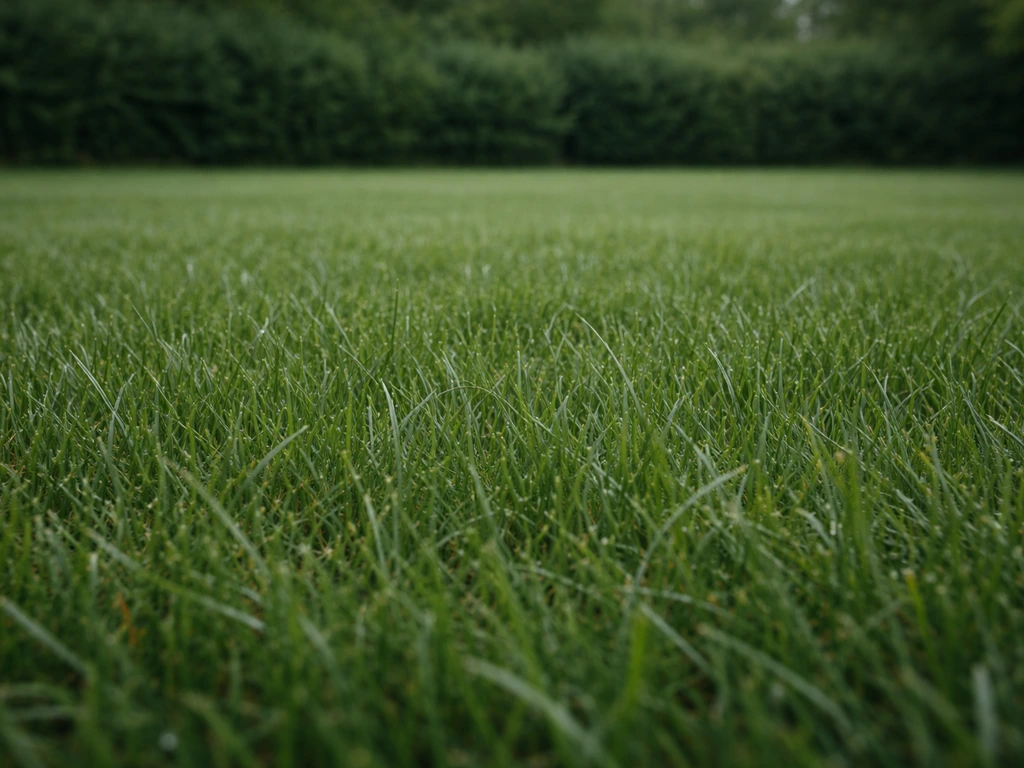
The key concept here is daily light integral, or DLI. It's basically a measure of the total amount of photosynthetically active light your lawn receives over a full 24-hour period. On a clear summer day, that number is high. On a heavily overcast day, it might drop by 50 to 80 percent. Research on turfgrass confirms that as DLI decreases, shoot growth decreases alongside it. Less light means less photosynthesis, which means less energy for the plant to push out new blades and expand its root system.
But here's the thing: a cloudy day is not the same as no light. Diffuse light still penetrates cloud cover and reaches your grass. Unless you're dealing with prolonged deep overcast combined with cold temperatures or other stressors, your lawn is still running, just at reduced capacity. Rain can help indirectly if it keeps soil moisture up, but it does not replace the light your grass needs to grow.
Warm-season grasses like bermudagrass and zoysiagrass are generally more sensitive to light reduction than cool-season grasses, partly because their minimum DLI thresholds tend to be higher. Zoysiagrasses maintained at lawn height, for example, have reported minimum DLI requirements of roughly 10 to 11 mol per square meter per day during summer. Drop significantly below that consistently and you'll start seeing real quality decline.
Will grass grow on cloudy days
The direct answer is yes, with a qualifier. Lightning can help only indirectly by increasing light available for photosynthesis, but it does not supply the kind of sustained illumination grass needs. Grass will keep growing during overcast weather as long as temperatures are in the right range, soil moisture is adequate but not excessive, and nutrients are available. What changes is the speed.
You're not going to get the aggressive shoot growth you'd see during a warm, sunny week, but your lawn isn't sitting dormant either. Homeowners who seed in fall and then hit a stretch of cool, cloudy days often report that germination and establishment still happen, just on a longer timeline. That tracks with what the research shows: reduced light limits potential, it doesn't eliminate it.
Where it gets more complicated is when the overcast period also brings cold or wet conditions. Does grass grow when it rains? Yes, but the cold and wet soil conditions during rain can slow growth even when there is some diffuse light cold or wet conditions. If soil temperatures drop below about 50°F for cool-season grasses, or below 65°F for warm-season grasses, growth slows dramatically regardless of what the sky is doing. Clouds alone aren't the villain in those scenarios. Temperature and soil conditions are doing most of the damage.
What actually controls growth when it's cloudy
Light
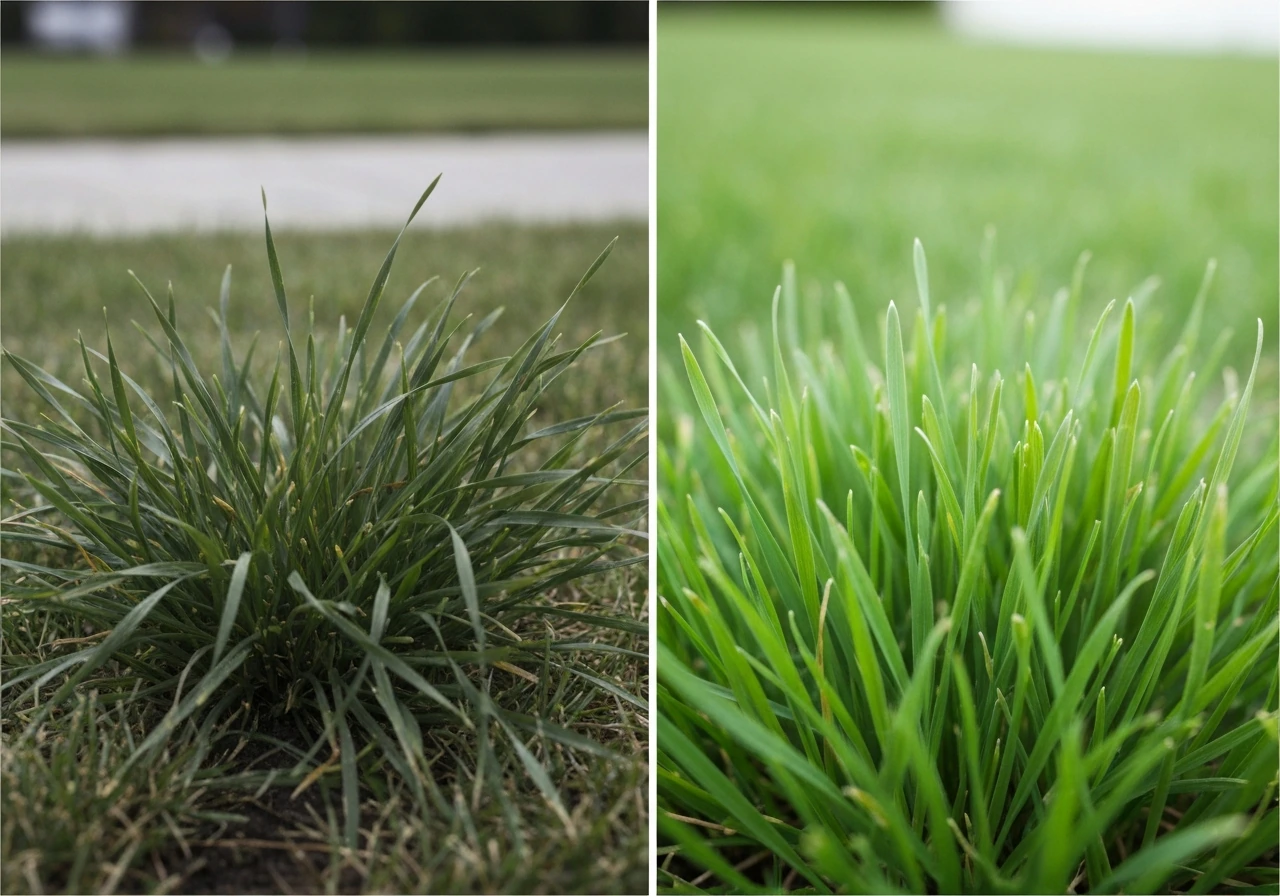
Light is the primary driver. The less of it your grass gets, the less fuel it has for photosynthesis. On an overcast day you're working with reduced DLI, which limits growth rate. The good news is that most cloud cover still delivers enough diffuse light for grass to function, particularly for cool-season varieties. The bad news is that if clouds are combined with actual shade from trees or structures, you can push DLI low enough that it genuinely becomes a blocker.
Temperature
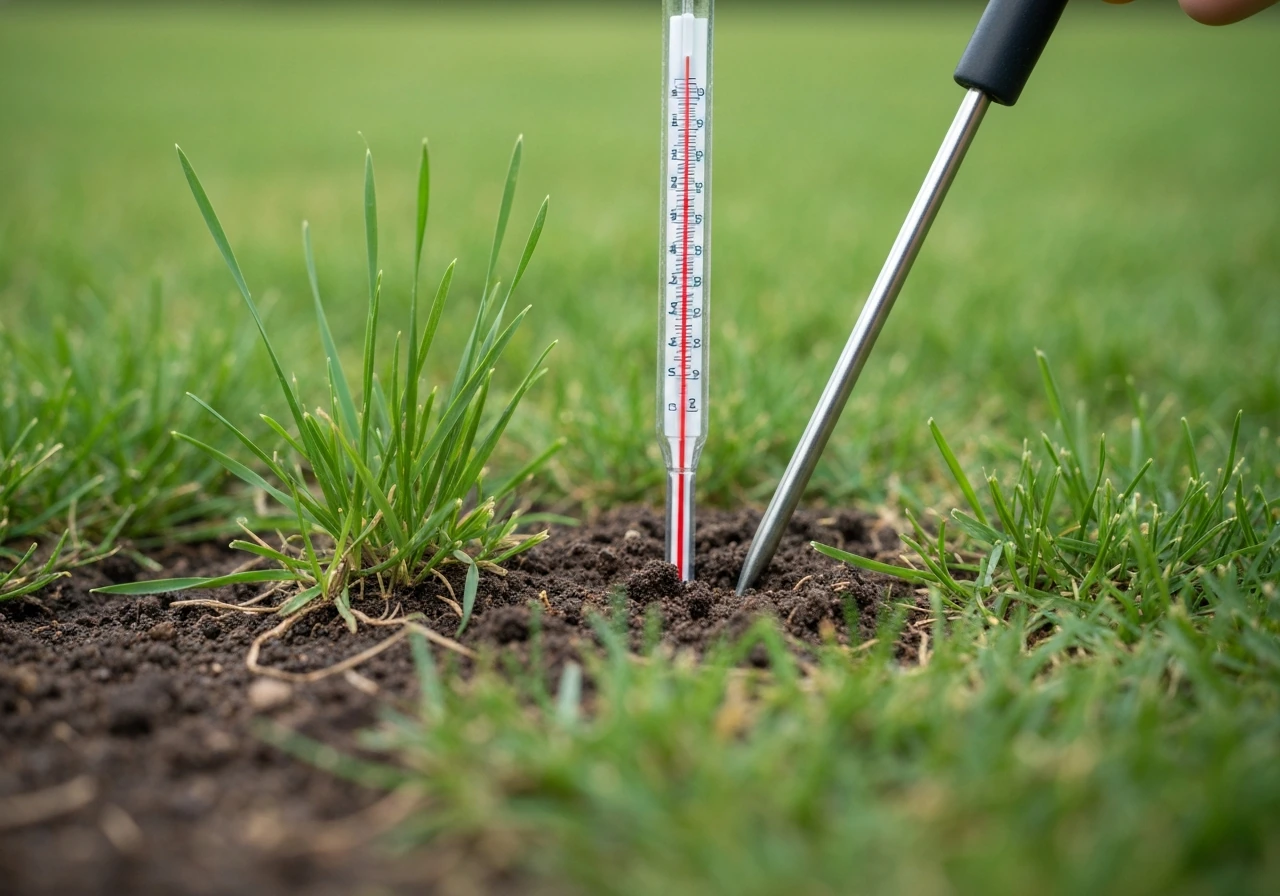
Cool-season grasses like fescue, bluegrass, and ryegrass have a shoot growth sweet spot of roughly 60 to 75°F. Root growth, which is separate, peaks at soil temperatures of 50 to 65°F and drops off quickly above 70°F. So a mild, cloudy day in spring or fall can actually be good growing weather for cool-season turf, even without strong sun. Warm-season grasses need warmer soil to move at all. A cloudy, cool week in late spring can temporarily slow bermudagrass or zoysia to a near halt even if the calendar says summer.
Moisture
Cloudy days tend to reduce evapotranspiration rates, which means your lawn loses less moisture to the atmosphere. For cool-season turf, ET rates typically run 3 to 8 mm per day; for warm-season turf, closer to 2 to 5 mm per day. Humidity can also affect how quickly the soil and lawn lose moisture, but light and temperature still determine how fast grass can actually grow ET rates typically run 3 to 8 mm per day.
On an overcast, mild day those numbers drop toward the low end. That's mostly good news for moisture retention, but it also means you should dial back your irrigation. Overwatering on cloudy, low-ET days is a real and common mistake that leads to waterlogged soil, reduced oxygen in the root zone, and ironically, stunted growth.
How to tell if your lawn is actually growing under clouds
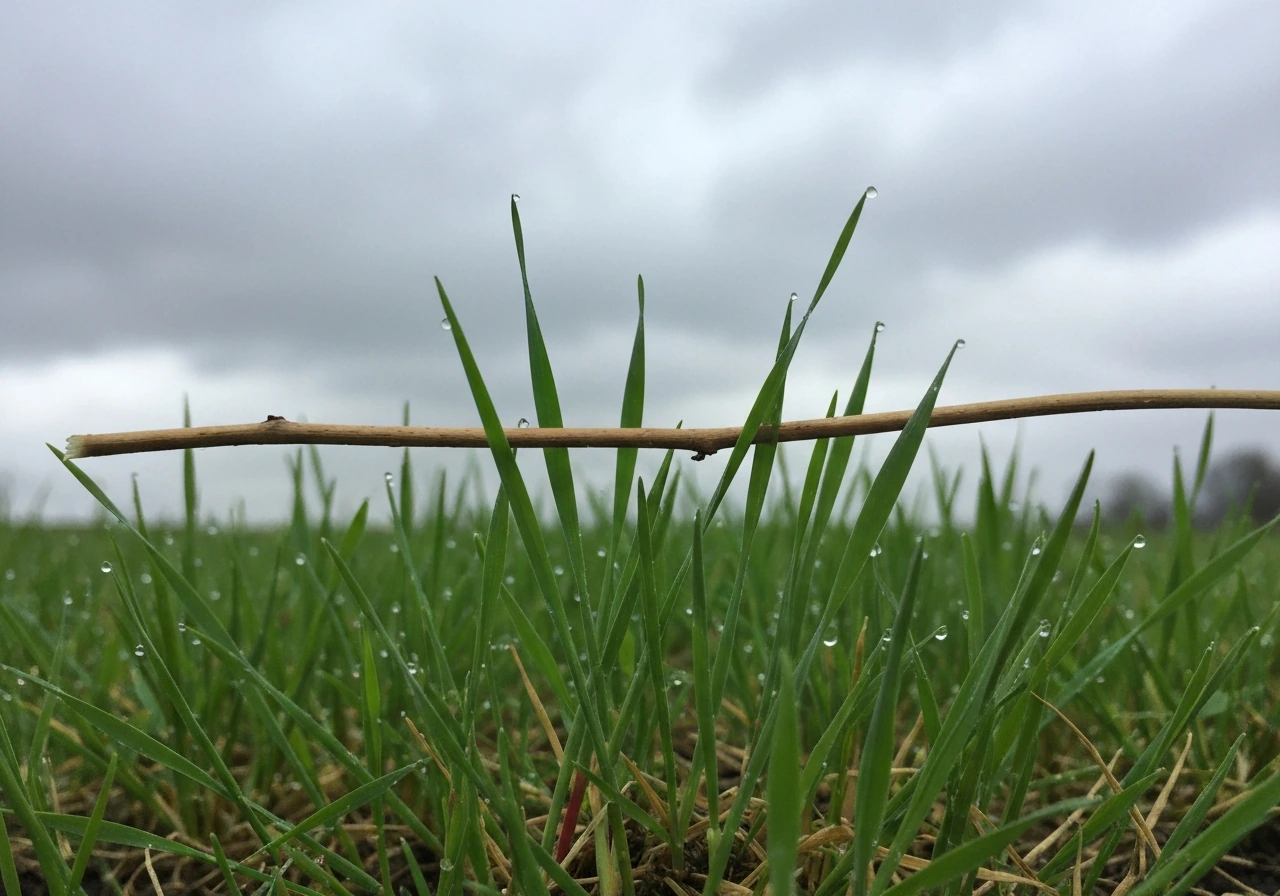
The simplest way to check is to look for new blade elongation. If your grass is growing, you'll see the tips of blades extending beyond where they were a few days ago. Run your hand across the lawn and notice if the blades feel longer or if the surface looks slightly shaggier than after your last mow. New growth also tends to be a slightly lighter, brighter green at the tips compared to older tissue.
Color is also a useful signal, though it works in both directions. A lawn that's healthy and growing under clouds should stay a decent green. If you see yellowing, thin patches widening, or bare spots forming, those are signs that something beyond clouds is limiting your grass, whether that's nutrient deficiency, compaction, or root competition from nearby trees. Under low light, grasses can also show tissue elongation where blades stretch and become thinner and weaker rather than growing dense and upright. That's a sign DLI has dropped low enough to cause stress, not just a slowdown.
Best lawn care to keep grass growing in overcast weather
The single most effective adjustment during a cloudy stretch is raising your mowing height. Raising the cutting height by 0.5 to 1 inch increases the leaf surface area available to capture light. More leaf surface means more photosynthesis per plant, which compensates somewhat for reduced light intensity. This is consistently recommended for turf growing in low-light conditions and it works in the same way during overcast weather.
On fertilizing: resist the urge to push your lawn with nitrogen during a prolonged overcast period. With photosynthesis running at reduced capacity, the plant can't efficiently process a heavy nitrogen load. LSU AgCenter guidance for shaded turf recommends lower nitrogen rates and less frequent fertilization precisely because reduced light limits the plant's ability to use nutrients. Lime can help if your soil pH is too acidic, but it won't replace light when clouds are the main limitation. Cloudy stretches follow the same logic. Light feeding is fine; heavy fertilization risks burning or creating lush, weak growth.
Pull back on irrigation. Since ET rates drop on overcast days, your lawn needs less supplemental water. Stick to deep, infrequent watering rather than short frequent cycles. A thorough soak that encourages roots to reach deeper is far better than daily light sprinkling, which keeps the surface wet and can promote shallow roots and fungal issues. Water in the early morning, around 4 to 8 am, so any excess moisture on the surface dries before evening.
If your soil is compacted, overcast and wet conditions make that problem worse. Compacted soil limits oxygen movement and rooting depth, which compounds the stress of reduced light. Core aeration creates channels for air and moisture to penetrate compacted layers, improving rooting and overall vigor. If you've got high-traffic areas showing thin turf and water pooling after rain, aeration is one of the highest-return actions you can take, cloudy weather or not.
When cloudy conditions won't be enough
Sometimes homeowners are watching for growth on cloudy days and not seeing it, and they assume the clouds are the problem. If you are wondering does grass grow without rain, it often comes down to how much water the soil still has stored and how often you end up needing supplemental irrigation cloudy days. Usually they're not. Here are the real culprits to check.
- Heavy tree shade: If you have dense tree canopy overhead, you're not dealing with cloud-level light reduction, you're dealing with deep shade. Tree canopies can block 70 to 95 percent of incoming light, which is a fundamentally different problem than an overcast sky. Tree roots also compete directly with turf for water and nutrients, which can look like drought or nutrient stress even during rainy, overcast periods.
- Cold soil temperatures: If soil temps haven't hit 50°F for cool-season grass or 65°F for warm-season grass, your lawn isn't growing meaningfully regardless of cloud cover. This is the real trigger for green-up in spring and dormancy in fall, not the sky.
- Dormancy: Both cool-season and warm-season grasses go dormant under temperature extremes. Summer heat above 90°F can push cool-season grasses dormant; extended cold does the same for warm-season types. Clouds over a dormant lawn won't restart growth.
- Saturated or waterlogged soil: Overcast periods often come with rain. If your soil is already saturated, root zone oxygen is depleted and roots begin to suffocate. The lawn looks stressed not because of light, but because it's essentially drowning.
- Nutrient deficiency: A lawn that's been leached by heavy rain or hasn't been fed in a long time can stall out. Yellowing, thin growth, and poor density during overcast stretches are often more about nitrogen or iron levels than light.
If you need results fast: quick fixes and alternatives
If you're trying to establish or improve a lawn area and hitting a wall despite overcast conditions, here's how to triage the situation quickly.
- Check soil temperature first. Buy or borrow an inexpensive soil thermometer and check at 2 to 4 inches deep. If you're below the threshold for your grass type, there's nothing you can do topside to force growth. Wait for the soil to warm.
- Fix drainage before anything else. If water pools on your lawn for more than 30 minutes after rain, you have a drainage or compaction problem. Aerate, topdress with compost to improve soil structure, or address grade issues. No grass will establish well in waterlogged conditions.
- Switch to a shade-tolerant variety if trees are the real issue. For cool-season lawns, fine fescues (creeping red, chewings, hard fescue) tolerate lower light far better than bluegrass or tall fescue. For warm-season situations, zoysia generally outperforms bermudagrass in low-light environments. Your local extension office can recommend cultivars suited to your specific region.
- Overseed thin areas rather than waiting for the existing grass to fill in. If you have bare or thin patches under persistent low-light conditions, spot overseeding with a shade-tolerant mix gives you a better outcome than hoping current grass rebounds.
- Consider alternative ground covers for truly impossible spots. Under dense canopies where DLI simply can't support turfgrass, alternatives like mulch, shade-tolerant perennials, or hardscaping are honest, low-maintenance solutions that will look better long-term than struggling turf.
The bottom line: cloudy days slow your lawn down, they don't shut it off. Raise your mowing height, ease up on watering and heavy fertilization, and check that temperature and drainage aren't the actual blockers. Soil additives like urine are sometimes claimed to boost grass, but results depend on how much nitrogen you apply and whether you risk burning the lawn heavy fertilization. If growth is genuinely stalled despite decent temperatures and moisture, start investigating soil compaction, nutrient levels, and whether tree shade is doing more work than the clouds above it. Cloudy weather is rarely the villain. It's usually covering for something else.
FAQ
Does grass grow on cloudy days if it has not rained for a week?
If the lawn is warm enough and not waterlogged, it will usually keep growing even without rain. The deciding factor is whether the soil still has stored moisture, plus whether you are maintaining a light watering schedule only when the top couple inches start to dry. On extended overcast stretches, skipping rain does not automatically mean growth stops, but delayed drying can mask how quickly your lawn needs supplemental water.
How can I tell if my lawn is really growing during cloudy weather, or just stretching?
New blades can look “stalled” if growth is shifting from upright shoots to weaker, thinner elongation (a common low-light symptom) or if mowing timing is off. Compare blade tips over several days rather than looking only at overall color, and check soil temperature since 50°F (cool-season) or 65°F (warm-season) can dramatically slow growth even when clouds are the only visible change.
Can I fertilize normally when it stays cloudy for several weeks?
You can, but only to a point. During low-ET overcast periods, too much nitrogen increases the chance of weak, lush growth that is more susceptible to stress, and it can also raise the risk of turf burn if you apply too heavily. A safer approach is to pause big fertilization pushes until the light and growth rate improve, then resume with smaller, less frequent feedings matched to your grass type and soil test results.
Is it safe to fertilize right before or during rainy, cloudy stretches?
Wait if soil is saturated, because fertilizer on wet, cool turf is more likely to sit on the surface, move poorly into the root zone, and contribute to excess lush growth that does not hold up. If you do need to treat, target a period when the lawn has a chance to dry and your soil is not muddy, then water in lightly only as needed to get nutrients into the root zone.
Why does my grass look worse under trees during cloudy weather?
Yes, and it is a common reason people think grass is “not growing.” Tree canopy and structural shade can reduce light far more than sky cloud cover, creating consistently lower DLI at the turf surface. If growth looks fine in open areas but thin under trees or near fences, address shade first by pruning, changing maintenance practices, or transitioning to more shade-tolerant species.
Should I change my mowing schedule when it is cloudy for a while?
In most cases, you should raise mowing height during overcast, but do not let clippings and thatch build up. Cutting too short in reduced light reduces the leaf area needed for photosynthesis and can trigger a thin, weak look. Keep a steady mowing schedule, but make sure you remove only a small portion of the blade each pass (so you are not scalping while growth is already slowed).
How do I adjust irrigation on cloudy days to avoid overwatering?
Watering should usually be reduced because cloud cover lowers evapotranspiration. The practical check is to water deeply only when the soil has started drying, then allow it to dry slightly between cycles. If you see pooling, spongy ground, or footprints staying wet, cut back immediately and consider aeration if compaction is part of the issue.
Does lightning or a storm help grass grow afterward?
Lightning itself does not provide enough sustained light for grass to benefit meaningfully, but the brief increase in light does not replace the normal day-to-day DLI grass needs. If you want a response from the lawn after a storm, look for the indirect factors, like whether soil moisture was replenished without becoming waterlogged.
If I seeded before an overcast spell, will the seed still germinate?
If you are seeding and the weather turns into long, cool, cloudy stretches, germination and establishment often take longer rather than fail completely, provided soil moisture and temperature are within the workable range for that species. Use seed-to-soil contact (lightly tamp or rake) and avoid overwatering that keeps the seedbed soggy, since low light slows early growth and can make damping-off more likely.
What should I investigate if my lawn turns yellow or thin during cloudy weeks?
A lawn can start looking worse during cloudy weather due to indirect stress like nutrient deficiency, compaction, or root crowding, not just light reduction. A useful edge-case check is to see whether thinning expands in the same pattern as foot traffic or where water pools after rain. If so, prioritize compaction and drainage, because improving aeration can restore root oxygen even when the sky stays cloudy.
Next Articles
Does Rain Help Grass Grow? Germination and Establishment Tips
How rain and irrigation affect grass seed germination and early growth, plus actionable timing and troubleshooting tips.
Does Lightning Help Grass Grow Faster? What to Do Instead
Does lightning boost grass growth? Mostly no, and not faster. Get today’s steps to fix soil, water, aeration, and seedin
Does Rain Make Grass Grow Faster? Here’s What Happens
Learn when rain speeds grass growth and when it stalls, plus after-rain steps for mowing, fertilizing, and fixing proble