
Yes, rain does make grass grow faster, but only under the right conditions. The short answer is that rainfall triggers faster growth by delivering moisture directly to the root zone, supporting nutrient uptake, and keeping photosynthesis running at full speed. But the longer answer matters just as much: too much rain, poor drainage, cold temperatures, or a thick thatch layer can completely cancel out those benefits and actually stall or damage your lawn. Here is what is actually going on and what you should do about it.
Does Rain Make Grass Grow Faster? Here’s What Happens
Marcus Volkmann
20 Apr 2026
How rainfall affects grass growth rate
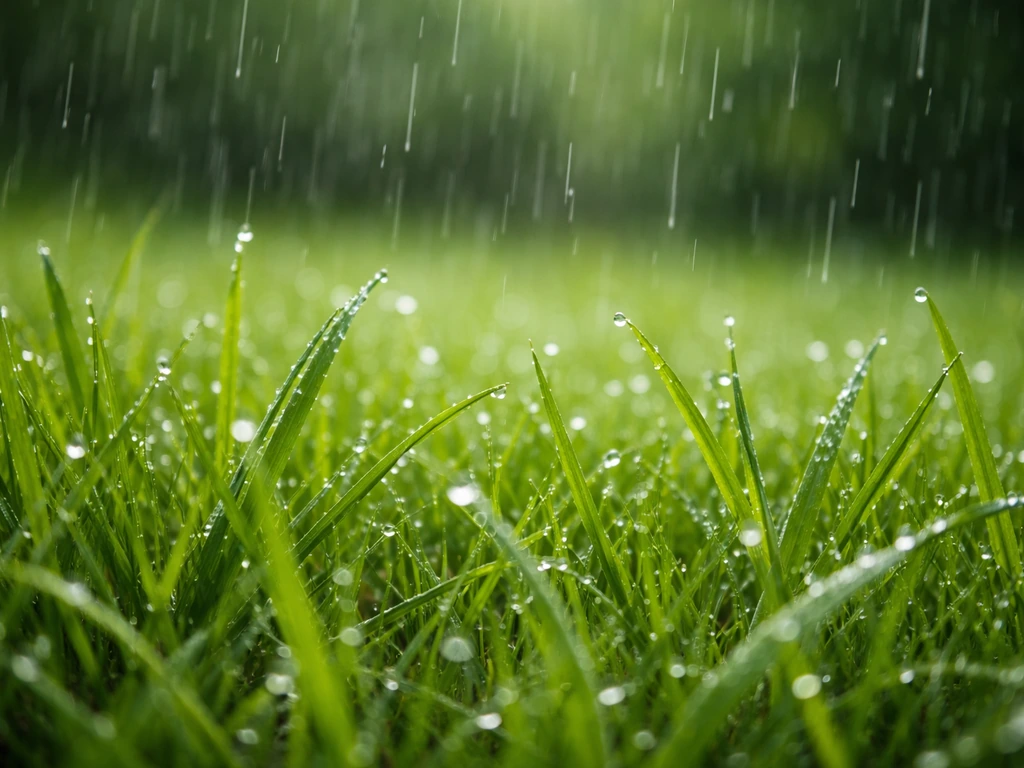
Grass grows faster after rain for a few interconnected reasons. First, water is the engine behind cell expansion in grass blades and roots. When moisture is consistently available in the root zone, grass can take up dissolved nutrients from the soil and push them into actively growing tissue. Without that water, nitrogen, phosphorus, and potassium just sit in the soil doing nothing.
Second, rain often comes with a slight drop in temperature and an increase in humidity, which reduces the evaporative stress grass is fighting on hot, dry days. Less stress means more energy goes toward growth rather than survival. Third, the physical act of rain hitting the soil surface can break up dry crust and temporarily improve infiltration, giving roots faster access to that moisture.
The connection between rainfall and growth is not just about water volume, though. It is about consistency. A single heavy downpour followed by a week of dry heat does less for your lawn than steady, moderate rainfall spread across several days. What grass actually needs is consistent moisture in the root zone, not just a wet surface.
When rain helps vs when it slows growth
Rain accelerates grass growth most reliably when temperatures are moderate (roughly 60 to 80 degrees Fahrenheit for cool-season grasses, slightly higher for warm-season types), the soil has decent drainage, and rainfall amounts fall within the range your lawn actually needs. In those conditions, a good soaking rain is about the best thing that can happen to a lawn. You will often see a noticeable surge in blade length within 24 to 48 hours.
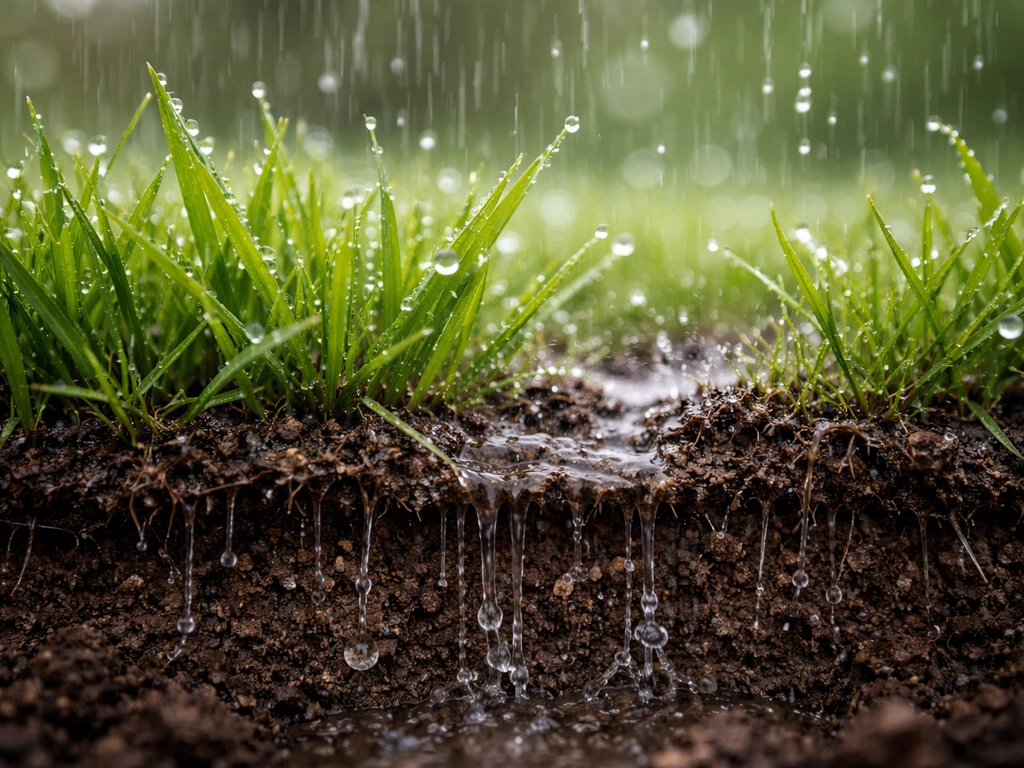
But rain can slow or stall growth in several situations. Waterlogged soil is the biggest culprit. When soil pores fill completely with water, oxygen in the root zone drops sharply. Grass roots need oxygen to function, and without it they cannot absorb water or nutrients efficiently, even though they are sitting in plenty of both. Purdue University's turfgrass research makes this point directly: flooding stress causes loss of chlorophyll and disrupts nitrogen uptake because roots are essentially suffocating. Heavy, sustained rainfall that leaves standing water or saturated soil for more than a day or two can cause visible decline rather than growth.
Cold, overcast weather paired with rain is another growth-killer that catches people off guard. Grass growth slows dramatically when temperatures drop below about 50 degrees Fahrenheit, so a cold, wet spring week can keep your lawn looking static even though it is getting plenty of water. The moisture is there but the temperature signal that triggers growth is not.
Similarly, extended cloud cover reduces the photosynthesis that fuels blade elongation, so a rainy week with very little sun can limit how much the extra moisture actually helps. Cloudy days still matter because reduced sunlight can limit the extra growth your lawn would otherwise get from moisture. If you are curious how overcast days specifically affect growth, that relationship with cloudy conditions is worth understanding on its own.
Heavy rain can also leach soluble nitrogen out of the root zone, especially in sandy soils, leaving grass temporarily short on the nutrient it needs most for fast growth. You get the water benefit but lose the nutrient side of the equation.
| Condition | Effect on Growth | What to Do |
|---|---|---|
| Moderate rain, good drainage, 60-80°F | Noticeably faster growth | Mow and fertilize 24 hours after |
| Heavy sustained rain, poor drainage | Growth stalls, root oxygen depleted | Improve drainage, wait to mow |
| Light rain, less than 0.5 inch | Minimal effect, surface wets only | Supplement with irrigation |
| Cold rain, below 50°F | Little to no growth boost | Wait for temperatures to rise |
| Rain with cloud cover for multiple days | Reduced photosynthesis limits gains | No action needed, growth resumes with sun |
| Sandy soil after heavy rain | Nutrient leaching likely | Reapply fertilizer after soil dries slightly |
How much rain you actually need
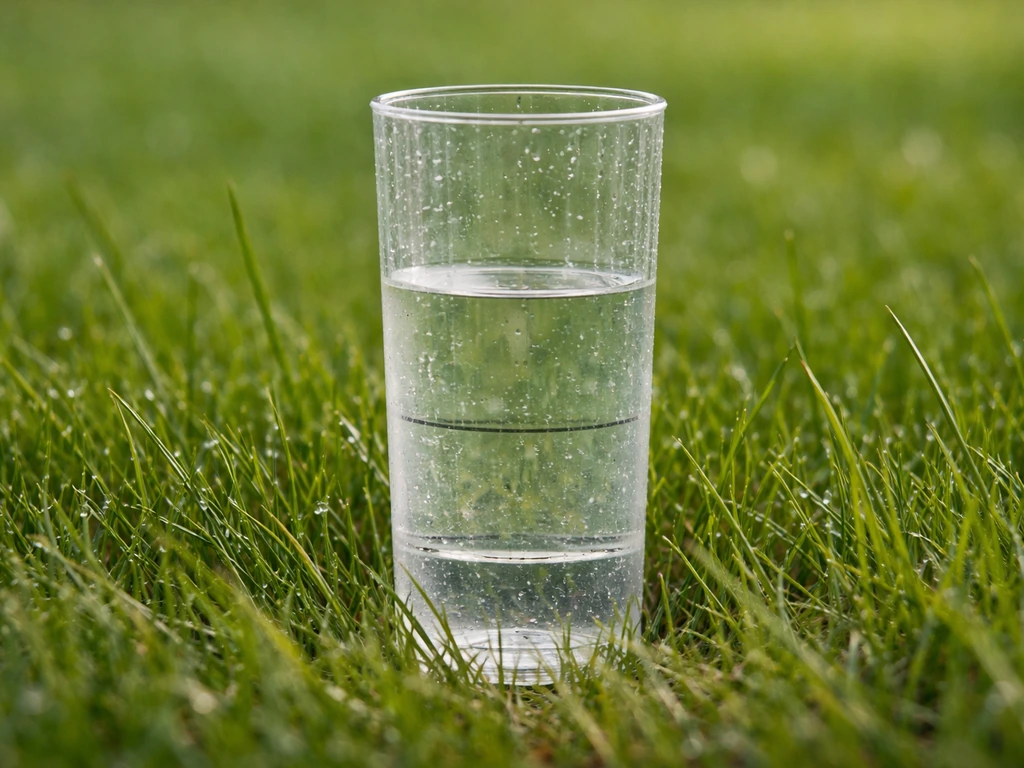
The standard guidance from multiple university extensions (Illinois, UC ANR, Cornell, and OSU among them) lands in the same place: most lawns need about 1 to 1. University of Illinois Extension notes that, in general, about 1 to 1.5 inches of water per week are needed to maintain green color and active growth. 5 inches of water per week to maintain active growth, with some turfgrass management programs recommending up to 2 inches per week during peak growing season. That is total water, including both rainfall and any supplemental irrigation you add.
What those numbers mean in practical terms is that a single brief shower delivering a quarter inch of rain is not going to make your grass visibly grow faster. It wets the surface but probably does not move moisture more than an inch or two into the soil, which is nowhere near the full root zone. For growth to accelerate, moisture needs to reach at least 4 to 6 inches deep, where the majority of actively feeding roots live. A slow, steady rain that delivers a full inch over several hours will do far more than a fast half-inch downpour that mostly runs off.
Missouri Extension's irrigation guidance reinforces this: apply only the amount of water the soil can absorb in about an hour, because anything faster just creates runoff and puddles rather than penetration. That principle applies equally to rainfall. Fast, heavy rain often penetrates less than you think, especially in compacted or clay-heavy soils.
Soil type and drainage determine whether rain actually reaches your grass
This is the piece most homeowners overlook. Two lawns can get the exact same rainfall and have completely different growth responses based on soil conditions. Clay soils absorb water slowly and hold it longer, which means they can become waterlogged quickly in heavy rain but also stay moist longer during dry spells. Sandy soils drain fast, which prevents waterlogging but also means moisture moves through the root zone quickly and nutrients leach out. Compacted soils, regardless of type, reduce the rate at which water diffuses through soil pores and directly limit the oxygen available to roots, which limits growth. California turfgrass research notes that compaction decreases diffusion through soil pores and has a marked negative effect on root growth.
Thatch makes this even worse. A thatch layer thicker than about half an inch to three-quarters of an inch acts like a sponge mat sitting on top of your soil. It absorbs rain before it can reach the root zone, dries out quickly, and becomes hydrophobic (water-repellent) when dry. Both South Dakota State and UMass Extension flag this specifically: thick thatch restricts the movement of air, water, and fertilizer into the root zone.
UMass Amherst (CAFE) also notes that excessive thatch, typically more than 1/2 to 3/4 inch, can restrict the movement of air, water, fertilizer, and other materials to the roots. So a lawn with a serious thatch problem might look like it got a good soaking after rain when the actual soil underneath is barely wet.
That explains why some lawns seem to respond poorly to rain no matter how much falls.
If your soil is compacted, core aeration before your rainy season can make a dramatic difference. Pulling plugs of soil creates direct channels for water and oxygen to reach roots. If thatch is the problem, dethatching in early fall (for cool-season grasses) or late spring (for warm-season grasses) opens those pathways back up. Neither fix is glamorous, but both deliver results that no amount of rain alone can produce on a choked lawn.
What to do right after a rain
Mowing timing
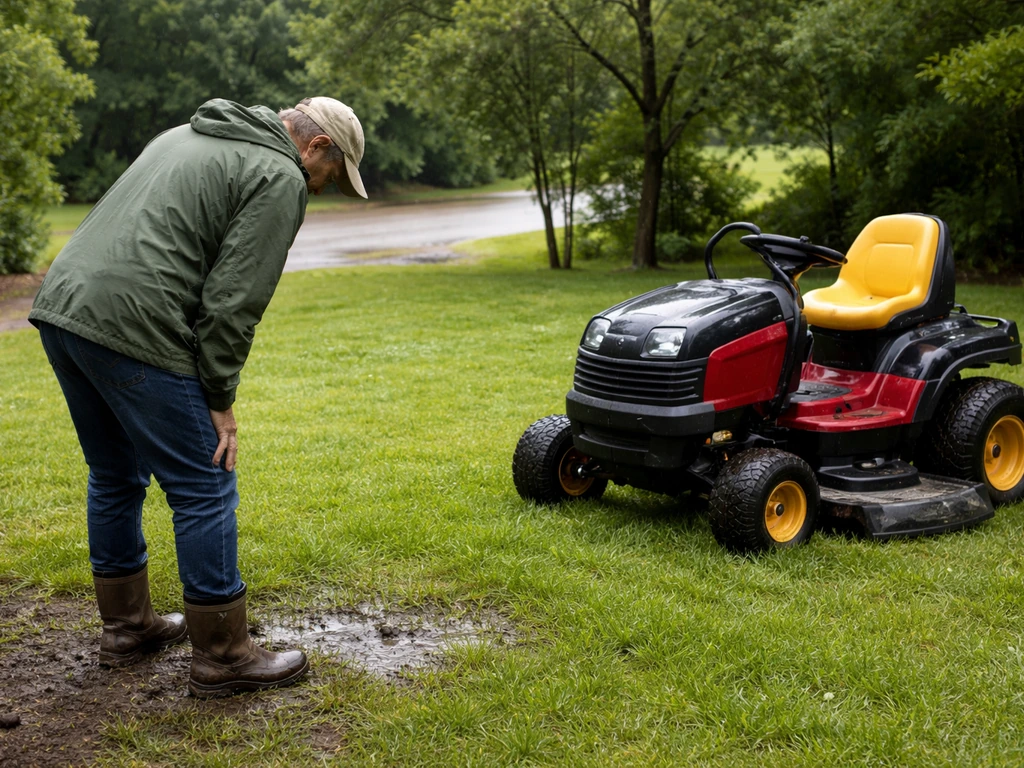
Do not mow immediately after significant rain. Michigan State Extension is direct about this: wait until puddles underfoot have subsided before mowing saturated soils, because mowing wet, soft ground causes more damage than benefit. Wet grass clumps, clogs mower decks, and cuts unevenly. More importantly, mowing saturated soil compacts it further and can leave ruts that take weeks to recover. University of Maryland Extension adds that mowing when the soil is too wet can pull entire grass plants out by the roots. A good rule of thumb is to wait until you can walk across the lawn without your shoes sinking or leaving impressions, usually 24 to 48 hours after heavy rain depending on your soil type and drainage.
When you do mow after rain, keep the blade height at 3 inches or higher. Purdue's wet-lawn guidance specifically recommends mowing at about 3 inches or more during extremely wet conditions. Taller grass blades shade the soil, reduce evaporation, and help the lawn recover faster.
Fertilizing after rain
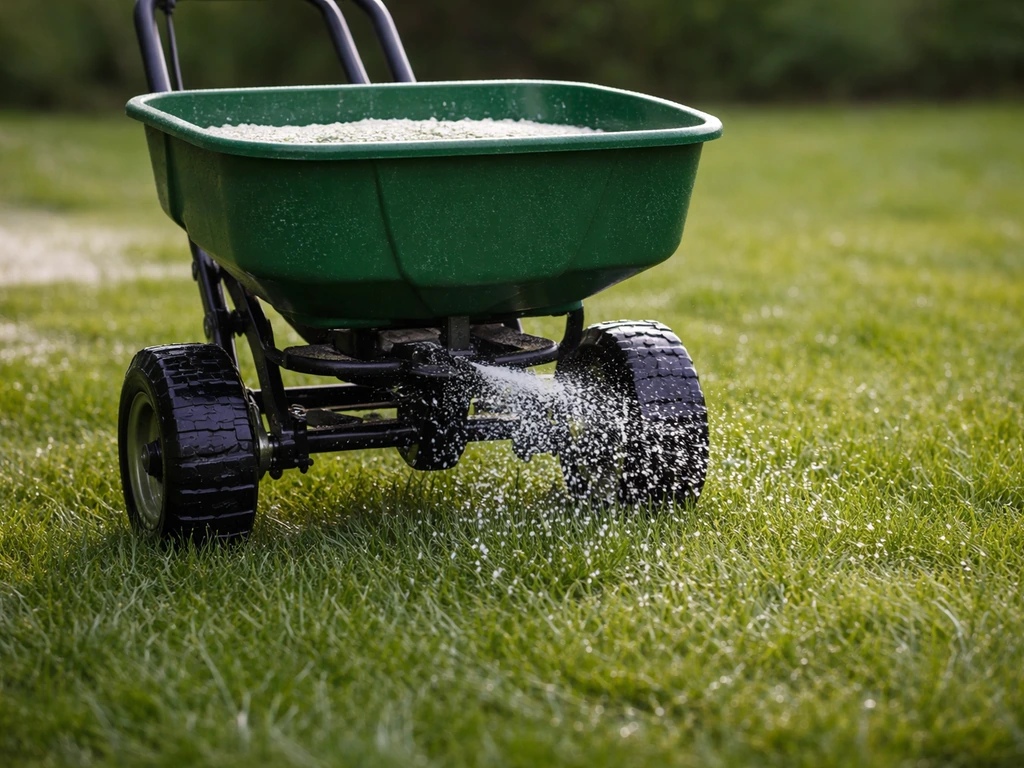
Rain creates a good window for fertilizer, but timing matters. Iowa State University Extension recommends waiting about 24 hours after a soaking rain before applying fertilizer. Applying right after heavy rain risks the fertilizer washing off before it can break down into the soil, wasting money and potentially polluting nearby waterways. Applying 24 hours after, when the soil is moist but not saturated, gets the nutrients into the root zone where grass can actually use them. If you have sandy soil, do not wait too long after rain, because nutrients leach downward quickly in fast-draining substrates.
Overseeding after rain
Moist soil after rain is actually one of the better windows for overseeding thin or bare spots. Seed-to-soil contact improves when the ground is slightly damp and pliable, and the existing moisture supports early germination without requiring additional irrigation. The key is to overseed after the soil has drained enough to work without compacting it underfoot. If you are overseeding in early fall for cool-season grasses, a stretch of moderate rain followed by mild temperatures is close to ideal. Avoid overseeding right before a forecasted heavy downpour, which can wash seed off slopes or into clumps.
Troubleshooting: why rain still is not helping your lawn
If your lawn is getting regular rain but not responding with visible growth, work through these possibilities in order.
- Thatch buildup: Probe the base of your grass with a screwdriver or pencil. If there is a spongy brown layer more than half an inch thick between the soil and the green blades, thatch is intercepting your rainfall before it can reach roots. Dethatch in the appropriate seasonal window for your grass type.
- Soil compaction: If water pools on your lawn for more than 30 minutes after moderate rain, compaction is likely preventing infiltration. Core aeration is the most effective fix and can show results within a few weeks.
- Fungal disease: Warm, wet conditions are prime territory for Pythium blight and brown patch. Pythium blight can develop when night temperatures stay above about 65°F and foliage remains wet for 12 to 14 hours over several consecutive nights (a common scenario after thunderstorms, according to NC State TurfFiles). Signs include irregular patches of wilted, brown, or slimy-looking grass. University of Maryland Extension notes Pythium thrives at daytime temperatures of 86 to 95°F with warm nights. Improving air circulation, reducing evening watering, and using a labeled fungicide are the tools here.
- Shade: If rain-boosted growth is happening everywhere except under trees or along shaded fence lines, shade is likely the limiting factor, not moisture. Grass needs light for photosynthesis regardless of how much water is available. Heavily shaded areas may need a shade-tolerant cultivar or an alternative ground cover.
- Dry spots despite rain: Some lawns develop localized dry patches even after significant rainfall, usually caused by hydrophobic thatch, buried debris, or compacted subsoil that redirects water around certain areas. Probe the soil in the struggling spot right after rain. If it is dry an inch or two down while surrounding soil is moist, you have a localized infiltration problem that needs targeted aeration or organic matter addition.
- Nutrient deficiency masking the rainfall response: If the lawn looks dull, yellow-green, or slow despite adequate moisture, nitrogen may be the bottleneck. Rain delivers water but not nutrients. Especially in sandy soils after heavy rain, soluble nitrogen can leach below the root zone. A soil test is the only reliable way to confirm this.
It is also worth keeping in mind that rainfall's relationship with growth is closely tied to other environmental factors. Humidity levels affect how much water grass loses between rain events, and understanding that relationship helps explain why some rainy weeks still leave lawns looking stressed. Humidity can also change how quickly grass loses moisture between rain events, which is why damp, less evaporative weather often supports steadier growth.
Related to this, the question of whether grass grows at all without any rain is a useful baseline for understanding just how much moisture actually matters to the growth equation. You can read more about the conditions grass needs to grow even with little to no rainfall: does grass grow without rain whether grass grows at all without any rain.
You can read more about the conditions grass needs to grow even with little to no rainfall: does grass grow without rain. You can read more about the conditions grass needs to grow even with little to no rainfall: does grass grow without rain whether grass grows at all without any rain does lightning help grass grow.
If you are wondering does lime help grass grow, it can support overall lawn health by adjusting soil acidity, but it does not replace the need for consistent moisture and good drainage.
The bottom line
Rain makes grass grow faster when it delivers consistent moisture in the 1 to 1.5 inch per week range, temperatures are in the active growth zone for your grass type, soil drains well enough to maintain oxygen in the root zone, and there are no physical barriers like thatch or compaction blocking water from reaching roots. When those conditions are met, rainfall is genuinely one of the best growth accelerators your lawn can get. When they are not, more rain just means more problems. The fix is rarely about waiting for the next rain, it is about getting the soil and drainage conditions right so that when rain does fall, your lawn can actually use it.
FAQ
How much rain do I need for grass growth to actually speed up?
For a noticeable growth surge, focus on total weekly water rather than a single shower. In most lawns, active growth is supported by about 1 to 1.5 inches of water per week (rain plus irrigation). If the rain amount is small or mostly runs off the surface, you may see no visible change even though the yard looked wet.
Why does my lawn look greener after rain but then stops growing after a day or two?
That pattern usually happens when rain wets the surface but does not reach the deeper root zone, or when cloudy, cool weather limits photosynthesis. It can also be a thatch effect, where rain is absorbed near the top but air, water, and nutrients do not move into the soil where roots are actively feeding.
Is heavy rain always bad for grass?
Not always. Short periods of heavy rain can help if the soil can absorb and drain normally, but growth often stalls when rainfall leaves saturated soil or standing water for more than a day or two. The key issue is oxygen availability in the root zone, plus nutrient losses like leached nitrogen in sandy soils.
Can rain help if my soil is compacted or has poor drainage?
Rain might temporarily green the lawn, but compacted or poorly drained soil prevents oxygen and water movement, so deeper root activity often stays limited. If your lawn repeatedly responds poorly after soaking rains, aeration before the rainy season is usually more effective than waiting for the next storm.
Does mowing right after rain make grass grow faster?
Usually no. Mowing saturated or very wet grass delays recovery, can compact the soil further, and can even tear plants out if the ground is soft. A better rule is to wait until footprints do not remain and the soil is firm enough to walk without sinking, often 24 to 48 hours depending on drainage.
How soon after rain can I fertilize without wasting it?
Wait about 24 hours after a soaking rain so the fertilizer is less likely to wash off before it can break down. If you have sandy soil, shorten that window, because nutrients can move downward quickly with drainage.
Does rain help overseeding, or should I water after I seed?
Rain can improve seed-to-soil contact when the ground is slightly damp and not muddy. Still, you should avoid overseeding right before a forecasted downpour, since runoff can move seed. If rain is intermittent, you may need supplemental light watering to keep the top layer consistently moist for germination.
Why does it sometimes rain a lot but my grass still looks stressed or patchy?
The most common causes are thatch blocking water movement, compaction restricting diffusion, and soil type that causes either waterlogging (clay) or nutrient leaching (sand). Another frequent driver is low temperatures, since growth slows sharply below about 50 degrees Fahrenheit even when moisture is present.
Does grass grow faster in summer rain or spring rain?
It depends on grass type and temperature. Growth accelerates when temperatures are in the active growth range, roughly 60 to 80 degrees Fahrenheit for cool-season grasses (and higher for warm-season). Cold, overcast, rainy stretches often look wet but do not produce much growth because the temperature signal is too low.
Will drizzle or light rain speed up growth the same way as a soaking rain?
Sometimes, but consistency matters. Light rain that only dampens the surface often cannot deliver enough water to about 4 to 6 inches deep where most active roots feed. A slow, steady soaking that soaks deeper is typically more effective than a short burst that mostly runs off.
Next Articles
Does Lime Help Grass Grow? When and How to Use It
Learn if lime helps grass grow by fixing soil pH, when to apply it, and how fast results can be.
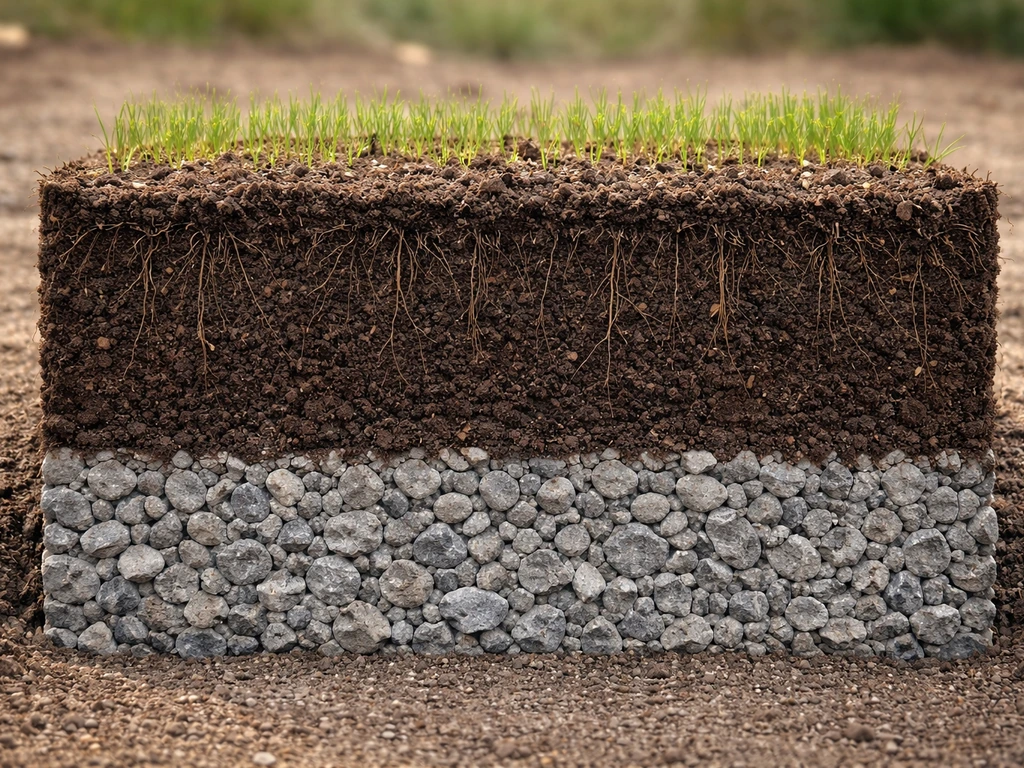
Can You Grow Grass Over Gravel? How to Do It Right
Learn when you can grow grass over gravel and follow a step-by-step method for soil depth, drainage, seeding or sod, and
Do Wood Chips Help Grass Grow? When They Work and When Not
Learn when wood chips help grass grow, when they steal nitrogen, and step-by-step how much to apply and seed options.