
Grass does grow on its own, but not by magic. For more on how grass establishes without human help in different climates, see does grass grow naturally. Seeds arrive on your lawn constantly through wind, water, birds, and even the mud on your shoes. Once they land in soil with enough moisture, warmth, and light, they germinate without any help from you. For more on the biological reasons and triggers behind why does grass grow, see the related article with additional detail (destination id 3fdc6c9d-ee04-43f3-bb2a-7e7564944c29). The real question is whether the grass that shows up is what you actually want, because the same mechanisms that let desirable turf seed itself in also deliver crabgrass, foxtail, and other uninvited guests.
Why Grass Grow on Their Own: Causes, Fixes, When to Call
Marcus Volkmann
6 Aug 2026

Does grass really grow on its own?
Yes, grass establishes on its own all the time through two main pathways: seed germination and vegetative spread. For a deeper explanation of whether grass grows naturally, see does grass grow. The UC IPM page 'Integrated Weed Management / Turfgrass, UC IPM' notes lawns establish both from seed and vegetatively (stolons, rhizomes, fragmentation), with outcomes depending on local seed sources and site conditions blank" rel="noopener noreferrer">Integrated Weed Management / Turfgrass — UC IPM. Turf grasses like bermudagrass and zoysiagrass creep outward from existing plants via stolons and rhizomes, gradually filling bare spots without any seeding. Other species, including perennial ryegrass and tall fescue, spread almost entirely by seed. When conditions line up, that seed germinates and a new plant establishes itself. This isn't random. It reflects soil temperature, moisture, light, and whether a viable seed was sitting in that spot to begin with.
The catch is that the same favorable conditions welcome every species present in the local seed pool, not just the ones you planted. So 'grass growing on its own' might mean your lawn repairing itself, or it might mean a fresh round of weeds. Understanding which is happening, and why, is the practical core of this article.
How grass appears spontaneously: seed dispersal and where seeds come from
Seeds land in your yard through several well-documented vectors. Wind carries light seeds long distances, which is why grassy weeds appear even in lawns surrounded by hardscape. Water moves seeds downhill through runoff channels and drainage ditches. Birds eat grass seeds and deposit them intact elsewhere in their droppings. Animals and even insects carry seeds caught in fur or feathers. Human activity is a bigger factor than most people realize: research confirms that seeds accumulate on vehicle tires, wheel wells, and undercarriages, making cars and trucks effective long-distance seed dispersal agents. The muddy boots you wore on a hiking trail or a neighbor's property can carry dozens of seeds back to your lawn.
Beyond fresh arrivals, your soil already holds a seed bank: a reservoir of seeds that arrived in previous years and are waiting for the right conditions to germinate. Some species persist in the seed bank for only a season. Others, including several broadleaf weeds and grassy annuals, can remain viable in the soil for five years or more. A few weed species have been documented retaining viable seeds after more than twenty years of burial under favorable conditions. This is why a lawn that looked clean last fall can erupt with weeds in spring: you didn't bring them in, they were already there.
Seed dormancy, germination, and timing for establishment
Seeds don't germinate just because they're in the ground. Temperature is the primary trigger for most grass and weed species, and each species has its own threshold. Tall fescue germinates fastest when soil temperatures are between 60 and 75°F, with practical establishment best in the 60 to 70°F range. Perennial ryegrass responds quickly across a fairly wide range, with optimal germination at roughly 68 to 86°F, which is why it's a go-to for fast overseeding results. Kentucky bluegrass germinates more slowly, with viable establishment between roughly 59 and 86°F, but it needs consistent conditions and several weeks before a hard freeze to develop a useful root system.
Warm-season species like bermudagrass need soil temperatures of 70 to 95°F to germinate, which is why trying to seed them in cool spring soil is almost always a waste of time and money. Summer annual weeds operate on their own schedules: crabgrass germinates when surface soil hits about 55°F for several consecutive days, goosegrass needs closer to 60 to 65°F, and foxtail species generally need soil at 65°F or above. Knowing these thresholds lets you predict what's about to emerge and act before it does, or seed desirable species into windows when weed competition is lower.
Perennial vs. annual grasses: how life cycles affect self-sown turf
How long a grass lives shapes how it behaves in your lawn. Perennial grasses like tall fescue, Kentucky bluegrass, perennial ryegrass, bermudagrass, and zoysiagrass come back year after year from the same plant. Perennial turf grasses that spread via rhizomes or stolons can gradually self-repair thin spots, which is the closest thing to truly autonomous lawn maintenance. Annual grasses, by contrast, complete their life cycle in one season, die, and then resurface only if new seeds germinate the following year.
Annual bluegrass (Poa annua) is a good example of how blurry this distinction can get. It behaves as a winter annual in many climates but can also function as a short-lived perennial, and it sets seed even in mown turf, meaning it continuously replenishes its own seed bank. This makes it one of the harder invaders to clear. True perennial weeds like quackgrass spread aggressively by rhizomes and will regrow from small root fragments left in the soil after mechanical removal.
Why opportunists like crabgrass invade and how to recognize them
Crabgrass (Digitaria spp.) is probably the most complained-about self-arriving grass in North American lawns, and understanding why it thrives tells you a lot about lawn ecology in general. See our article 'why does crabgrass grow' for a focused explanation of its causes and how to prevent it. It's a warm-season annual with a massive seed production advantage: a single large plant can produce tens of thousands to over 100,000 seeds in one season. Those seeds are small, lightweight, and persist in the seed bank. Every thin patch in your turf, every bare spot from dog traffic or drought stress, is an open invitation. Crabgrass germinates earlier in the season than most desirable cool-season turf species can establish, so it fills those gaps first.
Visually, crabgrass has a distinctive crab-like, spreading growth habit with wide, flat blades that lie close to the ground before sending up seedheads. It's noticeably lighter green than most turf grasses. Goosegrass looks similar but typically has a silvery-white center stripe down the blade and grows even flatter to the ground. Foxtail species are more upright and produce the characteristic bristly seedheads that give them their name. Spotting these early, before they set seed, is the best time to act.
Do grasses flower, and can grass grow year-round?
Grasses do produce flowers, though they don't look like what most people picture. Learn more about whether grasses produce visible flowers in the article does grass grow flowers. Grass flowers are wind-pollinated and consist of small structures clustered into seedheads rather than showy petals. The seedheads on crabgrass, foxtail, and annual bluegrass are the flowering and seed-setting stage, and letting any of these go to seed in your lawn dramatically multiplies next year's problem. Even mown turf grasses will attempt to send up seed stalks if left unmowed long enough, particularly Kentucky bluegrass in spring and annual bluegrass almost year-round.
Whether grass grows year-round depends entirely on the species and the climate. For more on whether grass grows all year round, see the detailed guide on that topic (does grass grow all year round). Cool-season grasses like tall fescue, Kentucky bluegrass, and perennial ryegrass stay green and active in fall and spring but slow dramatically in summer heat. Warm-season grasses like bermudagrass and zoysiagrass grow vigorously through summer but go dormant and turn brown once soil temperatures drop below roughly 50°F in fall. In mild climates with year-round warm temperatures, warm-season species can stay active all year. In cold climates, no single grass species grows continuously through all four seasons.
Environmental factors that enable or block self-establishment
Site conditions are the gatekeepers of any grass establishment, whether you planted it or a bird dropped it. Here's how the major factors play out:
| Factor | How it helps grass establish | How it prevents establishment |
|---|---|---|
| Soil quality | Loamy, well-structured soil with adequate organic matter supports root development and moisture retention | Compacted, depleted, or highly acidic/alkaline soil limits root growth and nutrient uptake |
| Shade | Light shade tolerated by fine fescues and some perennial ryegrass types | Heavy shade from trees blocks photosynthesis; most turf grasses need 4+ hours of direct sun |
| Sand substrate | Good drainage suits bermudagrass and zoysia; weed seeds also germinate readily in sand | Low water retention and minimal nutrients make sand difficult for most cool-season species without amendments |
| Water / moisture | Consistent soil moisture in the germination zone (top 1–2 inches) is essential for seed germination | Drought stress kills seedlings before root systems establish; waterlogging causes rot |
| Temperature | Species-specific soil temp thresholds trigger germination (see ranges above) | Germination stops below threshold; frost kills seedlings that haven't hardened off |
| Seed source | Dense nearby populations of desirable or weed grasses increase arrival rates | Isolated sites with no seed source may see very little spontaneous establishment |
Soil pH is worth singling out. Most turf grasses perform best at pH 6.0 to 7.0. Outside that range, nutrient availability drops sharply even when nutrients are technically present in the soil. A lawn struggling in acidic soil (below 6.0) often isn't lacking fertilizer; it's lacking lime to raise pH and unlock what's already there. A simple soil test reveals this in minutes.
Diagnostic checks: simple on-site tests and what they reveal
Before spending money on seed or herbicide, run through these quick field diagnostics. They take less than an hour and will tell you a lot about why your lawn is or isn't establishing the way you expect.
- Soil test: Send a sample to your local cooperative extension lab (usually under $20). You'll get pH, nutrient levels, and lime/fertilizer recommendations based on your specific grass species. This is the single most useful diagnostic tool and the one most homeowners skip.
- Compaction test: Push a pencil or screwdriver into the soil with hand pressure. If it won't penetrate more than 2 inches, compaction is likely limiting root growth and water infiltration. Consider core aeration.
- Shade assessment: Stand in problem areas at different times of day and track how many hours of direct sun the area receives. Less than 3 to 4 hours per day rules out most standard turf grasses without significant tree work.
- Seedbank inspection: After light rain in spring, look for the first flush of seedlings emerging in bare patches. Identifying what's germinating early tells you which weeds are dominant in your soil's seed bank and helps you plan pre-emergent timing or spot treatments.
- Moisture check: Dig a small hole 4 to 6 inches deep in problem areas. Sandy soil that's bone dry at that depth even after rain means water is draining away before roots can use it. Sticky, waterlogged clay points to drainage issues. Both need addressing before overseeding.
Step-by-step actions to encourage desirable grass self-growth
If you want desirable turf to fill in more reliably, work through these steps in order. Skipping soil prep and going straight to overseeding is one of the most common reasons overseeding fails.
- Run a soil test first. Amend pH to the 6.0 to 7.0 range using lime (to raise) or sulfur (to lower) based on test results. Wait at least 2 to 4 weeks after liming before seeding if possible.
- Core aerate compacted areas. Rent a core aerator and run it over compacted zones before seeding. The plugs left on the surface break down and improve soil structure. This step dramatically improves seed-to-soil contact.
- Overseed with species matched to your conditions. Use tall fescue or perennial ryegrass for sun-tolerant cool-season lawns; fine fescues for light shade; bermudagrass or zoysiagrass plugs/seed for warm climates in summer.
- Time your seeding to soil temperature windows. Cool-season species: seed when soil temps are 50 to 65°F, typically late August through October in most northern regions. Warm-season species: seed when soil is consistently above 70°F, typically late spring to early summer.
- Mulch lightly after seeding. A thin layer of straw or erosion-control blanket keeps the seedbed moist and reduces seed displacement from rain. Don't bury seed under heavy mulch.
- Adjust mowing height. Keep turf at the upper end of its recommended height range (3 to 4 inches for most cool-season grasses) to shade out weed seeds and reduce moisture stress on seedlings.
- Maintain moisture during germination. Water lightly and frequently (1 to 2 times daily if rainfall is absent) to keep the top inch of soil moist until germination is complete, then taper to deeper, less frequent watering to encourage deep rooting.
Step-by-step actions to prevent or remove unwanted grass
Stopping unwanted grass, especially summer annuals like crabgrass, is almost always easier and cheaper when done proactively. Crabgrass management is most effective via prevention: apply labeled pre-emergent herbicides prior to germination (timing keyed to soil temperatures/GDD), maintain dense competitive turf with proper mowing, fertility, and irrigation, and spot-remove seedlings when small. Here's the priority order that actually works:
- Identify the target species before treating. Annual vs. perennial, warm-season vs. cool-season, and grass vs. broadleaf all affect which products and methods work. Misidentification wastes time and money.
- Apply pre-emergent herbicide before germination. For crabgrass, apply when soil temps approach 50 to 55°F, typically when forsythia is blooming in your area. Products must be watered in per label instructions to move into the germination zone. Note that most pre-emergents prevent new turf seed from germinating too, so don't overseed simultaneously.
- Use post-emergent herbicides on young plants. Products containing quinclorac or fenoxaprop work on young crabgrass (2 to 3 leaf stage). Timing matters: large, mature plants are much harder to kill and have already set seed.
- Spot-treat rather than broadcast when possible. Spot treatments with appropriate selective herbicides minimize impact on desirable turf and reduce chemical use.
- Pull or slice out perennial weed grasses mechanically. Quackgrass and similar perennials require complete root removal; fragmentation spreads them. For large infestations, a non-selective herbicide like glyphosate followed by reseeding may be the only practical option.
- Immediately overseed bare spots after removal. Bare soil is an open invitation to the next round of weeds. Filling gaps quickly with desirable seed is as important as the removal itself.
Troubleshooting: poor soils, heavy shade, sandy substrates, and wrong timing
Poor or heavily depleted soils
If your soil test shows pH below 5.5 or extremely low organic matter, no amount of overseeding will produce lasting turf without amendment. Apply lime per test recommendations, topdress with 1/4 inch of quality compost, and consider a starter fertilizer high in phosphorus to support root development. Expect to repeat this cycle for two to three seasons to build real soil health.
Heavy shade from trees
In areas receiving fewer than 3 hours of direct sun daily, standard turf grasses will thin out regardless of what you do with soil and water. Fine fescues (creeping red, chewings, hard fescue) are your best turf option in partial shade. In deep shade, consider groundcovers like pachysandra, liriope, or mulch beds. If tree canopy is the problem, selective pruning to raise the canopy and let in more light is often more cost-effective than fighting a losing battle with shade-intolerant seed.
Sandy substrates
Sand drains so fast that seeds and seedlings dry out before they can establish roots, even after irrigation. Work 2 to 4 inches of compost into the top 6 inches of sandy soil before seeding, and plan for more frequent watering during establishment. Bermudagrass and centipedegrass handle sandy, lower-fertility soils better than most cool-season species. If you're in a coastal or true sand environment, also consider that weed pressure is lower but so is the soil's ability to hold nutrients, so choose low-input species.
Wrong timing for seeding or herbicide application
Seeding cool-season grass in late spring is one of the most common and costly mistakes I see. The seed germinates just as summer heat arrives, seedlings stress out, and you're left with sparse, thin turf that weeds colonize quickly. Conversely, applying pre-emergent herbicide too late (after soil temps exceed 55°F) means crabgrass has already germinated and the pre-emergent won't help. Check soil temperature at the 0 to 2 inch depth with an inexpensive probe thermometer before making any seeding or herbicide timing decisions. Don't rely on calendar dates alone.
Seasonal timeline: best windows for overseeding, herbicide applications, and repairs
| Season / Timing | Cool-Season Grasses (Northern US) | Warm-Season Grasses (Southern US) |
|---|---|---|
| Late winter (soil temps 35–50°F) | Apply pre-emergent for crabgrass before forsythia bloom; no seeding yet | Dormant; prepare soil; no seeding |
| Early spring (soil temps 50–55°F) | Pre-emergent window closes; avoid overseeding now if pre-emergent was applied | Begin monitoring soil temps; prepare for warm-season seeding or plugging |
| Late spring (soil temps 55–70°F) | Last chance for post-emergent on young weeds; avoid new seeding of cool-season species | Seed or plug bermudagrass/zoysia when soil is consistently above 70°F |
| Summer (soil temps 70–90°F) | Mow high; maintain irrigation; spot-treat perennial weed grasses; no overseeding | Prime growth season; overseed thin spots; apply post-emergents to weeds as needed |
| Late summer / early fall (soil temps 50–65°F) | Best window for overseeding cool-season grasses; aerate first; apply starter fertilizer | Transition to dormancy begins; last practical window for warm-season seeding |
| Fall (soil temps 45–55°F) | Overseed by early fall to allow establishment before frost; apply broadleaf herbicides | Warm-season grasses going dormant; focus on soil prep for next season |
| Winter | Dormant; plan amendments; no seeding or herbicide applications | Dormant; plan soil amendments; consider overseeding with ryegrass for winter color if desired |
When to hire a pro or choose alternative groundcovers
Not every lawn situation is worth the ongoing effort of grass establishment. After three serious attempts at reseeding or weed control with no lasting improvement, it's worth stepping back and asking whether grass is the right plant for that specific spot. There are some clear decision points where professional help or alternative groundcovers make more sense than continuing to fight.
- Hire a lawn care professional when soil test results show extreme pH imbalance (below 5.0 or above 8.0), heavy subsoil compaction that basic aeration won't fix, or widespread infestation of perennial weed grasses requiring multiple herbicide applications timed precisely over a season.
- Consider alternative groundcovers when an area receives fewer than 3 hours of direct sun daily, has a slope that prevents reliable irrigation and retains bare spots despite repeated seeding, or is subject to heavy foot or vehicle traffic that prevents turf establishment.
- Switch to hardscape or mulch beds in areas under tree canopies where surface root competition and shade combine to defeat every attempt at turf. These areas often look better and require less maintenance with a quality mulch layer and shade-tolerant border plants.
- Consult a professional for large-scale weed suppression programs, particularly when invasive species like quackgrass or nutsedge cover significant square footage. These situations often require sequenced herbicide applications and precise timing that's difficult to manage without experience.
- Consider low-maintenance alternatives like clover, buffalo grass, or native grass mixes in regions with poor soils and low rainfall, where maintaining conventional turf would require significant ongoing inputs.
The honest truth is that grass will grow on its own under the right conditions, but 'on its own' rarely means without any management on your part. Understanding what seeds are in your soil, what conditions trigger them to germinate, and whether those conditions favor your desired species or the weeds is what separates a lawn that gradually improves from one that keeps fighting you. Work with the biology, not against it, and the effort required drops considerably over time.
FAQ
Quick answer: does grass truly 'grow on its own'?
Yes — grass and grassy weeds frequently appear 'on their own' because viable seed and vegetative pieces are already present nearby or in the soil, and site conditions allow germination or vegetative spread. Arrival happens via seed rain, animals, wind, water, vehicles and people; many turf species also spread vegetatively (stolons/rhizomes) or persist in a soil seed bank, so what looks spontaneous is typically predictable given local seed sources and conditions.
What are the main biological mechanisms that cause spontaneous grass or weed establishment?
Three mechanisms explain most cases: 1) Seed dispersal: seeds are carried by wind, water, animals and humans into bare or thin spots. 2) Seed bank germination: dormant seeds already in the soil germinate when environmental cues (temperature, moisture, light) are right. 3) Vegetative spread: species with stolons, rhizomes or fragments (e.g., bermudagrass) physically grow into new areas. Life cycles matter — many invaders are annuals that produce huge seed crops, while some turf grasses are perennial and spread vegetatively.
How do seed dispersal and the soil seed bank work in practice?
Seeds arrive continuously (‘‘seed rain’’) and accumulate in the seed bank. Some weed seeds remain viable for years; others are short‑lived. Disturbance (bare soil, thinning turf) and favorable conditions trigger germination. Human vectors (footwear, vehicles, mulch, compost) accelerate long‑distance moves, while wildlife and wind move seed locally.
Why do opportunists like crabgrass invade my lawn?
Crabgrass and similar summer annuals are adapted to exploit bare, warm, moist soil. They germinate when surface soil temperatures reach roughly 55°F (12–15°C) and produce huge numbers of seeds. Thin turf, poor competition (low density, stress from drought or improper mowing), and disturbed soil create ideal seedbeds for these opportunists.
Do grasses flower and can they grow year‑round?
Yes — most grasses flower and set seed. Whether they grow year‑round depends on species and climate: cool‑season turf grows mainly in cool months and often slows or goes semi‑dormant in summer; warm‑season turf germinates and grows when soil temps are high and may go dormant in cool months. Some weedy species set seed rapidly and can complete life cycles within one season.
Which environmental factors let grass appear without intentional seeding?
Key factors: 1) Soil conditions — available seedbed, texture, compaction and fertility. 2) Light — full sun favors many annual weeds; dense shade limits many turfgrass species. 3) Moisture and irrigation — frequent shallow water encourages shallow‑rooted weeds. 4) Temperature — determines germination windows for specific species. 5) Proximity to seed sources — nearby lawns, roads, bird feeders, mulched beds. All interact: a thin, sunny, moist bare patch is highly vulnerable.
Next Articles
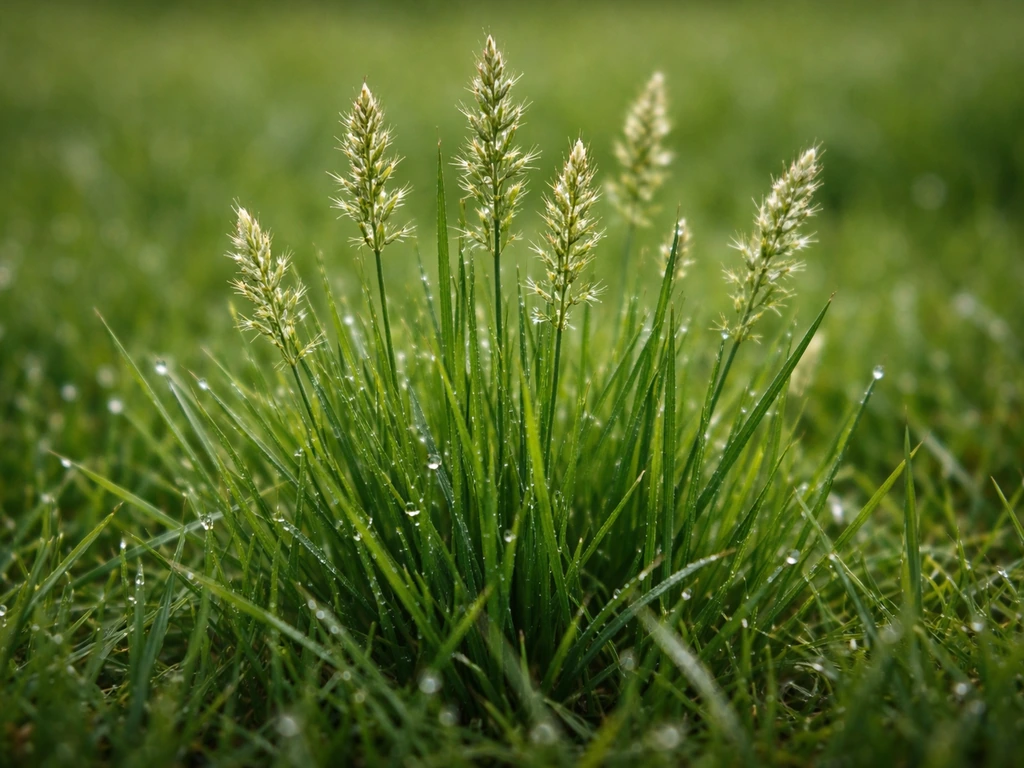
Does Grass Grow Flowers? How to Tell Blooms From Weeds
Learn when grass flowers and how to spot seed heads versus weeds, plus lawn care steps for flowers or fewer blooms.
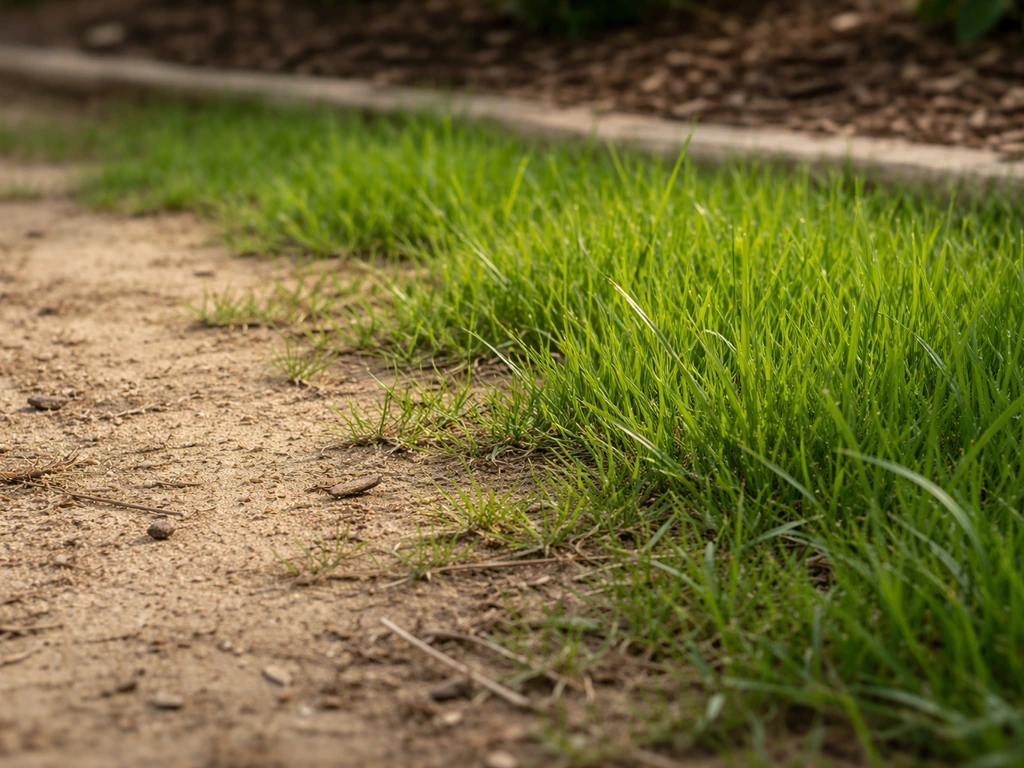
Does Grass Grow Naturally? How It Starts and How to Help It
Learn if grass grows naturally and how to get it established in shade, poor soil, sand, or tough timing.
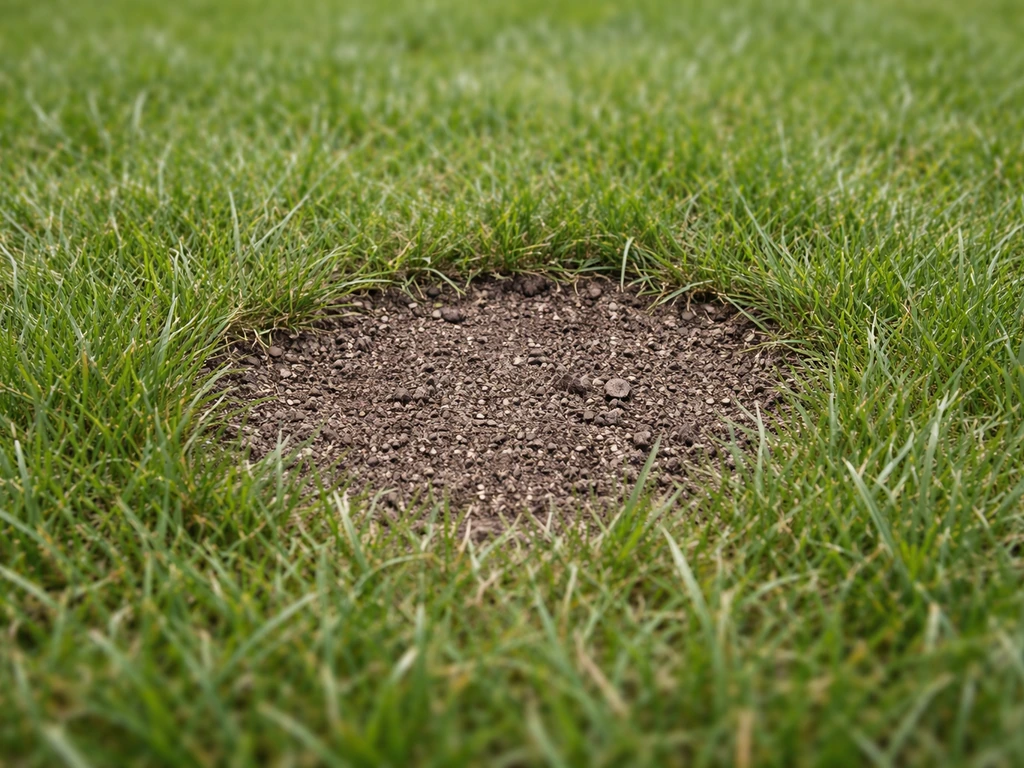
Does Grass Grow? How to Fix Dead or Bare Spots
Learn why grass stops growing or regrowing, how to diagnose bare spots, and when to reseed, resod, or switch groundcover