
Crabgrass grows because your lawn is giving it exactly what it needs: open soil, warmth, and light. It is not a random invasion. Every patch of crabgrass in your yard is pointing at a specific problem you can fix. Once you understand what those triggers are, stopping crabgrass becomes a lot more straightforward than most people think.
Why Does Crabgrass Grow? Causes and Fixes for Your Yard
Marcus Volkmann
19 Apr 2026
What crabgrass is and why it wins
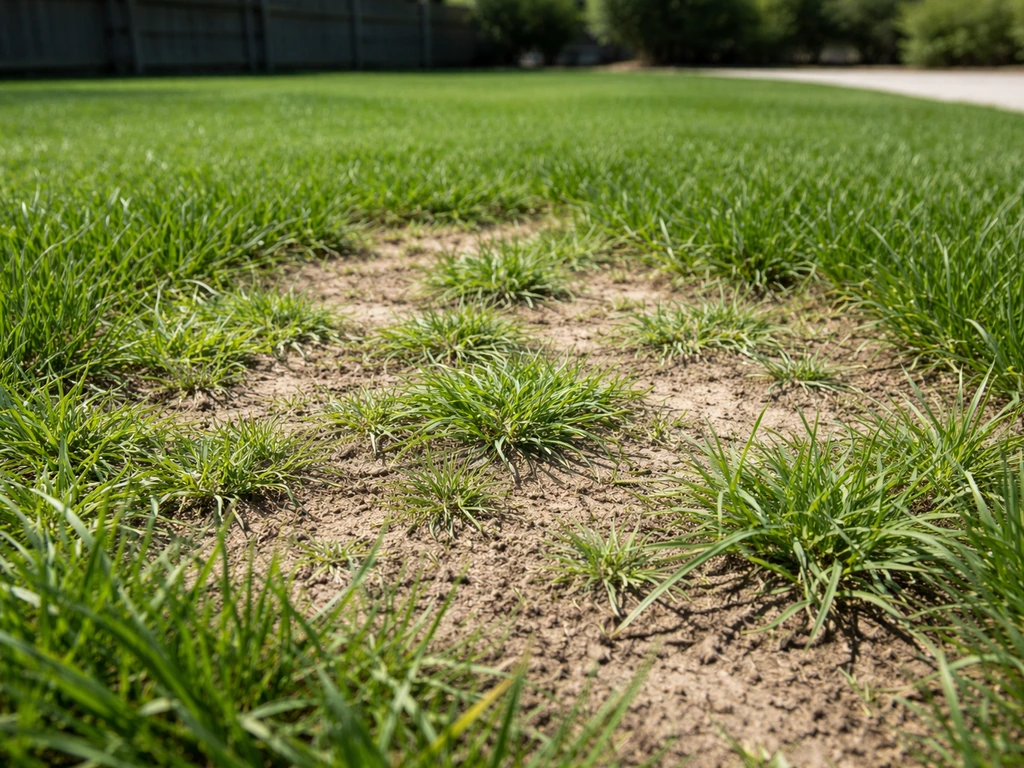
There are two species you are probably dealing with: smooth crabgrass (Digitaria ischaemum) and large crabgrass (Digitaria sanguinalis). Both are warm-season annual grasses that germinate from seed every spring, grow aggressively through summer, set seed in late summer, and die with the first hard frost. The key identifying feature on both species is a membranous ligule at the junction of the leaf blade and leaf sheath, which separates them from desirable turf grasses when you look closely.
The reason crabgrass wins is its biology. A single large crabgrass plant can produce more than 100,000 seeds in a season, with seedheads appearing from July through September. Even if you kill every plant this year, you are still fighting seeds already banked in your soil from previous seasons. It also tolerates mowing heights as low as half an inch, meaning it can survive conditions that scalp or stress your desirable grass. That combination of seed volume, heat tolerance, and low-mow survivability makes it one of the most persistent weeds homeowners face.
How crabgrass grows from seed to problem
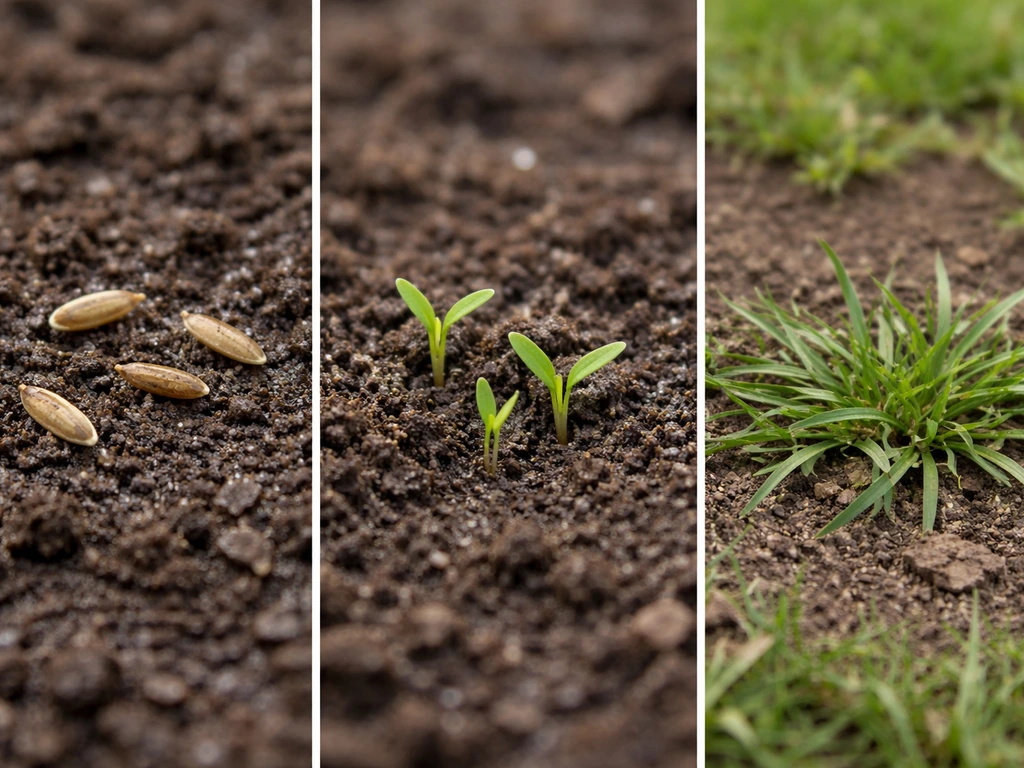
Crabgrass germination is triggered by soil temperature, not calendar date. It starts to germinate when soil temperatures reach roughly 50 to 55 degrees Fahrenheit for three consecutive days. In practical terms, that usually means sometime in March or April depending on your region and how warm the spring runs. Ohio State University's turfgrass program identifies soil temperature monitoring as the most reliable method for predicting when germination will start, more reliable than calendar dates, forsythia bloom timing, or growing degree day models alone.
Once germination begins, the seedlings establish quickly in open or thin turf. A small plant that looks manageable in May becomes a spreading mat by July. By the time most homeowners notice it, the plant is large enough that postemergent control is harder and the window for easy management has closed. The entire life cycle resets every year, but the seed bank in your soil gets larger with every plant that goes to seed.
The conditions that make crabgrass thrive
Crabgrass does not appear randomly. It fills gaps that your lawn creates for it. Here are the main conditions that give it the upper hand.
Full sun and heat
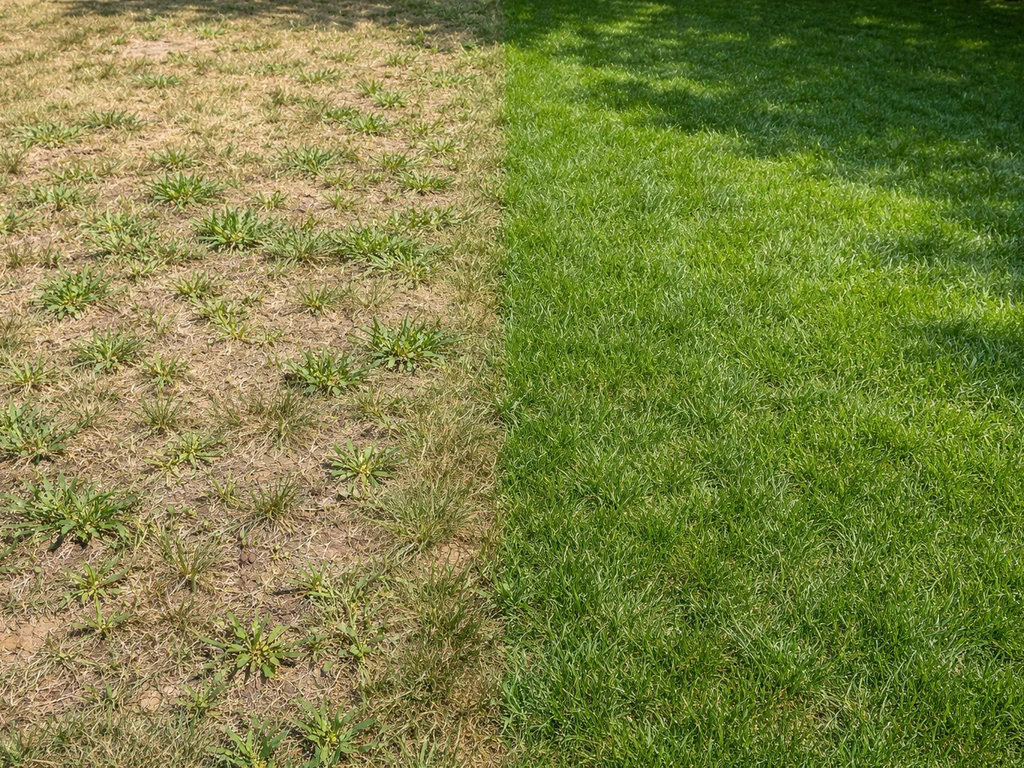
Crabgrass is a sun-lover. It thrives in open, exposed areas with direct sunlight and high soil temperatures. South-facing slopes, areas near driveways or sidewalks, and thin edges along curbs are prime real estate for it because pavement radiates heat and keeps soil temperatures elevated. If you have areas where the grass always seems to struggle in summer heat, those same spots are where crabgrass will establish first.
Bare and thin soil
Crabgrass needs light to germinate. In a dense, healthy lawn, the canopy of desirable grass shades the soil and suppresses weed seed germination. Bare spots, thin patches, and scalped areas remove that canopy, exposing soil to light and warmth. Once bare soil is exposed, it is essentially an open invitation for whatever weed seed is waiting in the ground, and crabgrass seeds are almost always waiting.
Compacted soil
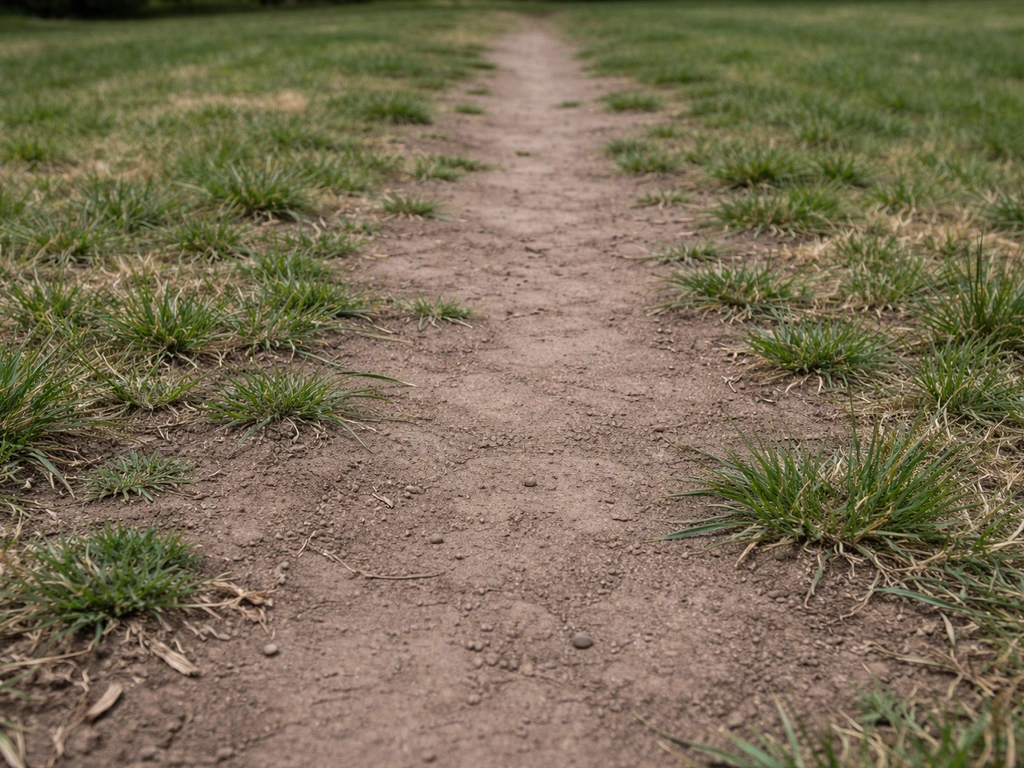
Compaction hurts desirable grass more than it hurts crabgrass. When soil is compacted, turf root systems become shallow and stressed, the grass thins, and bare spots appear. Crabgrass has a shallow, spreading root system that handles compacted conditions better. If you have high-traffic areas where the lawn consistently struggles, those zones are compaction-prone and crabgrass-prone by default.
Disturbed turf
Any disturbance that breaks the turf canopy creates a crabgrass opportunity. Construction edges, areas where pets dig, spots where you removed a dead plant, recently aerated areas left unseeded, or patches killed by winter damage all expose bare soil. If you disturb turf in spring or early summer and do not immediately reseed or cover the area, crabgrass will likely get there first.
How your yard management is feeding the problem
Most crabgrass infestations are made worse by the way people manage their lawns. The four biggest management mistakes are mowing height, irrigation patterns, foot traffic, and thatch accumulation.
Mowing too short
This is the most common cause I see. When you mow cool-season grass below 3 inches, you are thinning the canopy and exposing soil to sunlight. Crabgrass can tolerate mowing as low as half an inch, so cutting short does not hurt it while it absolutely hurts your turf. If you are asking whether "does grass grow all year round" then the key is knowing that warm-season weeds like crabgrass follow biology and temperature, not a strict calendar. Research at NC State confirmed that higher mowing heights directly reduce crabgrass incidence. If you are cutting at 1.5 or 2 inches because you like the look, you are essentially handing crabgrass a competitive advantage every single week.
Irrigation patterns
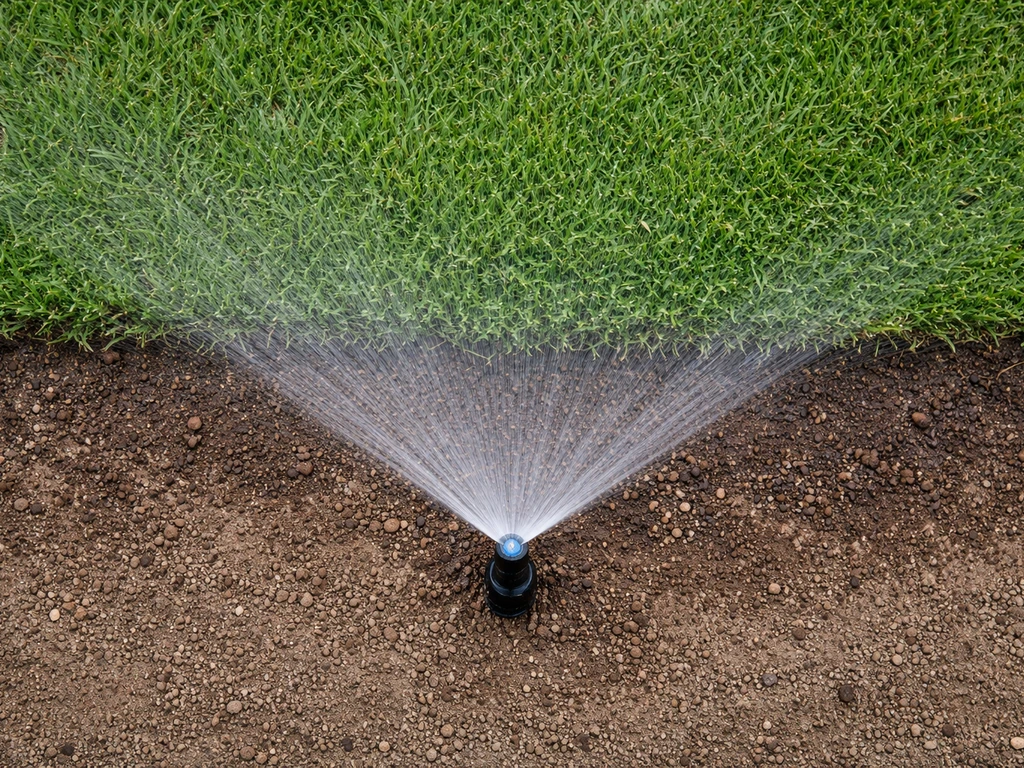
Frequent shallow watering keeps the top inch of soil moist, which is exactly where crabgrass seeds sit waiting to germinate. It also encourages shallow root systems in your desirable grass, making that grass less competitive. Deep, infrequent watering (typically 1 inch per week applied in one or two sessions) encourages deeper roots in your turf while making the surface layer less consistently hospitable for weed seed germination.
Heavy foot traffic
Repeated traffic on the same areas compacts soil over time. Compacted soil stresses turf roots, the grass thins, and you end up with the bare patches that crabgrass needs. Play areas, pathways across the lawn, and dog runs are all classic compaction zones that show up as crabgrass hot spots by midsummer.
Thatch buildup
A thick thatch layer prevents water, air, and nutrients from reaching grass roots, which weakens turf and creates thin or dead patches. Once thatch kills sections of grass, it leaves bare soil exposed. Ironically, some homeowners dethatch aggressively in spring (which is fine) but then skip the overseeding step, leaving disturbed bare soil ready for crabgrass the same season.
Troubleshoot your yard in a few minutes
Walk your lawn right now and answer these questions. Your answers will tell you exactly why crabgrass is showing up where it is. Understanding why crabgrass shows up in your lawn also helps explain why grass grows the way it does in different conditions why crabgrass is showing up.
- Where is the crabgrass? Edges near pavement or curbs point to heat and reflected light. Patches in the middle of the lawn point to bare soil from mowing, traffic, or thatch. Consistent strips suggest scalping from a mower blade dropping over a crown or slope.
- What height are you mowing? If you are cutting below 3 inches for cool-season grass, mowing height is almost certainly a contributing factor.
- How often do you water and for how long? If you are running sprinklers daily for short cycles, you are running a shallow-moist surface that favors weed germination.
- Are there high-traffic zones where kids, pets, or foot paths wear down the grass? Those areas are compacted and need mechanical relief, not just herbicide.
- Did you dethatch or aerate this spring without reseeding afterward? Exposed soil after those operations is a crabgrass invitation if you skipped follow-up seeding.
- Do you have persistently thin or shaded spots where grass struggles every year? Thin turf from poor establishment, shade stress, or poor soil always becomes a crabgrass target.
Most yards will have two or three clear answers from that list. Fix those specific conditions and you cut crabgrass pressure dramatically, even before you reach for any herbicide.
Immediate fixes to reduce crabgrass this season
If it is already spring or early summer and crabgrass is emerging or you missed the pre-emergent window, you still have options. These steps will not erase the current season's infestation entirely, but they will limit how bad it gets and reduce next year's seed bank.
- Raise your mowing height immediately to 3 to 4 inches for cool-season turf. This single change is the most impactful thing you can do right now. A taller canopy shades the soil, suppresses germinating seeds, and gives desirable grass a competitive edge over the rest of the season.
- Spot-treat actively growing crabgrass early in the season with a postemergent herbicide before plants mature and set seed. The University of Maryland Extension recommends treating small, actively growing plants early, because larger plants near seed set are harder to kill and already spreading next year's problem.
- Do not let crabgrass go to seed. If plants are already large, remove them manually or treat them aggressively before July. Seedheads appear from July through September, and every plant that sets seed is depositing tens of thousands of seeds into your soil.
- Switch to deep, infrequent irrigation. Water to a depth of about 6 inches once or twice a week instead of shallow daily watering. This alone can change which plants are most competitive on your surface.
- Core aerate compacted traffic areas if you have not already. Compaction relief helps desirable grass recover and reduces the thin-turf conditions crabgrass exploits. If you aerate now, seed immediately with a grass type suited to your conditions.
- Fill bare spots with topsoil and seed. Leave zero bare soil exposed through summer. Any open patch is an active germination site for whatever weed seeds are in your soil bank.
For yards dealing with poor soil, sandy substrates, or heavily shaded areas, the challenge is that desirable grass is already stressed and struggling to create the dense canopy that suppresses crabgrass. In these situations, managing crabgrass chemically is only part of the answer. Soil amendments, choosing turf varieties adapted to those conditions, and realistic density expectations matter just as much. A sparse lawn on sandy soil will keep getting crabgrass no matter how many herbicides you apply if you never improve the underlying growing conditions.
The prevention plan that actually works
Stopping crabgrass long-term is about combining timing, turf density, and the right herbicide strategy. Here is how to build a plan that holds up over multiple seasons.
Time your pre-emergent based on soil temperature
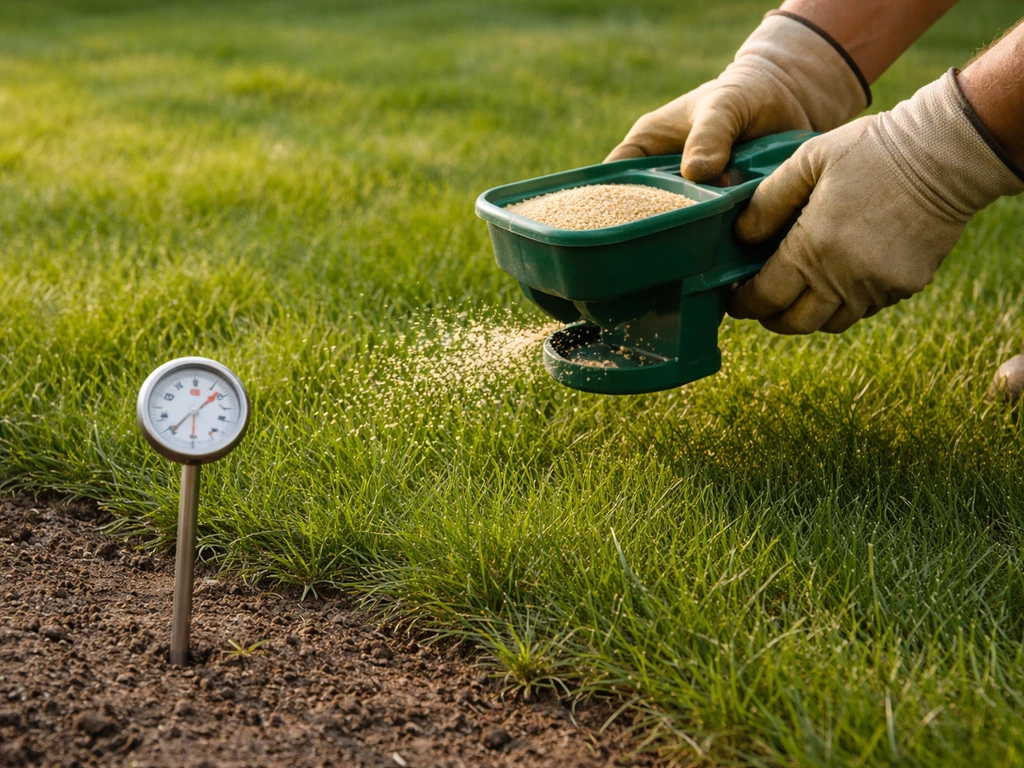
Buy an inexpensive soil thermometer and monitor the reading 2 to 3 inches deep in the morning. You want to apply a pre-emergent herbicide before soil temperatures hit 50 to 55 degrees Fahrenheit for three consecutive days. In most areas, that falls in April, though warm years can push it earlier. SDSU Extension puts the typical optimal window in April, while OSU confirms soil temperature monitoring is the most reliable method for timing that application. If you use a calendar or wait for forsythia to bloom, you are guessing. If you use a thermometer, you know.
Choose the right pre-emergent active ingredient
The main pre-emergent options for homeowners are pendimethalin (Pendulum), prodiamine (Barricade), and dithiopyr (Dimension). Prodiamine and dithiopyr both offer longer residual windows, up to around 16 weeks, which matters if you need extended coverage through a long warm season or plan a single application. Pendimethalin is effective but shorter in residual activity. Once crabgrass has germinated and emerged, prodiamine and pendimethalin are no longer effective, so timing is everything. Once crabgrass is already up, pre-emergence herbicides will not work, and postemergence herbicides are most effective when applied to small, actively growing crabgrass before it matures. Dithiopyr has some early postemergent activity against very young seedlings, which gives it a slight edge if you are a bit late.
| Active Ingredient | Common Product Names | Residual Window | Works Post-Emergence? | Safe Near Seeding? |
|---|---|---|---|---|
| Prodiamine | Barricade | Up to ~16 weeks | No | No (avoid seeding during/after application) |
| Pendimethalin | Pendulum | Shorter (~4–8 weeks) | No | No |
| Dithiopyr | Dimension | Up to ~16 weeks | Yes, on very young seedlings | No (use with caution) |
| Siduron | Tupersan | Shorter | No | Yes (safe during seeding) |
| Mesotrione | Tenacity | Moderate | Yes | Yes (safe during/after seeding) |
If you need to overseed the same spring, siduron and mesotrione are the only pre-emergent options Penn State Extension identifies as safe to use during or immediately following seeding without harming new grass. Every other common pre-emergent will suppress desirable grass seed germination along with crabgrass seed germination. This is a critical point if you are trying to fill bare spots and prevent crabgrass at the same time.
Build turf density through overseeding
No herbicide strategy fully compensates for a thin lawn. Dense turf is the best long-term crabgrass suppressor because it eliminates the open soil that crabgrass needs to germinate. For cool-season grasses, the best overseeding window is late summer to early fall, typically late August through September. Fall overseeding lets new grass establish before winter and bulk up the canopy for the following spring before crabgrass germination starts. If you seed in spring instead, you will likely be choosing between protecting new grass and preventing crabgrass, because most pre-emergents will suppress both.
Keep mowing high, every season
This is the prevention step most people skip because it feels too simple. Maintain a mowing height of 3 to 4 inches for cool-season turf throughout the growing season. A taller canopy means less light reaches the soil surface, which means fewer crabgrass seeds germinate even in a year when your pre-emergent timing is imperfect. It also means your desirable grass is healthier and more competitive overall, which matters for everything else on this list.
Address soil problems directly
If your yard has chronic crabgrass in the same spots every year despite good management, the underlying soil is usually the issue. Sandy or poor soils that drain too fast stress turf roots and create persistently thin grass. Compacted clay soils do the same through waterlogging and oxygen deprivation. Amending soil, aerating annually in problem zones, and topdressing with compost over multiple seasons builds the turf density that herbicides alone cannot create. Crabgrass is opportunistic, and a lawn grown in genuinely improved soil is far less vulnerable than one managed only with chemistry.
The bigger picture is this: crabgrass is telling you something about your lawn's health and management. If you are wondering why grass seems to show up in the first place, the same basic growth needs also explain why crabgrass can take over why does grass grow. These same growth needs can help explain whether grass can produce flowers too, including what triggers flowering does grass grow flowers.
Related to this, does grass grow is also largely about the same factors like light, warmth, and soil conditions that decide whether weeds such as crabgrass can take hold. Those same factors, like light, warmth, and soil conditions, determine whether grass grows naturally in the first place does grass grow naturally. A yard where grass grows thick and at the right height, on soil that drains properly and is not compacted, with deep irrigation and no persistent bare spots, gives crabgrass very little to work with.
If you want to go deeper into the general reasons vegetation appears on its own, see our guide on why grass grows A yard where grass grows thick. Crabgrass and other weeds show up on their own for similar reasons: they exploit open soil, light, and stress in your lawn why grass grows A yard where grass grows thick. That kind of lawn is achievable even in challenging conditions. It just requires addressing the real causes, not just spraying symptoms.
FAQ
Does crabgrass always mean my lawn is “bad,” or can it show up even in a decent yard?
It can show up in otherwise healthy lawns, especially in small sunny gaps (around driveway heat, foot-traffic channels, or after a pet-dig or winter-killed area). The key clue is whether it appears in repeatable spots year after year, which usually points to consistent light, compaction, or irrigation issues rather than overall lawn quality.
When should I apply pre-emergent if I don’t know my soil temperature yet?
If you want a backup method, start by assuming the risk period begins when your spring soil warms consistently, then confirm with a thermometer. The risk isn’t based on air temperature, so taking morning readings at 2 to 3 inches deep is the most reliable check before you apply.
Can I use crabgrass pre-emergent and overseed at the same time?
Most common pre-emergents will block germination of new grass seed as well, so you typically have to either delay seeding until the product’s safe window or use the specific options that are labeled as safe for overseeding during or immediately after seeding. If you skip this detail, you can end up with bare soil that still turns into crabgrass.
Why does crabgrass come back every year even though I sprayed last season?
Two common reasons are seed bank timing (seeds were already present before your application) and application window misses (soil temperature reached the threshold earlier than you assumed). Another frequent issue is that mowing, watering, or compaction patterns continue creating new bare, sunlit gaps, so new seedlings establish even if you reduced some germination.
What’s the best way to handle an infestation if crabgrass is already up and growing?
Pre-emergents won’t reliably stop established plants, so focus on reducing seed production (mowing to avoid letting it reach seedhead stage) and improving turf density so fewer new seedlings establish. For chemical control, you generally shift to an approach aimed at young, actively growing seedlings, and timing matters more than product choice.
How low should I mow if I want to reduce crabgrass but keep my lawn looking good?
For cool-season turf, keep mowing around 3 to 4 inches. If aesthetics push you lower, expect more bare soil exposure and higher crabgrass pressure, because crabgrass can tolerate much shorter cuts than many desirable grasses.
Is watering deeper really enough, or do I also need to change how I water?
Both matter. Deep, infrequent cycles help desirable turf grow deeper roots and make the surface less consistently moist for germinating seeds. Also watch coverage, if you regularly see dry edges or runoff at the same spots, those patterns create the sun and light gaps crabgrass prefers.
Will aerating help if my problem is crabgrass, or does it make it worse?
Aerating can help long term if it reduces compaction and allows turf to thicken, but it can worsen crabgrass in the short term if you create bare, exposed soil and don’t address it. The best results come from aerating in a plan that includes reseeding or topdressing so the holes do not stay open.
How can I tell if the root issue is compaction versus shade?
Look for where the lawn thins. If the crabgrass hotspots match high-traffic, dog runs, or areas where water puddles or never stays loose, compaction is likely a major driver. If hotspots track consistently with reduced canopy and low summer light (north sides, under tree driplines, shaded edges), shade and canopy suppression are usually the bigger factor.
Should I dethatch before or after I try to control crabgrass?
Dethatching can improve turf health, but aggressive dethatching can expose bare soil that enables germination. If you dethatch in spring, plan to reseed or topdress immediately enough to restore canopy quickly, otherwise you may create the exact conditions crabgrass needs.
Is it better to spot-treat crabgrass or treat the whole lawn?
Spot-treating can be useful when infestations are limited to consistent gaps, but whole-lawn prevention is often necessary because crabgrass seeds spread and can germinate across small edge areas you might overlook. A practical approach is to start with full prevention for the risk period, then address localized problem zones with targeted reseeding, height adjustments, and, if needed, spot control.
Does mowing more frequently help crabgrass, or does it encourage it?
More frequent mowing itself is not the main driver, mowing height is. What can make things worse is mowing too low and scalping the canopy, regardless of mowing frequency. If you mow more often to maintain a very short height, you are still creating the light exposure crabgrass needs.
Next Articles
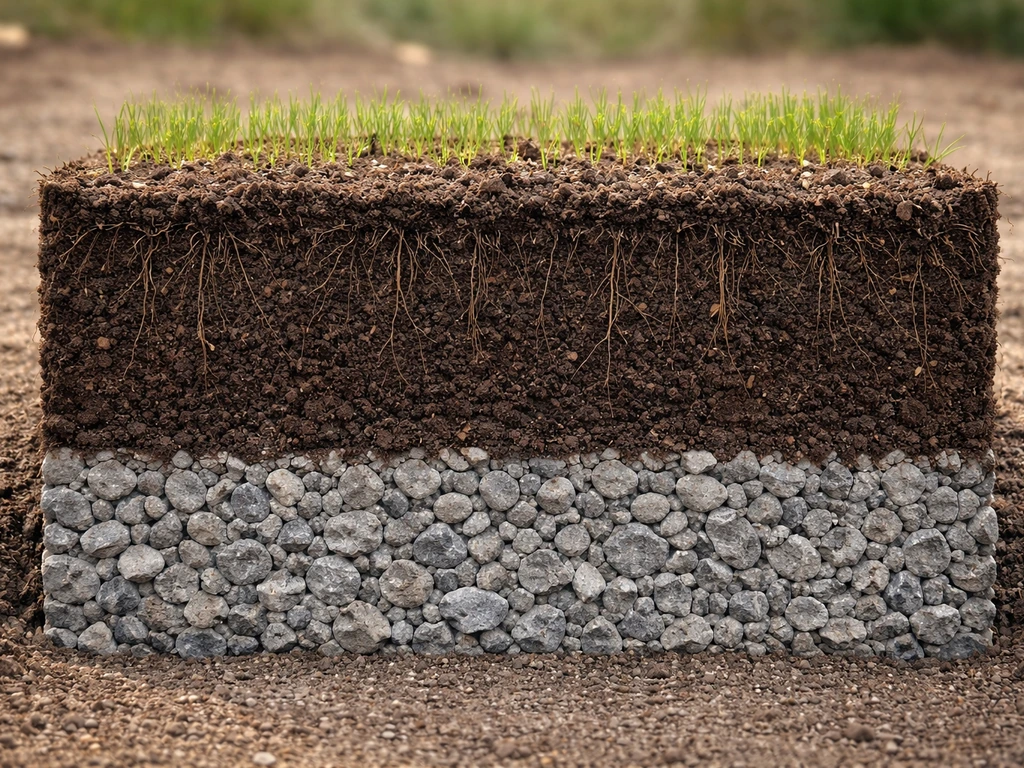
Can You Grow Grass Over Gravel? How to Do It Right
Learn when you can grow grass over gravel and follow a step-by-step method for soil depth, drainage, seeding or sod, and
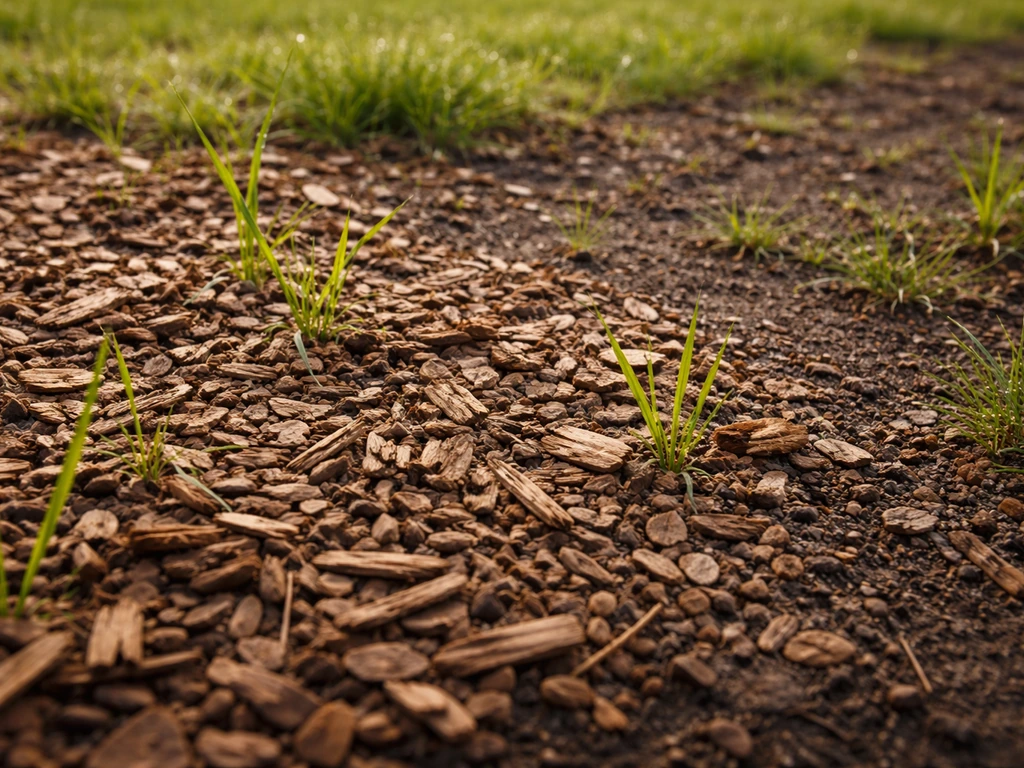
Do Wood Chips Help Grass Grow? When They Work and When Not
Learn when wood chips help grass grow, when they steal nitrogen, and step-by-step how much to apply and seed options.

Will Potting Soil Help Grass Grow? What Works and What Fails
When potting soil helps grass grow, when it fails, and how to prep, apply, seed, water, and troubleshoot bare spots.