
Yes, grass does grow naturally, but whether it will do so in your specific yard without any help from you is a different question. Grass establishes on its own when four things line up: a seed source nearby, enough light, soil that isn't actively hostile (pH roughly 6.0 to 7.0, decent drainage, minimal compaction), and temperatures in the right window for the species. When those conditions exist, grass will germinate, root, and spread with little intervention. Understanding why grass can grow on its own helps you pinpoint which conditions you already have and which ones you need to adjust grass will germinate, root, and spread. When even one of those factors is off, you can wait forever and nothing useful will happen. Most problem yards are missing at least one, which is why you're here.
Does Grass Grow Naturally? How It Starts and How to Help It
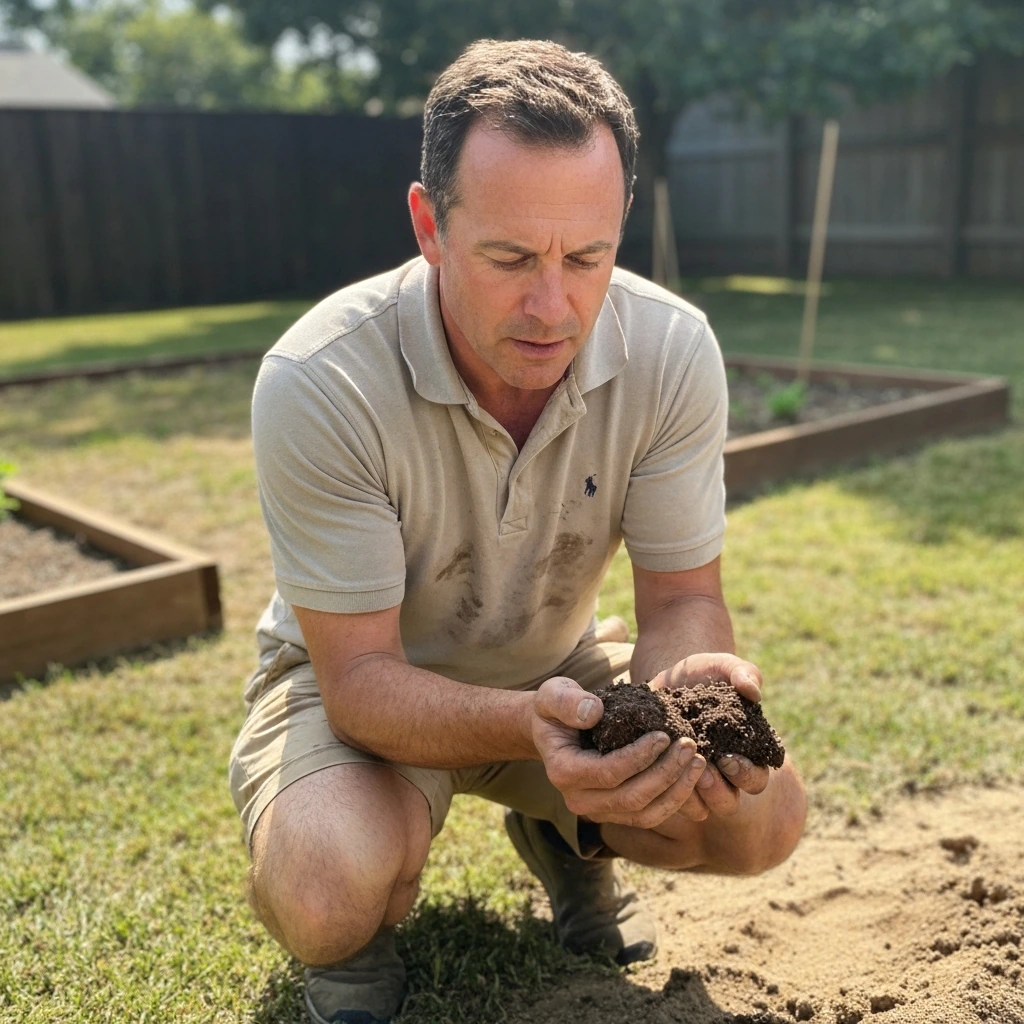
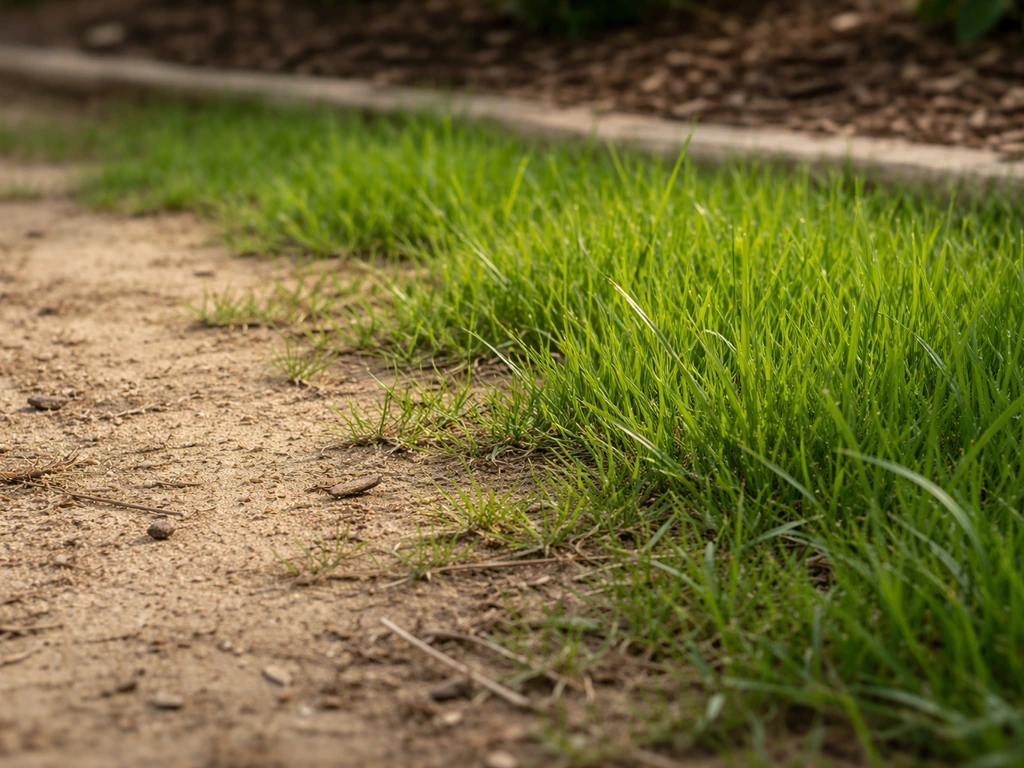
What 'naturally' means for grass in your yard
When people ask if grass grows naturally, they usually mean one of two things: will it show up on its own without seeding, or can it establish and fill in without a lot of intervention once it's started? Both are fair questions, and the honest answer to each depends on your conditions. Grass does colonize bare ground on its own when seed is carried in by wind, birds, or foot traffic, and when the ground is receptive. Roadsides, disturbed lots, and old garden beds fill in with grasses all the time without anyone planting them. But that kind of opportunistic colonization usually produces patchy, weedy coverage, not the even lawn you're picturing.
For a home lawn context, 'grows naturally' more practically means: given your climate, light, and soil, can you seed (or sod) an appropriate species and expect it to root, spread, and persist without heroic ongoing effort? That's the version worth focusing on. If the answer is yes with minimal amendments, great. If the answer is only with significant intervention, you need to know that upfront so you're not wasting seed and water on a losing battle.
How grass grows naturally (seed to rooting to spread)
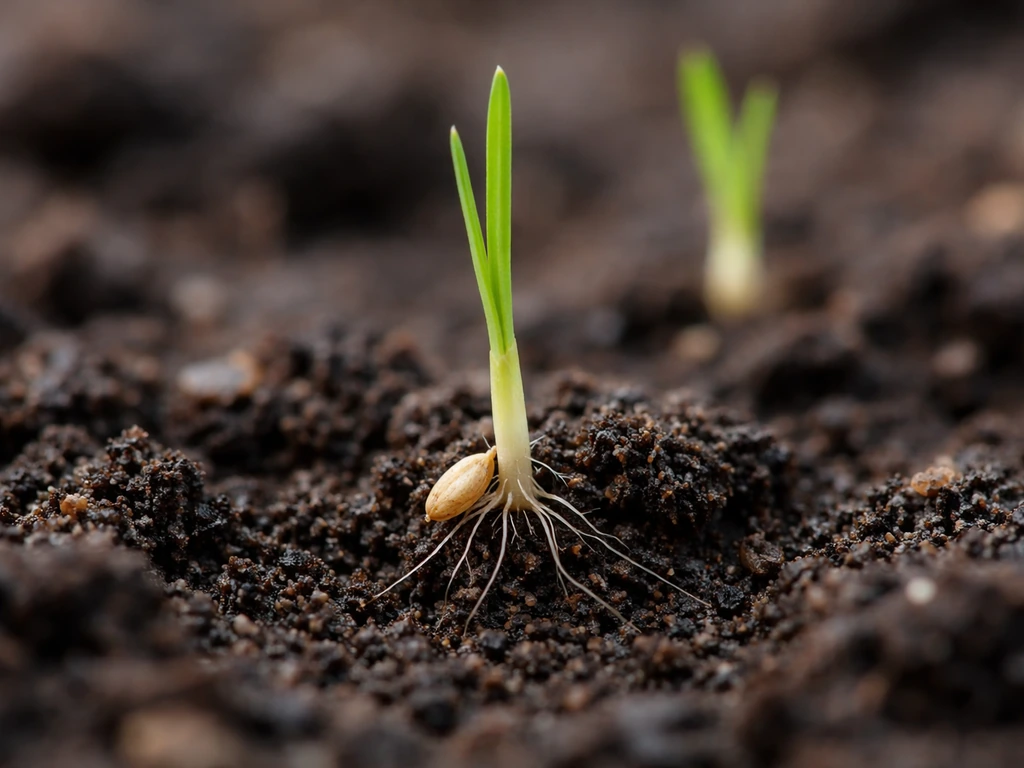
Grass starts from seed (or from vegetative pieces like sod, plugs, or runners), and the germination process needs three things: adequate moisture, oxygen, and favorable soil temperature. Cool-season grasses like tall fescue and Kentucky bluegrass germinate best when soil temperatures are in the 50 to 65°F range, while warm-season grasses like bermudagrass want soil temperatures above 65°F. Air temperature is a rough proxy for soil surface temperature, so matching your seeding timing to the season matters a lot.
Once a seed germinates, the seedling pushes a shoot upward and roots downward. At this stage it's fragile, relying on stored energy in the seed. Seed depth matters here: too deep (more than about half an inch) and the seedling exhausts its reserves before reaching light. Too shallow and the seed dries out. The target seeding depth is typically between a quarter and half an inch, in soil that stays consistently moist.
After the plant is rooted and producing its own energy through photosynthesis, it starts generating tillers, which are new shoots that emerge from the base of the plant. What happens next depends on the species. Bunchgrasses (like tall fescue) produce tillers that stay within the original plant's footprint, so they fill in slowly and don't spread laterally. Sod-forming grasses like Kentucky bluegrass, bermudagrass, and zoysiagrass produce rhizomes (underground runners) or stolons (above-ground runners) that allow them to spread laterally and fill bare patches over time. This is the 'natural fill-in' that homeowners are often counting on, but it only happens with the right species and enough carbohydrate reserves in the plant to support lateral growth.
Where grass grows naturally (light, climate, soil, habitats)
Grass is one of the most adaptable plant families on earth, but specific grass species have specific habitat requirements. Broadly, here's where different grasses naturally thrive:
| Grass Type | Climate Zone | Light Needs | Soil Preference | Typical Habitats |
|---|---|---|---|---|
| Kentucky bluegrass | Cool/humid (upper Midwest, Northeast) | Full sun to light shade | Well-drained, pH 6.0–7.0 | Lawns, parks, disturbed ground |
| Tall fescue | Transition zone, cool/humid | Sun to moderate shade | Adaptable, tolerates clay | Lawns, roadsides, fields |
| Perennial ryegrass | Cool/humid coastal zones | Full sun to light shade | Well-drained, fertile | Lawns, athletic fields |
| Bermudagrass | Warm/hot (Southeast, Southwest) | Full sun only | Sandy to clay, drought tolerant | Lawns, fields, roadsides |
| Zoysiagrass | Warm/transition zone | Full sun, some shade | Wide range, tolerates drought | Lawns, golf courses |
| St. Augustinegrass | Tropical/subtropical (Gulf Coast, Florida) | Full sun to partial shade | Sandy, well-drained | Lawns, coastal areas |
Beyond lawns, grass colonizes naturally on roadsides, disturbed soils, abandoned lots, meadow edges, and the sunny margins of woodlands. Forest interiors are too shaded for most turf grasses to persist. Sandy coastal areas and river banks favor grasses with deep root systems or rhizomatous spread. The key pattern: grass thrives where there's adequate sun, reasonable drainage, and soil that isn't locked up by extreme pH, compaction, or competing vegetation.
Can your conditions support natural grass establishment?
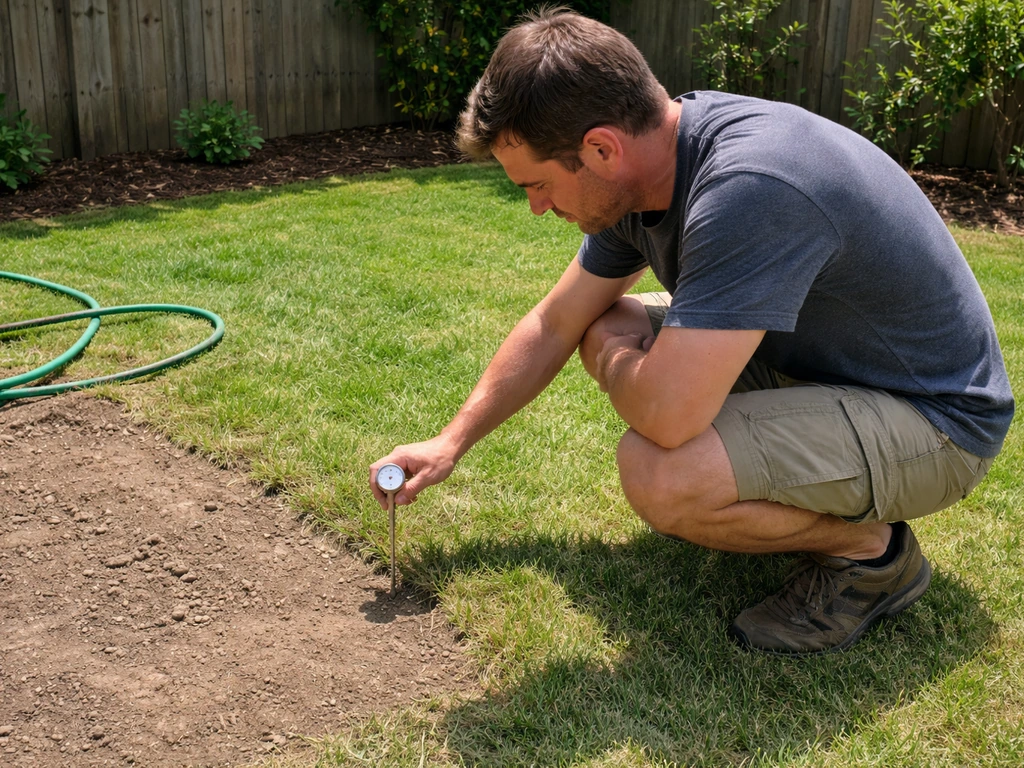
Run through this checklist before you spend money on seed or sod. If you're checking 'yes' on most of these, grass can realistically establish with modest effort. If you're hitting 'no' on several, you'll need to address those first or consider alternatives.
- Sunlight: Does the area get at least 4 to 6 hours of direct sun daily? (Less than 4 hours is a shade problem; less than 2 hours means grass almost certainly won't persist.)
- Soil pH: Is your soil pH between 6.0 and 7.0? (Get a soil test before assuming; guessing leads to over- or under-liming.)
- Drainage: Does water drain within a few hours of rainfall, or does it pond? (Ponding for even a few hours in summer can kill established turf.)
- Compaction: Can you push a screwdriver into the soil 6 inches without too much effort? (Heavy compaction cuts roots off from water and nutrients.)
- Topsoil depth: Is there at least 4 to 6 inches of actual topsoil, not fill dirt or subsoil?
- Timing: Are you seeding cool-season grass in late summer/early fall, or warm-season grass in late spring/early summer?
- Moisture availability: Can you water lightly and frequently during establishment, or will the area dry out uncontrollably?
- Competition: Is the area free of dense weeds or thatch that will crowd out new seedlings?
- Species match: Is the grass species you're planting appropriate for your climate zone and light conditions?
Why grass won't grow naturally in common problem areas
This is where most of my conversations with frustrated homeowners start. They've seeded, watered, waited, and got nothing. Here are the most common culprits, and why each one kills establishment before it starts.
Too much shade
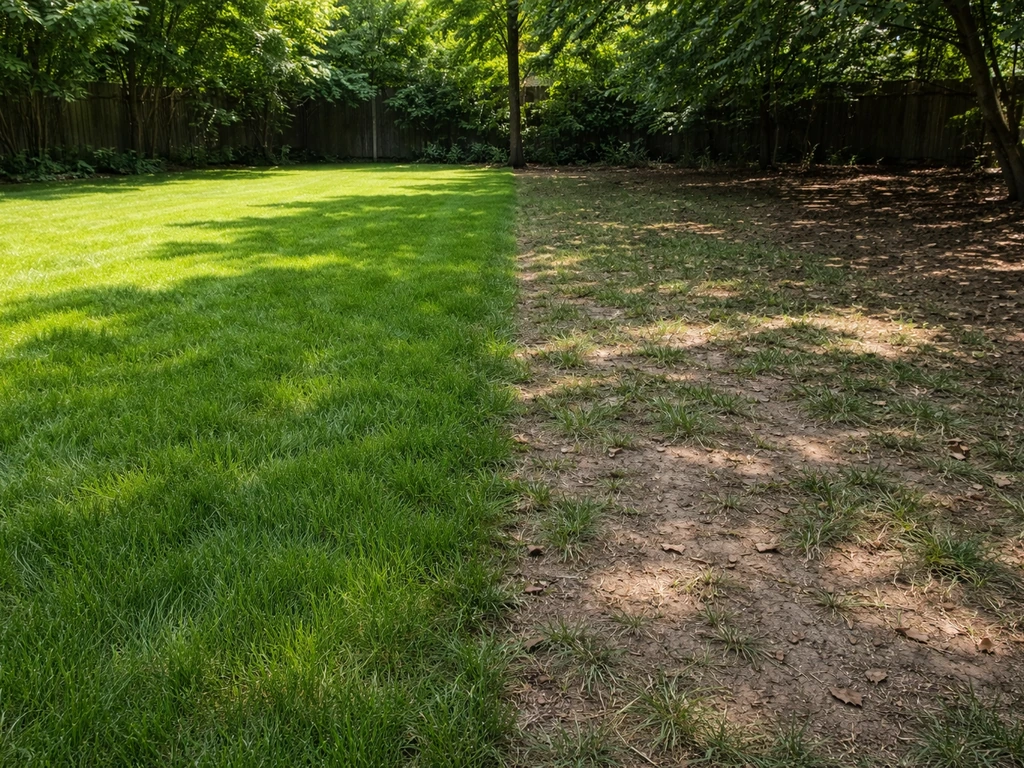
Shade is the single most common reason grass fails to establish and persist. If you're wondering why grass might not establish, check the common issue of shade first since it is the single most common reason grass fails to persist why does grass grow. It's not just about germination: shade creates a triple threat. It reduces the light available for photosynthesis, puts roots and shoots in competition with nearby trees for water and nutrients, and produces turf that's thinner and more vulnerable to wear. Warm-season grasses like bermudagrass simply cannot tolerate shade and will thin out and die under tree canopy regardless of what you do. Even shade-tolerant cool-season grasses like tall fescue struggle when light drops below about 4 hours per day. Shortened root systems, reduced shoot density, and poor wear tolerance are all documented effects of turf grown in shade.
Sandy or poor soil
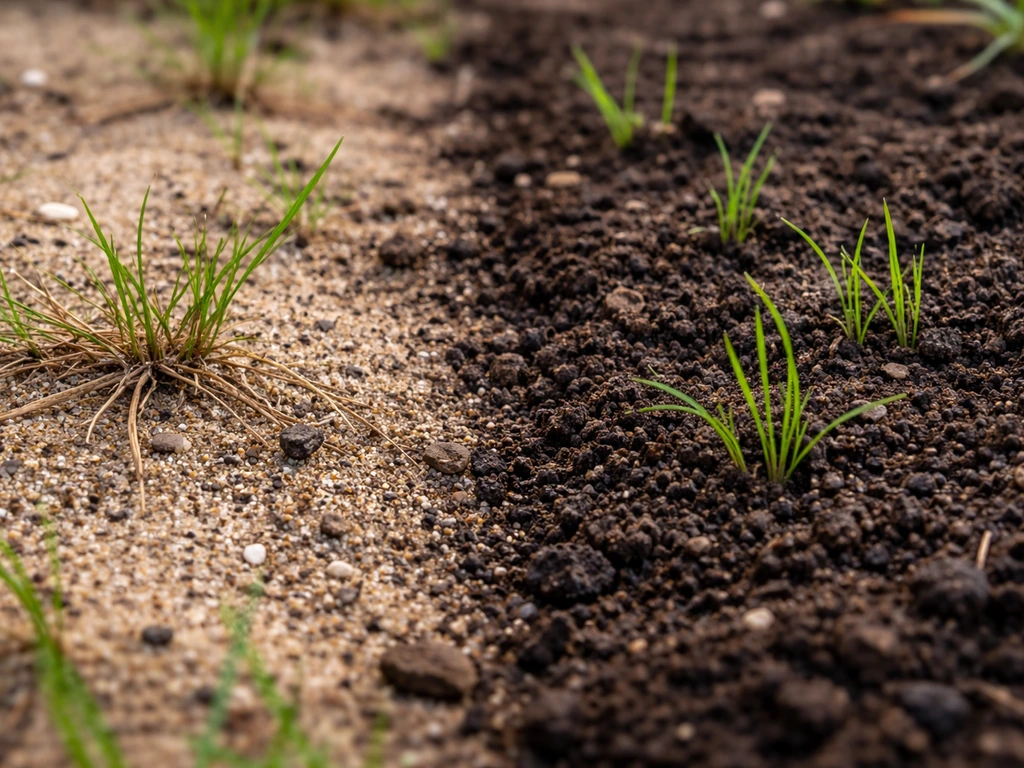
Sandy soil drains so fast that seedling roots dry out between waterings, and there's often very little nutrient-holding capacity. Grass can grow in sand, but it requires significantly more frequent irrigation during establishment and benefits from organic matter amendments to improve water and nutrient retention. Without these adjustments, seeds germinate and then stall or die during their first drought stress event.
Wrong timing
Seeding cool-season grass in June is one of the most reliable ways to waste money. Soil temperatures are too warm, seedlings face heat stress immediately after germinating, and summer drought and weed pressure compound the problem. Cool-season grasses want late August through early October. Warm-season grasses want late spring when soil temperatures have climbed above 65°F. Timing isn't a suggestion, it's the difference between success and failure.
Extreme soil pH
Grass planted in soil that's too acidic or too alkaline can't access the nutrients it needs even if those nutrients are physically present. Most turfgrasses want a pH between 6.0 and 7.0. The problem is that lime, the typical fix for acid soil, works slowly: it often takes two or more years to significantly change soil pH because lime isn't very soluble and can't be worked deeply into an existing lawn. That's why a soil test before you start is so important; you want to get ahead of pH problems, not chase them.
Compaction and shallow topsoil
Compacted soil physically restricts root growth and reduces the grass plant's ability to access water and nutrients. Heavy clay soils and areas with lots of foot or vehicle traffic are the worst offenders. Grass planted in compacted soil will germinate and then stall: the roots can't penetrate, the plant can't establish, and the first drought kills it. Shallow topsoil (over hardpan, rock, or fill) creates the same problem.
Weed competition and thatch
Dense weeds crowd out new grass seedlings by competing for light, water, and nutrients. Thick thatch (the layer of organic debris above the soil surface) prevents seed-to-soil contact, which is essential for germination. If seeds are sitting on top of a thatch layer rather than making contact with moist mineral soil, they'll germinate and die before roots can reach anything useful.
What to do next: practical fixes by condition
If you're dealing with shade
Switch to a shade-tolerant cool-season species. Tall fescue is your best bet in most shade situations; Kentucky bluegrass and perennial ryegrass are secondary options. Avoid warm-season grasses in shade entirely. If you're dealing with dense tree canopy, raise the mowing height (grass in shade needs more leaf area for photosynthesis), reduce foot traffic, and accept that density will be lower than in sunny areas. If the canopy is getting below 4 hours of sun, you're approaching the point where no grass will persist regardless of species, and you should start thinking about groundcovers instead.
If your soil is sandy
Incorporate compost into the top 4 to 6 inches before seeding: aim for 3 to 4 inches of compost worked into the existing sand. This dramatically improves water retention and gives seedling roots something to hold onto. During establishment, water more frequently than you think you need to: newly seeded lawns on sandy soil may need multiple light waterings per day in dry or windy conditions. Choose grasses that tolerate drought once established (bermudagrass, zoysiagrass, or tall fescue depending on your climate zone) so that once you're past establishment, the sandy drainage becomes less of an ongoing problem.
If your soil is compacted or has poor structure
Core aerate before seeding. For a new lawn on heavily compacted soil, till to at least 4 to 6 inches and add compost before seeding. For an existing lawn, plan on multiple rounds of core aeration over two to three years. Topdress with compost after aerating to work organic matter into the holes. Get a soil test so you know whether pH correction is also needed, and apply lime if recommended (not as a precaution, only if the test says so).
If your timing is off
For cool-season grasses, the best window is late August through early October in most of the country. If you're reading this in June, the honest advice is to wait. You can use this time to address soil problems, so you're ready to seed when the window opens. For warm-season grasses, late spring (once soil temperatures consistently exceed 65°F) is your window, and you should be done by midsummer to give the grass time to establish before temperatures drop.
If you have poor or acidic soil
Get a soil test first, always. Extension labs in your state (Penn State, UGA, Purdue, OSU, and others all offer this) will tell you your buffer pH and give you a specific lime rate. Penn State’s lime recommendations are calculated from the soil test buffer pH (or lime index) and a pH goal that varies by turf use and grass species. Apply lime well in advance of seeding because it's slow acting. If fertility is the issue, a starter fertilizer at seeding (high phosphorus for root development) gives seedlings a better chance. Keep in mind that moss growing in your yard is a useful signal: Clemson Extension notes that moss indicates a combination of excessive shade, acidic soil, poor drainage, or compaction. If you have moss, address its underlying causes before expecting grass to take over.
Seeding mechanics that matter
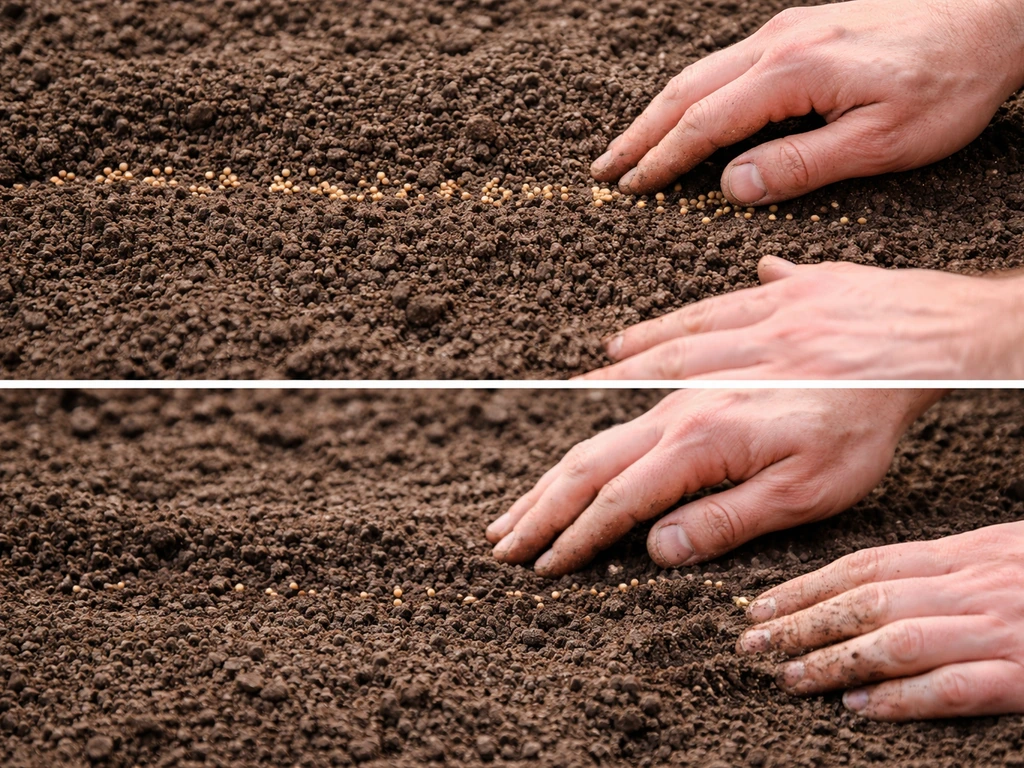
Good seed-to-soil contact is non-negotiable. For new seeding or sodding, the University of Minnesota Extension recommends choosing suitable recommended grasses for your area and, for sod, ensuring good soil contact using a roller about one-third full of water. Rake the seedbed lightly before seeding, then lightly rake again after to cover seed to about a quarter to half inch deep. Mulch with straw at about 1 to 1.5 bales per 1,000 square feet to retain moisture and reduce surface crusting. Water lightly and frequently (the goal is keeping the top inch consistently moist, not saturated), and don't mow until the grass is about a third taller than your target mowing height. Use a lightweight mower for the first cut to avoid pulling young plants out of the ground.
Best alternatives when natural grass establishment won't work
Sometimes the honest answer is that grass isn't the right plant for a given spot, and fighting that reality wastes time and money. Here are the practical alternatives worth considering when grass consistently fails:
- Groundcovers for shade: Plants like pachysandra, vinca, ajuga, or native ferns thrive where grass can't. University of Wisconsin Extension specifically recommends groundcovers as excellent turf alternatives in shade and other tough areas. Keep in mind some species spread aggressively and will need edging to stay contained.
- Clover for poor soil: White clover is a genuinely underrated lawn alternative or lawn component for low-fertility soils. It fixes its own nitrogen from the atmosphere, so it doesn't need fertilization, and it stays green through dry spells that stress grass. It works especially well mixed with grass in transitional areas.
- Native meadow plantings: For large areas with poor soil, low rainfall, or high shade, a mix of native grasses and wildflowers can provide year-round interest with minimal inputs. These do best on sites where invasive weeds are managed first.
- Mulched beds: Under dense tree canopy where root competition makes even groundcovers struggle, a clean wood chip mulch layer is often the most honest and low-maintenance solution. It protects tree roots, eliminates the ongoing frustration of failed grass, and looks intentional rather than neglected.
- Hardscaping: Patios, gravel paths, or decomposed granite are worth considering for high-traffic areas where soil compaction will continuously defeat grass establishment efforts.
Whether grass grows naturally in your yard comes down to a straightforward audit of your specific conditions. Whether grass grows naturally in your yard comes down to a straightforward audit of your specific conditions does grass grow all year round. If you want a quick starting point, use the light, soil, and timing checklist to see what needs to change for seed to establish whether grass grows naturally in your yard. Crabgrass is one of the most common “weedy grasses” that appears when conditions make it hard for your preferred lawn to establish. The checklist above is your starting point. If your conditions are workable, match the species to the site, fix the soil before you seed, time it right, and manage moisture carefully through establishment. Even though grasses can fill in naturally under the right conditions, many lawns require some level of help to also produce flowers or bloom throughout the season. If your conditions are working against you in multiple ways at once, the practical move is to address one factor at a time or redirect your energy toward an alternative that will actually succeed. Grass is tough and adaptable, but it's not magic, and knowing when to work with your site rather than against it is the most useful thing I can tell you.
FAQ
If grass is “natural,” why does my yard stay bare even when nearby lawns look healthy?
Natural colonization usually requires a good seed source and a receptive site. If there is little sunlight, compacted soil, poor drainage, or thick thatch, seeds can germinate briefly and then fail. Also, some “healthy” nearby lawns are managed (fertility, irrigation, mowing height), so they create better conditions than your untreated area.
How can I tell whether I’m dealing with shade versus a soil problem?
Run a simple check: observe leaf color and density in any existing turf or volunteers. In deep shade, turf stays thin even when water is adequate, and weeds tolerate the area better. For soil issues, grass seedlings typically appear but then stall in patches, often after a dry spell. If you have moss, that points more toward compaction, drainage problems, or acidity combined with shade.
Does grass grow naturally in the winter, or will I see progress right away?
Most turf establishment slows dramatically in cold weather because germination and active rooting depend on soil temperatures. Cool-season grasses may keep some growth going, but from seed, you usually should expect slower establishment and less lateral fill during winter. If you seeded late in the season, the real “fill-in” often happens the following growing season.
Will grass grow naturally without mowing, or does mowing affect natural fill-in?
Mowing affects density and weeds once grass is established. For newly seeded lawns, delaying mowing too long can shade young plants and contribute to weak rooting. Cutting too early or too low can pull seedlings out or remove too much leaf area, especially in stress-prone conditions like sand or part shade.
How much water is “enough” for grass to establish naturally from seed?
The critical factor is consistent moisture at the top of the soil. The common mistake is watering deeply but too infrequently, which wets deeper soil while the seed zone dries out between cycles. For fine grass seed, aim for the upper inch to stay moist, adjusting frequency upward during wind, heat, or sandy soil.
Should I overseed or seed from scratch if I have bare patches?
It depends on what’s driving the bare areas. If the cause is shade, compaction, or chronic dry spots, overseeding alone often fails. If the soil is receptive but density is thin, overseeding can work well. If there’s severe thatch, pH imbalance, or hardpan, treat the soil first, then seed or sod.
Can grass grow naturally through existing weeds, or do I need to remove them first?
Weeds can block establishment by competing for light, water, and nutrients, and thick vegetation can also reduce seed-to-soil contact. Even if seeds germinate, seedlings may not survive the competition. If weeds are dense, plan on reducing them before seeding (and make sure you still achieve good soil contact and moisture).
What happens if I plant seed too deep or too shallow?
Too deep means the seedling uses up its stored energy reaching the surface, leading to weak or absent sprouts. Too shallow can germinate but fail quickly because the seed zone dries or bounces out of contact during watering. A quarter to half an inch cover helps most turf seed, especially when followed by light watering and light mulching.
Does using mulch mean I can water less?
Mulch helps retain moisture, but it does not remove the need for frequent, gentle watering during establishment. The goal is to keep the seed zone moist, not to saturate it. If you see crusting, dry gaps under mulch, or uneven germination, you likely need to adjust watering timing rather than stop watering.
Can I skip a soil test if my neighbor’s lawn looks good?
Skipping the test is risky because pH and compaction issues are highly site-specific. Even if lawns look similar above ground, the soil chemistry and drainage can differ. A soil test also prevents over-liming, which can lock out nutrients and worsen establishment, especially when pH is already near the desired range.
Why do I sometimes see germination but no permanent lawn afterward?
This usually means seedlings started but couldn’t complete rooting or recover from stress. Common causes are incorrect seeding window, shade becoming more limiting as plants mature, compacted or hardpan subsoil, sandy drying, or poor seed-to-soil contact under thatch. The pattern is often “sprouts appear, then thin out” after a heat or drought event.
Is sod more reliable than seed for “natural” fill-in?
Sod is more immediate, but it is not automatically easier on every site. Sod can fail if the underlying conditions are hostile (deep compaction, extreme pH, chronic shade). In addition, sod costs more and still requires good site prep, proper moisture management for rooting, and correct matching to your climate and sun exposure.
What are good alternatives if grass cannot persist in my spot?
If you have less than about four hours of sun, dense canopy, or repeated failure due to soil constraints, grass may not be realistic long-term. In those cases, consider groundcovers suited to low light and your soil moisture regime, or redesign the area (pruning canopy, improving drainage, or creating a different planting zone) so the plant choice matches the site.
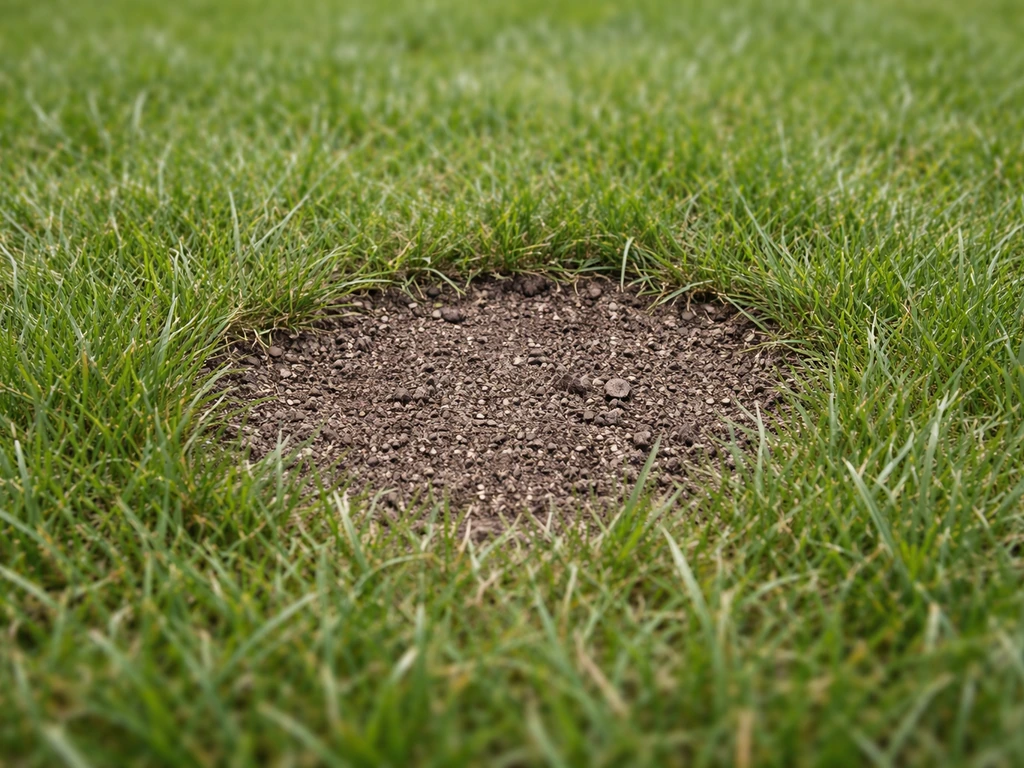
Learn why grass stops growing or regrowing, how to diagnose bare spots, and when to reseed, resod, or switch groundcover
Why grass grows and why it fails in shade, bad soil, drainage or moisture issues, compaction, and wrong timing, with fix
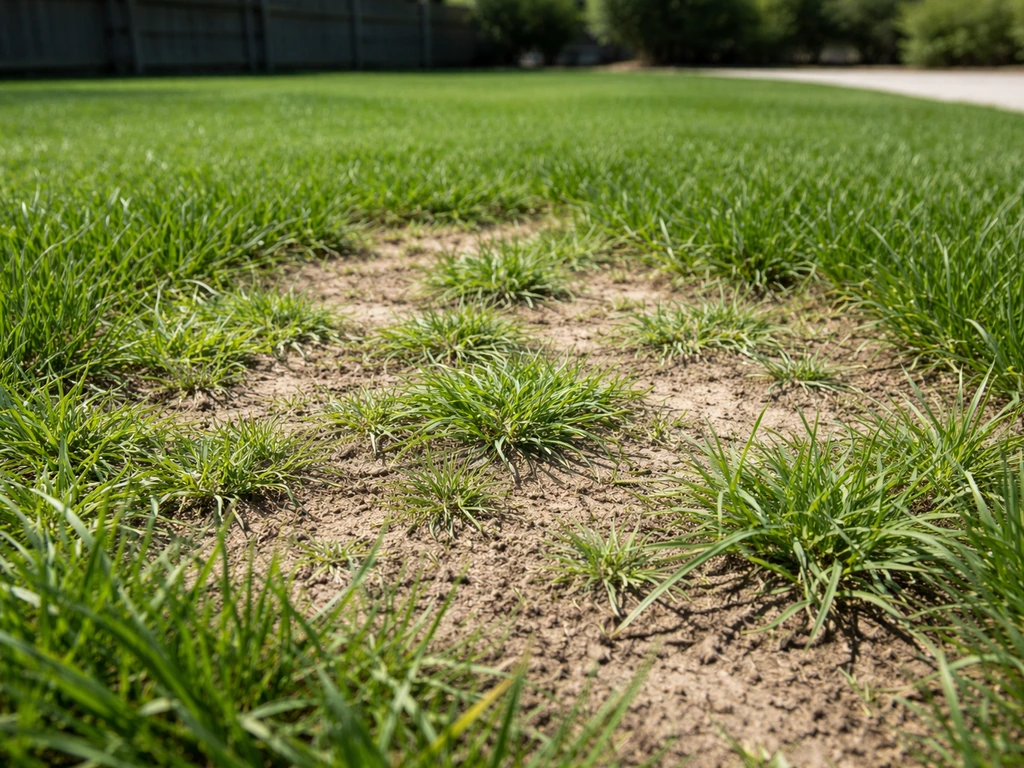
Learn why crabgrass grows and how it establishes, then use a checklist to fix bare soil, mowing, light and timing.