
Yes, grass grows back in most cases, even when it looks completely dead. If you're wondering whether grass can also grow flowers, the answer depends on the grass type and how you maintain your lawn does grass grow flowers. The tricky part is figuring out whether your lawn is dormant (alive but waiting out bad conditions) or actually dead (crown tissue gone, no coming back). Once you know which situation you're dealing with, the fix is usually straightforward: adjust watering, fix the soil, mow at the right height, or reseed the bare spots. If you've had brown or patchy grass for a few weeks and nothing has improved, this guide walks you through the exact steps to diagnose what's happening and get things growing again.
Does Grass Grow? How to Fix Dead or Bare Spots
Marcus Volkmann
28 May 2026
Dormant or dead? Here's how to tell right now
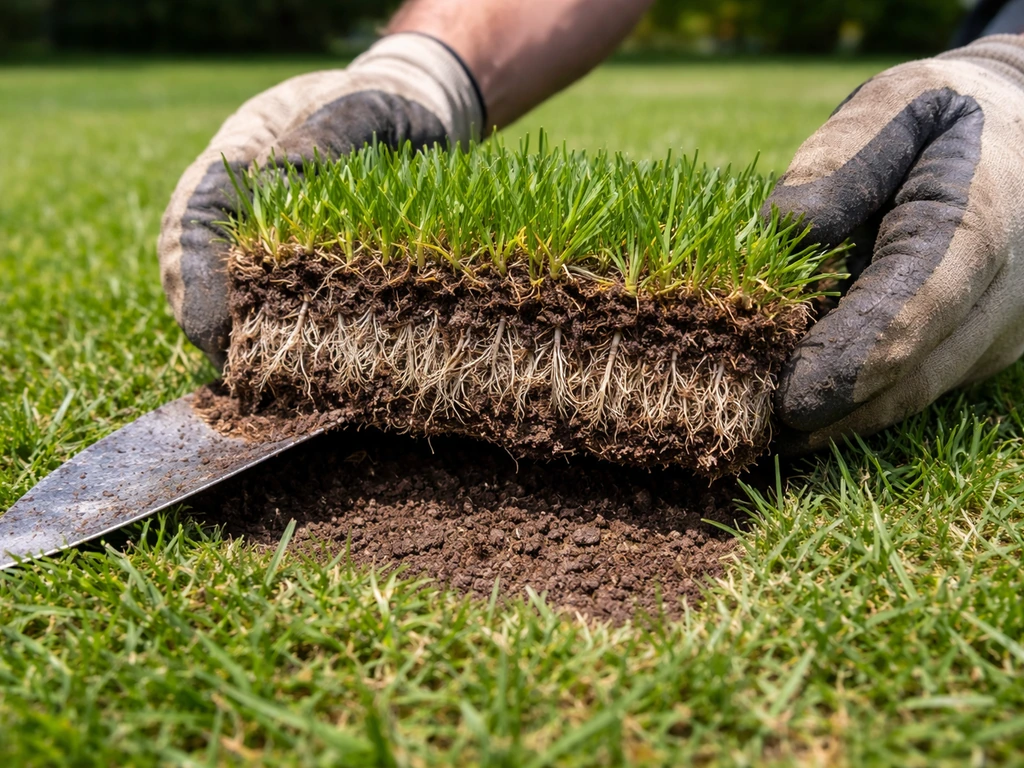
This is the most important diagnosis you can make before doing anything else. Watering dead grass won't bring it back, and ripping out dormant grass is a waste of time and money. The difference comes down to one thing: whether the crown is alive. The crown is the dense, meristematic tissue right at the base of the grass plant, just at or below the soil surface. It's what produces new shoots and roots. If it's alive, your grass will recover. If it's gone, it won't.
Here's the plug test, which Penn State Extension recommends: dig out a few small plugs of turf from the affected area, bring them inside, and set them somewhere warm and well-lit. Check them over a week or two. If you see new green growth pushing out, the crowns are viable and you're dealing with dormancy, not death. No growth at all means you've got dead turf.
You can also check right in the yard. Pull back a few grass blades near the base and look for white or cream-colored tissue around the crown. According to Wisconsin Horticulture extension, that whitish tissue is a good sign the crown is still alive. If the crown looks mushy, slimy, or rotted, or if it's dry and completely crispy with no structure left, that's dead tissue. Voids or rot at the base are bad signs.
One more clue: timing. Kentucky bluegrass can start turning brown after as little as 7 days without water, according to UMN Extension. So if your lawn went brown quickly during a heat wave or dry stretch, it's almost certainly dormant. Grass that's been brown for months with no recovery after rain is more likely dead. Rutgers Turfgrass Science also points out that full-sun turf goes dormant faster than shaded turf, so brown patches in sunny spots don't automatically mean those areas are worse off permanently. Grass that stays green or actively grows depends on the climate and grass type, so “all year round” is usually only true in the right conditions does grass grow all year round.
The most common reasons grass stops growing
Before you fix anything, you need to know what caused the problem. Most yards have one or two main culprits. Here are the ones I see over and over again:
- Drought and heat stress: Grass slows or stops growing as a survival mechanism. Well-rooted turf can stay drought-dormant for about 3 to 4 weeks without dying (LSU AgCenter), and Purdue research suggests dormancy can extend to 5 to 8 weeks with limited long-term thinning. But beyond that, crown tissue starts dying off.
- Too much shade: Grass needs light to photosynthesize. Dense tree cover is one of the most common reasons homeowners can't get grass to establish or regrow in patches.
- Compacted soil: When soil is packed tight, roots can't penetrate or get oxygen. You can do a rough compaction check by pushing a large screwdriver into the soil. If it barely goes in, you've got compaction.
- Poor or depleted soil: Low nitrogen, wrong pH, phosphorus or potassium imbalances all limit growth. This is fixable but requires a soil test to diagnose accurately.
- Scalping and mowing too low: Cutting grass shorter than 2.5 inches repeatedly reduces root mass and turf density, creating openings for weeds. MSU Extension links continual scalping directly to thinning stands.
- Excessive thatch: A thatch layer over half an inch starts interfering with water and nutrient penetration. Once it hits about 1 inch, it can seriously compromise turf density (Cornell Turfgrass Program).
- Watering errors: Either too little (drought stress) or too much (shallow roots, disease). Both result in poor growth.
- Disease, pests, or weed competition: Grubs, fungal disease, or heavy weed pressure can overwhelm grass, especially in stressed or weakened stands.
- Wrong grass for the season or climate: Cool-season grasses like Kentucky bluegrass go dormant in summer heat. Warm-season grasses go dormant in fall and winter. Timing your expectations to your grass type matters a lot.
What to do right now to get grass growing again
Watering
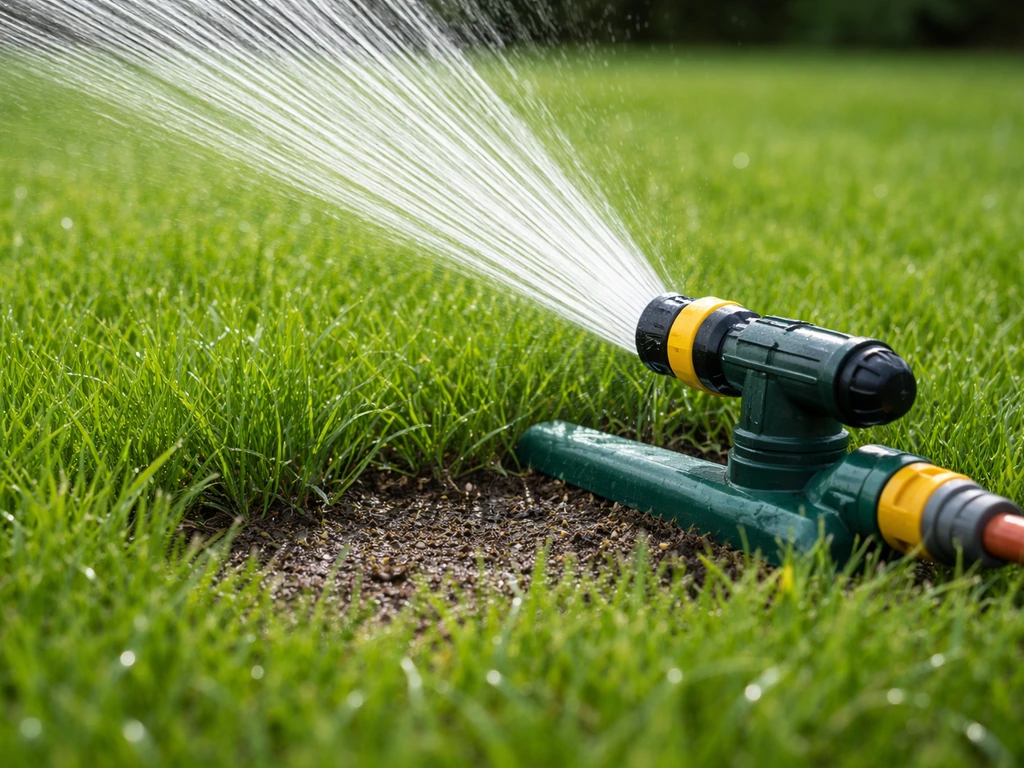
For actively growing grass, you're targeting about 1 to 1.5 inches of water per week, applied in a way that wets the root zone to about 6 inches deep (Illinois Extension). That usually means one deep watering per week rather than several shallow ones. UMN Extension makes this point directly: infrequent, deep irrigation encourages rooting and drought tolerance. Shallow, daily watering does the opposite.
If your grass is currently dormant and you want to keep it alive without breaking dormancy, apply about a quarter to half an inch of water every 2 to 4 weeks. Illinois Extension and UMN Extension both describe this approach as a way to maintain crown and root moisture without triggering new growth that the plant can't sustain during ongoing heat or drought. Breaking dormancy mid-summer and then having conditions turn harsh again drains plant reserves and can actually kill turf that would have survived if left dormant.
Mowing
Raise your mowing height. For cool-season lawns, Purdue Turfgrass Science recommends cutting at 2.5 to 3.5 inches during warm weather. Taller grass shades the soil, keeps roots cooler, and retains more moisture. If you've been cutting low and the turf is thin, don't drop to a shorter height quickly; rapid height changes cause scalping, which adds even more stress to a struggling lawn.
Light
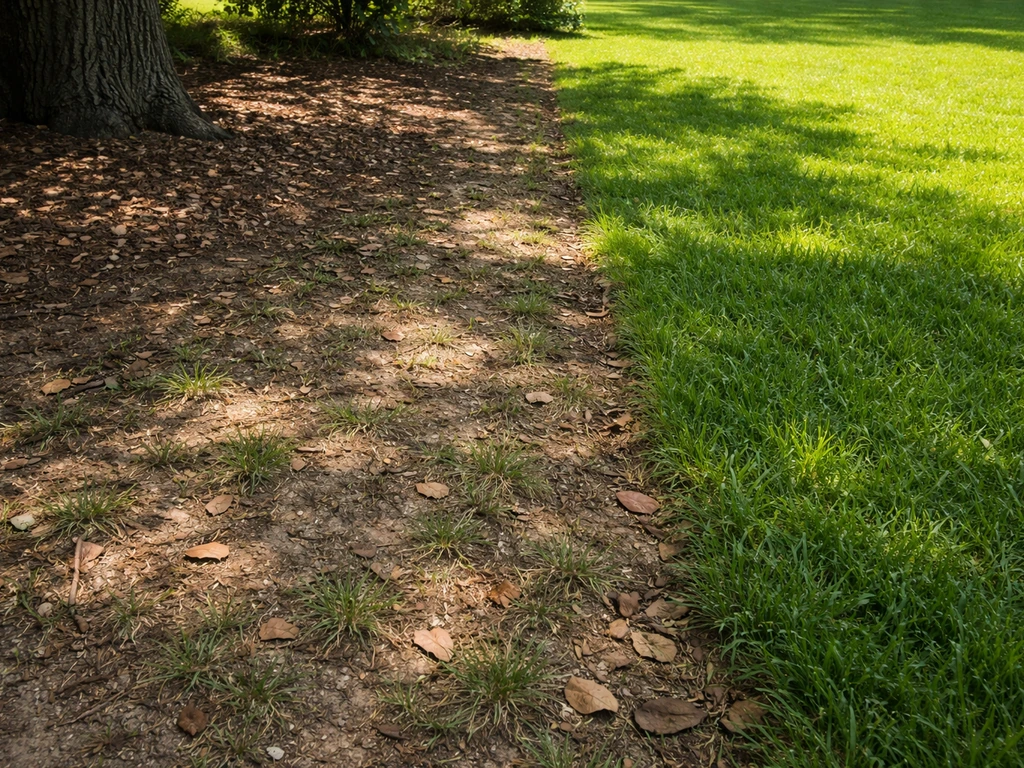
If shade is your issue, you have a few options: thin or limb-up trees to let in more light, switch to a shade-tolerant grass variety for that area, or accept that traditional turf isn't going to thrive there and use a groundcover instead. There's no fertilizer or watering trick that replaces adequate sunlight. If a spot gets fewer than 4 hours of direct sun, most grass species will always struggle there.
Soil basics
Get a soil test before you add anything. Applying fertilizer to dormant grass is a waste of money and can cause nutrient runoff without any uptake benefit. For growing grass, nitrogen is the primary driver of density and growth (Cornell), but you need to know your pH first. Most grass does best in a pH range of about 6.0 to 7.0. Penn State Extension notes that lime recommendations are driven by your soil's measured pH and exchangeable acidity, so the test results tell you exactly how much to add, not a guessing game. For compacted soils, core aerification with hollow tines is the most effective mechanical fix, removing actual soil plugs rather than just poking holes (USU Extension).
Overseed and repair, or rip it out and start over?
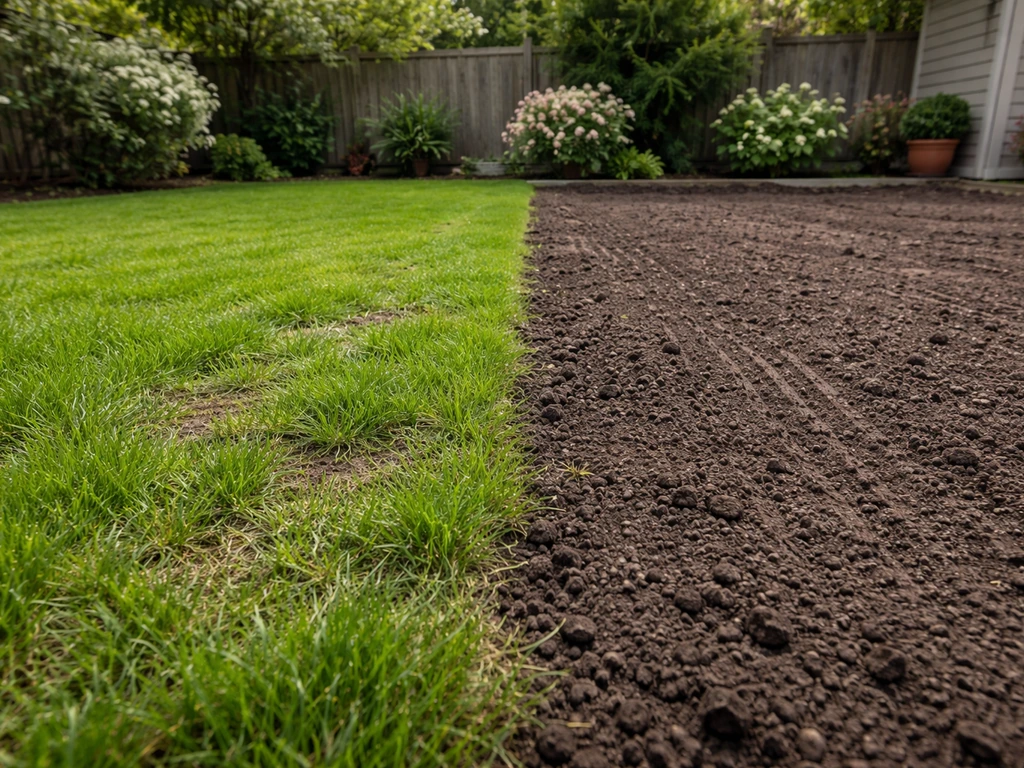
This decision comes down to how much viable grass you still have. Penn State Extension gives a clear threshold: if 50% or more of the stand is still desirable turfgrass, renovation (overseeding plus soil prep) makes sense. If you're below that, or if you've got a heavy infestation of perennial weedy grasses like crabgrass, or if thatch exceeds half an inch, a full restart is more likely to succeed. Crabgrass tends to take over when lawns are stressed or kept thin, so figuring out what caused the weakness helps stop it from spreading. Trying to overseed into a failing stand without addressing what killed the original grass is one of the most common mistakes I see.
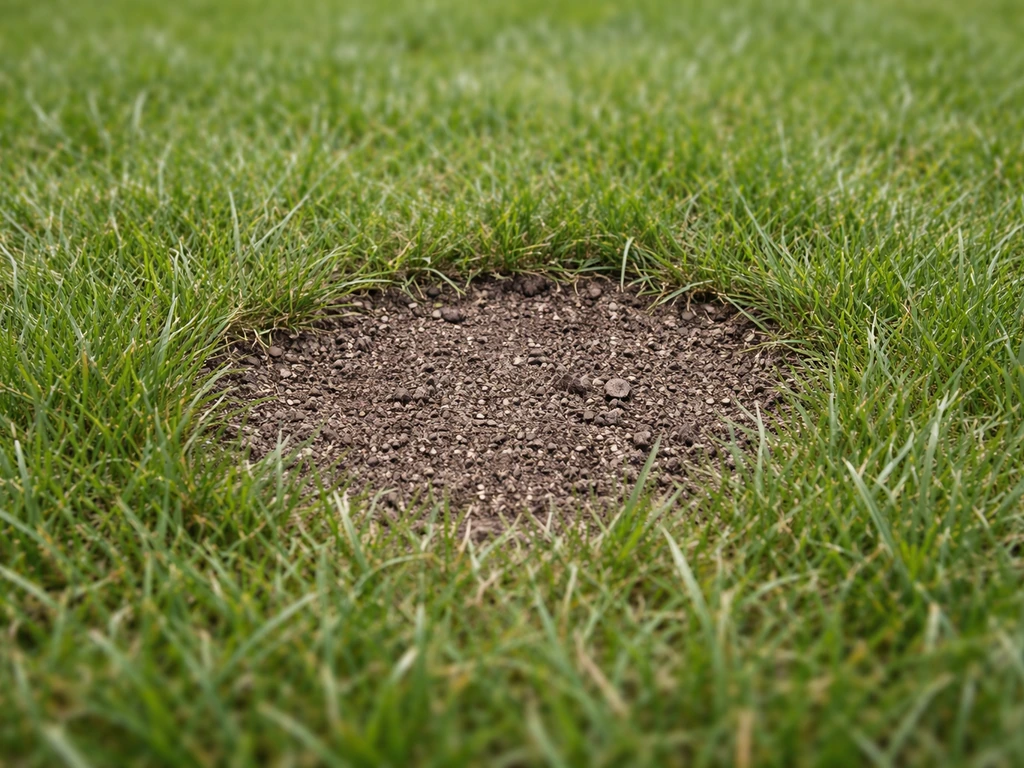
For open bare spots larger than about 6 inches across, UMN Extension recommends removing any weeds by hand and reseeding. Smaller spots will often fill in on their own as neighboring grass spreads, especially with Kentucky bluegrass and bermudagrass, which spread via rhizomes or stolons.
Timing your seeding
For cool-season grasses (Kentucky bluegrass, tall fescue, perennial ryegrass), fall is almost always the best seeding window. Nebraska Extension’s “Almost Time for Fall Lawn Seeding” guidance notes that the best time to seed cool-season grasses like Kentucky bluegrass and tall fescue is during a fall window, when weed pressure is typically lower than in spring fall window for cool-season lawn seeding. Nebraska Extension, Purdue, and University of Missouri Extension all agree on this. Weed competition is lower, soil temperatures are still warm enough for germination, and seedlings get established before winter. Spring seeding can work, but you're fighting crabgrass competition, especially with Kentucky bluegrass.
For warm-season grasses like bermudagrass, seed emergence typically takes 7 to 10 days under good conditions, with full establishment in about 6 to 8 weeks. Zoysiagrass takes longer, around 10 to 14 days to emerge and 10 to 14 weeks for full establishment (DLF warm-season turf data). Overseed warm-season lawns with cool-season ryegrass in fall before the bermudagrass goes dormant, lowering mowing height by about 25 to 30% beforehand to help the overseeded seed make contact with the soil.
Fixing the hard stuff: shade, sand, and compaction
Sandy soils drain so fast that grass roots can't hold enough moisture or nutrients. The fix is organic matter, ideally worked in before planting or applied as a topdressing over time. A soil test will confirm if you also have nutrient deficiencies, which are common in sandy substrates. For renovation (not full regrading), Penn State Extension recommends incorporating no more than about a quarter to half an inch of compost or peat with a core aerator during the overseeding process.
Compacted soil is fixed with core aerification, ideally done in fall for cool-season grass or late spring for warm-season grass, when the turf can recover quickly. After aerating, topdress with a thin layer of compost and overseed if needed. UMD Extension recommends following aeration with overseeding as a standard repair pathway for heavily used lawns.
For shade situations, the honest answer is that grass has real limits. If you've tried shade-tolerant varieties and thinned the tree canopy and the grass still won't establish, you're better off looking at alternatives: native groundcovers, mulched beds, or hardscaping. Forcing grass where it can't get enough light leads to a perpetually thin, disease-prone stand that you'll be fighting forever.
Thatch over half an inch needs mechanical removal via vertical mowing or dethatching before you overseed. Seeding into heavy thatch results in poor seed-to-soil contact, which is one of the top reasons overseeding fails.
What to expect and what to watch for
| Situation | Expected timeline | What to monitor |
|---|---|---|
| Dormant grass after drought, conditions improve | Green-up in 1 to 2 weeks after consistent moisture returns | Even color return across the stand; watch for bare spots that don't recover |
| Overseeded cool-season grass (fall) | Germination in 7 to 21 days depending on species; established in 6 to 10 weeks | Even sprouting; thin or missed areas may need a second pass |
| Bermudagrass from seed (warm season) | Emergence in 7 to 10 days; full establishment in 6 to 8 weeks | Soil temperature needs to stay above 65°F; watch for washout after rain |
| Post-aeration and overseeding repair | Visible improvement in 3 to 4 weeks; full fill-in by one season | Germination uniformity; competing weeds that overtake bare areas |
| New sod installation | Rooting begins in 2 to 3 weeks; established in 4 to 6 weeks | Lift a corner to check rooting; brown edges indicate poor watering |
| Soil pH correction with lime | Grass response may take 3 to 6 months as pH shifts gradually | New growth density and color improvement over time |
If you've corrected the obvious problems (water, mowing height, thatch) and reseeded at the right time but still see no germination after 3 to 4 weeks, check soil temperature, seed-to-soil contact, and whether birds or heavy rain are displacing seed. If an established stand still isn't responding after a full growing season, that's the point to do a thorough soil test and reconsider whether the grass type is right for the environment.
Your next steps, in order
- Do the plug test or crown check today to confirm dormant vs dead before spending any money.
- Order or pick up a soil test kit. Most university extension labs process them for under $20 and give you specific lime and fertilizer recommendations.
- Check your thatch layer. If it's over half an inch, dethatch before any overseeding.
- Assess soil compaction with a screwdriver push test. If the soil is rock hard, schedule core aerification before the next seeding window.
- Adjust your watering immediately: deep and infrequent for growing grass, a maintenance quarter-inch every 2 to 4 weeks for dormant turf.
- Raise your mowing height to at least 2.5 to 3 inches and keep it there through the recovery period.
- Plan your seeding based on your grass type and region. For cool-season grasses, target late summer to early fall. For warm-season, late spring through early summer.
- If more than 50% of the stand is gone, plan a full renovation rather than overseeding into a failing lawn.
- For persistent shade or sandy soil problems, factor in soil amendments, grass variety changes, or alternative groundcovers as part of the long-term plan.
The question of whether grass grows back almost always has a yes answer, but with conditions attached. The crown has to be alive, the environment has to support growth, and the timing has to be right. Most lawns that look dead are dormant and will recover on their own once stress conditions ease. The ones that don't need a real diagnosis, not just more water or fertilizer thrown at the problem. Get the soil test, check the crown, fix the root cause, and seed at the right time. That sequence solves the vast majority of cases.
FAQ
If my lawn looks completely dead, will watering it more bring it back?
No. If the crown is dead, additional watering, fertilizer, or re-seeding into the same spot will not revive the original plants. The fastest way to decide is the plug test, then a quick crown look (white or cream tissue is usually viable, mushy or crispy tissue is not).
Should I mow a brown, dormant lawn to help it grow back?
Mow only when you can safely see that the grass is actually recovering. For dormant turf, cutting too low can scalp the crown and reduce energy reserves. If you do need to mow, raise the blade to the recommended height and avoid drastic height changes until the turf shows real regrowth.
Is it a good idea to fertilize if my grass went brown?
Fertilizing a dormant or recently browned lawn often wastes money and can increase runoff, because the plant is not actively taking up nutrients. If you suspect dormancy, wait until you see new green growth, then use a soil-test-informed plan, especially for nitrogen.
Can I use weed killer if I plan to reseed bare spots soon?
Weed control depends on whether the turf is dormant or actually dead. Many broadleaf herbicides and pre-emergents assume an actively growing lawn and can harm seedlings you plan to establish. If you are reseeding soon, prioritize weed removal methods that do not leave residual chemicals in the soil, and follow label timing around seeding.
What’s the most common reason grass seed doesn’t germinate after I reseed?
Yes, but timing is critical. Seeding into very wet or compacted ground can leave seed sitting too deep or washing out, which looks like “no germination.” Aim for workable soil, improve seed-to-soil contact (especially after aeration), and consider light rolling after seeding to prevent seed displacement.
How long should I wait before I assume my grass won’t recover?
If you used the plug test and confirmed dormancy, you can expect recovery once conditions improve, but you should still correct the root cause (watering pattern, mowing height, compaction, thatch). If there is no visible improvement after a full expected recovery window for your climate, treat it as likely crown death and reassess seeding versus renovation.
Will overseeding alone fix bare spots if the grass is already weak?
Sometimes. If the crown is alive, overseeding can thicken the stand, but if stress is ongoing (heat, shade, compaction, persistent foot traffic) the new seedlings will struggle. Overseed only after fixing the underlying issue, and use core aeration if compaction is present to improve germination.
If a sunny patch turned brown quickly, is it probably dead?
Not always. Hot, dry weather can cause dormancy in minutes-to-days, but the “brown” look can persist even when the crown is alive. If the area was brown for only a short period after a weather spike, plug or crown-check before you replace the lawn.
Does the best time to seed change if my lawn is already brown?
Yes for establishment planning. You can usually reseed cool-season lawns in fall, but if you seed too late, seedlings may not develop enough before cold weather. For warm-season lawns, be mindful of the seeding window and that establishment takes weeks, so plan ahead to avoid seeding right before dormancy.
How do I know whether I should add lime or fertilizer before reseeding?
Use the soil test to decide on lime and nutrients, then apply only what’s needed. Over-liming, over-fertilizing, or guessing on pH can stall root growth and increase nutrient losses. A practical step is to test before any major amendment and recheck if you recently applied lime.
Next Articles
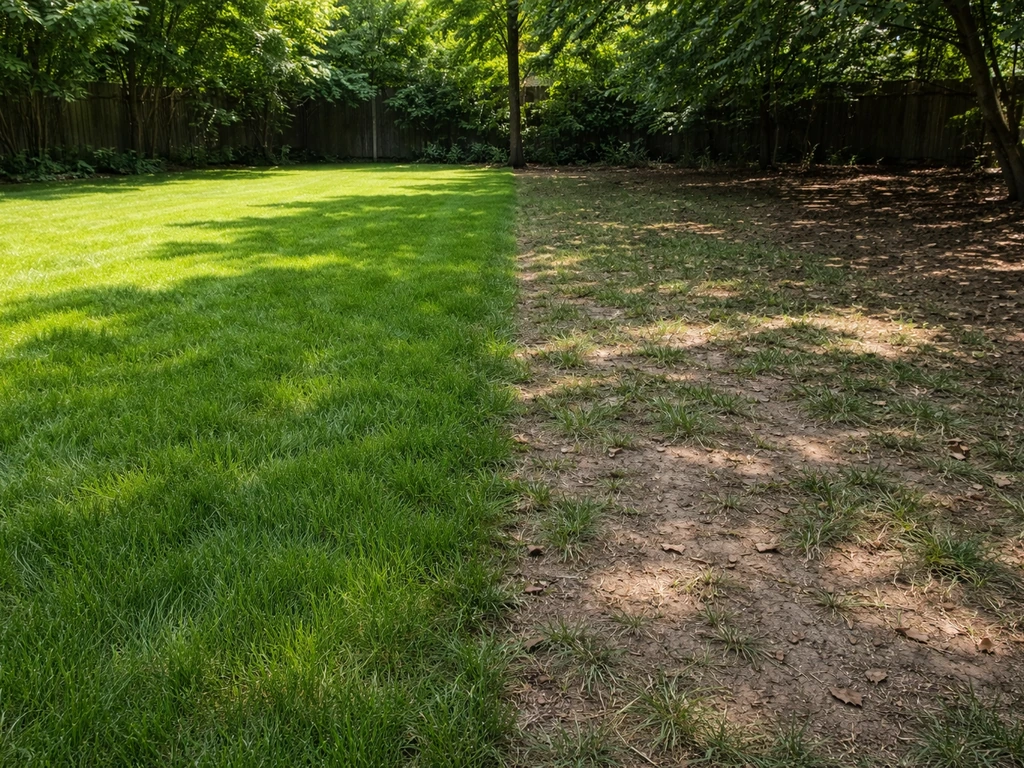
Why Does Grass Grow Everywhere and Fail in Some Spots
Why grass grows and why it fails in shade, bad soil, drainage or moisture issues, compaction, and wrong timing, with fix
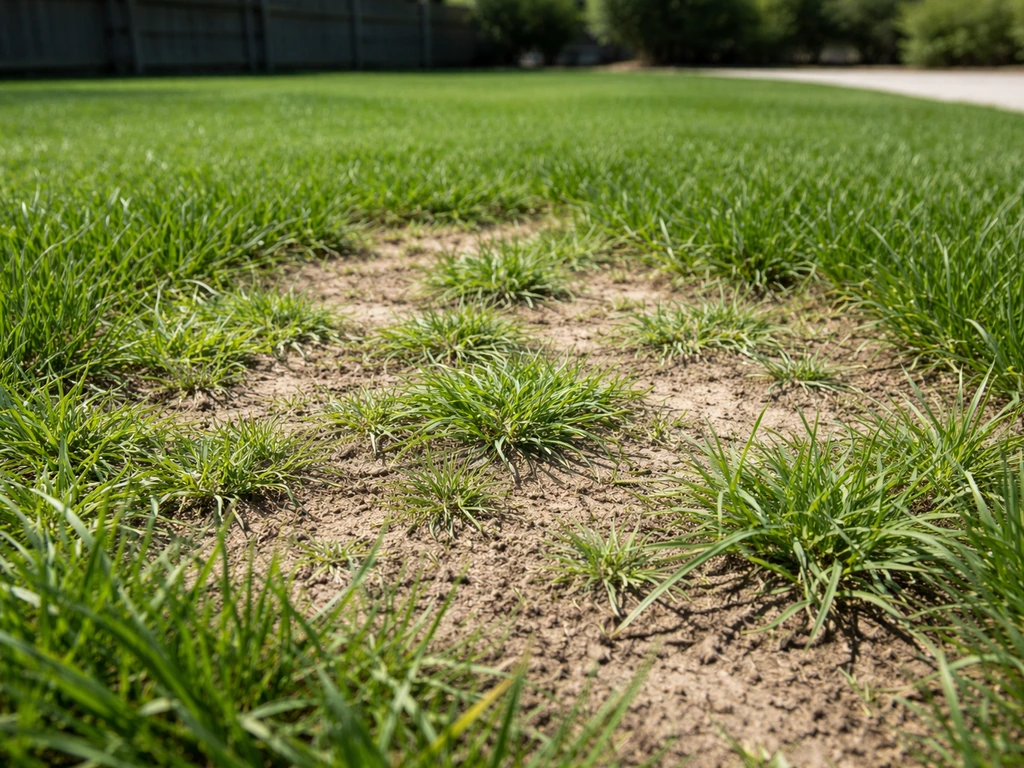
Why Does Crabgrass Grow? Causes and Fixes for Your Yard
Learn why crabgrass grows and how it establishes, then use a checklist to fix bare soil, mowing, light and timing.
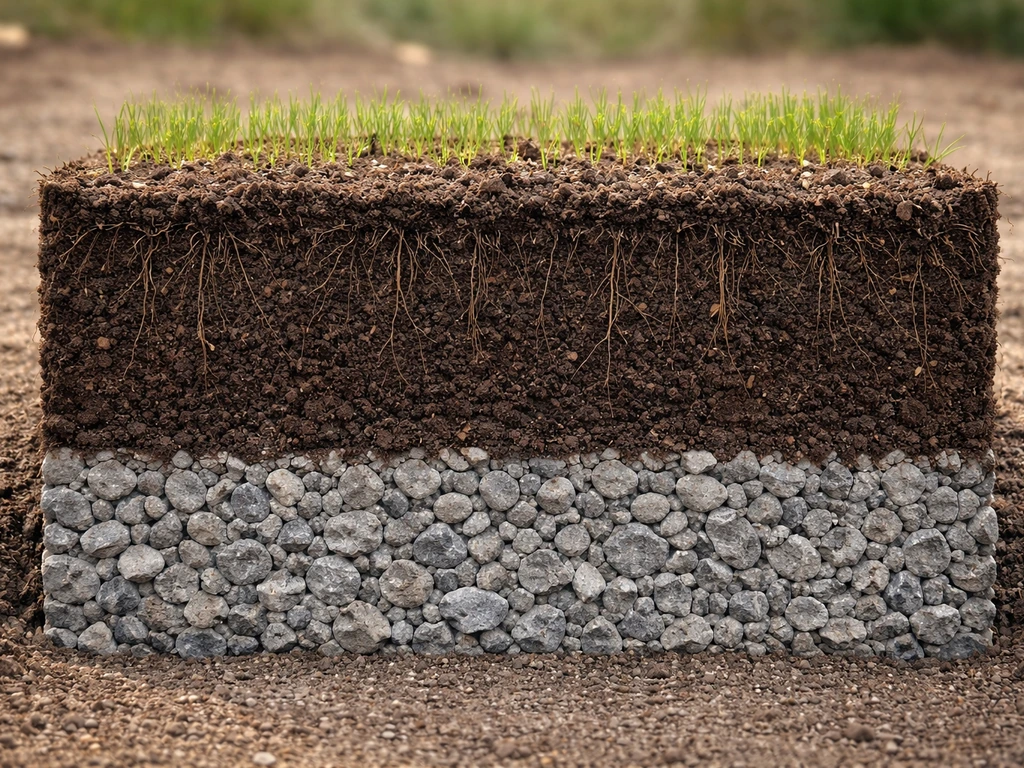
Can You Grow Grass Over Gravel? How to Do It Right
Learn when you can grow grass over gravel and follow a step-by-step method for soil depth, drainage, seeding or sod, and