
Yes, letting grass grow a little longer in spring is generally fine, and in many situations it actually helps your lawn recover from winter stress. But there is a clear limit: letting it get too long before that first mow sets you up for scalping, disease, and thatch problems that take months to fix. The sweet spot for most cool-season lawns is blank" rel="noopener noreferrer">keeping grass between 3 and 4 inches through spring, mowing before it ever exceeds 4. In practice, this means letting your lawn grow a bit in spring while still mowing before it gets too high between 3 and 4 inches. 5 inches, and never cutting off more than one-third of the blade in a single session.
Should You Let Grass Grow Long in Spring? Lawn Plan
Marcus Volkmann
24 Jun 2026
What 'letting grass grow long in spring' actually means

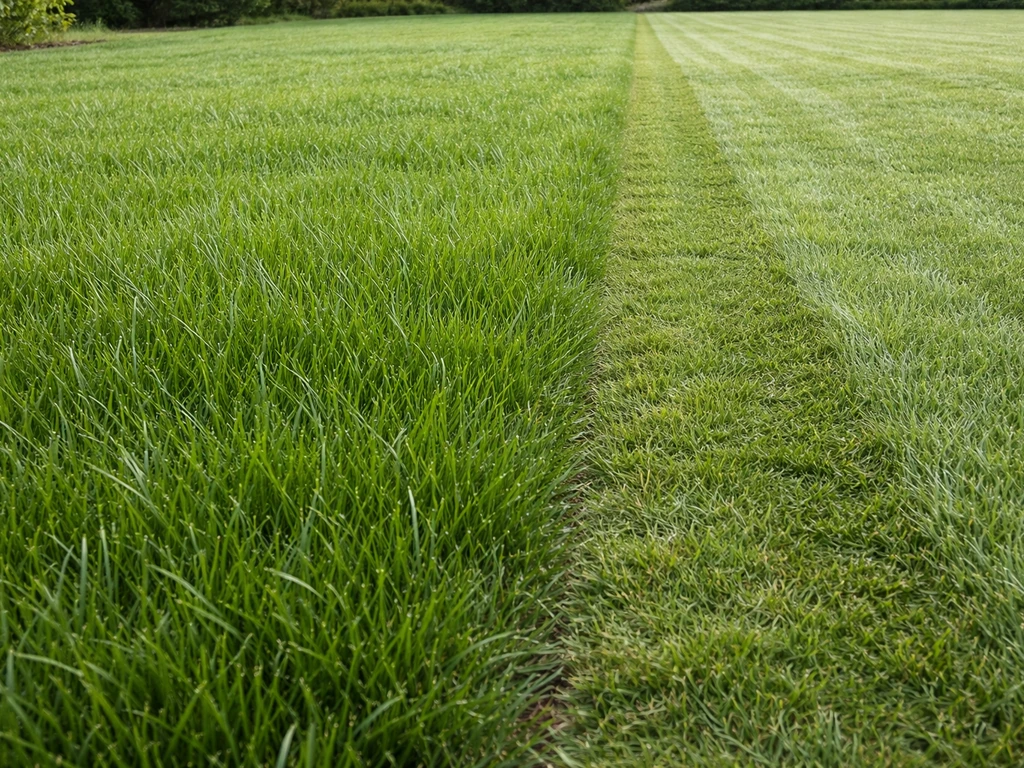
When people ask this question, they usually mean one of two things: either they want to skip the first couple of mows and let grass go wild, or they are wondering whether to raise their mowing height above normal for the first few weeks of spring. These are very different decisions with very different consequences.
In real lawn-care terms, 'growing long' means maintaining a height that is at or near the top of your grass type's recommended range, rather than cutting aggressively short. For Kentucky bluegrass that is roughly 2.5 to 3.5 inches. For tall fescue, it is 3 to 4 inches. For fine fescues, 2.5 to 4 inches depending on sun exposure. Letting grass 'grow long' does not mean letting it hit 6 or 8 inches before you pull out the mower. That is where things go wrong.
The one-third rule is the practical anchor here: never remove more than one-third of the leaf blade in a single mow. If you are maintaining a lawn at 3 inches, mow before it reaches 4.5 inches. That rule applies in every season, but it becomes especially important in spring when growth surges and it is tempting to let things slide between mowings.
When longer spring growth actually helps
There are real, evidence-backed reasons to let grass grow toward the taller end of its healthy range in spring rather than cutting it low right out of the gate. The benefits of letting grass grow long in spring include more recovery after winter stress when you stay within the healthy upper range.
- Taller blades mean more leaf surface for photosynthesis, which helps grass rebuild carbohydrate reserves it burned through during winter dormancy.
- Longer grass shades the soil, which suppresses weed seed germination. Crabgrass and other opportunistic weeds need light to germinate, and a dense canopy at 3 to 4 inches makes it significantly harder for them to establish.
- Higher-density, taller turf creates a 'profound shading effect' on weed seeds, as MSU Extension describes it, which reduces your weed pressure for the rest of the season.
- If spring regrowth is uneven, mowing at the higher end of the range lets recovering patches catch up before you take the height down, rather than scalping those areas when the stronger sections hit 4 inches.
- Taller turf in early spring is more forgiving if the soil is still slightly soft from freeze-thaw cycles, since you are less likely to leave mower tracks or compact the crowns.
So if your lawn came through winter in decent shape and is actively greening up, there is nothing wrong with a conservative mowing height and a slightly relaxed schedule in early spring. You are giving the grass room to work with what it has.
When it hurts: the real risks of letting grass go too long
The problems start when 'a little longer' turns into 'significantly overgrown.' Once grass gets well past its recommended range, you face a cascade of issues that compound quickly. Once grass gets well past its recommended range, you face a cascade of issues that compound quickly, which is exactly what happens if you let grass grow too long.
Scalping and physiological shock
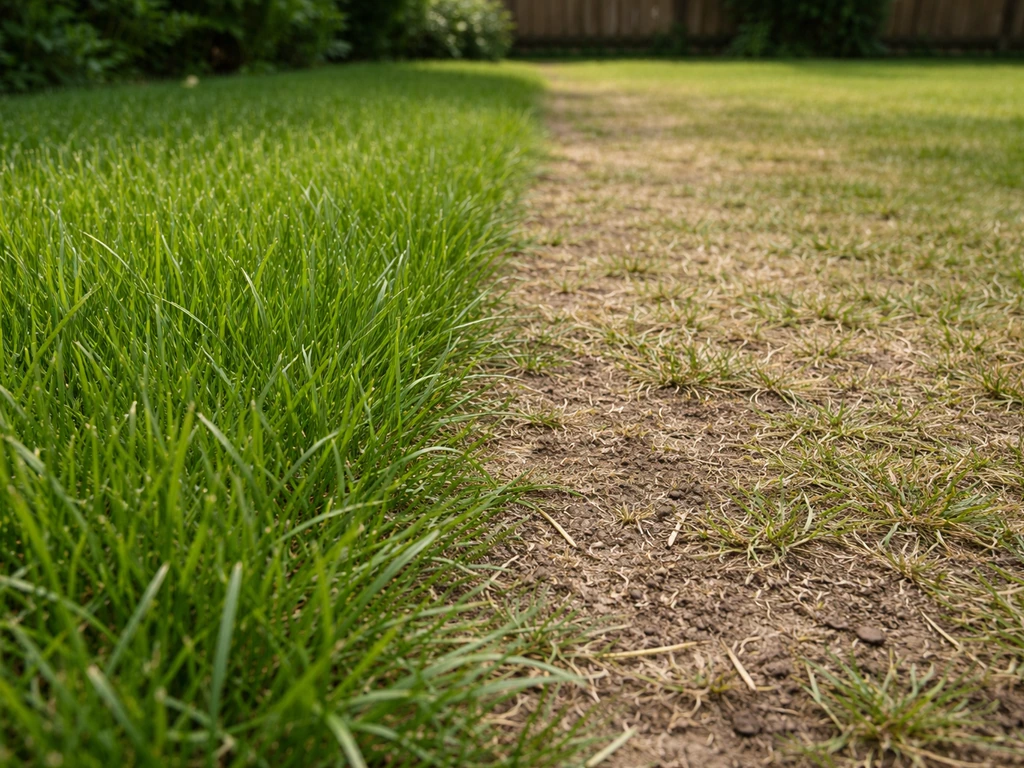
If you wait too long to mow and then cut down to your normal height in one pass, you will scalp the lawn. Scalping removes nearly all the green leaf tissue, shutting down photosynthesis abruptly and causing what UMD Extension calls 'physiological shock.' The grass loses its ability to produce energy just when it needs it most. The fix is tedious: raise your mowing height, then step it back down gradually over multiple mowings.
Thatch buildup and what it actually does
Consistently tall, dense grass that is not being managed produces more organic matter than the soil microbes can break down, which contributes to thatch. Penn State Extension is direct about this: excess thatch harbors large populations of disease-causing organisms and insect pests, and it creates a physical problem with mowing because the mower wheels can sink into a thick thatch layer, effectively lowering the blade below your set height. That is another way scalping happens even when you think you are mowing at the right height.
Light loss to the crown
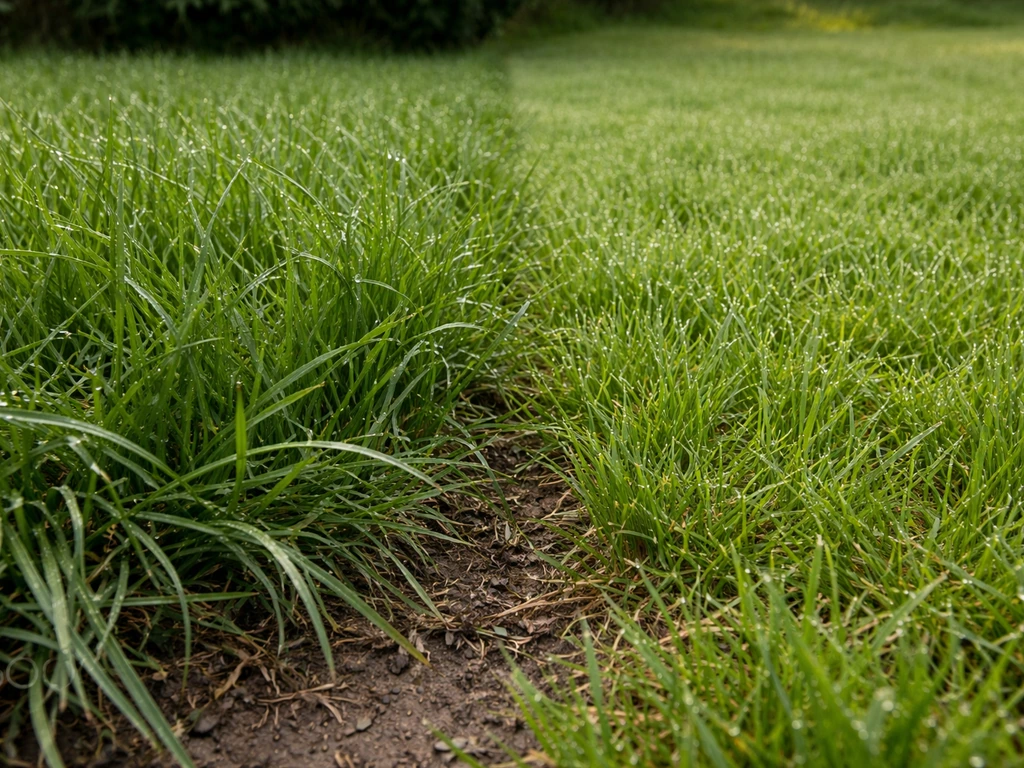
Dense, overgrown grass blocks light from reaching the crown of the plant, which is where new growth originates. Without light at the crown level, lower portions of the grass plant weaken and die off. This is especially damaging in spring when you want the crown to be actively pushing out new roots and shoots.
Disease and pest pressure
Overly long, dense grass stays wet longer after rain or dew, and wet conditions are exactly what fungal pathogens need to get a foothold. UC IPM notes that thatch specifically favors fungal growth and harbors insect pests. In spring, when overnight temperatures are still cool and mornings are damp, overgrown grass is a disease setup waiting to happen.
Your practical spring mowing plan
Before the first mow: the ground check
Do not mow on soggy ground. When soil is saturated from snowmelt or spring rain, mowing compacts the soil and tears the grass instead of cutting it cleanly. UMN Extension specifically advises waiting until the soil is no longer soggy before any mowing or raking. Walk the lawn, and if your feet are sinking or leaving deep impressions, wait a few days.
Before you mow, gently rake to remove accumulated leaves, matted grass, and any debris. If you see gray or pink powdery patches, that is snow mold. Rake it out to allow airflow and light to reach the crown. Maine's snow mold guidance recommends raking matted grass as the first repair step, followed by fertilizing once conditions are right.
First mow height by grass type
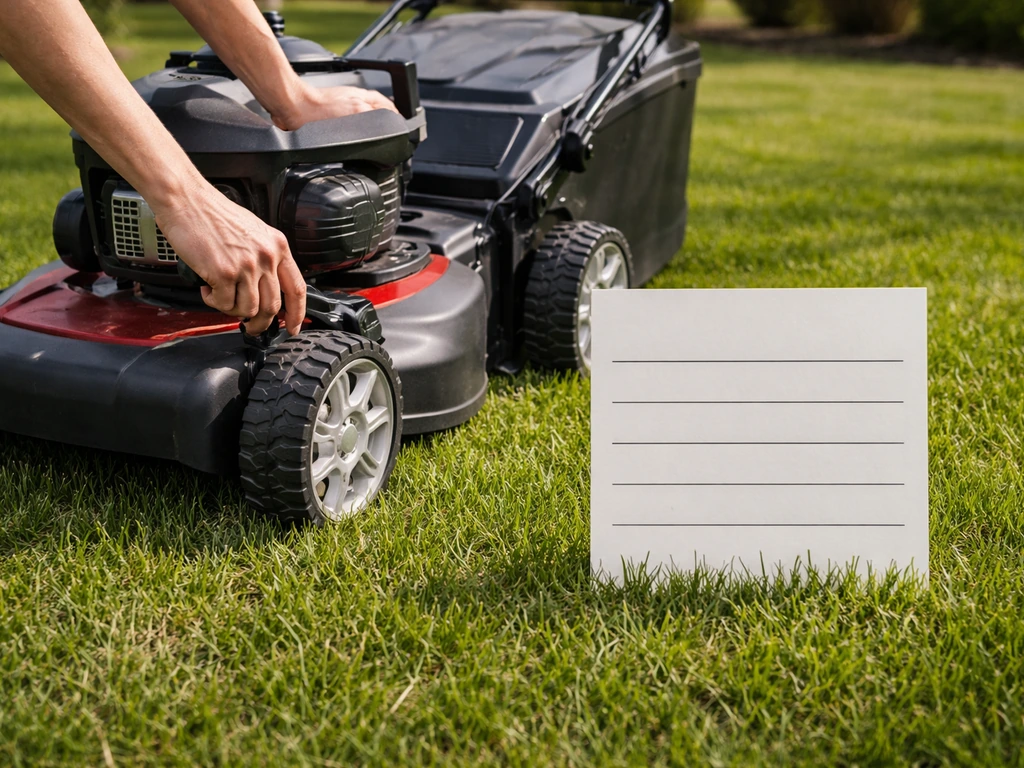
| Grass Type | First Spring Mow Height | Do Not Exceed Before Mowing |
|---|---|---|
| Kentucky Bluegrass | 2.5–3.0 inches | 4.5 inches |
| Tall Fescue | 3.0–3.5 inches | 5.0 inches |
| Fine Fescue | 2.5–3.5 inches | 4.5 inches |
| Shaded lawn (any type) | Add ~1 inch to sun recommendation | Same 1/3 rule applies |
For the first mow, aim for the middle to upper range of your grass type. Do not try to cut down to a summer maintenance height in one pass. Set the deck higher, make the cut, then step it down gradually over the next two or three mowings if you want a shorter lawn going into summer.
Spring mowing cadence
Spring is when cool-season grass grows fastest. MSU Extension notes that during peak spring growth, you may need to mow every four to five days to stay within the one-third rule. That sounds like a lot, but it is far better than letting the lawn get away from you and then having to deal with scalping or clumping clippings that smother the turf underneath. If you are thinking about letting grass go to seed, the same height and timing principles apply, but you also need to plan for how seed production will affect mowing and cleanup later. Once growth slows in late spring, you can settle back into a weekly schedule.
Deciding based on your lawn's situation right now
Healthy, even lawn coming out of winter
Mow at the upper end of your grass type's range for the first few weeks. Keep to the one-third rule, mow on a four to five day schedule during rapid growth, and you will be in great shape. No need to overthink it.
Patchy or dormant-looking lawn in early spring
Wait before you panic. A lot of lawns look brown and patchy in early spring, especially after a hard winter, and many of those patches recover on their own once soil temperatures rise above 50 degrees Fahrenheit. Give it two to three weeks of consistent warmth before deciding a patch is truly dead. If the crowns are still white or tan but not mushy, there is a reasonable chance they will push new growth. Mow the green sections normally while you wait, keeping to your target height rather than going lower to 'even things out.'
Lawn recovering from snow mold or winterkill
Rake first, mow second. Snow mold matting blocks air and light and needs to be broken up manually. Once you have raked the affected areas, mow at your normal spring height. Penn State explains that winterkill can cause real crown tissue death, especially in exposed areas where crowns dried out under freeze-thaw stress. If a patch has genuinely dead crowns, no amount of waiting will bring it back. Mark those areas and plan to overseed.
Shaded lawn
Shaded grass is already under stress year-round from reduced photosynthesis, lower shoot density, and higher disease susceptibility. In spring, Penn State recommends mowing shaded areas about one inch higher than your full-sun recommendation and staying strict about the one-third rule. OSU Extension also notes that shade reduces both shoot and root growth, so there is less margin for error when you remove leaf area. Be gentler with shaded sections than you would be with open lawn.
Lawn on sandy or poor soil
Sandy substrates drain fast and hold fewer nutrients, which means spring recovery can be slower and more uneven. On sandy or nutrient-poor ground, keep your mowing height at the upper end of the range to maximize the leaf surface available for photosynthesis. Cutting aggressively on a lawn that is already struggling to feed itself from poor soil is a recipe for a very thin, stressed turf going into summer. Pair conservative mowing with a spring fertilizer application once grass is actively growing, not before.
If your lawn isn't rebounding: a troubleshooting checklist
If you are past mid-spring and the lawn still looks thin, patchy, or uneven despite doing everything right, here is how to work through it systematically.
- Check for debris and matting first. Pull back any remaining dead material by raking gently. Matted grass that is blocking light to crowns can prevent recovery no matter what else you do.
- Assess whether dead patches are truly dead. Pull a small plug and look at the crown tissue. Firm, white or tan crowns may still recover. Mushy, brown, or hollow crowns are gone and need overseeding.
- Overseed bare or thin spots. For cool-season lawns, late spring is workable but not ideal since summer heat is approaching. Do it as early as soil conditions allow. Scratch the surface lightly, apply seed at the recommended rate for your grass type, keep it moist, and do not mow the new seedlings until they reach your target mowing height.
- Aerate if soil is compacted. UMD recommends fall as the best time for aerating cool-season lawns, but if you are dealing with heavy compaction and the lawn is not recovering, a spring core aeration can still help. USU Extension notes spring is an appropriate time to aerate if there is significant thatch or compaction. Avoid aggressive treatments on a lawn that is already stressed.
- Fertilize at the right time, not too early. Apply a balanced spring fertilizer once grass is actively growing and you have mowed at least once. Fertilizing dormant or semi-dormant turf pushes top growth at the expense of root development. A slow-release nitrogen source is preferable to prevent burning weakened turf.
- Adjust mowing height if grass is still uneven. If tall sections and thin sections exist side by side, raise your mowing height across the board for two to three weeks and let the thin areas gain leaf area before stepping the height back down.
- Control debris, leaves, and weeds aggressively. Anything sitting on top of struggling grass is reducing the light available to recovering crowns. Keep the surface clean. UMN cautions against aggressive weed-control treatments in spring on a stressed lawn, but light hand-pulling or spot treatment is fine.
- Check your mowing schedule going forward. If the lawn is struggling to fill in, make sure you are not mowing more frequently than needed or cutting more than one-third of blade length at a time. Stress compounds quickly when a recovering lawn also takes repeated mowing hits.
Letting grass grow a bit longer in spring is a legitimate strategy, not laziness. The key is knowing the difference between 'a healthy upper-range height' and 'genuinely overgrown.' Stay inside the one-third rule, time your first mow to dry and firm ground, and match your height to your grass type and conditions. If you do those three things, spring is actually one of the easier seasons to manage, because the grass wants to grow and it will do a lot of the work for you.
FAQ
How high should I mow in spring if I do not know my exact grass type?
Start by using the one-third rule as your baseline, then choose a conservative middle height (often around 3 to 3.5 inches). If the lawn looks scalped quickly or responds poorly, raise the deck for the next mow and keep every cut within one-third of current blade height.
Can I mow early spring even if the grass looks wet from dew or light rain?
Yes, but only if the soil is no longer saturated and the mower does not leave ruts or tear turf. Dew on the blades is fine, soggy soil is not. If you see footprints that linger or the lawn feels squishy, wait a day or two.
What should I do with clippings if I let the grass run a bit longer in early spring?
If you maintain the one-third limit, clippings usually disperse well. If growth is truly accelerating and you end up with heavy clumping, switch to shorter intervals or mow with the deck higher, because thick piles can shade the crown and worsen disease risk even in spring.
If I missed the first mow and the lawn got too tall, should I cut it all back at once?
No. Cutting directly from overgrown height down to your normal setting in one pass can scalp and cause physiological shock. Instead, raise the mower and cut, then step the height down gradually over multiple mowings while keeping within the one-third rule each time.
Do the one-third rule and spring timing apply to lawns that are partially dormant or winter-browned?
Yes, but be gentler where the lawn is still not actively greening. In lightly dormant areas, mow only when you have enough healthy green growth to support the cut, and avoid reducing height aggressively just to make the lawn look uniform.
Should I raise mowing height in spring for shaded lawns and how much?
If your lawn is mostly shade, raise the deck roughly one inch compared with your full-sun target and stay strict with one-third rule. Because shade reduces growth rate and energy production, cutting too low removes more functional leaf area than in sunny conditions.
When is it better to rake first versus mow first for spring cleanup?
Rake first if you have matting, trapped leaves, or visible snow mold issues. Mowing over matted material can spread debris and thin the turf unevenly. After raking, mow once the crown area is exposed and airflow improves.
Does letting grass grow longer in spring increase thatch faster?
It can, if “a little longer” turns into consistently tall mowing height that adds more organic matter than the soil microbes can break down. Staying within the healthy upper range and the one-third rule reduces that risk, and removing excessive clippings helps too.
Should I fertilize right after spring mowing if I let the grass grow toward the top of the range?
Fertilize after the lawn is actively growing, not immediately when growth is sluggish or still patchy. If you fertilize too early, you may encourage weak top growth while the crowns are still recovering, which reduces your margin for error when mowing.
Can I let grass grow longer in spring if I’m trying to reduce weed problems?
Often, yes, but manage height consistently. If weeds are present, avoid letting the lawn become consistently overgrown, because dense turf can favor certain fungal issues and make spot control harder. Keep the one-third rule and, if weeds persist, focus on targeted fixes rather than relying on height alone.
How often should I mow in spring if growth seems unusually fast?
During peak spring growth, plan for shorter intervals, sometimes every 4 to 5 days, so you never violate the one-third rule. Use blade height as the trigger, not the calendar, and adjust frequency if you see clippings building up or the lawn is racing between mows.
Next Articles
Does Letting Grass Grow Long Help Roots? The Real Answer
Find out if letting grass grow long boosts root depth, with heights by turf type, schedule steps, and pitfalls to avoid.
What Happens If You Let Grass Grow Too Long? Fix It Now
Learn what happens when grass gets too long, how to fix it today safely, and prevent clumping, weeds, and thinning.
Is It Good to Let Grass Grow Long? Lawn Guide
When long grass helps or hurts: weed control, density, moisture, disease, and step-by-step mowing height targets.