
Yes, letting grass grow a little longer than you might think is generally good for your lawn, but only up to a point. Keeping cool-season grasses like Kentucky bluegrass or fescue in the 2.5 to 3.5 inch range, or warm-season grasses like St. Augustine at 2 to 3 inches, gives you real benefits: fewer weeds, better drought tolerance, and a denser turf. Where homeowners go wrong is assuming "longer is always better" and letting it go way past that sweet spot, which flips everything from an advantage into a problem.
Is It Good to Let Grass Grow Long? Lawn Guide

Marcus Volkmann
21 May 2026
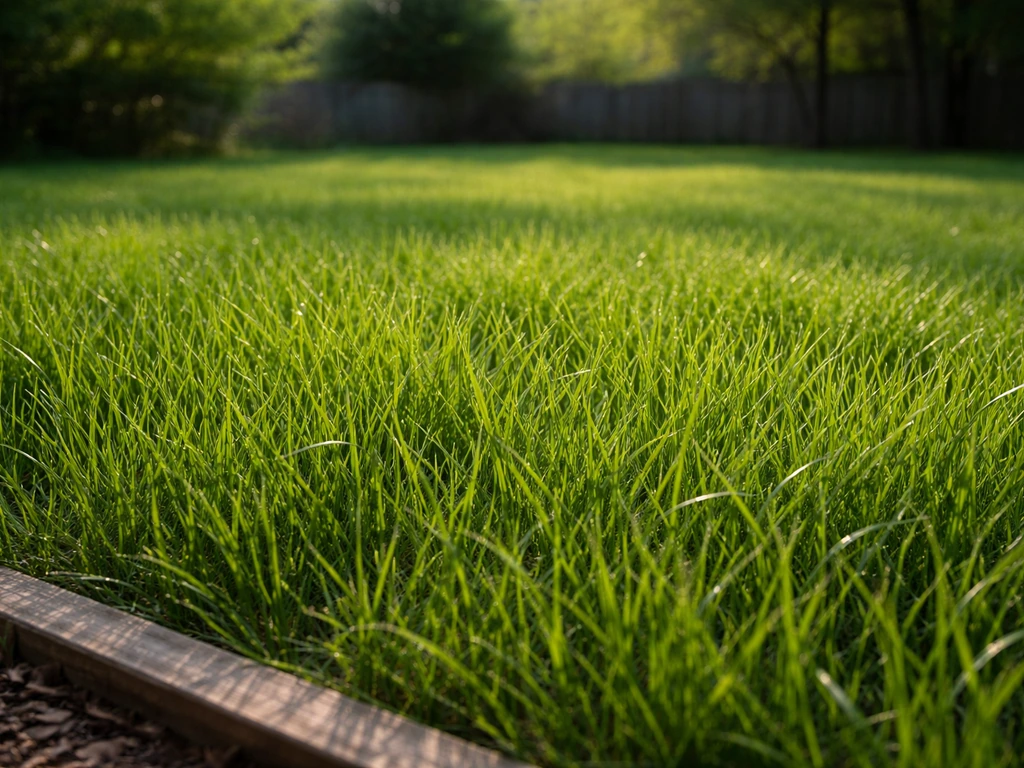
Is letting grass grow long actually good for turf
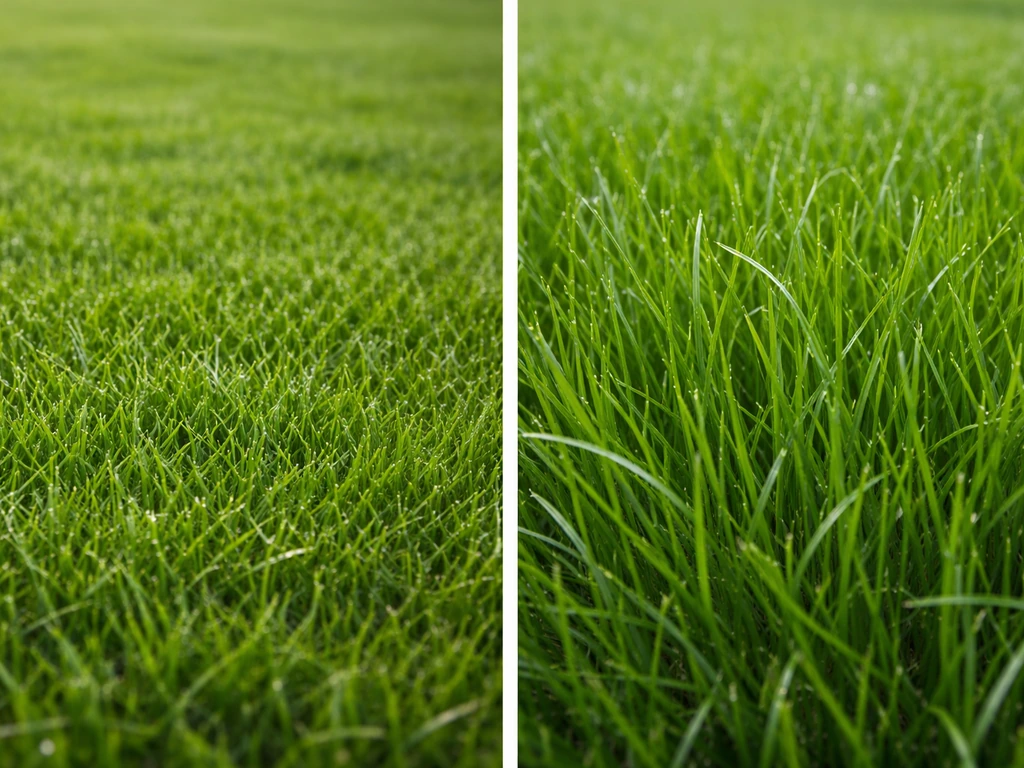
The short version: yes, within reason. When you mow too short, you're cutting off the leaf area that fuels photosynthesis. Less leaf area means the plant produces less energy, which weakens the root system, makes the grass more vulnerable to drought and heat, and opens the door for weeds to move in. Universities from UMass to Ohio State have all said the same thing, lawns cut too low are simply less resilient than lawns maintained at a proper, slightly taller height.
On the flip side, mowing at the upper end of the recommended height range has genuine advantages. The taller canopy shades the soil, which slows moisture loss on hot days and keeps soil temperatures lower. That's a real plus in summer, when cool-season grasses are already under stress. Taller grass also shades out weed seeds at the soil surface, making it harder for them to germinate. And regular mowing at the right height actually stimulates the grass to produce more tillers, which is what gives you that thick, dense look you're after.
The misunderstanding most people have is that "letting grass grow long" means never mowing, or letting it reach 6 or 8 inches. That's where the benefit reverses completely. There is a productive zone, and a problematic zone. Staying in the productive zone is the whole game.
How grass height changes weeds, moisture, and turf density
Taller grass creates a kind of self-defense system for your lawn. When the canopy is at 3 inches instead of 1.5 inches, sunlight that would normally hit bare soil or weed seeds is intercepted by the grass blades instead. Weed seeds need light to germinate, so you're essentially starving them of the trigger they need. Research from the Pacific Northwest Pest Management Handbooks is pretty clear on this: increasing mowing height substantially reduces weed establishment by cutting off that light at the soil surface. If you've been fighting crabgrass or annual weeds and mowing short, this alone is a good reason to bump your height up.
Moisture works in a similar way. A taller canopy acts like a layer of insulation over the soil. Less direct sun hits the soil surface, so water evaporates more slowly. That matters a lot on a hot July day, and it's why UMass Extension specifically recommends mowing at the high end of the species' recommended height range during drought conditions. You're buying your lawn extra time between waterings.
Density is the third factor, and it's a bit counterintuitive. You might think mowing more often at a lower height would make grass thicker. But consistent mowing at an appropriate height is what drives tiller production, and more tillers mean denser turf. UMass Extension notes that mowing can stimulate new tillers, which are a primary driver of turf density drives tiller production. Mowing too short disrupts this because the plant is constantly in survival mode rather than growth mode. Mowing too infrequently at an excessive height causes the lower part of the grass plant to become shaded out and weak, which also hurts density over time.
When longer grass helps vs when it causes problems
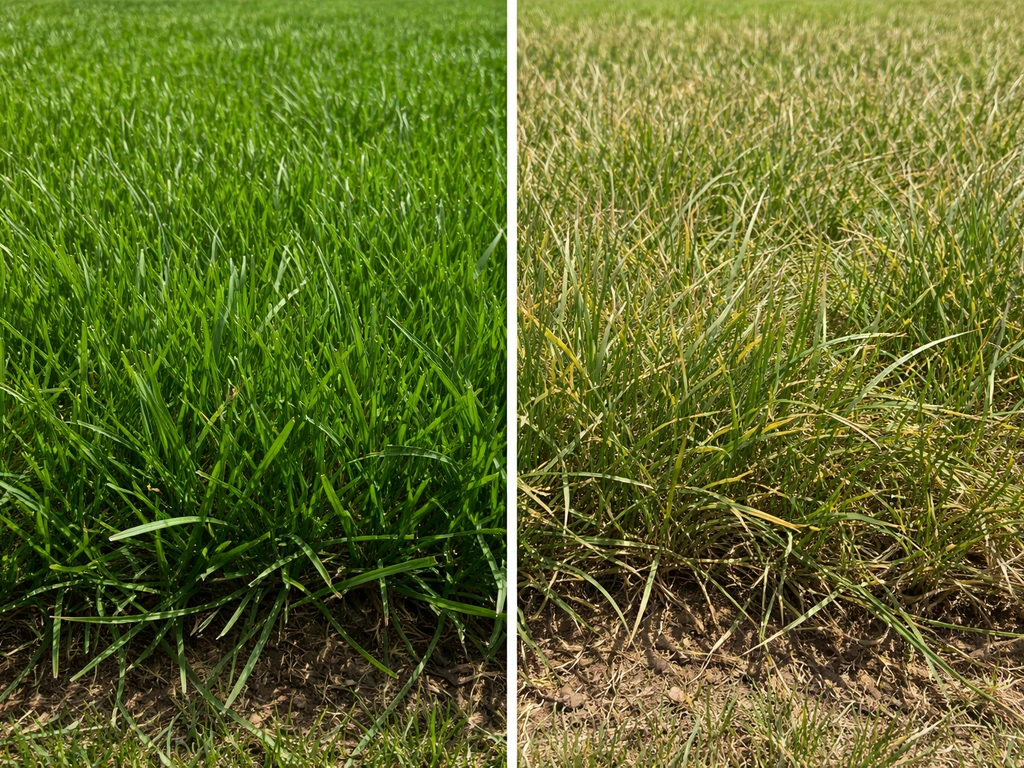
When longer grass is clearly working in your favor
- During summer heat stress: keeping cool-season grass at 3 to 3.5 inches cools the crown and reduces water demand
- In drought or low-irrigation situations: taller canopy slows soil moisture loss and reduces stress on shallow roots
- When weed pressure is high: the taller canopy blocks sunlight from reaching weed seeds at the soil surface
- In shaded areas: grass in shade needs more leaf area to capture limited light, so mowing higher is especially important there
- On poor or sandy soils: longer grass helps buffer temperature swings at the soil surface and reduces stress on already-struggling root systems
When longer grass turns into a problem
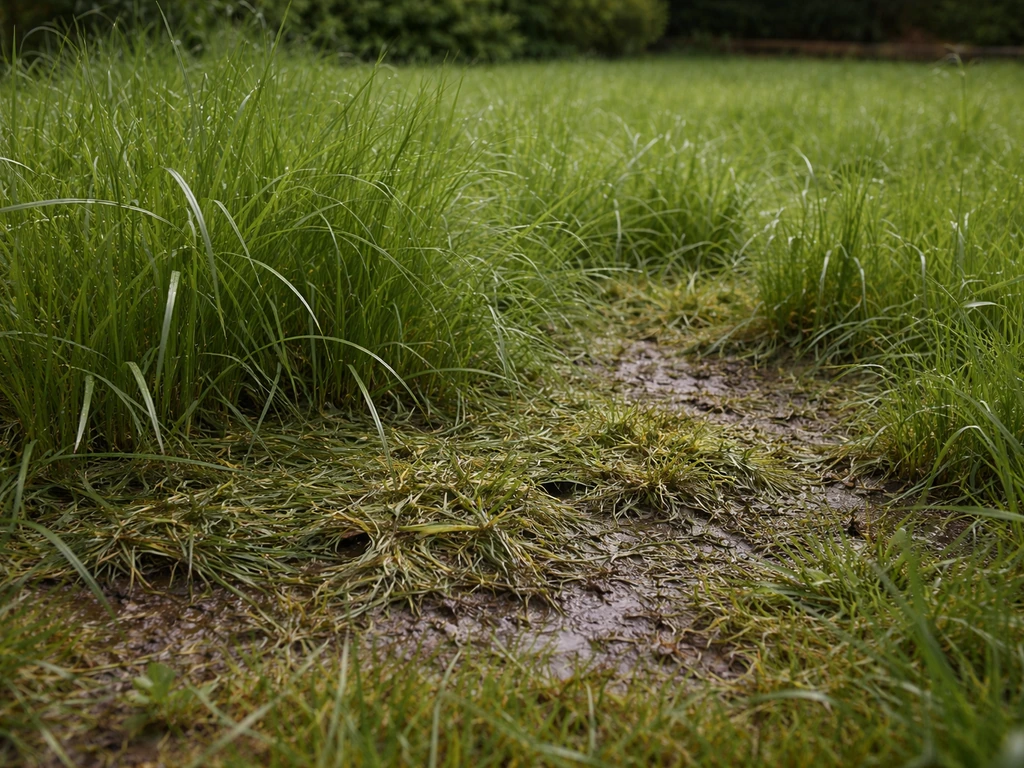
Once grass gets significantly past the upper end of the recommended range, several things start going wrong. First, disease risk spikes. Tall, dense grass holds moisture longer, especially at the base where air circulation is poor, and that's exactly the environment fungal diseases like brown patch and dollar spot thrive in. If you're going into a humid stretch and your lawn is already long, you're setting up the conditions for an outbreak.
Second, there's the scalping risk. If you let grass go to 6 or 7 inches and then try to cut it back down to 3 inches in a single pass, you've just removed well over a third of the plant at once. Kansas State Extension defines scalping as that brown, stemmy, beaten-up appearance after too much leaf blade is removed in one mowing. The plant goes into shock, the root system gets hammered, and you're left with a lawn that looks worse than before you mowed. This is especially dangerous during summer stress periods or drought.
Third, very long grass can lodge, meaning it flops over and mats down. Matted grass blocks light from reaching the lower canopy, creates ideal conditions for pests and disease, and is much harder to recover from. Going into winter with excessively long grass also raises the risk of snow mold, a fungal disease that thrives under matted turf.
There's also an important nuance on the drought side: Purdue's turfgrass research points out that raising mowing height during active drought can actually backfire in some cases because the plant now has to support more leaf tissue with the same stressed root system. The sweet spot is maintaining the right height consistently, not dramatically raising it as a rescue move when the lawn is already parched.
Best mowing height targets by grass type and season
These ranges come from university extension research and are the targets you should be working toward with your mower settings. The general rule is to stay toward the higher end of each range during summer heat and during periods of stress, and you can come down slightly toward the lower end in cooler spring and fall growing seasons.
| Grass Type | Recommended Height Range | Season Notes |
|---|---|---|
| Kentucky Bluegrass | 2.5 – 3.5 inches | Up to 3.5 in. during summer heat; 2.5 in. in spring/fall |
| Perennial Ryegrass | 2.5 – 3.5 inches | Maintain upper range during heat and drought |
| Fine Fescue | 2.5 – 3.5 inches | Shade-tolerant; keep at upper range in shaded spots |
| Tall Fescue | 2.5 – 3.5 inches | Handles heat better; upper range still preferred in summer |
| St. Augustinegrass | 2.0 – 3.0 inches | Higher end in summer; lower in active cool-season growth |
| Centipedegrass | 1.0 – 2.0 inches | Keep consistent; scalps easily if allowed to grow tall |
| Bermudagrass (common) | 1.0 – 2.0 inches | Tolerates lower cuts; avoid scalping in drought |
| Bermudagrass (hybrid) | 0.5 – 1.25 inches | Lower maintenance height; mow frequently to avoid thatch |
| Zoysiagrass | 0.5 – 2.0 inches | Varies by variety; check your specific cultivar |
One practical tip from the University of Maine: if you want to maintain Kentucky bluegrass at 3 inches, mow it when it reaches about 4 to 4.5 inches. That way you're always removing roughly a third of the blade, which keeps the lawn healthy and avoids the shock of a severe cut. Apply that same math to whatever your target height is.
What to do if your lawn is already too long
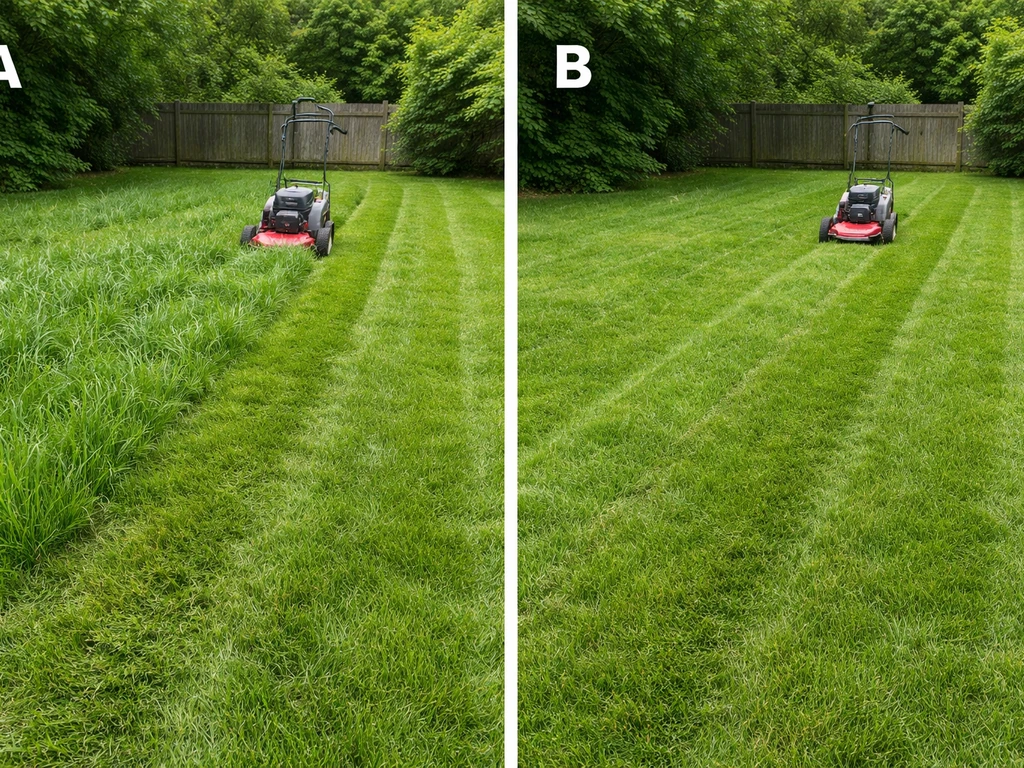
If you've come back from a vacation, had a stretch of bad weather, or just got behind and your lawn is now significantly taller than it should be, do not mow it back to your target height in one pass. If your goal is to let grass grow to seed, make sure you follow the step-down approach so you do not scalp or shock the lawn when you eventually mow again do not mow it back to your target height in one pass. That's the single biggest mistake people make in this situation, and it causes real damage.
The approach recommended by UMass Extension and backed by most university turfgrass programs is a step-down mowing plan: bring the height down gradually over several mowings, never removing more than one-third of the current blade height at each cut. Here's how to think through it:
- Measure roughly how tall the grass actually is right now
- Set your mower to remove no more than one-third of that current height — not one-third of your target height
- Mow, then wait a few days for the grass to recover (not a full week if growth is fast)
- On the next mowing, remove no more than one-third of the new current height
- Repeat until you reach your target mowing height
- Once at your target height, stick to regular mowing intervals so you never get this far behind again
As a concrete example: if your cool-season lawn is sitting at 6 inches and your target is 3 inches, your first cut should bring it down to about 4 inches. A few days later, cut to about 2. 75 to 3 inches. You've done it in two passes without scalping.
If it's at 9 inches, you may need three or four passes. It feels slow, but it's the only way to do it without turning your lawn brown and stressed. Also make sure your mower blade is sharp before tackling overgrown grass, a dull blade tears instead of cuts and makes the recovery worse.
MU Extension’s home lawn watering guide warns that scalped turfgrass and dull mower blades can lead to an unattractive lawn that many homeowners try to correct with overwatering scalped turfgrass and dull mower blades result in an unattractive lawn.
How to adjust in tough conditions
Shade
Shaded grass is working harder than lawn in full sun. It's producing less energy per square inch because it has less light, so every bit of leaf area matters more. In shaded spots, always mow at the absolute top of your grass type's recommended range. For a cool-season mix, that means 3.5 inches, not 2.5. Don't drop down to a lower height in spring just because the rest of your lawn looks fine at that setting. The shaded areas need that extra leaf surface to survive. Longer grass in shade is one situation where letting it run a little tall is clearly the right call.
Poor soil and sandy substrates
Grass growing in poor soil or sand has a shallower, less robust root system than grass in good loam. That means it's more susceptible to stress from mowing. Keep heights at the upper end of the range, and be especially strict about the one-third rule. Every time you stress this grass with too aggressive a cut, it takes longer to recover because the root bank it's drawing on is limited. If you're working to improve a sandy or nutrient-poor lawn, pair the higher mowing height with consistent, modest fertilization to give the grass the resources it needs to develop a deeper root system over time.
Irregular watering and timing issues
If your watering schedule is inconsistent, whether that's due to restrictions, system issues, or just a busy life, mowing at the high end of the range gives you a buffer. The taller canopy slows moisture loss, giving the grass more time between waterings before it hits stress. But again, keep in mind the Purdue caveat: if the lawn is already in active drought stress with no irrigation coming, aggressively raising the mowing height at that point isn't a fix. It's better to maintain a consistent height throughout the season than to try dramatic adjustments as a rescue strategy mid-drought.
Late season and pre-winter timing
Don't let grass get excessively long heading into winter dormancy. University of Wisconsin Extension specifically warns that very long grass going into winter increases snow mold risk because the grass lodges and mats down under snow cover. A good target is to bring cool-season grasses down to around 2.5 inches for the final mow of the season, giving you that protective length without the mat risk. The same logic applies heading into spring: if the grass overwintered long, use the step-down plan to get back to your target height rather than scalping it in the first spring mow.
Quick checklist: should you let it grow long right now?
Run through these questions before deciding whether to skip a mow or raise your mowing height this week:
- Is your current mowing height already at the upper end of the recommended range for your grass type? If yes, don't go higher — maintain it there.
- Is it currently summer, or is your lawn under heat or drought stress? If yes, mow at the upper end of the range and resist the urge to cut short.
- Is the lawn in a shaded area? Always mow at maximum recommended height in shade, regardless of season.
- Is your lawn currently taller than your target height plus one-third? If yes, use the step-down plan — don't cut it all the way back in one pass.
- Is it late fall or heading into winter? Bring the lawn down to a safe height (around 2.5 inches for cool-season grasses) before dormancy to avoid snow mold.
- Is the lawn in poor soil or sandy substrate? Stick to the upper range and never cut more than one-third at once — these lawns have less tolerance for stress.
- Is high humidity in the forecast and the lawn already tall? Consider mowing now to improve airflow and reduce disease risk, even if it's a bit early.
- Has the lawn gone significantly past the recommended height due to missed mowings? Start the step-down process today — every day you wait makes it harder to recover cleanly.
The bottom line is that letting grass grow a little longer than the scalp-level cuts many homeowners default to is genuinely good for your lawn. It reduces weed pressure, helps retain moisture, supports root depth, and makes for a more resilient turf overall. If you are wondering specifically about spring, the key is to mow in the spring when your grass reaches the recommended height and avoid letting it climb into the problematic zone spring mowing height.
But there's a clear upper limit, and blowing past it creates disease, pest, and scalping problems that can take weeks to recover from. Stay in the recommended range for your grass type, respect the one-third rule every single time you mow, and use the step-down approach whenever life gets in the way of regular mowing. That's the whole system.
FAQ
What height should I use if my lawn is a mix of cool-season grasses or warm-season grasses?
Pick one target based on the dominant grass, then bias toward the higher end of that type’s recommended range. If you see obvious mixing (for example, fescue plus bluegrass versus creeping bentgrass) you may need to monitor the tallest parts and still follow the one-third rule, but avoid “average height” thinking because the shortest grass will be cut too aggressively.
Is it okay to skip mowing for one week or during vacation?
It can be, but only if the grass stays within the recommended height range, and you can still make cuts that do not remove more than one-third of the blade height. After a long break, use the step-down plan over multiple mowings rather than trying to reach your usual height in a single session.
My grass is already at 6 to 8 inches. Can I just mow it down to my normal height quickly?
Usually not. Cutting back in one pass removes too much leaf area, which increases shock and can create a scalped, brown, stemmy look. Step it down gradually over two to four mowings (depending on how far over target you are) and make sure the mower blade is sharp for clean cuts.
How do I know whether raising mowing height is helping or could backfire?
Raising height helps when the lawn is stressed from heat or inconsistent watering, but it can backfire if the lawn is already in active drought stress with little or no irrigation available. In that situation, prioritize consistent watering and keep mowing at the appropriate height consistently, rather than making dramatic “rescue” increases.
Should I mow higher in shade, or can I keep the same height everywhere?
Mow higher in shaded areas, ideally at the top of the recommended range for your grass type. Shade reduces energy production, so the grass needs more leaf area to survive. Do not automatically drop mowing height in spring just because sunny areas look okay.
How often should I mow if I let grass grow longer?
Base frequency on growth rate, not the calendar. In fast growth periods you may need more frequent mowing even at a higher setting to keep from entering the problematic zone. A practical check is whether you can stay within the one-third removal limit each time you mow.
Does mowing higher always mean fewer weeds?
It often reduces weed establishment because it shades the soil surface and limits the light weeds need to germinate, especially for annual weeds. However, if the lawn becomes excessively long and mats down, you can create conditions that favor other problems, so the benefit depends on staying in the productive range.
Will taller grass cause more fungal disease?
It can increase risk if the grass gets significantly past the upper recommended height, because dense, moist conditions at the base can favor fungal issues. That’s why the key is “a little longer,” and why going too far past the target height or letting grass lodge is where disease risk rises.
What should I do in wet, humid weather when my grass is getting long?
Avoid large height changes during humid stretches. If the grass is above target, use step-down mowing so you are not removing excessive leaf area at once. Also ensure the mower is set correctly and blades are sharp, because torn tissue slows recovery and can compound disease pressure.
What is the right rule for how much to remove per mowing?
Use the one-third rule: never remove more than about one-third of the current blade height in a single mowing. If you cannot reach your goal while staying within that limit, you need another mowing a few days later rather than forcing it in one pass.
How should I handle the first spring mow if the grass overwintered long?
Do not scalp in the first spring cut. Use the step-down approach to return to your target height gradually over multiple mowings, since the lawn was already protected by longer growth during dormancy and sudden removal can cause shock.
What final mowing height should I aim for before winter?
Avoid very long grass heading into dormancy, because it increases snow mold risk by lodging and matting under snow cover. Aim for a sensible final height around what your grass type needs (often about 2.5 inches for cool-season grasses), then mow down to target using step-down if it was too tall.
Does mowing higher work better if my soil is sandy or nutrient-poor?
Yes, you should usually stay closer to the upper end of the recommended range and be extra strict about the one-third rule. Nutrient-poor or sandy soils often produce shallower root systems, so aggressive mowing increases stress and slows recovery. Pair the higher mowing height with steady, modest fertilization to support deeper rooting over time.
Next Articles
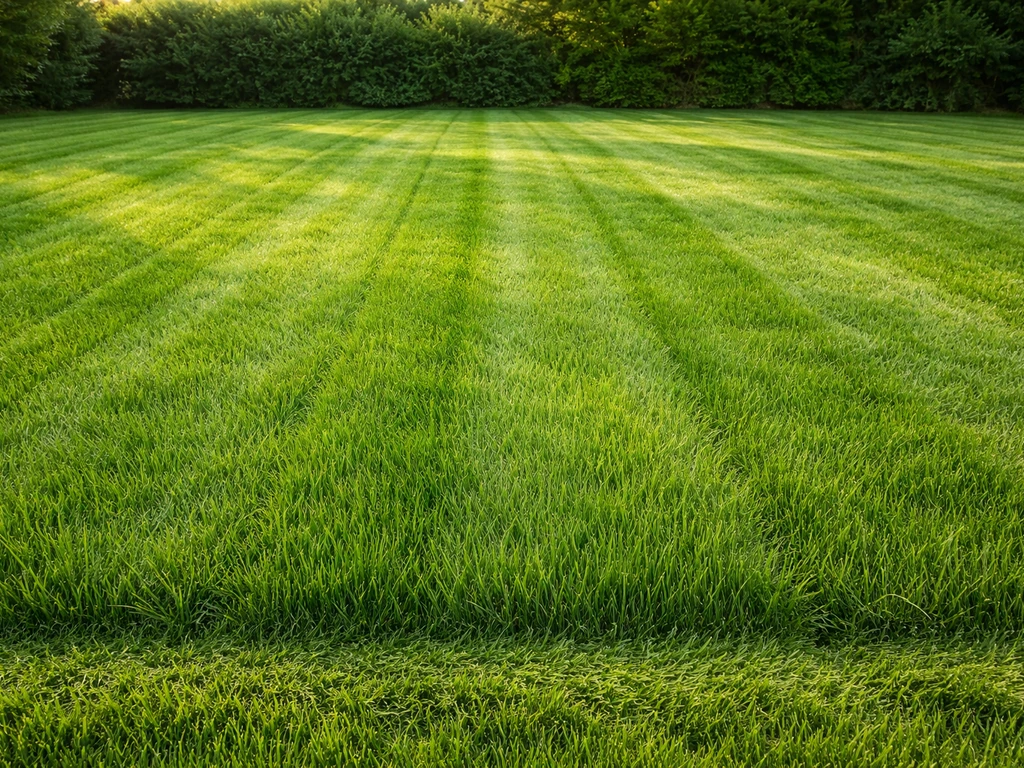
Benefits of Letting Grass Grow Long: How to Do It Safely
Learn safe mowing heights for longer grass to boost roots, drought tolerance, soil cooling, and reduce weeds without sca
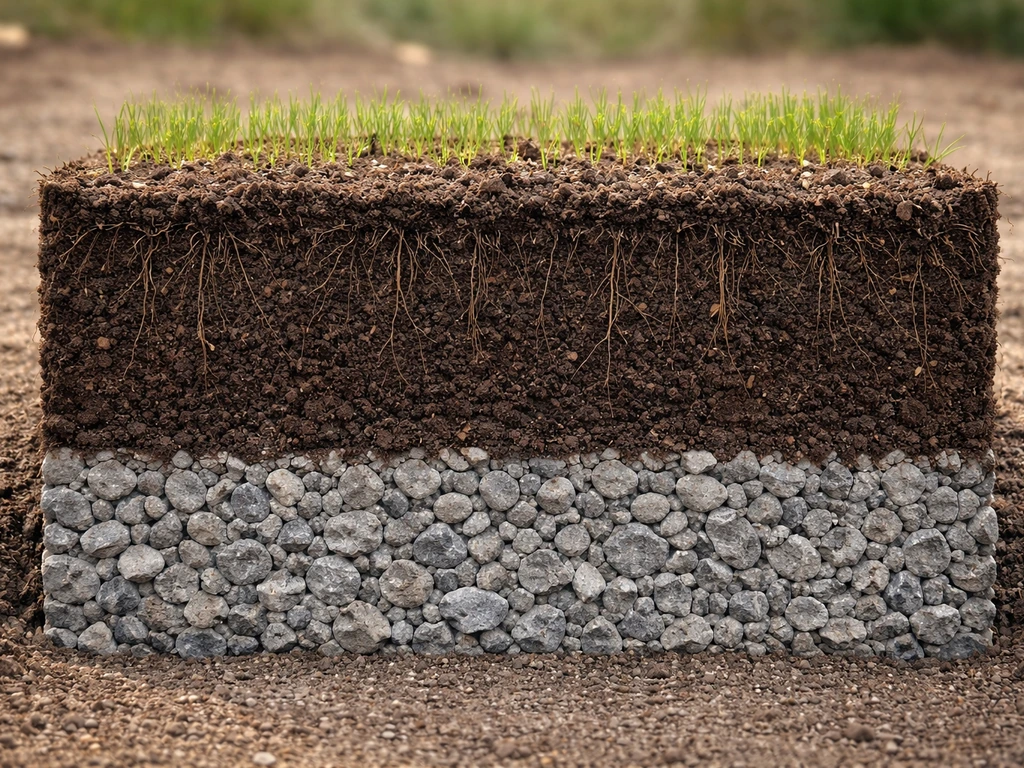
Can You Grow Grass Over Gravel? How to Do It Right
Learn when you can grow grass over gravel and follow a step-by-step method for soil depth, drainage, seeding or sod, and
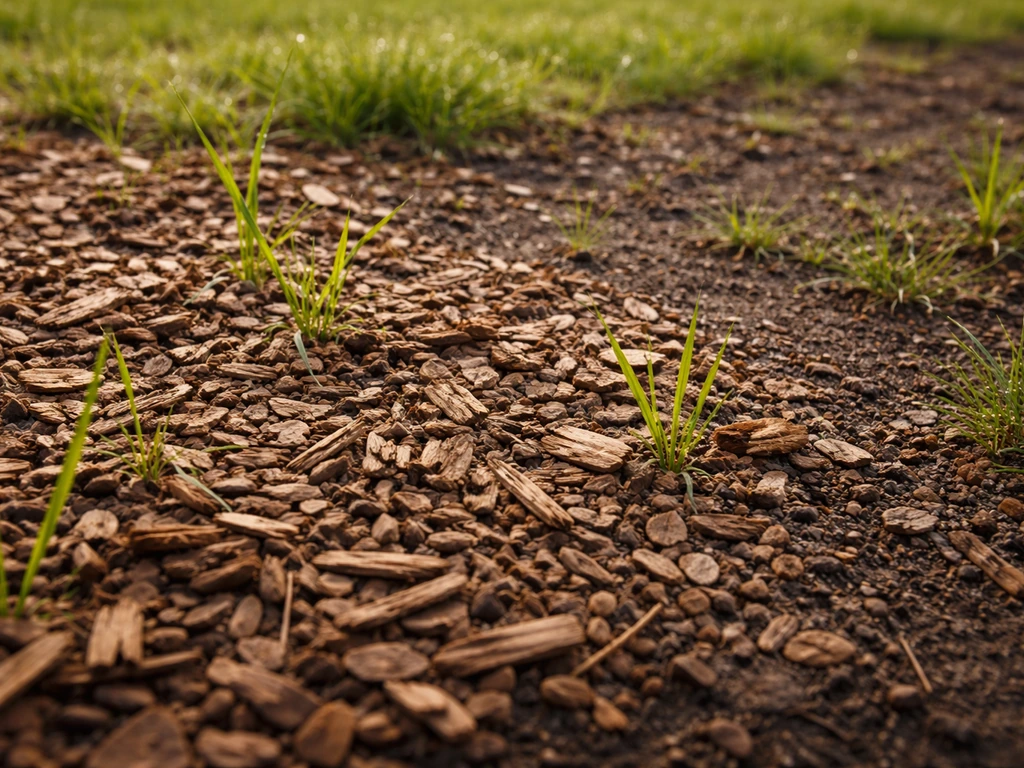
Do Wood Chips Help Grass Grow? When They Work and When Not
Learn when wood chips help grass grow, when they steal nitrogen, and step-by-step how much to apply and seed options.