
Yes, letting grass grow a bit longer genuinely does help the roots, but only up to a point and only if you do it right. The core reason is simple: more leaf blade means more photosynthesis, which means more carbohydrates stored in the plant. Those carbohydrates are what the grass draws on to push roots deeper, survive heat and drought, and bounce back from stress. Mow too short and you cut off that energy supply. But let the lawn go completely wild and you create a different set of problems that will hurt roots just as badly. The sweet spot is raising your mowing height by about half an inch to an inch above where you currently have it, sticking to the one-third rule, and pairing that with smart watering and feeding. That combination is what actually moves the needle on root depth.
Does Letting Grass Grow Long Help Roots? The Real Answer
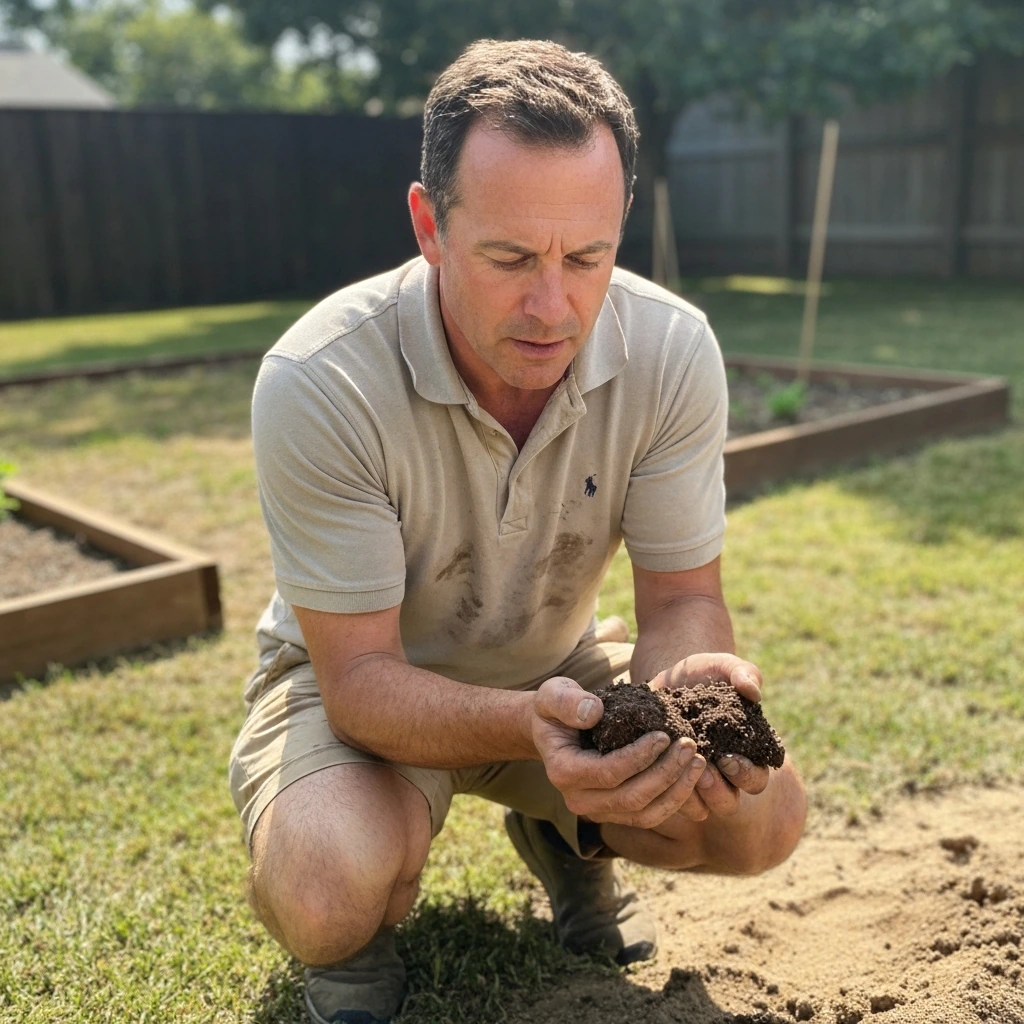
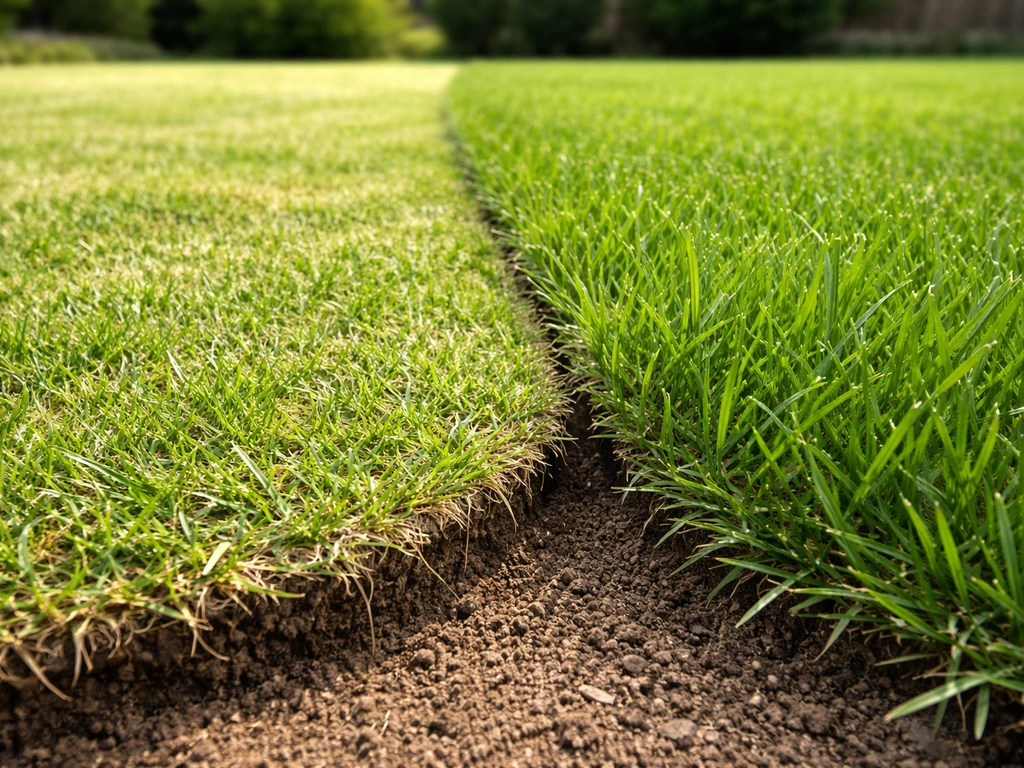
What letting grass grow longer actually does to the roots
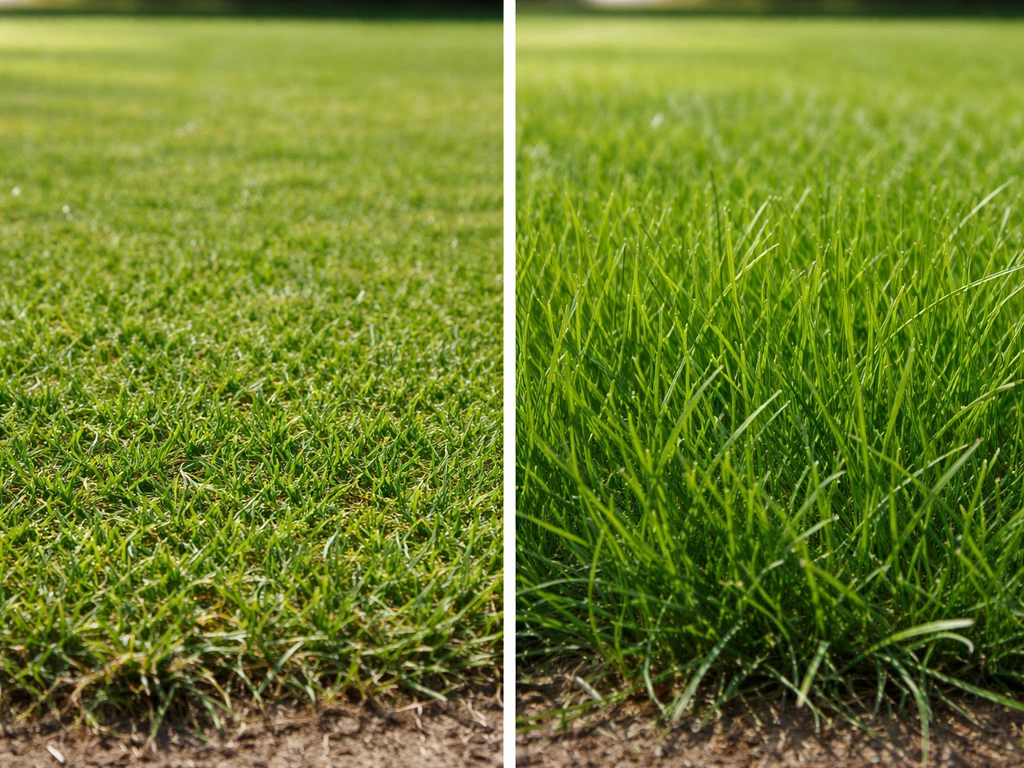
Every time you mow, you remove leaf tissue. That tissue is the factory where sunlight gets converted into carbohydrates. Researchers who study turfgrass physiology use total nonstructural carbohydrate (TNC) content as a direct measure of a plant's health and its capacity to grow, recover from stress, and survive hard conditions. When you scalp a lawn or mow it relentlessly short, TNC drops. The grass has less energy to push roots downward and more energy is diverted just to keep regrowing the top growth you keep removing.
Taller grass also does something practical at the soil surface: it shades the ground. That shade keeps soil temperatures lower, which reduces moisture loss and keeps the root zone a few degrees cooler during summer heat. That matters enormously for cool-season grasses especially, because high soil temperatures are one of the main reasons roots die back in July and August. More leaf blade, cooler roots, less water stress, deeper rooting. A common summer question is whether you should let grass grow longer, and the answer is usually yes when you mow in a way that supports healthier root growth deeper rooting.. The mechanism is real and well-supported.
There is also a well-documented relationship between shoot height and root depth. Grass plants tend to match root depth to leaf height over time. Raise the mowing height and, given consistent moisture and nutrition, the roots will follow downward. It is not instant, but over a few weeks of consistent higher mowing you will see improved drought resilience as the roots access deeper soil moisture.
How mowing height and frequency affect rooting depth
The single most useful rule in lawn care is the one-third rule: never remove more than one-third of the blade height in a single mowing session. Rutgers and the University of Georgia both emphasize this as a foundation of proper mowing, and Texas A&M AgriLife ties it directly to mowing frequency for warm-season grasses. The practical effect of breaking this rule is significant stress to the plant: carbohydrate reserves crash, root growth halts temporarily, and the lawn becomes vulnerable to disease, weed invasion, and heat damage.
Here is the link between height and frequency that catches most people off guard: if you raise your mowing height, you can mow less often before hitting the one-third limit. If you lower your mowing height, you have to mow more frequently to stay within the rule. A Kentucky bluegrass lawn maintained at 2 inches needs to be mowed before it hits 3 inches. That same lawn maintained at 3.5 inches can wait until it reaches just over 5 inches. Longer target height buys you more time between cuts and, critically, leaves more leaf area working for the plant at all times. You can also let grass grow to seed, but do it gradually and make sure mowing height and timing still support root depth.
Grass type basics: height targets by species
The right 'longer' height varies significantly by grass species. What counts as beneficial extra height for tall fescue would be a disaster for hybrid bermudagrass. Here are the practical targets you should be working within, drawn from Purdue, Cornell, Texas A&M AgriLife, and University of Tennessee extension guidance. Cornell CALS mowing guidance also provides suggested mowing heights by species, including about 2 to 2½ inches for Kentucky bluegrass/perennial ryegrass and about 2½ to 3 inches for tall fescue.
| Grass Type | Typical Maintained Height | Upper End for Stress/Root Benefit |
|---|---|---|
| Kentucky Bluegrass | 2.0–3.5 inches | 3.0–3.5 inches |
| Perennial Ryegrass | 2.0–3.5 inches | 3.0–3.5 inches |
| Tall Fescue | 3.0–4.0 inches | 3.5–4.0 inches |
| Bermudagrass (common) | 1.0–2.0 inches | 1.5–2.0 inches |
| Bermudagrass (hybrid) | 0.5–1.5 inches | 1.0–1.5 inches |
| Zoysiagrass | 0.5–2.0 inches | 1.5–2.0 inches |
| St. Augustinegrass | 1.5–3.0 inches | 2.5–3.0 inches |
| Centipedegrass | 1.0–2.0 inches | 1.5–2.0 inches |
The 'upper end for stress' column is where you want to be in summer heat, drought, shaded areas, or when your turf is already struggling. Penn State specifically notes that cool-season grasses should stay at or above 2.0 inches during hot and humid conditions. For tall fescue under summer stress, I typically recommend going to 4 inches and leaving it there until fall.
When longer grass genuinely helps
Heat and drought stress
This is the clearest win for taller grass. During hot, dry stretches, raising your mowing height is one of the most impactful things you can do without spending a dollar. The extra blade length shades the soil, cuts surface temperature, reduces evaporation, and keeps carbohydrate stores higher so the plant can maintain deeper roots. University of California IPM guidance specifically connects summer mowing height increases for cool-season turf to deeper rooting potential. If your lawn is showing drought stress right now and you have been mowing at 2 inches, move up to 3 to 3.5 inches immediately. When you follow the right mowing height, the benefits of letting grass grow long show up as stronger roots and better drought resilience.
Shaded areas under trees
Grass in shade is already operating on reduced photosynthesis because of limited light. Mowing it short removes even more of its light-capturing capacity. In shaded spots, always run at the upper limit of the species height range. This is one situation where the difference between 2.5 inches and 3.5 inches can mean survival versus bare patches. You are essentially giving the plant the maximum possible leaf area to work with under difficult light conditions.
Weak or thin turf recovering from damage
If your lawn has been through compaction, disease, poor soil, a rough winter, or simply neglect, longer mowing height is part of the recovery protocol. Thin or sparse turf needs every carbohydrate advantage it can get to fill in bare spots and push new growth. University of Kentucky extension links raising mowing height directly to improved survival and root development potential for struggling turf. Pair higher mowing with appropriate feeding (more on that below) and you give recovery the best chance.
Sandy or poor soils
In sandy ground or poor soil with low water retention, deeper roots are not just nice to have, they are necessary for survival. If you are wondering whether it is good to let your lawn grow, the short answer is usually yes, but only if you adjust mowing height to your grass type and conditions. Taller mowing encourages roots to chase moisture further down. Combined with deep, infrequent irrigation (which trains roots downward rather than keeping them shallow and lazy), longer grass on sandy soil can meaningfully improve drought tolerance over a single season.
When letting grass grow too long backfires
There is a real difference between 'mowing at a higher height consistently' and 'letting the lawn go for weeks without cutting. That is why staying in the right mowing height range is key, rather than letting grass grow too long letting the lawn go for weeks without cutting. ' The second approach creates problems that outweigh any root benefit.
- Scalping risk: If you let cool-season grass hit 6 or 7 inches and then try to bring it back down to 3 inches in one pass, you will scalp it. Scalping removes all the green leaf tissue and exposes brown stems, crashing TNC levels and stressing the root system severely. You then have to step down gradually, cutting no more than one-third at a time over several sessions.
- Disease and fungal problems: Tall, dense grass restricts airflow at the soil surface. Combined with morning dew or irrigation, this creates the humid microclimate that fungal diseases like brown patch and dollar spot thrive in. Rutgers notes that improperly mowed turf worsens disease recovery.
- Thatch buildup: Excess thatch (more than half an inch deep for most species) blocks water and oxygen from reaching the root zone, suffocates roots, and harbors pests. Oklahoma State extension warns that severe thatch worsens under heat and drought. Ironically, letting grass get overgrown and then mowing it heavily can accelerate thatch if you are also over-fertilizing.
- Weeds take over: Tall, leggy grass that is not photosynthetically efficient lets light reach the soil surface in patches, which is exactly where weed seeds germinate. Consistent mowing at the upper target height is very different from irregular neglect followed by aggressive cutting.
- Seed heads weaken cool-season turf: Tall grass that is allowed to head out in spring or fall redirects energy from roots and vegetative growth into seed production. This is fine if you want to let grass go to seed intentionally, but it is not a root-building strategy.
- Low light weakens the plant from below: In very thick, tall grass, lower leaves get shaded out by upper leaves, turn yellow, and die. This reduces the effective photosynthetic area and can contribute to the thatch layer.
Step-by-step plan for improving roots starting today
- Check your current mowing height. Use a ruler or a deck height gauge. Know exactly where you are before you change anything.
- Raise your deck height by half an inch this week. Do not jump the full inch in one session if the lawn is already a bit long. One small increment now, another in two weeks if the turf is responding well.
- Never remove more than one-third of the blade in a single cut. If the lawn is already overgrown, mow it down in stages over consecutive days or every few days. Set the deck high, mow, wait three to four days, drop half an inch, mow again, and repeat until you reach target height.
- Mow at the upper end of the species range through summer. For cool-season grasses this means 3 to 4 inches. For warm-season grasses, aim for the upper half of their range. Stay there until temperatures consistently drop in fall.
- Keep blades sharp. Dull blades tear grass rather than cutting it, creating ragged edges that lose moisture and invite disease. Sharpen or replace blades every 20 to 25 hours of mowing time.
- Adjust your mowing schedule to match growth rate, not the calendar. In peak summer growth or after good rain and fertilizing, you may need to mow every five to six days for cool-season and every five to seven days for warm-season grasses to stay within the one-third rule.
- Mow when the grass is dry. Wet clippings clump, block light, and contribute to disease. Morning or late afternoon cuts after dew has dried are ideal.
- Leave clippings on the lawn when mowing at the correct height. Penn State extension notes that recycled clippings return meaningful nitrogen to the soil without contributing to thatch when you are mowing frequently enough.
Beyond mowing: other things that drive roots deeper
Taller mowing is a meaningful lever, but it is not the only one. If you have compacted soil, poor drainage, or a lawn that has genuinely thin roots, you need to address those underlying conditions or the mowing changes will only get you part of the way.
Core aeration
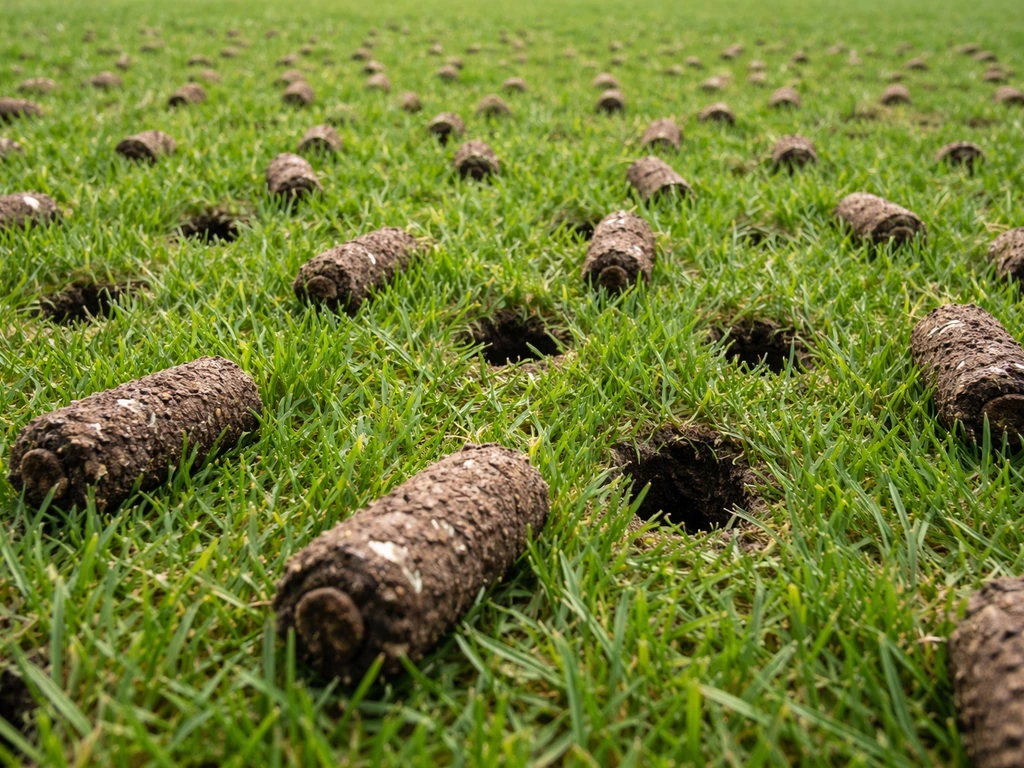
Core aeration pulls small plugs of soil out of the lawn, opening channels for oxygen, water, and nutrients to reach the root zone directly. For cool-season lawns like Kentucky bluegrass, Iowa State extension recommends aerating in September or April, when the grass is actively growing and recovers quickly. For warm-season grasses, late spring into early summer is the window. If your lawn has not been aerated in two or more years, this is probably the highest-impact single thing you can do for root health beyond mowing. Aeration also helps manage thatch by mixing soil microbes into the organic layer.
Soil amendments
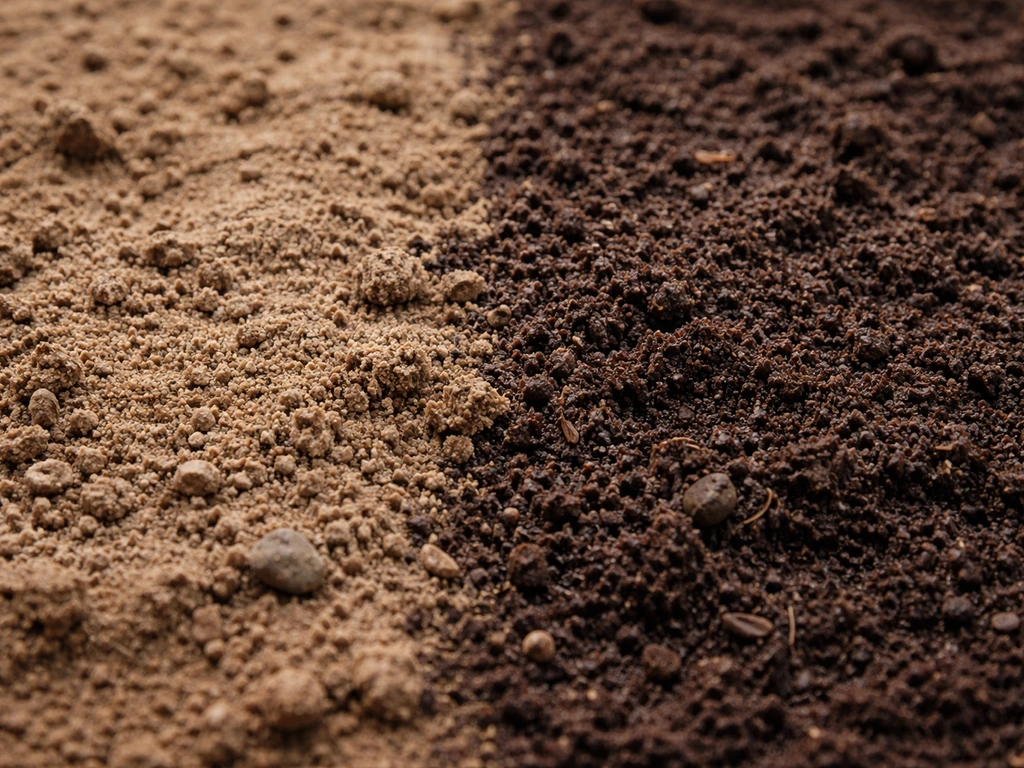
If you are dealing with heavy clay or sandy soil, amending the top few inches with quality compost improves both drainage and water retention, giving roots a better environment to grow into. Topdressing with a thin quarter-inch layer of compost after aeration is a practical approach that does not require ripping up the lawn. On sandy soils, organic matter is the number one priority because it holds moisture and nutrients that would otherwise drain past the roots.
Deep, infrequent watering
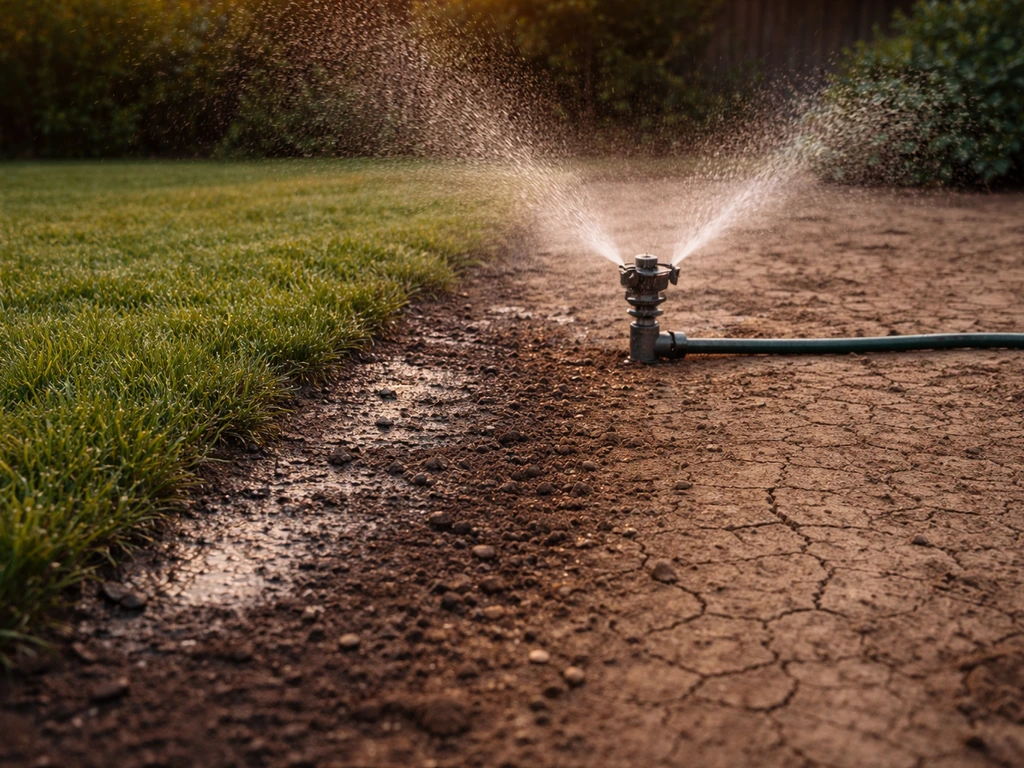
University of Nebraska-Lincoln extension is direct about this: deep, infrequent irrigation produces more extensive root systems than frequent shallow watering. Watering every day for 10 minutes keeps moisture in the top inch of soil and trains roots to stay shallow. Instead, water deeply enough to wet the soil 6 to 8 inches down, then let it dry out before watering again. For most soils, that means watering once or twice a week rather than daily. Roots chase moisture downward when the upper soil dries out between cycles.
Feeding at the right time
Nitrogen applied at the wrong time pushes excessive top growth at the expense of root development and can contribute to thatch. Purdue's guidance is clear: cool-season grasses (Kentucky bluegrass, perennial ryegrass, tall fescue, fine fescues) should receive their main nitrogen feeding in fall, not summer. Warm-season grasses (bermudagrass, zoysiagrass) are fertilized in summer when they are actively growing. Feeding cool-season turf heavily in midsummer stresses the plant and causes the kind of excessive growth that Rutgers links to thatch problems. A light fertilizer application in spring and a heavier fall feeding is the right approach for cool-season turf.
Dethatching when thatch gets out of hand
If thatch depth exceeds half an inch, aeration and mowing adjustments alone will not fix it. UC IPM recommends dethatching cool-season lawns in early fall and warm-season lawns in mid-to-late spring, during periods of active growth when the turf can recover quickly. Dethatching is stressful, so timing matters. Do not dethatch in summer heat or winter dormancy.
Putting all of this together: taller mowing is the cheapest and most immediate thing you can do today to improve root health, but it works best as part of a system that includes deep watering, properly timed fertilizing, and periodic aeration. If you are only doing one thing, raise your mowing height to the upper end of your species range and hold it there. If you want to genuinely transform a struggling lawn's root system, add infrequent deep watering and fall aeration, and you will see a measurable difference in how your lawn handles stress next summer.
FAQ
How fast can I raise my mowing height to help root depth?
In most cases, yes, but only if you increase gradually. Jumping from a low height to the upper end can trigger scalping-like stress, especially on already-thin turf. A practical approach is to raise the mowing height by about 0.5 inches every 1 to 2 mow cycles while still following the one-third rule.
Will letting grass grow long help roots in shady areas?
Grass height helps only when photosynthesis can keep working. If the lawn is under heavy shade, mowing higher gives more leaf area, but you still might not see deep rooting without adequate moisture and nutrients. For shaded areas, prioritize the upper end of your species height range and avoid mowing short during the hottest, driest weeks.
Should I bag clippings when I let the grass grow longer?
If the goal is deeper roots, avoid bagging as a routine replacement for mowing responsibly. Bagging removes clippings that could return some organic matter, but it is most useful when clippings are excessive or matting. If you’re mowing within the one-third rule, leaving clippings typically supports soil organic buildup.
Will taller grass alone train deeper roots if I water every day?
Not necessarily. Longer grass can mean more surface cover, but roots still go deeper only when the soil dries between watering cycles. If you keep watering daily, you may get taller shoots without the deep, drought-trained roots you want. Pair higher mowing with deep, infrequent irrigation that wets 6 to 8 inches.
What signs tell me I let the grass grow too long for root health?
Watch for the boundary between “more photosynthesis” and “disease pressure.” If you see persistent patchy thinning, heavy thatch, or a lawn that stays wet longer after dew or rain, that can signal you went too long or cut too infrequently. Adjust by tightening mowing frequency while staying at the upper safe height for your grass type.
Does letting grass grow long help roots the same way for warm-season grass?
Warm-season turf often behaves differently than cool-season turf. For warm-season grasses, raising mowing height can still help during heat and drought, but the timing and height range depend on mowing frequency and dormancy transitions. Use the species-specific target and avoid late-season changes right before winter or dormancy.
Should I aerate and raise mowing height at the same time?
Yes, but don’t combine them incorrectly. If you plan aeration, do it when the turf is actively growing so it can recover quickly, then mow at the upper end afterward without scalping. Aeration opens channels, but if you immediately cut too low, you remove leaf area needed to rebuild carbohydrate reserves.
If I accidentally scalped my lawn, will taller mowing help roots recover?
If you mow too short, you reduce carbohydrate reserves and can temporarily slow root growth, but the stress is usually not permanent if you correct quickly. The faster you move back to the correct species height and watering schedule, the sooner the plant can rebuild energy stores. Expect visible improvement in root vigor over weeks, not days.
How does fertilizer timing change the root benefits of higher mowing?
Yes, but the biggest mistake is fertilizing to force green growth while cutting the grass too low. For cool-season turf, the “root-friendly” strategy is generally lighter, properly timed feeding (with major nitrogen in fall), combined with higher mowing. Overfeeding in midsummer plus frequent low mowing can worsen thatch and shallow rooting.
What if my soil is compacted or poorly drained, will taller grass still deepen roots?
You may still see benefit, but you may not get full deep-root results without correcting limitations. On compacted soil, poor drainage, or persistent surface water, roots struggle to penetrate even if the plant has energy. In those cases, higher mowing helps somewhat, but core aeration (and sometimes drainage improvements) becomes a more decisive factor.
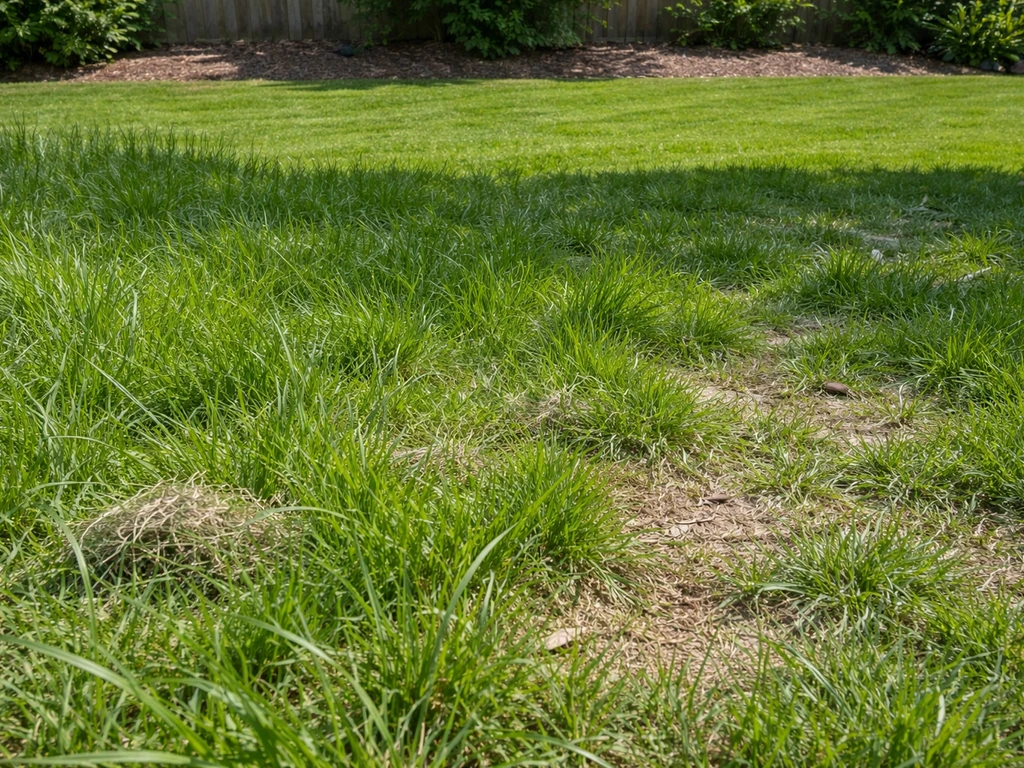
Learn what happens when grass gets too long, how to fix it today safely, and prevent clumping, weeds, and thinning.
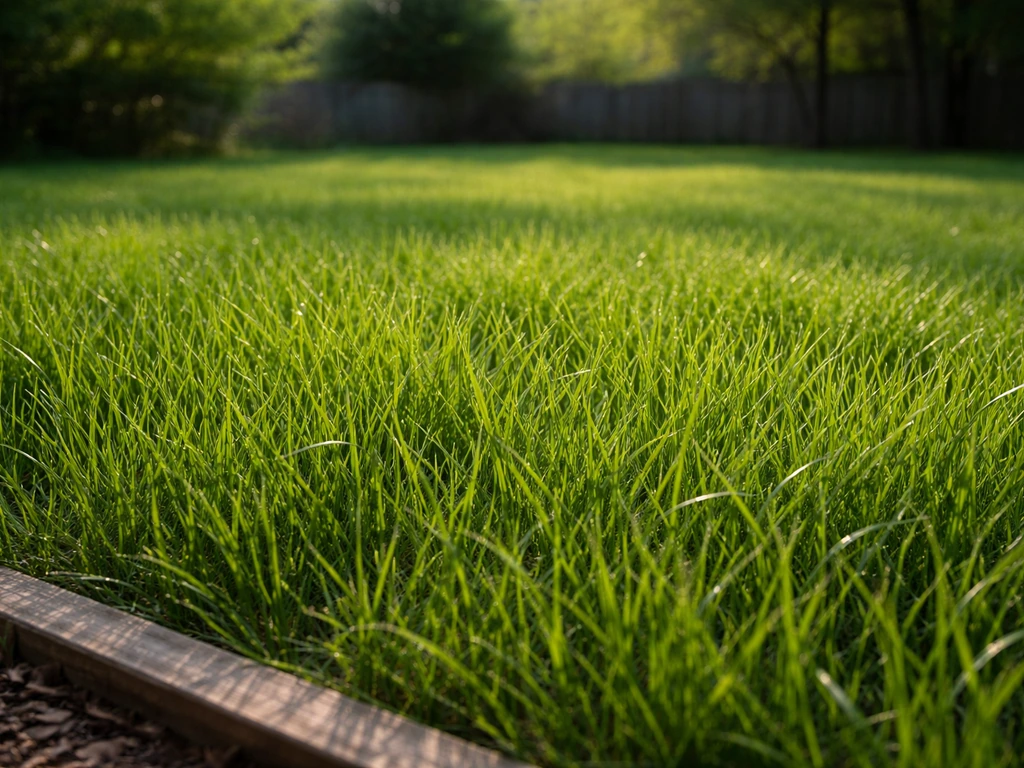
When long grass helps or hurts: weed control, density, moisture, disease, and step-by-step mowing height targets.
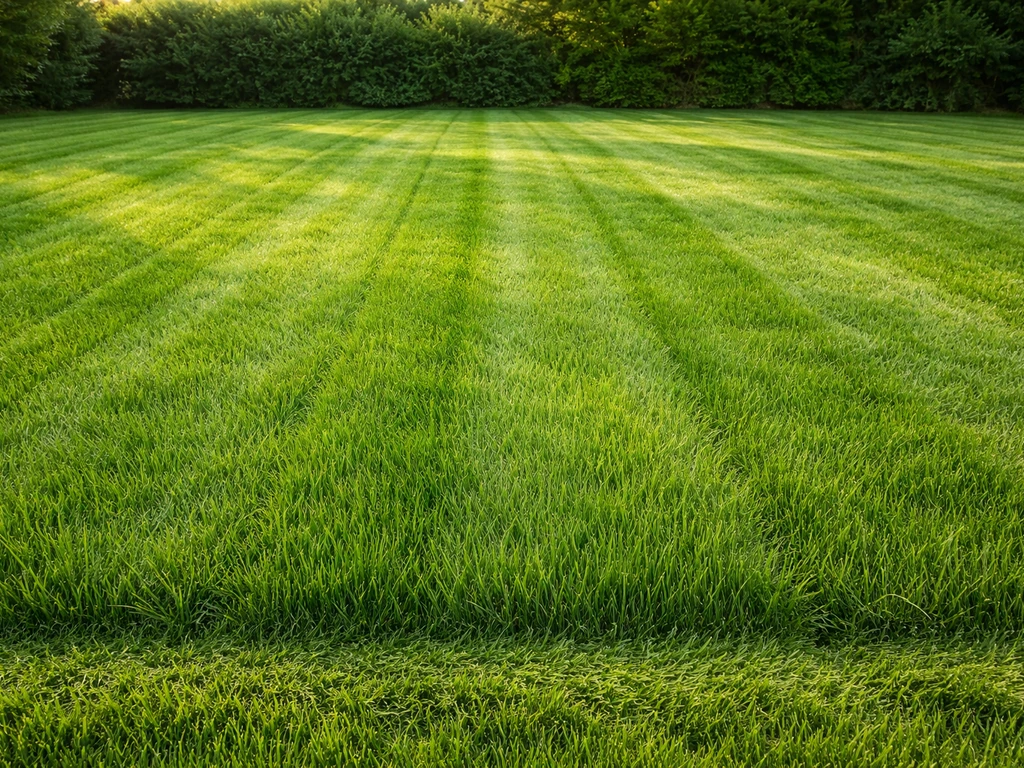
Learn safe mowing heights for longer grass to boost roots, drought tolerance, soil cooling, and reduce weeds without sca