
Yes, grass can grow in ash, but only under the right conditions. A thin layer of wood ash mixed into soil can actually support germination and early growth because it contains potassium, calcium, phosphorus, and magnesium. The problem starts when ash sits thick on the surface, hasn't been mixed into soil, comes from a contaminated source, or has spiked your soil pH so high that nutrients become locked out. Get those variables wrong and your seed won't germinate at all. Get them right and you'll have a decent lawn.
Will Grass Grow in Ash? How to Seed and Fix Ash Soil
Marcus Volkmann
4 Jul 2026
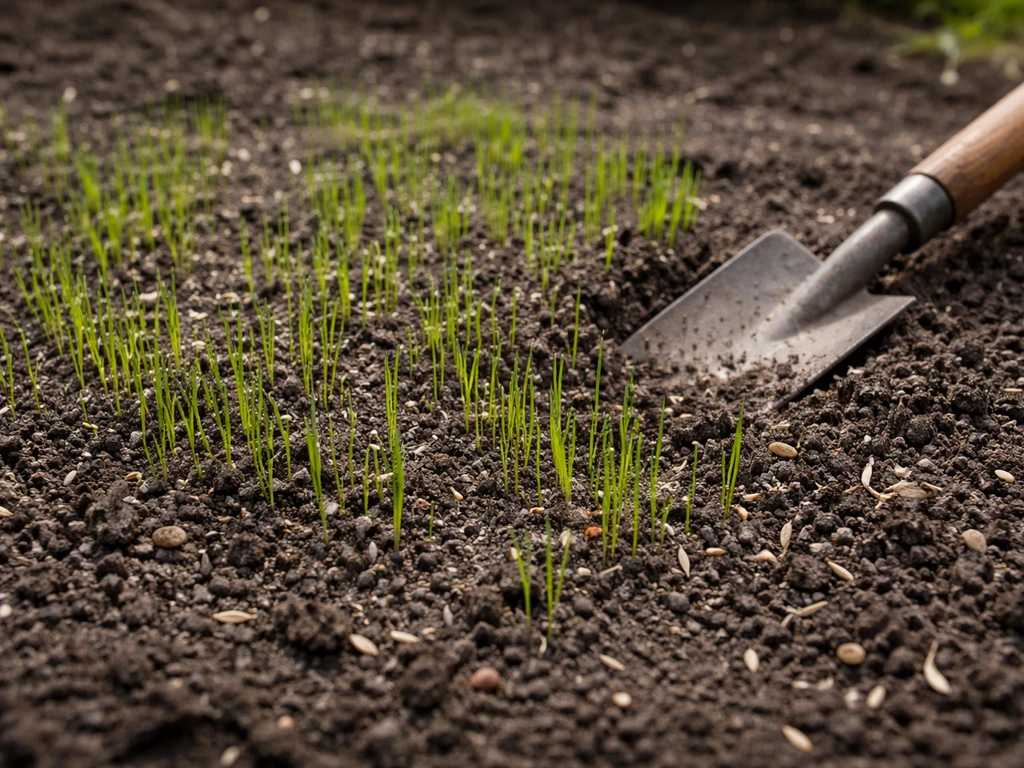
What ash actually does to your soil and seed
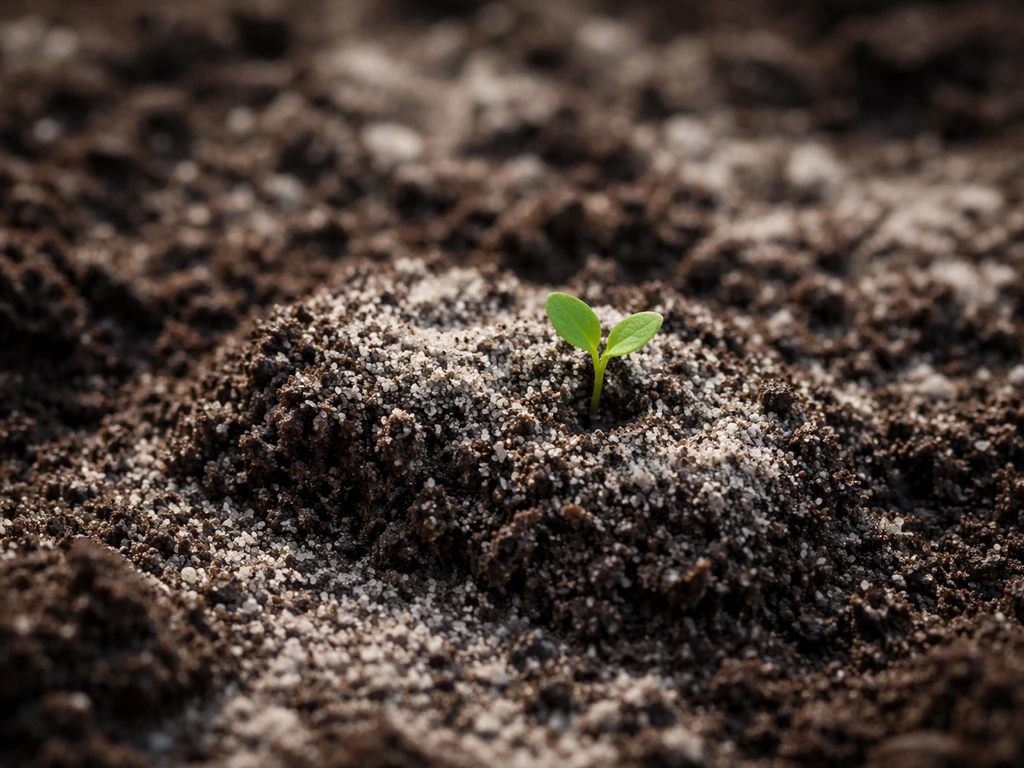
Wood ash isn't inert. It's a concentrated source of nutrients: roughly 25% calcium, 5% potassium, 2% phosphorus, and 1% magnesium, according to UNH Extension. Those numbers sound promising, and in small doses they are. But ash is also highly alkaline and raises soil pH fast, faster than agricultural lime does. Once soil pH climbs above 7.0, phosphorus and many micronutrients start binding to soil particles and become chemically unavailable to grass roots. Push the pH to 7.5 or 8.0 and you've essentially starved your lawn even if the nutrients are physically sitting right there in the soil.
Salt content is the other major issue. Wood ash carries soluble salts, and high salt concentrations around germinating seed interfere with the seed's ability to absorb water. Wood ash can add potassium, calcium, phosphorus, and magnesium to soil, but its high salt content can hinder seed germination blank" rel="noopener noreferrer">high salt content can negatively affect germination. Utah State and University of Minnesota Extension both point out that elevated soil salinity can delay or completely prevent germination, and can reduce nutrient uptake in seedlings that do manage to sprout. If you're wondering does salt help grass grow, the key takeaway is that soluble salts from wood ash can actually hinder germination by interfering with water uptake. A thick pile of ash sitting on soil creates exactly the kind of high-salt, high-pH environment that grass seed cannot handle.
Contamination is the third concern. If the ash came from burning treated lumber, painted wood, pressure-treated decking, plastics, or any household chemicals, it can carry arsenic, lead, and other heavy metals into your soil. Washington State DOH specifically flags structural fire ash as potentially containing hazardous chemicals and heavy metals from building materials and fire suppressants. This isn't a theoretical risk. CCA (chromated copper arsenate) treated wood contains arsenic and is classified as a carcinogen risk. Ash from those sources doesn't belong anywhere near a garden, lawn, or vegetable bed.
Fresh vs. aged ash, and how much is too much
Fresh ash straight from a fire pit or fireplace is at its most potent and its most problematic. The pH effect is strongest, salt levels are highest, and any contamination is still fully present. Aged ash that has been exposed to rain loses a significant portion of its water-soluble nutrients, particularly potassium, over time. University of Missouri Extension notes that ash piled outdoors loses most of its potassium within about a year from leaching. So aged ash is less nutritious but also less likely to shock your soil chemistry. If your ash has been sitting outside in the weather for a full season, it's less of a pH bomb than fresh material.
Volume matters enormously. University of Wisconsin Extension caps wood ash applications at 15 to 20 pounds per 1,000 square feet per year, which is roughly a five-gallon bucket's worth. Alabama Extension's lime-equivalency framework puts that in perspective: one ton of agricultural lime per acre equals about 50 pounds per 1,000 square feet, and ash is roughly half as effective as lime per pound. So even that modest 15 to 20 pound cap can meaningfully shift pH. If you have a fire pit area with an inch or more of ash sitting on bare ground, you're well above a safe application threshold. A thick deposit has to be addressed before seeding, full stop.
How to read your situation before you do anything else
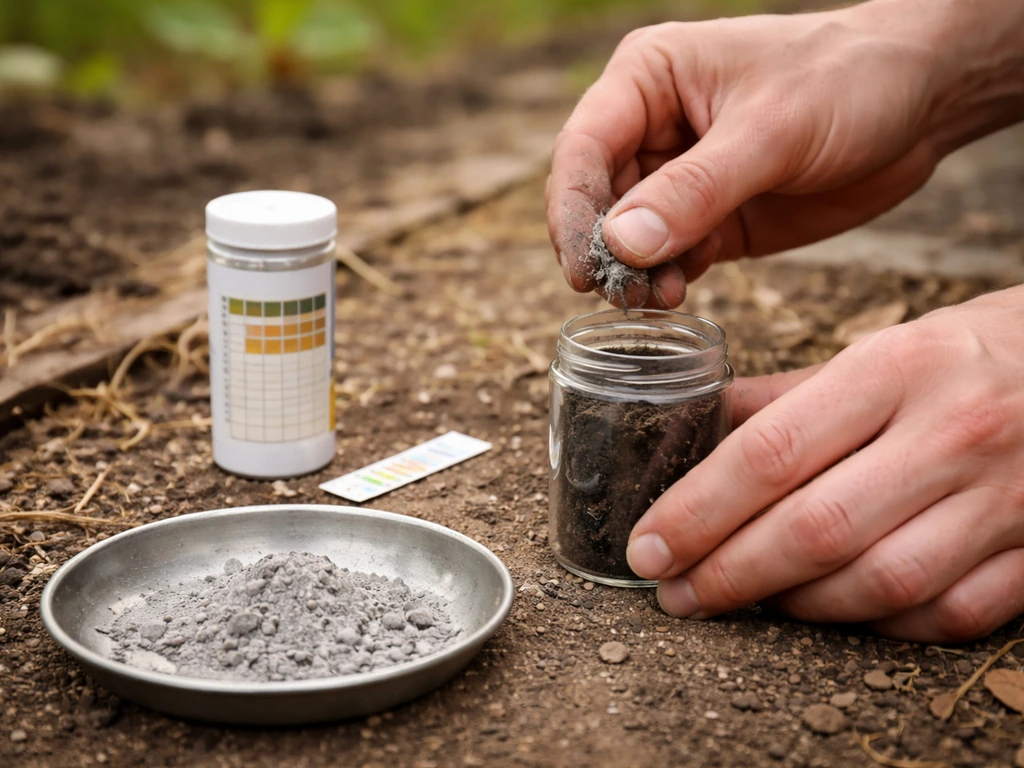
Before you buy seed or do any prep work, spend five minutes assessing what you're actually dealing with. The source and appearance of the ash tells you a lot before you even run a test.
- Check the ash source: Was it pure wood, like logs or untreated lumber? Or did it include painted wood, plywood, pressure-treated boards, trash, or plastics? Clean wood ash is workable. Ash from anything else should be treated as potentially contaminated and removed to a hazardous waste facility, not spread on your lawn.
- Look and smell: Clean wood ash is gray or white and has a faint smoky smell. Ash with black, tarry residue, unusual colors, or chemical odors is a red flag for contamination.
- Estimate depth: Lightly dust (under 1/4 inch) mixed into surface soil is far less problematic than a visible deposit of half an inch or more sitting on top of bare ground.
- Test soil pH: A basic pH test kit from any garden center costs about $10 and gives you a fast answer. You're looking for a reading between 6.0 and 7.2 for most turf grasses. Above 7.5, you have a pH problem that needs active correction before seeding. For a more complete picture, send a sample to your local extension service or a mail-in lab, which will also flag nutrient imbalances and guide your amendment rates.
If you're not sure whether your ash is clean, err on the side of removal rather than incorporation. The cost of a soil test (often $15 to $25 through a state extension lab) is far cheaper than reseeding a failed lawn twice. University of Georgia Extension and University of Missouri Extension both recommend soil testing before any ash application, and that advice is even more relevant when you're trying to rehabilitate an ash-covered area rather than apply a measured amendment.
Prepping the ground so grass actually has a chance
This is where most people either save or lose the job. Prep isn't glamorous but it's the whole ballgame with ash-affected soil.
- Remove excess ash first. If you have more than a very light dusting on the surface, rake or shovel off the bulk of it. Don't try to compensate for a thick deposit by just tilling it in. A half-inch layer raked into the top two inches of soil is still a very high ash-to-soil ratio. Remove it, bag it, and dispose of it properly.
- Loosen the soil. Use a rake, garden fork, or power rake to break up the surface to a depth of two to three inches. Ash often creates a dusty, low-structure surface that doesn't hold moisture or support root development well. You need actual soil tilth here.
- Mix in organic matter. Add compost at a rate of two to three inches spread across the surface and work it into the top four inches of soil. Compost does two important things at once: it adds soil structure and microbial life, and it buffers pH swings. This is probably the single most important amendment step in an ash-affected area.
- Address high pH if confirmed. If your pH test came back above 7.5, you have a few options. Elemental sulfur is the most reliable pH-lowering amendment, but it works slowly (weeks to months). For a faster acting option, gypsum (calcium sulfate) can help improve soil structure and reduce salt stress without dramatically changing pH in the short term, making it a useful companion amendment. Follow the soil test recommendation for rates rather than guessing. Do not add lime, lime-based fertilizers, or anything alkaline.
- Check drainage. Ash can crust and shed water rather than absorb it. Poke the soil surface after watering or rain. If water pools on top rather than soaking in, break up that crust and add more organic matter to improve infiltration.
Choosing the right seed and getting it in the ground properly
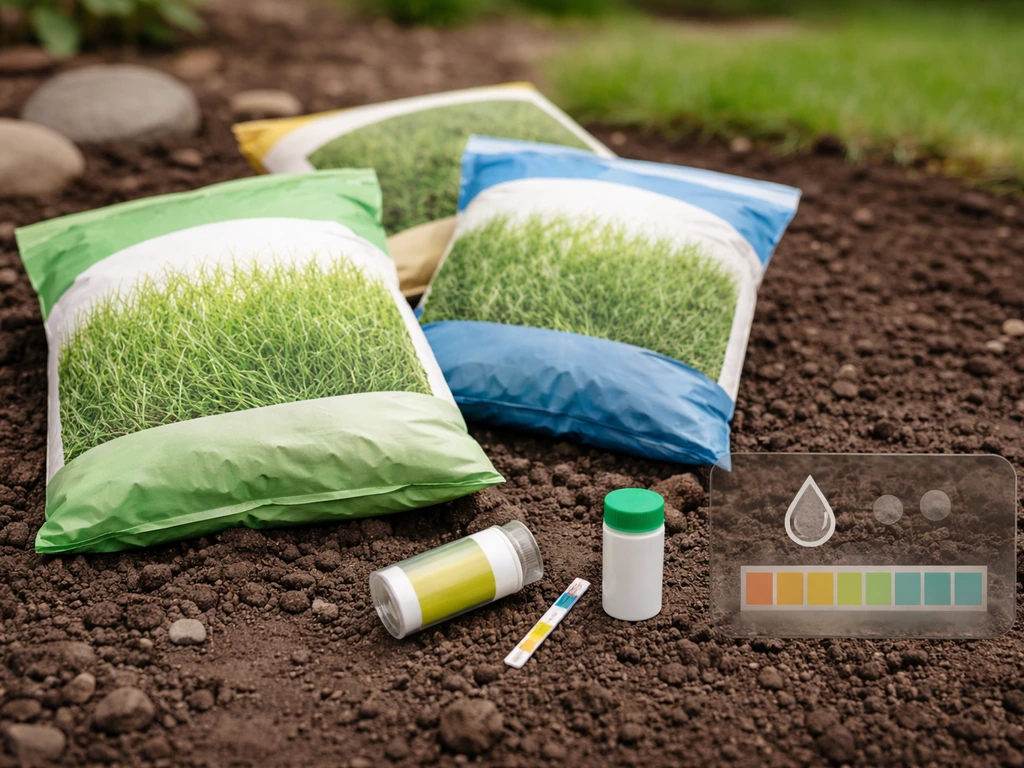
Pick a grass type that fits your pH reality
Even after amendment, ash-affected soil may run slightly above neutral pH for a season or two. This matters for grass selection. Tall fescue and perennial ryegrass are more tolerant of slightly alkaline conditions than Kentucky bluegrass, which tends to struggle above pH 7.0. Bermudagrass and zoysiagrass (warm-season options) can handle mild alkalinity reasonably well. If you're in a situation where you've done your best to amend but know the pH is still sitting at 7.2 to 7.5, lean toward tall fescue or a fescue blend rather than a bluegrass-heavy mix.
Timing, seeding rate, and seed-to-soil contact
Timing matters as much as seed selection. K-State and OSU Extension both pin optimal germination for cool-season grasses at soil temperatures of roughly 60 to 86 degrees F, and warm-season grasses at 68 to 95 degrees F. In July 2026, if you're in the northern half of the US you're in warm-season territory, meaning cool-season seed planted now risks heat stress and slow establishment. You may be better off waiting until late August or September if you're in a cool-season zone. Warm-season grasses planted now will have the advantage of peak soil temperatures.
Seed-to-soil contact is critical and easy to skip. In an ash-affected area where the soil surface may be loose, dusty, or poorly structured, seeds that sit on top rather than in contact with moist soil will fail. Use a power rake or slicer to create shallow grooves no deeper than 1/4 inch (per Purdue guidance), broadcast seed into those grooves, and then roll lightly with a lawn roller to press seed into contact with soil. Don't bury seed more than 1/4 inch. Grass seed needs light to germinate and too much depth kills it.
| Grass Type | Optimal Soil Temp | pH Tolerance | Best for Ash-Affected Soil? |
|---|---|---|---|
| Tall Fescue | 60–75°F | 5.5–7.5 | Yes, good choice |
| Perennial Ryegrass | 60–75°F | 5.5–7.5 | Yes, fast germination |
| Kentucky Bluegrass | 60–70°F | 6.0–7.0 | Marginal, sensitive to high pH |
| Bermudagrass | 75–90°F | 6.0–7.5 | Yes, for warm climates |
| Zoysiagrass | 70–90°F | 6.0–7.5 | Yes, handles mild alkalinity |
Aftercare: watering, germination timelines, and what to do when it fails
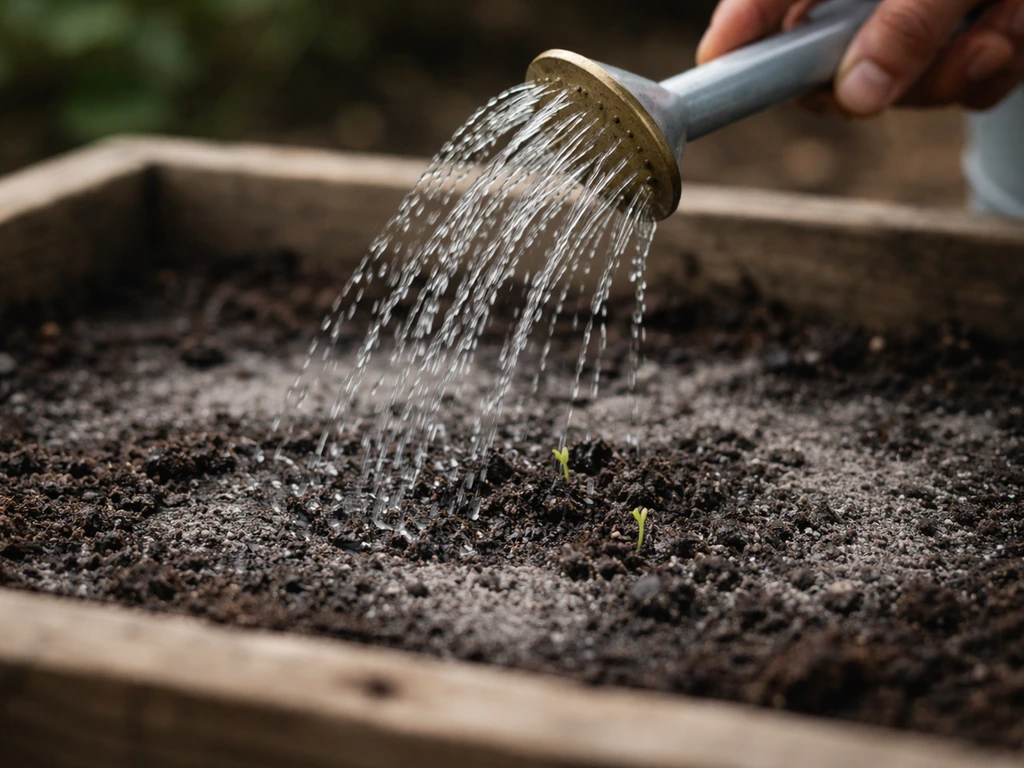
Keep the seedbed consistently moist but not saturated for the first two to three weeks. In ash-affected soil, this is especially important because ash can wick moisture away from seed quickly and because salt stress is highest when the seedbed dries out and salts concentrate at the surface. In general, if you want to know whether sawdust helps grass grow, you should treat it like a carbon-rich mulch that can tie up nitrogen and delay germination when it’s applied too thickly ash can wick moisture away from seed quickly. Light, frequent watering twice daily during the first week works well, then taper to once daily as seedlings establish.
Germination timelines vary. does dead grass help grass grow. Perennial ryegrass is the fastest, typically sprouting in 5 to 10 days under ideal conditions. Tall fescue takes 7 to 14 days. Kentucky bluegrass is notoriously slow and can take 28 days or more even under decent conditions, and even longer if pH or salt stress is present. Don't give up on a seeding at the two-week mark unless you're planting bluegrass, where patience past four weeks is reasonable.
If germination is patchy or thin after the expected window, diagnose before reseeding. Check the pH again, especially in spots where nothing came up. Look for crusting or salt residue on the soil surface (a white or gray crust after drying is a salt flag). Add more compost to failed areas, break up the surface, and reseed with a higher rate. Thin coverage in an ash zone often means isolated pH or salt hotspots, not a uniform problem across the whole area.
When grass just won't cooperate: realistic alternatives
Some ash situations are genuinely too compromised for grass seed to work well, especially if the contamination risk is real or the pH correction is too slow for your timeline. In those cases, here are the honest alternatives.
- Sod: If you need coverage fast and have done proper soil prep (removed excess ash, amended pH, added organic matter), sod bypasses the germination problem entirely. The established root system handles mild pH and salt stress better than germinating seed can. WSU Extension notes sodding costs more than seeding but establishes faster. It's the right call when the seeding window is tight or the area gets heavy foot traffic.
- Hydroseeding: For larger ash-affected areas that are patchy and degraded, hydroseeding (a slurry of seed, mulch, and starter fertilizer sprayed onto the surface) can improve germination rates compared to dry broadcast seeding by keeping seed in better contact with moisture. USU Extension notes it can have higher failure rates depending on conditions, so it's not a magic fix, but it works better than broadcast seed on rough, low-structure ash soil.
- Tolerant groundcovers: If pH keeps rebounding above 7.5 even after amendment, or if the area has irregular moisture and you're tired of fighting it, consider alkaline-tolerant groundcovers. Creeping thyme, clover, and yarrow all handle pH ranges above 7.0 well and provide ground coverage without the same demand for precise pH management. White clover in particular fixes nitrogen and thrives in moderately alkaline soil.
- Raised bed or topsoil overlay: For a small area like a former fire pit spot, sometimes the fastest solution is to excavate the ash-contaminated zone to a depth of four to six inches, bring in clean topsoil or a topsoil/compost blend, and start fresh with a known-good growing medium. This sidesteps the amendment waiting game entirely.
It's worth noting that the question of whether ash helps or hurts grass is closely tied to how much you apply and from what source. Snow and freezing conditions can also affect grass, but the outcome depends on timing and soil moisture rather than ash alone does snow help grass grow. The difference between a light, measured ash application (which can genuinely benefit low-pH or potassium-deficient soil) and a thick unincorporated deposit is the difference between a soil amendment and a soil problem. The same logic applies to other amendments people sometimes consider: sawdust, for instance, creates nitrogen competition issues much like ash creates pH issues, and salt presents its own germination barriers. The throughline with all of these is that the amount and preparation method matters far more than the material itself.
If you're dealing with a fresh ash deposit today, do the assessment first, pull a pH test, remove the bulk of the ash if it's more than a light dusting, and amend with compost before you spend money on seed. That sequence gives you the best realistic shot at a lawn that actually fills in rather than a patchy disappointment that needs reseeding in six weeks.
FAQ
Can I sprinkle a little ash on my lawn and expect it to green up like fertilizer?
A light, measured ash dusting is sometimes tolerated, but grass typically responds poorly if the ash is not mixed and if pH and salts are not checked first. If you do it at all, treat it like a soil amendment, not a top-dressing, then verify pH with a soil test within a few weeks to confirm you did not push past about pH 7.0.
How do I tell if my ash has enough salt to be a problem before I seed?
Look for a dry white or gray crust after the surface dries, that residue often indicates soluble salts. Also, take a pH reading and ideally request a soil test result that reflects salinity or electrical conductivity if your lab offers it. If crusting is obvious or pH is already high, skip seeding until you amend and reduce the ash source.
What should I do if my pH test shows the soil is already above neutral after ash exposure?
Do not add more ash. Instead, focus on removing thick deposits, blending in compost to buffer pH, and retesting. If pH is only slightly high, you can still seed tolerant grasses, but if you are far above neutral you may need more time for pH to come down before expecting good germination.
Is there a safe way to incorporate ash if I cannot remove it all?
Incorporation works only when ash is limited in thickness and mixed into the top several inches so it will not create a high-pH, high-salt hotspot at the surface. If you have an inch or more on bare ground, removal and replacement are usually the more reliable approach before any seeding attempt.
Can I use ash from different sources, like a barbecue grill or a charcoal starter, on the same yard?
You can only treat it as safer if it is confirmed to be wood ash from clean, untreated material and used at a low rate. Charcoal byproducts and mixed fuels can increase contamination and salt issues, so when the source is uncertain, assume it may not be suitable and rely on soil testing or removal.
How long should I wait after adding ash before seeding grass?
If ash is mixed in and you plan to correct pH, waiting a short period helps salts stabilize and gives you a better chance of uniform conditions. Practically, plan to test pH again before seeding if possible, and avoid seeding immediately after heavy ash additions because the surface environment can still be extreme.
Will grass still grow if I seed into ash-covered soil without compost?
It might, but it is a higher-risk strategy because ash-driven pH and salt stress often create uneven germination. Compost helps buffer chemistry and improves the soil structure so seed-to-soil contact stays consistent. If you cannot do compost, expect more patchiness and be ready for hotspot-focused fixes.
What grass should I choose if only part of the yard shows poor germination?
Patchy failure often means localized pH or salt hotspots, so matching the grass blend to the worst areas can help. If those spots are still above neutral after amendment, lean toward tall fescue or a fescue blend rather than Kentucky bluegrass, then reseed blank patches rather than restarting the whole lawn.
How deep should I seed on ash soil if the surface is dusty or loose?
Keep seeding shallow, about 1/4 inch or less, and prioritize firm contact by using a roller. If you skip compaction, seeds may dry out or fail to draw water even when you water regularly, especially where ash creates a loose top layer.
What watering schedule is least likely to cause germination failure in ash soil?
In the first two weeks, keep the top layer consistently moist but not soggy, and water more frequently early so salts do not concentrate at the surface during drying cycles. If you see crusting or white residue returning quickly after watering, reduce drying time between irrigations and consider additional compost or mechanical surface break-up.
If germination is delayed, how do I decide whether to reseed or troubleshoot first?
Use timelines by species, then diagnose before reseeding. If nothing comes up by the expected window for the grass you planted, recheck pH, inspect for salt crust, and break up the surface in non-germinating spots. Reseeding without correcting hotspots often repeats the same failure.
Does rain automatically make ash safe for seeding?
Rain can leach some water-soluble salts, which may reduce salt stress, but it does not eliminate alkalinity or contamination risk from treated or structural fire ash. If you are unsure about the ash source, rely on soil testing and removal of bulk deposits rather than assuming weathering fixes it.
Next Articles
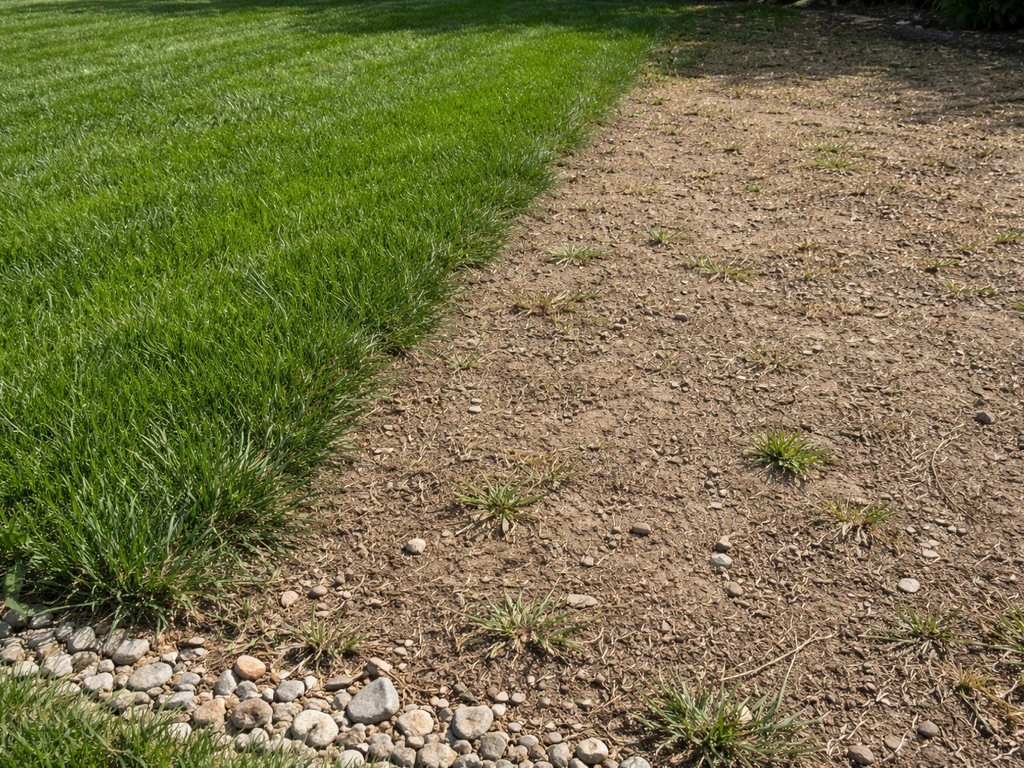
Does Spreading Hay Grow Grass? What to Do Instead
Find out if spreading hay grows grass, why it usually fails, and what to do instead for bare patches today.
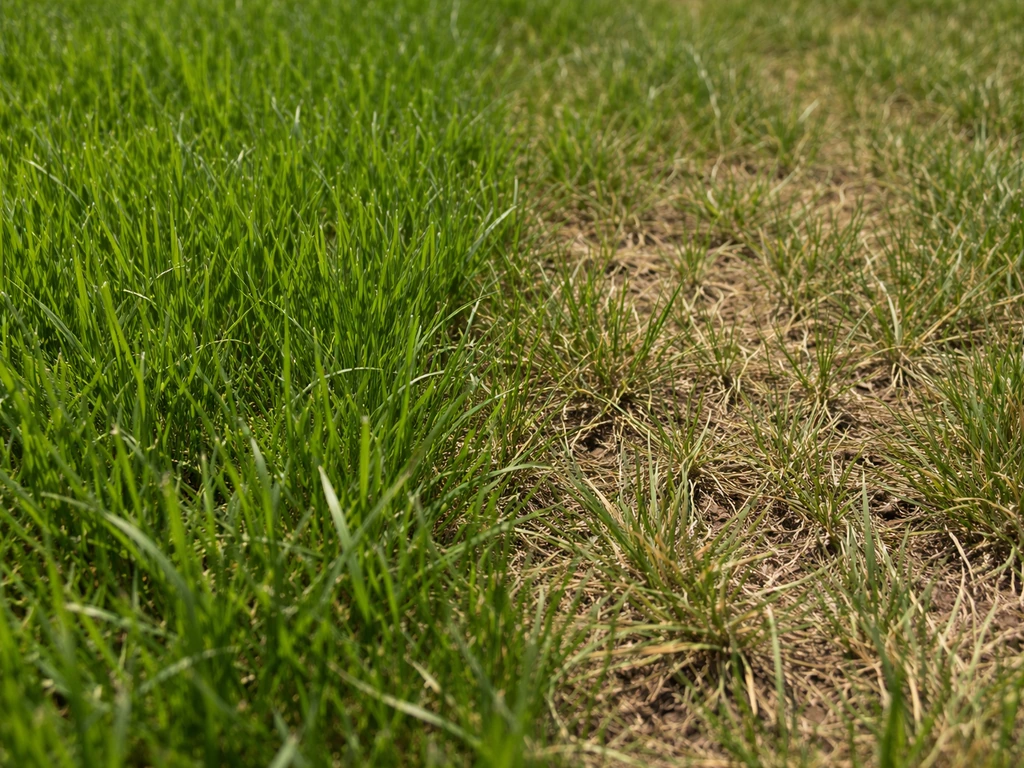
Does Salt Help Grass Grow? Effects, Risks, and Fixes
Learn if salt helps grass grow, how it damages soil and roots, and safer steps to restore and reseed lawns.
Does Sawdust Help Grass Grow? When It Works and How
Learn when sawdust boosts grass via moisture and aeration, and how to avoid nitrogen lockup and stalled growth.