Salt does not help grass grow. Sodium chloride (table salt, rock salt, de-icing salt) actively harms turf by pulling water away from roots, disrupting nutrient uptake, and breaking down soil structure over time. There is no safe amount of salt that benefits lawn grass, and adding salt to your yard in hopes of improving growth will make things worse, not better.
Does Salt Help Grass Grow? Effects, Risks, and Fixes
Marcus Volkmann
25 Jun 2026
What salt actually does to grass
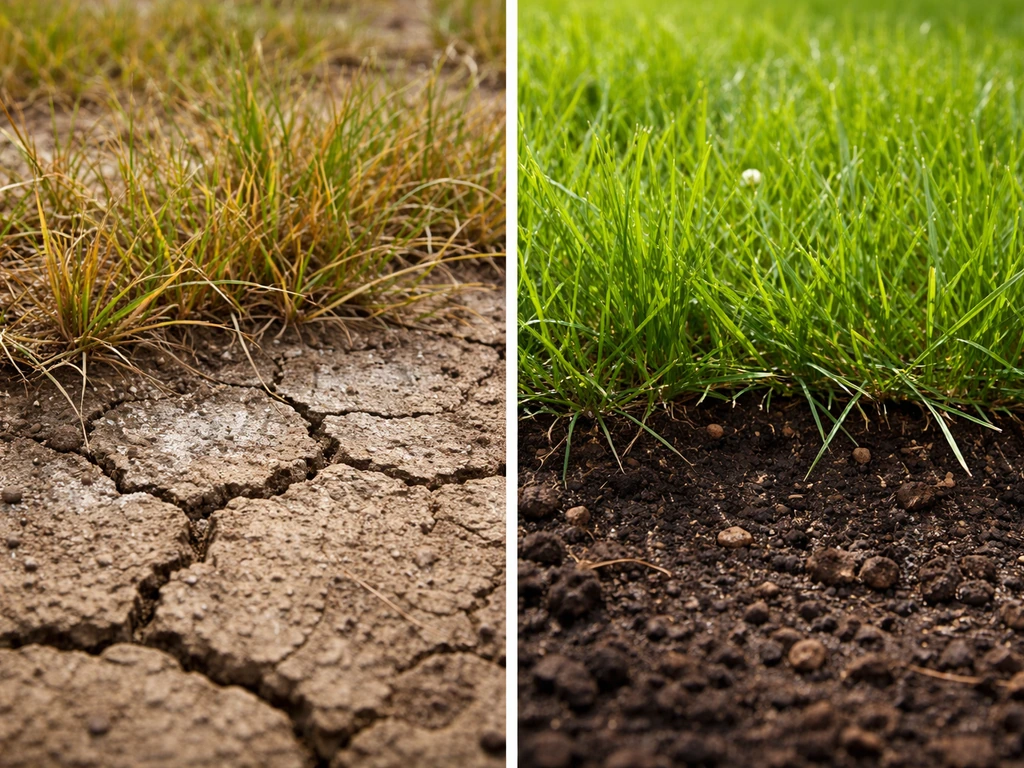
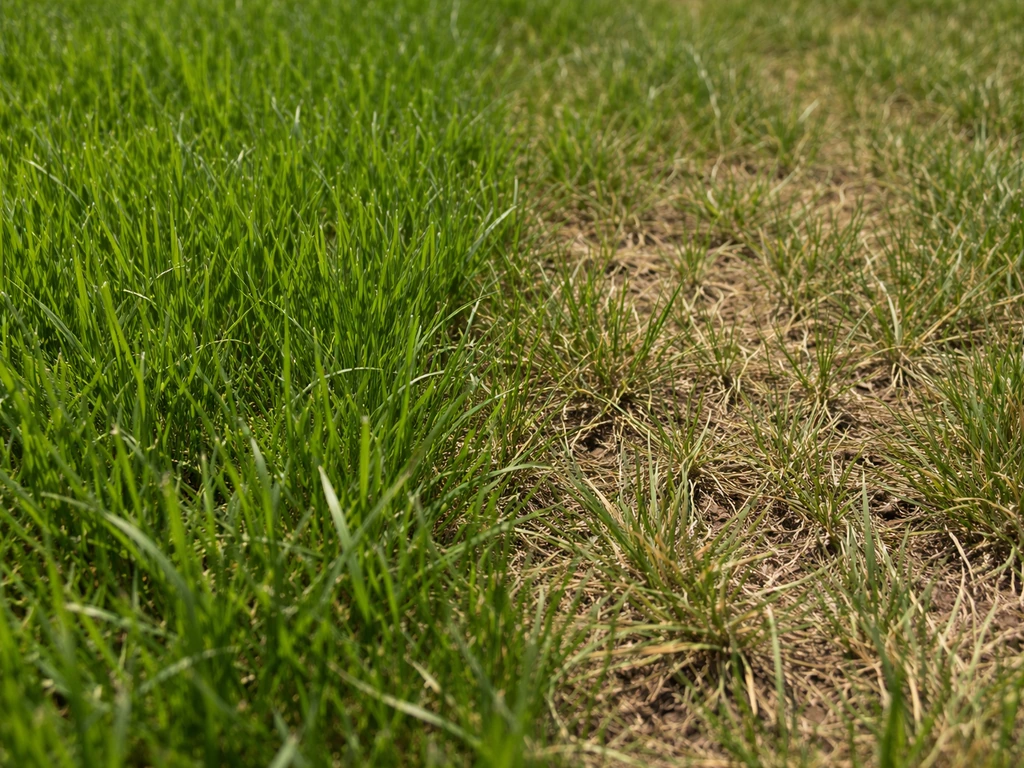
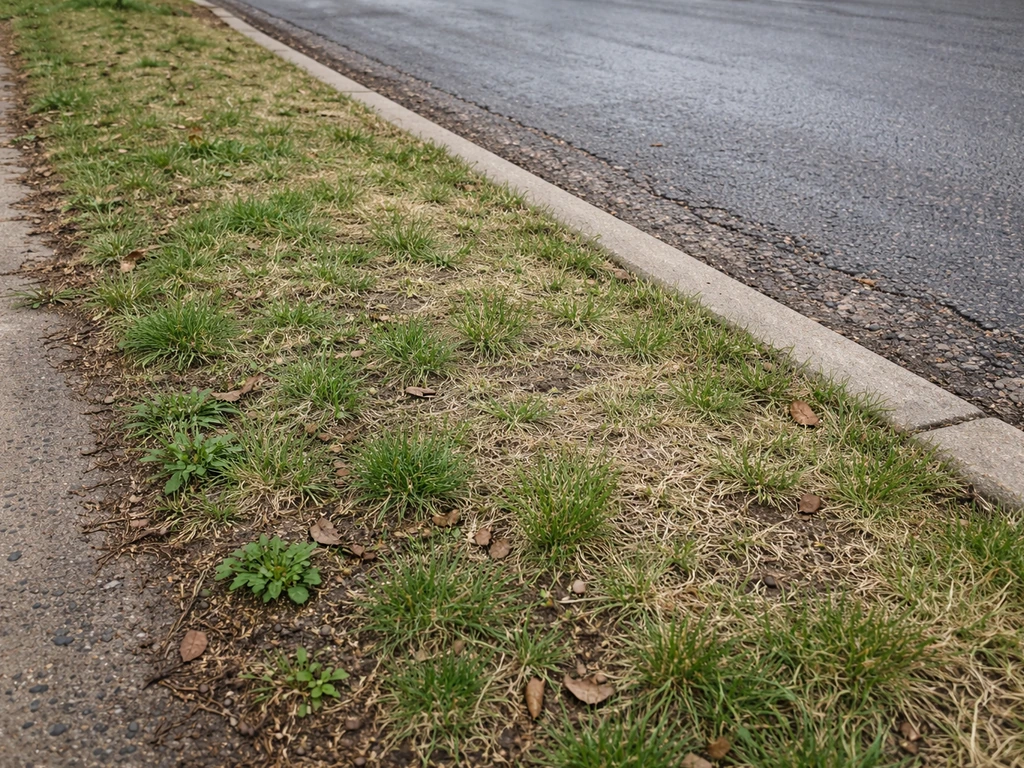
When salt enters the soil, it creates what researchers at Utah State University call 'chemical drought.' The salt makes the soil solution saltier than the inside of plant roots, so instead of water flowing into the roots, the osmotic gradient works against the plant. The grass looks dry and stressed even when the soil is moist, because the roots physically cannot pull water in efficiently. That yellowing, browning, and die-back you see near salted sidewalks in late spring and summer is not winter cold damage. It's osmotic stress catching up with the plant.
The sodium ion itself causes a second problem: it disperses soil particles, particularly in clay-heavy soils. Healthy soil clumps together in aggregates that create space for air and water movement. Sodium breaks those aggregates apart, leaving a dense, compacted layer that restricts root growth and chokes out oxygen. The result is a soil that drains poorly, holds water on the surface, and makes it nearly impossible for new grass seedlings to establish.
Chloride, the other half of sodium chloride, is not harmless either. At high concentrations, chloride ions are taken up directly by plant tissue and become toxic, restricting growth from the inside out. Both ions together create a compounding problem that gets worse the more salt accumulates in the root zone.
Why salt damage is so sneaky
One of the most frustrating things about salt injury is the delay. UMass Amherst Extension points out that de-icing salt damage can show up in summer or even years after the initial exposure, which makes it easy to misdiagnose. This delayed pattern matches Cornell’s discussion of how de-icing salt injury persists and shows up later as turf damage salt damage can show up in summer or even years after the initial exposure. You may salt the driveway in January, see green grass in April, and then watch a strip of lawn die in July with no obvious explanation. The salt was sitting in the root zone the whole time, and the heat of summer pushed the plant past its tolerance threshold.
Why some people think salt might help
A few scenarios cause this confusion, and they're worth addressing directly.
- De-icing runoff near roads: Grass near salted roads sometimes looks better early in the season because competing weeds died first. The turf hasn't been killed yet, so it temporarily looks 'healthier.' This is not salt helping. It's a short-term illusion before root damage becomes visible.
- Salt as a weed killer: Salt does suppress or kill many weeds, which can make a treated area look cleaner. But it also kills desirable grasses and leaves soil chemistry so disrupted that nothing establishes well afterward. Bare ground after salt application is not a clean slate. It's damaged ground.
- Sodium content confusion: Some people confuse 'sodium' as a soil mineral with something grass needs. Grass does not require sodium as a nutrient. The essential macronutrients are nitrogen, phosphorus, and potassium. Sodium at any meaningful soil concentration is a liability, not a resource.
- Epsom salt myth: Magnesium sulfate (Epsom salt) occasionally gets lumped in with 'salt' discussions. Magnesium is a real plant nutrient, but applying Epsom salt without a soil test confirming magnesium deficiency is almost always unnecessary and can create imbalances.
What actually helps grass grow instead
If your lawn is struggling, the real levers are soil pH, fertility, organic matter, and water management. These are not glamorous, but they are the inputs that consistently produce results. Many homeowners also wonder whether sawdust helps grass grow, but it needs to be used carefully to avoid nitrogen loss and soil balance issues does sawdust help grass grow.
Get a soil test first
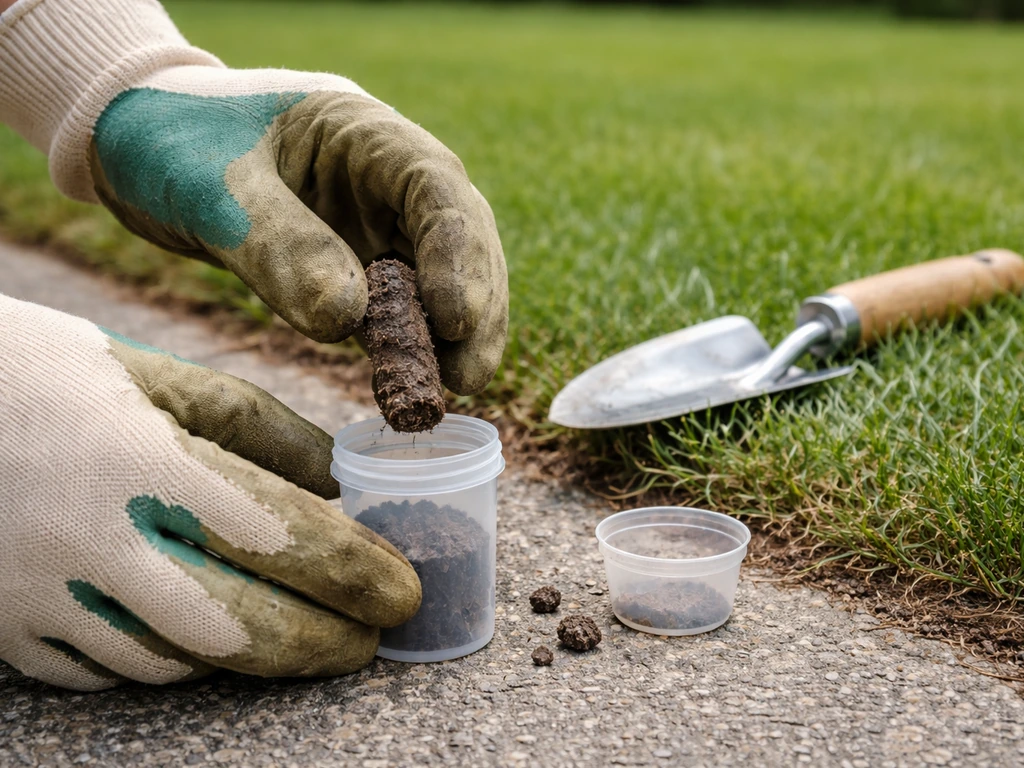
Before adding anything to your lawn, spend the $15 to $25 on a soil test through your state university extension lab. You'll get pH, nutrient levels, and often organic matter content. For cool-season grasses like Kentucky bluegrass, tall fescue, and perennial ryegrass, the optimal soil pH range is 6.0 to 6.8. If your pH is off, lime or sulfur corrections will do more for your lawn than any amount of fertilizer, because nutrient availability collapses outside that range regardless of what you add.
Fertilize based on what the soil actually needs
Nitrogen is the biggest driver of grass growth, and for cool-season lawns the best timing is late summer into fall, with a lighter application in spring. Slow-release nitrogen sources are preferable for established turf because they feed gradually and don't spike the plant into growth it can't sustain. Potassium also matters, particularly before seeding, but NDSU turf guidance warns against applying more than 1.5 pounds of potassium per 1,000 square feet at any one time to avoid creating its own salt-effect problems.
Add organic matter
Compost is the single best general-purpose amendment for most struggling lawns. It improves drainage in clay soils, improves water retention in sandy soils, feeds soil biology, and buffers pH swings. A half-inch topdressing worked into the surface after aeration is a practical, affordable way to build soil over time. Unlike ash, sawdust, or other organic materials that can disrupt soil chemistry if applied incorrectly, compost is low-risk and broadly beneficial.
Water deeply and less frequently
Most homeowners water too often and too shallowly. This keeps grass roots near the surface where they're vulnerable to drought, heat, and foot traffic. Watering deeply once or twice a week pushes roots down, which builds resilience. Established cool-season grass typically needs about 1 inch of water per week from rain or irrigation. The exception is immediately after seeding, where you'll water lightly up to three times a day for the first week to keep the seed zone moist, then taper off as germination occurs.
Finding the real reason your grass isn't growing
Salt is rarely the first or only reason a lawn struggles. Does spreading hay grow grass? Hay can add organic matter, but it usually will not establish new grass the way proper seeding and soil contact do. Before blaming any specific input, run through this basic diagnostic so you're solving the actual problem.
| Symptom | Likely Cause | First Step |
|---|---|---|
| Thin, pale grass across the whole lawn | Low nitrogen or pH too far off | Soil test, then fertilize or lime accordingly |
| Bare strips along sidewalks or driveway edges | De-icing salt damage | Soil test for sodium/salinity, then leach and reseed |
| Patchy growth, soft or spongy areas | Drainage issues or thatch buildup | Aerate, address drainage, topdress with compost |
| Grass won't grow under trees | Shade and root competition | Choose shade-tolerant species like fine fescues, consider overseeding |
| Sparse growth in dry/hot areas | Compaction, low organic matter, or drought stress | Aerate, add compost, adjust watering depth |
| Yellowing that looks like drought but soil is moist | Possible salt damage or iron deficiency | Soil and water test to confirm salinity or nutrient issue |
If you've had de-icing salt applied near the area or live along a road that gets treated in winter, ask your soil lab to specifically test for soluble salts and sodium adsorption ratio (SAR). Standard soil panels don't always include those metrics by default. Knowing whether sodium is actually elevated changes your remediation plan significantly, because the fix for high salt is different from the fix for low nitrogen.
How to fix salt damage that's already in the soil
If you've confirmed or strongly suspect salt damage, the remediation process is straightforward in concept but requires patience in practice.
Leach the salt out with water
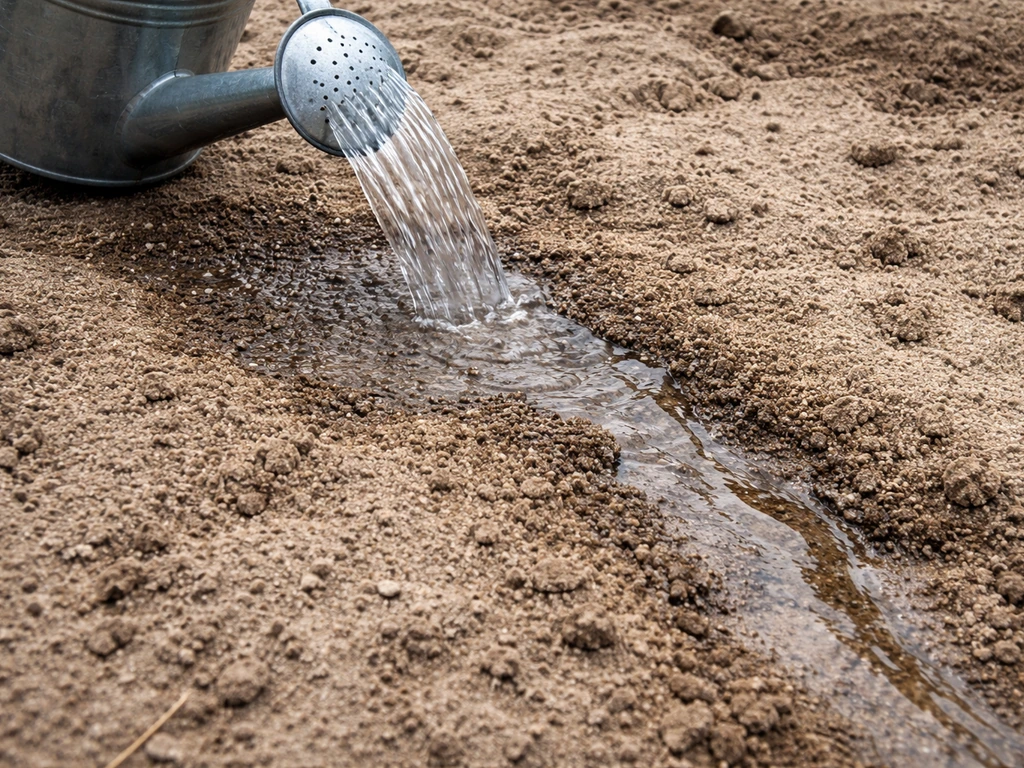
Leaching is the only proven way to move salt out of the root zone. University of Wisconsin Extension recommends applying several inches of clean, low-sodium water to push salt below the grass roots. Utah State University calls leaching the only effective method for salt removal. In practical terms, this means slow, deep watering over multiple sessions using municipal tap water or rainwater, not well water that may itself carry high sodium. If your well water is high in dissolved salts, check with your county extension office before using it for remediation.
The critical catch is drainage. Leaching only works if water can move downward through your soil and carry the salt with it. If your soil is heavily compacted, sodic (sodium-dispersed), or sits over a hardpan layer, water will pool and the salt won't move. In those cases, core aeration before leaching is essential. Multiple passes with an aerator open channels for water to penetrate. If drainage is fundamentally limited by your site, the options become more complicated and may require professional assessment.
Timeline for recovery
Do not expect overnight results. Mild salt damage in well-drained soil can recover in one growing season with consistent leaching and reseeding. Heavier salt loading, particularly from years of repeated de-icing applications, can take two to three seasons. The soil needs time for sodium levels to drop to ranges where grass roots can function normally, and you need favorable seeding windows to get new grass established.
When and how to reseed or sod
For cool-season grasses, the best seeding window is August 15 through September 15. This timing gives the seed warm soil temperatures for germination while the cooling air reduces heat stress and weed competition. Perennial ryegrass can be seeded slightly later, into mid-September. Every week past mid-September reduces the time available for root development before winter.
For salt-damaged areas along sidewalks and driveways, UMN Extension recommends choosing seed mixes that include salt-tolerant fine fescues. They establish reasonably well in those edge zones and hold up better when minor de-icing drift occurs again in future winters. If you're sodding instead of seeding, the same salt-tolerant species selection applies, and the soil prep (leaching, aeration, compost) needs to happen before the sod goes down, not after.
Before reseeding any damaged area, aerate thoroughly. UNL Extension recommends at least three passes with a core aerator when overseeding in the fall. Rake or blow out the cores, topdress lightly with compost, broadcast your seed, and keep the surface moist with light, frequent watering for the first week, then taper to deeper, less frequent irrigation as seedlings establish.
A practical lawn care plan you can start right now
It's late June, which means you're between ideal windows for cool-season grass. Summer seeding is hard on cool-season grasses because of heat and moisture stress. But there's still plenty you can do right now to set up a strong fall recovery. If you are dealing with ash from a fire, you’ll want to treat it as a salt- or nutrient-altering material and manage soil conditions so grass can regrow.
- Get a soil test this week. If you suspect salt damage, ask specifically for soluble salts and SAR. Otherwise a standard test covering pH, nitrogen, phosphorus, and potassium is the starting point.
- Begin leaching salt-affected areas now if you've confirmed or suspect high soil sodium. Start slow, deep watering cycles using low-sodium water. This work takes weeks, so starting now gives you the best soil conditions by late August.
- Aerate compacted or salt-damaged areas in late July or early August to open drainage channels before the fall seeding window.
- Correct soil pH if the test shows it's off. Apply lime (to raise pH) or sulfur (to lower it) at least a few weeks before seeding. For new areas, lime can be worked into the top 4 to 6 inches before seeding.
- Plan your seeding for August 15 through September 15. Select a seed mix appropriate for your conditions: fine fescues for shaded or salt-prone areas, tall fescue or Kentucky bluegrass for full sun.
- After seeding, water lightly up to three times per day for the first week, then transition to deeper, less frequent watering as germination takes hold.
- Apply a starter fertilizer (higher phosphorus) at seeding for new areas, then transition to a balanced slow-release nitrogen program in fall once the grass is established.
The theme connecting all of this is the same regardless of whether your problem is salt, shade, compaction, poor drainage, or sandy soil: know what you're actually dealing with before adding inputs, fix the root cause rather than the symptom, and work with your seasonal timing rather than against it. Salt is not a shortcut to better grass. It's a detour that creates more work down the road.
FAQ
If salt doesn’t help grass grow, can I use small “spot” amounts to patch a bare area near a sidewalk?
Avoid it. Even localized applications can raise soluble salts and create osmotic stress in that specific root zone, which may not show symptoms until later summer. Instead, remove the stressed turf if needed, test the soil, then reseed with proper soil contact and a compost topdressing after aeration.
How can I tell whether my lawn problem is salt injury versus drought or fertilizer burn?
Salt injury often looks stressed even when the soil is moist and tends to form bands or edges near treated areas. A key differentiator is delayed die-back (sometimes months after exposure). The most reliable check is a soil lab report that includes soluble salts and sodium adsorption ratio (SAR), since drought and fertilizer issues won’t show high sodium metrics.
Will watering more frequently “wash out” salt without leaching?
Not really. Light or frequent watering tends to keep roots in the upper soil, where salt concentrates, and it may increase stress. Leaching requires slow, deep watering over multiple sessions so water moves downward through the profile and carries salt away from roots.
Does salt injury get better on its own if I stop applying de-icing salt?
Sometimes, but not fast enough to count on. Salt can linger in the root zone for a long time, and symptoms can appear long after the original exposure. Recovery usually needs leaching plus re-establishing grass in the right fall window, especially in repeatedly salted areas.
Can rain water remove de-icing salt from the lawn?
Rain helps only if it comes in sufficient quantity and the soil allows downward movement, meaning drainage is good. If the soil is compacted or sodium-dispersed, water may pool and salt won’t move. In those cases, core aeration before leaching is usually the difference between progress and stalled recovery.
What kind of water should I use for leaching, tap water, rainwater, or well water?
Use low-sodium water. Municipal tap water or collected rainwater is often preferred for remediation, while well water can be risky if it already has elevated dissolved salts. If you are on a well, test the water first or ask your county extension office before using it to leach.
How long does it take to see results after leaching and reseeding salt-damaged areas?
Mild, well-drained cases may improve within one growing season, but repeated de-icing exposure often takes two to three seasons. Also plan for a reseeding timeline, since waiting too long after remediation can reduce the time new roots have to establish before winter.
Is it safe to compost or topdress over salt-damaged soil right away?
Compost topdressing is generally beneficial, but salt must still be addressed. The practical sequence is aerate if drainage is an issue, then leach, then topdress and seed. Applying heavy amendments without first improving drainage and reducing salts can leave new seedlings stuck in a still-salty root zone.
Will core aeration alone fix salt damage without leaching?
Aeration can improve water movement and oxygen, which is necessary for remediation, but it does not remove salts by itself. For actual salt reduction, you still need leaching so dissolved salts travel below the root zone through those aeration channels.
Are some grass types more tolerant if I cannot remediate immediately?
Yes, fine fescues tend to perform better in edge zones that see de-icing drift. Even with tolerant seed, you will still want to verify sodium levels and manage drainage, because tolerant grass can only withstand a limited salt load before growth slows or patches die back.
Does rock salt behave differently from table salt in lawns?
Both contain sodium chloride, so the core mechanism is the same, osmotic stress plus sodium-related soil structure problems. De-icing products can differ in additives, but if sodium chloride is the active salt component, you should assume lawn harm and treat the site with the same diagnostic and remediation approach.
Should I test for soluble salts and SAR every time I see yellowing grass?
Not every time, but test when symptoms match salt exposure patterns, like bands near sidewalks or delayed die-back, or when standard fixes (watering schedule, fertilization, and pH correction) do not help. Having soluble salts and SAR data changes your plan, since remediation focuses on salt movement and sodium management.
Next Articles
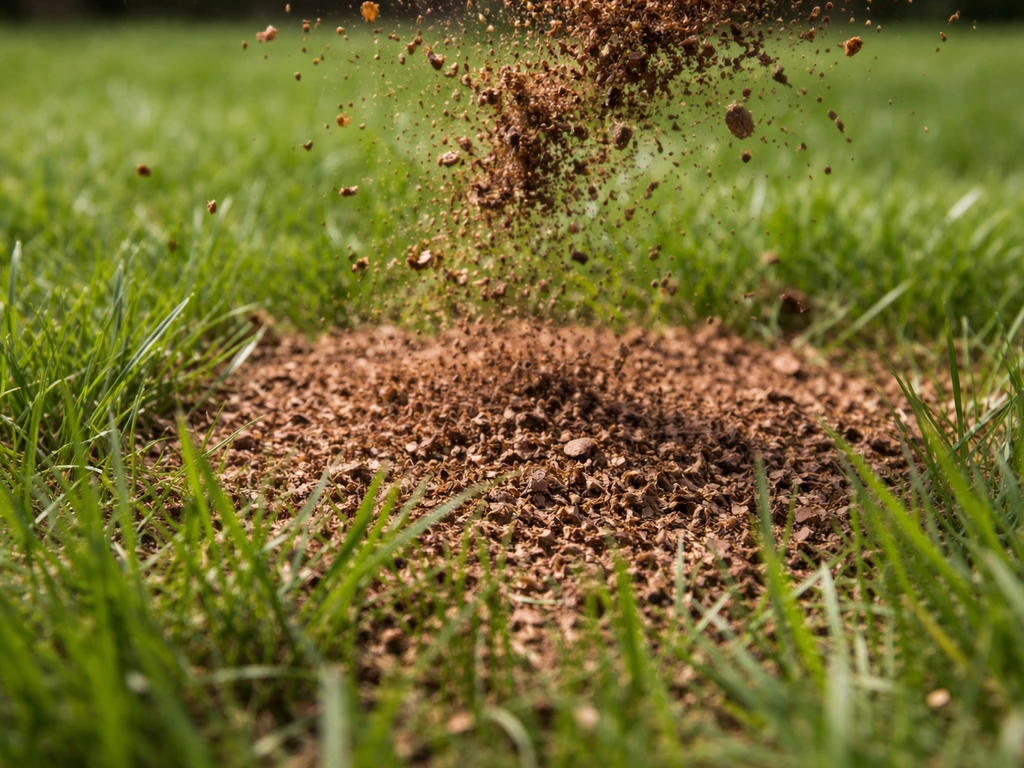
Does Sawdust Help Grass Grow? When It Works and How
Learn when sawdust boosts grass via moisture and aeration, and how to avoid nitrogen lockup and stalled growth.
Does Snow Help Grass Grow? What to Do After Thaw
Yes, snow can protect grass by insulating crowns, but wet melt can harm. Learn what to do after thaw to recover.
Does Dead Grass Help Grass Grow? What to Do Now
Get a clear answer on dead grass: when to rake dethatch, fix causes, and revive patches with mowing, watering, aeration.