
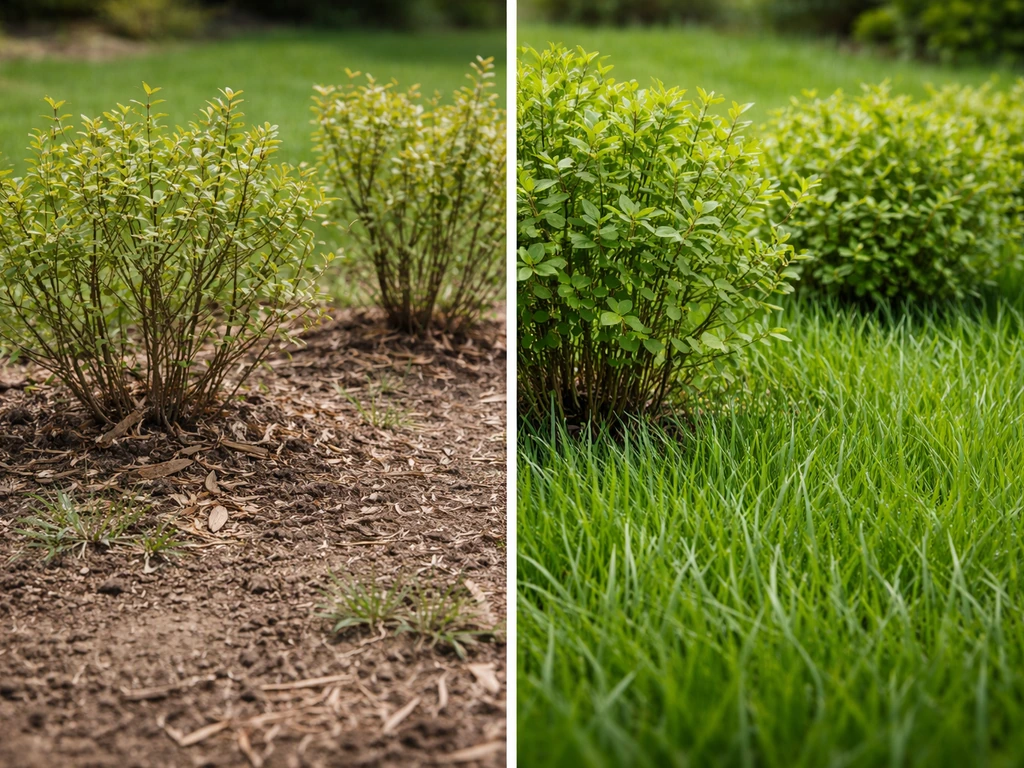
Grass fills in faster than shrubs and bushes because turfgrass is literally built for rapid, aggressive ground coverage. A grass seed can germinate in 5 to 21 days depending on species, and once it sprouts it spreads sideways through stolons or tillers almost immediately. A shrub, by contrast, puts most of its early energy underground, building a root system before you see much happening above the soil line. That means if you seed grass at the same time you plant shrubs, or shortly after, the grass will almost always win the real estate battle first.
Why Can’t Bushes and Shrubs Grow Before Grass
Marcus Volkmann
16 Jun 2026
Why grass usually establishes faster than shrubs
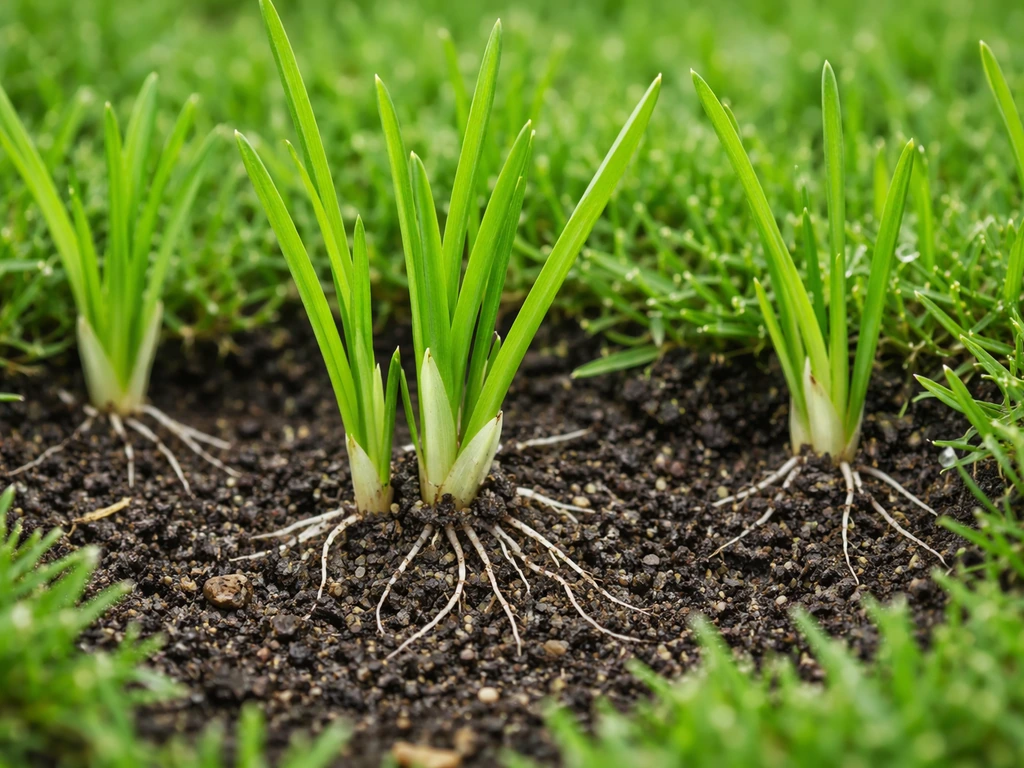
Turfgrass species are essentially opportunists. They evolved to bounce back fast after grazing, drought, or disturbance. New leaf growth on grasses happens at the base of the plant, which is why mowing doesn't kill them and why they recover from setbacks so quickly. Shrubs don't have that trait. When a shrub is damaged or stressed, it takes real time to redirect energy and produce new growth.
The numbers tell the story clearly. Cool-season grasses like Kentucky bluegrass or tall fescue can go from bare soil to a recognizable stand in three to six weeks. A shrub like a rose, viburnum, or juniper planted from a container might take an entire growing season just to anchor its roots firmly enough to start vertical growth. During that entire window, any grass seeds in the area, including those lurking in your soil's seed bank, are germinating, spreading, and muscling into the space around your shrub's base.
There's also the growth pattern difference. Grass spreads horizontally and low, filling every gap at soil level. Shrubs grow vertically and don't fill lateral ground space quickly. So even when a shrub is technically alive and growing, it leaves bare ground around its base that grass happily colonizes.
Light, shade, and root competition: the main drivers
Light is where things get interesting, especially if you're planting shrubs under or near trees. If you're wondering can grass grow under trees, this light issue is often the deciding factor. Grass struggles in shade, and shrubs often tolerate it better, which is part of the reason people try to use shrubs as a ground-level solution under tree canopies. In many cases, will Bermuda grass grow under trees depends more on shade and root competition than on watering alone. But here's the catch: while dense tree canopies do restrict light intensity enough to weaken turf, they also restrict it for your newly planted shrubs, slowing establishment for everything.
Root competition is the other half of this equation. Trees have extensive, often shallow root systems that compete hard for water and nutrients. That same competition hits your shrubs too, not just the turf. In open sun areas without tree competition, grass roots and shrub roots both have access to soil resources, but grass spreads faster so it gets there first and begins pulling moisture and nutrients before shrub roots are wide enough to compete effectively.
Penn State Extension research on shade conditions confirms that turf growing under restricted light develops shortened roots, reduced shoot density, and decreased vigor overall. Ironically, this means shaded areas where grass struggles are actually some of the better places to establish shrubs, because the turf competition is weakened. In full sun, where grass is at its most aggressive, shrubs face the toughest competition during their vulnerable establishment phase.
Soil conditions: fertility, compaction, drainage, and sand
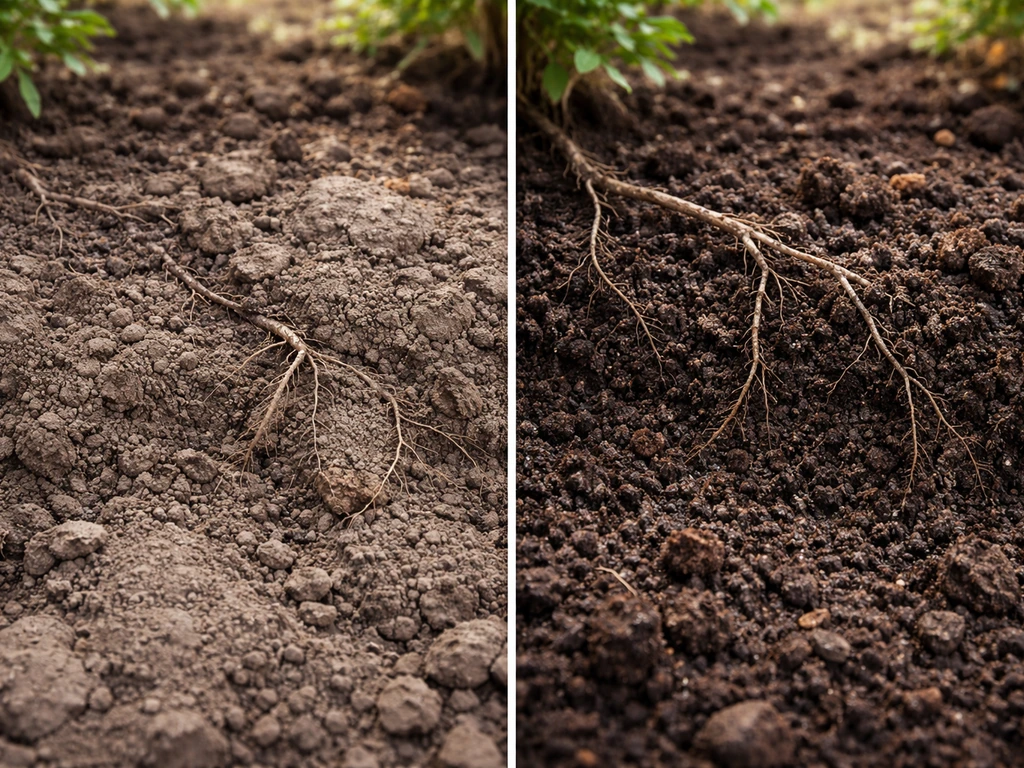
Soil is where most shrub establishment failures actually originate, even when people blame grass competition. Compacted soil is a serious problem. Shrub roots need to penetrate 12 to 18 inches to anchor the plant and access deep moisture, but compacted soil or heavy clay can stop root extension at just a few inches. Grass, with its naturally shallower root system, handles mild compaction much better than shrubs do.
Sandy soil is the opposite problem. It drains so fast that newly planted shrubs, which can't yet access deep moisture reserves, dry out between waterings. Grass, especially drought-tolerant species, can go dormant and recover from dry spells that would kill a shrub in its first summer.
Fertility matters too, but not in the way most people assume. Grass actually thrives on moderately fertile soil and can be outcompeted by itself in overly rich conditions, producing lush top growth at the expense of roots. For shrubs, the bigger issue is pH and organic matter. Most landscape shrubs want a pH between 5.5 and 7.0, and they establish much faster in soil that has adequate organic matter to hold moisture and support microbial activity. If your soil is poor and compacted, amending it before planting shrubs is not optional, it's the difference between establishment and failure.
Drainage is equally critical. Shrubs planted in spots where water pools will rot their roots within a single season, while turf in the same area might survive simply because grass roots sit shallower and dry out faster. If you have standing water after rain, address that drainage problem before you plant anything.
Timing and temperature: when to plant shrubs vs. when to seed grass
Timing is probably the most misunderstood part of this whole problem. People tend to do everything at once: plant shrubs, seed grass, mulch, and irrigate all in the same weekend push. That approach almost always results in grass beating shrubs to establishment because the conditions that favor grass germination overlap with the conditions that stress newly planted shrubs.
Cool-season grass seed germinates best when soil temperatures are in the 50 to 65°F range at the root zone. That window typically lands in late August through October in most northern regions, and again in early spring. Shrubs, on the other hand, benefit from being planted in early fall before the ground freezes, or in early spring after frost risk passes, so their roots can grow without the stress of summer heat. The windows overlap, which is why so many people accidentally set up a competition.
Kentucky bluegrass root growth, for example, drops sharply when soil temperatures hit 90°F in the surface inch. That same heat stresses new shrub transplants. The practical takeaway: plant your shrubs first, in early fall if possible, and hold off on grass seeding until the shrubs have had at least one full growing season to root in. If you're using sod instead of seed, the timing pressure is slightly less severe, but the shrubs still need a head start.
| Task | Best Timing | Why |
|---|---|---|
| Plant container shrubs | Early fall (Sept–Oct) or early spring | Cooler temps reduce transplant stress; roots grow before/after heat |
| Seed cool-season grass | Late Aug–Oct (soil 50–65°F) | Optimal germination temps; less heat stress on seedlings |
| Lay sod | Early fall or spring | Cooler temps help sod root before stress; less irrigation needed |
| Mulch shrub beds | Immediately after planting | Suppresses grass germination while shrubs establish |
| Apply pre-emergent herbicide around shrubs | Spring before soil hits 55°F | Stops grass seed from germinating in shrub beds |
How to plant shrubs first without grass taking over
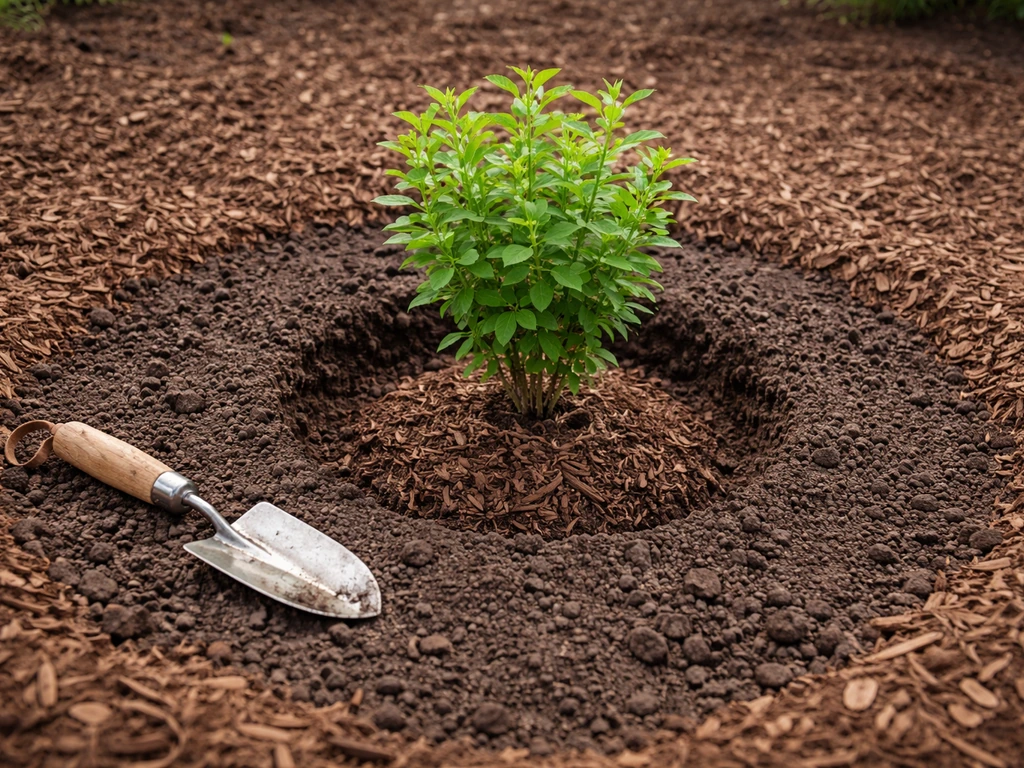
The single most effective thing you can do is give your shrubs a meaningful head start, then actively block grass from moving in during the establishment window. Here's the sequence that actually works:
- Prepare the bed before planting. Loosen soil to at least 12 inches deep, amend with 3 to 4 inches of compost worked in, and correct pH if needed. This is your one chance to fix compaction and drainage without disturbing roots later.
- Plant shrubs at the correct depth. Crown at or slightly above soil level for most species. Planting too deep is a leading cause of slow establishment and eventual decline.
- Apply 3 to 4 inches of hardwood mulch immediately after planting. Cover the entire bed, not just around each plant. Keep mulch 2 to 3 inches away from the shrub stems to prevent rot.
- Install a physical border. Steel or aluminum edging set at least 4 inches deep prevents stoloniferous grasses like bermuda or zoysia from creeping into the bed underground.
- Consider a weed barrier fabric under the mulch, but use a permeable landscape fabric, not plastic sheeting. Plastic suffocates soil biology and causes long-term problems. Fabric slows grass without cutting off air and water.
- Apply a pre-emergent herbicide labeled for use around established shrubs in spring. Products containing oryzalin or trifluralin are commonly used in landscape beds and prevent grass seeds from germinating. Do not apply to freshly seeded grass areas, only to the shrub bed.
- Check for grass encroachment every two weeks during the first growing season and hand-pull or spot-treat anything that breaks through.
The mulch layer is your most powerful tool here. A 3 to 4 inch layer of organic mulch blocks nearly all light from reaching the soil surface, which prevents grass seed from germinating and suppresses existing grass trying to spread into the bed. It also holds soil moisture, moderates soil temperature, and feeds your shrub roots as it breaks down. It does everything at once.
Managing irrigation and mowing while shrubs get established
Irrigation is where most people inadvertently help grass beat their shrubs. Frequent, shallow watering is perfect for grass seed germination and for keeping turf lush, but it does almost nothing for shrub root development. Shrubs need deep, infrequent watering that encourages roots to chase moisture downward. If your irrigation system is running short cycles daily to support new grass, your shrubs are getting the worst of both worlds: surface moisture that encourages shallow roots, plus grass competition at the soil surface.
For shrub establishment, water deeply two to three times per week for the first month, then taper to once per week through the first summer. Each watering should wet the soil 8 to 12 inches deep. A simple soil probe or long screwdriver pushed into the ground tells you exactly how deep you're getting. If you're also trying to grow grass in adjacent areas, run those zones on separate schedules, more frequent and shallow for turf, deeper and less often for shrubs.
Foot traffic and mowing are the other half of this. Mowing adjacent turf areas too close to your shrub beds is a consistent problem. Mower decks kick grass clippings, weed seeds, and stolons directly into your mulched beds. Mow along the bed edge carefully, and consider leaving a slightly higher mowing height near the border so the grass is less aggressive at the edge. For foot traffic, don't let people cut corners through shrub beds during establishment. Compaction from foot traffic undoes all your soil prep work.
Troubleshooting when shrubs still won't get ahead of grass
If you've done the mulching, planted at the right time, and managed irrigation correctly, but grass is still winning, you're usually dealing with one of a handful of specific problems. Work through this checklist before giving up or replanting: If grass still won't grow under trees, work through the shade and root-competition causes before you change products or replant grass won't grow under trees.
- Mulch depth is under 3 inches: Refresh it. Mulch compresses and decomposes faster than most people expect, especially in wet climates. Top up to 4 inches every spring.
- Rhizomatous grass like bermuda or quackgrass is spreading underground: Fabric and mulch alone won't stop this. You need deep edging, and in serious cases, a non-selective herbicide like glyphosate applied before bed preparation, followed by a full replant.
- Soil is still compacted: If shrubs are not growing despite adequate water and time, dig down 6 inches next to a struggling plant. If the soil is dense and gray rather than loose and brown, you have a compaction or drainage problem that mulch can't fix from the top. Core aerate or subsoil the bed and re-amend.
- Shrub species is wrong for the site: Some shrubs simply don't establish well in full sun and heat. If you're seeing leaf scorch, wilting, and poor root development consistently, reconsider the species. Shade-tolerant shrubs planted in full sun establish slowly and are always vulnerable to competition.
- Irrigation is inconsistent: Skipped waterings during the first summer are a common cause of failure. Set automated reminders or use a simple drip irrigation system with a timer in the shrub bed.
- The grass species is extremely aggressive: Bermuda grass in warm climates and creeping bentgrass in cool climates are notorious for invading shrub beds despite best efforts. If this is your situation, consider transitioning the shrub bed entirely to a mulched or hardscaped area and relocating your turf boundary.
When to consider grass alternatives under or around shrubs
Sometimes the right answer is to stop fighting the biology and change the plan. This is especially true in areas under tree canopies, where both grass and shrubs struggle for the same reasons: restricted light, root competition, and moisture stress. In many landscapes, that same light and root competition is why grass often struggles to establish under redwood trees under tree canopies. If your goal is grass under trees, you will get better results by focusing on light and root competition as much as on seeding and watering how to get grass to grow under trees. If you're in that situation, it's worth looking at what to put in the space instead of persisting with turf or landscape shrubs that won't thrive. In many cases, that means choosing ground cover under trees where grass won't thrive what to put in the space instead. Ground covers like creeping Jenny, pachysandra, or liriope establish in conditions where turfgrass fails, and they compete far less aggressively with nearby shrubs than turf does.
If you do want grass in the vicinity of shrubs, focus on shade-tolerant turf species and keep mowing height at the high end of the recommended range (3. That same strategy also helps answer the common question of whether will grass grow under crepe myrtle, since the tree canopy and root competition can make turf struggle grass in the vicinity of shrubs. 5 to 4 inches for most cool-season grasses in shade). Taller grass develops deeper roots, competes less aggressively at the surface, and is less likely to invade mulched shrub beds. Grass that's mowed short near shrub beds is aggressive and invasive; grass maintained tall tends to stay put.
The core takeaway is simple: shrubs don't fail to establish because they're weak, they fail because they need specific conditions that most people don't set up deliberately. Get the soil right, mulch immediately, give shrubs a seasonal head start before any grass seeding happens, and manage irrigation separately for shrubs and turf. Do those four things and the timeline shifts dramatically in your favor.
FAQ
If I want both shrubs and grass, do I need to plant them at different times, or can I mix them in one weekend?
It usually needs a staggered plan. Grass seed germinates best in a cooler, wetter soil-temperature window that often overlaps with the stress period for fresh shrub transplants. Plant shrubs first (early fall if possible), mulch them, then wait until they have at least one full growing season before seeding grass, so the shrubs’ root system can handle competition.
What’s the best way to stop grass from “invading” the mulch around shrub beds?
Mulch helps most when the border is treated like a barrier zone, not just a layer. Keep the mulch 3 to 4 inches thick right up to the bed edge, and consider adding a physical edging or a buried weed-barrier strip so stolons and seedling roots can’t creep under the border during establishment.
Does mowing frequency matter if I’m trying to keep grass out of shrub beds?
Yes, mowing can directly speed up invasion. When turf is cut often and kept short near the bed edge, it encourages dense, low growth that spreads across soil and over the mulch boundary. Maintain the turf at the high end of the recommended mowing height near shrubs, and mow away from the bed if your mower tends to throw clippings.
How deep should I water shrubs if I’m also irrigating a lawn nearby?
Use separate watering schedules and water shrubs deeper but less often. A practical target is wetting the shrub root zone 8 to 12 inches per cycle, then tapering as the plant establishes. If your system runs short, frequent cycles for turf, shrubs stay shallow-rooted and lose the competition.
Can I seed grass directly over/inside the mulch, or should I avoid that completely?
Avoid seeding on top of the mulch layer you plan to use for shrub establishment. A 3 to 4 inch mulch depth blocks light needed for grass germination and helps suppress existing turf spread, so grass seed typically fails or comes up thin and then crowds into any exposed soil.
Why does grass sometimes grow back fast even when I thought I controlled it?
Often it’s coming from established turf that spreads via stolons or from weed-turf already in the soil seed bank. If you notice rapid “patches” around shrub bases, check for exposed soil at the bed edge, thin mulch spots, and whether your irrigation is creating consistently damp surface conditions that favor grass seedlings.
Will taller grass make it easier for shrubs to establish, especially in partial shade?
Usually yes. Taller mowing helps reduce aggressive surface spread, and in shade it also limits how quickly turf seedlings can colonize small gaps. Keeping grass higher near shrub beds reduces the odds that grass forms a dense mat at the soil surface where shrub roots are just trying to anchor.
What soil problems cause shrubs to fail even if grass seems fine?
Two common ones are compaction and drainage. Compacted soil can prevent shrub roots from penetrating deep enough to reach stable moisture, while turf tolerates mild compaction better. Poor drainage, like standing water after rain, can rot shrub roots within a season even if turf survives because its roots sit shallower.
If my shrubs are established, can I then seed grass without losing them?
Usually the risk is much lower after establishment, but timing still matters. Once shrubs have a solid root base, they can better tolerate turf competition and irrigation changes. Still, avoid seeding during peak summer heat stress, and switch to a lawn-focused schedule only after shrubs can handle less frequent surface moisture.
What should I do under trees if grass keeps losing to root competition and shade?
Treat it as a lighting and root-space problem, not just a watering issue. Many landscapes use either shade-tolerant turf or non-turf ground covers that are less competitive with tree roots. If you keep trying to seed lawn, expect repeated failures unless you significantly manage light exposure and root competition.
Next Articles
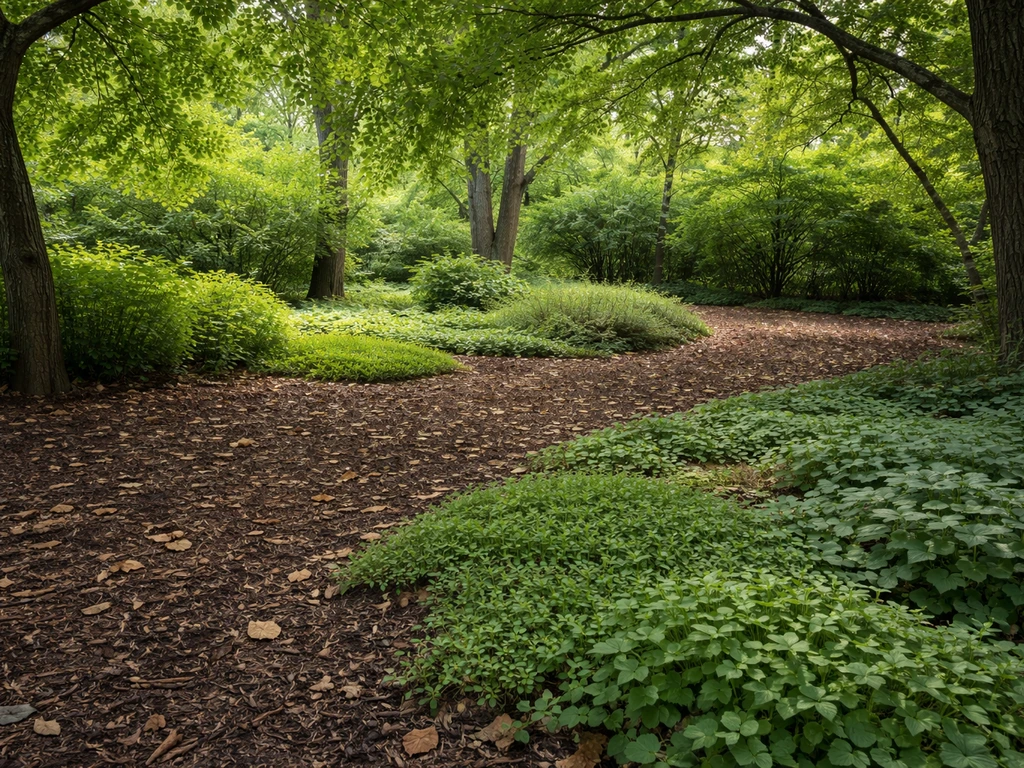
What to Put Under Trees Where Grass Won’t Grow
Step-by-step ideas for what to put under trees so grass fails less, with shade and moisture tolerant groundcovers.
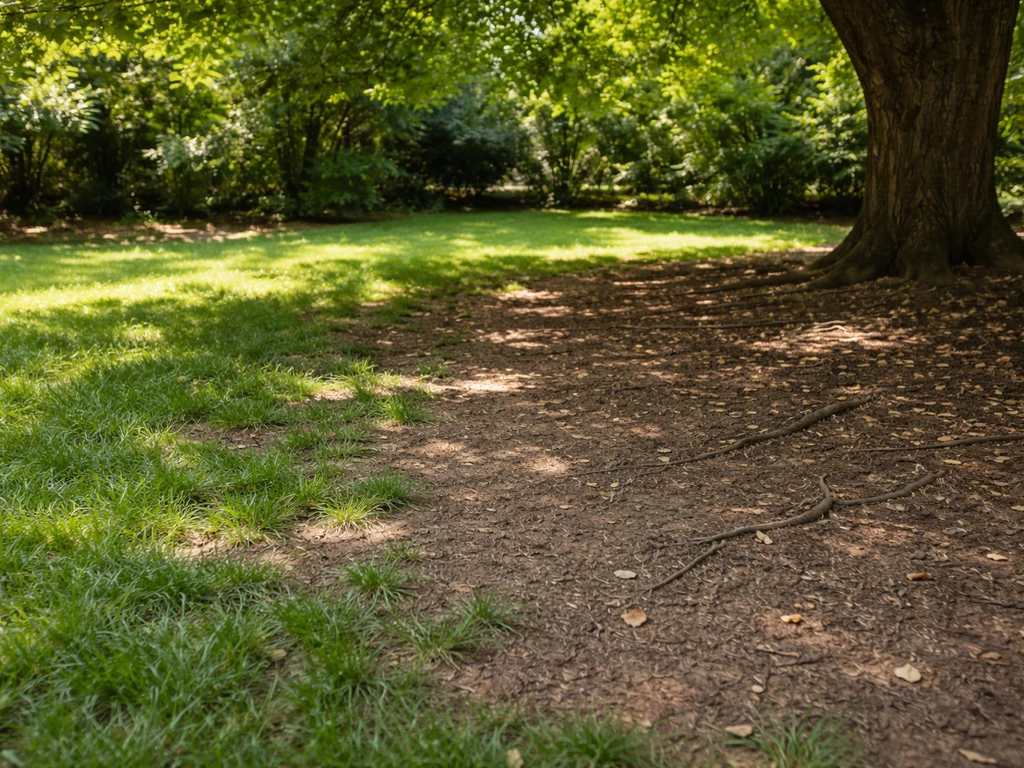
Can Grass Grow Under Trees? Fix Shade and Soil Fast
Yes, but shade, roots, and soil block it. Fix pH, topdress, plant shade grass, and overseed for success.
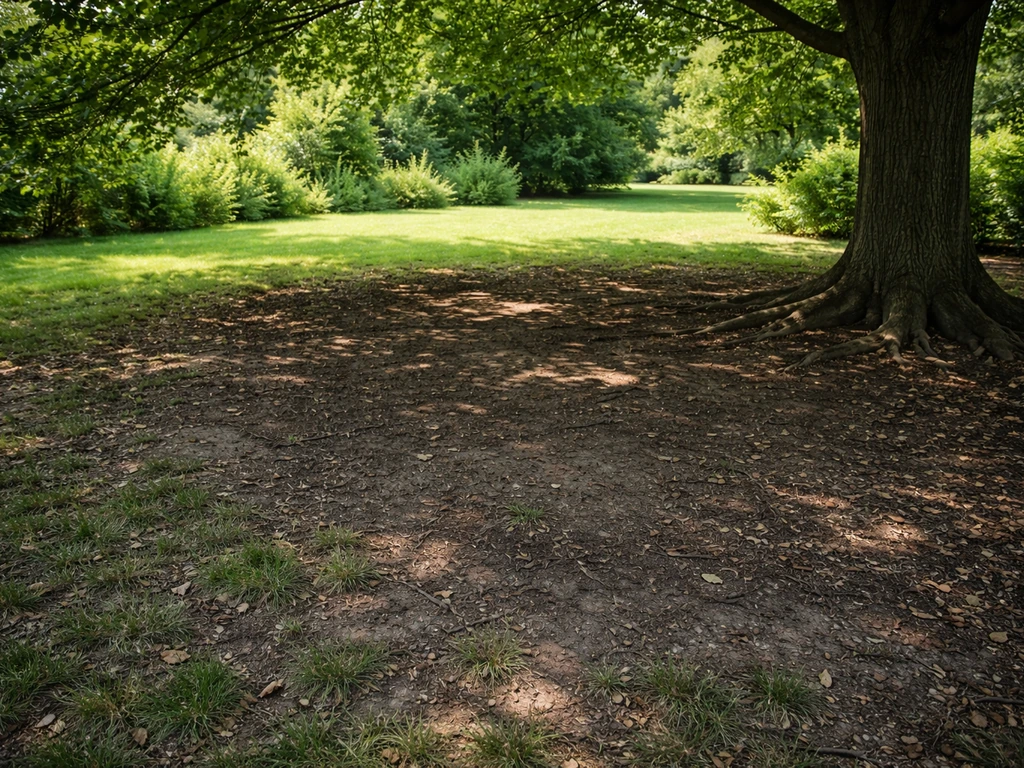
What to Do When Grass Wont Grow Under Trees
Diagnose shade, roots, soil and drainage issues under trees, then prep soil, aerate, fertilize, and choose shade-toleran