
When grass refuses to grow under a tree, the best move is usually to stop fighting it and replace the grass with something that actually belongs in that environment. Mulch is the fastest, cheapest, and most tree-friendly option. Beyond that, groundcovers like liriope, ajuga, pachysandra, or creeping jenny will fill in reliably once they're established. The key is picking the right plant for your specific shade level and preparing the soil without damaging the roots underneath.
What to Put Under Trees Where Grass Won’t Grow
Marcus Volkmann
15 Jun 2026
Why grass gives up under trees
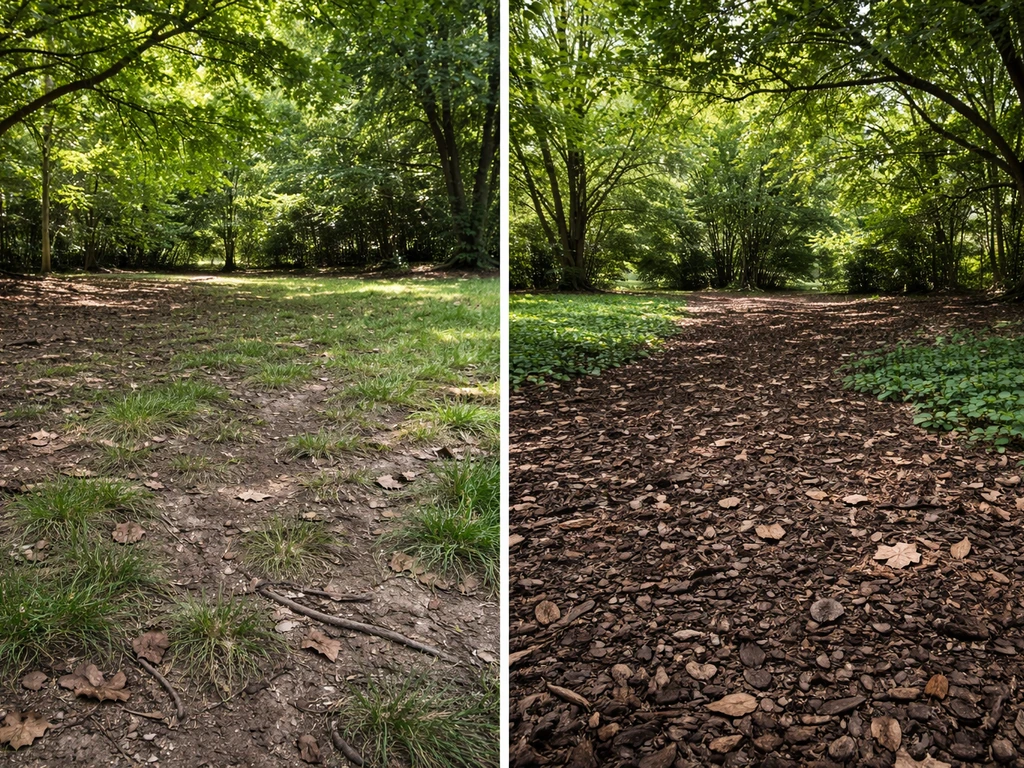
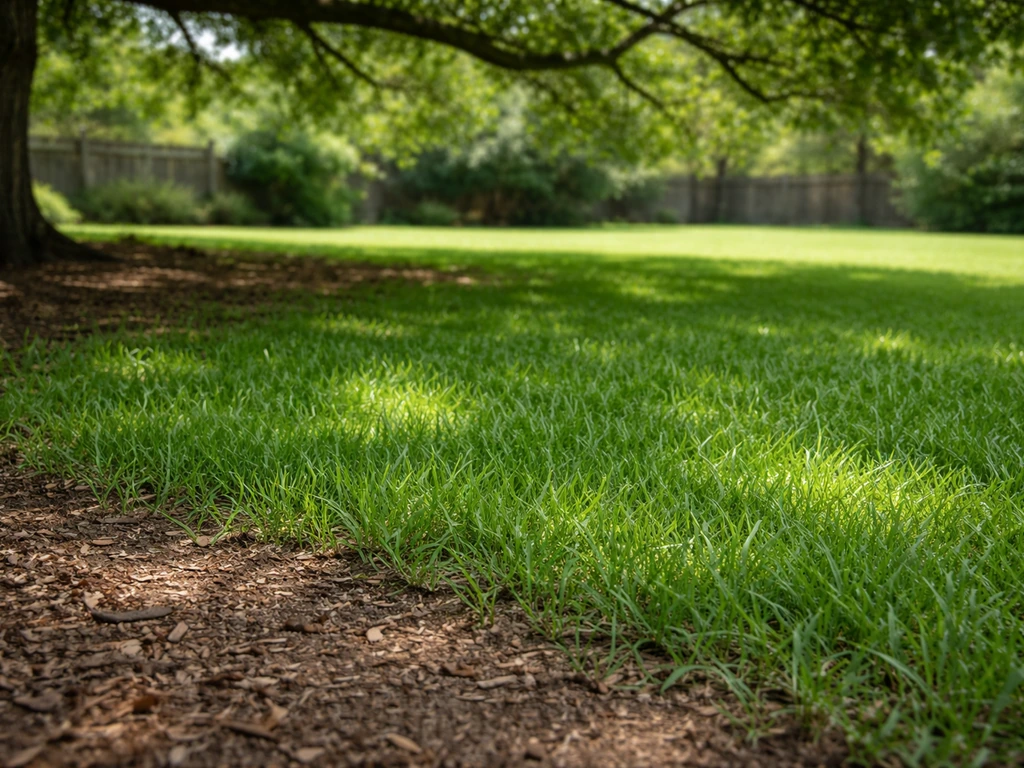
Grass under trees is fighting on multiple fronts at the same time, and it usually loses. The most obvious problem is light. NC State Extension puts the threshold at around 4 hours of direct sunlight per day, or about 50% open sky. Drop below that and most turf grasses simply can't photosynthesize enough to stay dense and healthy. Penn State Extension describes what happens next: roots get shorter, shoot density drops, the grass stretches thin toward any available light, and disease pressure goes up. That slow decline is what most people notice as patchy, struggling turf that never seems to recover no matter how much you fertilize or water it.
But shade is only part of the problem. If you want to grow bushes and shrubs instead, you can do it, but matching their light and root-space needs is still key. Tree feeder roots compete hard for the same resources grass needs. NC State Extension notes that most shade-tree feeder roots sit in the top 8 inches of soil in clay conditions, which is exactly where turfgrass roots also live. The tree almost always wins that competition. Add in compacted soil from foot traffic or equipment, dry conditions caused by the tree canopy intercepting rainfall, and the smothering effect of leaf litter, and you have a space that's genuinely hostile to grass. For some trees, like black walnuts, there's even a chemical component: they release juglone from their roots and decaying leaves, which directly inhibits many other plants.
The honest reality is that once a tree matures and its canopy closes in, forcing grass to grow underneath it becomes an ongoing, expensive, and mostly losing battle. That's not a failure on your part. It's just how trees work. The smarter path is figuring out what will actually thrive there.
Read your conditions before you plant anything
Before you buy a single plant, spend a few minutes actually assessing what you're working with. Walk out on a clear day and look up. How much open sky do you see through the canopy? A rough estimate is fine. If you can barely see the sky, you're dealing with deep shade. If sunlight filters through in shifting patches, that's dappled shade, which opens up more plant options. For a more precise read, use a free light meter app on your phone and check at a few spots under the canopy at midday.
Next, check the soil. Dig down about 4 to 6 inches with a hand trowel. Is it bone dry even after rain? Compacted and hard to penetrate? Full of surface roots that make digging difficult? All of those tell you something important. Dry, root-filled soil under a dense canopy is one of the hardest planting environments in a typical yard. Compaction is a real concern too. UF/IFAS research shows that even a few passes with heavy equipment under a tree canopy can significantly reduce soil's ability to support root growth. If your problem area has had cars, lawn tractors, or heavy foot traffic over it, compaction is almost certainly a contributing factor.
Also note the tree species. Oaks, maples, and beeches create dense, competitive root systems. Pines are somewhat easier to work under, though their needles acidify soil over time. Black walnuts are in a category of their own because of juglone toxicity. If you're working under a walnut, you'll need to specifically choose juglone-tolerant plants, which narrows your options significantly.
What to actually plant under trees
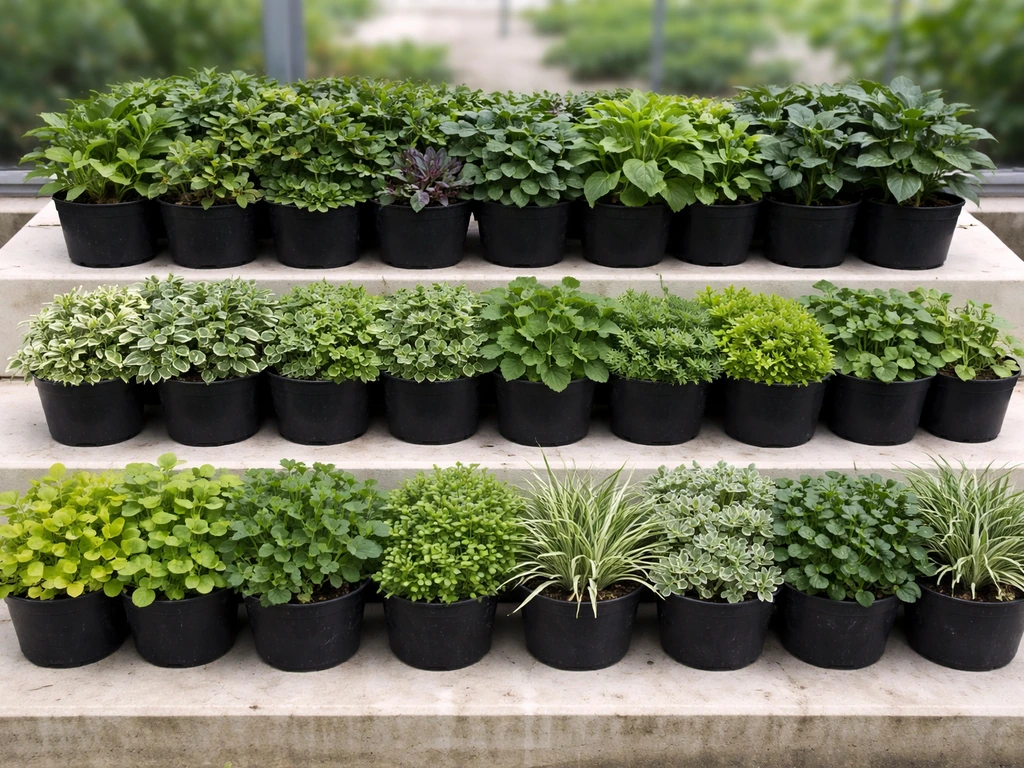
The plant list below is organized by shade level because that's the biggest variable. Most of these are widely available at garden centers, low-maintenance once established, and have a real track record in the kind of difficult conditions you're dealing with.
Deep shade (less than 2 hours of direct sun)
- Pachysandra terminalis: One of the most reliable deep-shade groundcovers available. Dense, spreads steadily, and handles dry root competition better than most alternatives. It won't win any beauty contests but it covers ground reliably.
- Vinca minor (periwinkle): Tough, spreading, and tolerant of dry shade. Produces small purple flowers in spring. Can become invasive in some regions so check your local guidelines before planting.
- Sweet woodruff (Galium odoratum): Feathery, low-growing, and actually does well in the dry shade under large deciduous trees. Spreads slowly but stays tidy.
- Hostas: Not a true groundcover but excellent as individual plants or mass plantings under trees. They handle deep shade well and come in a huge range of sizes.
Dappled or partial shade (2 to 4 hours of sun)
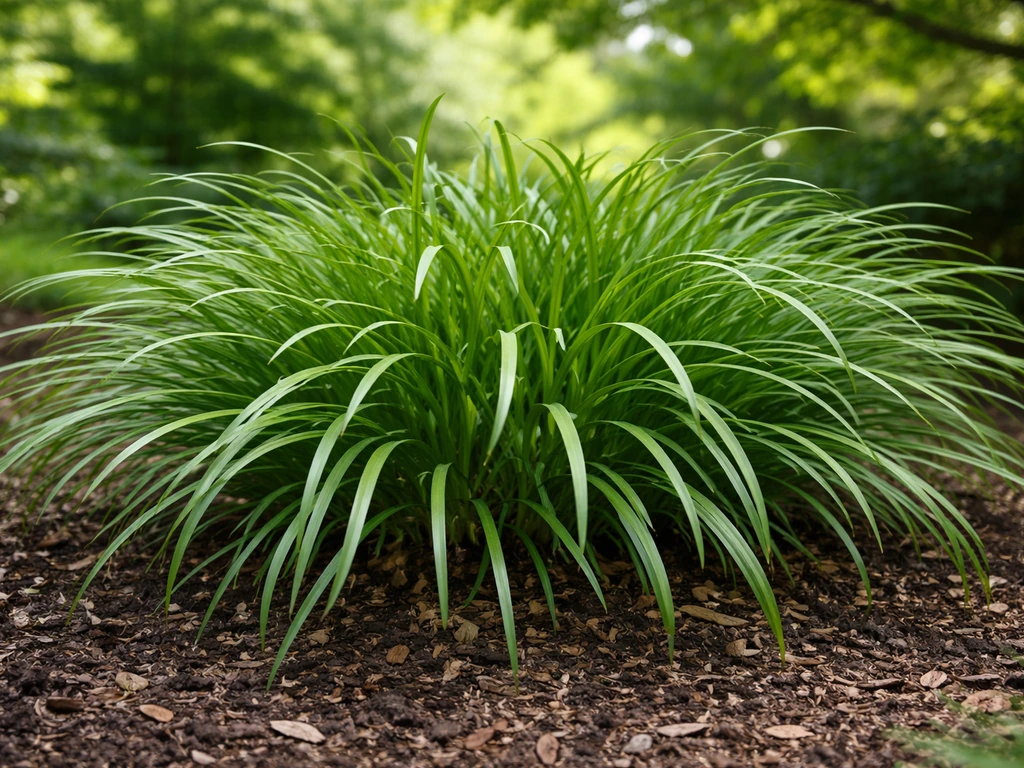
- Liriope muscari (lilyturf): Grass-like clumps that spread over time and look good year-round. Handles both dry shade and moderate root competition. One of my go-to recommendations for under maples.
- Ajuga reptans (bugleweed): Fast-spreading, low to the ground, and produces attractive purple flower spikes in spring. Works well in moderate shade and tolerates some foot traffic.
- Creeping jenny (Lysimachia nummularia): Bright chartreuse color that lights up shady spots. Spreads aggressively in moist conditions, more modestly in dry ones.
- Ferns (especially autumn fern and Japanese painted fern): Great for a naturalistic look. They handle dappled shade and bring real visual interest through texture and color.
- Native violets: Will self-seed and fill in over time with minimal effort. Pollinators love them and they're extremely tough.
When you just want a clean, low-effort solution
Mulch is genuinely the best answer for many people. A 3 to 4 inch layer of shredded wood or bark mulch covers bare soil, reduces compaction, adds organic matter as it breaks down, and keeps weeds down. Utah State Extension specifically recommends mulching around trees because it cools and protects soil while reducing competition for water and nutrients. A wide mulch ring under a tree also just looks intentional and tidy. Wisconsin Extension echoes this as a practical solution for areas where surface roots make maintaining any kind of planting unrealistic. If you have a heavily rooted area where digging is nearly impossible, mulch is not giving up. It's the right call.
A quick comparison of the most popular options
| Plant/Option | Shade Tolerance | Drought Tolerance | Spread Speed | Maintenance Level |
|---|---|---|---|---|
| Pachysandra | Deep shade | Moderate | Slow to moderate | Very low |
| Liriope | Partial to deep shade | High | Moderate | Low |
| Ajuga | Partial to deep shade | Moderate | Fast | Low |
| Vinca minor | Deep shade | High | Fast | Low (watch for spread) |
| Hostas | Partial to deep shade | Moderate | Clumping, not spreading | Low |
| Ferns | Partial shade | Low to moderate | Moderate | Low |
| Shredded wood mulch | Any | N/A | N/A | Refresh every 1 to 2 years |
How to prep the area without hurting the tree
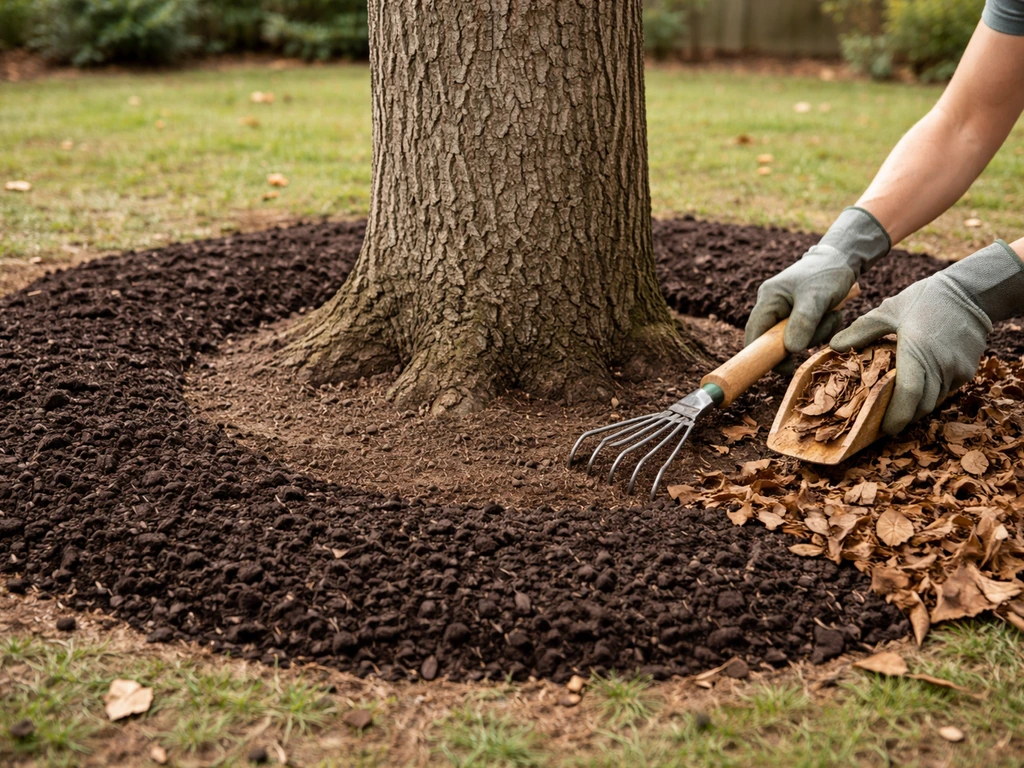
This is where a lot of people go wrong. The instinct is to till the soil, add a bunch of compost, and start fresh. Under a tree, that instinct will get you into trouble. Oklahoma State Extension makes the point clearly: cutting or removing soil in the root zone, where most shallow roots live, can cause real decline symptoms because the tree struggles to replace those roots. Deep tilling under a mature tree is not just unhelpful, it can genuinely damage the tree. Keep soil disturbance minimal.
Here's how to prep the area in a way that's both effective and tree-safe. Start by clearing dead leaves and debris, but don't remove all of the existing leaf layer if it's decomposed and adding organic matter. Rake away the heavy, undecomposed stuff. Then gently loosen just the top 2 to 3 inches of soil with a hand cultivator or narrow trowel, working carefully around roots. If you hit roots constantly and can't get a trowel in at all, that's a sign the area needs mulch rather than planting.
If the soil is very compacted, you can spread a thin layer (1 inch max) of compost over the surface and work it in lightly by hand. Do not pile soil or compost against the base of the trunk. Keep a clear zone of at least 6 inches around the trunk itself, both for tree health and to prevent rot. Once you've done your light prep, you're ready to plant.
Planting and getting things established
Timing matters. For most groundcovers, spring planting gives roots the best chance to establish before the stress of summer heat and dry soil. Fall is a solid second option for cool-climate regions because soil is still warm enough for root growth but air temperatures are dropping, which reduces stress on new transplants. Avoid planting in midsummer under a dense canopy where soil moisture is at its lowest and root competition is at its peak.
Spacing is one of the most common mistakes people make. It's tempting to plant densely to get coverage fast, but overcrowding leads to disease, poor airflow, and plants that compete with each other before they've even dealt with the tree. A practical rule: plant pachysandra or ajuga about 6 to 8 inches apart, liriope about 12 to 18 inches apart, and hostas at least 18 to 24 inches apart depending on the cultivar size. Yes, it will look sparse at first. That's normal. Fill gaps with additional mulch and give it one full growing season before judging.
Watering during establishment is non-negotiable. The first 4 to 6 weeks after planting, water every 2 to 3 days if there's no rain, going deeper and less frequently as weeks pass. After that first season, most of these groundcovers will require very little supplemental water. The tree canopy can reduce rainfall reaching the soil by a significant amount, especially under dense evergreens, so don't assume natural rainfall is doing the job those first few weeks.
One more thing on establishment: do not fertilize heavily at planting time. A light top-dressing of balanced slow-release fertilizer is fine, but heavy fertilization encourages the tree's roots to chase nutrients and compete even more aggressively with your new plantings. Less is more here.
When coverage stalls and what to do about it
Not every planting takes on the first attempt, and that's not always a sign you chose the wrong plant. Sometimes the problem is the season, sometimes it's an unusually dry stretch, and sometimes a plant just needs more time. Before pulling everything out and starting over, give it a full growing season and reassess.
If plants are dying outright rather than just growing slowly, work through this list of likely causes. Is the soil bone dry even after watering? The tree canopy may be intercepting water before it reaches the soil, so you may need to water longer and more directly at the root zone of the groundcover rather than just sprinkling the surface. Are plants yellowing? That can be a sign of nitrogen competition with tree roots. A light application of slow-release fertilizer in early spring can help. Are plants rotting at the crown? That's usually too much moisture or mulch piled against the stem. Pull mulch back from the base of each plant.
If you're working under a black walnut and things keep failing, the culprit may be juglone toxicity. Not all plants tolerate it. Switch to known juglone-tolerant options: ferns, hostas, astilbe, and some viburnum species hold up reasonably well under black walnuts.
If your second or third plant choice still isn't filling in after a full season of proper care, go back to mulch as the base and start adding individual specimen plants like hostas or ferns in spots where planting is physically possible. A combination of mulch plus scattered individual plants is a completely legitimate solution and honestly looks better than patchy failing groundcover in many cases.
For anyone who's still hoping to salvage some turf in a partially shaded area, it's worth knowing that some shade-tolerant grass species perform meaningfully better than others under light tree shade. If you are set on a lawn, you can also consider whether grass can survive in shade, since the key question is can grass grow under trees? If you're wondering whether grass can grow under redwood trees, the limiting factors are usually the same light limits and intense root competition discussed above can grass grow under redwood trees. These tips will also help you figure out how to get grass to grow under trees, even when shade and root competition make turf struggle shade-tolerant grass species. That's a separate path from groundcovers and worth exploring if you're dealing with dappled rather than deep shade, have the right tree type, or are working on a specific grass variety like bermuda or under a more open-canopied tree like a crepe myrtle. If you are wondering whether grass will grow under a crepe myrtle, the short answer is that it usually struggles in the shade and root zone. In many yards, bermuda grass can struggle to grow under trees because the combined shade and root competition reduce how well it can stay dense bermuda grass under trees. But for areas with dense shade and heavy root competition, the groundcover or mulch route is almost always the more reliable long-term answer.
FAQ
Can I use landscape fabric under mulch or groundcovers to stop weeds?
You can, but use it carefully. Weeds can still grow through, and fabric can trap moisture and heat near the soil. If you use it, cut slits for each plant, anchor it well, and avoid burying it too deep against roots, in many cases a 3 to 4 inch mulch layer alone works better.
How thick should mulch be under trees without harming the tree or roots?
Aim for about 3 to 4 inches of shredded wood or bark mulch over exposed soil, and keep it off the trunk completely. Build the mulch up gradually, do not mound it, and refresh only as it breaks down. Piling mulch against the trunk can promote rot and can worsen establishment issues for groundcovers.
What’s the best way to water newly planted groundcovers under a tree canopy?
Water longer at the root zone rather than just getting the surface wet. If the soil is still dry 24 hours after watering, increase the runtime and reduce frequency. Consider using a slow, targeted method like a hose on a low flow near plant bases, because canopy interception often means sprinklers do not deliver enough water where the roots actually need it.
Is it okay to plant groundcovers right up against exposed tree roots?
Usually yes, but avoid tearing or severing large roots. Planting should be done with minimal soil disturbance, loosen only the top layer, and position plants around roots instead of cutting through them. If the area has lots of surface roots and you cannot dig, mulch plus “spot” plants is often more realistic than full groundcover coverage.
Should I fertilize before or after planting groundcovers under trees?
Hold off on heavy feeding. A light top-dressing of slow-release fertilizer is fine, but the tree’s feeder roots will also take advantage of nutrients, increasing competition. If the plants look yellow, do a small early-spring application for the groundcover, then reassess rather than repeatedly fertilizing.
Why do groundcovers look worse after a full season even with watering?
Common causes are overcrowding, insufficient light, and an establishment watering gap. Recheck spacing so airflow can develop, confirm you are within the expected shade type for the plant, and ensure the first 4 to 6 weeks included deep, regular watering. Mulch depth that is too thin or too deep can also affect crowns.
What should I do if plants rot at the crown?
Pull mulch back from the crown and improve drainage if the area stays soggy. Crown rot under trees is often from excess moisture plus a dense mulch or constantly wet conditions at the plant base. If you cannot keep the area from staying wet, choose a more tolerant groundcover and reduce ground disturbance.
Can I topdress with compost instead of mulching, and will it help tree competition?
A thin layer can help, especially if the soil is compacted, but compost is not a substitute for mulch. Use about 1 inch max, blend it lightly into the surface, and still plan on a mulch layer for weed control and stable moisture. Do not pile compost against the trunk or mound it around plant crowns.
How do I know if the problem is too much shade versus too much root competition?
If the soil dries quickly even after rain and you see limited canopy gaps, root competition plus reduced water delivery is likely. If the area is consistently wet but plants still thin out, shade and reduced photosynthesis are more likely. A simple test is to observe whether growth improves only when you water longer and deeper at the root zone, that points to water competition.
Are there trees where it’s especially risky to dig for new plantings?
Yes. Mature trees with dense, shallow feeder roots and species with root toxicity or intense root competition are high risk. If you cannot loosen soil without hitting roots repeatedly, stop digging and switch to mulch plus spaced plantings. For black walnut areas, prioritize juglone-tolerant plants rather than trying to “build” soil around sensitive species.
If grass won’t grow, will mowing and fertilizing the area make the groundcover options fail too?
Continuing turf care under trees can undermine new plantings by keeping the area shaded and by adding ongoing root competition. If you are switching away from grass, remove or manage turf first (and reduce fertilizer use), then prepare the soil surface lightly and start groundcovers or mulch so they are not competing with remaining turf roots.
Next Articles
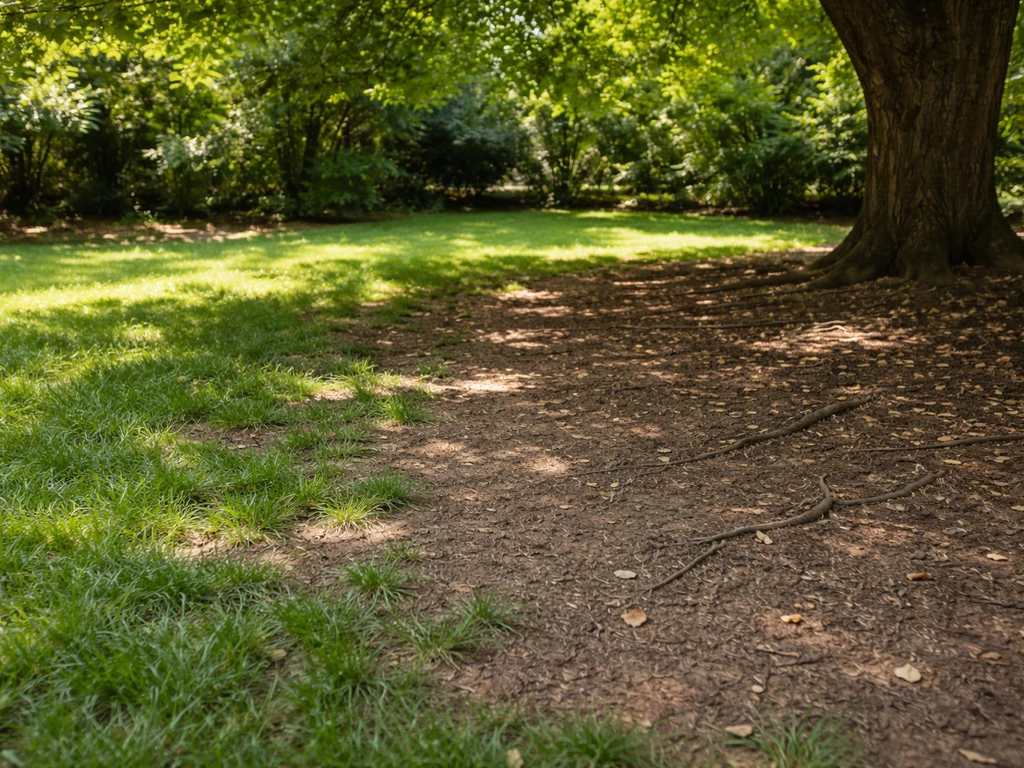
Can Grass Grow Under Trees? Fix Shade and Soil Fast
Yes, but shade, roots, and soil block it. Fix pH, topdress, plant shade grass, and overseed for success.
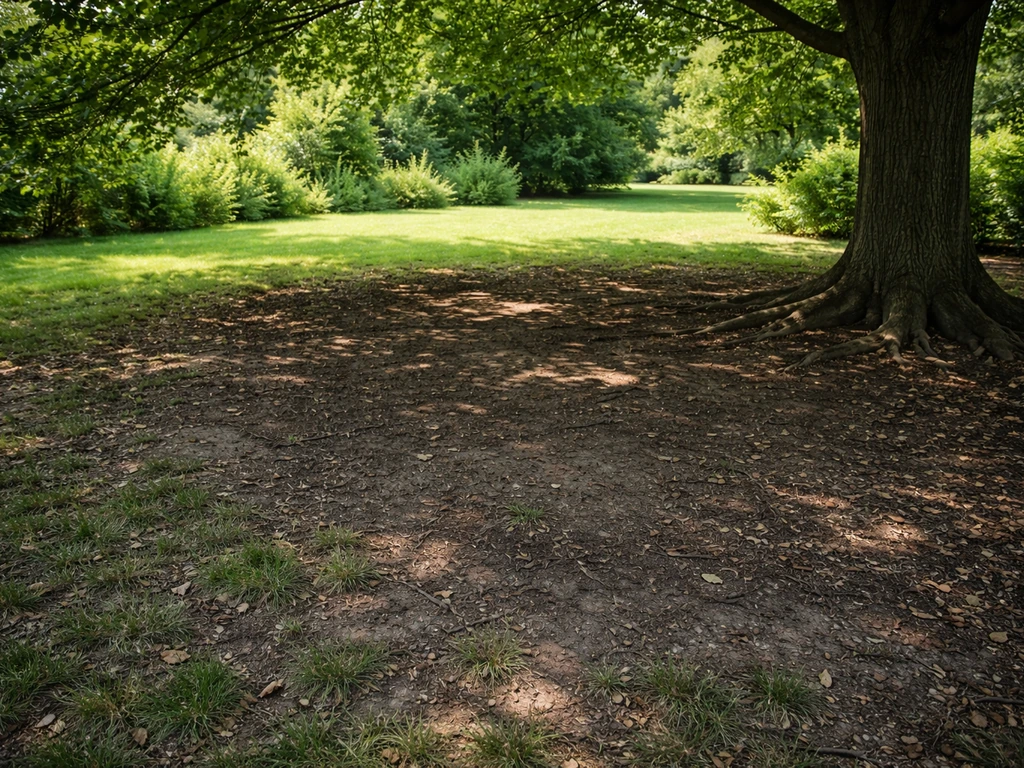
What to Do When Grass Wont Grow Under Trees
Diagnose shade, roots, soil and drainage issues under trees, then prep soil, aerate, fertilize, and choose shade-toleran
How to Get Grass to Grow Under Trees Step by Step
Step-by-step plan to grow shade grass under trees, fix soil, pick seed, water right, and maintain a lasting lawn.