Getting grass to grow under trees is absolutely possible, but only if you understand why it's fighting you in the first place and then work with those conditions instead of against them. The good news: most shady tree situations are fixable. The bad news: some aren't, and you'll save yourself months of frustration by knowing the difference before you buy a single bag of seed.
How to Get Grass to Grow Under Trees Step by Step
Marcus Volkmann
14 Apr 2026
Why grass fails under trees (it's usually three things at once)
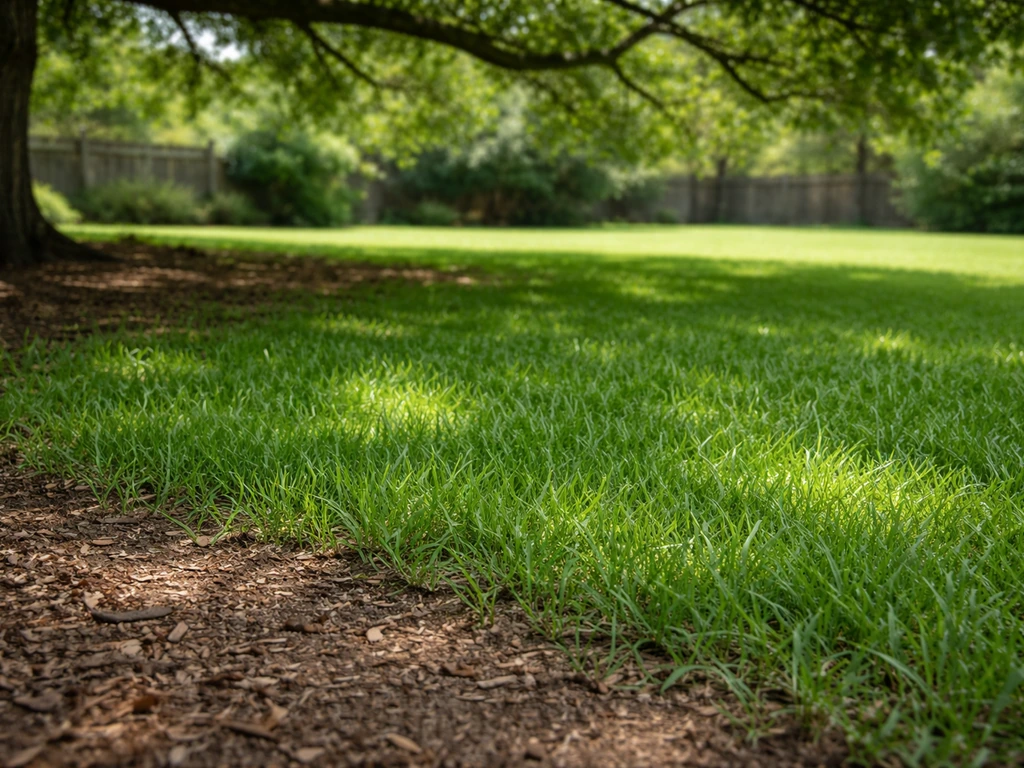
The root cause (literally) is competition. Tree roots are shallow and aggressive, often occupying the same top 6 to 12 inches of soil where turfgrass roots live. When a tree and your lawn go head-to-head for water and nutrients, the tree wins almost every time. Research from the USGA is blunt about this: trees consistently out-compete turfgrass for resources in shared root zones, and turf decline near trees is a predictable outcome without intervention.
On top of root competition, you've got shade. Most traditional lawn grasses need at least 4 to 6 hours of direct sun to thrive. Under a dense canopy, you're often getting far less. Shade reduces shoot and root vigor, and stressed, weakened turf becomes a magnet for fungal disease because the humid, low-light environment under a tree is exactly where pathogens thrive.
Then there's the soil. Under mature trees, the soil is often compacted from years of foot traffic, root pressure, and lack of aeration. Compacted soil physically stops grass roots from penetrating. Studies show root growth starts declining at around 100 psi of penetration resistance and stops entirely around 300 psi. That's the difference between grass that establishes and grass that gives up at the surface. Add in the rain shadow effect (the canopy intercepts rainfall, leaving soil drier than you'd expect), and you've got a hostile environment for turf on multiple fronts.
One more thing worth mentioning: a handful of trees cause an additional problem called allelopathy. Black walnut trees release a chemical called juglone through their roots, husks, and leaf litter that actively inhibits germination and growth in many plant species, including several grasses. If you're working under a black walnut, you're fighting chemistry in addition to everything else. Whether grass can actually grow under trees depends heavily on which tree species you're dealing with.
Assessing your spot before doing anything else
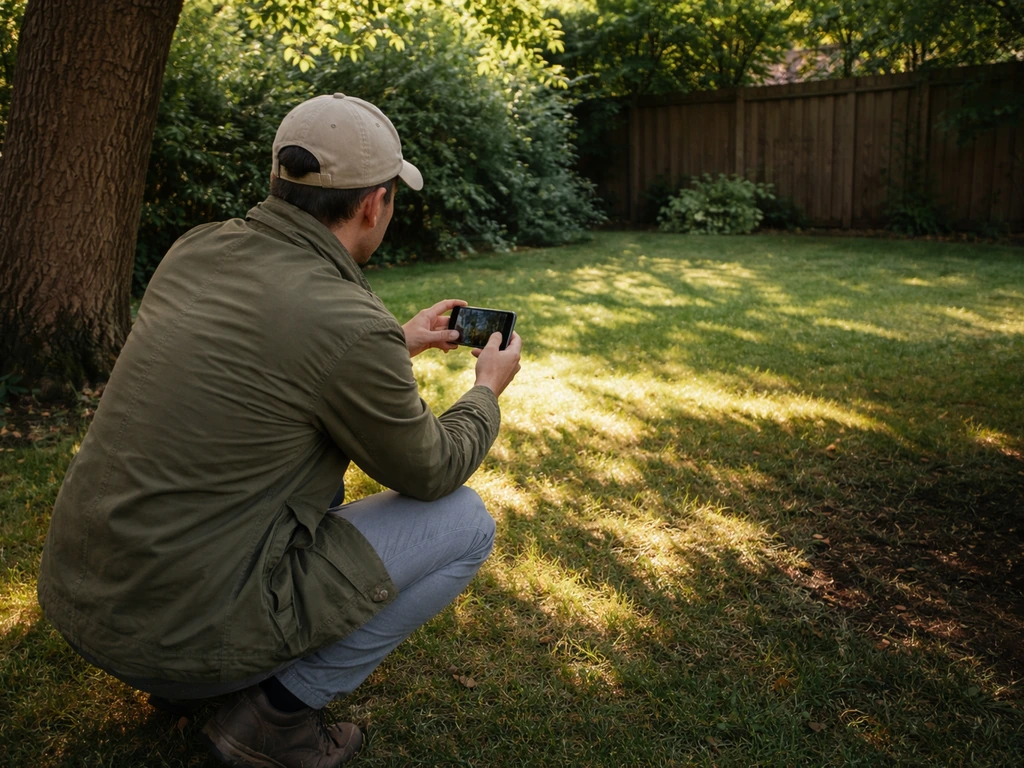
Don't skip this step. Five minutes of honest assessment will tell you whether you're dealing with a fixable shade problem or a no-grass zone. Here's what to check.
Light levels
Go outside and observe the area at different times of day over two or three days. K-State Extension uses a simple threshold that I find really useful: if the area gets less than about one hour of direct sunlight per day, that's full shade. Around two hours is partial shade. Most turf grasses need at least 3 to 4 hours minimum, and shade-tolerant varieties need at least that much to survive long-term. If you're getting glancing light at best, start mentally preparing for a groundcover conversation.
Root density
Grab a screwdriver or a thin rod and push it into the soil around the drip line and closer to the trunk. If you're hitting hard resistance at 2 to 3 inches or constantly deflecting around roots, the root density is going to make establishment very difficult. A simple soil penetrometer gives you a more precise reading if you want real data, but the screwdriver test is usually enough to get the picture.
Soil condition and drainage
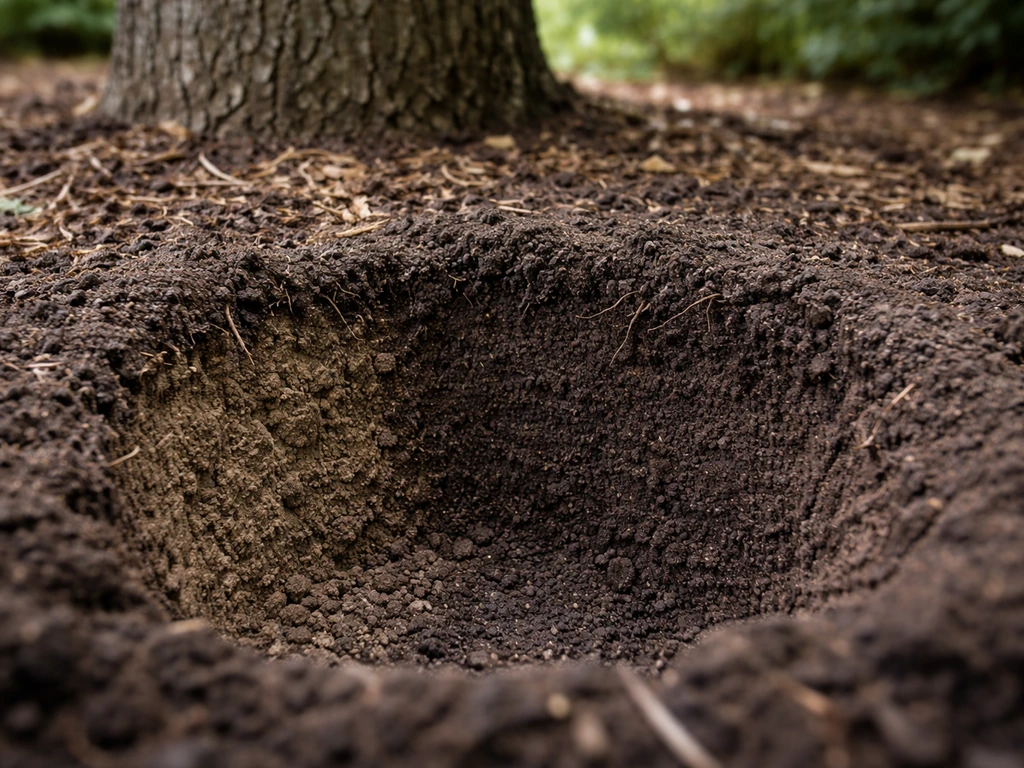
Dig a small test hole about 6 inches deep and look at the soil structure. Is it clumped into hard chunks, or does it crumble in your hand? Hard, dense clumps signal compaction. Also notice whether water pools after rain or disappears quickly. Poor drainage in shade creates a standing-moisture problem that fuels fungal disease in turf. If you want a full nutrient picture, a standard soil test from your county extension office will give you pH, nitrogen, phosphorus, potassium, and organic matter levels, which directly drives your amendment strategy.
What's already there
Is there bare dirt, thin struggling grass, or a mess of weeds and moss? Moss is a strong indicator of shade, moisture, and low soil fertility combined. Thin grass that thickens toward the sun and fades under the canopy is a classic shade-competition pattern and is probably recoverable. Bare dirt under a dense canopy with heavy surface roots is a tougher case.
Prepping the soil so grass actually has a chance
Soil prep under trees is different from open-lawn prep. You can't till aggressively without damaging tree roots, so your tools and methods need to be gentler.
Decompact without destroying roots
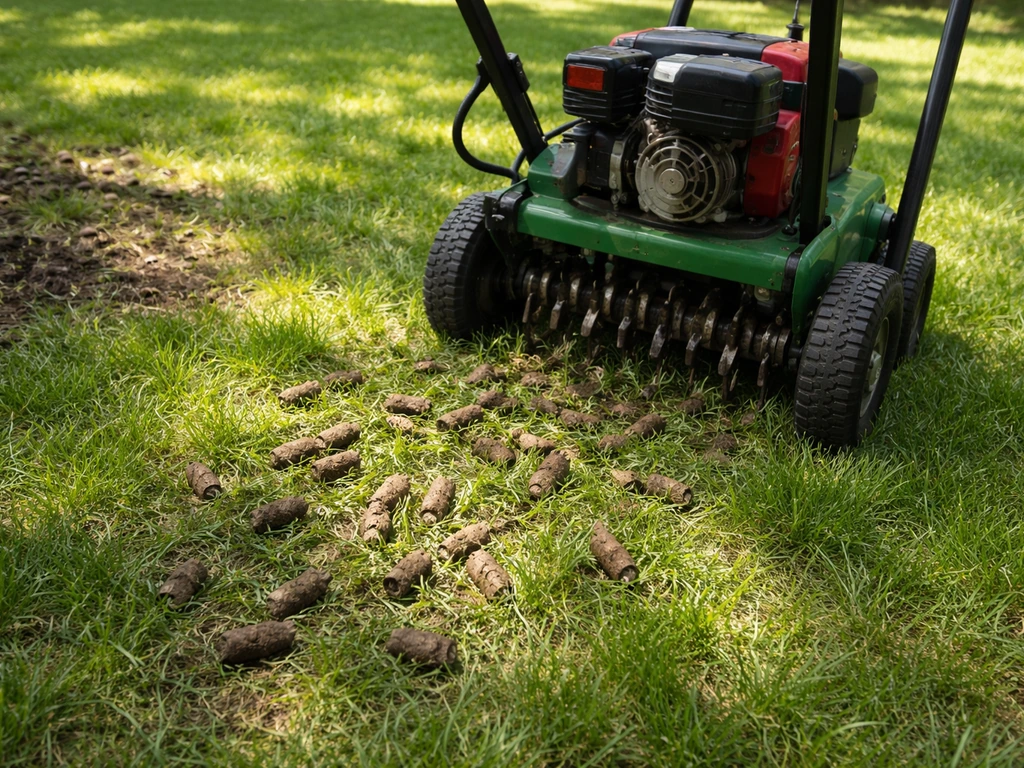
Core aeration is your best friend here. A core aerator pulls out small plugs of soil, relieving compaction without cutting major roots. Aim for 2 to 3 passes in different directions over the affected area, especially if the soil is hard. For areas with very dense surface roots, a vertical-tine aerator can cause more harm than good, so stick with hollow-tine core aeration. Do this in early fall for cool-season grasses or late spring for warm-season types, right before you plan to seed.
Topdress with compost
After aerating, topdress with a thin layer (about 1/4 to 1/2 inch) of quality compost and work it into the aeration holes. This improves organic matter content, loosens soil structure, and helps with moisture retention. Don't pile it on thinking more is better. Heavy topdressing raises the grade around tree roots and can cause issues with trunk flare burial over time.
Get your pH and nutrients right
Most lawn grasses do best at a pH of 6.0 to 7.0. If your soil test shows you're outside that range, adjust before seeding. Acidic soil (below 6.0) gets a lime application. Alkaline soil above 7.5 can be corrected with sulfur, but follow your soil test recommendations rather than guessing on rate. For nutrients, apply a starter fertilizer just before or just after seeding. Starter fertilizers are higher in phosphorus, which supports root development in new seedlings, which is exactly what you need in a competitive root environment.
Leaf litter and debris
Remove existing leaf litter before you do any soil work or seeding. A thick mat of decomposing leaves blocks seed-to-soil contact, holds moisture against the surface (which promotes damping-off disease in seedlings), and can create a physical barrier. During establishment, keep the surface clear. Once grass is established, light leaf removal in fall is still important to prevent smothering.
Picking the right grass (this decision matters more than anything else)
Choosing the wrong grass species is the single most common reason people fail at growing grass under trees. Bermudagrass under a dense oak? It's not going to happen. Here's a quick breakdown of what actually works.
| Grass Type | Shade Tolerance | Best For | Minimum Light Needed |
|---|---|---|---|
| Fine Fescue (Chewings, Creeping Red, Hard) | Excellent | Cool climates, heavy shade | 2–3 hours direct sun |
| Tall Fescue | Good | Transitional/cool zones, moderate shade | 3–4 hours direct sun |
| Zoysiagrass | Moderate | Warm climates, dappled shade | 4–6 hours direct sun |
| Kentucky Bluegrass | Poor | Open sun lawns only | 6+ hours direct sun |
| Bermudagrass | Very Poor | Full sun only | 8+ hours direct sun |
| St. Augustinegrass | Moderate | Warm climates, some shade | 4–5 hours direct sun |
For cool-season climates, fine fescues are your best tool. The University of Minnesota recommends a shade mixture of about 40% Chewings fescue, 40% strong creeping red fescue, and 20% hard fescue for heavy tree shade situations. That blend handles low light better than anything else in the cool-season category. Tall fescue is a solid backup with good disease resistance and better heat tolerance if you're in a transitional zone.
For warm-season climates, zoysiagrass is your best shade option. It handles moderate shade reasonably well, though it still needs around 4 to 6 hours of sun. Bermudagrass under trees is a much harder case and generally fails in anything less than near-full sun. If you're curious about specific tree species, it's worth checking whether grass can grow under crepe myrtle, which is a lighter-canopied tree that sometimes offers better conditions than denser species.
Some tree species create unique challenges worth knowing about. Growing grass under redwood trees, for example, involves extreme root competition, dense shade, and acidic soil from needle drop, which stacks the odds against most turf varieties significantly.
How to actually plant: seed vs sod vs plugs
Each method has trade-offs under trees, and the right one depends on your budget, urgency, and site conditions.
Seeding (best value, most patience required)
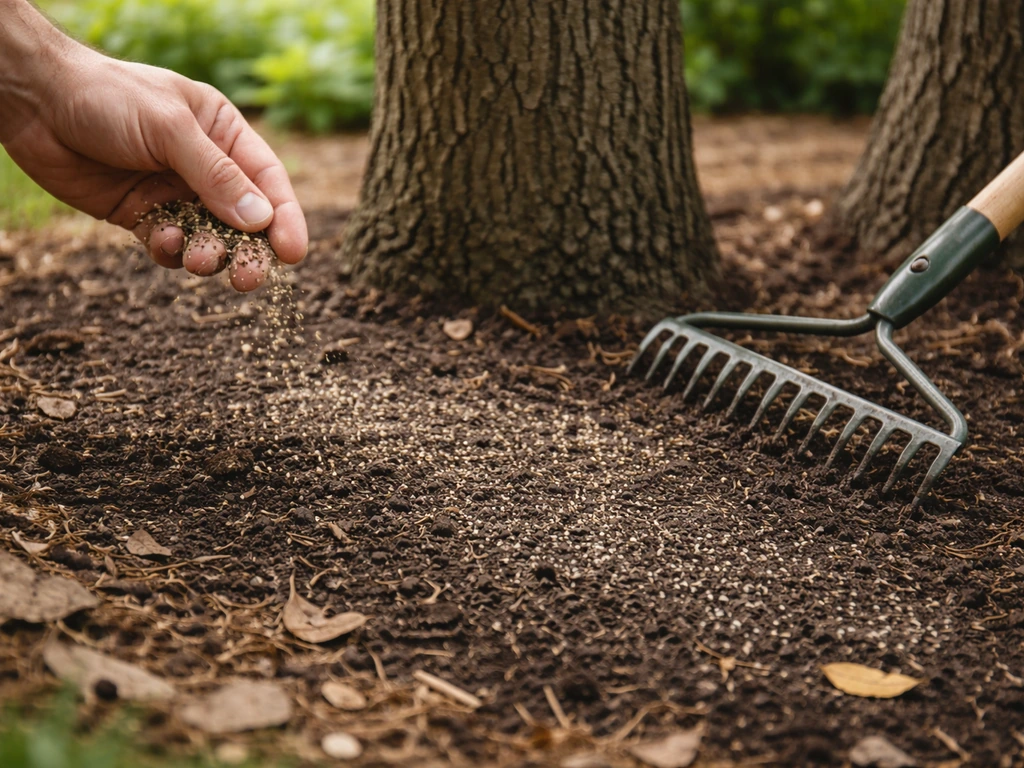
Seeding is the most affordable option and works well with fine fescues, which are widely available as quality shade blends. The critical thing is seed-to-soil contact. Broadcast seed over your prepared area, then use a lawn rake to lightly work it into the top 1/4 inch of soil. Don't just throw seed on top and walk away. Seed sitting on the surface without soil contact has a very poor germination rate. After raking in, do a light roller pass if you have access to one.
For cool-season grasses, the ideal timing is late summer to early fall (mid-August through September in most of the country). Soil is warm enough for germination, air temps are cooling down, and weed pressure drops. Spring seeding works but you're fighting more weed competition and heading into summer heat. For warm-season grasses, late spring to early summer is your window.
Sod (fastest results, higher cost)
Sod gives you instant coverage and can be timed almost any time during the growing season. The downside under trees is cost (sodding a shaded area that may struggle is a real risk) and the fact that shade-tolerant sod varieties are harder to find than standard blends. If you go this route, make sure you're buying a species that actually fits your light conditions. Laying full-sun bermudagrass sod under a maple is an expensive mistake.
Plugs (good middle ground for warm-season grasses)
Plugs work especially well for zoysiagrass and St. Augustine because these grasses spread via stolons once established. Space plugs 6 to 12 inches apart in the prepared soil, and they'll fill in over one to two growing seasons. It's slower than sod but cheaper, and you get better establishment control than direct seeding with these species.
Your watering plan
Watering under trees is tricky because the canopy intercepts a lot of rainfall, leaving the soil drier than you'd expect, but tree roots also extract water rapidly when it does get in. During the first two weeks after seeding, you need to keep the top inch of soil consistently moist, which typically means light watering once or twice daily. But avoid creating standing water or waterlogged soil. Overly wet conditions under a shaded canopy are a direct cause of damping-off disease, which kills seedlings at the soil surface before they ever get going.
Once seedlings are 1 to 2 inches tall, shift to deeper, less frequent watering (every 2 to 3 days, soaking to 4 to 6 inches depth). Always check soil moisture before turning on the sprinklers in a dense shade zone. The lack of evaporative demand under a canopy means the soil stays wetter longer than in open sun, so you may actually need to water less often than you think after the first few weeks.
Keeping grass alive under trees long-term
Establishing grass is only half the battle. Under trees, maintenance is what determines whether it sticks around or slowly fades back to bare dirt. A few adjustments to your normal lawn routine make a significant difference.
Mow higher than you think you need to
Shade grass needs more leaf surface to capture the limited light available. Iowa State Extension recommends mowing shaded turfgrass areas at around 3 to 3.5 inches. Penn State backs this up and adds a key rule: never remove more than one-third of the leaf blade in a single mowing. Scalping shade grass is one of the fastest ways to kill it. If you're managing fine fescue in shade, the University of Minnesota suggests mowing at about half an inch to an inch higher than your target height for sunny areas of the same species.
Cut fertilizer rates in half
This one surprises people. You'd think stressed shade grass needs more feeding, but the opposite is true. UConn and UC ANR both recommend reducing nitrogen fertilization to about half the rate you'd use for the same grass in full sun. Heavy nitrogen in shade pushes lush, soft growth that's highly susceptible to disease and actually further depletes the plant's carbohydrate reserves. Apply a lighter rate in spring and a light fall feeding for cool-season grasses. Skip or minimize summer applications.
Weed control
Pre-emergent herbicides work well for preventing annual weeds, but timing matters. Apply in early spring before soil temps hit 55°F for crabgrass prevention. Be cautious about post-emergent broadleaf herbicides in shaded fine fescue areas because some products can stress already-taxed turf. Dense, healthy fine fescue at proper mowing height is actually one of the best weed defenses you have, so maintaining good stand density through the practices above is your primary weed strategy.
Stay on top of leaves in fall
Leaf litter is a genuine problem for shade lawns. A thick mat of wet leaves blocks light (already in short supply), keeps the surface humid (disease risk), and can smother turf going into winter. Rake or blow leaves off regularly during fall, especially if you have deciduous trees with heavy drop. Mulching mowing in early fall while leaves are light is fine, but don't let them pile up to the point where you can't see the grass beneath.
Consider trimming the canopy
Sometimes the best lawn maintenance decision is a tree maintenance decision. Raising the crown of the tree (removing lower limbs) can meaningfully increase light levels in the under-canopy zone. Even adding one to two more hours of filtered light can be the difference between turf that persists and turf that fails. This is worth a conversation with a certified arborist, especially for large or valuable trees.
When grass just won't work: what to do instead
Let's be honest. Some spots under trees are genuinely not suitable for turf, and no amount of aeration and shade seed is going to change that. Dense, dry shade with a thicket of surface roots is one of those situations. What to do when grass won't grow under trees comes down to either modifying the environment significantly or switching strategies entirely.
The most practical alternatives fall into two categories: groundcovers and mulch. For groundcovers, Illinois IPM recommends shade-tolerant plants like Japanese spurge (Pachysandra), periwinkle (Vinca minor), hosta, and English ivy for areas where turf simply can't be sustained. These plants are adapted to low-light, root-competitive environments and actually look intentional rather than like a failed lawn. Understanding why certain plants establish before others in these conditions can help you sequence planting for best results.
For a simpler, lower-maintenance approach, a 2 to 4 inch layer of wood chip mulch or shredded bark is hard to beat. It suppresses weeds, regulates soil moisture, protects surface roots, and actually improves soil biology over time as it breaks down. Keep mulch pulled back a few inches from the tree trunk to avoid rot and rodent problems. What to put under trees where grass won't grow covers this in more detail and includes edging options for keeping mulch zones looking clean and defined.
Edging matters more than people realize when you're transitioning from lawn to mulch or groundcover. A clean edge between the mulch zone and surrounding turf prevents grass from creeping in and makes the whole area look deliberate rather than neglected. Steel edging, stone borders, or even a well-maintained spade edge all work. Whatever you use, plan to redefine that edge once a year.
Your immediate next steps
If you're reading this in spring, now is a reasonable time to assess the site, do soil testing, and aerate to prep for fall seeding with a shade-blend fescue mix. If it's late summer or early fall, you're actually in the best possible window to seed cool-season grasses. Start with a soil test, aerate, topdress with compost, and seed a quality fine fescue or tall fescue shade blend. Warm up to the idea that the mowing height, fertilizer rate, and leaf management routines will need to change permanently if you want the grass to last.
And if you do the honest assessment and realize you've got full shade, dense roots, and a tree that's simply going to win, don't waste another season fighting it. A well-mulched bed or a carpet of shade groundcover looks better, requires less work, and is kinder to the tree than an endlessly failing patch of struggling turf.
FAQ
Can I just throw seed down (overseed) under my trees instead of doing all the prep steps?
Yes, but it has a high failure rate if you do it without changing the underlying conditions. If you must spot-treat, target only the thin or bare patches after you rake off leaf litter, lightly loosen the top 1/4 inch with a garden rake, then seed and keep the top inch consistently moist until germination. In dense tree root zones, overseeding alone rarely beats the root competition, so plan on core aeration and a shade-tolerant seed blend rather than seed-only patch work.
What mowing height should I use for grass growing under trees, and how often should I mow?
Under-tree mowing height is about leaf area, not cutting less often. As a starting rule, keep mower blades set higher than the rest of the lawn, often around 3 to 3.5 inches for many shade situations, and never remove more than about one third of the grass blade in a single pass. Also avoid bagging and scalping during the first few weeks after seeding, because short stress slows rooting and increases damping-off risk.
Should I fertilize more often in shade to help grass under trees, or less?
Fast-release nitrogen usually makes things worse in shade because it can trigger soft growth that diseases attack quickly. Instead, use a light starter application timed to seeding, then reduce ongoing nitrogen to roughly half of what you would apply for the same turf in full sun. If you see dark, thick, or slow-drying turf plus patchy dieback, that is a sign your nitrogen and/or watering may be too high for the canopy conditions.
How can I tell if I’m watering too much or too little under a tree?
It depends on whether the tree is taking up the water plus whether the soil stays wet. In the first two weeks after seeding, the goal is evenly moist, not soggy, and many people end up overwatering because under-canopy soil evaporates more slowly. After seedlings reach about 1 to 2 inches, check soil moisture by feel 2 to 3 inches down before watering, then shift to deeper, less frequent soak cycles to avoid staying wet long enough for disease.
My grass under a tree looks dead or brown. How long should I wait before giving up?
Dormant, brown, or patchy turf right after seeding is not automatically a failure. A common mistake is judging too early, because shade delays establishment. Watch for green shoots and increasing density over 6 to 10 weeks (cool-season) while adjusting watering to keep the surface from drying out completely. If nothing emerges after the expected germination window for your seed type, it usually points to poor seed-to-soil contact, too much leaf mulch, or the wrong grass for the light.
Is it ever okay to till under trees to help seed take?
Yes, and it can be the difference between a workable site and a lost cause. Core aeration reduces penetration resistance without tearing up as many roots as aggressive tilling, but the timing matters, too. Do core aeration when the grass can recover quickly (late summer to early fall for cool-season seeding targets, or late spring for warm-season), then topdress lightly and seed immediately so you get contact where the roots and seedlings can actually access air and moisture.
What quick checks tell me whether my under-tree spot can realistically support turf?
Do a two-part assessment, sun and soil. For sun, use the one hour direct-sun per day threshold to identify full shade (and expect turf difficulty). For soil, pay attention to drainage and compaction. If screwdriver penetration stops easily at shallow depth or water pools after rain, your establishment odds drop substantially, even with the right seed. In those cases, aeration plus compost topdressing may help, but if the zone stays dry-dense-rooted or waterlogged, switch strategies earlier.
Which grass type usually works best under trees, and what’s the most common wrong choice?
There is a difference between shade tolerance and shade survival. Fine fescues are often the most reliable for cool-season deep shade, especially in mixes designed for heavy shade. For warm-season options, zoysiagrass can tolerate moderate shade but still needs several hours of sun. If your area is deep shade, choosing a full-sun grass like bermudagrass is the most common reason people think the method is wrong when the grass species is.
Can I use weed killers under trees while I’m establishing new shade grass?
You can, but the best results come from pairing the herbicide plan with your establishment goals. Pre-emergent products can interfere with seeding, so do not apply them immediately before or during new seed establishment. For existing turf, spot-treating broadleaf weeds in shade can stress fine fescue unless you pick formulations carefully and follow label directions. If you are establishing new turf, focus first on leaf removal, mowing height, and maintaining density to reduce weeds naturally.
Do fallen leaves actually prevent grass from growing under trees, or is that just a minor cleanup task?
Yes, and it’s one of the most overlooked problems. Thick leaf mats block light and, more importantly during germination, prevent seed-to-soil contact. It can also keep the surface humid enough for seedling disease. Rake or remove leaves before seeding, and during the establishment phase keep the surface clear enough that you can still see grass after spreading seed, then remove additional leaf drop as needed later in fall.
Will pruning my tree help the lawn, or is it usually pointless?
Tree-root competition can be reduced, but not eliminated, and pruning can help by changing the light and some moisture patterns. Raising the crown can increase under-canopy light by a meaningful amount, sometimes enough to keep turf from thinning back to bare soil. Because pruning affects tree health and structure, it is safest to consult an arborist, especially for large, established trees.
When grass still won’t grow under trees, what are the best practical alternatives?
In many cases, yes. If the area is dense, root-laced, and stays either dry and hard to penetrate or consistently wet and slow to dry, turf often becomes a maintenance treadmill. Groundcovers and mulch are usually more predictable in these conditions. If you choose mulch, keep it a few inches back from the trunk, then define the edge with edging so the mulch zone stays clean and does not get invaded by lawn.
Next Articles
Can You Grow Grass Over Gravel? How to Do It Right
Learn when you can grow grass over gravel and follow a step-by-step method for soil depth, drainage, seeding or sod, and
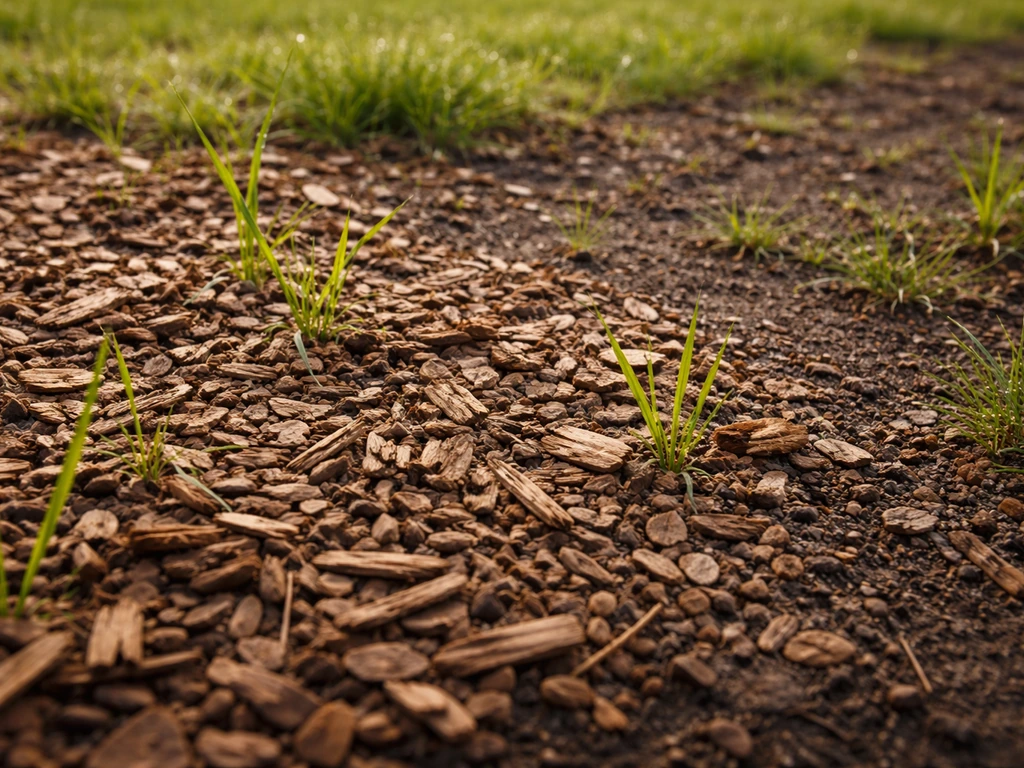
Do Wood Chips Help Grass Grow? When They Work and When Not
Learn when wood chips help grass grow, when they steal nitrogen, and step-by-step how much to apply and seed options.

Will Potting Soil Help Grass Grow? What Works and What Fails
When potting soil helps grass grow, when it fails, and how to prep, apply, seed, water, and troubleshoot bare spots.