
Yes, grass can grow under trees, but it depends heavily on how much shade the canopy casts, what the tree roots are doing to the soil, and whether you pick the right grass for those conditions. In deep shade from a dense canopy like a Norway spruce or a thick oak, you're fighting an uphill battle that even the best grass seed won't win. But under trees with higher, open canopies or dappled light, a shade-tolerant fine fescue mix can establish and hold up reasonably well with the right prep. The key is being honest about what you're working with before you spend money on seed or sod. Because crepe myrtle has a dense canopy and surface roots, it’s often hard to get grass established underneath.
Can Grass Grow Under Trees? Fix Shade and Soil Fast
Marcus Volkmann
23 May 2026
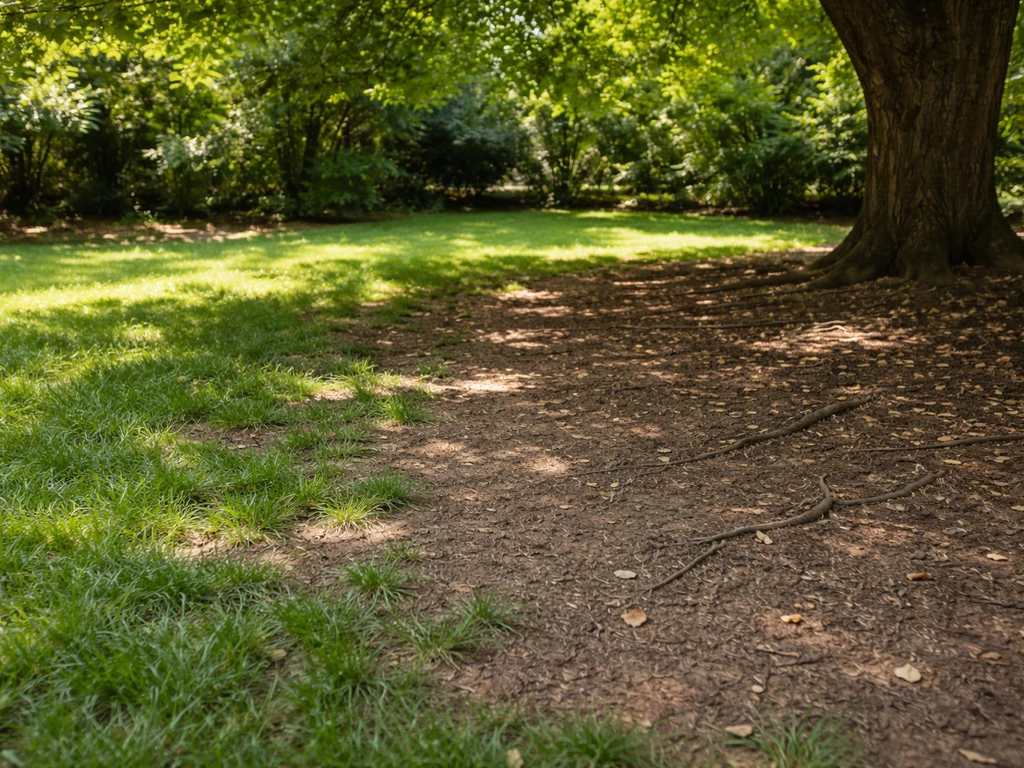
Why grass actually fails under trees
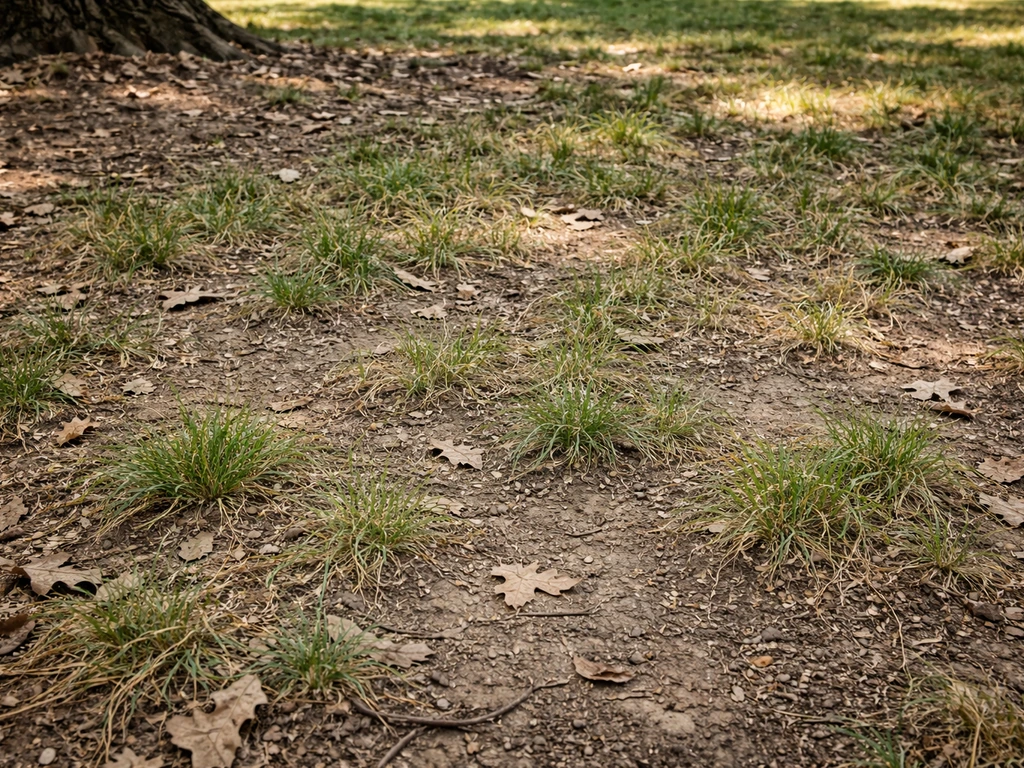
Shade gets all the blame, but it's rarely the only culprit. When I've looked at struggling under-tree turf, there are usually three or four things piling on at once. Penn State Extension breaks it down well: shade reduces root depth, cuts shoot density, makes the grass grow tall and leggy reaching for light, and dramatically increases disease pressure. A shaded lawn is also less able to handle foot traffic, which matters if kids or pets are cutting through that area regularly.
Then there's root competition. Tree roots and grass roots are fighting for the same water and nutrients in the same soil zone. In dry summers, the tree almost always wins. The soil under a tree canopy is also often compacted and hard, because tree roots near the surface displace and compress the soil, leaving little room for the grass root system to develop properly.
Moisture is tricky under trees too. Some spots stay bone dry because the canopy intercepts rainfall and the roots pull whatever moisture does reach the soil. Other spots, especially in low areas with heavy leaf litter, stay damp and anaerobic, which promotes fungal disease. Neither extreme is what grass needs.
Finally, certain trees have a chemical advantage. Black walnuts produce juglone, a compound that genuinely suppresses many plants growing nearby. Penn State Extension notes that juglone effects worsen in poorly aerated or wet soils, and that leaf litter buildup increases exposure. The research on exactly how toxic juglone is to turfgrass is debated, but if you're trying to establish grass under a black walnut and it keeps dying, allelopathy is a real possibility worth taking seriously. WSU Extension describes the juglone controversy, noting it is not found in intact tissues and that allelopathy claims have been questioned in research allelopathy is a real possibility worth taking seriously. If you're dealing with a different tree species, the chemistry concern is much lower.
The best grass types for shady spots under trees
Fine fescues are the go-to choice for under-tree situations in cooler climates, and for good reason. They tolerate low light, handle the poor soil conditions typical under trees, and don't need heavy fertilization to survive. UMN Extension offers a practical seed mix formula for heavily shaded tree areas: roughly 40% Chewings fescue, 40% strong creeping red fescue, and 20% hard fescue. That combination gives you shade tolerance plus some spread and persistence over time.
Chewings fescue specifically has excellent shade tolerance according to CSU Extension, which puts it at the top of the fine fescue group for these conditions. That said, cultivar selection matters. Ohio State turfgrass research found real performance differences between fine fescue cultivars in shaded placements, so when you buy seed, look for named shade-tolerant varieties rather than generic blends. Shademaster creeping red fescue, for example, has been widely tested and performs better than unnamed bargain mixes.
| Grass Type | Shade Tolerance | Best Climate | Key Weakness |
|---|---|---|---|
| Chewings Fescue | Excellent | Cool-season / Northern zones | Low wear tolerance |
| Creeping Red Fescue | Very Good | Cool-season / Northern zones | Can thin out in heat |
| Hard Fescue | Good | Cool-season / Northern zones | Slow establishment |
| Tall Fescue | Moderate | Transitional zones | Needs more light than fine fescues |
| St. Augustinegrass | Moderate (warm-season best) | Southern zones | Needs consistent moisture |
| Zoysia | Low to Moderate | Southern / Transitional zones | Poor in dense shade |
| Kentucky Bluegrass | Poor | Cool-season | Struggles in any meaningful shade |
If you're in the South and dealing with shade under trees, St. Augustinegrass is your most shade-tolerant warm-season option, though it still needs a few hours of direct sunlight to persist. Zoysia has some shade tolerance but is a stretch under dense canopies. Bermuda grass, which is popular in the South, is one of the least shade-tolerant turf types out there, which is worth knowing before you try to push it under tree cover.
Getting the soil right before you plant anything
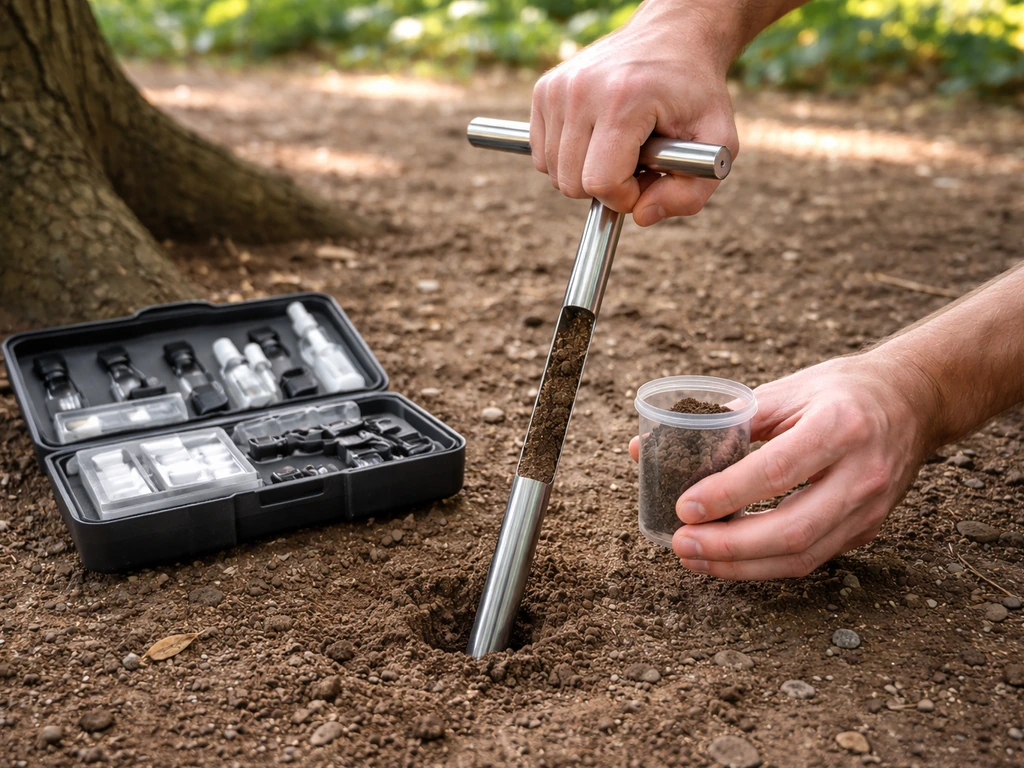
Skipping soil prep is the most common reason an under-tree seeding fails. Before you buy a single bag of seed, get a soil test. Penn State Extension is firm on this: don't guess at pH and nutrients because under-tree soil often diverges significantly from the rest of your lawn due to root activity and leaf decomposition. The target pH for most turfgrasses is 6.0 to 7.5, with Kentucky bluegrass preferring the tighter range of 6.5 to 7.2. Fine fescues are more forgiving of pH variation, which is another point in their favor for under-tree use.
Compaction is the other big issue. Tree roots near the surface make it hard to use a core aerator without damaging them, but you can still work a thin layer of compost or topdressing into the surface. Aim for a quarter to half inch of quality compost raked lightly into the existing surface. This improves organic matter, loosens the top layer slightly, and gives seed better contact with soil without disturbing tree roots aggressively.
If drainage is the problem and water is pooling, that's harder to solve under a tree without major excavation. In those cases, improving surface drainage through gentle regrading or adding organic matter to raise the surface slightly can help. If the area stays consistently waterlogged, grass is the wrong plant for that spot regardless of shade, and you'll save yourself a lot of frustration by going to alternatives.
How to actually plant grass under a tree (timing, seeding, and establishment)
Timing matters more under trees than in open areas
For cool-season grasses, late summer to early fall is the ideal window. Soil is warm enough for germination, air temperatures are dropping so the seedlings aren't heat-stressed, and you get fall rain in most regions to help with establishment. Spring seeding works but competes with weed pressure and summer heat stress. In the South with warm-season grasses, plant in late spring when soil temperatures consistently hit 65 to 70 degrees Fahrenheit.
Seeding vs sod under trees
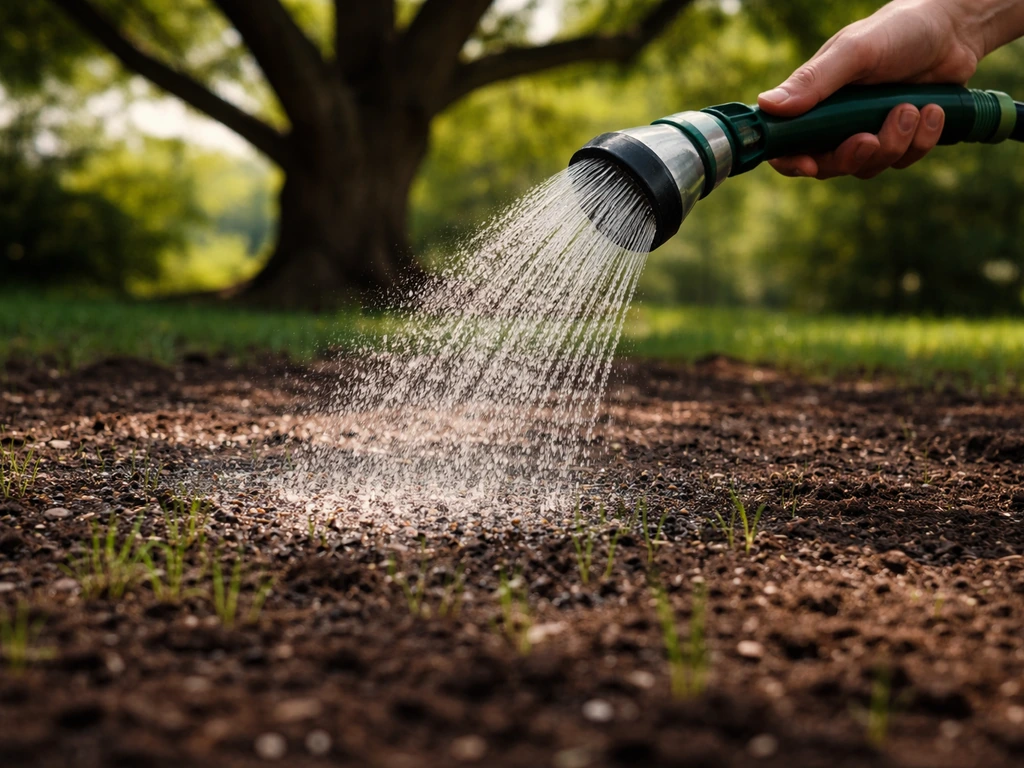
Seeding is generally the better choice under trees. Once grass is established, keep up with the right mowing and light management so it can persist under tree shade how to get grass to grow under trees. Sod adds a thick layer of soil that can interfere with existing tree roots and change the grade, and it's expensive to fail. Seed lets you work with the existing surface using light topdressing, then overseed at roughly 1.5 to 2 times the standard rate to compensate for the lower germination rate you'll get in stressed conditions. Rake seed gently into the topdressing layer and use a light starter fertilizer if your soil test shows it's needed.
Watering during establishment is non-negotiable
This is where most people fail. Purdue Turfgrass Extension says the top inch of soil needs to stay consistently moist for the first two to three weeks after planting. The University of Missouri Extension goes further and notes that in dry or hot conditions, you may need up to four light waterings in a single day to keep the seedbed from drying out. That sounds extreme, but a seedbed that dries out even once in the first week can kill germinating seeds. Use about a quarter inch of water per session, which is what the University of Maryland Extension recommends for newly seeded areas, and check the soil surface by hand if you're unsure. In dry periods, University of Maryland Extension recommends watering newly seeded lawns daily to keep the seedbed from drying out.
Once the grass is up and you can see solid coverage, scale back to deeper, less frequent watering. Purdue's guidance here is to water only when the grass shows signs of stress, like a bluish tint or footprints staying visible after you walk through it. Deep and infrequent watering encourages deeper rooting, which is exactly what you need in a spot where tree roots are already competing near the surface.
Managing light and roots to give grass a fighting chance
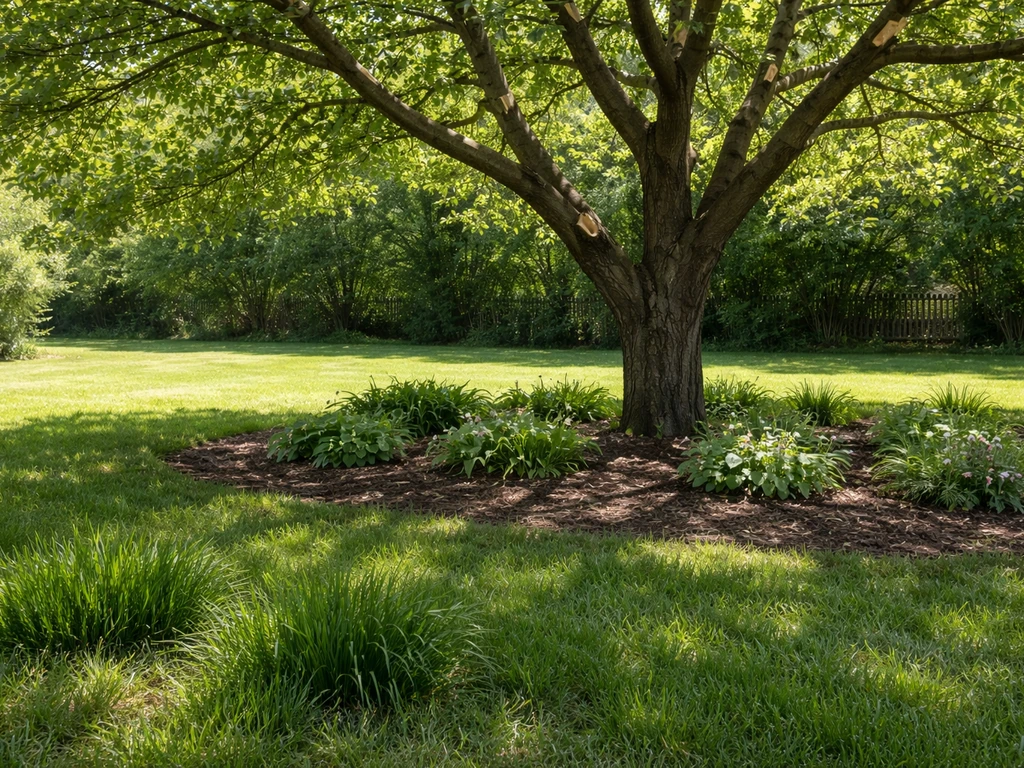
The single most effective improvement you can make is to thin the canopy above the problem area. Penn State Extension recommends pruning tree branches as much as you reasonably can without hurting the tree's structure or appearance. Even removing a few lower or interior branches can meaningfully increase light reaching the ground. You don't need full sun, but getting from 5% light transmission up to 25% or 30% can make the difference between grass that survives and grass that slowly disappears.
Keep mowing height higher than you would in open areas. Penn State Extension specifically recommends mowing shade-grown grass approximately one inch higher than the same species would be mowed in full sun. That extra blade height gives the plant more leaf surface for photosynthesis, which it desperately needs when light is limited. CSU Extension adds that mowing below 2 inches in any stressed condition reduces drought and heat tolerance by promoting shallow roots, which is already a problem under trees.
On the root side, one practical option is to avoid mechanical edging or heavy raking that cuts through surface feeder roots. University of Maryland Extension also flags the real risk of lawnmower and string trimmer damage to tree trunks and surface roots. If you're running a mower under a tree canopy regularly, consider mulching the base of the trunk out to the drip line, leaving a ring where you never have to bring the mower. That protects the tree and removes the highest-stress zone from the equation.
When to stop pushing grass and go with something else
There's a point where the honest answer is that grass isn't the right plant for a specific spot. When that happens, you can look beyond grass and choose an under-tree option that can handle shade and roots. If you have a dense canopy, poor soil, and persistent root competition, it helps to focus on the best approach for what to do when grass won't grow under trees grass isn't the right plant for a specific spot. If you're dealing with a dense canopy that allows less than 10 to 15% light through, tree roots that completely dominate the top few inches of soil, or a tree like a black walnut with confirmed allelopathic effects, grass is going to keep failing no matter how good your seed or how careful your watering. In many landscapes, homeowners use shade-tolerant groundcovers like hostas, pachysandra, or sedges instead of trying to force grass into the same conditions. University of Maryland Extension puts it plainly: when grass won't grow, switch to a shade-tolerant groundcover.
UVM Extension recommends choosing under-tree plants that are shade-tolerant, drought-tolerant, and have shallow root systems that won't compete aggressively with the tree. Hostas, pachysandra, ajuga, sweet woodruff, and liriope all fit that profile. Creeping Jenny and vinca minor are other solid options that spread to fill in bare areas under trees. If you want a no-mow, lawn-like look, fine-textured ornamental sedges can work in shadier spots.
Mulch is also a completely valid choice and often the most tree-friendly one. A 3 to 4 inch layer of shredded wood mulch from the trunk out to the drip line eliminates competition for water, protects surface roots, insulates soil temperature, and requires virtually no maintenance. It doesn't look like a lawn, but it looks intentional and tidy, and it's better for the long-term health of the tree than a patchy, struggling lawn.
Your realistic next steps
- Assess your light: stand under the tree at midday and estimate how much direct or bright filtered light reaches the ground. If it looks genuinely dark, plan for alternatives. If it's dappled or partially open, grass is worth trying.
- Get a soil test before doing anything else. Contact your local cooperative extension office for a test kit. It will tell you pH and major nutrient levels so you know exactly what amendments to add.
- Choose the right grass: in cool climates, go with a fine fescue blend heavy on Chewings and creeping red fescue. In warm climates, St. Augustinegrass is your best shade-tolerant option.
- Thin the canopy if possible. Have an arborist remove lower and interior branches to increase light penetration before you plant.
- Prepare the surface with a light compost topdress (quarter to half inch), rake it in, then seed at 1.5 to 2 times the normal rate. Skip heavy rototilling that would damage tree roots.
- Water the seedbed consistently, keeping the top inch moist with multiple light waterings per day during the first two to three weeks.
- Mow high: keep your grass at least one inch taller than the label recommendation for your grass type, and never go below 2.5 to 3 inches.
- If the area keeps failing after two seasons of honest effort, switch to a shade-tolerant groundcover or mulch the area entirely. That's not giving up; it's smart landscaping.
FAQ
Can grass grow under trees year-round, or is there a best season to seed?
Yes, but timing matters. Under-tree seeding is usually more reliable in fall (cool-season) or late spring (warm-season) because germination is less stressed. If you seed in mid-summer or early spring, plan for heavier weed pressure or higher heat stress, and expect slower establishment.
How long does it take for grass to fill in under trees?
In most cases, you will get thin, patchy grass in the first season, then improve with overseeding. Fine fescues in particular can gradually fill in as surface conditions stabilize, but you should still plan on at least one follow-up overseed cycle to build density in persistent shade.
What soil prep should I do under a mature tree, and what should I avoid?
Avoid heavy tilling or deep digging near tree roots. Instead, use light surface compost/topdressing and gentle raking to create seed-soil contact. Deep aeration or aggressive soil disturbance can damage feeder roots and often makes shade and water stress worse.
Can I fix under-tree grass problems by fertilizing more?
Yes, but “too much” fertilizer can backfire by encouraging weak growth and increasing disease pressure in low light. Use only what your soil test calls for, and if you apply starter fertilizer, keep it light and avoid repeated high-rate feeding during establishment.
What if the ground under the tree is always damp, will grass still work?
If the surface stays consistently wet and smells sour or looks anaerobic, grass often cannot persist even with better seed or light fertilizer. In those conditions, focus on drainage changes you can achieve safely, or switch to under-tree groundcovers or mulch where water pooling continues.
Do I need to remove leaf litter before seeding under trees?
Expect lower germination and patchy cover when leaf litter is heavy. Rake fallen leaves off before seeding, and keep the area mostly clear during the first few weeks so seedlings are not smothered and so the seedbed can stay evenly moist.
How do I know my watering is on target for under-tree seeding?
Moisture scheduling should be based on soil surface behavior, not the calendar. If the top quarter inch dries before the seedbed stays moist for the first 2 to 3 weeks, germination can fail. In hot or windy conditions, you may need more frequent light waterings than you would in open sun.
Should I mow differently when the grass is growing under trees?
Not always. If you mow, do it with a higher cut and do not scalp, because shallow roots and limited light mean the turf recovers poorly. Also keep equipment from contacting tree trunks and surface roots, since repeated damage can permanently reduce survival.
When is it better to stop trying to grow grass under a tree and switch to something else?
Switching to shade-tolerant groundcover is often the smart move when light transmission is extremely low, roots dominate the top few inches, or a known allelopathic tree keeps killing new turf despite good prep and watering. Use groundcovers or mulch when you see repeated failure even after reseeding.
Does pruning the tree actually help grass, and how much pruning is safe?
Yes, but the effect depends on how much light changes and whether pruning increases airflow. Removing a few lower or interior branches can raise light levels meaningfully, but do it within the tree’s health limits and avoid “lion’s tail” or structural damage that can reduce long-term canopy quality.
Is sod ever a good option for under-tree turf compared with seed?
It can help for short-term appearance, but it can also change grades or interfere with surface roots if sod is thick or installed aggressively. Seed generally allows lighter topdressing and less disruption, while sod can be harder to maintain under persistent shade and root competition.
Which grass types are most likely to succeed under trees in my region?
Yes, if you select the right turf type. Warm-season options like St. Augustine can tolerate shade better than many grasses in the South, while Bermuda is commonly a poor choice under trees. Cool-season fine fescues are often the best fit for dense root zones and limited light in northern climates.
Next Articles
What to Do When Grass Wont Grow Under Trees
Diagnose shade, roots, soil and drainage issues under trees, then prep soil, aerate, fertilize, and choose shade-toleran
How to Get Grass to Grow Under Trees Step by Step
Step-by-step plan to grow shade grass under trees, fix soil, pick seed, water right, and maintain a lasting lawn.
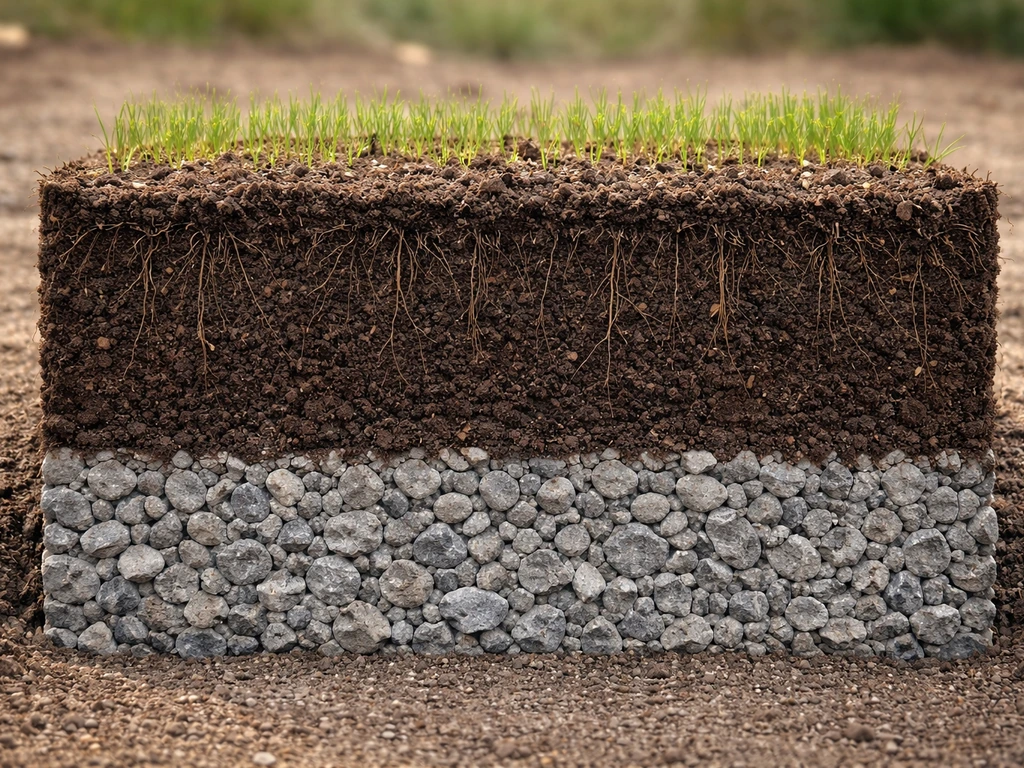
Can You Grow Grass Over Gravel? How to Do It Right
Learn when you can grow grass over gravel and follow a step-by-step method for soil depth, drainage, seeding or sod, and