Dog urine kills grass because it dumps a concentrated mix of nitrogen compounds, salts, and lactic acid into a small patch of soil all at once. That concentration is what does the damage, not the urine itself. Think of it like spilling a handful of granular fertilizer in one spot: the grass at the edges gets a growth boost from the diluted nitrogen, but the center gets burned to the roots. Once you understand that mechanism, the fix becomes obvious: dilute fast, repair the soil, and stop the same spot from getting hit over and over again.
Grass Won’t Grow Where Dog Urinates: Fix Fast and Prevent It
Marcus Volkmann
30 Jun 2026
What's actually happening in the soil when your dog pees
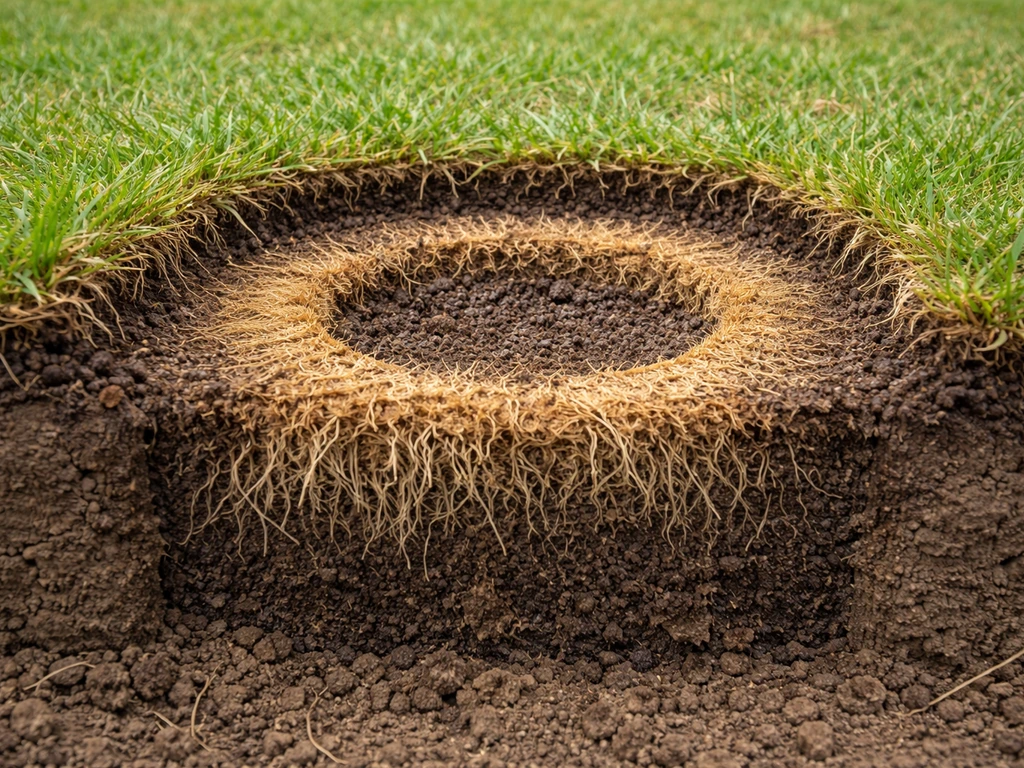
Dog urine contains water, urea, uric acid, lactic acid, creatinine, and bilirubin. When it lands on a small patch of lawn repeatedly, a few things happen fast. The nitrogen from urea floods the soil at a concentration far beyond what grass can use, producing what's essentially a chemical burn. The salts in the urine pull water out of grass root cells through osmotic stress, dehydrating tissue even when the soil isn't dry. And lactic acid, which research from NC State has identified as a primary culprit in cool-season turf death, causes direct cell damage in the leaf blades at phytotoxic concentrations.
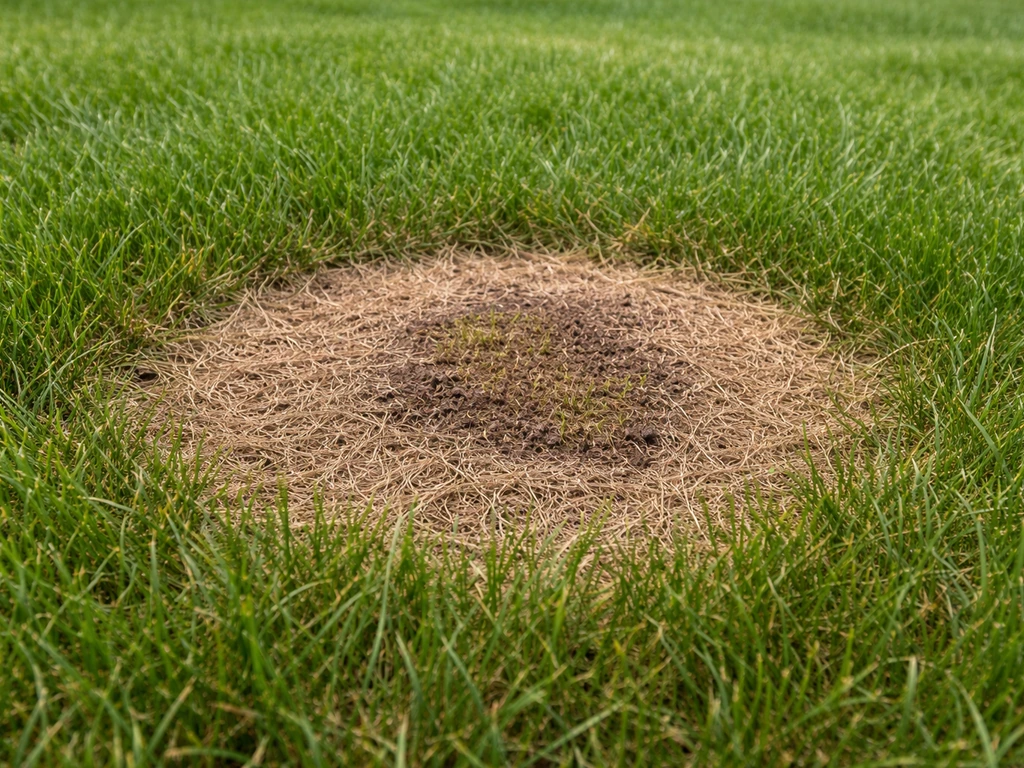
The visual result is predictable: a circle of dead, straw-colored grass in the center with a ring of darker, faster-growing green turf around the edge. That green ring isn't healthy grass thriving. It's grass getting a mild nitrogen boost from the diluted outer edges of the urine deposit, which actually makes the dead center stand out more. Purdue Extension notes that in hot, dry conditions, turf death can occur in as little as 24 hours after urination, which is why acting quickly matters so much.
The reason the same spots keep dying even after you reseed is that dogs return to spots they've marked before, depositing more urine on soil that may still be salt-loaded from previous events. The soil never gets a chance to recover before it's hit again.
Is it definitely urine damage? How to tell
Urine spots have a specific look that sets them apart from most other lawn problems. The classic pattern is a roughly circular dead patch, usually a few inches to about a foot across, with that distinctive dark green growth ring at the perimeter. The dead tissue dries out to a yellow-brown straw color. There's no cottony white growth on the blades (which would suggest a fungal disease), no water-soaked matted appearance, and the damage doesn't spread across large sections of the lawn.
Here's a quick checklist to confirm you're dealing with urine and not something else:
- Circular or oval dead patches, rarely larger than 12 inches across, often smaller
- Dark green growth ring around the dead center (this is the nitrogen halo)
- Locations match where your dog regularly goes, especially fence lines, favorite corners, or near posts
- No visible fungal threads, no matted or water-soaked blades
- Dead patches appear during warmer or drier stretches when urine concentrates faster
- New patches appear in the same general areas repeatedly after rain or irrigation dilutes old damage
If the damage is irregular, spreads in large irregular arcs, or looks water-soaked and matted, you're more likely dealing with a fungal issue, soil compaction, or drought stress. Dog traffic without urination can also compact soil and thin grass over time, but that damage tends to be more diffuse along paths rather than concentrated in small circles. If you're also dealing with shady sections of the yard where grass is struggling, that's a separate problem worth addressing on its own. If you’re dealing with shady areas where grass won’t grow, you’ll likely need to address low light, soil moisture, and plant selection in addition to urine damage shady sections of the yard where grass is struggling.
What to do right now, immediately after your dog pees
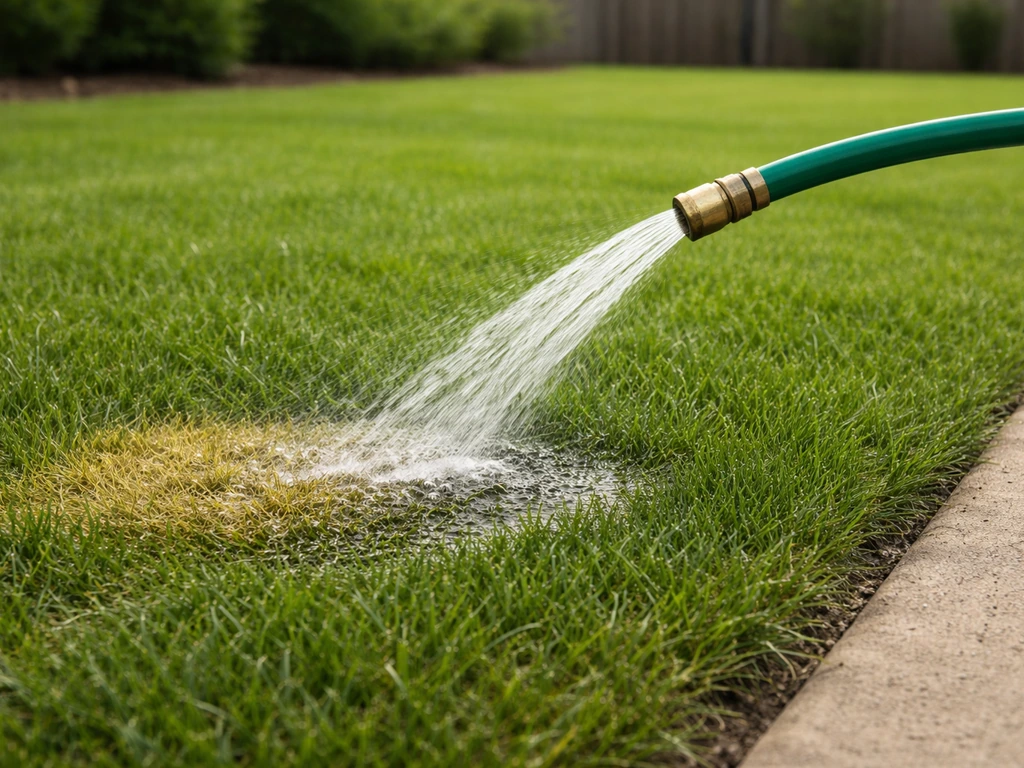
The single most effective thing you can do costs nothing: blank" rel="noopener noreferrer">flush the spot with water within a few minutes of your dog urinating. If you want the grass to actually survive in those repeat spots, the strategy is to flush fast and then choose the right repair and groundcover approach for dog-traffic areas how to grow grass where dogs pee. This is consistently what extension programs at Colorado State, University of Maryland, and UC ANR all recommend, and the reason it works is straightforward. Urine diluted to a low enough concentration stops being phytotoxic. You're not reversing damage that's already occurred, but you're cutting off the burn before it goes deeper.
Aim for about half a gallon to a full gallon of water directly over the spot, or roughly 30 to 60 seconds with a gentle hose flow. A watering can works too if your dog uses a predictable spot. You don't need to soak the surrounding area, just the footprint of where the urine landed. Do this consistently every time and you'll notice significantly fewer new dead spots forming, especially during hot weather when the concentration effect is worst.
One practical system that works well: keep a hose near the door your dog uses to go outside, or set up an automatic sprinkler on a short timer near favorite marking spots. Encouraging your dog to drink more water throughout the day also naturally dilutes the urine before it ever hits the grass, reducing the salt and acid concentration at the source.
Repairing existing dead patches step by step
If you've already got dead spots, here's how to actually fix them. Don't just throw seed on dead thatch and hope for the best. The dead material acts as a barrier and the soil underneath is often still loaded with salts.
- Rake out the dead thatch aggressively. Pull it all the way down to bare soil. You want the seed or sod to make direct contact with the ground.
- Flush the bare soil with water several times over a day or two before adding anything. This leaches out residual salts and lactic acid. A few heavy waterings are more effective than a single soak.
- Loosen the top inch or two of soil with a hand cultivator or garden fork. Urine damage areas often have slightly crusted or compacted soil from repeated traffic.
- If your soil is clay-heavy, work in a thin layer of compost to improve drainage and microbial activity. Sandy soils recover faster on their own but benefit from compost too for water retention.
- For small patches (under 6 inches), reseed with a species-appropriate grass seed and lightly rake it in. For patches larger than 6 to 8 inches, sod plugs give faster, more reliable cover.
- Use a starter fertilizer low in nitrogen for the initial establishment phase. Regular lawn fertilizers with high nitrogen can re-injure seedlings in already salt-stressed soil.
- Keep the patch consistently moist for the first two to three weeks. Don't let it dry out between waterings.
- Hold off on mowing the repaired area until new grass reaches about 3 inches tall. Mow the surrounding lawn at the highest practical setting (2 to 3 inches) to reduce overall turf stress.
Timing matters here. For cool-season grasses like fescue, bluegrass, and ryegrass, late summer through early fall is the ideal repair window, roughly late August through September in most regions. Soil is warm enough for germination, heat stress is dropping, and there's typically more natural rainfall. Spring works too but competes with weed germination. For warm-season grasses like bermuda or zoysia, late spring through early summer when soil temps are above 65°F is your best bet.
Stopping hot spots from coming back
Water the lawn more strategically
Adjusting your irrigation schedule around where your dog goes can make a real difference. Set a zone or run a sprinkler in the high-use areas more frequently, not just after you see your dog go, but as a baseline routine. Deep, infrequent watering for root development is the general rule for lawns, but in dog-heavy zones a lighter daily watering to dilute residual salts is worth the trade-off.
Mow higher and avoid over-fertilizing
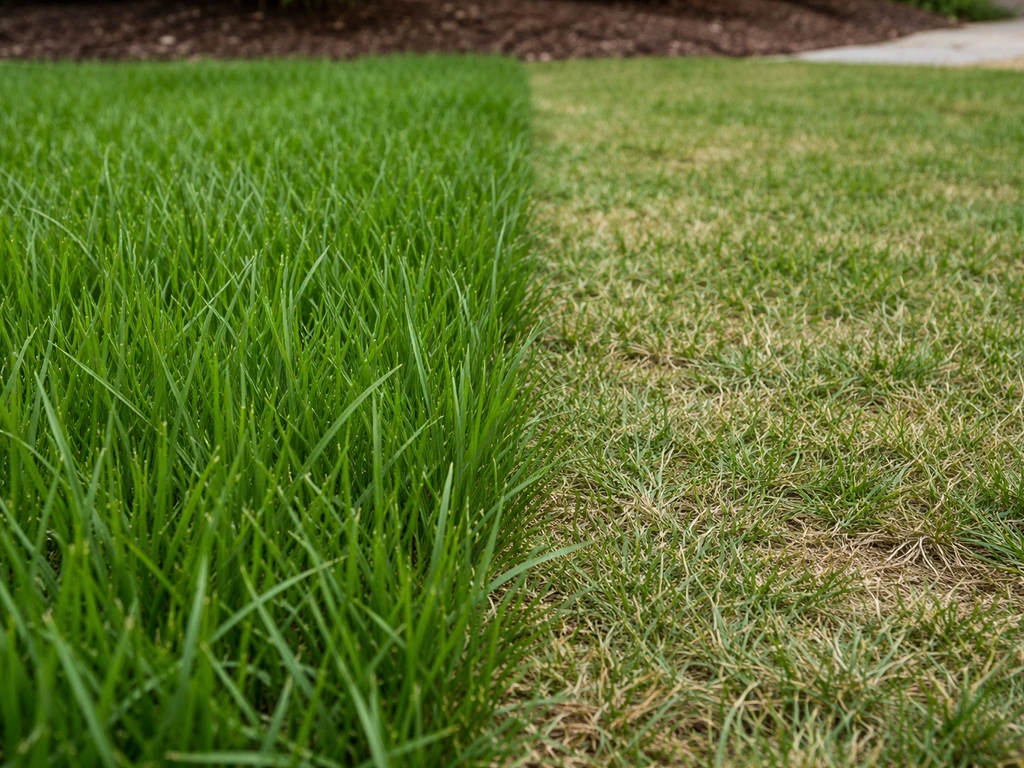
Mowing at 2.5 to 3 inches keeps grass healthier and more resilient to urine stress. Shorter grass has less leaf area for photosynthesis and shallower roots, both of which make it more vulnerable to any kind of chemical or environmental stress. Also, avoid applying high-nitrogen fertilizers in dog-heavy areas of the lawn. If the soil is already getting nitrogen from urine regularly, adding more on top compounds the burn risk.
Train your dog to use a designated spot
This is the most effective long-term prevention strategy and the most underused one. You can train most dogs to urinate in a specific area using the same reward-based methods used for any other behavior. Pick a spot that's mulched, graveled, or planted with a tough groundcover (more on those below), take your dog there consistently on leash at the start of each outdoor session, and reward them when they go there. Consider backyard ideas where grass won't grow, like mulched or graveled designated toilet zones, to eliminate the need to keep reseeding damaged turf designated spot. UC ANR IPM specifically calls this out as a primary prevention strategy. It takes a few weeks of consistency but it works.
Physical barriers and containment
Low garden edging, decorative fencing, or strategic planting beds can redirect where your dog goes without full containment. If there's a specific corner or section of yard that keeps getting destroyed, sometimes the simplest answer is making that area inaccessible or replacing the grass there entirely with gravel, mulch, or a hardscape feature. If you want grass to avoid that area permanently, gravel, mulch, and hardscape options along the side of a house can be a practical alternative to repeated reseeding ideas for side of house where grass won't grow.
What about urine-neutralizing products?
Products claiming to neutralize dog urine or change its pH are popular but the evidence behind most of them is thin. McGill University's Office for Science and Society found no credible evidence supporting products like Dog Rocks. The main damaging agents, lactic acid and concentrated salts, aren't reliably addressed by most pH-adjusting supplements. Enzyme-based odor eliminators like Simple Green Outdoor Pet Odor Eliminator can reduce the odor that draws dogs back to re-mark the same spots, which is worth something from a behavioral standpoint, but they don't repair grass or prevent the chemical burn from the next urination event. Water is still the most reliable and evidence-backed intervention.
Grass types and groundcovers that hold up better
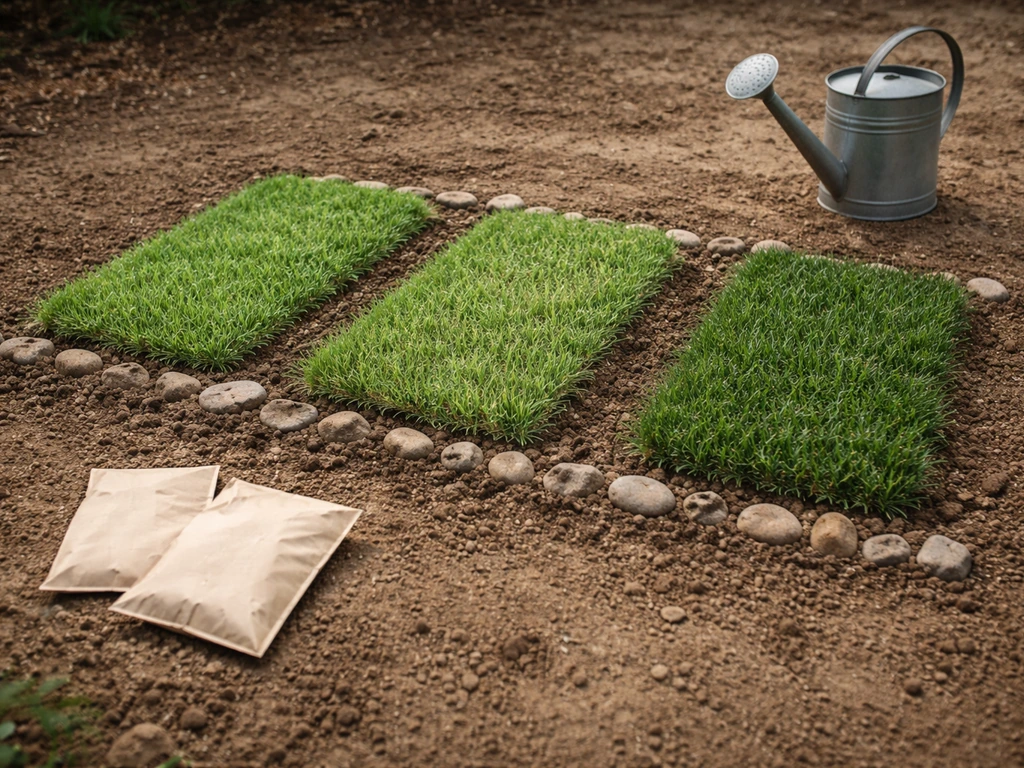
Not all grass is equally vulnerable. If you're reseeding or overseeding in dog-heavy areas, your species choice matters. NC State Extension research on lactic acid tolerance ranks cool-season grasses this way, from most to least tolerant: tall fescue, creeping red fescue, perennial ryegrass, and Kentucky bluegrass. Bluegrass is beautiful but it's the most vulnerable of the group and a poor choice for a yard with active dogs. If you want results that last, consider switching to groundcovers or grass alternatives that are less vulnerable to urine stress grass types and groundcovers. Cornell Turfgrass Program also confirms that perennial ryegrass and fine fescues handle salt stress better than Kentucky bluegrass.
| Grass Type | Season | Urine Tolerance | Best Use Case |
|---|---|---|---|
| Tall Fescue | Cool-season | Highest among cool-season grasses | Most dog yards in transition and northern climates |
| Creeping Red Fescue | Cool-season | Good | Shaded dog areas, lower traffic |
| Perennial Ryegrass | Cool-season | Moderate | Quick repair and overseeding |
| Kentucky Bluegrass | Cool-season | Lowest | Avoid in heavy dog-use zones |
| Bermudagrass | Warm-season | Good | Southern climates, active dogs |
| Zoysiagrass | Warm-season | Good | Southern climates, moderate traffic |
If you're done fighting grass in a specific area entirely, practical alternatives include pea gravel (easy to hose down, drains well, dogs tend to accept it), decomposed granite, or rubber mulch. For a living groundcover, clover is surprisingly tough and actually fixes nitrogen in the soil rather than being burned by it. It's a legitimate low-maintenance option for dog areas, though it won't handle heavy foot and paw traffic. If you want to go a different direction entirely with problem zones, it's worth thinking about the broader range of landscaping alternatives for areas where grass consistently fails. If you need ideas for areas where grass won't grow, consider durable groundcovers and hardscape options like gravel or clover that can handle dog traffic better than turf landscaping alternatives for areas where grass consistently fails.
How long recovery actually takes and when to get help
Be realistic: Colorado State and NC State both state that urine damage can detract from lawns for weeks to months depending on the severity and conditions. A mild spot flushed early and reseeded in the right season might fill in within three to four weeks. A deep burn on compacted clay soil in a shaded corner of the yard, reseeded in midsummer heat, could struggle for an entire season. In a shaded yard, pick shade-tolerant grass types and follow a consistent watering and flushing routine so urine damage does not linger.
If you've repaired a spot twice and it keeps dying, the soil itself may need more than just flushing. At that point, digging out the top 3 to 4 inches of soil in the affected area and replacing it with fresh topsoil or a compost blend before reseeding will give you a genuine fresh start. This is a half-hour job for a homeowner on a few spots, but if you're dealing with large areas that refuse to recover, a landscaper can assess whether regrading, drainage issues, or soil chemistry problems beyond urine are compounding the damage.
Signs it's time to escalate beyond DIY repair:
- Patches keep dying even after thorough soil replacement and reseeding in the correct season
- Dead zones are expanding beyond the typical urine-spot size or connecting into larger dead areas
- Soil is heavily compacted, drains poorly, or stays waterlogged after rain, suggesting deeper drainage or grading problems
- You're dealing with full shade in addition to dog traffic, which stacks multiple stress factors that grass struggles to survive
- The affected area is large enough that full sod replacement would be more practical than repeated reseeding attempts
The bottom line is that most dog urine damage is fixable with fast action, the right grass species, and a consistent flushing routine. University of Maryland Extension notes that dog urine damage is variable because the concentration of salts and acidity can differ dog urine damage is variable because the concentration of salts and acidity varies. The homeowners who stay ahead of it are the ones who treat it as an ongoing management habit rather than a one-time repair project. Flush immediately, reseed with tolerant species in the right season, adjust where your dog urinates if you can, and keep the lawn at a healthy mowing height. If you still end up with spots that won't recover, you can switch to a landscaping approach instead of trying to force grass to grow there how to landscape areas where grass won't grow. That combination handles most of what dogs can throw at a lawn.
FAQ
If I flush once, will my lawn recover permanently or will the salts come back later?
Yes, but only in the sense that salts can dry and linger at the surface, and returning dogs add fresh urine on top. If you notice new rings forming in the same exact footprint, you need to flush immediately every time (and consider temporarily replacing that patch if it keeps re-burn).
Can I fertilize the urine spot to make the grass grow back faster?
Not reliably. Quick-release fertilizers, bone meal, and many supplements can increase salt or nitrogen load, making repeat urine burns worse even if the grass looks greener at first. If you need feeding, avoid dog-heavy zones until they are fully re-established and use a light, lower-nitrogen rate.
Should I just sprinkle seed over the dead circle and water it?
Typically no, and you should avoid reseeding over dead cores without preparation. The “straw-colored center” often includes dead thatch and salt-loaded soil beneath it, so lightly rake, then remove dead thatch or top few inches if it fails twice, before adding seed.
What if I do not notice the urine right away, can I still flush later?
Best results come from timing irrigation soon after the accident, but not everyone can catch the exact moment. If you discover the spot later the same day, flush once promptly anyway, then follow your normal watering schedule, since the goal is to prevent further root-cell dehydration and dilute remaining salts.
Is it better to mow shorter or taller in dog pee areas?
Mowing higher generally helps urine-stressed grass because it maintains deeper, healthier root growth and more leaf area for recovery. However, if your lawn is already overgrown, raise mowing height gradually and avoid cutting too short in the same week you plan to overseed or repair.
Is a watering can effective, or do I need a sprinkler to flush urine spots?
Watering cans are fine for isolated, predictable spots, but use a gentle flow so the water actually infiltrates the footprint rather than running off. For hoses, aim for steady coverage at about half to one gallon total, then stop once the ground is thoroughly wetted where the urine landed.
How can I tell urine damage apart from fungus or other lawn diseases?
Probably not. Over time, repeated urine can alter soil salinity and create a persistent bare patch, but the easiest clue is pattern: urine damage is usually a small, roughly circular dead area with a darker ring. If you see spreading rings or irregular large mats, revisit your diagnosis and consider fungal or compaction causes.
Does urine damage act differently on sandy soil versus clay soil?
Soil type changes the severity. Sandy soils can drain quickly but may still keep salts concentrated in the top layer where roots are shallow, while compacted clay holds salts longer and can extend recovery for months. If you have heavy clay or the area stays wet or crusty, you may need deeper topsoil replacement sooner.
Will getting my dog to drink more water solve the problem without flushing?
If your dog drinks more, the urine can be less concentrated, which reduces the likelihood of severe burns, but it does not eliminate the issue. You still need flushing as the main protection, especially if the dog returns to the same marking spot.
Why does grass keep dying even after I reseed the same spot?
Yes, if the spot gets hit repeatedly, you can end up reseeding and still losing the seed because the salts and acids remain and new deposits keep restarting the damage cycle. A practical decision rule is, if a repaired area dies two times in the same season, switch to either topsoil replacement or a non-grass groundcover in that footprint.
What if urine spots are mostly happening in shaded parts of my yard too?
Often, because urine damage is concentrated, and other factors like deep shade or poor drainage can be the limiting factor. If you see urine circles only in certain shaded pockets, treat shade issues and soil moisture first for those areas, then use urine flushing and tolerant turf where grass is already viable.
Do urine-neutralizing sprays or “odor blockers” actually prevent dead grass?
Consider products that primarily reduce odor rather than those that promise to neutralize toxins. Odor reducers can help break the re-marking habit, but they are not a substitute for dilution, so use them only as a behavioral aid alongside flushing.
If the problem area keeps coming back, what landscaping change usually works best?
The most common upgrade is a designated zone, like gravel or a resilient groundcover, because it breaks the cycle rather than repeatedly forcing turf to survive. If you want to keep some grass, redirecting traffic to a border mulched area near the marking point can also reduce re-hit frequency.
Can dog training reduce urine damage enough that I can stop treating the whole lawn?
If you can reliably train your dog to use a specific toilet zone, you may not need frequent flushing everywhere. Train on leash, reward immediately, and keep the rest of the yard “unrewarding” by cleaning spots quickly so dogs do not associate those areas with a successful mark.
If I flush and still get bare spots, could traffic or compaction be the real cause?
You may have missed compounding issues like soil compaction from traffic. If the dog also runs or stands in that area, the turf can thin even with good flushing. Light aeration or loosening the top layer (and addressing foot traffic) can help recovery when urine alone is not the whole story.
Next Articles
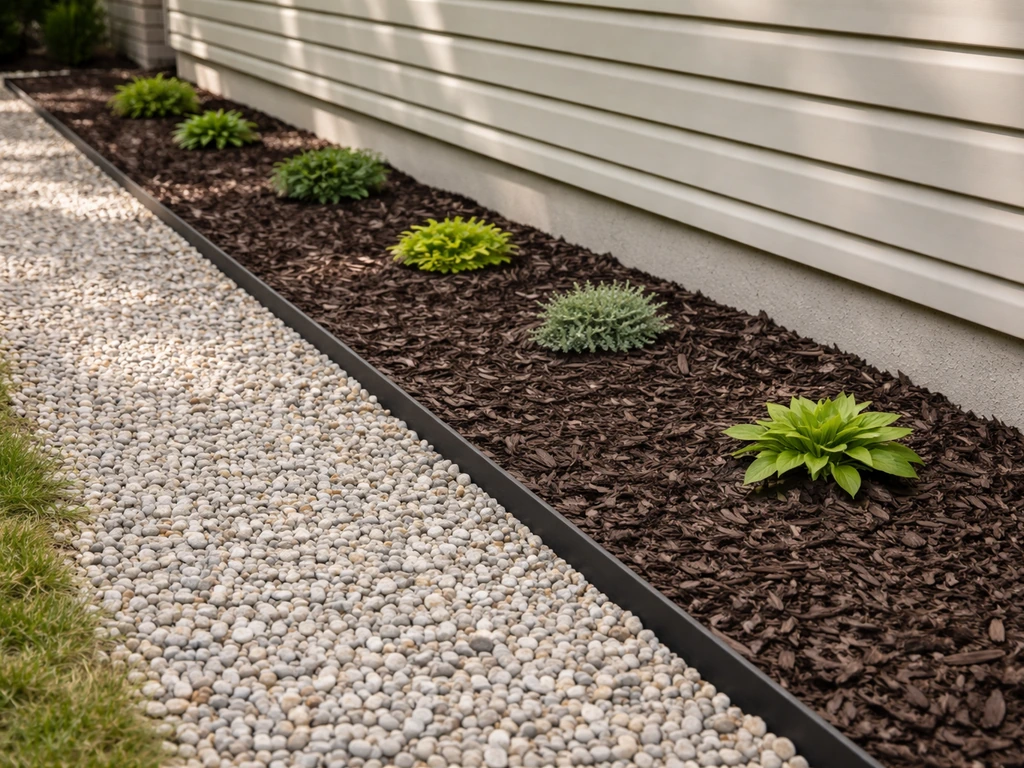
Ideas for Side of House Where Grass Won’t Grow
Fix side-yard grass: learn why it fails, then install gravel, mulch, pavers, groundcovers, or turf with proper prep and
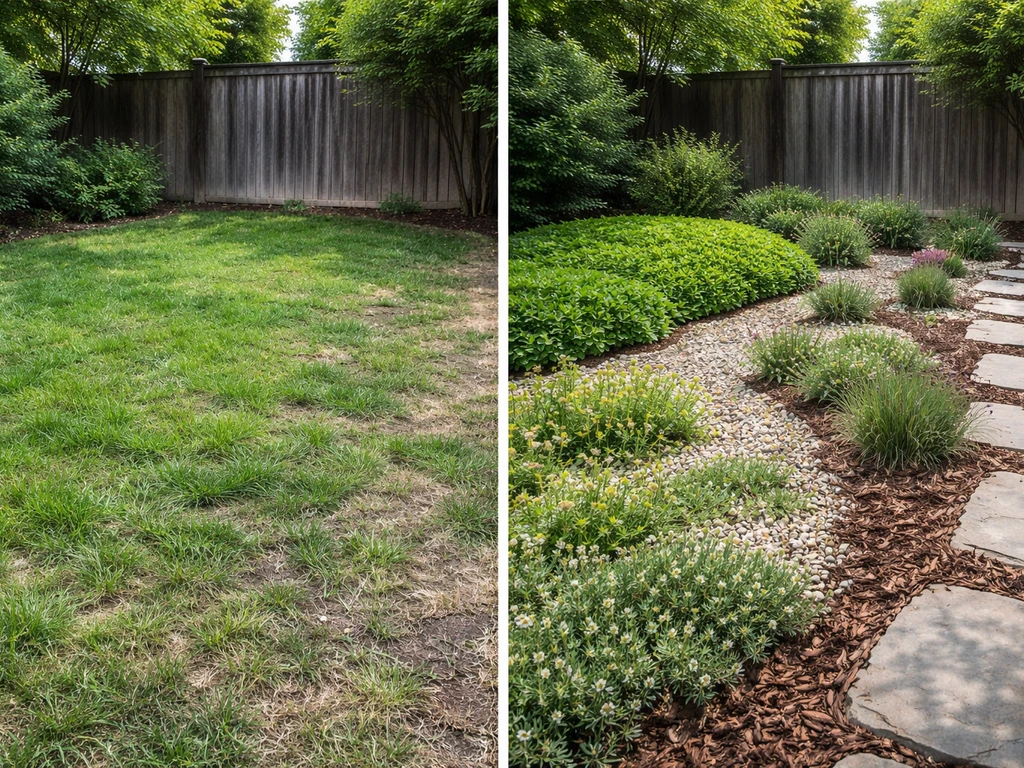
What to Grow Instead of Grass: Plant Options by Yard Conditions
Find the best plants to replace grass by your yard conditions, with groundcover picks, setup steps, and care plans.
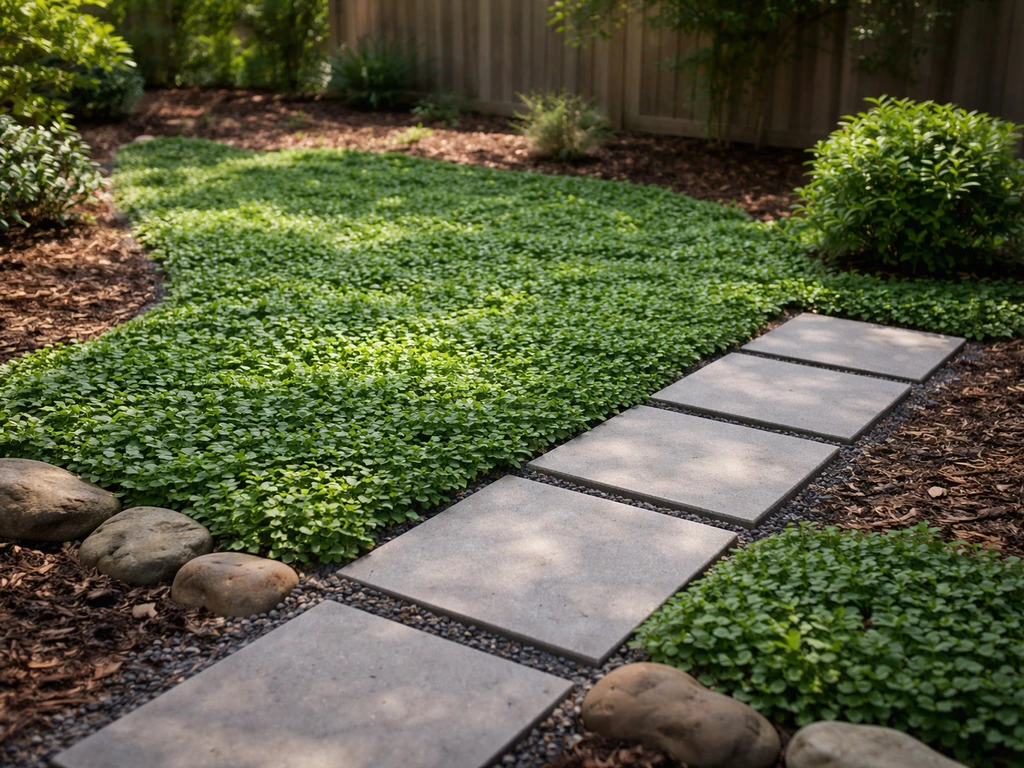
Backyard Ideas Where Grass Won’t Grow: Fix and Replace Lawn
Fix patchy or dead lawn with shade, soil, and drainage solutions plus ground covers, hardscape, and weed control steps.