If grass refuses to grow in parts of your backyard, stop fighting it and design around it. The most effective approach is to figure out exactly why grass is failing in that spot, then replace it with something that actually fits those conditions, whether that's a shade-tolerant ground cover, a gravel or paver layout, a mulched garden bed, or a combination of all three. You don't need a full lawn to have a yard that looks great and stays manageable.
Backyard Ideas Where Grass Won’t Grow: Fix and Replace Lawn
Marcus Volkmann
1 May 2026
Why grass won't grow in your yard
Before you pick an alternative, you need to know what you're actually dealing with. The fix for a shady corner is completely different from the fix for compacted clay or a spot ruined by dog urine. Here are the most common culprits.
- Too much shade: Most turf grasses need at least 4 to 6 hours of direct sun. Deep shade from mature trees or structures starves grass of the light it needs to photosynthesize and stay dense.
- Soil compaction: If you can't push a metal rod or hollow pipe into the ground more than a few inches without serious effort, the soil is too compacted for roots to establish. Penn State Extension recommends using a penetrometer to measure depth and severity of compaction.
- Wrong soil pH: Most turfgrasses perform best at a pH of 6.0 to 7.0. Above that range, nutrients like iron and manganese become less soluble and less available, so grass starves even when fertilizer is applied. Soil at pH 8.0 is roughly 10 times more alkaline than pH 7.0.
- Poor drainage or standing water: Grass roots drown in waterlogged soil. If your yard holds water for more than a few hours after rain, that's your problem.
- Heavy thatch: Thatch deeper than half an inch creates a mat that blocks water and fertilizer from reaching roots, according to NDSU Extension.
- Dog urine: Concentrated nitrogen salts in dog urine burn turf in small spots, causing straw-colored patches often ringed by darker green grass. This is a recurring problem in high-traffic pet areas.
- Extreme heat or reflected heat: Areas near driveways, south-facing walls, or dark surfaces get much hotter than open lawn and can scorch grass even with adequate water.
- Root competition from trees: Large tree roots compete aggressively for water and nutrients, and surface roots make it nearly impossible to maintain turf.
Knowing your cause narrows your options fast. If it's shade and roots, you need shade-tolerant plants or hardscape. If it's compaction and drainage, you may be able to amend and replant, but hardscape is often the more durable long-term answer.
Quick fixes you can do today
Before committing to a full redesign, spend an hour doing a real assessment. Walk the problem area and take notes on sun exposure at different times of day, water pooling patterns after rain or irrigation, and whether the soil surface feels rock-hard. A simple screwdriver test works well for compaction: if you can't push a standard screwdriver into the soil 2 to 3 inches with hand pressure alone, compaction is a likely factor.
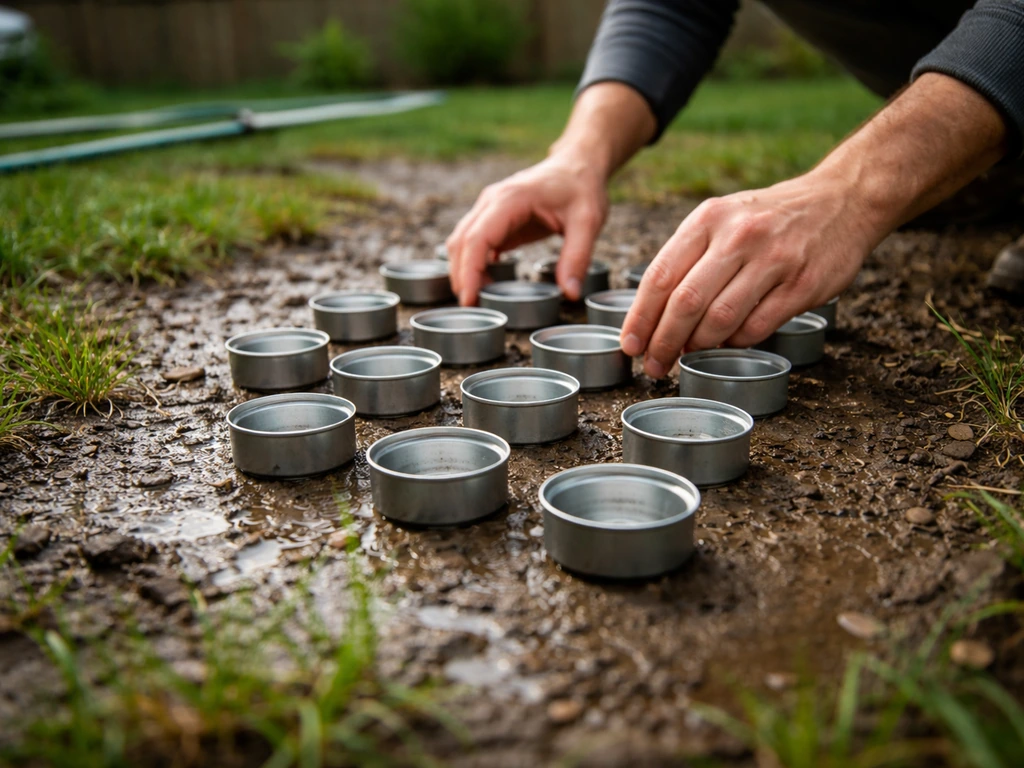
Check your irrigation too. Run your system and use catch cans or even tuna cans placed in a grid across each zone to see how evenly water is being distributed. If coverage uniformity is below 60%, some areas are getting soaked while others stay dry. Uneven irrigation mimics drought stress and produces patchy, weak turf that invites weeds.
Get a soil test if you haven't in the last two or three years. A basic test from a commercial soil lab or your county extension office gives you pH and nutrient levels, plus lime recommendations. This is especially important before putting in any alternative planting, because even ground covers and native plants have pH preferences.
Some quick wins before you do anything structural: trim tree canopies to let in more light, fix low spots that hold water by topdressing with a sand-compost blend, and dethatch any area with blank" rel="noopener noreferrer">thatch deeper than half an inch. If dog urine is your primary issue, designating a gravel or mulch bathroom zone for your dog and flushing urine spots with water immediately after can reduce damage while you plan a longer-term solution.
Low-maintenance ground cover alternatives
Ground covers are the most naturalistic grass replacement, and the right one for your yard depends almost entirely on your site conditions. These aren't lawn substitutes you can mow weekly, but they do create a lush, living surface that fills in and suppresses weeds once established.
Best picks for shade
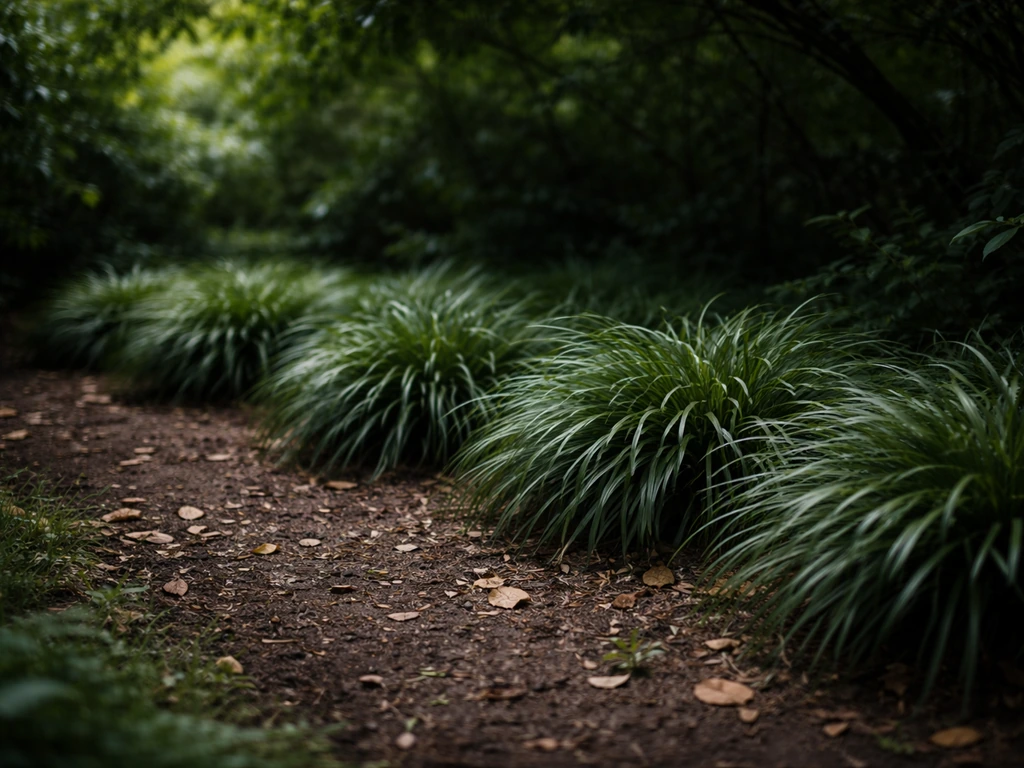
- Mondo grass (Ophiopogon japonicus): Evergreen, sod-forming, and genuinely shade-tolerant. It prefers moist, well-drained soil and handles deer and moderate foot traffic well, according to NC State Extension. Great under trees where turf always fails.
- Bugleweed (Ajuga reptans): Low and dense, spreads quickly in part-shade or full shade, and produces purple flower spikes in spring. The Morton Arboretum describes it as an excellent ground cover for shaded spots. It can be aggressive, so keep it away from garden beds.
- Creeping Jenny or creeping phlox: Both work in part-shade, spread readily, and offer seasonal color without much upkeep.
- Native ferns: In deep shade with decent moisture, native ferns like ostrich fern or autumn fern fill space beautifully and require almost no maintenance after the first season.
Best picks for sunny, dry, or high-traffic areas
- Creeping thyme: Handles foot traffic, drought, and full sun. It stays flat, smells great when stepped on, and flowers in summer.
- Clover (white or microclover): Fixes nitrogen, stays low, tolerates mowing, and handles dog traffic reasonably well. Works best as a lawn replacement in areas that still see some foot traffic.
- Sedum varieties: Ideal for hot, dry slopes or reflected-heat zones where almost nothing else survives.
- Buffalo grass or blue grama (for appropriate climates): If you're in the Great Plains or similar dry climates, these native grasses are far more forgiving than Kentucky bluegrass or fescue and need far less water.
If dogs are part of the equation, factor in durability. Most delicate ground covers won't survive heavy dog traffic even if they tolerate shade. In dog-heavy zones, hardscape or coarse mulch with stepping stones tends to be more practical than any plant-based cover.
Hardscape and non-lawn backyard layouts
Hardscape is the fastest, most durable solution for areas where grass just won't cooperate. It also gives your yard a designed, intentional look rather than the 'gave up on lawn' look. The key is combining materials thoughtfully so the space feels cohesive.
Gravel and decomposed granite
Pea gravel and decomposed granite (DG) are among the most versatile materials for grass-free yards. They drain well, suppress weeds when installed correctly, and work in both full sun and shady areas. DG compacts into a firm, walkable surface that's good for paths and seating areas. Pea gravel stays loose, which is better for planting beds or zones you want to feel more relaxed.
For either material, lay a base of compacted crushed rock, then top with 2 to 3 inches of your finish material. Skip the plastic weed fabric underneath: Colorado State University Extension advises against woven plastic or black plastic barriers under mulch or gravel because they degrade over time and interfere with water and oxygen exchange in the soil.
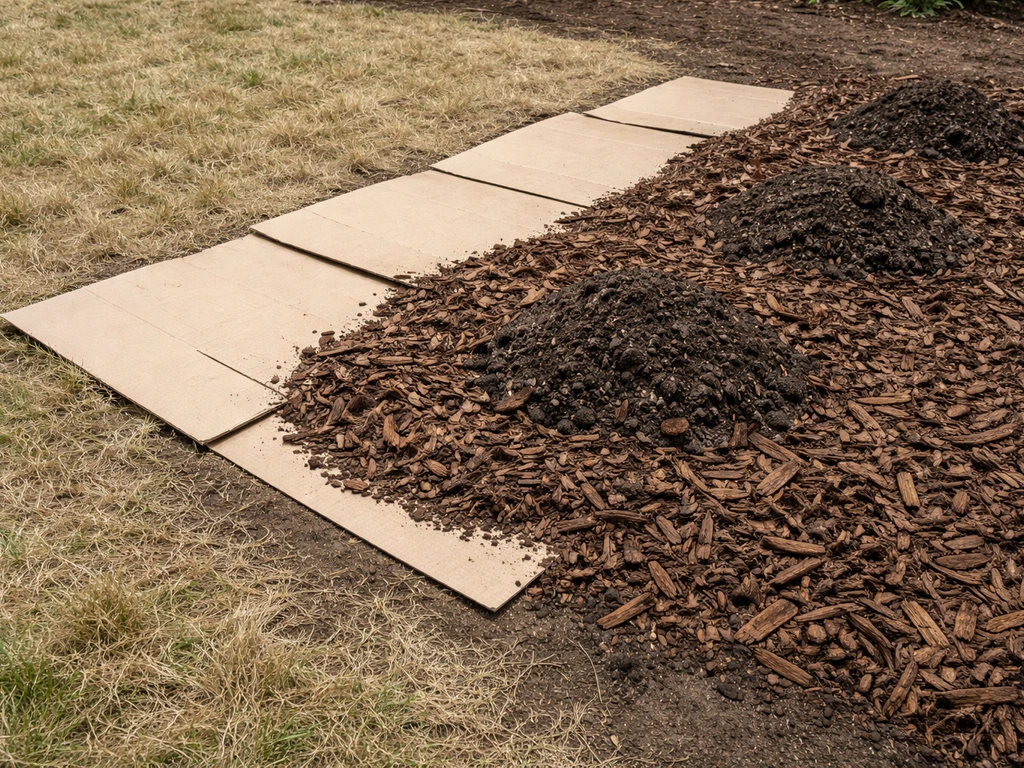
A good layer of cardboard under the gravel works better as a short-term weed barrier while plants establish.
Pavers, stepping stones, and patios
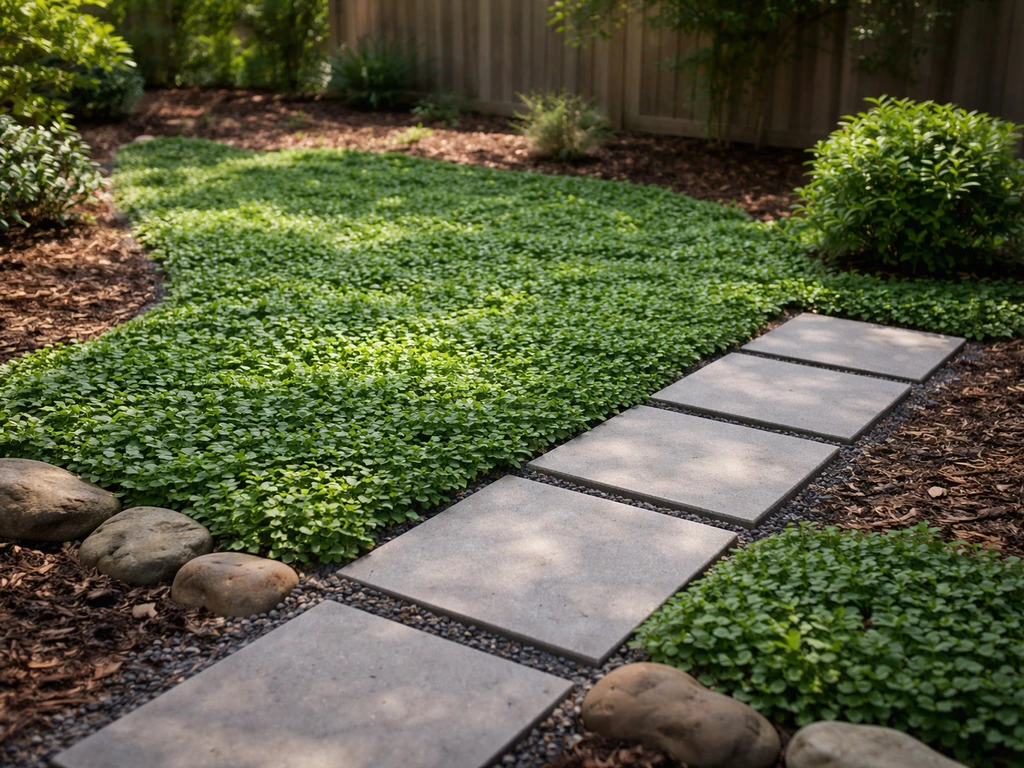
A paver patio anchors the yard and gives you an outdoor living area in the exact spot where grass was failing. Flagstone, concrete pavers, and brick all work well in backyard settings. If the budget is tight, a stepping-stone path through a mulched or ground-cover bed costs a fraction of a full patio and solves the 'dead strip of dirt' problem immediately. You can fill between pavers with creeping thyme, gravel, or polymeric sand depending on how much foot traffic the area gets.
Mulched garden beds and paths
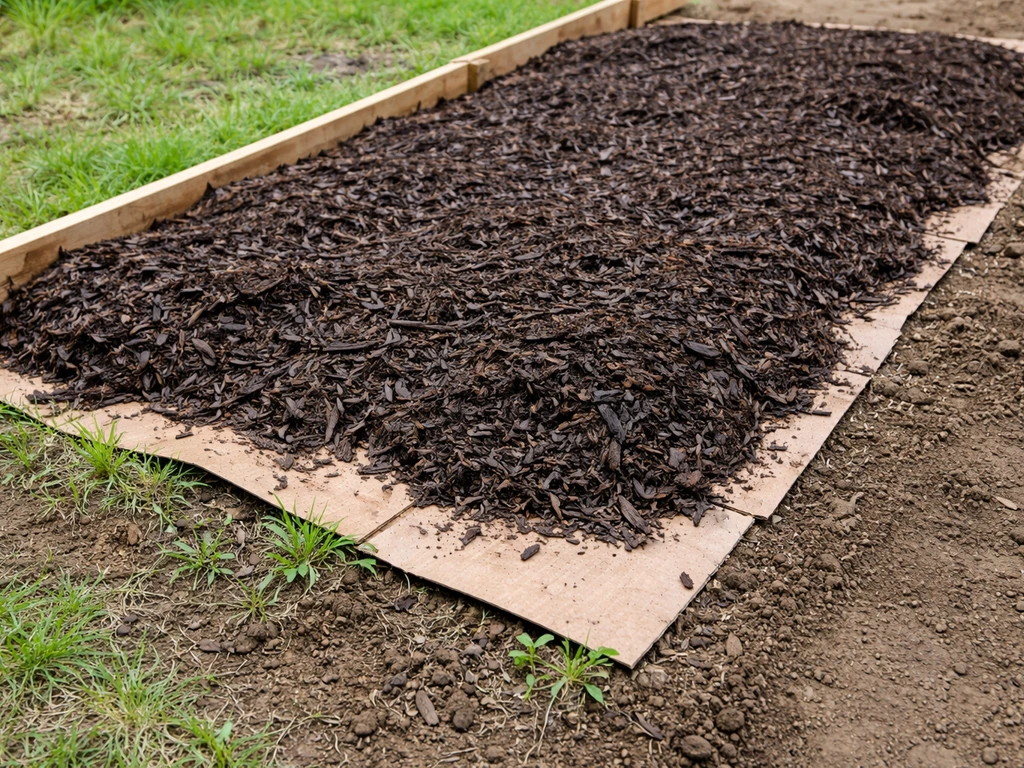
Converting a dead grass area to a deep mulched bed is one of the easiest and cheapest transformations you can make. Lay cardboard directly over the area, wet it down, and top with 3 to 4 inches of wood chip mulch. The cardboard smothers existing weeds and grass without chemicals, and it breaks down into organic matter over 6 to 12 months. Plant shrubs, perennials, or native plants directly through the cardboard.
This sheet mulching method dramatically reduces weed pressure and eliminates the need for herbicide during conversion, according to OSU Extension. OSU Extension Service describes sheet mulching (lasagna-style) by using a cardboard or paper barrier layer to smother weeds, then covering it with mulch such as wood chips, shredded bark, compostable materials, or rocks and pebbles to hold it in place sheet mulching method drastically reduces weed pressure and eliminates the need for herbicide.
Raised beds and vertical features
Raised beds are a smart addition to hardscape-heavy backyards. They add height and visual interest, let you control soil quality completely, and turn a problem area into a productive vegetable or herb garden. Pair them with a gravel surround and a simple cedar border and the overall look is clean, not improvised.
Soil, shade, and climate-specific strategies
Fixing soil before you plant anything
If you want to plant ground covers or any alternative vegetation, soil prep matters. Compacted areas need mechanical aeration or deep tilling before amendments do much good. Once the soil is loosened, add 2 to 4 inches of compost worked into the top 6 inches. For pH problems, apply lime to raise pH or sulfur to lower it based on your soil test results, and retest after 3 to 6 months. Don't guess on amendments: a soil test from your county extension lab costs $15 to $30 and saves you from applying the wrong thing.
Dealing with shade specifically
If the shade comes from your own trees, selective canopy thinning can increase light by 20 to 30 percent, which sometimes tips the balance enough for a shade-tolerant grass like fine fescue or a shade-tolerant ground cover to establish. But if you're under a large oak or maple with surface roots, it's almost never worth trying to maintain turf. Root competition for water and nutrients is just too strong. Go with mulch, shade plants, or a defined hardscape feature instead.
Weed control during conversion
The window between removing dead grass and getting your alternative established is when weeds take over if you're not intentional. Sheet mulching with cardboard is your best non-chemical option. For heavily infested areas, soil solarization with a clear plastic tarp (2 to 6 mil) left in place for 4 to 6 weeks during the hottest part of summer kills weed seeds and pathogens in the top few inches of soil, according to both UC ANR and UMN Extension. In dry climates, 2 to 3 weeks may be enough. After solarization or sheet mulching, cover with mulch before weeds can recolonize.
Climate and regional considerations
Your climate shapes which alternatives actually work. In the Southwest, gravel, DG, and drought-tolerant natives like agave, penstemon, and ornamental grasses are the practical choice. In the humid Southeast, shade-tolerant plants like mondo grass and sweet woodruff thrive where turf struggles. In the Pacific Northwest, ferns, moss, and creeping ground covers handle the wet shade better than any lawn grass. Know your USDA hardiness zone and average annual rainfall before choosing plants, and lean toward natives whenever possible since they evolved to handle your exact conditions.
Planning a grass-free yard that looks good year-round
The biggest mistake people make when converting a dead grass area is treating it as a problem to eliminate rather than a design opportunity. A grass-free yard can look more intentional and require less weekly work than a lawn, but it needs a plan. With the right strategy, you can learn how to landscape areas where grass won't grow and turn those stubborn spots into something that looks good year-round.
Pick a style that matches your house and how you use the space
- Modern/minimalist: Decomposed granite or concrete pavers with clean edging, ornamental grasses, and a few well-placed specimen plants. Low-effort, high-impact look.
- Cottage/naturalistic: Mulched beds with a mix of perennials, ground covers, and stepping stones. More planting up front, less mowing forever after.
- Outdoor living focus: Patio as the centerpiece, surrounded by low-maintenance shrubs or native plantings in mulched beds. Great if you actually want to use the backyard.
- Edible yard: Raised beds, herb spirals, and fruit trees replacing lawn. Requires more active involvement but the payoff is literal.
- Pollinator garden: Native wildflowers and grasses replacing traditional lawn. Once established, they largely take care of themselves and support local ecosystems.
Budget ranges to expect
| Approach | Approximate DIY Cost (per 200 sq ft) | Approximate Pro Install Cost (per 200 sq ft) | Maintenance Level |
|---|---|---|---|
| Sheet mulch + ground cover plants | $100–$300 | $400–$800 | Low after year 1 |
| Gravel or decomposed granite | $150–$400 | $500–$1,200 | Very low |
| Paver patio or stepping-stone path | $300–$900 | $1,200–$3,500 | Very low |
| Native/pollinator planting bed | $150–$500 | $600–$1,500 | Low after year 2 |
| Raised vegetable beds + gravel surround | $200–$600 | $700–$2,000 | Moderate (seasonal) |
Phase the project if budget is tight. Start with cardboard and mulch to kill the dead area and stop weeds this season, then add plants or hardscape in future years. Even basic mulch looks 100 times better than bare, weedy dirt while you figure out the permanent plan.
Year-round appearance: think in seasons
A well-designed grass-free yard should have something interesting in every season. Use evergreen ground covers like mondo grass or creeping juniper for winter structure. Add spring bulbs under deciduous shrubs. Choose perennials with extended bloom times and ornamental grasses that hold their form through winter. Seed heads, bark texture, and evergreen foliage carry a yard through the months when a lawn is just dead brown turf anyway.
Maintenance, watering, and long-term success checklist
Going grass-free doesn't mean going maintenance-free, but it should mean going low-maintenance. Here's what to stay on top of once your new design is in place.
- Year 1 watering: Newly planted ground covers and shrubs need consistent moisture to establish. Water deeply 2 to 3 times per week during dry spells in the first season, then scale back significantly in year 2.
- Mulch top-up annually: Organic mulch breaks down and needs to be refreshed every 1 to 2 years. Keep depth at 2 to 3 inches. Don't pile it against plant stems or tree trunks.
- Edge your beds twice a year: Clean edges between mulched beds, gravel areas, and any remaining lawn prevent grass from creeping back in. A half-moon edger or spade handles this in minutes.
- Audit irrigation each spring: Check that drip emitters or sprinkler heads are aimed at your new plants, not the old lawn zones. Use catch cans to verify even coverage across each zone, and adjust if uniformity is below 60%.
- Weed check in spring and fall: Pull weeds before they set seed. In a mulched or gravel yard, this is a 20-minute job twice a year, not a weekly chore.
- Retest soil pH every 3 years: If you added amendments, verify pH has moved in the right direction. Most ground covers and ornamental plants do best in the 6.0 to 7.0 range.
- Watch for spreading plants: Ajuga, creeping Jenny, and similar spreaders can move into areas you didn't intend. Trim edges in spring to keep them in bounds.
- Check hardscape for settling: Pavers and gravel can shift over time, especially after frost. Reset any sunken pavers in spring before they become a trip hazard.
- Reassess dog traffic zones: If you have dogs, check that designated bathroom or play areas are holding up. Refresh gravel or mulch in high-use zones each spring.
- Celebrate what's actually working: Once established, a grass-free yard gives you your weekends back. No mowing, no fertilizing on a strict schedule, no fighting losing battles in shady or compacted corners.
The areas where grass reliably fails, whether from deep shade, tree roots, poor soil, dog traffic, or drainage problems, are often the most interesting parts of a yard once you stop trying to force turf to grow there. The design ideas in this guide work for backyards and front yards alike, and many of them are covered in more detail in related guides on landscaping shady areas, working around dogs, and choosing what to grow instead of grass. Pick the approach that matches your site, get the mulch down, and let the yard start working with its conditions instead of against them. If you are dealing with a side-yard strip beside the house, these same grass-free design ideas can help you pick materials that stay attractive even when grass cannot ideas for side of house where grass won't grow.
FAQ
How long should I wait to see if my lawn can be fixed before switching to a grass-free design?
After addressing the main cause (like irrigation coverage or compaction), give the area one full growing season to respond. If you see persistent pooling, roots from mature trees, or the soil stays hard below 2 to 3 inches even after aeration, it is usually faster to convert than to keep re-seeding.
Can I just seed or overseed the dead patch instead of replacing it?
Only when the failure is from temporary stress you can fix, such as uneven watering or a short-term nutrient/pH issue. If the spot is deep shade, chronically compacted, or repeatedly damaged (for example by dogs), seeding typically fails and you end up paying twice.
What’s the right way to stop weeds when installing gravel or decomposed granite?
Avoid relying on plastic weed barrier under the stone. Use a base of compacted crushed rock and, if you need suppression while plants establish, lay cardboard under the finish layer. For persistent weeds, do a solarization or sheet-mulch conversion first, then rebuild the gravel top layer.
How thick should the base and finish layers be for pea gravel or DG so it doesn’t turn into a muddy mess?
A common approach is compacted crushed rock as the base, then 2 to 3 inches of finish material on top. If your drainage is poor, do not just add more finish stone, improve the base and consider grading so water moves away from structures and low spots.
Is cardboard under mulch or gravel safe, and will it last long?
Cardboard works well as a short-term weed barrier because it breaks down over time. Wet and overlap sheets so there are no gaps, and keep it covered with mulch, DG, or gravel. If you leave it exposed to sun for long periods, it can degrade faster than you want.
How do I choose shade-tolerant ground covers if the area also has tree roots?
Root competition changes the plan. Look for ground covers that tolerate dry periods and consider hardscape edges or defined pockets (mulch or raised bed islands) where soil depth is increased. In heavy root zones, prioritize mulch beds, stepping paths, or a durable surface rather than expecting a plant carpet to fully fill in.
What should I do about irrigation when converting a turf area to gravel, DG, or a patio?
Turn off or rezone irrigation for the converted area to prevent wasted water and weed problems. If the existing system sprays onto gravel, it can wash fines and create ruts, so adjust heads for cutoffs and ensure runoff drains toward a safe location.
If I sheet mulch with cardboard and wood chips, will it attract termites or pests?
It can, if mulch is placed against wood siding or stays overly wet. Keep mulch away from structures and use a practical maintenance routine so chips do not become a constantly saturated mat. Also, use normal landscaping wood mulch (not thick, wet, decaying piles) and allow the area to dry between rain events.
How do I prevent a stepping-stone path from shifting or sinking over time?
Set stones on a properly compacted base and use polymeric sand or the right infill for the amount of traffic you expect. For frequent foot traffic, deeper excavation and base compaction matter more than thicker stones, also avoid installing directly into soft, uncompacted soil.
What’s the best approach for a narrow side-yard strip where grass won’t grow?
For tight spaces, prioritize linear hardscape or a controlled planting strip. Gravel or DG can work, but you may need edging to prevent spread into adjacent beds, and ground covers should be chosen for low height and reliable fill. Consider a mulched bed with a clean border or a stepping-stone design if the strip must feel accessible.
How do I figure out whether compaction is the main issue versus poor drainage?
Do both quick checks: after rain, watch where water lingers, then do the screwdriver test. Hard soil that stays compact even when wet suggests compaction. Water pooling that persists suggests drainage and slope issues, which often require regrading or rebuilding the base before planting anything.
Should I try soil amendments like compost and lime without a soil test?
Not recommended. Compost can help with many soils, but pH fixes (lime to raise, sulfur to lower) and nutrient changes should follow test results. Incorrect amendments can lock up nutrients or keep pH in the wrong range, causing slow growth in ground covers or perennials.
If solarization kills weed seeds, do I still need cardboard or mulch afterward?
Yes. Solarization is a reset for the top few inches, but weeds can recolonize quickly from remaining seed bank, blown seed, or nearby beds. After the tarp removal, cover promptly with mulch or proceed with your conversion layers so the surface stays protected.
How much maintenance should I expect after converting to a grass-free yard?
Low maintenance does not mean zero maintenance. Plan for seasonal weed checks in mulch edges, occasional topping up of DG or gravel to maintain depth, and light pruning or replacement of any ground covers that thin out. The first year typically takes more time while the new materials and plants establish.
What is the most durable option if kids or pets will use the area heavily?
In high-traffic zones, hardscape or coarse mulch with stepping stones is usually more reliable than living ground covers. If you choose gravel or DG, expect some movement and weed suppression challenges unless the base is well compacted and edges are contained.
Next Articles
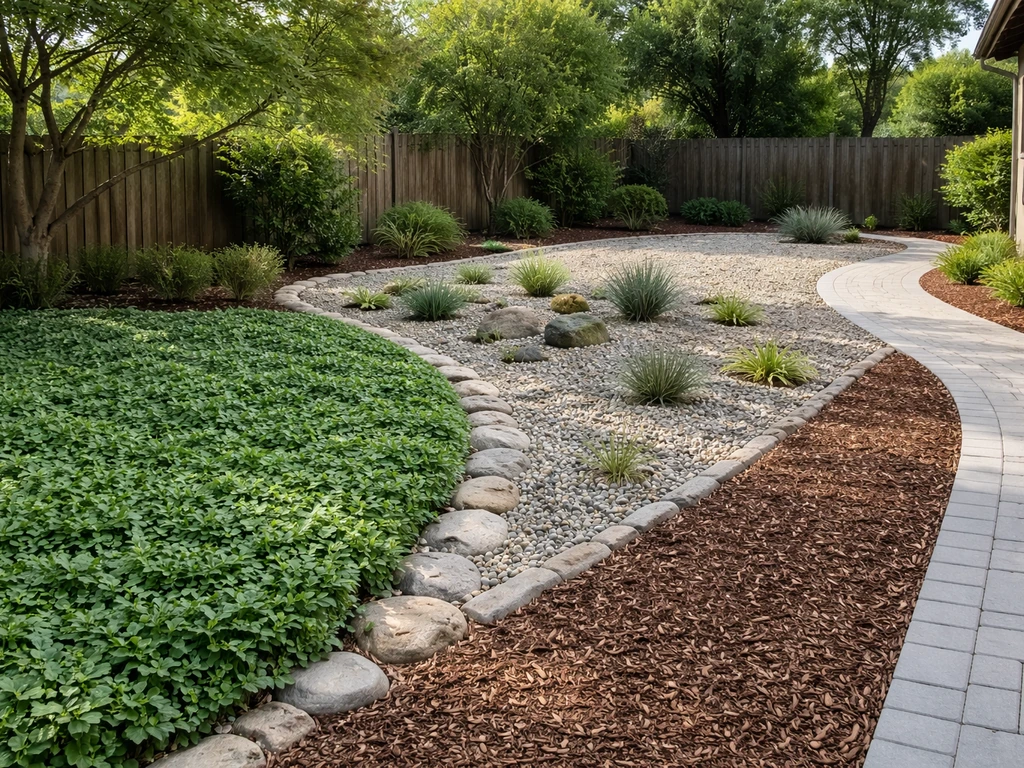
Ideas for Areas Where Grass Won’t Grow: Practical Options
Replace dead grass with shade, drought, and drainage-friendly landscaping: groundcovers, mulch, gravel, turf, and hardsc
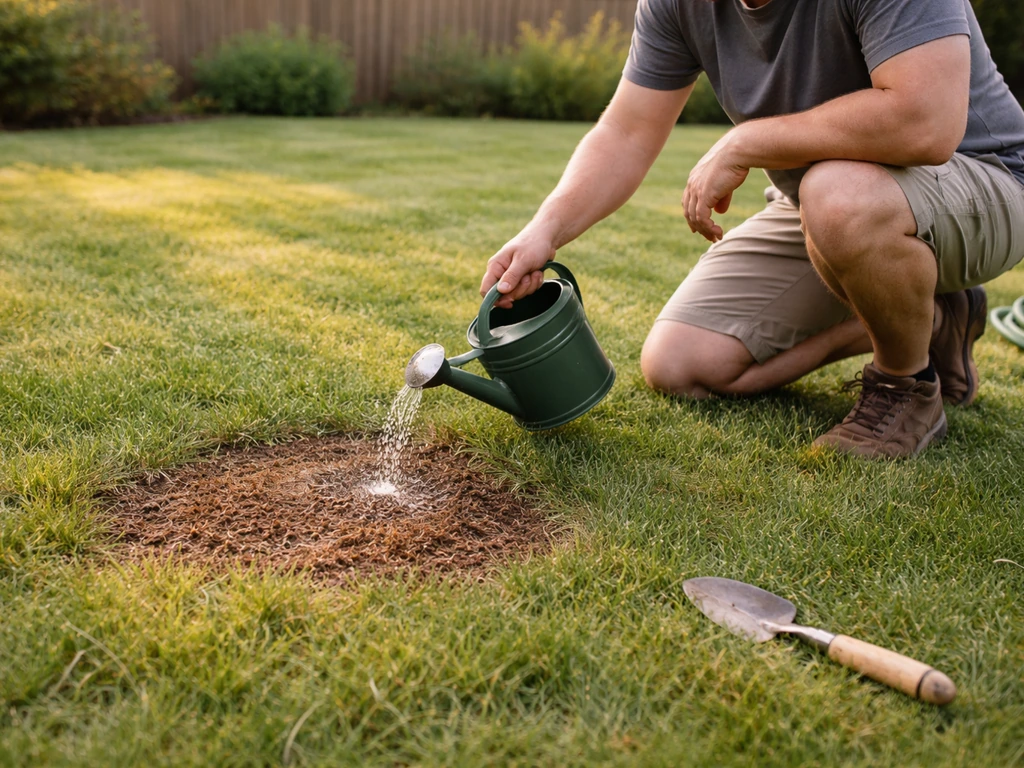
How to Grow Grass Where Dogs Pee: Repair and Prevent
Learn how to repair dog pee grass spots, prevent urine burn, and choose seed, timing, and watering for regrowth.
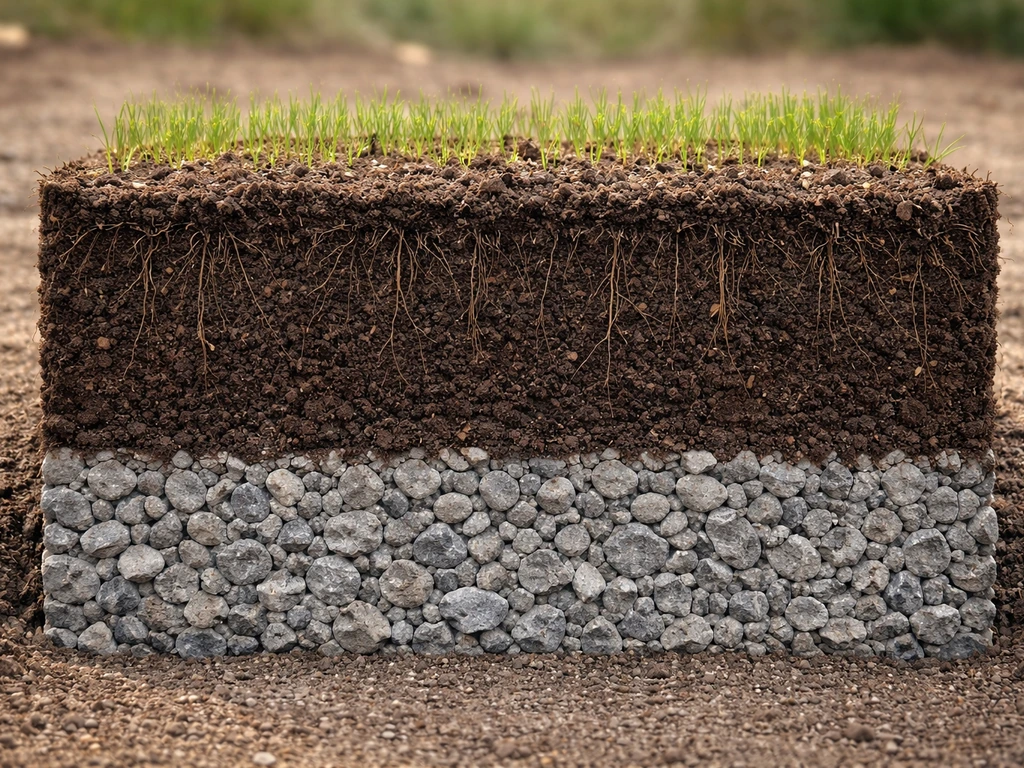
Can You Grow Grass Over Gravel? How to Do It Right
Learn when you can grow grass over gravel and follow a step-by-step method for soil depth, drainage, seeding or sod, and