
If grass won't grow in a spot, stop fighting it and replace it with something that actually works there. Backyard ideas where grass won't grow can also include gravel, hardscape, or shade-tolerant groundcovers depending on whether the issue is shade, drainage, or heat backyard ideas where grass won't grow in the next sentence. The right fix depends on why the grass is failing: deep shade under trees calls for shade-tolerant groundcovers or mulch, compacted or poorly draining soil needs hardscape or raised planting beds, and dry high-heat areas do best with drought-tolerant plants or gravel. Pick your condition, match it to one of the solutions below, prep the area properly, and you'll have something that looks intentional and requires far less work than a grass battle you're losing every year.
Ideas for Areas Where Grass Won’t Grow: Practical Options
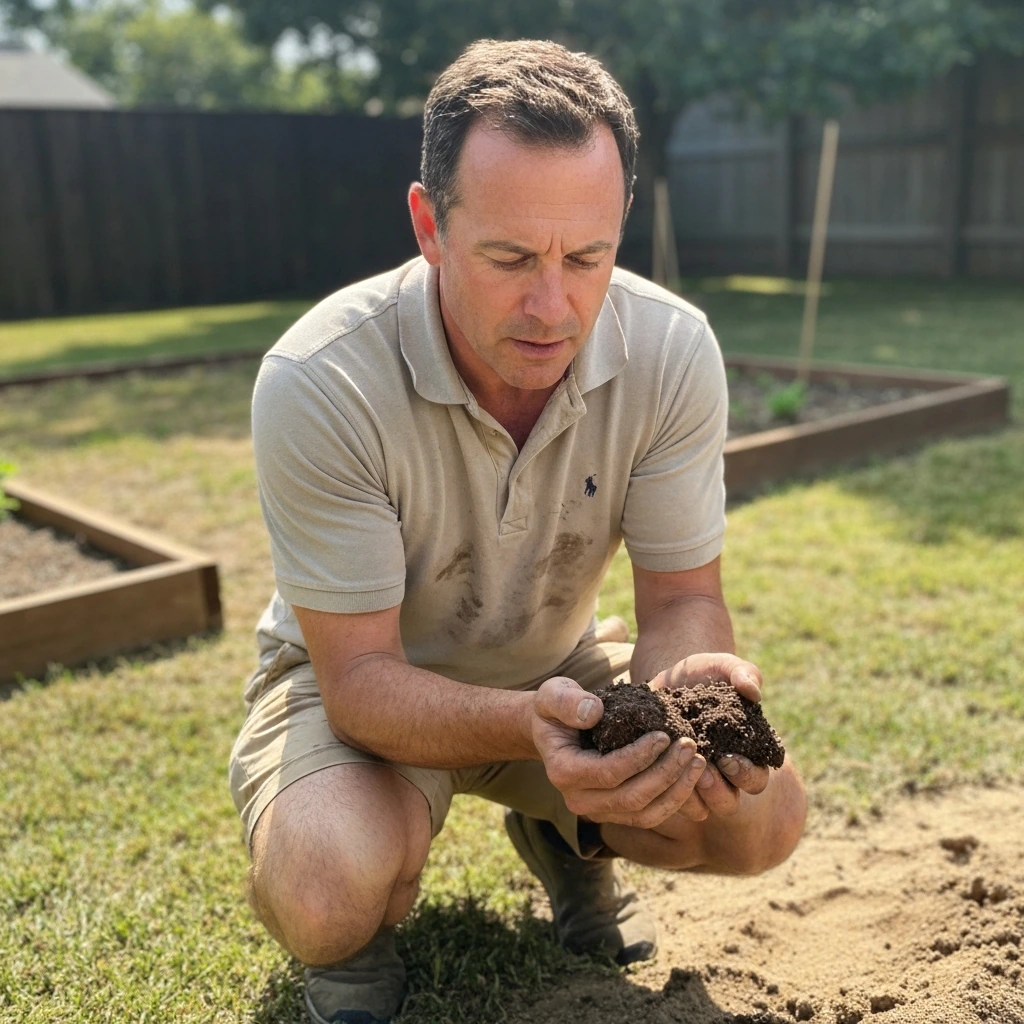
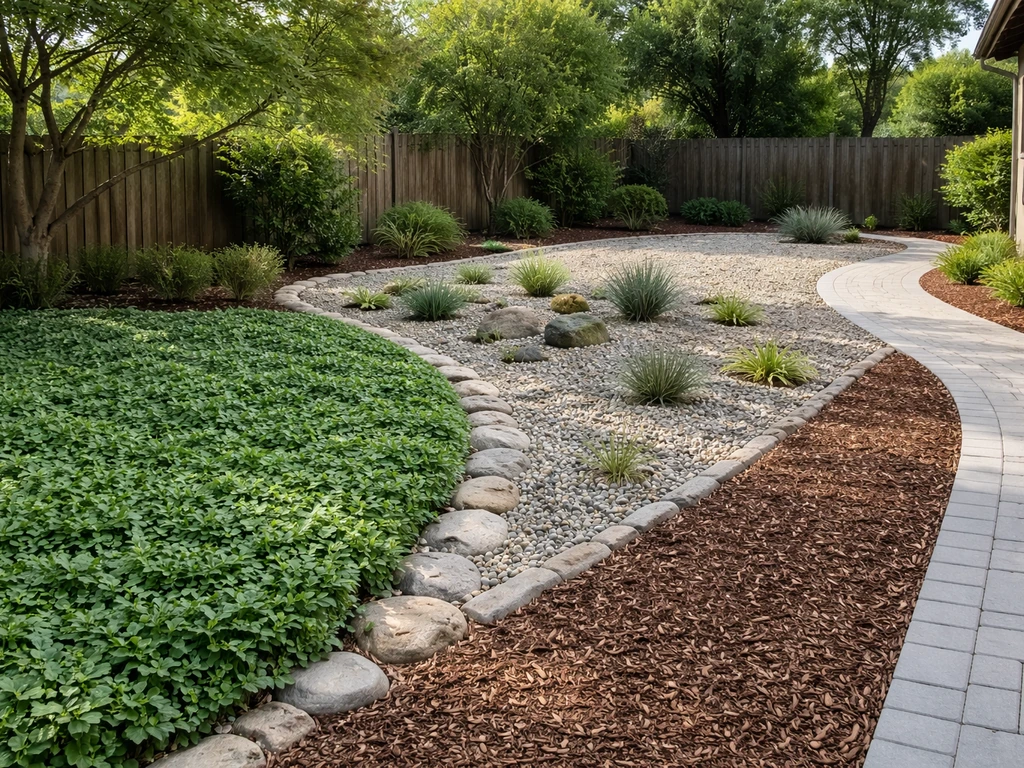
Quick diagnosis: why won't grass grow here?
Before you buy anything, spend five minutes figuring out the real problem. Putting the wrong solution in the wrong spot is the most common mistake I see. Walk the area and ask yourself these questions.
- Shade: Is the area under a tree canopy or on the north side of a building? Deep shade (less than 2 to 3 hours of direct sun) is one of the most common reasons grass gives up.
- Soil type: Does it drain immediately after rain (sandy or gritty), or does water pool for hours (clay or compacted)? Both extremes make grass struggle.
- Compaction: Is the soil hard as concrete, or is there a high-traffic path worn through it? Grass roots can't penetrate heavily compacted ground.
- Tree roots: Are roots visible at the surface, or does the area feel lumpy? Surface roots compete aggressively for water and make planting nearly anything a challenge.
- Dog traffic: Are there yellow patches, burnt areas, or bare spots near a fence line or dog run? Concentrated dog urine deposits nitrogen salts that kill turf.
- Heat and drought: Does the area bake in afternoon sun with no irrigation? Sandy, south-facing, or paved-adjacent spots can get hot enough to kill turf crowns.
- Slope or erosion: Does water sheet off the slope and wash away seed or topsoil before it establishes?
- Timing failures: Was seed put down at the wrong time, during peak heat, or without adequate follow-up watering? Grass seedlings are fragile and die fast under stress.
Once you identify the cause, the right replacement becomes obvious. Most spots fall into one of four categories: shade/tree root zones, tough soil or drainage problems, drought and heat exposure, or high-traffic wear areas. Each has a set of solutions that genuinely work, and a set that will fail just as quickly as the grass did.
Pick the right replacement: groundcovers vs. mulch vs. hardscape vs. turf
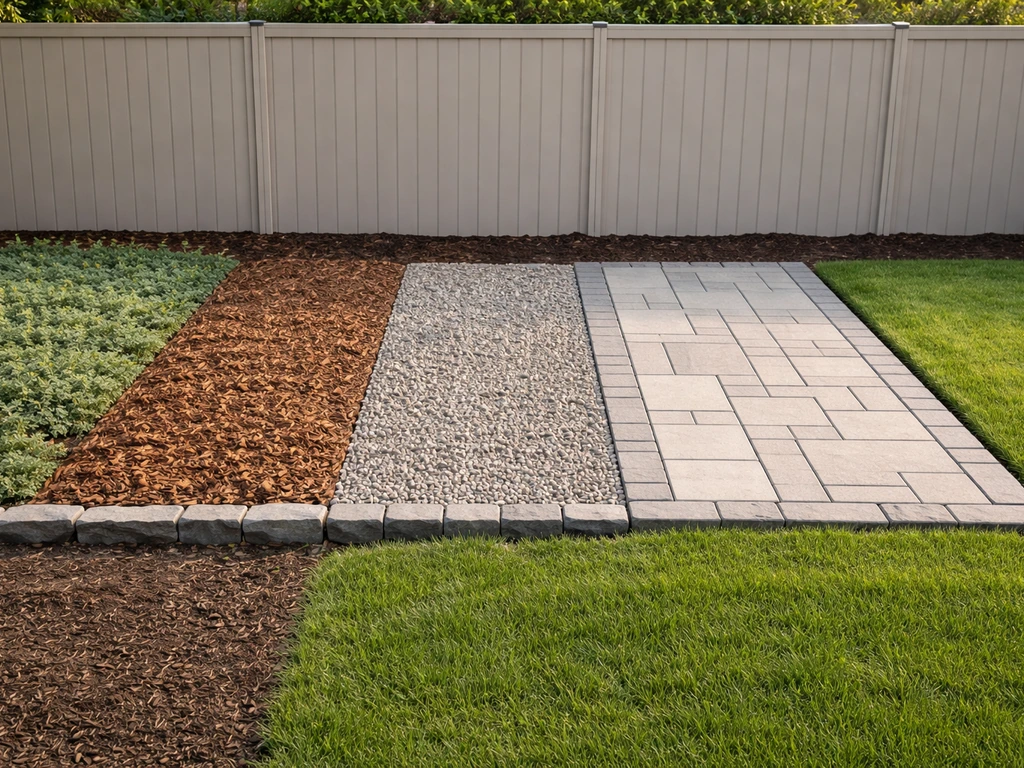
There's no single best answer for every spot, so here's a practical comparison of the main options so you can pick what fits your situation, budget, and maintenance appetite.
| Option | Best For | Cost (rough range) | Maintenance | Looks Like a Choice, Not a Failure |
|---|---|---|---|---|
| Groundcovers (living plants) | Shade, slopes, under trees, naturalistic areas | $1–$5 per plant; spread over time | Low once established; weed control early on | Yes, especially when they fill in |
| Mulch (wood, bark, or stone) | Tree rings, shrub beds, root zones, quick fixes | $2–$6 per bag; bulk cheaper | Annual refresh; weed suppression needed | Yes with clean edging |
| Gravel or decomposed granite | Drought zones, side yards, paths, xeriscape | $30–$60 per ton installed | Very low; occasional top-up | Yes, especially in dry climates |
| Hardscape (pavers, flagstone, concrete) | High-traffic paths, patios, entryways | $10–$25+ per sq ft installed | Very low; occasional cleaning | Strongest design statement |
| Artificial turf | Dog runs, shady areas, play zones | $8–$20 per sq ft installed | Low; needs rinsing and infill refresh | Yes, but quality matters a lot |
| Native or drought-tolerant plants | Hot, dry, or rain-dependent beds | $3–$15 per plant | Low after Year 1; some pruning | Yes, especially with mulch base |
My recommendation: for most homeowners dealing with a shady or awkward bare spot, a combination of a simple groundcover plant and a layer of wood chip mulch gives the fastest results, the best weed suppression, and the most natural look. Reserve hardscape for spots that get regular foot traffic or where nothing plant-based is going to survive.
What to put in shade areas and tree root zones
This is the number one problem spot in most yards. The shade is deep, the roots are everywhere, and grass just gives up. Here's the reality: tree roots extend up to 3 to 5 times the width of the canopy, mostly in the top 12 to 18 inches of soil, which is exactly where you'd be trying to plant. That means anything you put there needs to tolerate both low light and root competition for water.
Groundcovers that actually thrive in shade
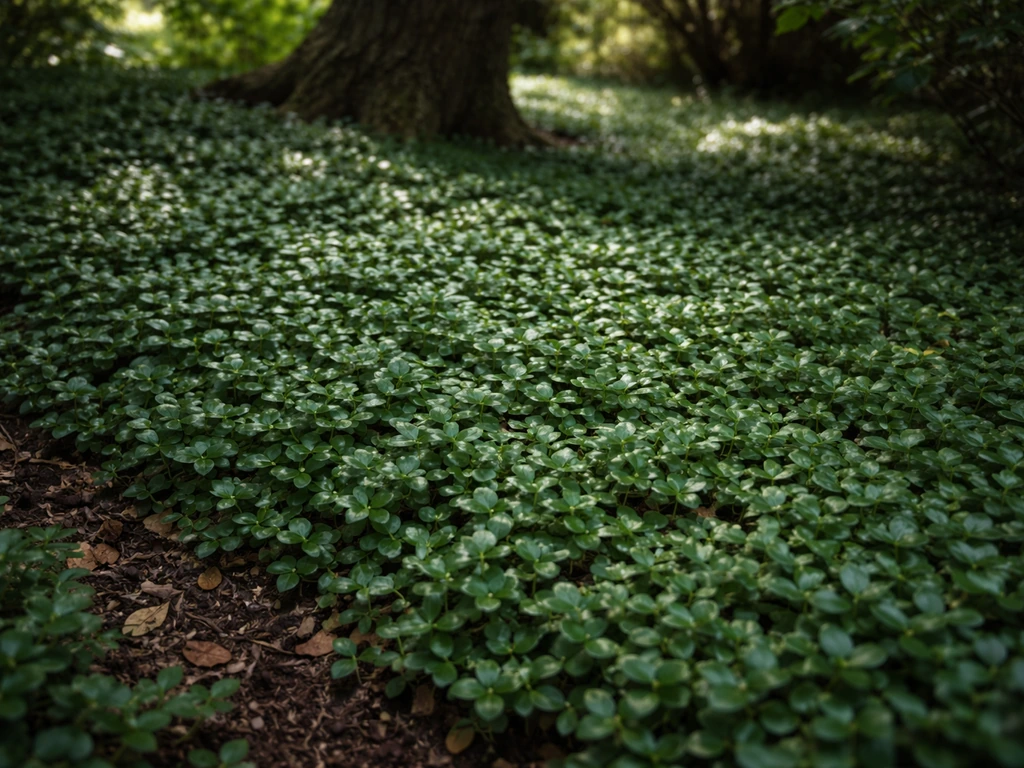
- Pachysandra (Japanese spurge): Handles full shade well, spreads steadily, stays evergreen. Needs even moisture and decent drainage. One of the most reliable choices under dense tree canopies.
- Vinca minor (periwinkle): Works from morning sun to full shade, spreads quickly, and the purple flowers are a bonus in spring. Can get invasive in some regions, so check locally.
- Bugleweed (Ajuga): Low, mat-forming, handles dry shade reasonably well once established. Good for slopes under trees.
- Wild ginger (Asarum): Native option for woodland settings, very low maintenance, and looks polished.
- Sedges (Carex species): Grass-like texture if you want a lawn feel without the maintenance. Many species handle wet or dry shade.
- Hostas: Not a traditional groundcover but extremely effective in shade. Mix them with a mulch base for a clean, designed look.
When planting near established trees, avoid deep digging that severs major roots. Instead, tuck small plants into pockets between roots, add a 2 to 3 inch layer of wood chip mulch over the entire area (keeping it a few inches away from the tree trunk), and water regularly through the first season. Mississippi State University Extension also recommends keeping mulch about 2 to 3 inches away from the trunk to help prevent disease and rodent damage keeping it a few inches away from the tree trunk. The mulch alone makes a huge visual difference immediately, even before the groundcover fills in.
One thing to be realistic about: weed control in groundcover beds is harder than it sounds, especially in that first year before the plants spread. University of Maryland Extension specifically flags this as a common frustration. Plan to hand-weed every few weeks during establishment, or lay a weed barrier fabric under the mulch first.
What to put in tough soil and drainage problem spots
Compacted and clay-heavy soil
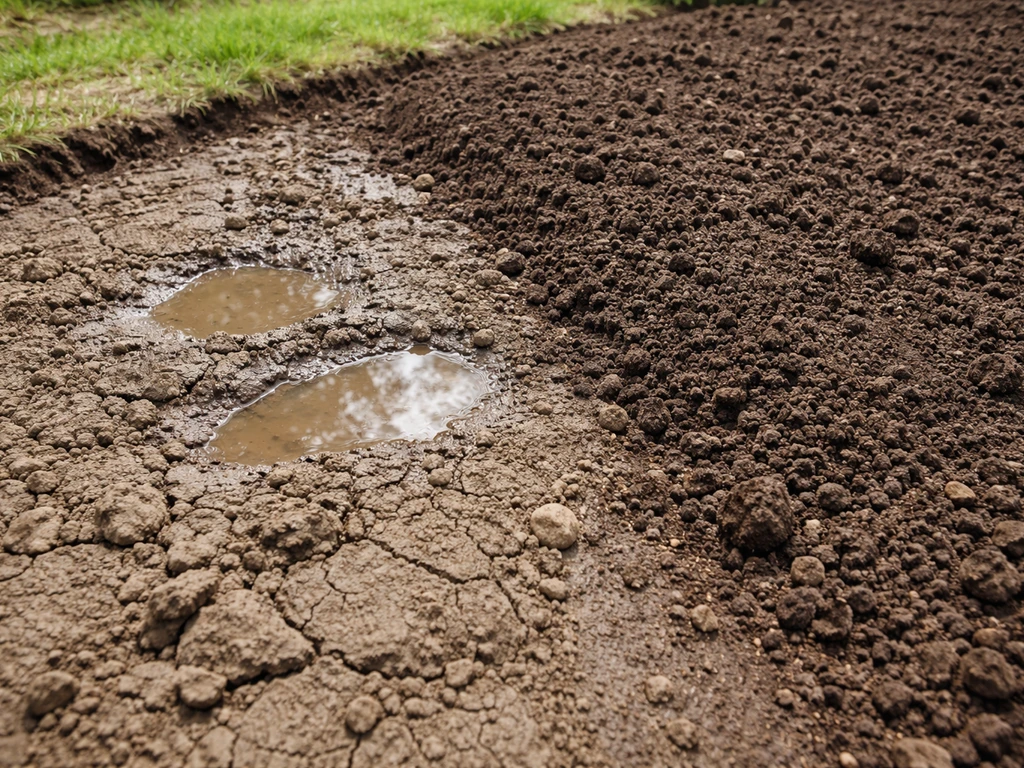
Compacted soil is a grass killer and a plant killer in general. Dog urine can also damage or burn lawn areas, so if pets use the spot, expect grass won’t grow there and plan for a different solution grass won’t grow where dog urinates. Grass roots can't penetrate it, water puddles on top, and low oxygen levels in the soil make root development nearly impossible.
If you've got compacted clay, your two best options are either to break the compaction cycle with hardscape (which doesn't need to grow roots) or to build up rather than dig down. Raised planting beds, even just 4 to 6 inches of amended soil mounded above the existing grade, give plants a fighting chance.
When you do plant in compacted or poorly draining soil, set your plants slightly higher than grade (about 2 to 4 inches) rather than digging a deep hole that fills with water.
- Flagstone or stepping stone paths: Handle foot traffic, look intentional, and don't care about soil quality.
- Raised beds with amended soil: Great for converting an ugly dead zone into a productive or ornamental bed.
- Native plants with deep root systems: Some natives actually improve clay over time. Look for species that tolerate wet feet and compaction in your region.
- Rain gardens: If the spot is genuinely soggy, lean into it. Native wetland plants like swamp milkweed, blue flag iris, or Joe Pye weed thrive in poorly drained spots where grass drowns.
Sandy or fast-draining soil
Sandy soil drains so fast that grass dries out between waterings and never gets established. The fix here is either to add organic matter and improve the soil's water retention before planting, or skip the fight and go with plants that prefer dry, fast-draining conditions. Creeping thyme, sedum, and ornamental grasses all love sandy soil. Decomposed granite or pea gravel also looks excellent in these areas and reinforces the dry-garden aesthetic rather than fighting it.
Low-water and high-heat options for hot, dry spots
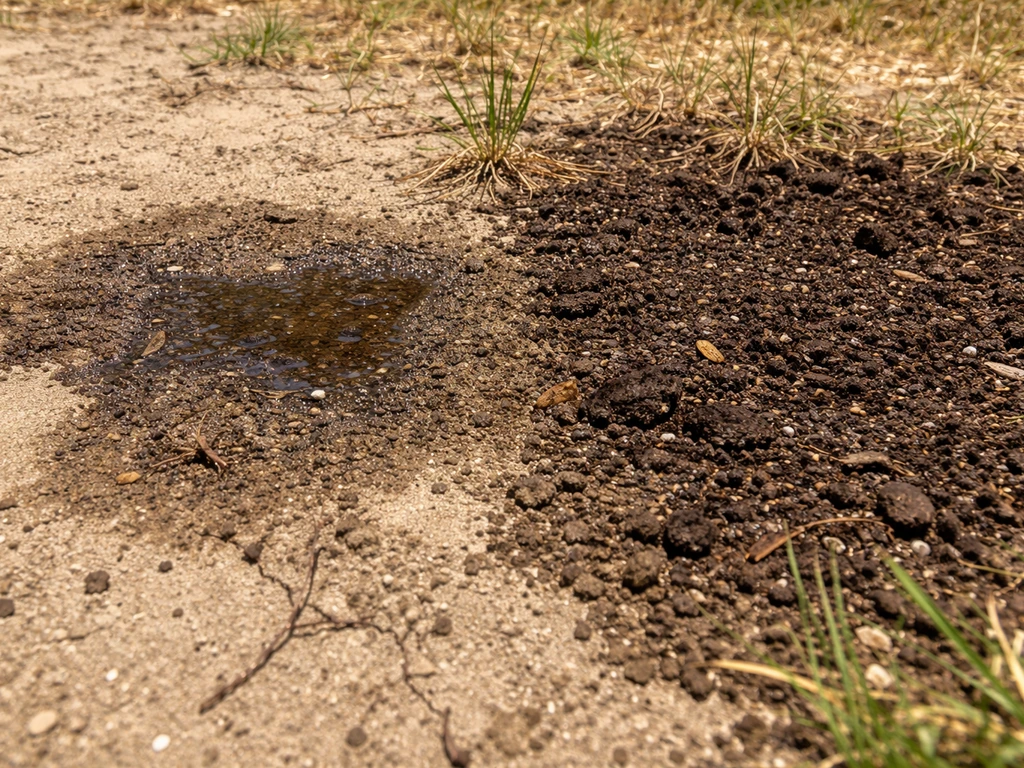
South-facing slopes, areas next to driveways or pavement, and spots with afternoon sun and no irrigation are brutal for grass. Most turf varieties need consistent moisture during establishment, and heat stress can kill seedlings even when temperatures are favorable for germination in the morning. Instead of fighting this, treat it as an opportunity to create a low-maintenance, drought-tolerant area that won't need summer watering. If you’re wondering how to landscape areas where grass won’t grow, choosing drought-tolerant plants or gravel for the hot, dry conditions is usually the most reliable path low-maintenance, drought-tolerant area. When you want what to grow instead of grass, this low-water approach gives you a reliable alternative without constant maintenance.
- Creeping thyme: Extremely drought-tolerant once established, handles light foot traffic, and blooms with tiny purple flowers in summer. Smells great when you brush against it.
- Sedum (stonecrop): Comes in dozens of varieties, thrives in poor dry soil, and essentially ignores heat and drought after its first season.
- Ornamental grasses: Buffalo grass, blue fescue, or prairie dropseed are drought-tolerant and give movement and texture to tough spots.
- Lavender or rosemary (in mild climates): Mediterranean plants that love hot, dry, well-drained conditions and add fragrance and color.
- Gravel or decomposed granite mulch: A layer of stone mulch reduces evaporation, reflects heat away from roots, and eliminates the need for regular irrigation. Combine with drought-tolerant plants for a xeriscape look.
- Native wildflower mixes: Many native species are adapted to survive on rainfall alone once established. They can transform a dead zone into a seasonal show.
The key with drought-tolerant plants is to water well and consistently during the first 6 to 12 weeks after planting, then gradually back off so roots develop depth and independence. Watering too little at first is just as deadly as the heat itself.
How to prep the area today
Good prep is what separates a replacement that thrives from one that just gets overtaken by weeds a month later. This is where most people rush and then regret it. Here's how to do it right, regardless of which replacement option you're going with. Soil solarization involves covering the soil with plastic tarps left in place for about 4 to 6 weeks during the hottest part of the year.
Step 1: Kill or remove existing grass and weeds
If you still have live grass or weeds in the area, you need to kill them before you install anything. Skipping this step almost always means weeds pushing through your groundcover or between pavers within weeks.
- Solarization: Lay clear plastic sheeting over the area, seal the edges, and leave it for 4 to 6 weeks during warm weather. The trapped heat kills grass, weeds, and weed seeds in the top few inches of soil. Most effective in summer.
- Smothering (occultation): Use heavy cardboard or black plastic to block all light. Takes 4 to 8 weeks but works well in spring when solarization is less effective.
- Manual removal: For small areas or spots with significant root systems (like under trees where you can't dig), hand-pull or dig out what you can, then follow up with mulch to suppress what remains.
- Herbicide: Fastest option for large areas of stubborn grass. Use a non-selective herbicide, wait the label-recommended period before planting, and understand that roots may need retreating if there are live sections left.
Step 2: Install a weed barrier if needed
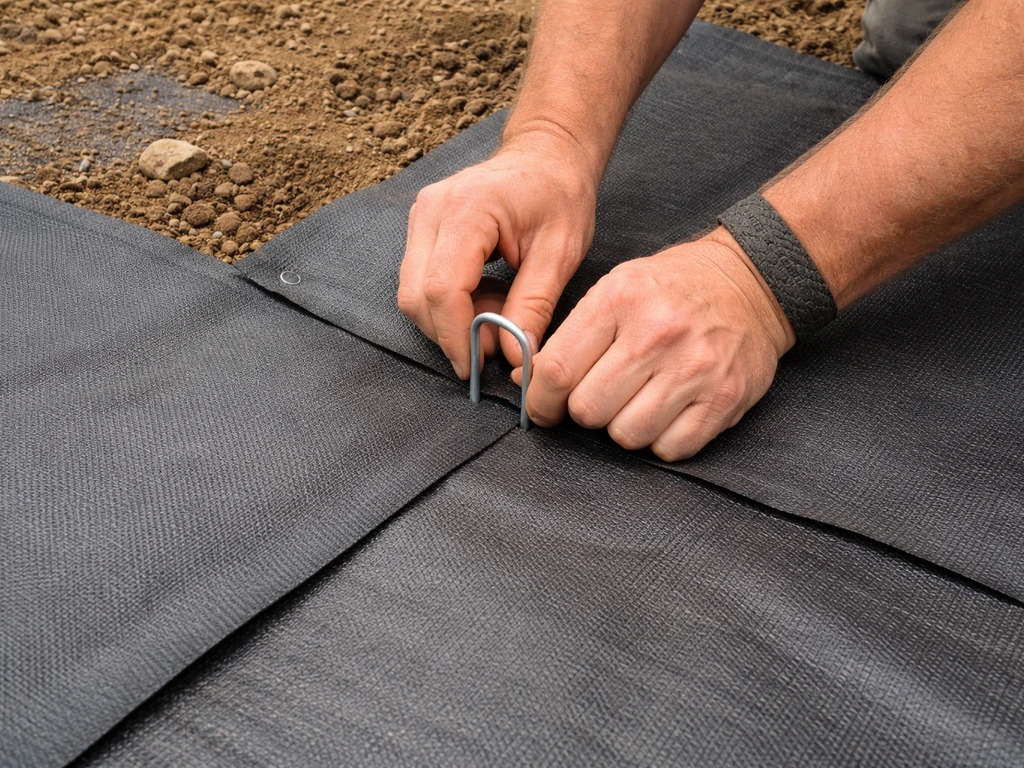
For areas going to mulch, gravel, or pavers, landscape fabric under the surface material is worth the effort. Overlap seams by at least 6 inches, secure edges with fabric staples every 12 to 18 inches, and avoid leaving gaps at edges where weeds will find their way in immediately. The fabric works because it's weighted down by the material on top, so the combination matters: fabric alone without mulch or stone on top shifts and fails quickly.
Step 3: Amend or level the soil if you're planting
For groundcover planting areas, loosen the top 4 to 6 inches of soil if possible, remove rocks and debris, and mix in a 2-inch layer of compost to improve structure. In compacted or poorly drained areas, consider building up with amended soil rather than digging down. Level the surface so water doesn't pool in low spots that will drown plants. In sandy areas, compost helps retain moisture long enough for roots to catch.
Step 4: Install edging
Edging is the detail that makes a replacement area look planned rather than patched. Steel, aluminum, or composite edging along the perimeter keeps mulch contained, keeps grass from creeping back in from adjacent lawn, and gives the whole area a clean, finished line. It takes 30 minutes and makes everything look 10 times better.
Maintenance and long-term weed control
Whatever you install, the first 8 to 12 weeks are the highest-maintenance period. After that, almost everything on this list becomes lower effort than a lawn. Here's what to expect.
Groundcover beds
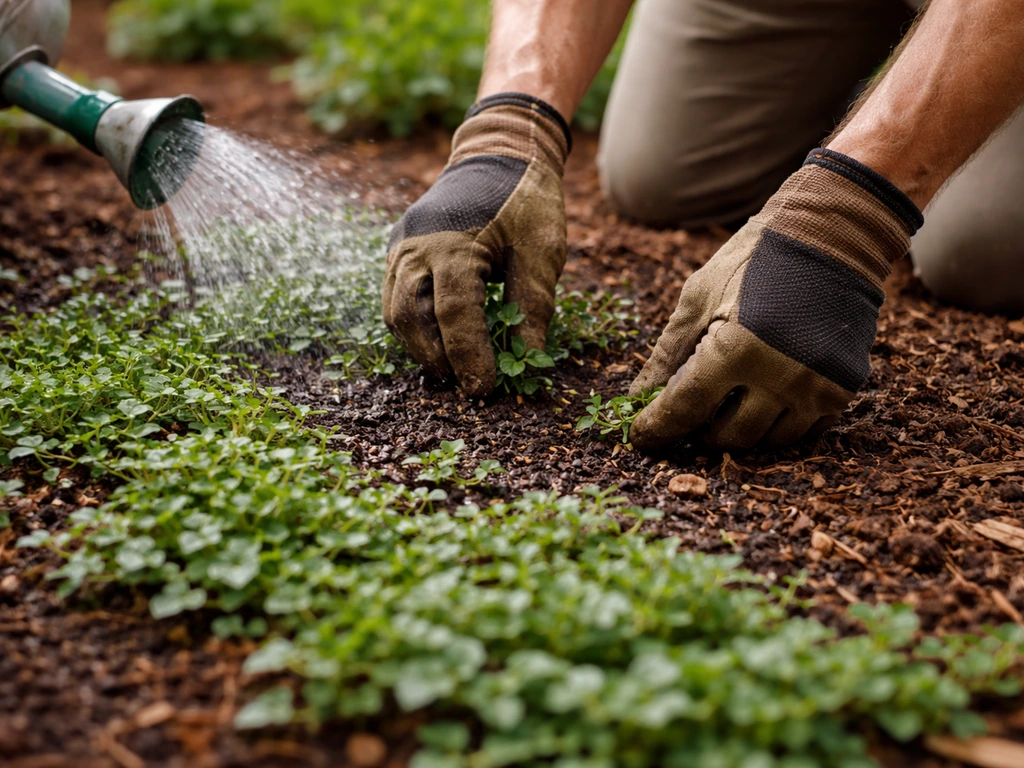
Hand-weed every 2 to 3 weeks during the first season. Weeds establish fast and will outcompete slow-spreading groundcovers if you let them get ahead. Water when the top inch or two of soil feels dry, roughly once or twice a week in warm weather during establishment. Once groundcovers like pachysandra or vinca fill in (usually by the second season), they suppress weeds on their own and you're mostly done. Add fresh mulch around plants annually to keep the bed looking clean and to hold moisture.
Mulch and gravel areas
Wood chip mulch needs refreshing every 1 to 2 years as it breaks down. This is actually a benefit for the soil beneath, since decomposing wood chips improve soil structure over time. Gravel and decomposed granite need almost no maintenance, just occasional raking and a spot-check for weeds pushing through gaps in the fabric. Pull them immediately before they set seed and the problem compounds.
Hardscape and artificial turf
Pavers and flagstone need the occasional sweep and spot weed between joints (polymeric sand in the joints greatly reduces this). Artificial turf needs periodic rinsing, especially in dog areas where urine accumulates and odor becomes an issue. If you want to grow grass in shade with dogs, focus on shade-tolerant, dog-resistant turf varieties and manage urine through consistent rinsing and drainage dog areas. If grass won't grow where dog urinates, focus on odor-resistant, low-moisture turf and proper rinsing to reduce repeated damage dog areas. The infill material (usually crumb rubber or sand) may need topping up every few years. These are both genuinely low-maintenance once installed, which is the whole point.
What you should expect realistically
No replacement is completely maintenance-free, and the first year always requires the most attention regardless of what you install. The payoff is that by year two, almost any of these alternatives is dramatically lower effort than seeding, overseeding, fighting bare spots, and irrigating a lawn area that was never going to grow grass anyway. That same idea applies to backyard ideas where grass won't grow, too, since the goal is to match the replacement to the conditions you have grass anyway. Treat the prep as the investment and the plant selection as the strategy, and you'll end up with an area that looks good for years with minimal work.
FAQ
How do I figure out whether the problem is shade, drainage, or soil quality before I pick a replacement?
Do a simple timing test: after a rain or deep watering, check where water sits after 2 to 4 hours. If it pools or stays wet, drainage is part of the problem. Then look at sun exposure for a full day (not just morning), and dig a small probe in the top 6 inches to see if soil is hard, crusty, or unusually dry. That combination usually points to the right category, shade, compacted clay, or drought stress.
What should I do if I want mulch and groundcover together, but weeds keep coming up in the first year?
Treat the first season as an establishment period. Use a thin layer of mulch only after you’ve installed plants, then plan for hand-weeding every couple of weeks until the groundcover spreads. If weeds are relentless, add a weed-suppression layer under the mulch in the specific high-risk zones (like edges and around plant pockets), not necessarily across the whole bed.
Is landscaping fabric actually necessary under gravel or pavers, and what mistake causes it to fail?
Fabric helps prevent weeds from reaching the surface, but it only works when the edges are sealed and the seams overlap. The most common failure is leaving gaps at borders (beside the lawn, along fences, or under gates), where seeds and rhizomes slip around the fabric. Also avoid covering fabric with thin mulch only, it needs the full thickness and weight of the surface material to stay stable.
Can I just patch bare spots with another lawn seed mix instead of switching to a non-grass solution?
Sometimes you can improve grass, but in most “won’t grow” areas the root competition (tree zones), poor soil structure (compaction), or chronic heat or dryness will keep sabotaging it. If the spot is repeatedly failing, it’s usually faster to pick a replacement that matches the conditions rather than buying multiple seed attempts and irrigation adjustments that still won’t reach the plant’s needs.
How thick should raised beds be for poorly draining or compacted areas?
A practical target is 4 to 6 inches of amended soil mounded above the existing grade, and the surface should slope slightly to prevent water from collecting. Avoid digging deep into compacted subsoil expecting it to “fix itself,” because you can create a hard layer that traps moisture below the new soil.
What’s the best way to plant near established trees without damaging roots?
Avoid broad, deep excavation. Instead, loosen the surface lightly in small pockets, plant small starts, and keep mulch a few inches away from the trunk. Water consistently through the first season, because root zones often compete fiercely for moisture, even if the ground looks empty.
How often should I water drought-tolerant plantings during establishment, and when do I back off?
During the first 6 to 12 weeks, water deeply and consistently, then gradually reduce frequency so roots are pushed to grow downward. A useful approach is to watch soil moisture at the plant depth, if the top inch dries but the soil below remains damp, you may be watering too often. Back off once the plants show stable growth without wilting during normal warm afternoons.
What should I do if my groundcover looks good at first but gets overtaken by weeds by the second month?
That usually means establishment is not finished. Weed pressure is highest when groundcover is still thin, especially in gaps and along edges. Increase early hand-weeding frequency, add fresh mulch around the plants to close small light gaps, and check that soil prep was done well enough to remove stubborn weeds and debris before planting.
Are decomposed granite or gravel good options for kids or pets, and what surface choice reduces slipping?
Both can work, but particle size matters. Larger, angular gravel is often more stable than very fine gravel that can shift or get tracked. If the area is frequently walked, consider placing the surface slightly higher than surrounding grade and keep edges tight with edging so it doesn’t spread into adjacent lawn.
How do I keep grass from creeping back into a mulch or gravel replacement area?
Use physical separation at the edges. Install edging and keep a clean, straight perimeter where the replacement meets the lawn so grass runners don’t travel into the bed. Then do quick spot checks and remove new grass shoots early, before they root into mulch or between fabric seams.
Is artificial turf a good solution in shade, and what maintenance should I expect?
Artificial turf can reduce bare-spot issues in shade where real turf struggles, but it still needs basic upkeep. Expect periodic rinsing, especially if pets use it, and keep infill topped up as needed so the surface stays firm and drains properly after rain.
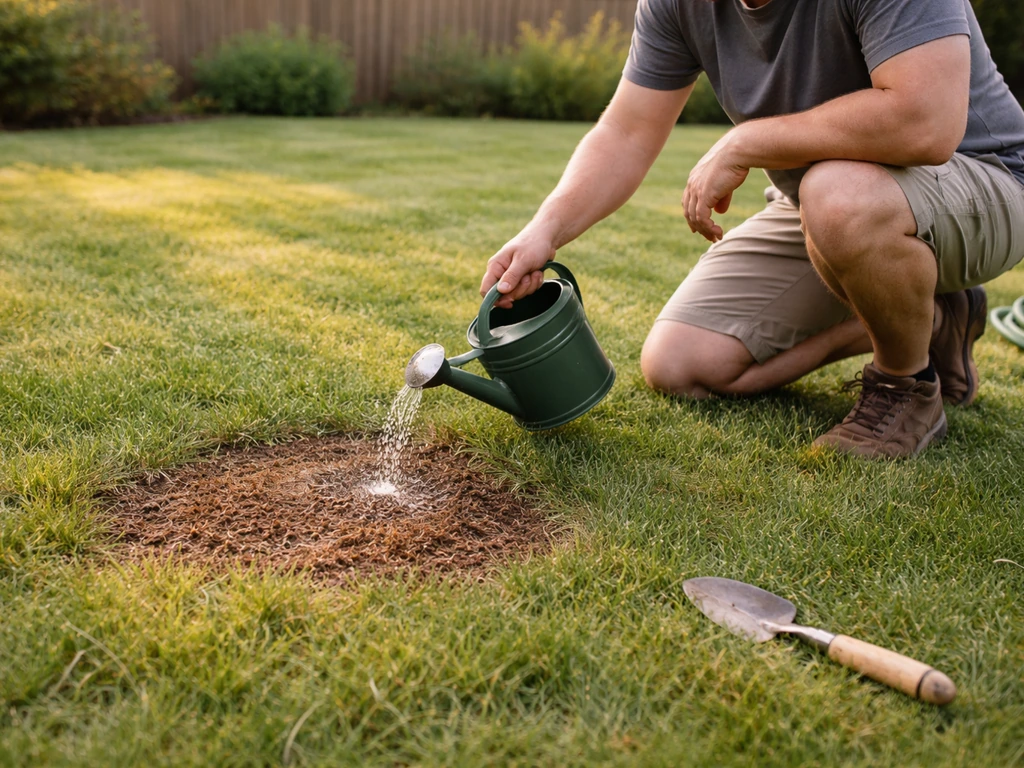
Learn how to repair dog pee grass spots, prevent urine burn, and choose seed, timing, and watering for regrowth.
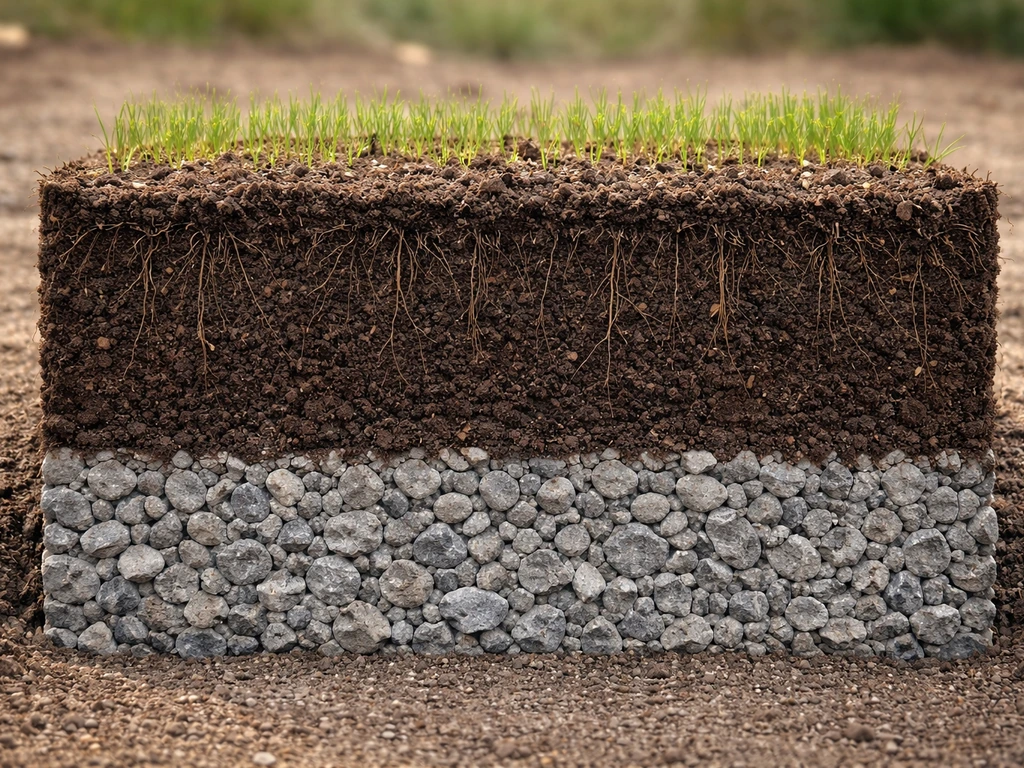
Learn when you can grow grass over gravel and follow a step-by-step method for soil depth, drainage, seeding or sod, and
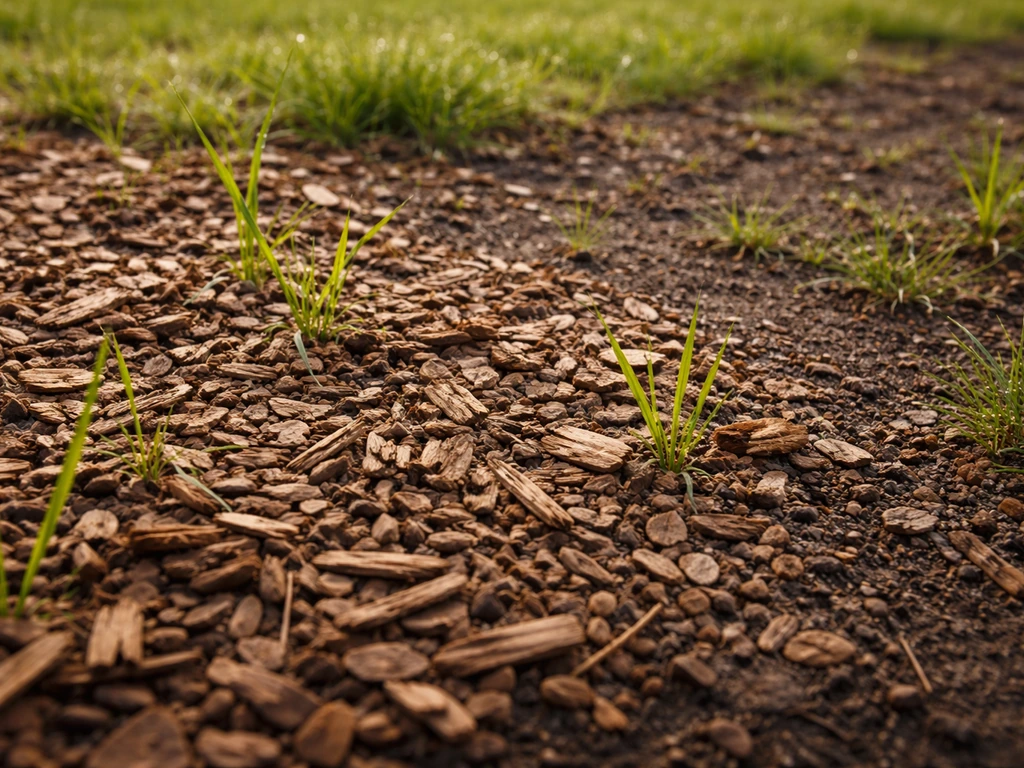
Learn when wood chips help grass grow, when they steal nitrogen, and step-by-step how much to apply and seed options.