
If grass keeps failing in a spot, the fix isn't a better grass seed. It's a different plant entirely. The right substitute depends on what's actually killing the grass, and once you match the replacement to the real problem, you end up with groundcover that's lower maintenance, tougher, and honestly better-looking than a patchy lawn ever was.
What to Grow Instead of Grass: Plant Options by Yard Conditions
Marcus Volkmann
11 May 2026
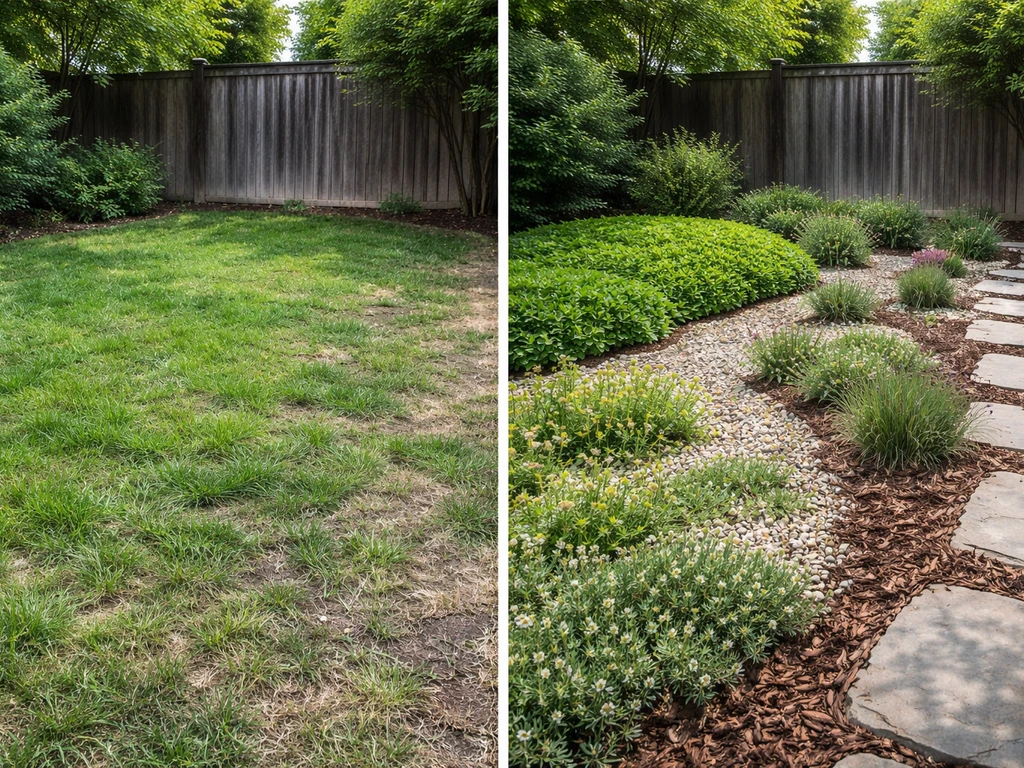
First figure out why grass won't work there
Before you plant anything new, spend ten minutes diagnosing the actual blocker. Penn State Extension recommends using a penetrometer (a simple soil compaction tester you can pick up for under $20) to check how deep compaction goes beneath the surface. If the needle barely moves past an inch, no grass seed or groundcover is going to establish well without addressing that first. Beyond compaction, run a basic soil test through your local extension service.
UMN Extension explains that a standard soil test gives you pH, organic matter percentage, texture, phosphorus, and potassium, which is everything you need to know whether you're dealing with acidic, nutrient-poor, or sandy soil. Do a quick infiltration check too: pour a cup of water on the surface and watch. If it puddles for more than 30 seconds, drainage is your enemy. If it disappears in two seconds, you've got sandy, low-moisture-retention soil.
The most common blockers fall into five categories: heavy shade (under tree canopies or on north-facing walls), tree root competition, drought or sandy/poor soil, foot and pet traffic, and chronically wet or compacted areas. Penn State Extension notes that tree roots compete for water and nutrients, and shade can severely restrict light intensity under trees, reducing turfgrass vigor and wear tolerance tree root competition. Penn State lists all of these as documented causes of failed lawn establishment. Once you know which one you're dealing with, the plant list gets short and specific fast.
- Heavy or dappled shade under trees: grass needs at least 4 to 6 hours of direct sun, and most turf species can't compete with tree roots for water and nutrients
- Sandy or low-fertility soil: water drains too fast, nutrients leach away, and shallow-rooted turf starves
- Drought-prone or low-irrigation zones: grass requires 1 to 1.5 inches of water per week to look decent, which is expensive and wasteful
- High-traffic paths (kids, dogs, daily foot traffic): turf grass crowns get crushed and the stand thins within one season
- Dog urine hot spots and pet-heavy runs: concentrated nitrogen burns turf repeatedly in the same places
Groundcover alternatives for shade and tree roots
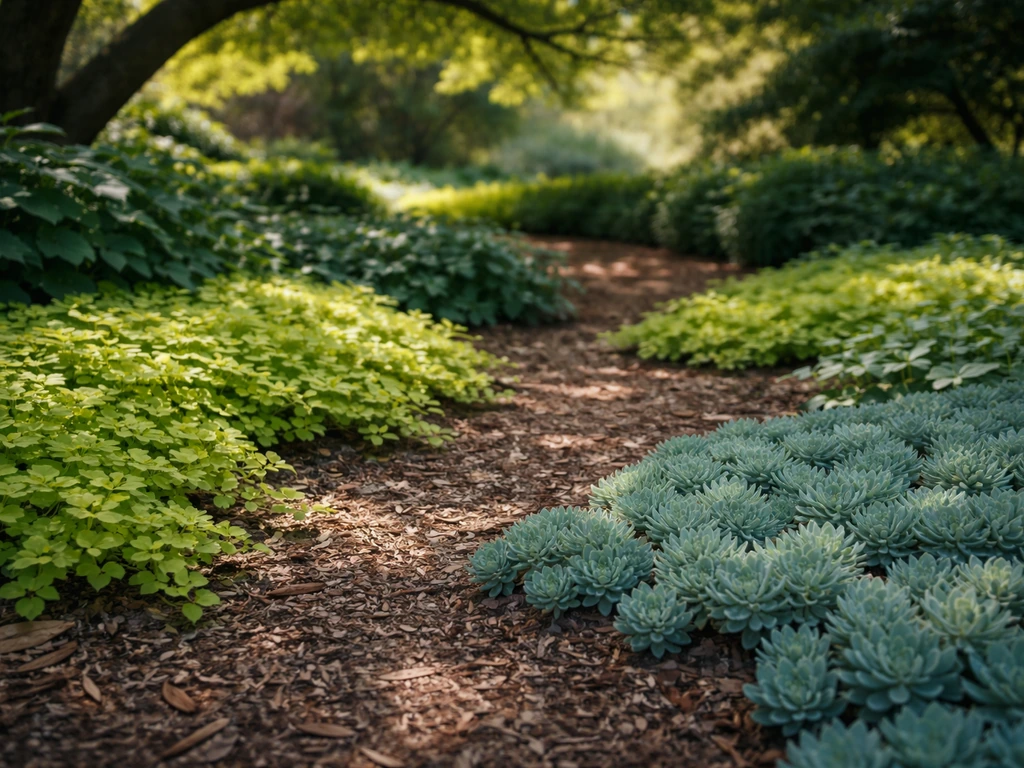
This is the scenario I get asked about most, and it's also where grass most reliably fails. Shade combined with root competition is a double penalty. The plants below are what actually work in those conditions, not just tolerate them. If you need ideas for shady areas where grass won’t grow, start by choosing shade-tolerant groundcovers and planning for tree-root competition.
- Creeping Jenny (Lysimachia nummularia): spreads quickly, handles deep shade and moist soil, bright chartreuse color; plant plugs 12 inches apart
- Wild ginger (Asarum canadense): native, deer-resistant, slow to establish but extremely durable once rooted under mature trees; plant 8 to 12 inches apart
- Pachysandra terminalis: the workhorse shade groundcover, evergreen, forms a tight 6- to 8-inch mat; space plugs 6 to 12 inches apart and expect full cover in two to three seasons
- Creeping phlox (Phlox subulata): works better in dappled shade than deep shade, blooms in spring, spreads to about 2 feet per plant
- Hostas (used as groundcover mass planting): not a true groundcover, but mass-planted at 18 to 24 inches apart they outcompete weeds and look intentional under tree canopies
- Ajuga reptans (bugleweed): aggressive spreader in part shade, flowers in spring, fills in fast; great for areas where dogs run because it recovers well
For any of these under trees, the key soil prep step is not to till deeply (you'll destroy tree feeder roots and stress the tree). Instead, spread 2 to 3 inches of compost on top of the existing soil and plant directly into that layer. It improves moisture retention and adds just enough fertility without disrupting the root zone. If you're dealing with a heavily shaded side yard or narrow strip beside the house, this same approach applies. Those spots almost always have dry, root-compacted soil with poor light, and they respond well to the no-till compost method.
Low-water and drought-friendly lawn substitutes
If your lawn is in a region with dry summers or you just want to stop dragging a hose around, there are real grass alternatives that look like a lawn without needing the water one demands. OSU Extension makes a point I've seen proven in my own yard: watering faster than the soil can absorb it causes runoff, wastes water, and contributes to patchy, failed establishment. Drought-tolerant groundcovers sidestep this entirely because they're adapted to dry periods by nature.
- Buffalo grass (Bouteloua dactyloides): a native prairie grass that grows 4 to 6 inches tall and can go weeks without water once established; mow once or twice a season or not at all
- Blue grama grass (Bouteloua gracilis): similar to buffalo grass, fine-textured, drought-tolerant, native to the Great Plains; seed in spring or early summer at 1 to 2 lbs per 1,000 sq ft
- Clover lawn (white clover, Trifolium repens): fixes its own nitrogen so it stays green without fertilizing, handles moderate drought, soft underfoot; seed at 2 to 8 oz per 1,000 sq ft mixed or alone
- Sedums (creeping sedum varieties like Sedum spurium or Sedum album): nearly indestructible in full sun and dry soil, spreads to form a dense low mat 2 to 4 inches tall
- Dymondia margaretae: in USDA zones 9 to 11, this forms a tight silver-green mat that handles heat and drought and even light foot traffic
- Thyme lawn (Thymus serpyllum): fragrant, low-growing, handles dry conditions well, and releases scent when walked on; plant plugs 6 to 12 inches apart
For drought-prone areas, the single most important establishment step is deep, infrequent watering in the first 6 to 8 weeks rather than light daily watering. You're training roots to grow deep. Once established, most of these plants survive on rainfall alone in most U.S. climates.
For sandy or poor soil: plants that tolerate it and still look good
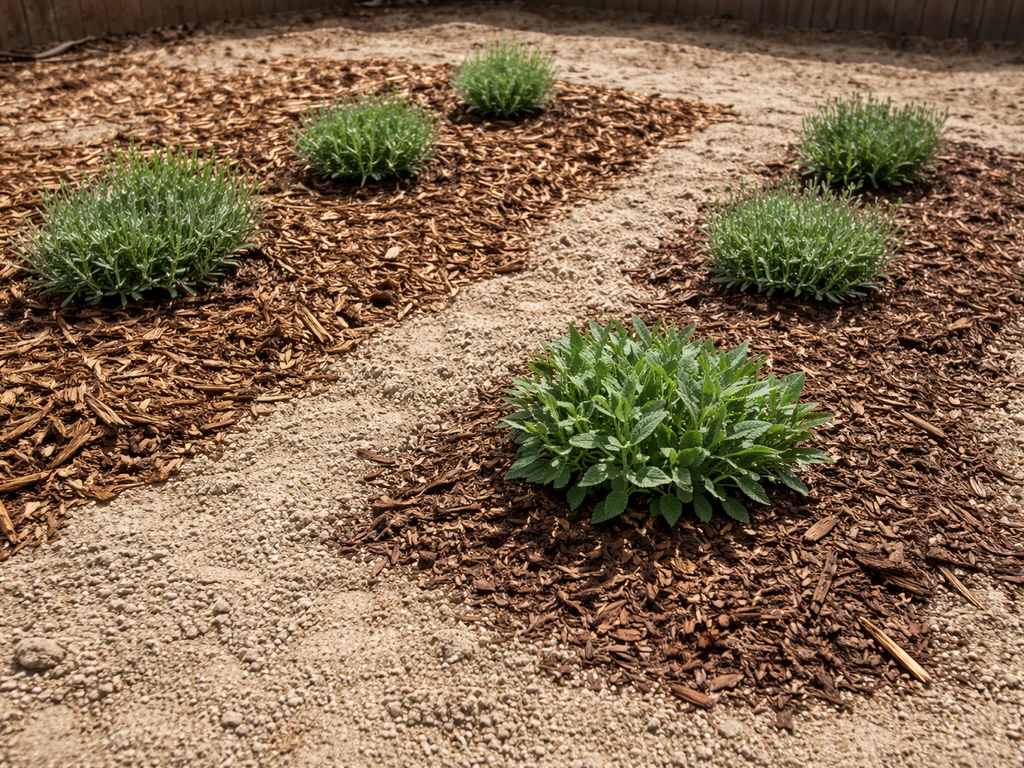
Sandy soil drains so fast that moisture and nutrients are gone before grass roots can use them. The infiltration test I mentioned earlier will confirm this if the water vanishes almost instantly. The good news is that a lot of attractive plants actually prefer lean, fast-draining soil and struggle in rich, amended ground. Working with the soil you have instead of constantly fighting it is a much better long-term strategy.
| Plant | Soil Tolerance | Sun Needs | Spread/Height | Notes |
|---|---|---|---|---|
| Bearberry (Arctostaphylos uva-ursi) | Sandy, acidic, low-nutrient | Full sun to part shade | Spreads 3 to 6 ft, 6 to 12 in tall | Native, evergreen, berries attract birds |
| Creeping juniper (Juniperus horizontalis) | Sandy, rocky, dry | Full sun | Spreads 6 to 8 ft, 1 to 2 ft tall | Very low maintenance once established |
| Purple coneflower (Echinacea purpurea) | Poor to average, well-drained | Full sun | Clumping, 2 to 4 ft tall | Native, pollinators love it, fills beds well |
| Black-eyed Susan (Rudbeckia hirta) | Sandy, poor, dry | Full sun | 18 to 24 in tall, reseeds readily | Cheap to seed, fills in fast in first season |
| Lamb's ear (Stachys byzantina) | Sandy, dry, low-fertility | Full sun to light shade | Spreading mat, 6 to 12 in tall | Soft texture, silvery color, minimal water |
| Native ornamental grasses (Little Bluestem) | Sandy, dry, poor | Full sun | 2 to 4 ft tall, clumping | Spectacular fall color, no fertilizer needed |
If you want to improve sandy soil before planting, work in 3 to 4 inches of compost to a depth of 6 inches. This doesn't fix drainage (you don't necessarily want to), but it adds organic matter that holds just enough moisture and nutrients to help new plants establish in the first season. After that, most of the plants above are on their own.
Alternatives for high-traffic areas
High-traffic zones break down turf grass fast, especially the crown at soil level. Dogs running the same path, kids cutting across a corner, or a shortcut between the driveway and the back gate: these spots never recover with reseeding because the problem is physical wear, not a fertility issue. For shade-specific options and how to manage dog traffic in the same area, see how to grow grass in shade with dogs. You need either a tough, traffic-tolerant groundcover or a hardscape solution for the most-worn areas.
- Kurapia (Lippia nodiflora): rated for foot traffic and pet use in zones 7 to 11, forms a dense low mat that repairs itself after wear; requires some irrigation but much less than turf
- Micro clover blend: more traffic-tolerant than pure white clover, stays lower (3 to 4 inches), and rebounds faster after compression; seed into existing thin lawn or bare areas
- Creeping thyme: handles moderate foot traffic (not a soccer field, but a foot path), releases scent when stepped on, very tough in full sun
- Elfin thyme (Thymus serpyllum 'Elfin'): even lower than standard creeping thyme at 1 to 2 inches tall, handles walkway-level traffic well, space plugs 6 inches apart
- Flagstone or stepping stones with groundcover between: for paths and corners that get constant wear, pair hardscape with creeping thyme or Irish moss (Sagina subulata) between the stones
- Decomposed granite or pea gravel for dog runs: if pets are the issue, a dedicated gravel run with defined edges stops the bare-patch cycle entirely
If dogs are specifically the issue, the problem is often a combination of traffic wear and urine burn hitting the same spots. Dog urine can burn tender plants and leave bare patches, so you may need a pet-friendly groundcover or a dedicated gravel strip urine burn. If you're dealing with how to grow grass where dogs pee, start by treating the urine-burn spots as a high-traffic, nitrogen-boosted area and choose the right replacement for those conditions urine burn.
Groundcovers that handle traffic (like kurapia or micro clover) help, but concentrated nitrogen from urine is hard on any plant. A dedicated gravel or mulch zone for the dog's main route is often the most practical fix. That's a scenario covered in detail elsewhere on this site for anyone dealing specifically with pet damage.
How to actually get these plants established
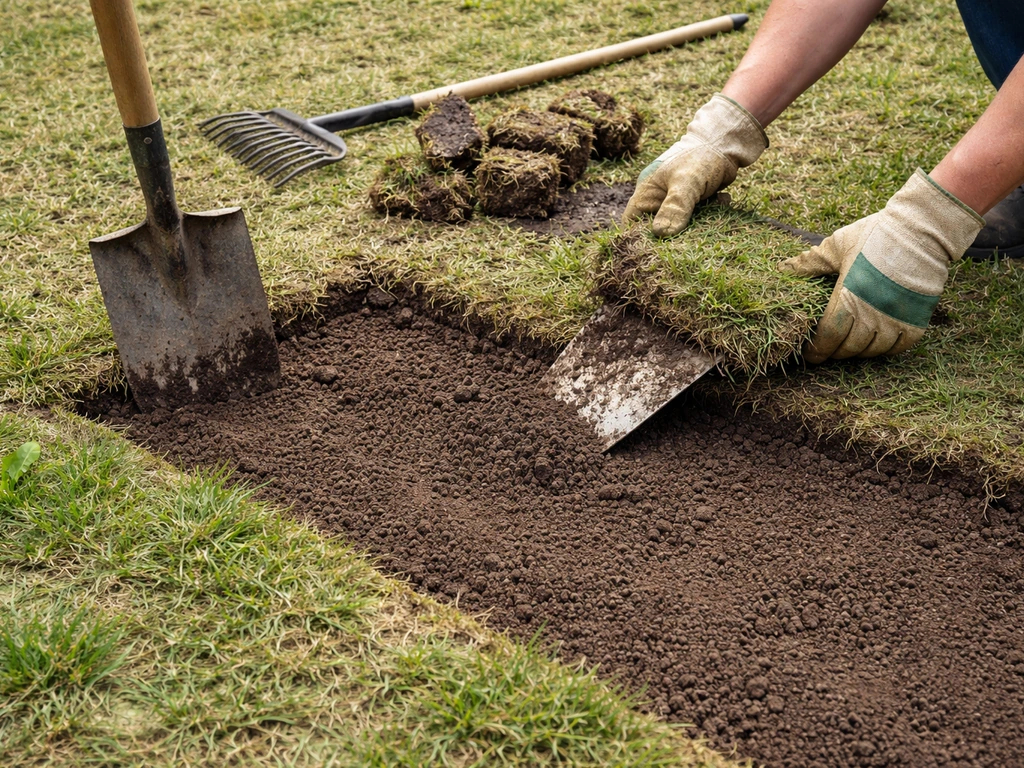
The biggest mistake people make when switching away from grass is skipping the transition step. They pull up the lawn, toss down plugs or seed, and then wonder why weeds win. Here's a practical establishment roadmap that works regardless of which alternative you choose.
Soil prep
Start with the soil test results. If pH is below 6.0, add lime at the rate on the test recommendation (usually 50 lbs per 1,000 sq ft for a significant correction). If organic matter is under 3 percent, spread 2 to 3 inches of compost and work it in 4 to 6 inches deep, unless you're planting under trees (in which case lay compost on top without tilling). For compacted areas, core aerate before planting. For sandy areas, add compost for first-season establishment help. Kill existing grass with solarization (clear plastic sheeting for 4 to 6 weeks in summer), smothering with cardboard and thick mulch, or a single targeted herbicide application followed by a two-week wait before planting.
Planting and spacing
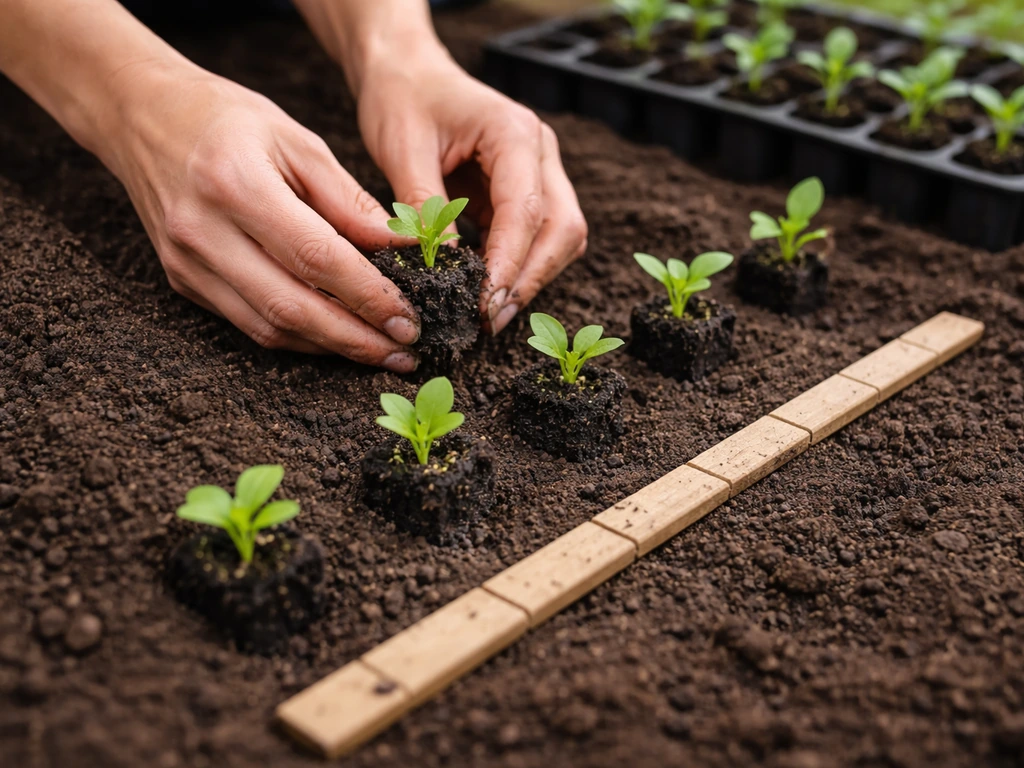
Follow the specific spacing recommendations listed for each plant type above. Tighter spacing costs more upfront but closes the canopy faster and leaves less room for weeds. For plug-based groundcovers like pachysandra, ajuga, or creeping thyme, plant in a staggered grid pattern, not rows, to get even coverage. For seeded options like clover, buffalo grass, or black-eyed Susan, rake the surface lightly before spreading seed, press seed into contact with soil (a lawn roller works well), and keep the top inch consistently moist for the first two to three weeks.
Watering through establishment
The first 6 to 8 weeks are the only time most of these plants need consistent moisture. Water deeply every two to three days rather than lightly every day, and don't apply water faster than the soil absorbs it, because runoff just moves the seed or washes away the compost you worked in. After establishment, drop back to once a week or rely on rainfall. Drought-tolerant species should need almost no supplemental water after their first summer.
Ongoing maintenance
Most grass alternatives need far less ongoing work than turf, but they're not zero-maintenance either. Here's what to expect by category:
- Shade groundcovers (pachysandra, ajuga, wild ginger): edge twice a year to keep them from spreading into beds or paths; no mowing needed
- Clover and micro clover: mow 2 to 4 times per season at a 3-inch height to keep it tidy and encourage density; no fertilizer ever needed
- Native grasses and sedges: cut back to 3 to 4 inches once in late winter or early spring; no mowing otherwise
- Creeping thyme and other low-growing herbs: shear lightly after flowering to keep density; no fertilizer needed
- Sedum and drought groundcovers: almost no maintenance; divide and replant sections if they get too thick after 3 to 4 years
- Weed control during establishment: hand-pull for the first season; once the canopy closes, weeds rarely win
Your next steps starting today
Pick your primary blocker from the categories above (shade, drought, poor/sandy soil, traffic), then shortlist two or three plants from that section that match your zone and sun exposure. Order a soil test if you haven't run one in the last two to three years. While you wait for results, start killing the existing grass in the target area using the solarization or cardboard method so the ground is ready when your plugs or seed arrives.
Most groundcover plugs are available from specialty nurseries and online suppliers like Prairie Nursery, Plant Delights, or High Country Gardens, and most ship in spring and fall. If you're starting in May, you have a good window to get warm-season options established before summer heat arrives.
The one thing I'd tell anyone making this switch: don't leave bare soil exposed for more than a week or two. Bare ground is an open invitation for weeds, and that's how the whole project becomes a maintenance headache. Ideas for the side of a house where grass won't grow start with replacing that exposed soil fast with a living groundcover or mulch bare ground. Have your plants or seed ready before you remove the grass, and use a layer of fine mulch as a temporary cover if there's any gap between killing the lawn and planting the replacement. That single habit prevents most of the frustration people associate with transitioning away from grass.
FAQ
Can I replace grass with something that still looks like a lawn? What should I pick?
Yes, but you should choose based on your blocker and maintenance tolerance. Clover and buffalo grass can work where you want a lawn look, while thyme, ajuga, and pachysandra are better for lower height groundcover. If your issue is shade plus tree roots, avoid sun-loving turf-style options, because they will repeatedly thin out even if soil amendments are correct.
How do I know whether my yard gets enough sun for alternatives to grass?
Let the sunlight decide first, then pick plants that match that light level. A spot that looks “part shade” in spring often becomes deeper shade in summer under fuller canopies. Recheck sun exposure at mid-day during peak season before you buy plugs or seed, otherwise you risk paying for plants that will stay sparse.
What should I do differently if my lawn alternative will be planted under an established tree?
Avoid tilling under trees, and be careful about how deep you prep in root zones. The article recommends no-till compost for tree areas, and the key follow-on is to spread compost evenly, then plant through it, so you avoid digging that cuts feeder roots. If you already tilled last season and grass failed, the plant choice may still work, but you should plan on slower establishment.
My soil is hard, can I just add compost to fix compaction before switching away from grass?
If soil is compacted, amendments alone often do not solve it. The penetrometer-based test is useful, and if the needle barely moves past about an inch, core aeration before planting is usually the practical step. If you cannot aerate, prioritize species that tolerate higher compaction, and use less-demanding establishment methods like smothering and surface compost rather than repeated digging.
When is the best time to plant grass alternatives, and does it change for plugs versus seed?
Timing depends on whether your plants are plugs or seed and whether they are warm-season or cool-season. A good rule is to install plugs early in the growing season (spring or fall window) and keep the first 6 to 8 weeks consistently moist. If you start in late summer, prioritize drought-tolerant groundcovers or plugs, because seeded options may not establish before heat and drying.
How do I prevent weeds from taking over after I remove the grass?
Weeds are usually a timing and coverage problem, not just a weed issue. To prevent that, line up your plant materials so you kill the old grass and get new coverage in place quickly. If weeds still appear, spot-remove early before they flower, because pulling mature weed roots is much harder once the groundcover knits together.
What spacing mistakes cause groundcovers to stay thin and weedy?
For plugs, spacing controls final density and weed suppression. If you want faster closure, use the tighter end of the spacing recommendations for your chosen plant and avoid leaving empty pockets, especially along edges where wind brings in weed seeds. For seeded options, you also need consistent top-inch moisture for 2 to 3 weeks, light raking, and firm seed-to-soil contact.
What’s the best approach for replacing grass in a dog-walk or kids-cut-through area?
Traffic tolerance matters, and “partially shade” can make traffic damage worse by slowing recovery. If people or pets repeatedly use the same route, consider a dedicated path material (mulch or gravel strip) and reserve groundcover for the adjacent areas. For plants you do choose, prioritize those labeled as traffic-tolerant and avoid placing the most tender species exactly on the recurring tread.
How should I handle repeated urine burn in the same spot without constantly replanting?
Dog urine burn often looks like patchy dead spots, and the decision is whether you treat it as a chronic urine zone or just a one-time accident. For chronic pee areas, the practical fix is either a dedicated non-plant strip that you can hose off safely (gravel/mulch) or a pet-friendlier groundcover plus a habit of redirecting. Also, avoid over-fertilizing the rest of the yard, since extra nitrogen can worsen plant stress in affected spots.
Will grass alternatives spread enough to cover over time, or will I need to replant gaps?
Yes, and it depends on what you’re replacing grass with. Many groundcovers will spread and knit over time, but some need seasonal edging or spot filling where gaps form at borders and transitions. Plan on light maintenance like topping up mulch or compost annually for the first year, then reassess once the plants are fully covering.
How do I avoid overwatering or washing away seed during the first month?
Do not water based on a fixed schedule alone. Measure how much water your soil can absorb by watching for runoff during initial watering, then match frequency to that. During establishment, deep watering every 2 to 3 days is typical, but sandy or compacted areas may need adjustments, either reducing surface watering or using longer, slower cycles to avoid washing away seed.
If my soil test says nutrients are low or high, does that change which groundcover I should choose?
A soil test is still worth it if you are unsure, but it changes what you do next. If pH is low (below about 6.0), lime can be important for many alternatives. If phosphorus and potassium are already high, avoid adding extra fertilizer “just in case,” since some groundcovers do better in lean conditions, especially in fast-draining sandy soils.
What grass alternatives are truly the lowest maintenance after they establish?
If you need a near-zero maintenance option, choose plants that match the blocker and accept that “low maintenance” still includes establishment care. The article notes that most alternatives need consistent moisture for 6 to 8 weeks, so even the easiest setups require that early phase. After establishment, then maintenance drops sharply, but only if you got the light, soil, and coverage density right.
Next Articles
Backyard Ideas Where Grass Won’t Grow: Fix and Replace Lawn
Fix patchy or dead lawn with shade, soil, and drainage solutions plus ground covers, hardscape, and weed control steps.
Ideas for Areas Where Grass Won’t Grow: Practical Options
Replace dead grass with shade, drought, and drainage-friendly landscaping: groundcovers, mulch, gravel, turf, and hardsc
How to Grow Grass Where Dogs Pee: Repair and Prevent
Learn how to repair dog pee grass spots, prevent urine burn, and choose seed, timing, and watering for regrowth.