Potting soil can help grass grow in limited situations, but it is not the go-to fix most people hope it will be. If you have a small bare spot and nothing else on hand, a thin layer of potting mix over freshly sown seed is better than bare dirt. But for anything larger than a patch the size of a welcome mat, potting soil will likely disappoint you. It dries out too fast, it lacks the structural consistency turf roots need, and it can introduce weed seeds or woody debris that competes with young grass. The better answer for most lawn problems is screened topsoil, finished compost, or a purpose-built turf amendment. Rabbit poop can add nutrients and organic matter, but it is not a reliable substitute for the right topsoil or compost when you want grass to grow does rabbit poop help grass grow. That said, there is a right way to use potting soil on grass, and knowing the difference between when it helps and when it hurts will save you weeks of wasted effort.
Will Potting Soil Help Grass Grow? What Works and What Fails
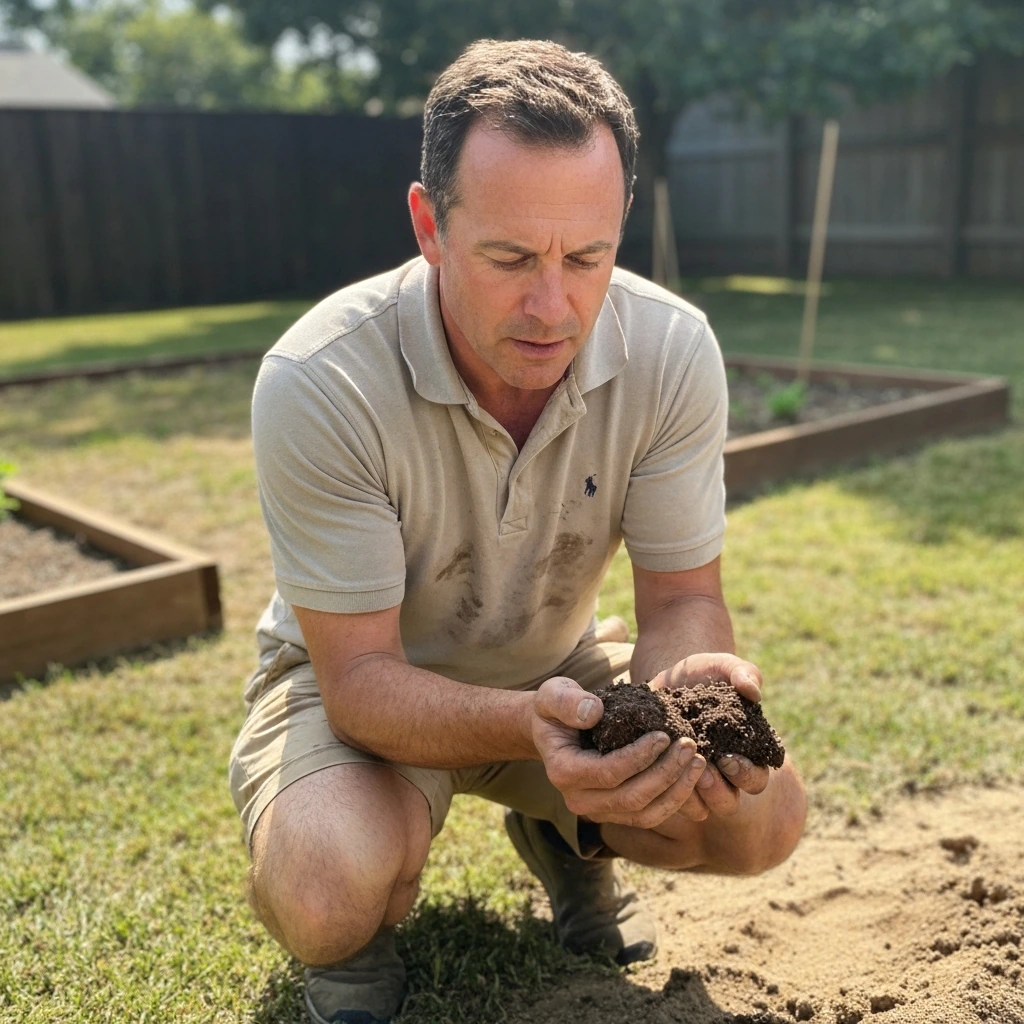

Potting soil vs. topsoil vs. turf soil: why the difference matters
These three products look similar in the bag but behave very differently in the ground, and mixing them up is one of the most common reasons a grass-seeding project fails.
| Material | What it is | Drainage behavior | Nutrient consistency | Best use for grass |
|---|---|---|---|---|
| Potting soil / potting mix | Soilless or near-soilless blend of peat, perlite, bark, sometimes compost | Dries out quickly in open-ground settings | Varies widely by brand; can have soluble salts | Thin seed cover on small patches only |
| Topsoil | Screened mineral soil from the ground surface; quality varies by source | Moderate; depends on texture (sandy vs. clay-heavy) | Low on its own; pair with fertilizer | Fill low spots, bed prep, topdressing with compost |
| Turf soil / turf amendment | Blended product designed for lawn establishment: screened compost, sand, mineral soil in balanced ratios | Consistent and predictable | Higher and more balanced for grass | Patching, overseeding, new lawn prep |
The core problem with potting mix in a lawn setting is that it was engineered for containers. University of Minnesota Extension notes that potting soil dries out too quickly when used outside of pots, which is the opposite of what newly seeded grass needs. UConn Extension adds that potting media is not real mineral soil at all. It behaves differently under repeated watering: it can crust over, shrink away from edges, or compact in ways that harm germination. Topsoil is closer to what grass naturally grows in, but screened, quality-controlled topsoil paired with finished compost is even better. Turf soil or topdressing blends take it a step further by matching the particle size and drainage behavior your lawn already has, which matters more than most people realize.
How to use potting mix for grass the right way
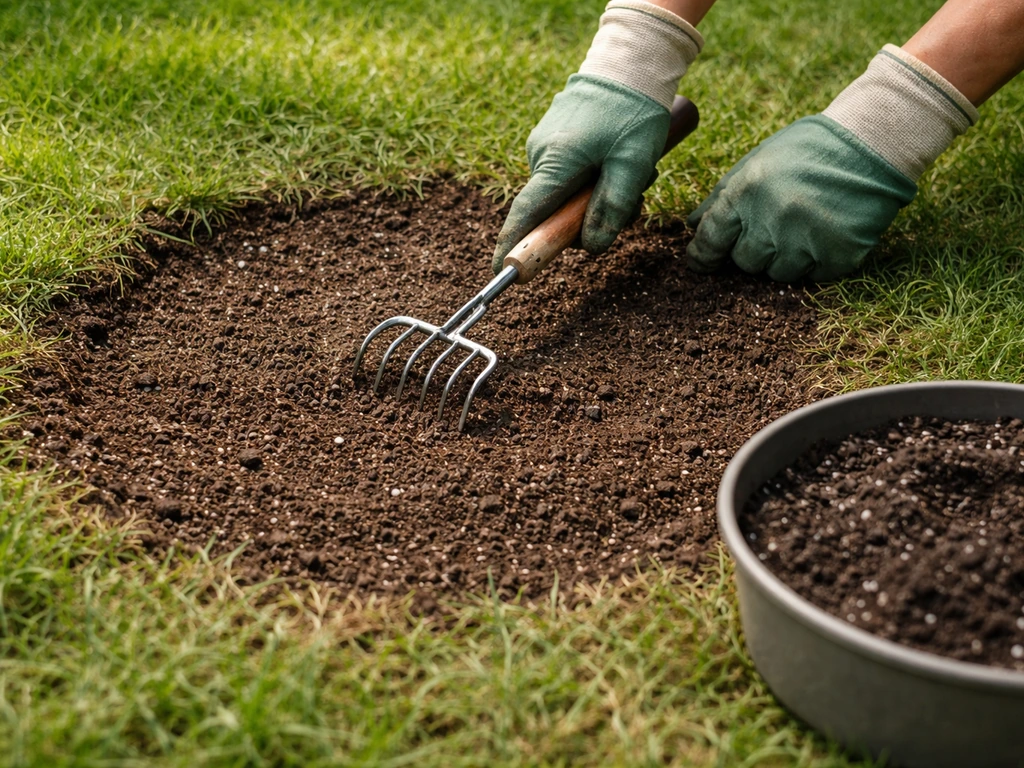
If potting soil is what you have and your problem is a modest bare patch, here is how to get the most out of it without setting yourself up for failure.
Step-by-step for patching a bare spot with potting soil
- Clear the area first. Rake out any dead grass, thatch, rocks, or debris. You want firm, exposed soil underneath. Loose or fluffy substrates with no mineral base beneath them will not give seeds the contact they need.
- Check drainage before you add anything. Press on the soil. If it is waterlogged or rock-hard, potting soil on top will not fix that. Address compaction or drainage first (more on that below).
- Loosen the top inch of existing soil with a hard rake or hand cultivator. This gives roots something to grow into beneath the potting mix layer.
- Sow your grass seed directly onto the prepared soil at the rate on the seed bag. Press the seed in lightly.
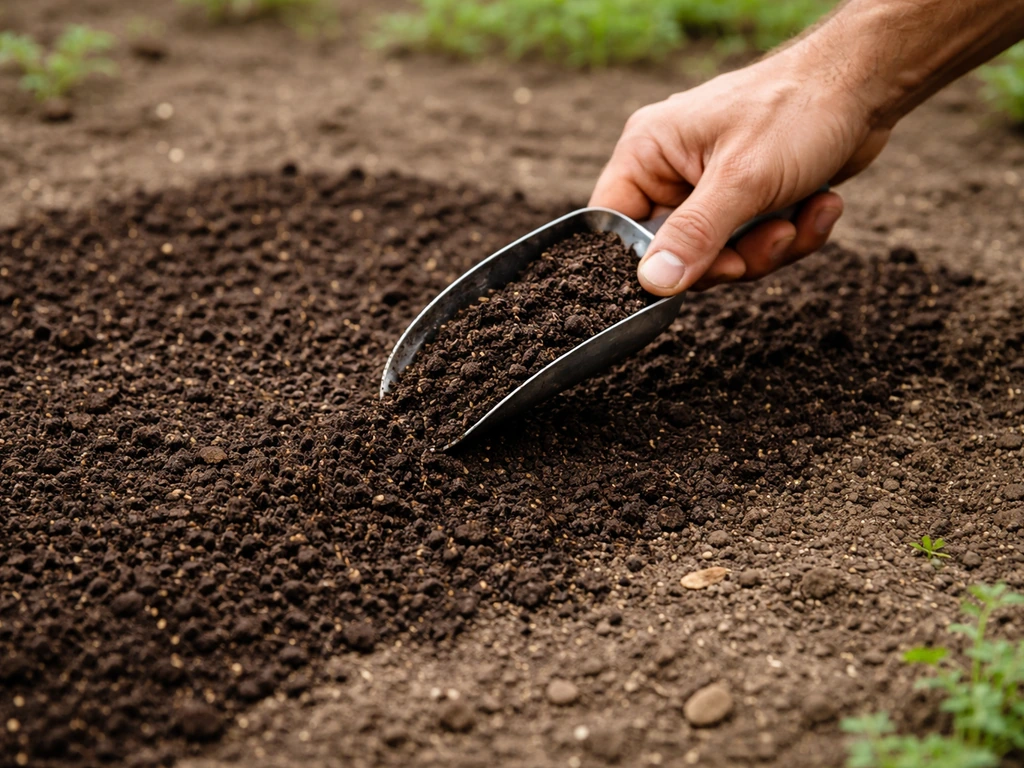
- Apply potting soil in a thin layer, no more than a quarter to half an inch deep. University of Maryland Extension specifically recommends this depth for any seed-cover material, whether topsoil or compost. Too thick and seeds cannot push through. Too thin and they dry out.
- Rake gently so the potting mix settles around the seeds without burying them deeply.
- Water immediately to about a quarter inch of moisture and keep the surface consistently moist until germination.
The thin-layer rule is the most important one. A half inch of covering material is enough to hold moisture and protect seeds. Anything deeper reduces the light and warmth the seedbed needs and can actually suffocate germination.
Where potting soil should not go
- Do not use it as a base layer for new lawn installation. If you are starting from scratch, you need real topsoil or a turf blend, not container media.
- Avoid it on slopes where it will wash away before seeds can root.
- Skip it on large areas. Beyond about 10 to 15 square feet, the inconsistency and cost make it a poor choice versus screened topsoil or compost.
- Do not layer it thickly over existing turf for topdressing. The dissimilar particle sizes create a barrier that disrupts water movement down into the root zone.
When it will not work: the real reasons grass fails
Potting soil gets blamed for a lot of grass failures that actually have nothing to do with the potting soil itself. Here are the underlying problems that will prevent grass from establishing no matter what you put on top.
Compaction and poor drainage
Compacted soil prevents roots from penetrating, and waterlogged soil drowns seeds before they can sprout. Cornell Sports Field Management is clear that topdressing programs, including those with quality compost, only work when drainage is addressed first. If water pools on your bare spot for more than a few hours after rain, adding potting soil on top is just putting a bandage over a structural problem.
Wrong soil temperature
Grass seed germination depends on soil temperature far more than on the type of covering material you use. University of Maryland Extension puts the optimum range at 50 to 70 degrees Fahrenheit measured at about one inch deep. Plant cool-season seed in summer heat or warm-season seed in a cold snap and no amount of potting soil will save it.
Shade
Dense shade is one of the most common reasons homeowners fight losing battles with grass. If your bare spot is under a mature tree or in a north-facing area that gets less than four hours of direct sun, grass will struggle regardless of soil type. No amendment fixes a light problem. Mulch and leaf litter can still help grass indirectly by improving soil moisture and protecting the seedbed, but they should not be piled thickly enough to block light do leaves help grass grow.
Moisture extremes: too dry or too wet
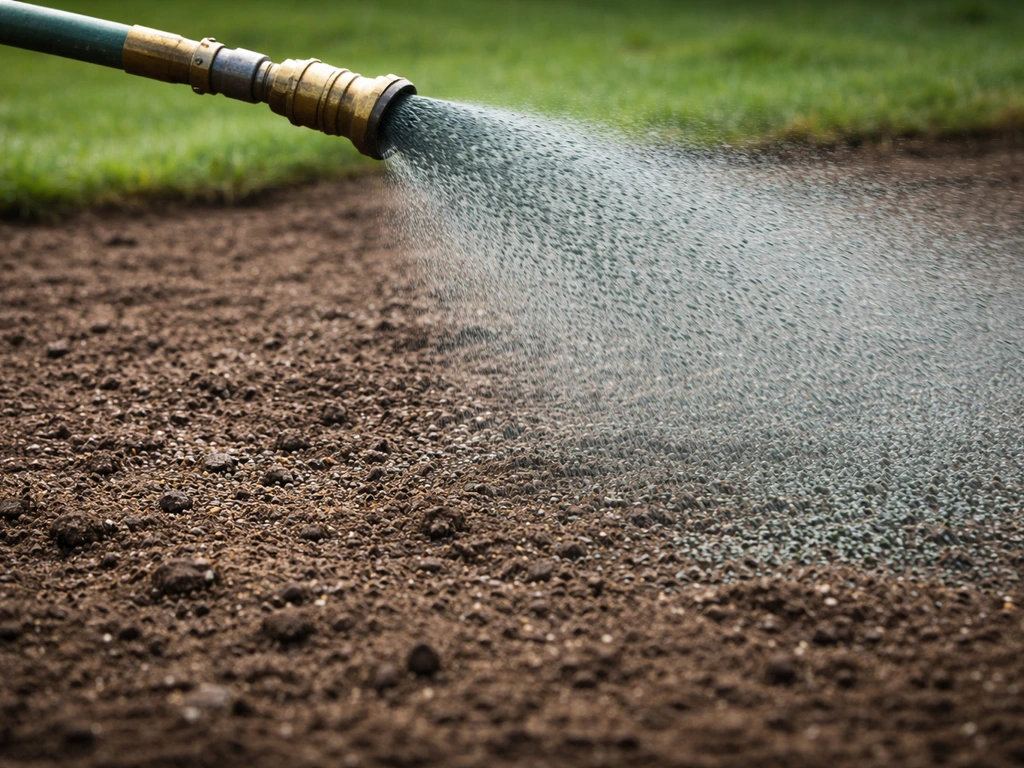
Potting mix dries out faster than topsoil in an open lawn setting, which means if you under-water after seeding, the seeds die before the roots find moisture below. University of Maryland Extension recommends that while the surface can dry slightly between waterings, the top four to six inches of soil should stay consistently moist. Overwatering is equally damaging. Automatic irrigation systems are commonly programmed to run too often and for too short a duration, which keeps only the surface wet, promotes shallow roots, and can encourage disease.
Insufficient seed-to-soil contact
Seeds need to touch firm mineral soil to germinate reliably. If the potting mix layer is too thick, too fluffy, or sitting on top of compacted ground without any loosening underneath, seeds float in the mix without making that contact. This is why raking the existing soil before applying any topdressing material is not optional. Raking can also help moss problems by loosening the surface so grass seedlings can establish Raking the existing soil.
Wrong timing
Penn State Extension emphasizes that late summer to early fall is the optimum seeding window for cool-season grasses in much of the Northeast and Midwest. Seeding at the wrong time of year almost guarantees poor results, and no topdressing material compensates for a bad planting window.
Soil amendments that actually move the needle
If the goal is genuinely improving a lawn's growing conditions, these amendments deliver more consistent results than potting soil alone.
Finished compost
Mature, screened compost is the closest thing to a universal lawn amendment. Cornell Sports Field Management sets quality criteria for compost used in turf topdressing: it should be fully mature, fine-screened, with a pH between 6.5 and 8.0 and low salt content. Missouri Extension specifically recommends applying fine screened compost at a quarter-inch depth raked over the lawn. This is where compost outperforms potting soil: it has predictable particle behavior, it integrates with existing soil rather than layering on top of it, and it adds organic matter that feeds soil biology.
Sand or clay adjustments
If your underlying soil is compacted clay, top-dressing sand without aerating first makes things worse, not better. The correct approach is core aeration followed by a sand blend that is roughly 90 percent sand and 10 percent silt and clay, which is the ratio Cornell Sports Field Management recommends for drainage improvement programs. For sandy soils that dry out too fast, compost addition improves water retention better than any potting mix. Cornell Small Farms explains that sandy soils have rapid water movement and low water-holding capacity, which is why sand vs. clay changes how you should amend for moisture retention and structure. Cornell Small Farms notes that sandy soils have rapid water movement and low water-holding capacity, and organic matter is the most effective fix for that.
Starter fertilizer
Potting soil often contains fertilizer, but it is formulated for container plants, not turf. Grass seed benefits from a starter fertilizer with a higher phosphorus ratio (the middle number on the bag label) to support early root development. Apply this at seeding time rather than relying on whatever nutrient package comes in your potting mix.
Lime and pH adjustment
Most grass species prefer a soil pH between 6.0 and 7.0. If your soil is acidic, lime raises the pH and makes nutrients more available. You will not know if this is your problem without a soil test. University of Maryland Extension emphasizes that soil test results, including pH and organic matter measurements, are the baseline for making smart amendment decisions. Do not guess on lime. A soil test costs a few dollars and removes all the guesswork.
Better alternatives if potting soil is not the right fix
Sometimes the honest answer is that potting soil is not what you need at all. Here are the options that tend to work better depending on your situation.
Topdressing with screened topsoil or compost
For most bare-spot repairs and overseeding jobs, a thin quarter-inch layer of quality screened topsoil or finished compost is more effective than potting mix. It integrates better, it does not dry out as fast, and it provides a mineral component that potting media lacks. University of Maryland Extension recommends this approach specifically for topping sown seeds during establishment. It is also cheaper per square foot when you buy in bulk.
Overseeding and patch seeding
For thin or uneven lawns, overseeding after core aeration with no topdressing at all often outperforms trying to fill gaps with potting soil. The aeration holes create natural seed-to-soil contact and improve drainage at the same time. Add a thin compost layer after seeding if you want, but the mechanical prep matters more than the topdressing material.
Sodding
When a bare area is large enough that seeding feels like a gamble, sod gives you established turf immediately. Sod eliminates the germination window and the daily watering demands of seed establishment. It costs more upfront, but it sidesteps almost every failure mode associated with seed-based approaches. Prepare the soil bed the same way you would for seed: loosen, grade, correct drainage, and add starter fertilizer before laying.
Hydroseeding
Hydroseeding sprays a slurry of seed, mulch, fertilizer, and tackifier directly onto prepared soil. It is faster than hand seeding, provides better moisture retention than potting soil alone, and works well on slopes or large areas where erosion is a concern. Wood chips can also affect how well grass establishes, but they are not usually a reliable substitute for the right soil amendments and moisture management potting soil alone. Most professional hydroseeding services handle site prep and can tailor the mix to your grass species and soil type.
Full lawn renovation
If more than half the lawn is bare, weedy, or problem-ridden, spot fixes with any topdressing material, including potting soil, are just delaying the inevitable. If you are dealing with weeds, it helps to understand whether does pulling weeds help grass grow in your specific situation before switching to soil amendments or renovation steps. A full renovation, which means killing the existing vegetation, aerating or tilling, amending the soil based on a soil test, and starting fresh with seed or sod, is more cost-effective over a five-year horizon than repeated patching. Other amendments like peat moss, mulch, or compost can all play a role in a full renovation program depending on your soil type and grass species goals. If you are wondering whether peat moss helps grass grow, it can support a renovation plan, but it still has to match your soil and moisture needs does peat moss help grass grow.
After you seed or sod: watering, mowing, and what to expect
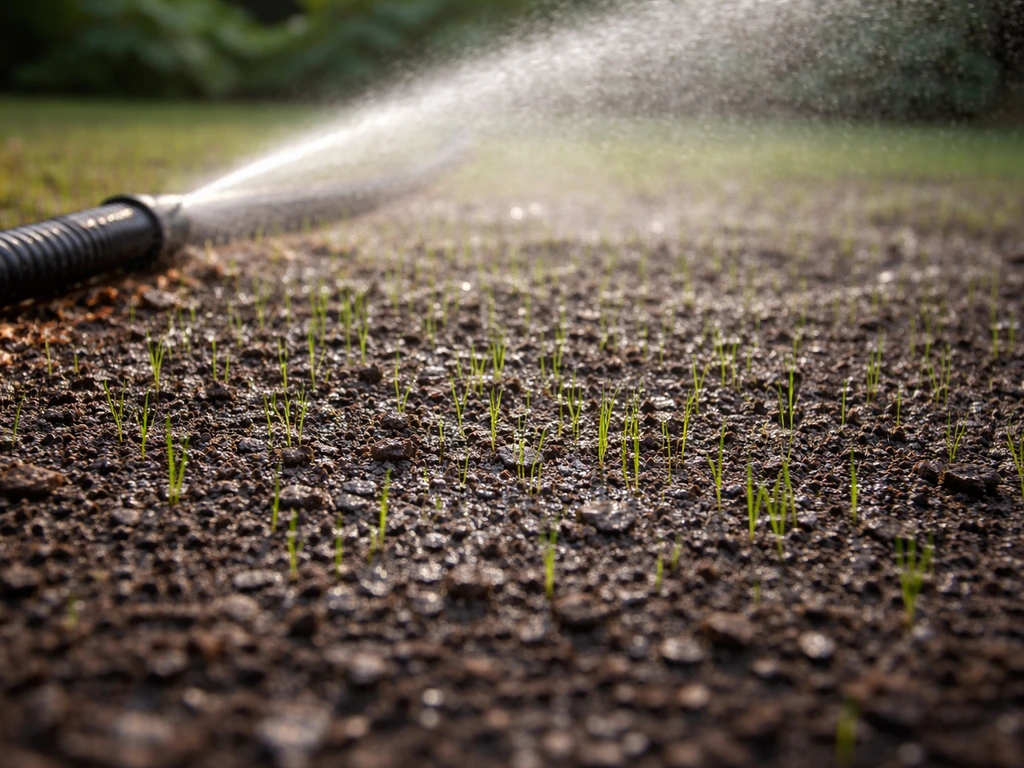
The first two weeks: keep it consistently moist
This is the phase where most people get it wrong. Newly seeded areas need light, frequent watering, not the deep, infrequent schedule you use on an established lawn. blank" rel="noopener noreferrer">University of Minnesota Extension recommends watering two to three times per day during the first couple of weeks to keep the soil surface consistently moist. University of Nebraska-Lincoln puts it at two to four times per day depending on temperature. Each session should apply about a quarter inch of water, which is the target University of Maryland Extension sets for seeds and sprigs. You are not trying to soak the ground, you are keeping the top inch or so from drying out between sessions. Mulch can help the seedbed stay evenly moist, which supports better germination and grass growth.
Weeks three and four: start tapering off
Once seedlings are visible and about an inch tall, shift to deeper and less frequent watering. University of Minnesota Extension recommends about a third of an inch every other day starting around week three. University of Nebraska-Lincoln advises tapering to two to three times per week as seedlings approach mowing height, but increasing the depth so moisture reaches deeper into the soil profile. The goal is to train roots to grow down, not stay near the surface.
When to mow
Wait until new grass reaches about three to four inches before the first mow, and never cut more than a third of the blade height in a single session. Mowing too early pulls young seedlings out of the soil before roots have anchored. Keep foot traffic off seeded areas until after the second or third mowing.
Realistic germination and establishment timelines
Purdue University Turfgrass Science notes that germination typically occurs within five to fourteen days depending on temperature and grass species. Fescues and ryegrasses are on the faster end. Kentucky bluegrass can take three weeks or longer. Full establishment, meaning a lawn you can use normally, takes four to eight weeks from germination under good conditions. If you seeded at the right time, prepared the seedbed properly, and kept moisture consistent, you should see a usable lawn within six to eight weeks of seeding. If the ground was cold, the topdressing was wrong, or watering was inconsistent, expect a longer wait or thin results that need overseeding.
FAQ
If I already spread potting soil, can I still fix the situation and get grass to establish?
Yes, but only as a very thin top layer. If you already have potting soil down, scrape or rake it into the top surface so you are not leaving a fluffy or thick layer that blocks firm seed-to-soil contact. Then add your grass seed, firm the area by lightly rolling, and keep the top inch consistently moist during the germination window.
Will potting soil work if I’m reseeding a whole lawn instead of a small bare patch?
Avoid it. Potting mix is designed to drain fast in containers, so in outdoor beds it can dry too quickly or behave inconsistently under repeated watering. For bare spots, use screened topsoil or fully mature, fine-screened compost at about a quarter inch depth, or use a turf/topdressing blend matched to your drainage.
Can I use any bag of potting soil for grass, or does the brand matter?
It can, but only if the potting soil is truly composted and not a mix with bark chunks or uncomposted woody material. If your bag contains coarse wood, it can float seeds and create uneven moisture, so inspect the texture and choose fine-screened material intended for lawn topdressing rather than general potting media.
If my potting soil has fertilizer in it, should I still add starter fertilizer when seeding?
Yes, and mixing schedules can break success. If you add fertilizer in potting soil, you still need the right starter phosphorus balance and proper timing. For seeding, use a starter fertilizer formulated for seed establishment, then keep watering light but frequent until the first roots anchor, rather than switching to your normal lawn schedule immediately.
What should I do if I missed the ideal seeding window and temperatures are already extreme?
Generally, no. The best time to seed depends on grass type and local climate, and the article emphasizes that planting at the wrong time is a common failure cause. If you must seed outside the ideal window, focus first on matching seed type to temperature and improving drainage and moisture consistency, because soil amendments cannot fully compensate for heat or cold stress.
How do I know if my lawn needs lime instead of potting soil?
Use a soil test before you lime or add anything that changes pH. Potting soil and compost both add organic matter, but neither reliably fixes an acidic lawn. If your soil is acidic, lime can improve nutrient availability, but guessing can waste money or worsen problems.
Will potting soil help if my bare spots are in clay that stays wet after storms?
Yes, but only if you change the prep first. If the bare spot compacts or stays wet after rain, adding potting soil on top will not correct the root problem. Aerate or core-aerate, address drainage if water pools, and then apply a thin screened compost or topsoil layer to support germination.
Why do my seeded spots look okay at first, then dry out or fail weeks later when I used potting soil?
Do not let the potting soil layer become a crust or a water-repelling surface. Keep the top inch consistently moist early on, water at multiple short intervals instead of one heavy cycle, and consider a thin compost or screened topsoil cover that is less likely to shrink away from edges.
I have wood chips or mulch, can I cover seed with them on top of potting soil?
It can help indirectly by stabilizing moisture, but wood mulch should not be piled thickly enough to block light needed for germination. If you use mulch, keep it light and use it to cover and protect the seedbed, then remove excess or avoid heavy layering that prevents seedlings from breaking through.
When should I stop patching and move to a full lawn renovation instead?
If the area is half the lawn or more, spot repairs often delay the real fix. Consider renovation steps such as killing existing weeds, aerating or tilling, amending based on a soil test, and then starting fresh with seed or sod. For patchwork, focus on proper seedbed prep and moisture first, not repeatedly topping with potting mix.
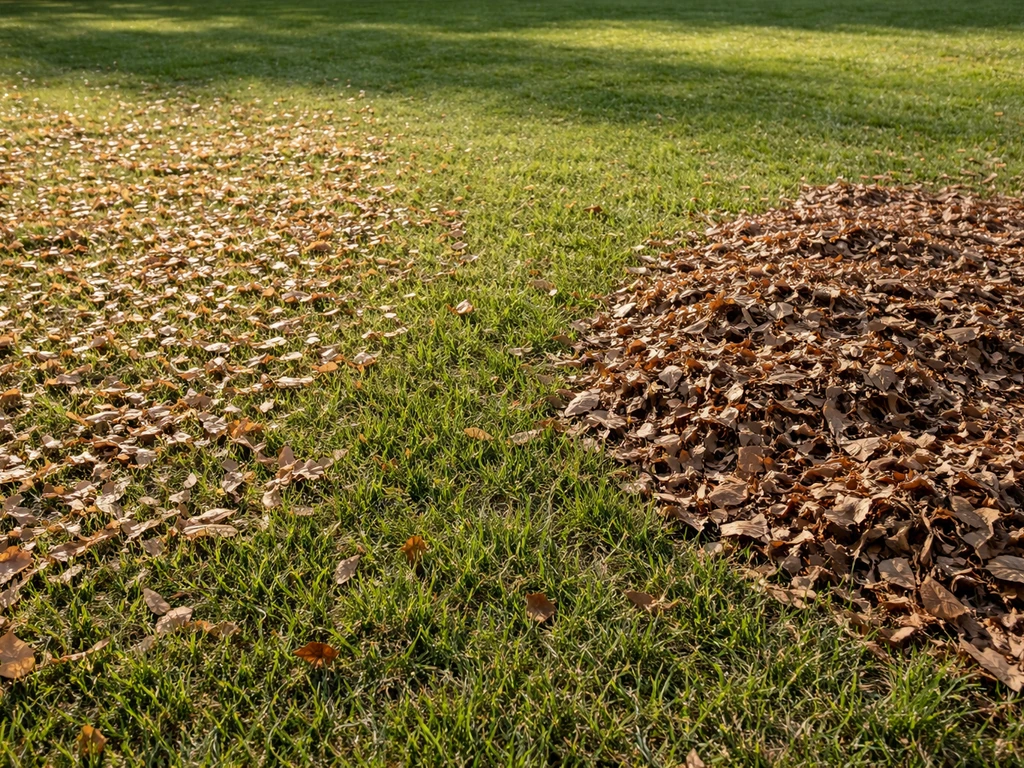
Do leaves help grass grow? Learn when they help or harm, plus how thick to manage, remove, shred, and fix bare spots.
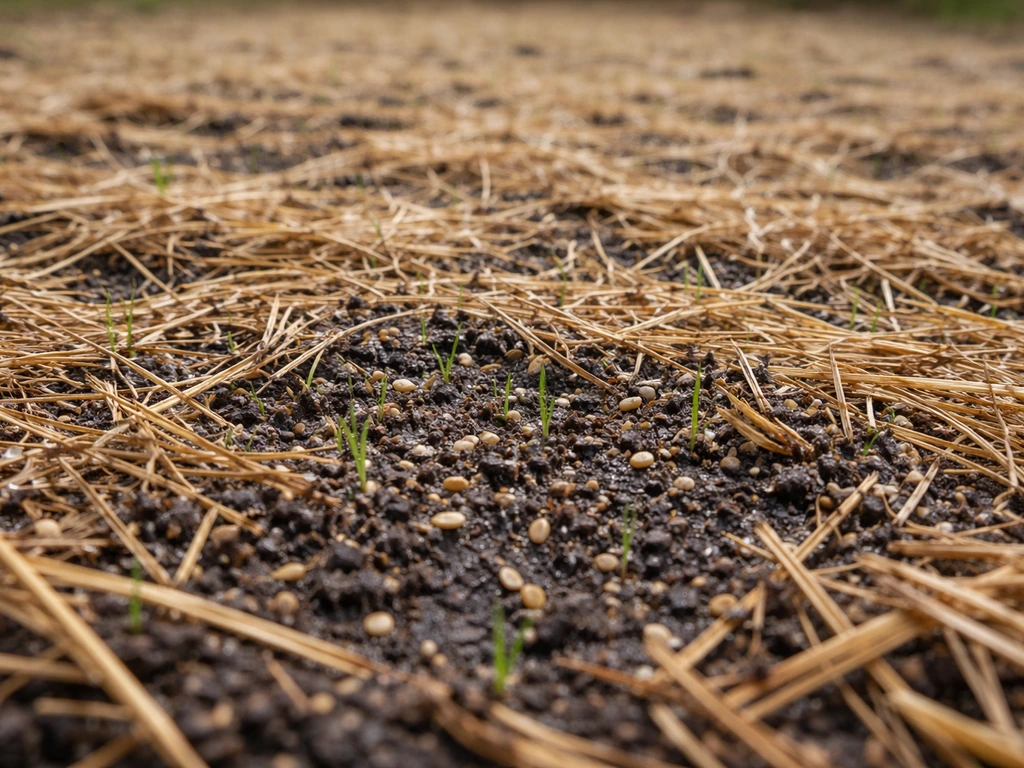
Learn if mulch helps grass grow, which types work, how thick to apply, and when it speeds or stunts growth.
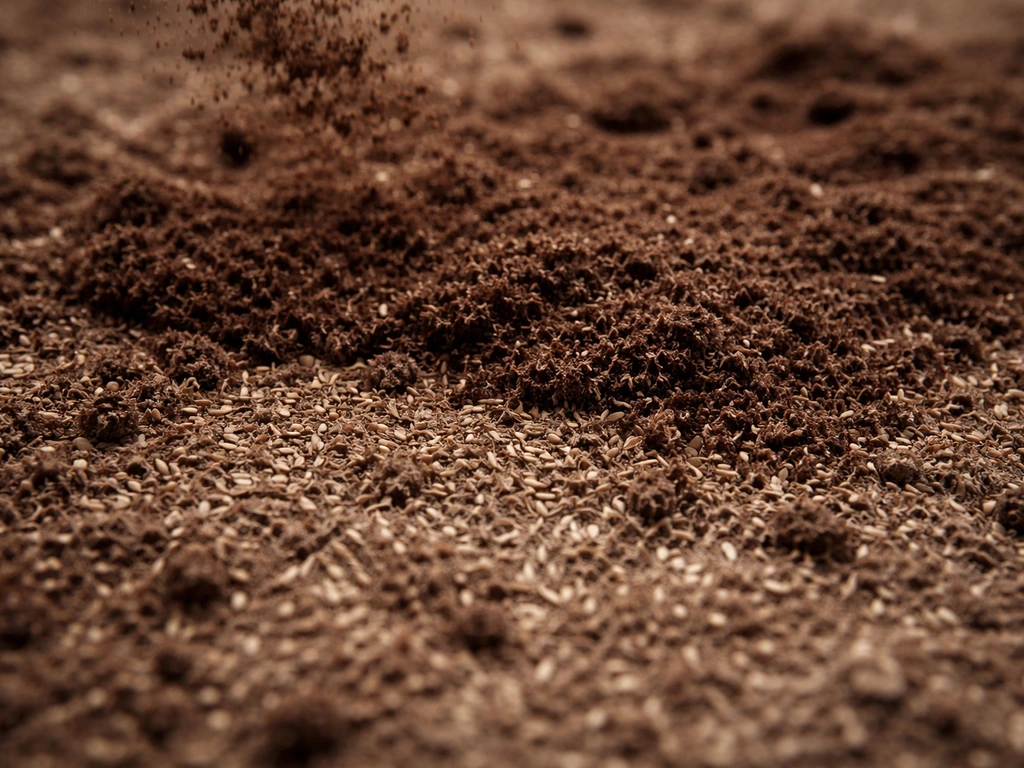
Peat moss can help grass seed by holding moisture and improving seedbed, but it won’t fertilize or fix drainage.