Yes, leaves can help grass grow, but only in the right amounts and the right form. A thin layer of shredded leaves broken down across your lawn adds organic matter, feeds soil microbes, and recycles nutrients back into the turf. Dead leaves work the same way when managed properly. But pile them on thick, let them mat together, or leave them whole over seeded areas, and they do the opposite: they block sunlight, trap excess moisture, and smother the grass entirely. The difference between helpful and harmful usually comes down to thickness and whether you shred them first.
Do Leaves Help Grass Grow Yes When to Remove Them
Marcus Volkmann
4 May 2026
How leaves actually affect your grass
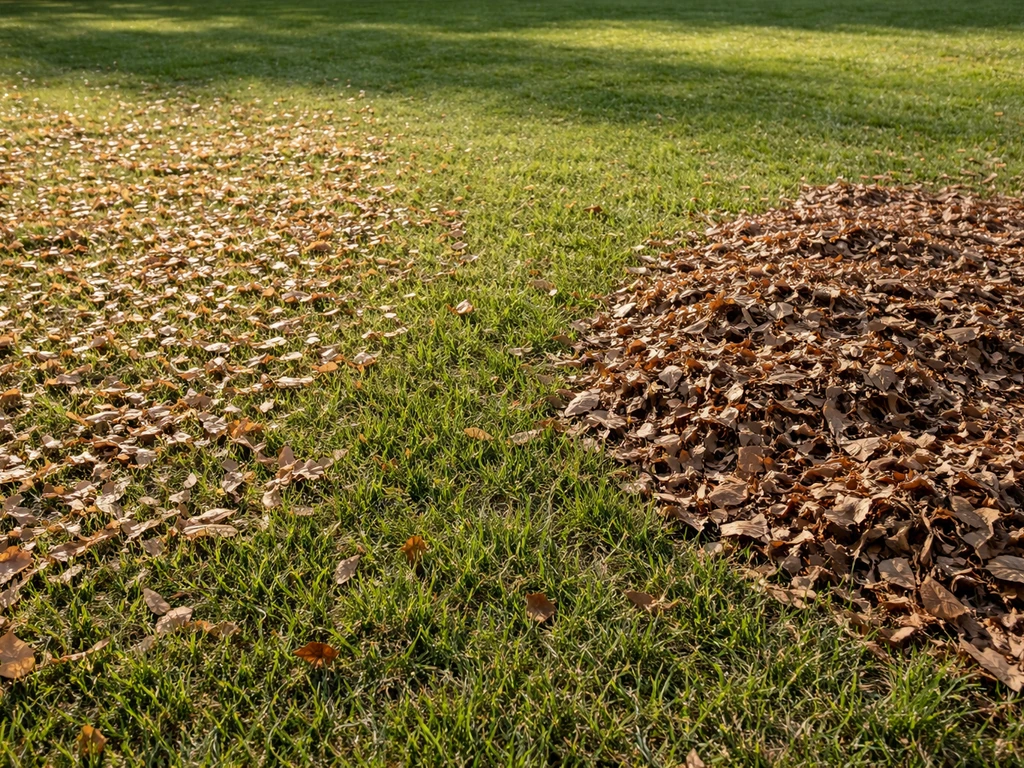
Leaves interact with your lawn through four main channels: light, moisture, soil temperature, and nutrients. Understanding each one makes it a lot easier to decide what to do with the leaves you have right now.
Light
This is the biggest issue. Grass needs sunlight to photosynthesize, and a dense layer of whole leaves cuts that off fast. UConn Extension specifically recommends that after any mulching event, no more than 20% of your visible turfgrass should be covered by leaf material. That's not a lot. If you can barely see the grass blades beneath the leaves, you're already past the safe threshold.
Moisture
A light leaf cover actually helps retain soil moisture, which is useful during dry spells. The problem starts when whole leaves mat down and create a sealed layer. That layer traps moisture against the crowns of grass plants, which encourages fungal disease. Purdue turfgrass specialist Zac Reicher has pointed out that thick leaf cover creates the high-humidity environment that contributes to snow mold, which can wipe out large patches of turf over winter. If you're going into late fall or winter with heavy leaf cover, you're setting yourself up for a mess in spring.
Soil temperature
A thin leaf layer acts like a light blanket, moderating soil temperature. In early fall, that can actually extend the window for root growth a bit. But a heavy leaf layer insulates soil too aggressively, keeping it cold and wet in spring when you want it warming up for germination and green-up. Timing matters here more than most people realize.
Nutrients
This is where leaves genuinely earn their place. When leaves are shredded and incorporated into the soil or left as fine mulch on the surface, they decompose and release nitrogen, potassium, and trace minerals. Penn State Extension research on turfgrass clippings found that recycled plant material returned 46 to 59 percent of applied nitrogen back to the turf over a three-year period. Leaves work the same way: shredded fine enough, they become slow-release fertilizer. Whole leaves sitting on the surface? They break down too slowly to be useful, and they cause the problems above before the nutrients ever reach the soil.
When leaves help vs. when they hurt
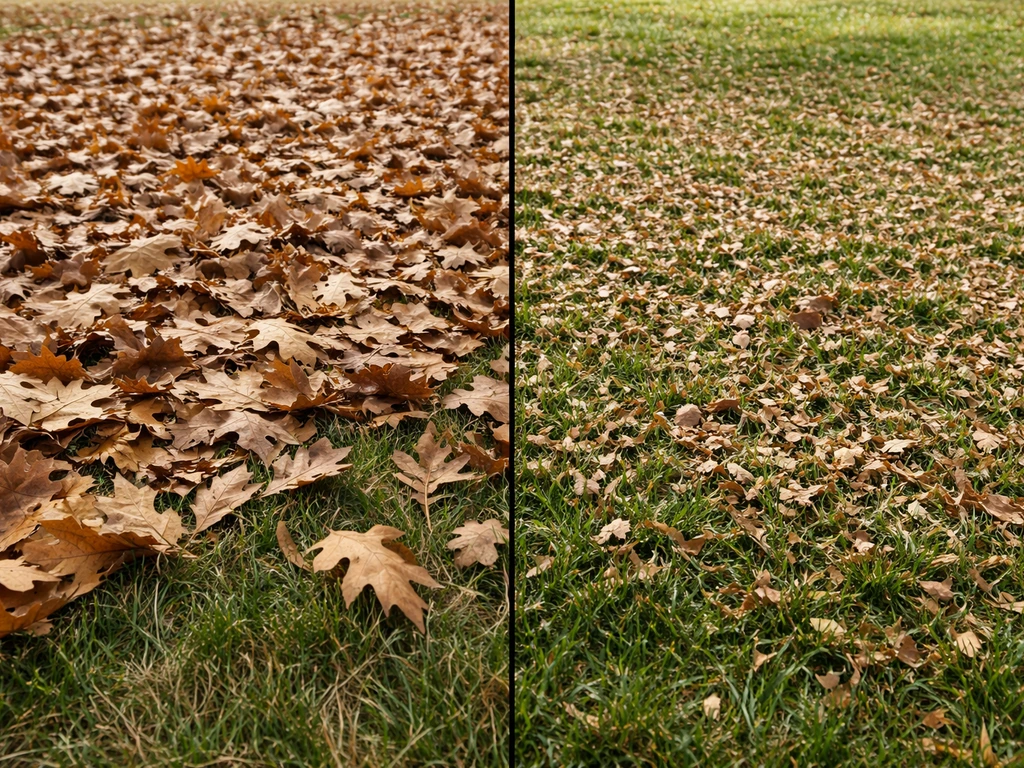
Here's the honest breakdown. Leaves help your grass when they're shredded into small pieces, spread thinly across the lawn, and mixed with visible turf underneath. They hurt your grass when they accumulate in thick, unshredded layers, when they mat and seal out air and light, or when they're sitting on top of newly seeded areas trying to germinate. The damage threshold is lower than most people think. Reicher's quote about mulching six to eight inches of leaves all at once being a problem isn't an exaggeration. Even three to four inches of whole leaves can create a dead zone underneath within a week or two, especially in humid conditions.
| Situation | Effect on Grass | What to Do |
|---|---|---|
| Thin layer of shredded leaves (under 1/2 inch) | Beneficial: adds nutrients, retains moisture | Leave or mow in further |
| Moderate whole leaf cover (light, not matted) | Neutral to slight negative: some light blockage | Shred with mower immediately |
| Thick whole leaf layer (over 2 inches) | Harmful: blocks light, traps moisture, risks mold | Remove excess, shred remainder |
| Matted wet leaves | Harmful: smothers crowns, promotes disease | Remove and compost or dispose |
| Leaves over newly seeded bare spots | Very harmful: blocks germination, traps moisture | Remove entirely before seeding |
The best ways to use leaves on your lawn
You've got a few practical options depending on how many leaves you're dealing with and what your lawn needs right now.
Mulch mow them
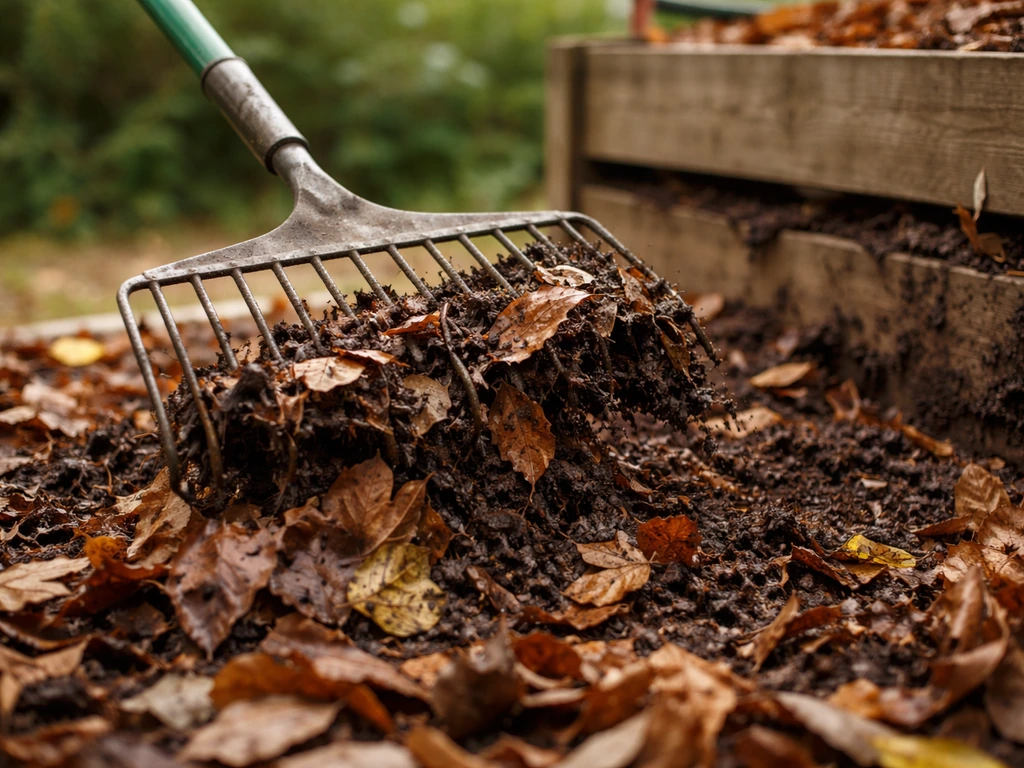
This is the easiest and most effective method for a normal leaf fall. Run your mower over the leaves with the discharge chute closed or using a mulching blade. The goal is to chop them into pieces small enough that they sift down between grass blades and contact the soil. If you can still see a visible layer of leaf material on top after mowing, go over it again or rake some off. The 20% coverage rule from UConn Extension is a good gut check: after mulch mowing, you should still be able to see most of your grass.
Compost heavy loads
If you get hit with a big dump of leaves all at once, like after a windstorm or a mass drop from a large tree, trying to mulch mow all of it at once just isn't going to work. Rake the excess into a compost pile. Leaves break down into rich compost over six to twelve months, and that finished compost can be top-dressed onto your lawn or dug into bare spots later. Mixing leaves with grass clippings or other nitrogen-rich material speeds up decomposition significantly.
Use shredded leaves as a soil amendment
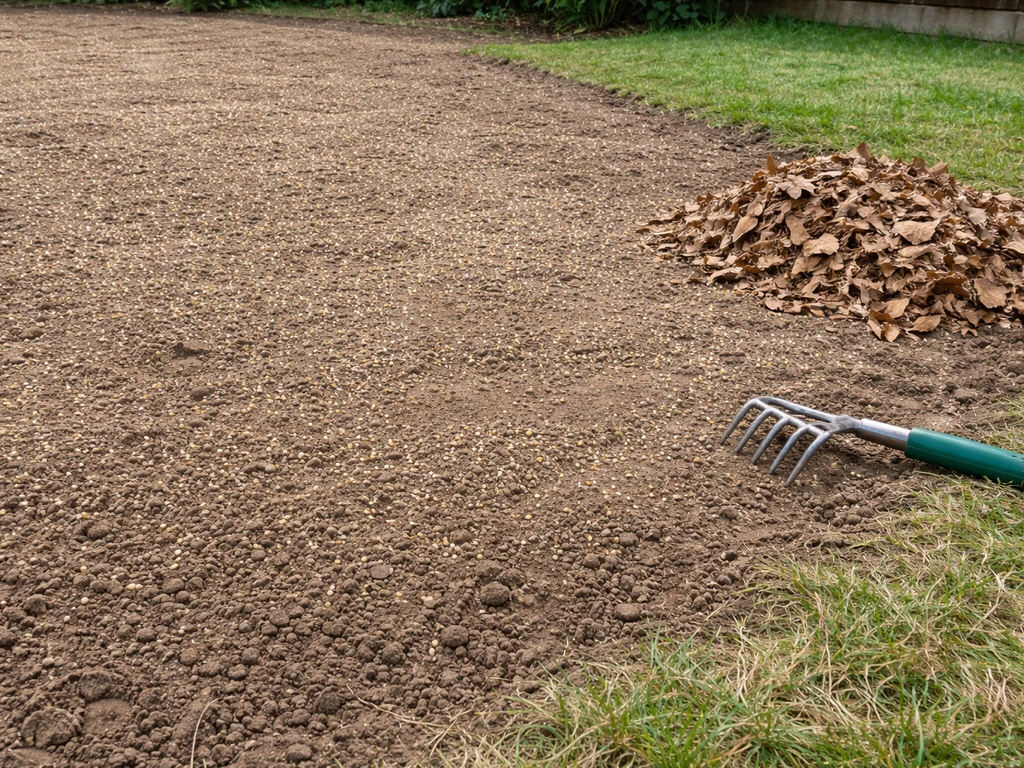
If you have bare spots or areas with poor, compacted, or sandy soil, shredded leaves can be worked directly into the top two to three inches before seeding. This improves drainage in heavy clay, water retention in sand, and feeds the microbial activity that makes nutrients available to grass roots. This is one of the lowest-cost ways to improve soil that isn't cooperating with grass growth. If you use shredded leaves in the right way, they can support healthier soil and create conditions where grass has a better chance to grow improve soil.
Skip using leaves as mulch over seeded areas
Some people use straw or light mulch over newly seeded areas to retain moisture, and they wonder if leaves can substitute. Don't. If you're also dealing with weeds, you might be wondering does pulling weeds help grass grow, since clearing competition can affect how well your lawn fills in. Leaves mat too easily and create uneven coverage. If you need to protect a seeded area, use a thin layer of straw or a seed-germination mat instead. Remove or thin any leaf cover before the seed even goes down.
What to do with your lawn right now
Your action steps depend on what you're working with today. Here's how to think through it.
Established turf with a leaf problem
If your turf is already in and you just have leaves sitting on it, mulch mow if the layer is light and the grass is still actively growing. If the leaves are thick, matted, or wet, rake them off first, then shred a thin layer back over the lawn if you want the nutrient benefit. Raking moss can also be helpful, but whether it helps grass grow depends on removing enough of the moss and addressing the cause, like shade or poor drainage rake them off. Don't skip raking just because mulch mowing sounds easier. Wet matted leaves need to come off, period.
Bare spots you want to fill in
Clear all leaves from bare spots before doing anything else. Rake down to bare soil, and if the soil is compacted, use a garden fork or core aerator to break it up first. University of Maryland Extension notes that mechanical aeration improves seed-to-soil contact by breaking through thatch and compaction, which makes a real difference in germination rates. Once you've aerated and seeded, keep leaves off the area until seedlings are at least two inches tall and have established a root system.
Overseeding in fall or spring
If you're overseeding, clean the lawn surface first. Mow short, dethatch if there's a noticeable thatch layer, aerate, then seed. Don't let leaves accumulate on the seeded area during germination. This is a two to three week window where you need to stay on top of leaf removal. After germination and a couple of mowings, the grass is much more tolerant of light leaf cover.
Leaf strategy when conditions are already working against you
Leaves are a minor problem when everything else is working. They become a bigger deal when you're already fighting other obstacles.
Shade
This is the worst combination. Grass in heavy shade is already light-starved, so even a modest leaf layer causes disproportionate damage. Under trees, leaves pile faster and thicker than in the open lawn. You need to clear them more frequently, ideally once a week during heavy drop periods. If you're growing shade-tolerant grass like fine fescue under a tree canopy, treat leaf removal as non-negotiable. The grass doesn't have any light to spare.
Poor or sandy soil
Here, composted or shredded leaf material is genuinely valuable as a soil amendment before seeding. Sandy soil drains too fast and holds almost no nutrients on its own. Working two to three inches of shredded leaves into the top layer before seeding gives the soil some structure and water retention it would otherwise lack. This is similar to the role peat moss plays in soil improvement, though leaves are obviously free and more readily available in fall. Compost made from leaves and applied as a top dressing works well too, especially in spring before a repair seeding.
Timing issues
If you're in a late-season situation where grass is going dormant soon, don't stress about the nutrient cycling from leaves. Just focus on preventing smothering over winter. Get the heavy stuff off the lawn before the ground freezes. Come spring, any remaining shredded leaf fragments will break down quickly as temperatures rise. If you're doing an early spring repair, clear any leftover leaf debris first before trying to seed or fertilize since matted wet leaves from the previous fall are a common reason spring grass establishment fails.
Unconventional setups
If you're trying to grow grass in a spot that isn't a typical lawn, like a slope, a path edge, or a partially shaded transition zone, leaves are harder to manage because they pile unevenly and are harder to mulch mow. In these spots, hand raking and composting is usually the more realistic approach. Use finished leaf compost to improve the soil and seed in the right season. Don't expect leaves alone to fix poor growing conditions; they support healthy soil but they don't replace the basics of light, water, and the right grass variety for the spot.
If grass still won't fill in after managing leaves
Once you've handled the leaves, step back and look at the other factors. Yes, do wood chips help grass grow, but it depends on how thickly they’re applied and how they affect nitrogen and moisture. Leaves are rarely the sole reason grass isn't growing. If you're wondering about other organic options like rabbit droppings, they can help but only if you manage them correctly to avoid burning the lawn does rabbit poop help grass grow. If bare spots persist after clearing leaf cover and seeding, check soil compaction, pH, drainage, and sunlight availability. Core aeration followed by a soil test is the most useful next step if you've addressed leaves and still aren't getting establishment. Amendments like compost, mulch, or other organic matter work best when you know what the soil is actually missing. The leaf management is just the first layer of the problem, and sometimes it reveals a bigger one underneath.
FAQ
Will whole leaves eventually decompose enough to help, or do they always hurt?
Whole leaves can still break down on their own, but grass photosynthesis and airflow are blocked long before decomposition helps. If you can lift a leaf layer with a putty knife and the grass underneath looks uniformly shaded or wet, treat it as harmful and remove or rework it by shredding and spreading thinly.
Is it better to bag leaves than mulch them?
Bagging is best when leaf amounts are heavy enough that you cannot maintain the thin-cover goal. If you bag instead of mulching, you can still recycle value by composting the leaves and later top-dressing or working finished compost into bare or thin areas.
Can I mow over wet leaves to save time, or will that make things worse?
Not usually. If leaves are unshredded and matted, the heat trapped near the crowns can encourage fungal issues and slow grass regrowth. If you need to wait, rake them off when they are dry enough to avoid dragging soggy layers, then mulch mow only what you can chop and spread thin.
How do I know how finely shredded leaves need to be for them to help?
Yes, but only if the result is thin and fine. After shredding, do a quick visual check, you should still be able to see most turf blades from above. If you still see a distinct layer after the first pass, go over it again or rake off excess.
Do leaves make thatch worse, and should I dethatch before dealing with them?
If you see a thatchy, spongy mat under the leaves, mowing alone will not solve the airflow and seed-to-soil contact problem. Dethatch and, in stubborn cases, core aerate before seeding, then keep leaf debris off until seedlings are established.
How long should I keep leaves off after overseeding or planting new seed?
Set a practical target for the seeded germination period. Keep leaf cover off during the first 2 to 3 weeks so seedlings can reach light and get consistent moisture. After you have a few mowings and the grass is established, small amounts of fine leaf fragments are less likely to cause a dead zone.
Is it ever okay to leave leaves on the lawn over winter?
Avoid using leaves as a mulch blanket that is deeper than a light scattering. For fall leaf piles, a safer approach is compost or shredded leaf top-dressing later, rather than leaving thick material in place over winter where it can stay cold, wet, and light-limited.
Does shade or humidity change how much leaf cover is acceptable?
In general, more sun in full turf helps, but the risk is still thickness. In humid shade, even relatively small accumulations can mat and seal faster, so you may need more frequent removal (often weekly during heavy drop) even if you are within the coverage limit.
Can leaves hurt grass more on already-thin or drought-stressed lawns?
Yes. On thin or already-stressed turf, adding leaf material can tip it into a smothering situation. If the lawn looks sparse or weakened, remove leaves first, then use a light top-dressing of shredded leaves only where you truly need soil improvement.
If I have leaf compost, is it safe to spread it directly on the lawn?
It helps, because composted leaves are more uniform and less likely to form a sealed mat. If possible, apply finished leaf compost in a thin top-dressing layer rather than creating a thick blanket, and re-check coverage after watering and settling.
Should I fertilize before or after removing leaves?
If leaves are blocking light and trapping moisture, they will interfere even with fertilizer. Clear heavy leaf cover first, then fertilize according to your normal schedule, because the nutrients should reach the soil and grass blades rather than being trapped under a layer.
What should I check if clearing leaves and overseeding still doesn’t work?
If bare spots persist after clearing and reseeding attempts, do a soil test and a compaction check before adding more organic matter. Leaves can improve biology, but they cannot correct low sunlight, major pH issues, poor drainage, or compacted ground that prevents roots from establishing.
Next Articles
Does Mulch Help Grass Grow Faster? Benefits and How-To
Learn if mulch helps grass grow, which types work, how thick to apply, and when it speeds or stunts growth.
Does Peat Moss Help Grass Grow? How to Use It Right
Peat moss can help grass seed by holding moisture and improving seedbed, but it won’t fertilize or fix drainage.
Can You Grow Grass Over Gravel? How to Do It Right
Learn when you can grow grass over gravel and follow a step-by-step method for soil depth, drainage, seeding or sod, and