
If your grass seed isn't germinating, the most likely culprit is one of four things: poor seed-to-soil contact, inconsistent moisture, bad timing, or a site problem the seed simply can't overcome. Fix those in order, and most failed lawns can be recovered. If the site itself is the problem, like deep shade or pure sand, no amount of re-seeding fixes it until you address the underlying condition first.
What to Do Where Grass Won’t Grow: Fix Germination Fast
Marcus Volkmann
17 May 2026
Quick diagnosis: why grass isn't growing
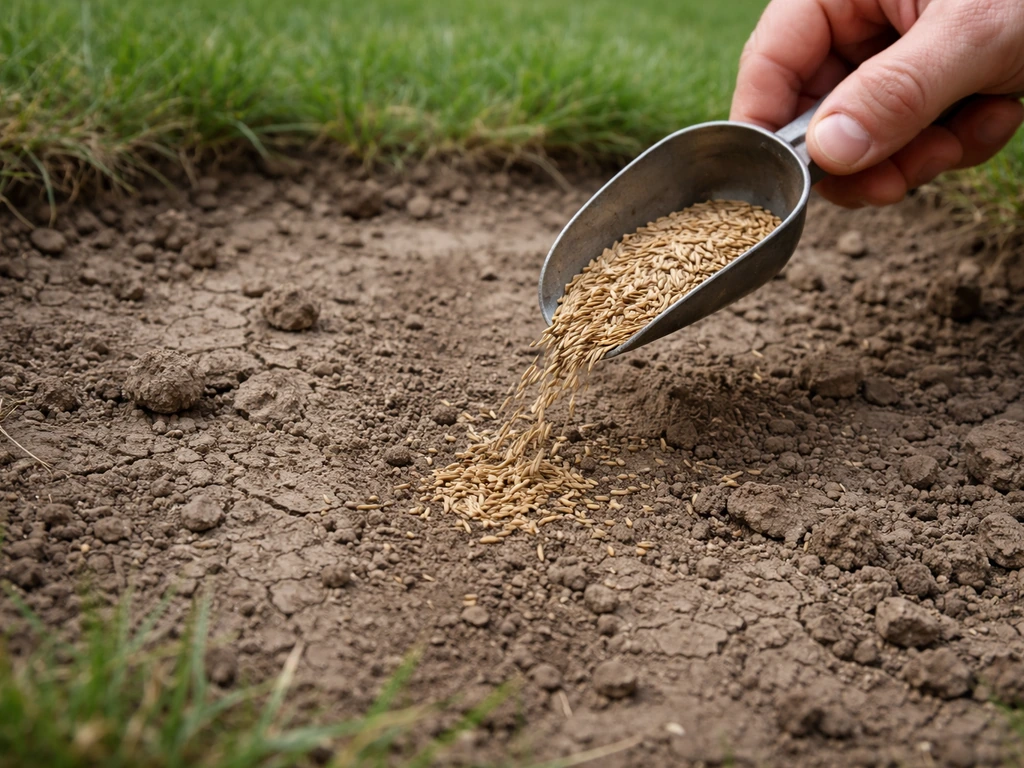
Before you do anything else, figure out which category your problem falls into. Most establishment failures trace back to a short list of causes, and knowing which one you're dealing with saves you from throwing more seed at a problem that seed alone won't solve.
- Seed never germinated: no green fuzz, no sprouts after the expected window
- Seed germinated but seedlings died: you saw green, then it disappeared
- Patchy germination: some areas came in fine, others stayed bare
- Nothing grew at all, ever: the area looks exactly like it did on seeding day
Penn State Extension lists the most common establishment killers as drought, heavy shade, extreme soil acidity, thatch, weed and insect pressure, and using a grass variety that's simply not suited to the site. University of Maryland Extension adds old or low-viability seed and out-of-season planting to that list. Run through those before you do anything else. If you planted at the wrong time of year or with seed that was already past its prime, reseeding the same way will just repeat the failure.
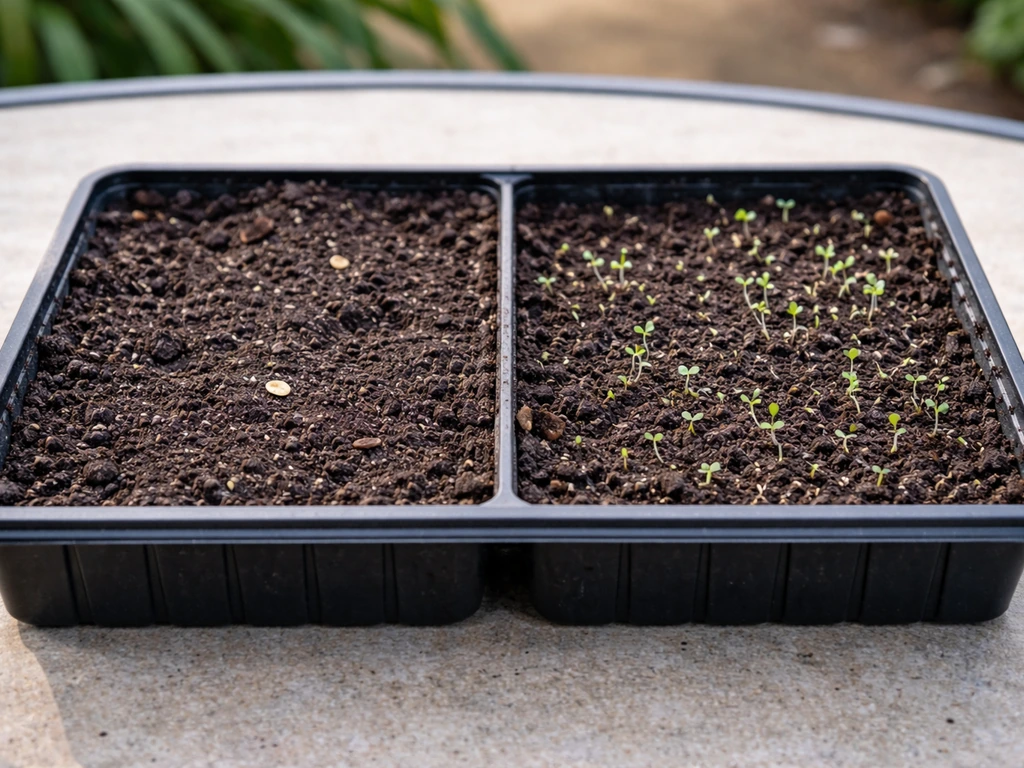
One thing worth knowing upfront: germination takes longer than most people expect. Perennial ryegrass is the fastest at around 3 to 7 days. Tall fescue runs 6 to 12 days. Kentucky bluegrass is slow, sometimes 14 to 21 days or more, and unhulled seed of any species can take 21-plus days before you see anything. A lot of people pull the trigger on "it failed" way too early, especially with bluegrass.
Check the basics: seed, soil contact, moisture, and light
Is your seed still viable?
Old seed is a silent killer. Grass seed viability drops significantly after the expiration date printed on the bag, and storing it in a hot garage or damp shed accelerates that decline. Before you blame your soil, check when the seed was packaged. If it's past its use-by date or has been stored poorly, buy fresh seed. It's the cheapest fix on this list.
Seed-to-soil contact
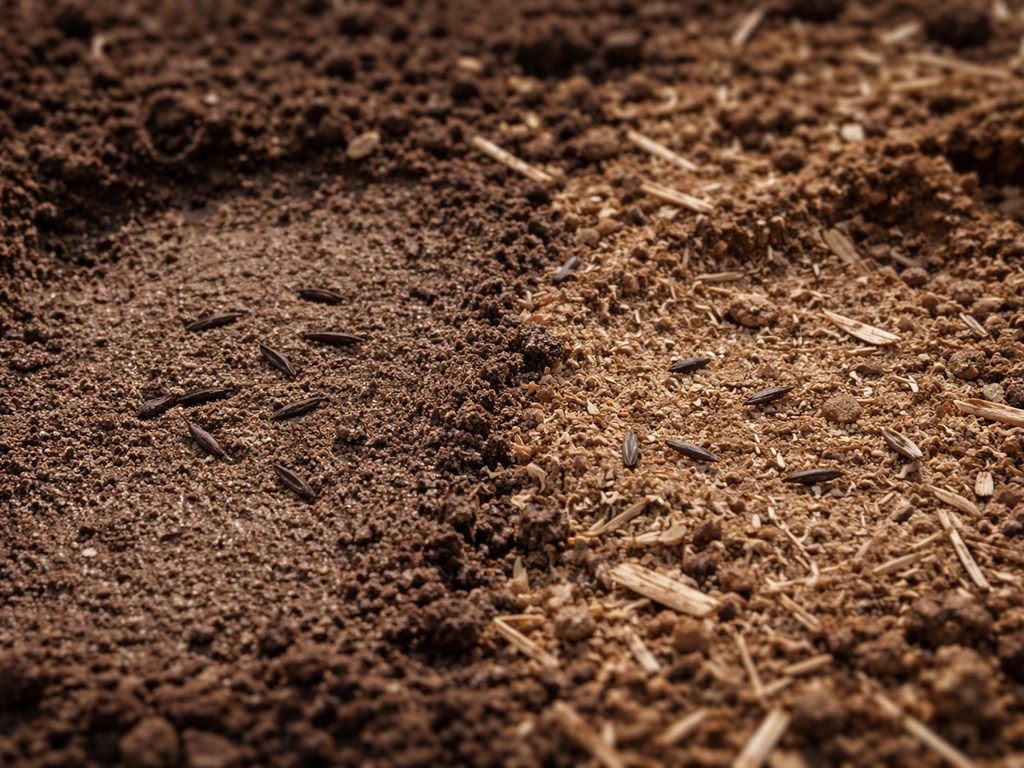
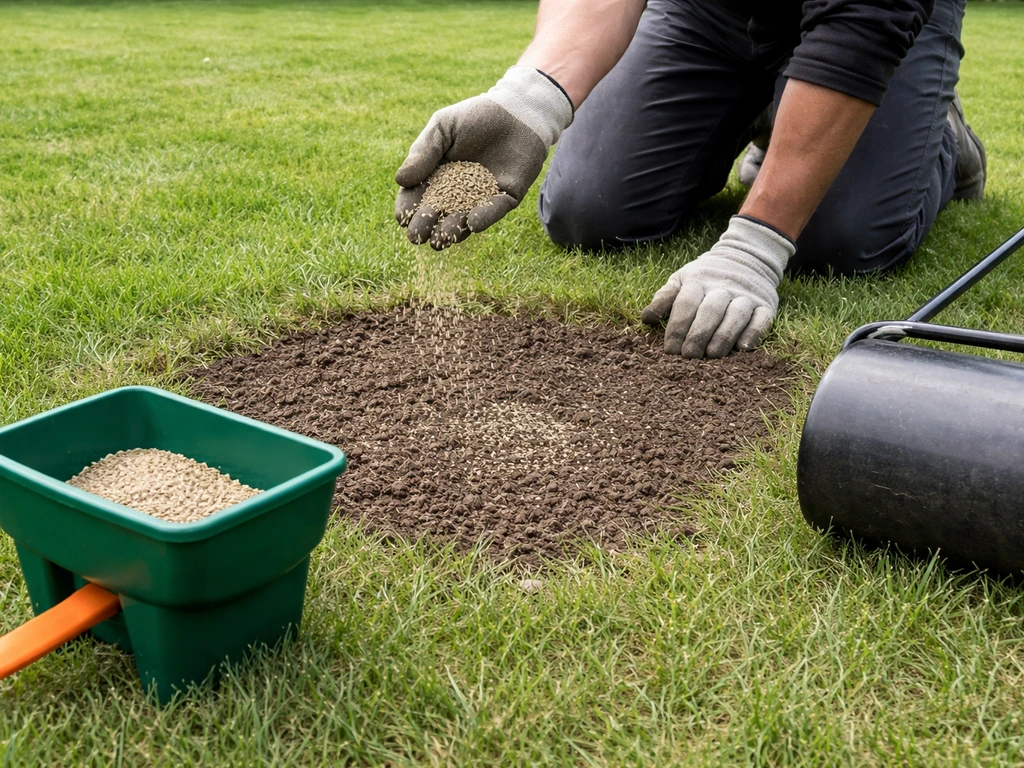
This is the most overlooked step in DIY seeding. Grass seed sitting on top of loose soil, thatch, or mulch won't germinate reliably. The seed needs firm contact with soil. UC IPM recommends covering seed to about 1/16 to 1/8 inch deep by raking it in lightly and then firming the surface with a roller.
Penn State Extension and UT Extension both emphasize cultipacking or using a water-filled roller to press seeds into a firm seedbed. For patch repairs, the easiest method is to use the back of a metal rake or a water-filled roller to press seed directly into the soil surface after broadcasting. Thatch thicker than about half an inch can physically block seed from reaching the soil, so dethatch before seeding if that's an issue.
Moisture during germination
Letting newly seeded ground dry out even once can kill germination that's already started. MU Extension recommends keeping the seedbed moist to a depth of 1 to 2 inches, watering daily and potentially as many as four light waterings per day in hot or dry conditions. UMN Extension suggests 2 to 3 light waterings per day is usually enough in moderate weather, but bump that up during heat. The goal is a consistently damp surface, not wet and soggy. Once seedlings reach about 2 inches tall, you can start shifting toward less frequent but deeper watering to push roots down. And once you start, don't stop: UMD Extension specifically notes that if seed dries out after germination begins, it's finished.
Light requirements
Most turfgrasses need at least 4 to 6 hours of direct sunlight to establish and persist. If you're seeding under a tree canopy or on a north-facing slope that gets heavy shade, you're fighting the site. Penn State suggests that areas receiving fewer than about 3 hours of direct sun are better candidates for shade-tolerant groundcovers than turf. Fine fescues are the most shade-tolerant of the cool-season grasses and are worth trying before giving up on turf entirely in partially shaded spots.
Soil tests and fixes: pH, nutrients, compaction, and drainage
If you've confirmed your seed is good, your watering is consistent, and timing is right, but grass still won't grow, the soil is the next place to look. A basic soil test from your local extension service (usually under $20) tells you pH, nutrient levels, and sometimes organic matter. It's the most cost-effective diagnostic step you can take.
pH: are you in range?
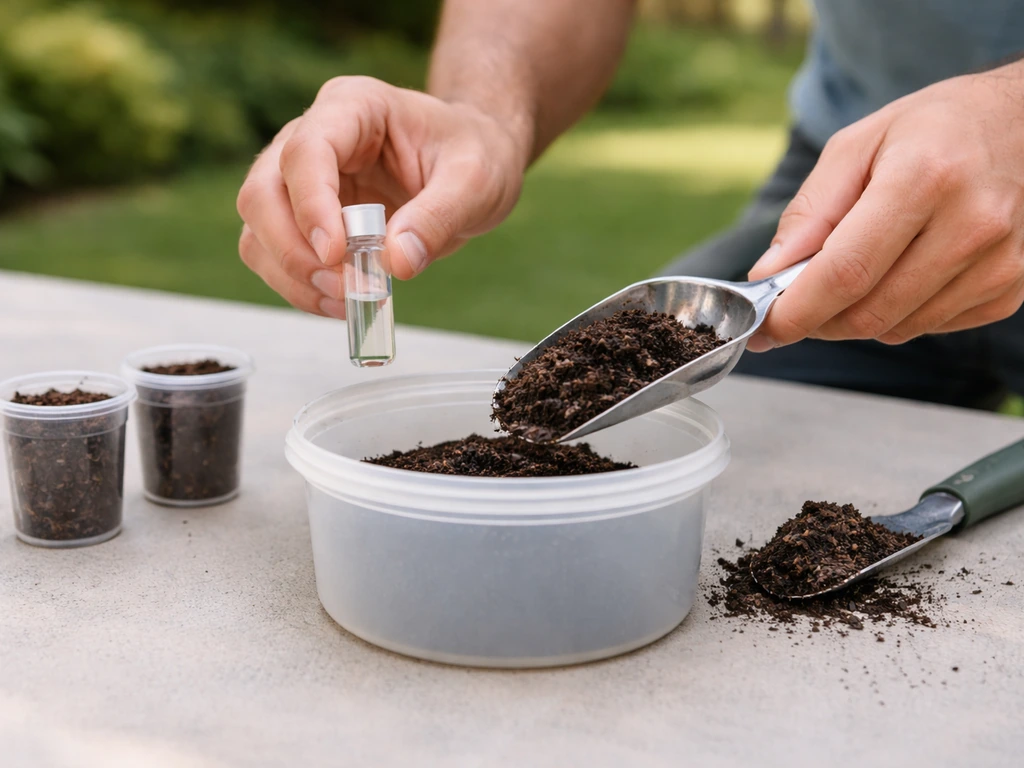
Grass struggles to absorb nutrients when the pH is off, even if those nutrients are present in the soil. Here are the target ranges by species:
| Grass Type | Target Soil pH |
|---|---|
| Kentucky bluegrass | 6.0–7.0 (performs best around 6.5–7.2) |
| Tall fescue | 5.5–6.5 |
| Fine fescues / perennial ryegrass | 6.0–6.5 |
| Bermudagrass | 5.5–6.5 |
| Zoysiagrass | 6.0–7.0 |
If your pH is too low (acidic), apply lime based on your soil test recommendation and work it in before seeding. If it's too high (alkaline), sulfur can bring it down, though this takes longer to work. Either way, don't reseed until you've started correcting pH, because seed planted into badly mismatched soil is likely to fail again.
Nutrients: starter fertilizer and phosphorus
New lawns benefit from a starter fertilizer that includes phosphorus, because phosphorus doesn't move easily through soil and is critical for root development in seedlings. UMD Extension specifically recommends starter fertilizers with phosphorus when establishing new turf or when soil tests show low phosphorus levels. Apply before seeding if possible, or immediately after, and water it in to reduce burn risk on young seedlings.
Compaction and drainage
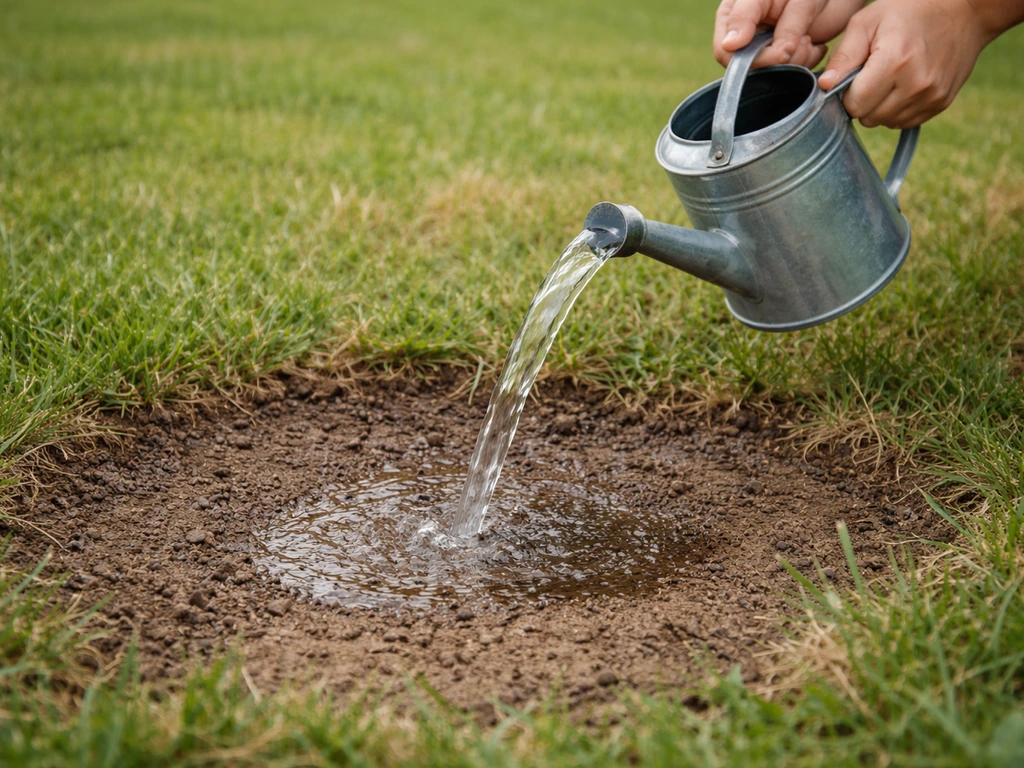
Compacted soil prevents roots from penetrating and causes water to pool or run off instead of soaking in. UMN Extension recommends a simple infiltration test: pour water on the surface and time how long it takes to absorb. If it puddles and sits for more than a few minutes, compaction or a drainage problem is likely. NDSU Extension recommends core aeration as the primary fix for compaction, and it works best when done before seeding. If the area has had years of foot traffic or is under a tree with heavy root competition near the surface, aerating plus top-dressing with compost is the right move before any seed goes down.
Seed troubleshooting: germination failure, timing, and re-seeding steps
Common reasons germination fails
- Soil temperature too low or too high for the species (cool-season seed germinates best when soil temps are 50–65°F; warm-season seed like bermudagrass needs consistent warmth and fluctuating day/night temperatures)
- Planted outside the ideal seasonal window (cool-season grasses do best seeded in late summer to early fall, or early spring; warm-season types in late spring through early summer)
- Seed washed away by heavy irrigation or rain before it could root in
- Birds and squirrels eating unprotected seed before germination
- Soil surface crusted over from rain or irrigation impact, blocking emergence
- Fungal disease (damping-off) killing seedlings just after they sprout
- Seed buried too deep: more than 1/4 inch is too deep for most turf species and dramatically cuts germination rates
- Herbicide residue in the soil from a pre-emergent applied earlier in the season
Bermudagrass is worth a special note here because it behaves differently from cool-season species. SARE research notes that bermuda seed has negligible germination in the dark at constant temperature. It needs fluctuating day and night temperatures, and differences of more than 30°F between day and night are more effective than smaller swings. If you're planting bermuda and not seeing germination, temperature fluctuation and timing (spring, after soil warms up) are the most likely variables to check.
How to re-seed the right way
- Wait the full germination window for your species before declaring failure (ryegrass: 7 days minimum; tall fescue: 12 days; Kentucky bluegrass: 21-plus days for unhulled seed)
- Identify the cause of failure before reseeding: was it timing, moisture, seed contact, or a site problem?
- Fix the underlying issue first (pH, compaction, drainage, thatch) or you'll get the same result
- Reseed during the correct seasonal window for your grass type
- Use fresh seed at the correct rate (Kentucky bluegrass renovation is typically 2 to 3 lb per 1,000 sq ft for overseeding)
- Lightly rake seed into the top 1/8 inch of soil or use a cultipacker/roller to firm seed into the surface
- Water lightly 2 to 4 times daily to keep the top 1 to 2 inches consistently moist until germination
- Restrict foot traffic for at least one month after germination, or until you've mowed at least twice
For areas with partial germination, you don't necessarily need to rip everything out. Ask Extension guidance on re-overseeding recommends working the soil only in the bare zones and starting fresh just in those spots, leaving areas that came in well untouched. Spot repair is almost always the right call when some establishment occurred.
Grass growing in hard conditions: shade, sand, heat, cold, and unconventional spots
Heavy shade
Shade under trees is one of the most common reasons grass refuses to grow, and tree roots make it worse by competing for water and nutrients. If the area gets 4 to 6 hours of sun, fine fescue varieties (creeping red fescue, chewings fescue, hard fescue) are your best bet. They're the most shade-tolerant cool-season options available. Zoysiagrass handles moderate shade better than most warm-season species.
Below 4 hours of direct sun, you're fighting a losing battle with any turf. Penn State is blunt about this: under 3 hours of sun, switch to a shade-tolerant groundcover instead. Shade is a major reason grass fails, so if your yard has fewer than about 3 hours of direct sun, the best next step is to switch to shade-tolerant groundcover under 3 hours of sun.
Sandy soil
Sandy soil drains so fast that seedlings dry out between waterings, and it holds almost no nutrients. The fix is to amend with compost before seeding, at least 2 to 3 inches worked into the top 4 to 6 inches of soil. This improves both water retention and nutrient availability. OSU Extension notes that sandy soils may need additional fertilization for new lawns because nutrients leach quickly. Plan to water more frequently (possibly 3 to 4 times per day in hot weather), use a starter fertilizer, and consider a species like bermudagrass or tall fescue that handles lower fertility and variable moisture better than Kentucky bluegrass.
Temperature extremes
Heat is a real germination killer for cool-season grasses. If soil temperatures are consistently above 70 to 75°F, cool-season seed germinates poorly and seedlings that do emerge often die in summer heat before they're established. The fix is to wait for the right seasonal window rather than forcing it. For warm-season grasses like bermudagrass, cold is the problem: MU Extension recommends spring planting once soil has warmed up, and summer seeding can also work when consistent moisture is provided. Don't plant warm-season seed in fall and expect germination.
Slopes, compacted paths, and other tricky spots
On slopes, seed washes before it can root in. Use erosion netting or straw mulch to hold seed in place and maintain moisture. On heavily trafficked paths, even established grass eventually gives up, so consider stepping stones or gravel in those specific zones rather than repeatedly reseeding. Under downspouts or in drainage channels, grass drowns before it can establish. Those areas need drainage improvements or a more water-tolerant ground cover before turf has any chance.
What to do with existing thin or failed areas: patching, removal, and alternatives
Patching vs. starting over
If more than 50 percent of an area has failed, you're better off starting fresh rather than trying to fill in around sparse survivors. Rake out dead material, address the underlying soil problem (compaction, pH, thatch), and reseed the whole zone during the right seasonal window. If the failure is patchy and less than half the area is bare, spot repair is more practical: scratch up the bare spots with a rake or hand cultivator, work in a little compost if the soil is poor, broadcast seed, press it in, and water consistently until established.
When to switch to alternatives
Penn State Extension is direct about this: if you've addressed the basics and the area keeps failing, the problem is site adaptation. Repeating the same approach expecting a different result wastes time and money. At that point, the honest answer is to choose something suited to the actual conditions. In cases where grass don't grow, consider groundcovers that are adapted to shade or dry, poor soil. Some areas that relate closely to this decision include situations where grass simply won't establish regardless of effort, which connects to the broader question of why grass refuses to grow in specific yard environments.
Groundcovers are the most practical switch for shaded, dry, or heavily rooted areas. Penn State News specifically suggests myrtle (vinca) or pachysandra for spots with fewer than 3 hours of sun. University of Delaware Extension frames groundcovers as lower-maintenance alternatives to turf with real advantages in difficult sites: less irrigation, no mowing, and better performance in low-light or poor-soil conditions. Clover, creeping thyme, and moss are also worth considering in spots where turf just can't win.
Mulched beds are another option under trees where root competition and shade combine to defeat every grass attempt. A ring of mulch around the tree base (kept 2 to 3 inches from the trunk) looks intentional, protects tree roots, and eliminates the ongoing struggle of trying to maintain turf in a zone where it was never going to thrive.
One final check before you give up
If you've tried reseeding twice and the result is the same, run through this checklist before the third attempt. Soil pH confirmed and corrected. Fresh, in-date seed at the right application rate. Correct timing for the species and your region.
Firm seed-to-soil contact with no thatch barrier. Consistent moisture maintained from day one through establishment. No pre-emergent herbicide active in the soil. And enough sun for the grass type you chose.
If you can check every one of those boxes and the grass still won't grow, the site is telling you something. If you want to know whether it is hard to grow grass in your yard, start by matching the grass type to your site conditions and fix the basics like seed viability, sun, and moisture. Listen to it and pivot to an alternative that actually fits the conditions you have.
FAQ
How long should I wait before deciding my seeding failed?
Use the grass-specific germination windows instead of a single date. For example, perennial ryegrass may show sprouts in as little as 3 to 7 days, while Kentucky bluegrass can take 14 to 21 days or longer, and some unhulled seed can take 21-plus days. If you see partial germination, that usually means a spot-repair approach is better than full re-seeding.
Should I water with a sprinkler that runs until water puddles?
No. Keep the surface consistently damp, not saturated. If you see puddling, muddy runoff, or standing water after watering, reduce frequency and adjust to lighter, more frequent cycles until the seedbed absorbs water within a few minutes.
Can I use pre-emergent weed control and still seed grass?
Usually no. Many pre-emergent herbicides remain active in the soil and can prevent grass seedlings from emerging. If you recently applied any pre-emergent, wait the label-directed interval, or remove or replace treated soil in patch-repair zones before re-seeding.
What’s the biggest mistake when seed is present but nothing sprouts?
Poor seed-to-soil contact. Seed sitting on top of loose soil, thatch, or mulch often fails even if the seed is fresh and watering is correct. Rake in shallow depth (light covering), then firm the surface with a roller or by stepping/cultipacking so moisture and oxygen can reach the seed.
My soil test shows high pH, what should I do first?
Start correcting pH before you seed again. If pH is too high, sulfur can lower it, but the change takes time, so reseeding immediately often repeats the failure. Plan your correction timeline based on the soil test recommendation, then seed after pH is moving in the right direction.
How can I tell if the problem is seed viability versus soil conditions?
Do a simple germination check by placing a small sample of seed on a moist paper towel in a warm spot and watching for sprouting over the typical germination period. If the sprouting rate is low, buy fresh seed rather than changing irrigation or soil amendments first.
What seeding rate is safest when I’m unsure about germination?
Over-seeding is not a substitute for fixing moisture, contact, and site issues. If you suspect low viability or uneven coverage, it’s usually better to use the recommended seeding rate for the species and then spot-repair after partial emergence, rather than doubling the seed amount and creating thick thatch-prone areas.
Why do I keep getting bare spots even though the rest grows?
Uneven conditions are the usual culprit, often dry pockets, poor contact areas, or compaction. Mark the bare zones and compare sun exposure, slope drainage, and soil firmness there. Then do targeted scratch-up and re-press seed only in those areas, instead of disturbing areas that already established.
Can I seed in the fall if my yard gets hot in summer?
It depends on the grass type. Cool-season grasses often fail when planted into summer heat because soil temperatures can exceed their comfortable range. Warm-season grasses like bermudagrass generally need to be planted when the soil has warmed up, and expecting bermuda to establish from fall seed usually leads to poor results.
What should I do if the seed washes away on a slope?
Stabilize seed placement and protect moisture. Use erosion netting or straw mulch to hold seed in contact with soil and reduce runoff. Avoid heavy watering that can mobilize seed, and water in shorter cycles until the area absorbs.
How do I handle places under trees where grass struggles every time?
Treat it as a site adaptation issue, not a seeding technique problem. If the spot gets fewer than about 3 hours of direct sun, switching to a shade-tolerant groundcover or mulched bed around the tree base is usually more reliable than repeated turf attempts.
Do I need starter fertilizer if my soil test is already normal?
Starter fertilizer is mainly for root establishment, especially phosphorus. If your soil test shows adequate phosphorus and pH is correct, you may not need phosphorus-heavy starter. Still, avoid fertilizing young seedlings too heavily, and water it in to reduce burn risk.
If bermudagrass seed won’t germinate, what’s different from cool-season grass?
Bermudagrass is more sensitive to temperature patterns. It tends to germinate poorly in constant conditions and responds better to larger day-night swings, plus correct seasonal timing when soil warms. If you seed when conditions are too stable or too cool, you may see little to no sprouting even with good watering.
Should I aerate before seeding, or after?
If compaction is present, aerate before seeding because it improves water infiltration and root penetration during establishment. Core aeration works best when the soil is workable for the season, and you can combine it with top-dressing compost to improve the seedbed.
Next Articles
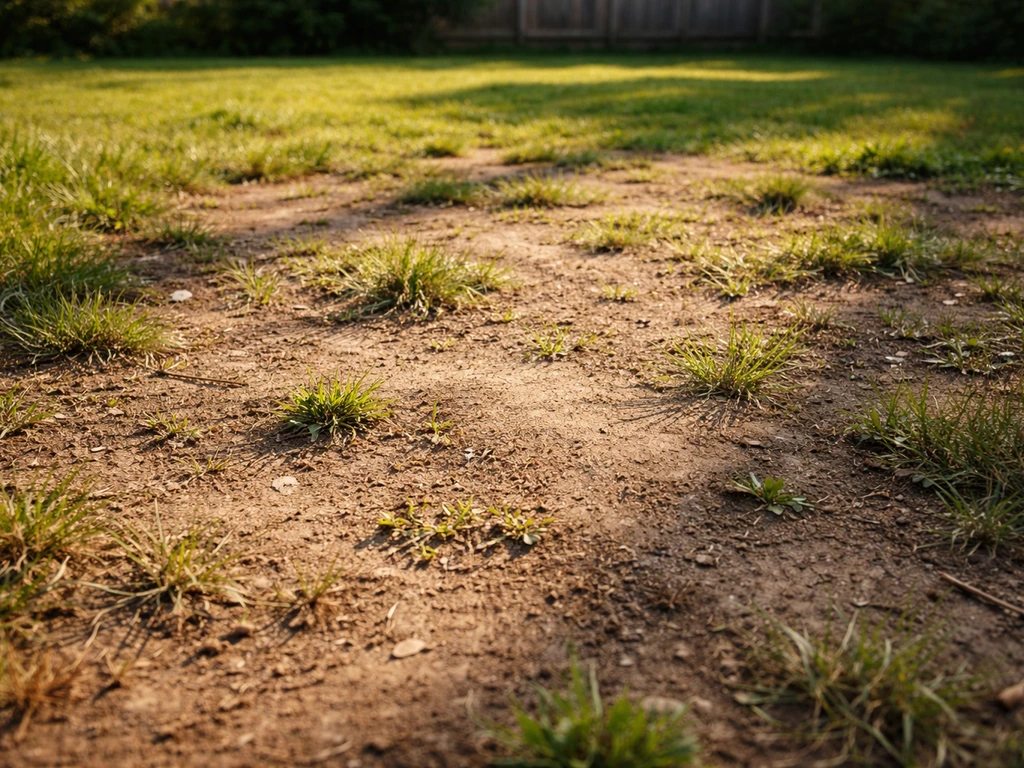
Why Won’t Grass Grow in My Yard? Fix It Fast Checklist
Fast checklist to diagnose why grass won’t grow, fix light, water, soil, and choose the right seed for your yard
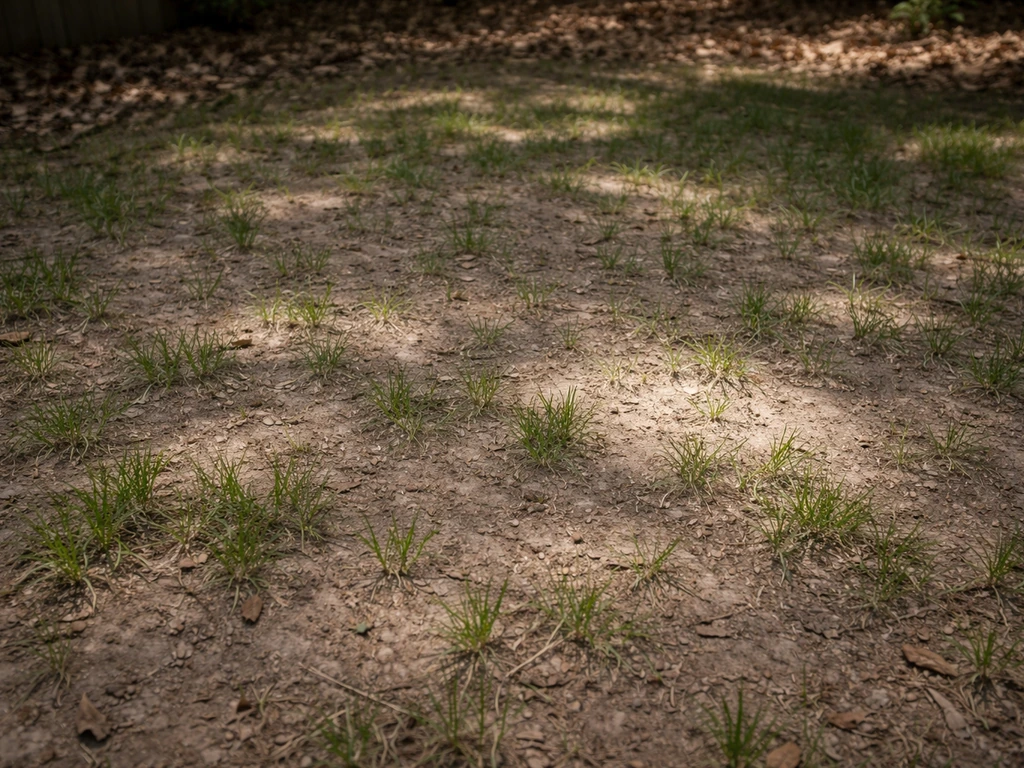
Where Grass Don’t Grow: Diagnose and Fix Lawn Failure
Learn why grass won’t grow in shade, poor soil, wrong pH, drainage issues, drought, or extremes, and fix it step by step
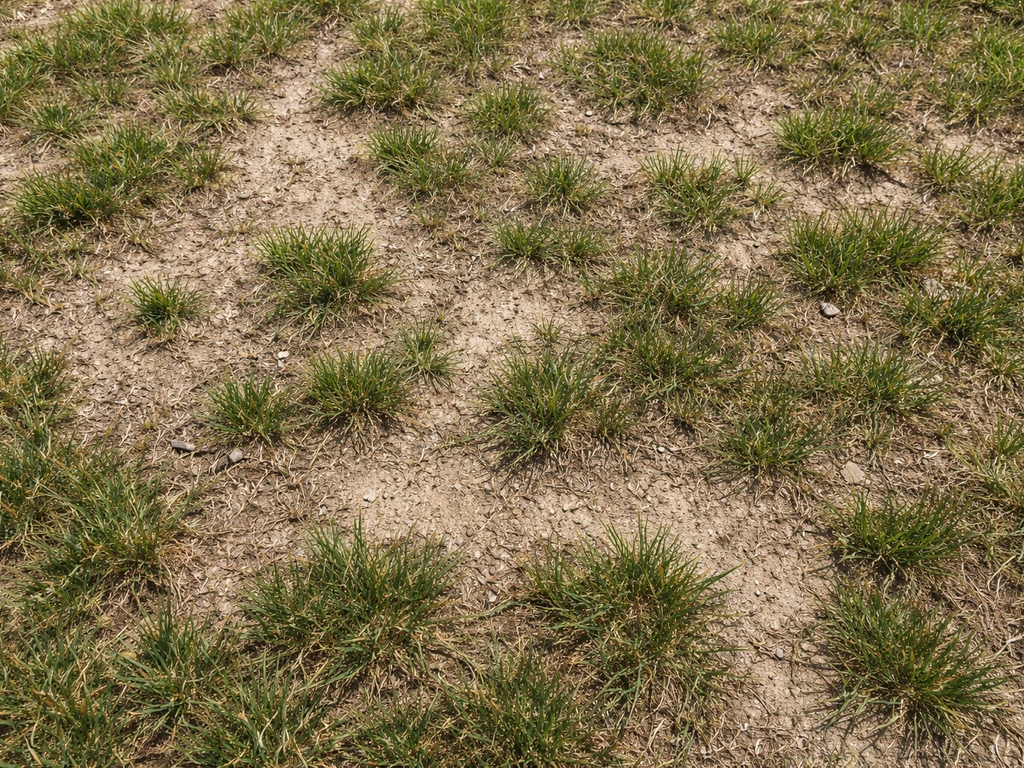
Why Won’t My Grass Grow? Diagnose and Fix a Thinning Lawn
Step-by-step diagnosis for thinning grass, from seed setup and soil tests to watering, pH, thatch, and reseeding timing.