
Grass not growing usually comes down to one of five things: the seed or sod never had a real chance to establish, the soil is fighting it, the light or water situation is wrong, you planted at the wrong time, or the grass species just doesn't belong in that spot. Once you know which category your problem falls into, the fix is usually straightforward. Let's walk through how to figure that out fast.
Why Won’t My Grass Grow? Diagnose and Fix a Thinning Lawn
Marcus Volkmann
15 Apr 2026
Quick diagnosis: what to look at right now
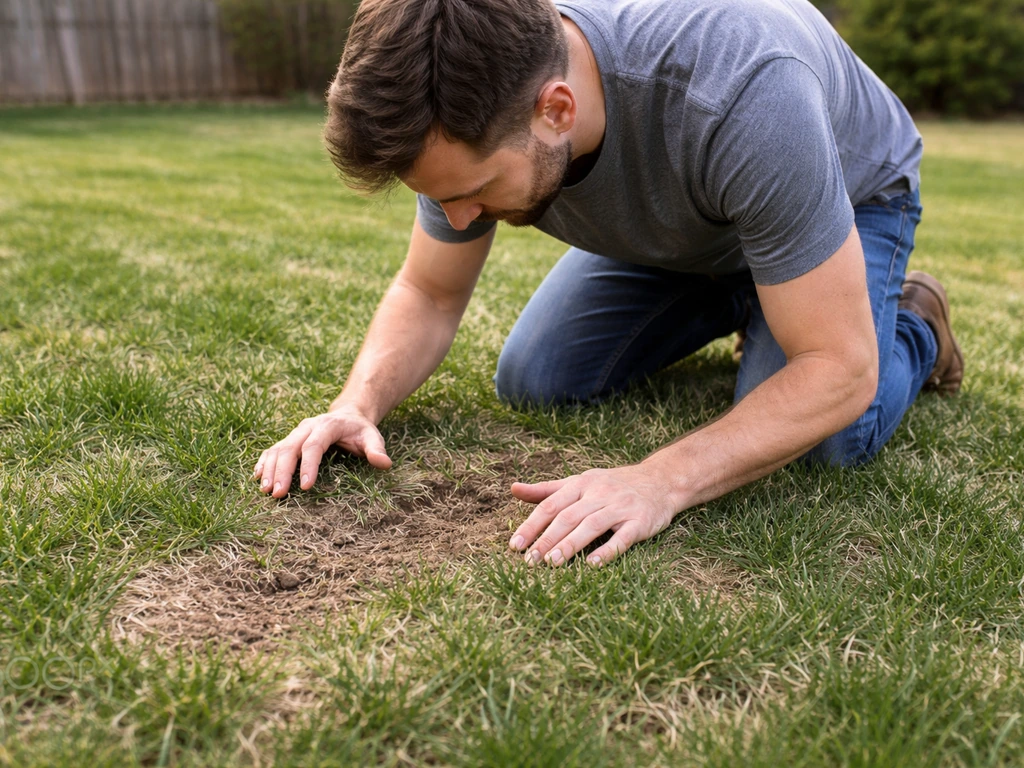
Before you do anything else, get out to the lawn and actually look at it closely. You're trying to answer a few simple questions that will point you toward the right fix. This takes maybe ten minutes.
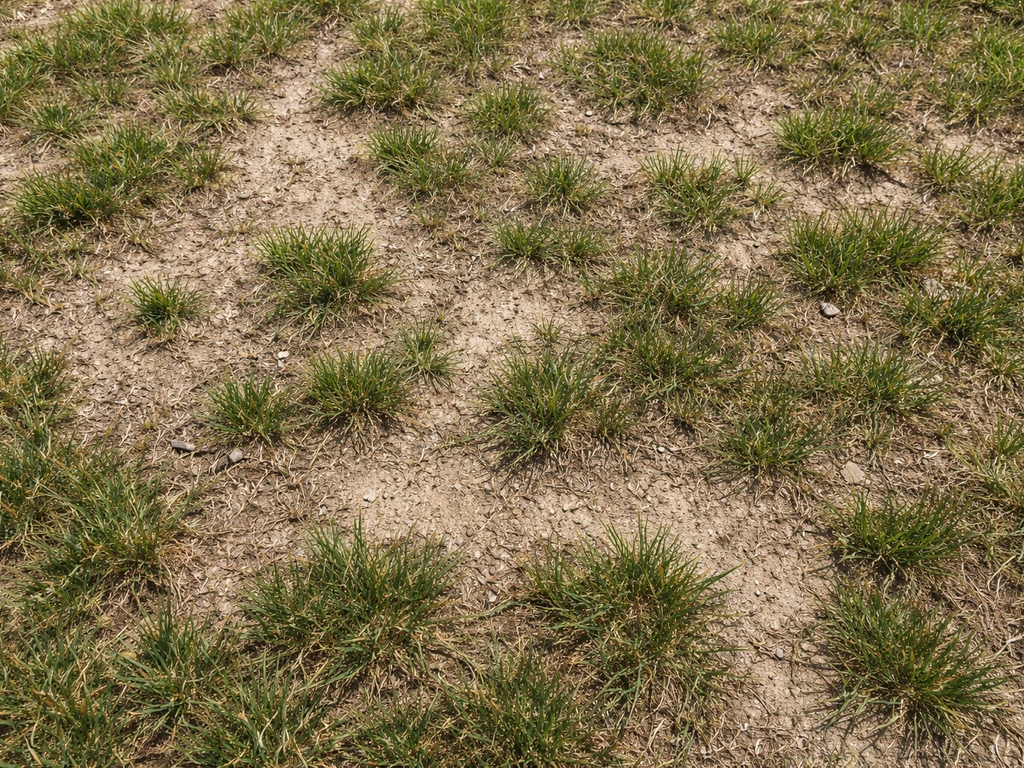
- Is the problem bare spots in an otherwise decent lawn, or is the whole lawn thin and struggling? Patchy bare spots usually mean a localized issue (compaction, shade, drainage, dog damage). Overall thinning points to soil health, pH, or irrigation across the board.
- Is there bare soil, or is there a mat of dead thatch or old stems sitting on top? Thatch blocks seed contact and water movement. Bare compacted soil is a different fix.
- Are weeds filling in where grass won't? Weeds in bare spots tell you germination conditions are actually fine — something is just favoring weeds over turf.
- Push a screwdriver into the soil when it's moist. If you can't get it in easily with one hand, you've got compaction. This is one of the most reliable field tests there is.
- Check soil moisture about two inches down. Is it bone dry, or soggy? Either extreme will stop grass cold.
- Look up. How much direct sun does the area get per day? Six to eight hours is the minimum for most common turf grasses.
- If you recently seeded, check the germination percentage printed on the seed label. A bag with 60% germination and 15% inert matter is a setup for a thin stand before you even start.
The most common reasons grass won't grow
Seed that never had a fair shot
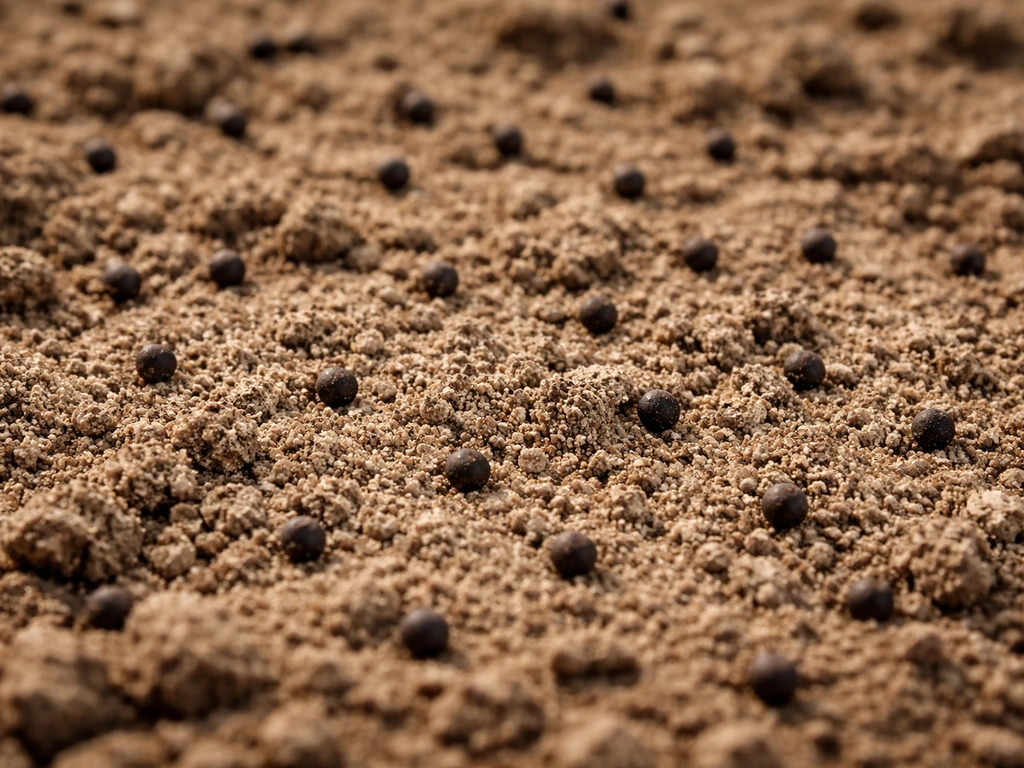
Bad seed-to-soil contact is probably the number one reason newly seeded areas fail. Seed needs to be lightly worked into the top quarter inch of soil, not just scattered on top and forgotten. If you raked aggressively after seeding, you may have buried seed deeper than half an inch, which significantly reduces emergence. The NDSU prairie reconstruction guidebook also notes that seed-drilling calibration can cause seed to be drilled too deep, which can reduce emergence [seed buried deeper than recommended](https://www.
ndsu. edu/agriculture/sites/default/files/2026-03/r1840. pdf). NDSU extension is explicit on this: don't bury seed more than 0.
5 inch. Seed sitting on top of hard, crusted soil just dries out and dies. Seed buried too deep uses up its energy reserves before it ever breaks the surface.
The seed label itself is worth checking. The germination percentage tells you what fraction of seeds are actually viable. If that number is below 80%, expect a sparse stand. Iowa State Extension points to the seed label's germination percentage as a real diagnostic tool, not just packaging fine print. Old seed, cheap filler-heavy mixes, and blends with high inert matter percentages are frequent culprits that get overlooked.
Soil problems blocking root development
Compacted soil is a slow-motion grass killer. Roots can't penetrate, water pools or runs off instead of soaking in, and oxygen exchange in the root zone drops. Illinois Extension recommends the screwdriver test specifically for this: if a screwdriver doesn't push into moist soil with light pressure, aeration is needed. Aeration also happens to improve seed-to-soil contact when you're overseeding, which is a double benefit. Thatch buildup works in a similar way, sitting between seed and soil like a sponge that holds moisture inconsistently.
Wrong pH is sneaky. Grass that's struggling for no obvious reason, looking pale, thin, or just not responding to fertilizer, is often sitting in soil that's too acidic or too alkaline to let it absorb nutrients properly. Most common lawn grasses need a pH between about 6.0 and 7.0 to thrive. Outside that range, nutrients lock up in the soil and the grass starves even when you're feeding it.
Environmental limits: shade, water, and temperature
Shade is one of the most honest grass killers because there's no amendment that fixes it. Most standard turf grasses need six to eight hours of direct sun. If you're under a heavy tree canopy or next to a building that blocks afternoon light, even the best seed and soil prep won't give you a lush lawn. This is one of those situations where knowing where grass doesn't grow well naturally leads to better decisions about what to plant or whether to plant grass at all.
Water issues go both ways. Not enough water and the seedbed dries out between germination events, killing emerging seedlings before they root. Too much water and soil aeration drops, roots stay shallow, and fungal problems move in. Both situations produce the same visible result: grass that won't establish or thins out over time.
Fixing soil problems first (pH, compaction, nutrients, drainage)
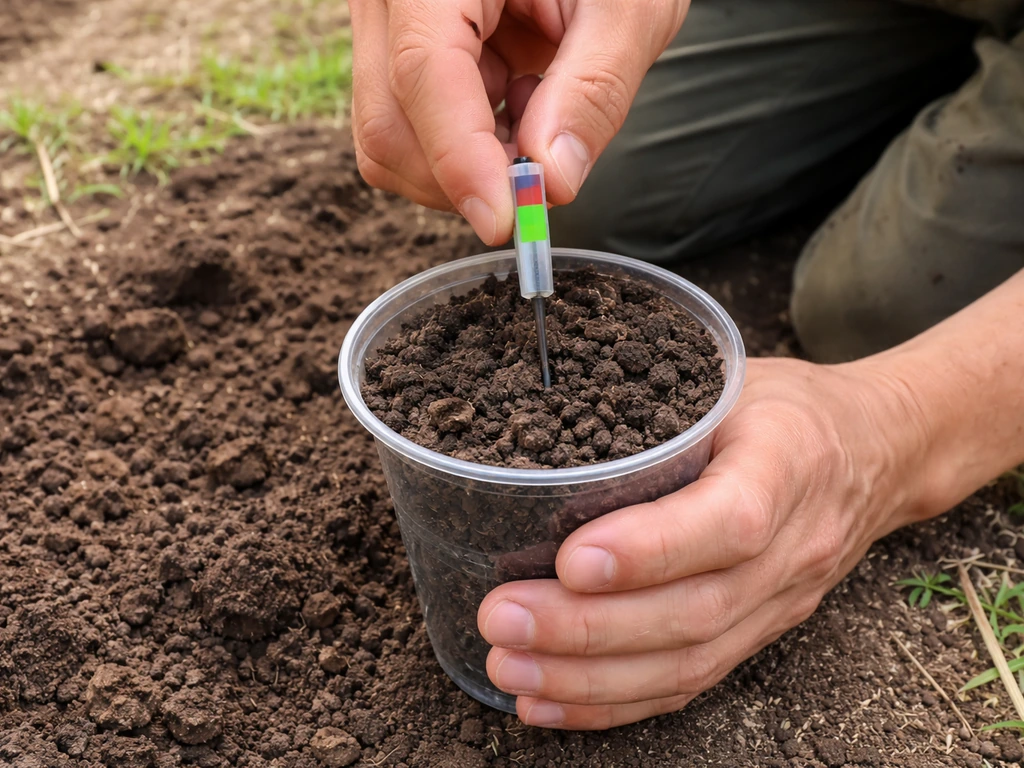
Get a soil test before you do anything else. Most cooperative extension services offer them for $15 to $30, and it tells you actual pH, phosphorus, potassium, and sometimes organic matter levels. Without this, you're guessing, and guessing usually means buying stuff you don't need or missing the actual problem entirely.
pH correction
Most cool-season grasses (Kentucky bluegrass, perennial ryegrass, tall fescue) do best at a pH between 6.0 and 7.0. University of Kentucky extension lists this range specifically for Kentucky bluegrass and perennial ryegrass, with tall fescue tolerating slightly more acidity down to about 5. Penn State Extension says that for best results, soil pH should be between 6 and 7 for Kentucky bluegrass This range specifically for Kentucky bluegrass. 5. If your soil is below 6.0, you need lime. If it's above 7.0, sulfur applications can help bring it down. Neither of these is an overnight fix: lime takes several months to fully raise pH, so factor that into your timeline. Apply lime in fall for spring results.
Nutrient deficiencies
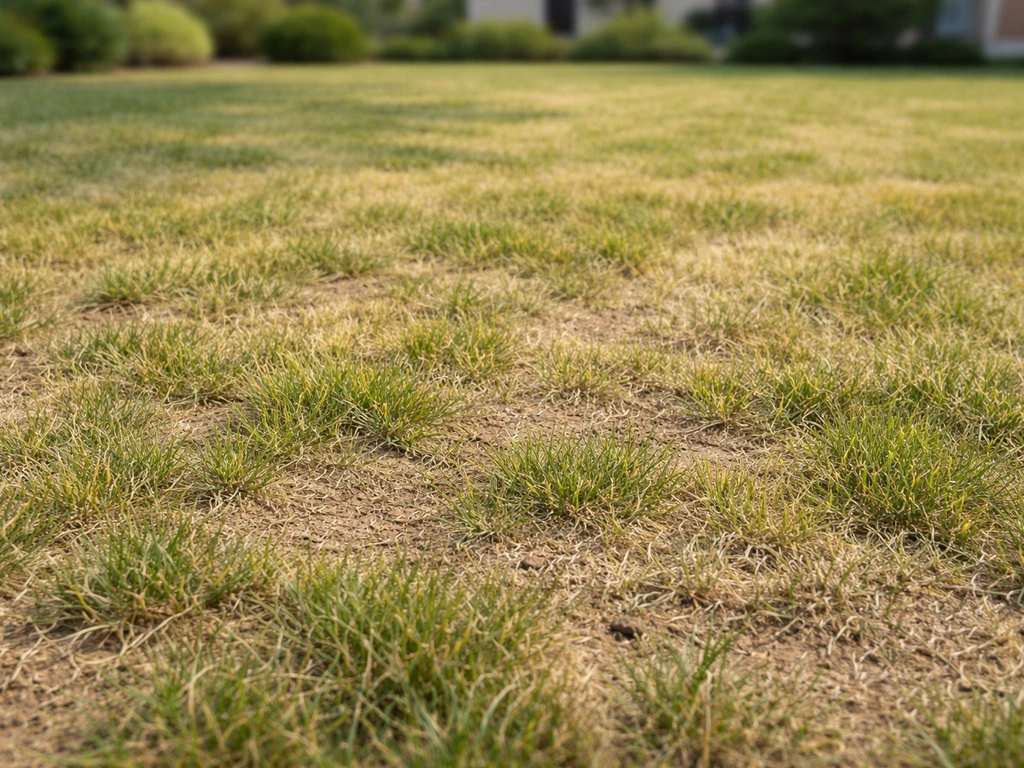
Nitrogen deficiency is the most common nutrient problem in turf, showing up as pale, yellowish, slow-growing grass across the whole lawn. Phosphorus deficiency often causes purple or dark discoloration, particularly in seedlings. Potassium deficiency tends to show as yellow or brown leaf margins. UC IPM lays out exactly these visual patterns for diagnosis. The key is matching what you see to your soil test results: if your test shows adequate phosphorus and potassium, don't buy a fertilizer loaded with both. As UMD extension puts it, select fertilizer products based on what's actually missing, not a generic all-purpose formula.
Compaction and organic matter
Core aeration (pulling actual plugs of soil out, not spike aerating) is the most effective mechanical fix for compaction. After aeration, adding organic matter, compost worked into the surface, or a quality topdressing mix does multiple things at once: it improves soil structure, water-holding capacity, nutrient availability, and root penetration all at the same time. MU Extension describes organic matter addition as improving all of those soil properties simultaneously, which is why it's worth doing even in soil that isn't severely compacted.
Drainage problems
If water pools for more than an hour after a normal rain, you have a drainage issue. Compaction causes some of it, but sometimes the underlying problem is a hardpan layer, clay subsoil, or a low spot that collects water. For heavy clay, repeated aeration with organic matter incorporation over two to three seasons makes a real difference. For persistent wet areas, you may need to grade the surface, install a French drain, or honestly just accept that traditional turfgrass isn't the right plant for that spot.
Light, water, temperature, and mowing: getting the environment right
Watering during establishment
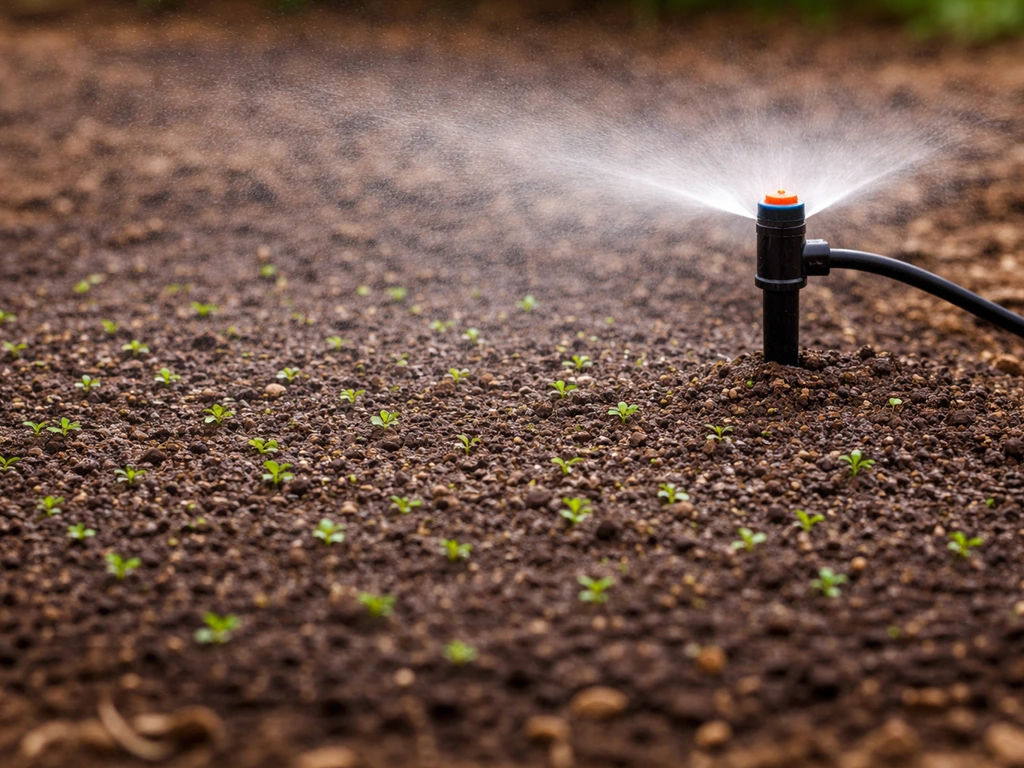
During germination and the first few weeks of establishment, the goal is to keep the top one to two inches of soil consistently moist, not saturated. NDSU's guidance is to keep the upper inch moist until grass emerges, then shift to less frequent, deeper watering. In practice, that often means light irrigation two to three times per day during the germination window, especially on warm sunny days when the surface dries quickly.
MSU Extension specifically notes that two to three daily waterings may be needed in warm, sunny conditions to prevent seedbed drying. Once you see green shoots across most of the area, start pulling back on frequency and pushing toward deeper, less frequent sessions that encourage roots to go down.
Overwatering is a real problem too. Keeping soil perpetually saturated reduces oxygen in the root zone and creates shallow rooting. The PNW extension guidance specifically flags this: too-high moisture maintenance during establishment leads to poor aeration and weak root systems. The target is moist, not wet.
Temperature windows
Grass has specific soil temperature requirements for germination, and planting outside those windows is a common reason it 'won't grow' even when everything else looks right. Kansas State extension puts the optimal soil temperature for cool-season grasses at 60 to 85 degrees Fahrenheit, and for warm-season grasses at 70 to 90 degrees. Tall fescue, a popular cool-season option, germinates in five to ten days under good conditions but slows considerably when soil temperatures drop below 50 degrees. If you're seeding in early spring and soils are still cold, you're not getting failure, you're just getting delay. A soil thermometer is a cheap, useful tool.
Shade tolerance limits
MU Extension notes that grass needing six to eight hours of sun is a hard biological limit, not a preference. Fine fescues are among the most shade-tolerant cool-season grasses, but even they struggle in deep shade. If you're dealing with tree cover that gives you less than four hours of direct sun, you're likely fighting a losing battle with any standard turf species. Pruning lower limbs to raise the canopy and allow more light in is worth trying before giving up on grass entirely.
Mowing height
Mowing too short is a setup for thin, struggling turf, especially under any stress. Cutting off more than one-third of the leaf blade at once (the classic one-third rule) puts the grass into recovery mode instead of growth mode. During establishment, don't mow until grass reaches about three to four inches. Once established, mowing at the upper end of the recommended height for your species builds deeper roots and better drought tolerance.
Timing and germination expectations: is it failure or just not yet?
One of the most common panicked messages I hear is 'I seeded a week ago and nothing is happening.' Under optimal conditions, most grasses germinate in five to ten days. Under less-than-optimal conditions (cool soils, variable moisture, poor seed quality), germination can stretch to three weeks or more. OSU extension's germination framework is a useful benchmark: if the seedbed stays moist and temperatures are right, expect visible green shoots in five to ten days. If you're past two weeks with nothing showing, that's when you start asking harder questions about seed viability, soil temperature, or moisture consistency.
Timing the planting season correctly is just as important. Cool-season grasses (fescues, bluegrass, ryegrass) establish best when soil temperatures are in the 50 to 65 degree range, which typically means late summer to early fall in most of the US. Spring seeding works but competes with colder soils and weed pressure. Warm-season grasses (bermuda, zoysia, St. Augustine) need warm soils and are best established late spring through early summer. Planting outside these windows doesn't guarantee failure, but it stacks the odds against you. OSU's guidance notes that late-fall planting may require increasing seed rates to compensate for shorter establishment time before winter.
Proper care in the first two months after germination is where a lot of lawns fall apart. UMD Extension is direct on this: many establishment failures trace back to insufficient care after seeding, not the seeding event itself. Watering consistently, avoiding foot traffic, holding off on heavy fertilization too early, and not mowing too soon all matter during this window.
Picking the right grass for your conditions
If you've corrected soil and watering issues and grass still won't establish, there's a real chance the species or variety isn't suited to your site. UMass identifies the main cool-season lawn grasses for most northern and transitional climates as Kentucky bluegrass, perennial ryegrass, tall fescue, and fine fescues, each with different tolerances for shade, drought, soil pH, and moisture. Selecting based on your actual site conditions, not the cheapest bag at the hardware store, makes a substantial difference.
| Grass Type | Best Season | Sun Needed | Shade Tolerance | Drought Tolerance | Soil pH Range |
|---|---|---|---|---|---|
| Kentucky Bluegrass | Cool-season | Full sun | Low | Moderate | 6.0–7.0 |
| Perennial Ryegrass | Cool-season | Full sun | Low-moderate | Low | 6.0–7.0 |
| Tall Fescue | Cool-season | Full sun to part shade | Moderate | Good | 5.5–6.5 |
| Fine Fescue | Cool-season | Part shade to full shade | High | Good | 5.5–6.5 |
| Bermudagrass | Warm-season | Full sun | Very low | Excellent | 6.0–7.0 |
| Zoysiagrass | Warm-season | Full sun to light shade | Low-moderate | Good | 6.0–7.0 |
When standard turf isn't fitting the site, it's worth stepping back and thinking about what the site actually supports. What to do where grass won't grow is a real planning question: groundcovers, mulched beds, native plants, or decomposed granite might serve you better than continuing to fight conditions that are genuinely hostile to turfgrass. UMN extension also points to selecting appropriate seed mixes for sun, shade, traffic, and drought conditions as part of renovation planning, which is a good framework whether you're starting fresh or rehabbing an existing lawn.
Your step-by-step fix plan
Here's how to move from diagnosis to action in a logical order. If you try to shortcut this sequence, you'll likely end up reseeding twice.
- Get a soil test. This is the foundation. Without knowing your pH and nutrient levels, every amendment decision is a guess. Order a test through your local extension service or a reputable lab. Results take one to two weeks typically.
- Do the screwdriver compaction test while the soil is moist. If compaction is present, schedule core aeration before seeding. Aerating into dry, hard soil is less effective, so time it when soil has some moisture but isn't wet.
- Address pH based on test results. Apply lime if pH is below 6.0, sulfur if above 7.0. Remember that lime works slowly, so if you're correcting a significantly low pH, plan for the season ahead rather than expecting results in days.
- Amend with organic matter if soil structure is poor. Work compost into the top three to four inches before seeding, or topdress after aeration with a compost/soil mix.
- Fix drainage if water pools. Grade minor low spots, aerate for moderate compaction-driven drainage issues, or bring in a contractor for persistent wet areas before investing more in seed.
- Choose the right seed for your site conditions. Match species to your sun exposure, expected soil temperature, and climate zone. Check the seed label for germination percentage (aim for 85% or higher) and purity.
- Seed or sod within the right seasonal window. Cool-season grasses: late summer to early fall (soil temps 50 to 65 degrees). Warm-season grasses: late spring to early summer (soil temps above 70 degrees).
- Ensure seed-to-soil contact. Rake seed lightly into the top quarter inch of soil, or overseed immediately after core aeration to use the holes as contact points. Don't bury seed deeper than half an inch.
- Water correctly during establishment. Keep the top one to two inches moist with light, frequent irrigation (two to three times per day if needed) until green shoots appear across most of the area. Then shift to deeper, less frequent watering.
- Hold traffic and mowing until the grass is three to four inches tall. First mowing should only remove the top third of the blade. This is the period where most newly seeded lawns fail from impatience.
- Reassess at two weeks. If you have less than 50% emergence after two weeks in good conditions, check seed viability, soil temperature, and moisture consistency. You may need to overseed thin areas.
- If grass still won't grow after two full establishment cycles with corrected conditions, seriously evaluate whether the site is suitable for turfgrass. Some spots just aren't.
When you've tried everything and grass still won't cooperate
Sometimes the honest answer is that a particular spot isn't going to grow traditional grass well, no matter what you do. Heavy shade, compacted construction fill, poorly draining low spots, and high-salt areas are all environments where grass genuinely struggles. Understanding why grass won't grow in your yard at a site-specific level might point you toward groundcovers, hardscaping, native plantings, or even just accepting a shade-tolerant mulched area under trees rather than fighting a battle with no good outcome.
It's also worth being realistic about difficulty. Growing grass well is genuinely hard in challenging conditions, and the gap between a decent lawn and a perfect lawn is often much more work than most homeowners expect. That's not a reason to give up, but it is a reason to set realistic timelines: even under good conditions with everything done right, a full lawn establishment from seed takes a full growing season to really fill in and look established. Give it the time it needs before you decide it's a failure.
FAQ
How long should I wait before deciding my grass seed failed?
If your seedbed stayed consistently moist and temperatures were within the right germination range, most cool-season and warm-season grasses show visible shoots in about 5 to 10 days. If you see nothing after 2 weeks, start checking soil temperature with a thermometer, confirm the moisture pattern (not drying out or staying saturated), and verify seed viability from the label before reseeding.
What’s the fastest way to tell if the problem is seed quality or my soil?
Do a small germination test with a handful of seeds in a damp paper towel or seed-starting medium at room temperature (then compare results to the label’s germination percentage). If your germination rate is far below the label, the issue is likely the seed, not your yard.
I raked after seeding and now I’m worried I buried the seed too deep. Can it still come up?
It might, but emergence drops sharply once seed is buried deeper than about half an inch. The practical next step is to lightly re-check depth in several spots, then stop further disturbance and focus on correct moisture until you can confirm whether any shoots appear.
How can I avoid overwatering while still keeping seed from drying out?
Use a simple moisture check: press a small plug or your finger into the top inch. During germination, keep that top inch consistently moist but not muddy, and reduce watering frequency after you see widespread green. If water runs off immediately or stays pooling, adjust timing or address drainage instead of adding more water.
My lawn looks yellow and slow. Should I fertilize right away?
Don’t fertilize blindly. Pale color can be nitrogen-related, but it can also be a pH issue, poor drainage, or root stress from saturation. The best immediate decision aid is a soil test, and if you do fertilize before testing, use a targeted product based on what your soil actually lacks rather than an all-purpose blend.
What if the seed is germinating but the grass keeps disappearing?
That pattern often points to birds, heavy foot traffic, seedling damping-off from staying too wet, or poor seed-to-soil contact. Improve contact by avoiding unnecessary tilling after seeding, keep moisture “moist not wet,” and use light protection (for example, temporary netting) if birds are stripping seed.
Does aeration fix why grass won’t grow, or can it make things worse?
Core aeration helps when compaction or thatch is blocking root penetration and water movement, but spike aeration can leave the root zone stressed by creating holes without relieving compaction. Aerate only when the soil is workable and moist enough to avoid damaging turf, then follow with topdressing or organic matter so the holes actually benefit the seedlings.
My soil test says pH is off. How long until I see improvement?
If pH is low, lime typically takes months to fully move pH upward, and it does not fix thin grass overnight. Build your timeline by applying lime in fall for spring improvement, and during that wait, still address moisture, compaction, and light so seedlings and roots can benefit while pH changes slowly.
How do I know if shade is the real cause instead of fertilizer or watering?
Track direct sun hours at the lawn spot during the growing season, especially around midday and afternoon. If you consistently get less than about 4 hours of direct sun, most standard turf will struggle regardless of fertilizer or seed quality, and you may need a shade-tolerant grass strategy, canopy pruning, or an alternative planting plan.
Can I seed over an area with existing weeds, and will that prevent new grass from growing?
Yes, weeds can strongly outcompete young seedlings, especially if you’re seeding in a season when weed growth is active. If you seed into heavy weed pressure, consider a plan that reduces weeds first or choose a seed-and-mulch approach that improves seed contact and helps seedlings establish quickly before weeds take over.
What mowing height mistake most often causes thinning after seeding?
Cutting too short too early. During establishment, mowing before grass reaches about 3 to 4 inches can interrupt root development, and removing more than about one-third of the blade at a time stresses the grass. Stick to the upper end of your species’ recommended height once established for better recovery.
Should I reseed if I don’t see grass yet, or wait?
Wait if you’re within the expected germination window and soil temperature and moisture are correct. If you’re beyond about two weeks with no visible shoots, reassess seed viability, soil temperature, and moisture consistency first. Reseeding too early often compounds the problem by disturbing the seedbed when the original limitation is still present.
Next Articles
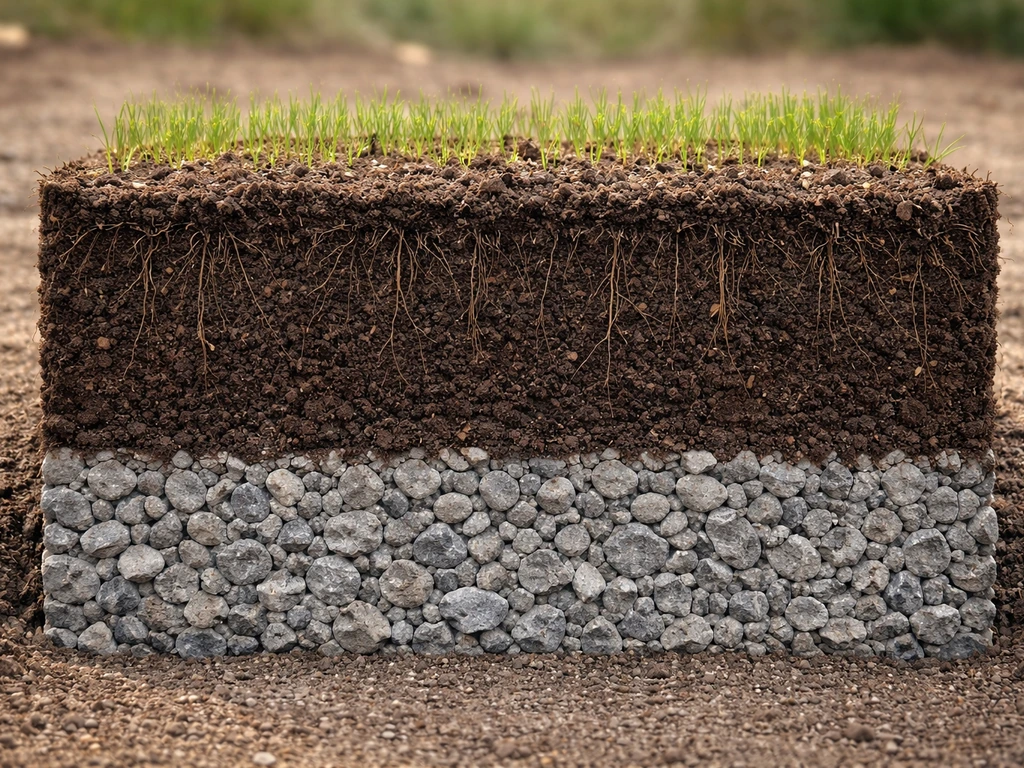
Can You Grow Grass Over Gravel? How to Do It Right
Learn when you can grow grass over gravel and follow a step-by-step method for soil depth, drainage, seeding or sod, and
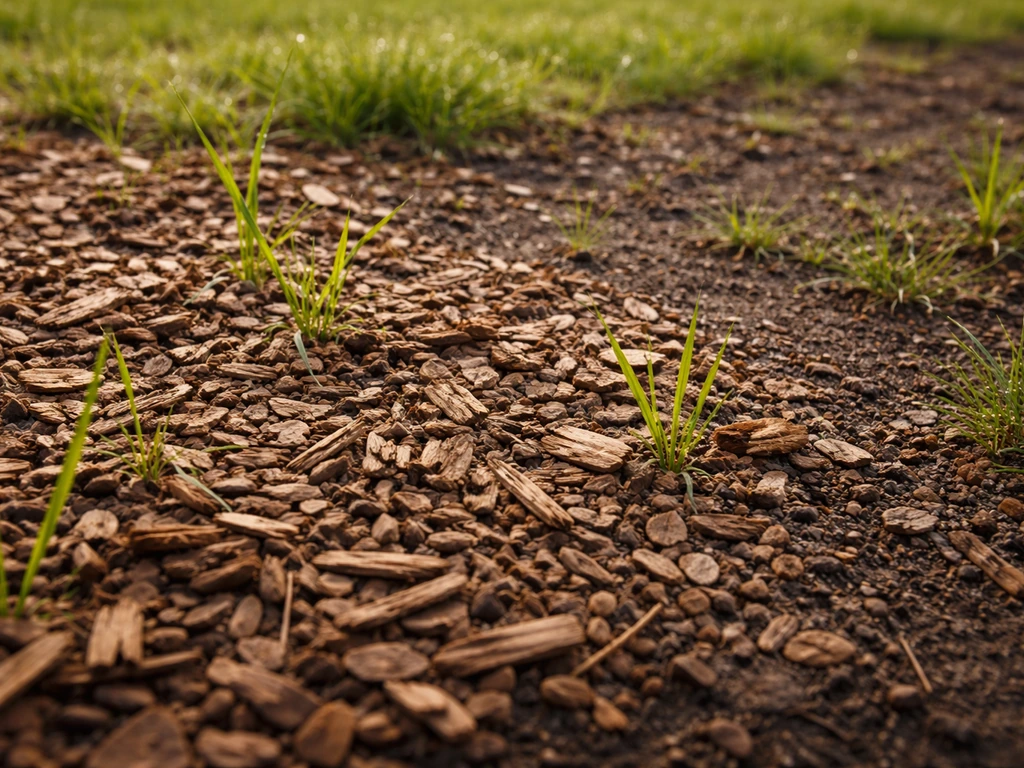
Do Wood Chips Help Grass Grow? When They Work and When Not
Learn when wood chips help grass grow, when they steal nitrogen, and step-by-step how much to apply and seed options.

Will Potting Soil Help Grass Grow? What Works and What Fails
When potting soil helps grass grow, when it fails, and how to prep, apply, seed, water, and troubleshoot bare spots.