If you're standing in a spot where grass refuses to grow no matter what you try, the problem is almost never bad luck. A common way to interpret this phrase is to expect no growth when the conditions are consistently hostile, like the soil and environment around a busy street. It's almost always one of a handful of fixable (or at least diagnosable) conditions: wrong pH, compacted soil, standing water, too much shade, salt or contaminants in the ground, or simply planting the wrong species at the wrong time. Most sites can grow something. Whether that something is traditional turf depends on what's actually going on beneath your feet.
Why Grass Won’t Grow and What to Do on Hard Sites
Marcus Volkmann
1 Jul 2026
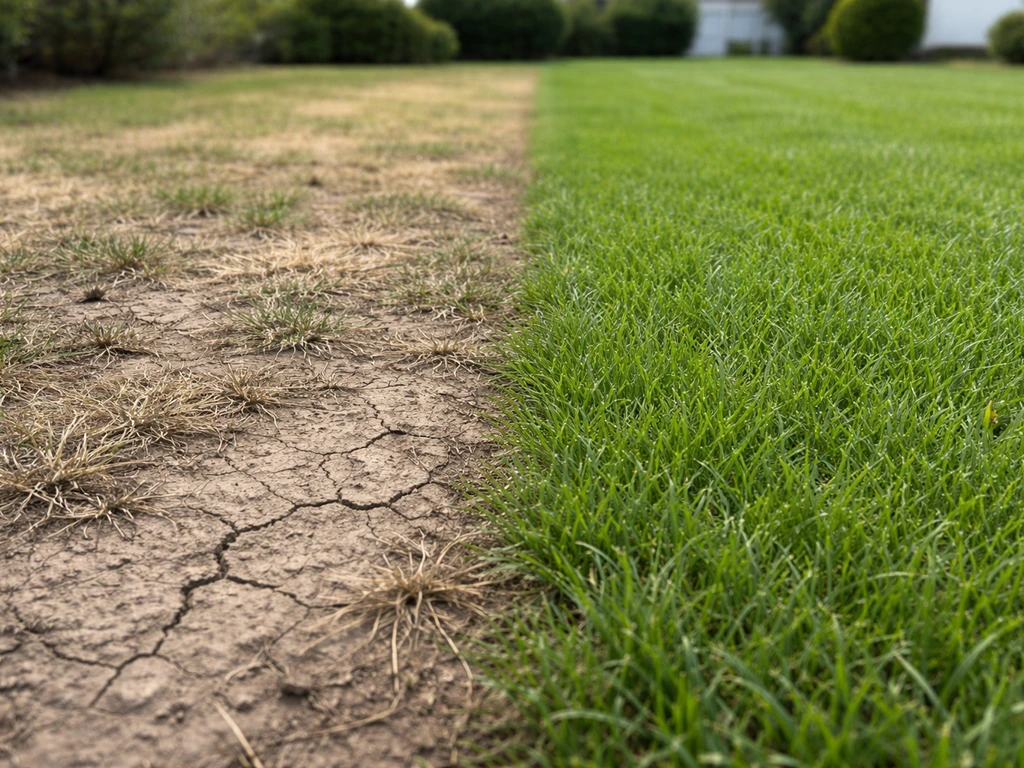
Diagnose why grass won't grow here
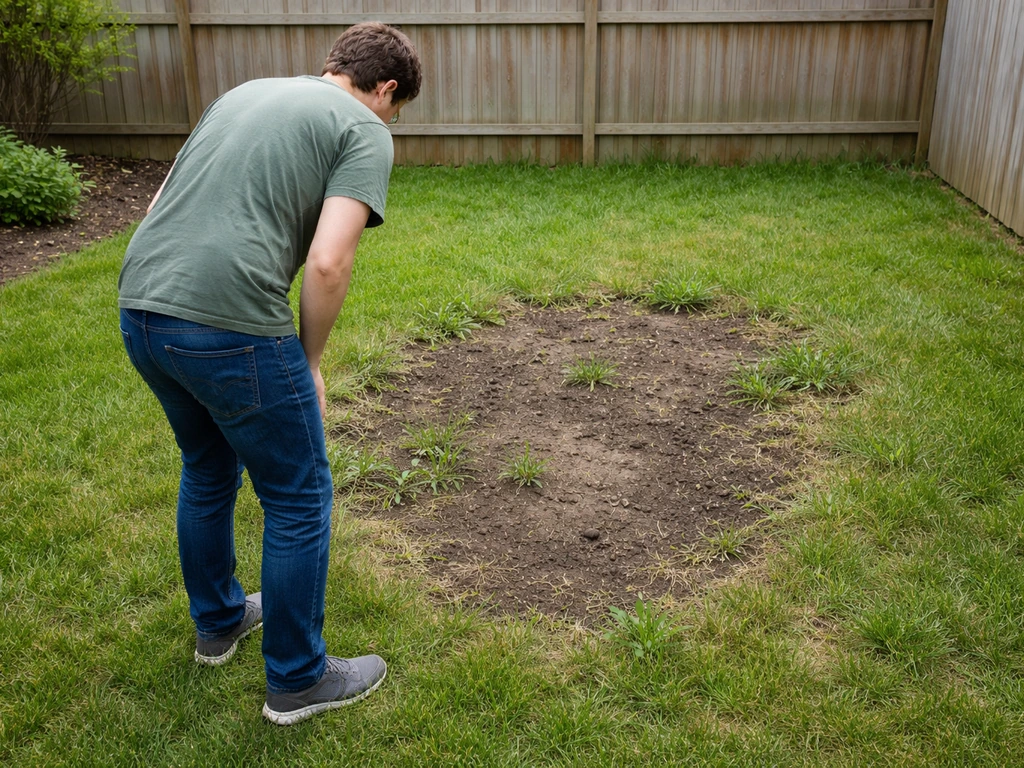
Before you spend money on seed, sod, or amendments, walk the site and run through this checklist. Most grass failures trace back to one of these root causes, and knowing which one you're dealing with saves a lot of wasted effort. If you're trying to get a lawn to grow in Medina, start by diagnosing the local causes of failure like soil compaction, drainage, and pH, then fix them in order.
- Sunlight: How many hours of direct sun does the spot get? Even the most shade-tolerant turf grasses need at least 2 to 4 hours of direct sun daily. Dense canopy shade from trees, buildings, or fences is one of the most common reasons grass never establishes.
- Soil texture and structure: Is the soil sandy and draining too fast, or clay-heavy and staying wet? Both extremes create hostile conditions for roots.
- Compaction: Does water pool on the surface after rain? Is the soil nearly impossible to push a screwdriver into? Compacted soil cuts off oxygen and water movement, killing turf before it even gets started.
- Salt or contaminants: Are there white crusty deposits on the surface? Patches of stunted or burned-looking plants? Salt-affected soils are common near roads, driveways, and in arid regions.
- pH extremes: Highly acidic or alkaline soil locks up nutrients so grass can't access them even if they're present.
- Drainage and moisture: Does the area stay wet for days, or does it bake dry within hours of watering? Both extremes prevent establishment.
- Timing: Was seed put down when soil temperatures were too cold or too hot? Germination windows are narrow and missing them means starting over.
- Root or chemical competition: Tree roots pulling moisture from the top several inches of soil, or herbicide residue from a previous application, can silently block establishment.
If more than one of these applies to your site, which is common, fix them in order of severity. Compaction and drainage issues, for example, will defeat even a perfect amendment plan if you don't address them first.
Test and measure before you do anything else
A $20 to $30 soil test from your local cooperative extension lab is the single best investment you can make for a problem site. Guessing at pH, nutrients, and salt levels wastes far more money than the test costs. Here's what to measure and why.
pH
Most cool-season grasses prefer a pH somewhere between 6.0 and 7.0. Kentucky bluegrass is on the pickier end, performing best between roughly 6.0 and 7.5. Tall fescue tolerates slightly more acidity, doing well between about 5.5 and 6.5. When pH drops to 5.5 or below, phosphorus becomes unavailable to plants even if the soil is full of it, which wrecks establishment. On the alkaline side, every whole-unit increase above pH 7 represents roughly a ten-fold jump in alkalinity, which is why a reading of 8.5 isn't just a little high and requires serious amendment.
Drainage and compaction
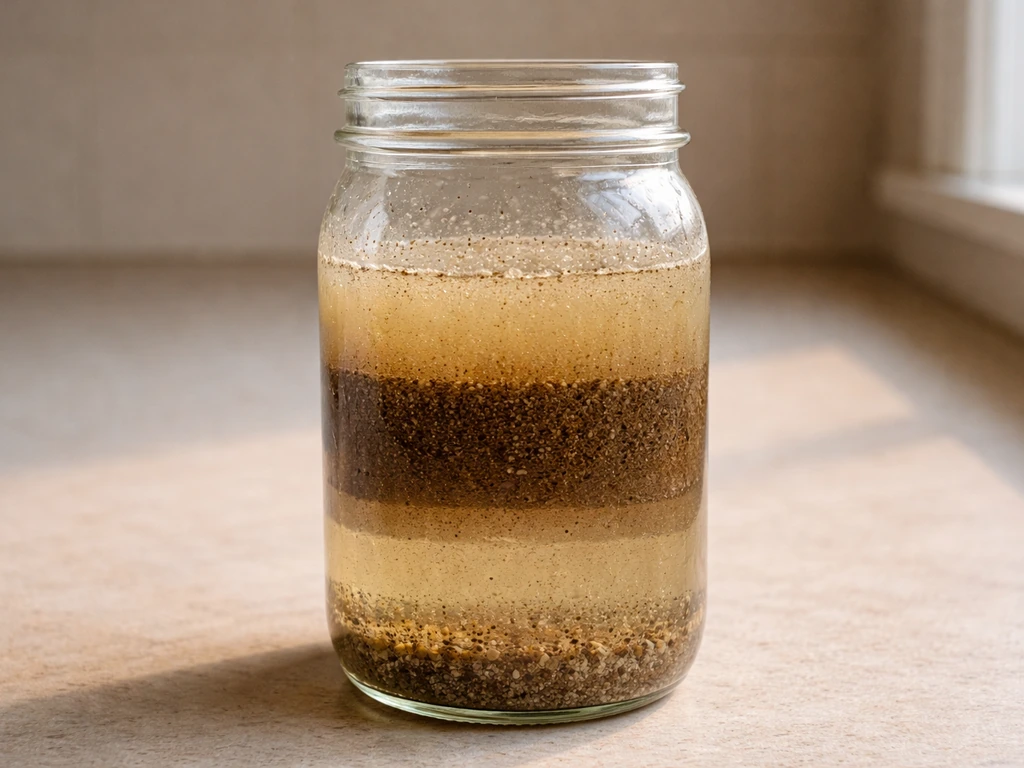
Do a simple jar test for texture: fill a jar with soil and water, shake it, and let it settle. Sand settles in minutes, silt in an hour or two, clay stays cloudy for hours or days. For compaction, push a six-inch screwdriver into dry soil with hand pressure only. If you can't get it in more than two to three inches, compaction is likely limiting both water infiltration and root growth. Oklahoma State Extension notes that resistance to penetration is a direct compaction indicator, and Cornell's turfgrass program confirms that compacted soil reduces pore space so severely that both air and water infiltration are compromised. Compacted soil reduces pore space so severely that both air and water infiltration are compromised, which aligns with the Cornell Turfgrass Program explanation of why turf fails under harsh traffic and compaction.
Salinity and sodium
Salt issues are sneaky because they don't always look obvious. Watch for white crusts on high spots, burned or scorched leaf margins, stunted patches, or spotty stands even after adequate rainfall. The standard measure of salinity is electrical conductivity (EC), expressed in dS/m. If you suspect salt or sodium problems, ask your testing lab to analyze a sample from the top 6 to 12 inches for EC, sodium adsorption ratio (SAR), and exchangeable sodium percentage (ESP). Don't assume a high pH means salt damage or vice versa; they're separate problems that require separate tests and sometimes different fixes.
Fix the basics that usually block turf
Sunlight
If the site gets fewer than 2 to 4 hours of direct sun per day, you're fighting physics. You can work with shade by choosing the most tolerant species available (fine fescues and tall fescue outperform Kentucky bluegrass in low light), timing seeding to maximize the sun window in spring or fall, and raising mowing heights so grass blades can capture more light per plant. But if the site is deeply shaded by a dense tree canopy, no grass species will hold long-term without something changing above ground.
Moisture and irrigation
Newly seeded areas dry out fast, and seedlings desiccate quickly. Iowa State Extension is direct about this: keep the seedbed constantly moist until germination and early establishment are complete. For harsh or dry sites, that typically means light irrigation two to three times per day until sprouts are 1 to 2 inches tall, then transitioning to deeper, less frequent watering to encourage root depth. In droughty or sandy soils, budget for more water during establishment than you would on a typical site.
Soil structure
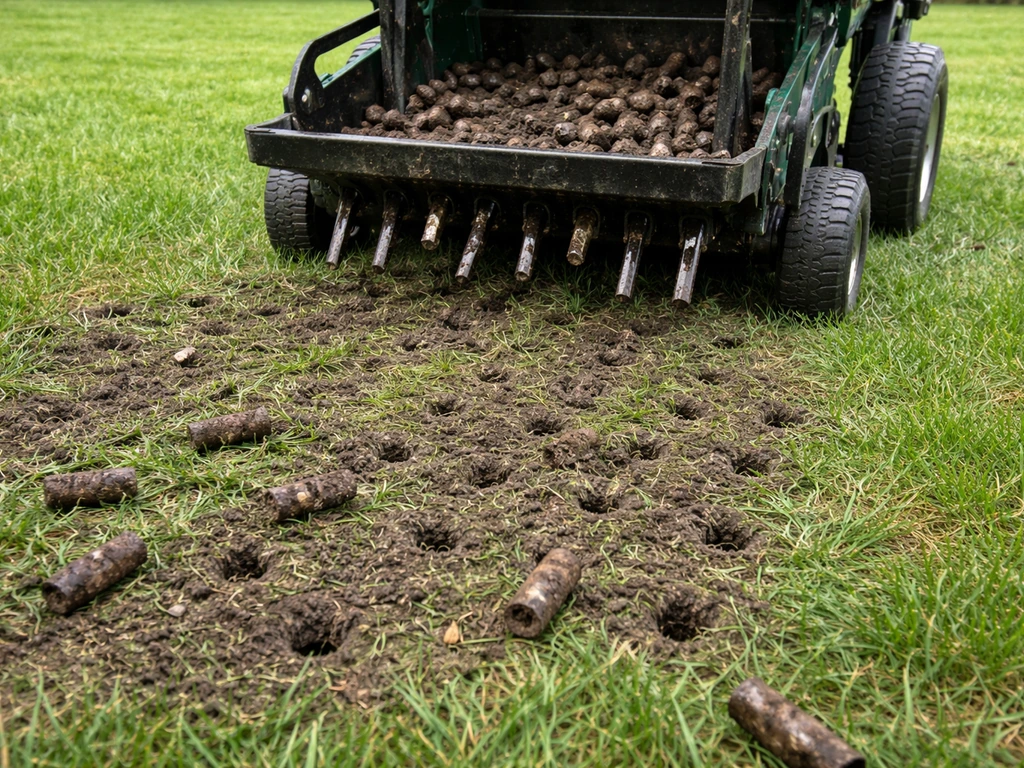
Heavy foot traffic, construction equipment, and even repeated mowing on wet soil all create compaction. If compaction is the problem, core aeration is the entry point: it punches holes that allow air, water, and roots to penetrate. For severe cases, deep-tine aeration or subsoil tillage may be needed before any seed or sod goes down. Don't just topdress over a compacted base and hope for the best. It won't work.
Soil amendment plans for hard conditions
Different bad soils need different fixes. Here's how to approach the most common hard-site soil types.
| Soil Problem | Key Symptom | Primary Amendment | Application Rate / Notes |
|---|---|---|---|
| Sandy, fast-draining soil | Dries out within hours; no water retention | Compost or organic matter worked in | 3 to 6 cubic yards per 1,000 sq ft, mixed 6+ inches deep |
| Heavy clay | Pools water; cracks when dry; slow drainage | Compost plus core aeration | 3 to 4 inches of compost tilled in; avoid adding sand alone |
| Poor or absent topsoil | Thin, gray, or rocky substrate | Quality topsoil plus compost blend | At least 4 to 6 inches of quality loam before seeding |
| High pH (alkaline) | pH above 7.5; often compacted, white deposits | Elemental sulfur; follow lab recommendation | Amount depends on soil buffering; test-based only |
| Low pH (acidic) | pH below 5.5; moss present; poor color | Pelletized or agricultural lime | Use Penn State/Mehlich buffer test result for exact rate |
| Saline or sodic soil | White crust; burned edges; spotty stand | Gypsum (calcium sulfate) plus leaching | Sodic soils need raised EC to displace sodium; get an ESP test first |
| Contaminated or chemically treated | Nothing grows; uniform bare patches | Remove and replace top 6 to 12 inches | Send sample to lab for herbicide or heavy metal screening |
For salt-affected sites specifically, Utah State University Extension recommends incorporating 3 to 6 cubic yards of good-quality organic matter per 1,000 square feet, mixed to at least 6 inches deep, before attempting turf establishment. Organic matter improves drainage and dilutes salt concentration in the root zone. On sodic soils (high ESP), gypsum is usually needed to replace sodium with calcium before leaching will work. Adding organic matter alone won't fix a sodic problem.
Choose the right turf or grass alternative for the conditions
Grass species tolerance varies more than most people realize. Matching the species to the site is as important as any soil amendment you do.
| Grass Species | Best pH Range | Shade Tolerance | Drought Tolerance | Key Strength |
|---|---|---|---|---|
| Kentucky bluegrass | 6.0 to 7.5 | Low | Moderate (goes dormant) | Strong sod via rhizomes; self-repairs |
| Tall fescue | 5.5 to 6.5 | Moderate | Good | Deep roots; handles heat, wear, and partial shade |
| Fine fescues (creeping red, chewings) | 5.5 to 6.5 | High | Good | Best cool-season choice for shade and low-fertility sites |
| Perennial ryegrass | 6.0 to 7.0 | Low to moderate | Moderate | Fastest germination; good for patching |
| Bermudagrass | 5.0 to 7.0 | Very low | Excellent | Best warm-season choice for heat, drought, and salt stress |
| Buffalograss | 6.0 to 8.0 | Very low | Excellent | Native prairie grass; thrives in alkaline, dry, low-input sites |
| Zoysia | 6.0 to 7.0 | Low to moderate | Good | Handles heat and moderate shade better than bermuda |
For most challenging cool-season sites, tall fescue is usually the first species I'd try because of its deeper root system, broader pH tolerance, and better performance under heat and moderate shade compared to Kentucky bluegrass. On very shady sites, fine fescues are the better bet. For warm-season, dry, or alkaline sites in the South or Great Plains, bermudagrass or buffalograss are more realistic than trying to force a cool-season species to survive.
Cornell's turfgrass program notes that perennial ryegrass germinates fastest of the cool-season options, which makes it useful for patching problem areas where you need quick cover. But for full-lawn establishment on a hard site, it doesn't have the root depth or heat tolerance of tall fescue or the self-repairing rhizome system of Kentucky bluegrass.
Planting and maintenance steps that actually matter
Timing your planting
Soil temperature is the number that matters, not the calendar date. Cool-season grasses germinate best when soil temperatures are between 60°F and 85°F. For most northern regions, that's late August through mid-October, or April through May in spring (with fall being strongly preferred on hard sites because weed pressure is lower and soil moisture is typically better). Warm-season grasses want soil temperatures of 70°F to 90°F, making late spring and early summer the correct window. Planting outside these ranges is one of the most common reasons establishment fails on difficult sites, and no amount of watering will compensate for soil that's too cold or too hot.
Seedbed prep and seeding
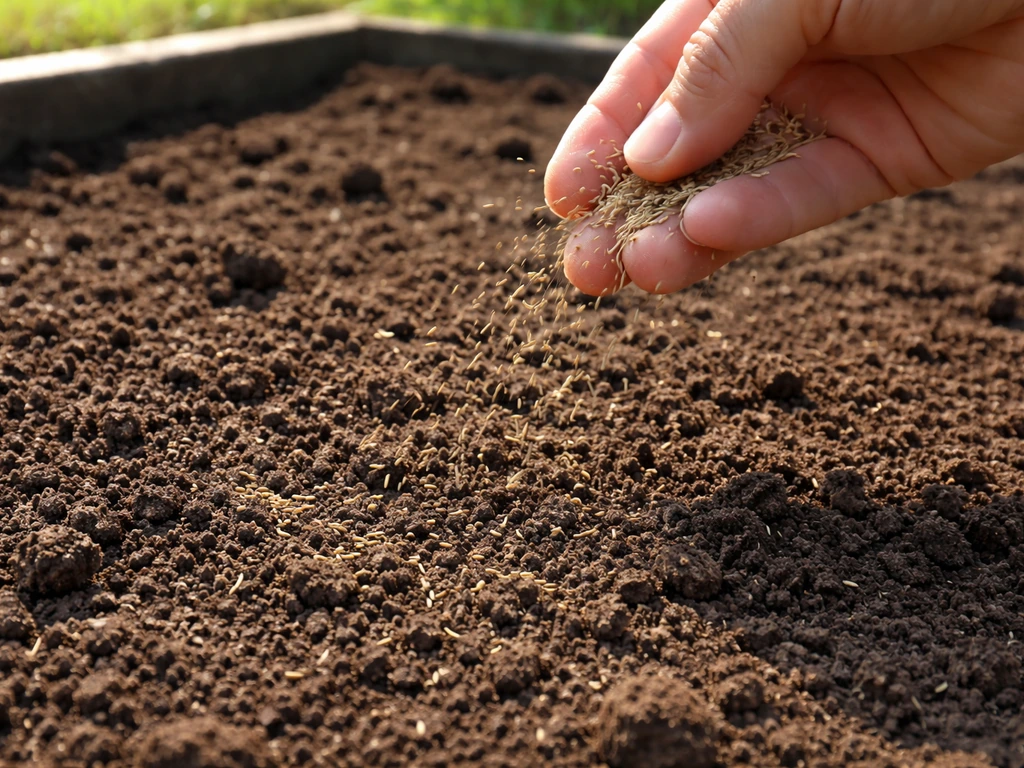
Seed-to-soil contact is everything. After amending and raking to a smooth, level surface, seed needs to be lightly incorporated into roughly the top quarter inch of soil. Cornell's turfgrass program recommends covering seed no more than 1/16 to 1/8 inch deep and using a light roller or tamper to press seed into the soil. University of Maryland Extension advises a gentle tamp at edges and across the surface to ensure contact without compacting the seedbed. Seed sitting on top of loose soil or thatch will desiccate and fail to germinate, especially on harsh sites where surface moisture fluctuates quickly.
Seeding rates matter too. For Kentucky bluegrass, Iowa State Extension recommends 1 to 1.5 pounds per 1,000 square feet. Tall fescue needs significantly more, around 7 to 9 pounds per 1,000 square feet. Skimping on seed rate leads to thin establishment and weed invasion in the gaps, which is especially problematic on stressed sites.
Irrigation during establishment
Water lightly and frequently until germination is complete, then shift to deeper, less frequent cycles. On sandy or drought-prone sites, this early irrigation phase is critical. Once grass is 2 to 3 inches tall and roots are developing, you can begin training the turf toward deeper rooting by watering deeply but less often. On slopes or eroding sites, use short irrigation cycles to prevent runoff washing seed away.
First mowing
Don't mow too early or too short. Purdue Extension recommends an initial mowing height of about 1.5 inches for Kentucky bluegrass, perennial ryegrass, and fine fescues during establishment. UC IPM advises mowing on the higher end of the recommended range throughout the establishment phase to build deeper roots and increase stress tolerance. Virginia Tech Extension adds a key practical note: don't mow on wet soil when roots are young and shallow, because even a lightweight mower can pull seedlings out of the ground. Wait until soil has some firmness, use sharp blades, and keep clippings short enough to drop back without smothering.
Erosion control and what to do if grass still won't take
Protecting seeded sites on slopes
On slopes, erosion washes seed away before it can germinate. NC State Extension confirms that straw mulch is effective on moderate slopes and that compost is a viable (though more expensive) alternative. Kentucky's erosion control field guide recommends protecting seeded slopes with 2 to 3 tons per acre of straw or wood fiber after seeding, and using erosion control blankets (biodegradable jute or coir netting) on steeper grades. Penn State Extension adds that natural-fiber netting is useful for holding soil on slopes where even groundcovers need establishment time. On extreme terrain, hydraulic mulch systems that combine seed, soil amendments, and mulch in one application can establish vegetation where conventional seeding would wash out entirely.
When to stop trying turf and pivot
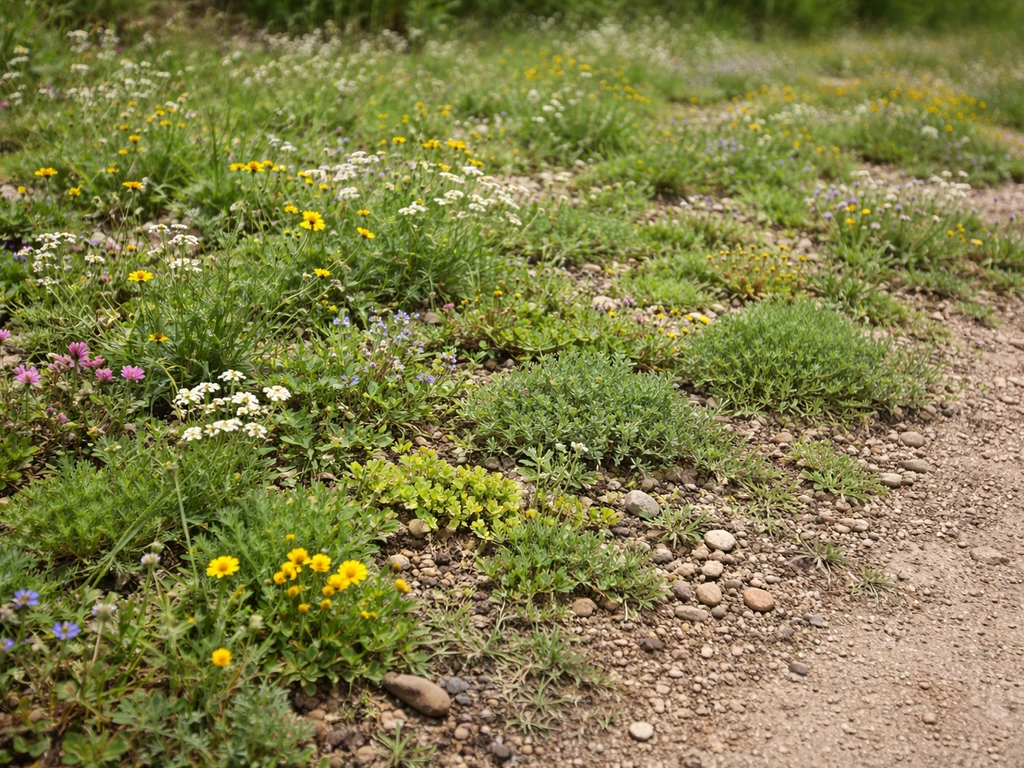
Some sites genuinely aren't suited for traditional turf, and fighting that reality costs time and money indefinitely. If you've amended the soil, matched the species, seeded at the right time, and grass still won't hold, the site is telling you something. This is actually a common situation, and it's related to the broader struggle many homeowners face when grass simply won't grow in a backyard or other difficult area. In those cases, switching to a turf alternative isn't giving up. It's the smarter landscaping decision.
Groundcovers are the most practical replacement for turf in difficult spots. University of Delaware Extension recommends matching groundcover plants to site conditions just as you would with turf, and notes that a 1 to 1.5-inch mulch layer during establishment helps retain moisture and reduce erosion. Iowa State Extension lists periwinkle as an excellent option for partial to full shade. Wisconsin Extension notes that once established, groundcovers outcompete weeds, control erosion, and require far less maintenance than a struggling lawn. Clemson Extension suggests incorporating fertilizer to 6 to 8 inches deep in the planting bed before installing groundcovers on poor sites.
Other alternatives to traditional turf
- Native meadow or prairie plantings: Lower maintenance than turf, adapted to local conditions, and often more drought or salt tolerant. University of Maryland Extension recommends these for heavily shaded or root-competed sites.
- Mulched beds with shrubs or perennials: Appropriate for deep shade or steep slopes where neither turf nor groundcovers establish reliably. Mulch alone controls erosion and reduces bare soil exposure.
- Hardscape materials: Gravel, decomposed granite, pavers, or stepping stones work for high-traffic zones or sites where drainage is so extreme that plant establishment isn't realistic.
- Clover or low-growing alternatives: Dutch white clover tolerates compaction, poor fertility, and partial shade better than most turf grasses and provides a green surface with almost no mowing.
The goal isn't always a perfect grass lawn. The goal is a functional, stable surface that doesn't require constant fighting against the site's natural conditions. Once you've done the diagnosis, made honest amendments where possible, selected the right plant for the conditions, and seeded or planted correctly, you'll know within one growing season whether turf is viable at that site. If your site still can’t grow grass after the diagnosis and setup steps, focus on the alternative plants and surfaces that match your conditions. If it isn't, the alternatives above will serve you far better than a third or fourth attempt at grass that the site simply can't support.
FAQ
How can I tell if it’s a watering problem or a soil problem when grass won’t sprout?
If the soil stays moist right below the surface but seeds still fail to germinate after the expected window, suspect temperature, seed-to-soil contact, or salinity, not just irrigation. Also check for crusting or runoff on top, if water beads or vanishes downslope immediately, infiltration and compaction are often the real bottleneck.
What should I do if my soil test shows both low pH and high salt or sodium symptoms?
Treat them as separate issues in stages. First address pH enough to support root establishment, then handle salinity or sodicity with the appropriate amendments and leaching plan (not just more fertilizer). If you mix fixes without sequencing, you can keep the root zone chemically stressed even when one parameter improves.
Can I just add lime or sulfur to fix pH and skip the rest?
Not on hard sites. Lime or sulfur can correct pH but will not fix compaction, standing water, or poor seed contact. In practice, do the structural checks first (drainage, penetration resistance, texture), then use the test results to adjust pH.
Is core aeration enough on a very compacted, low-drainage lawn?
Core aeration is a strong start, but only if water can actually move through the holes. If you see puddling, persistent wetness, or soil that stays saturated, you may need additional steps like surface leveling, targeted topdressing with better texture, or even deeper aeration before seeding.
When should I use sod versus seed on a failing site?
Sod can reduce the time the soil is exposed and drying out, which helps where establishment moisture is hard to maintain. However, it does not remove compaction, wrong pH, or salinity, the base conditions still determine whether roots take. If the diagnosis points to drainage or EC/SAR issues, fix the root zone first, then choose sod or seed.
How do I manage weeds during the establishment period on a hard site?
Many hard sites invite weeds because turf is sparse early. The most reliable approach is timing, correct seeding rate, and keeping the seedbed moist enough for quick germination, so gaps close faster. Avoid broad herbicide use unless you confirm it is safe for the exact grass species and seeding stage, otherwise you can worsen establishment.
What’s the best way to confirm seed-to-soil contact on my yard?
After raking and seeding, do a shallow “pull test” in a few spots. If you can lift seed easily without soil clinging, contact is too loose (especially common on thatch-heavy or dry top layers). Re-rolling or gentle tamping usually improves contact without deep compaction when done right after seeding.
My yard is shady but not deeply shaded, will raising mowing height really matter?
Yes, but it helps only when there is enough light to support growth. Higher mowing during establishment increases leaf area and reduces stress, yet it cannot overcome dense canopy blocking. If you get limited direct sun, prioritizing shade-tolerant species and adjusting seeding time to the sun window are often more impactful than mowing changes alone.
How can I tell if my “salt problem” is actually another issue like nutrient deficiency?
Salt injury often looks patchy or spotty even with similar watering, and it may include leaf edge burn or stunted clusters that do not match typical fertilizer patterns. If you only rely on symptoms without testing, you can apply the wrong amendment and fail to reduce salts. Request EC, SAR, and ESP from samples taken from the top 6 to 12 inches.
If I use groundcovers instead of turf, how do I prevent weed takeover during establishment?
Use a thin mulch layer during establishment to retain moisture and limit erosion, then focus on fast canopy cover by spacing based on the plant’s mature size. Weed pressure is usually highest before the groundcovers establish, so plan for either early hand-weeding or spot control methods that won’t damage the new plants.
What should I do if I’ve followed the steps but my lawn still won’t hold after one season?
Treat it as a signal to re-check the assumptions. Re-run the basics with fresh sampling (pH and salinity where relevant), verify sun hours at multiple times of day, and reassess compaction with penetration resistance. If all indicators align with what you planted, the next decision is switching to the most suitable alternative surface rather than repeating the same grass strategy.
Next Articles
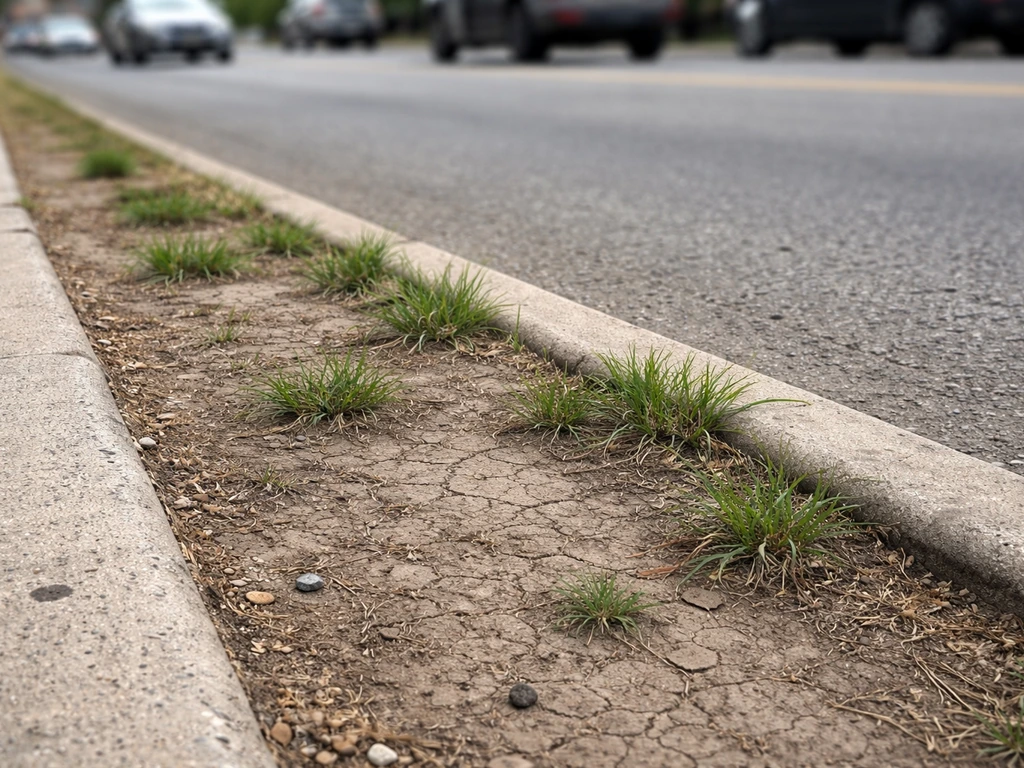
Grass Doesn’t Grow on a Busy Street Meaning and Fixes
Meaning of grass doesn’t grow on a busy street and fixes for traffic, compacted soil, salt, shade, heat, and setup.
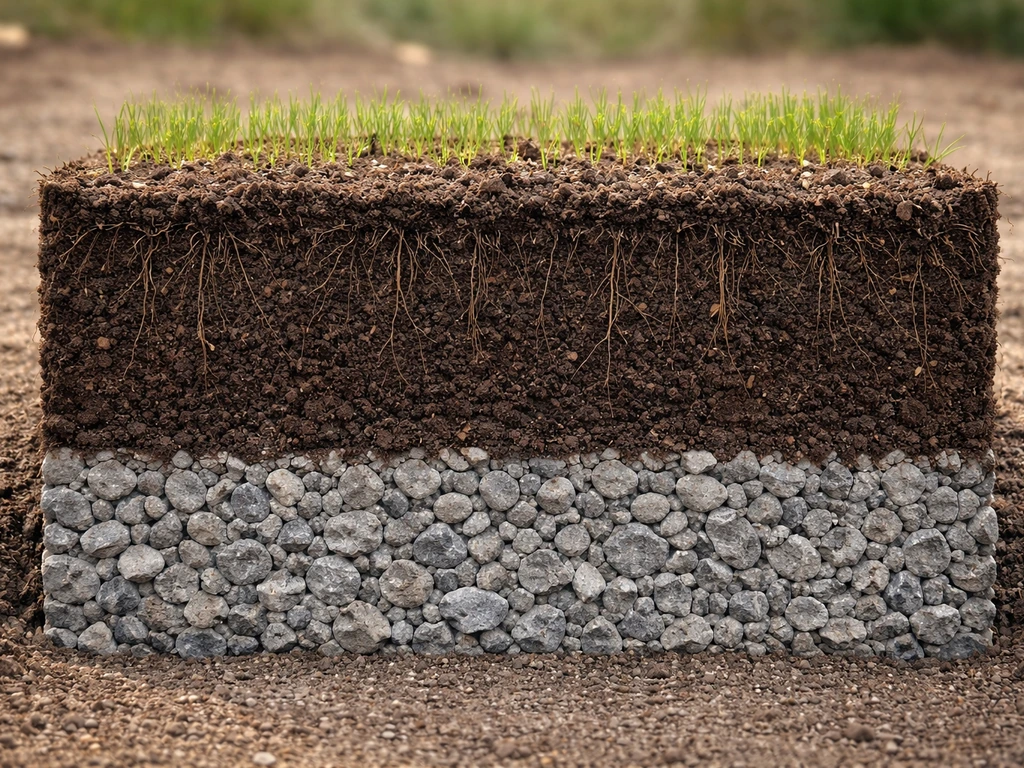
Can You Grow Grass Over Gravel? How to Do It Right
Learn when you can grow grass over gravel and follow a step-by-step method for soil depth, drainage, seeding or sod, and
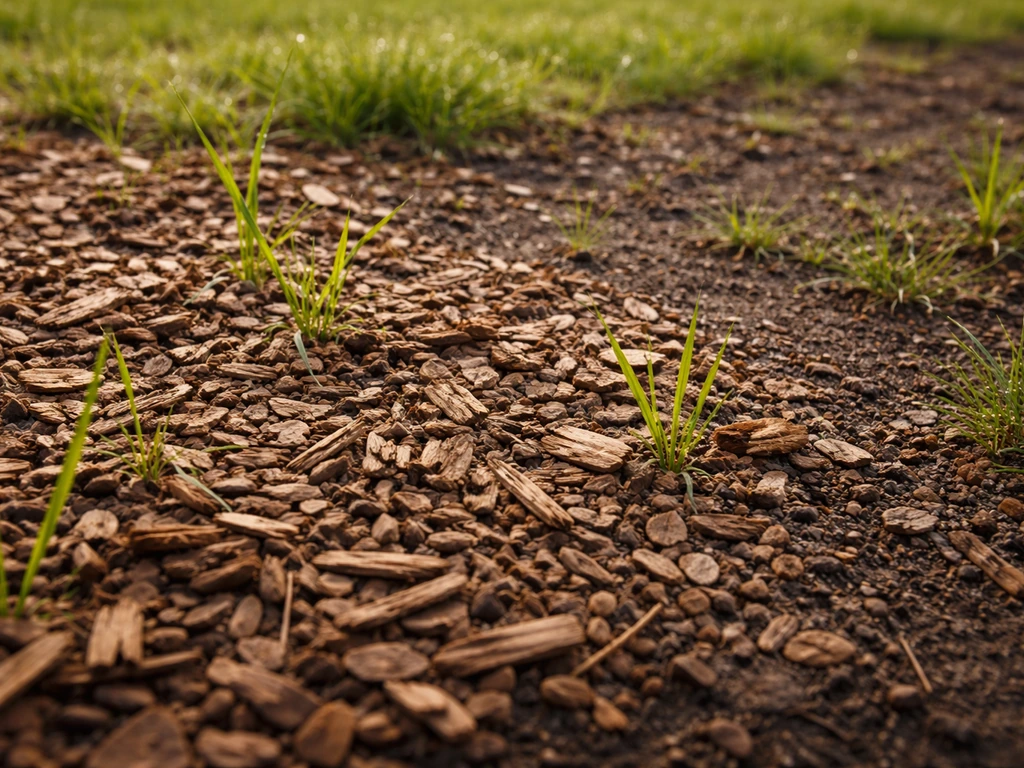
Do Wood Chips Help Grass Grow? When They Work and When Not
Learn when wood chips help grass grow, when they steal nitrogen, and step-by-step how much to apply and seed options.