
If you can't grow grass, something specific is working against you, and in most yards it's one of five things: wrong sunlight, compacted or nutrient-poor soil, bad drainage, mismatched grass seed, or inconsistent watering during germination. Grass doesn't grow on a busy street means that something is interfering with growth, like the wrong conditions or compacted soil, and you need to diagnose the real cause grass doesn't grow on a busy street meaning. Fix the actual cause and grass will grow. Keep throwing seed at a problem you haven't diagnosed and you'll keep failing. This guide walks through each cause in order, with specific fixes you can start today.
Can’t Grow Grass: Fix Sun, Soil, Water, and Seed Issues
Marcus Volkmann
5 Jul 2026
Quick diagnosis: why grass won't grow in your yard
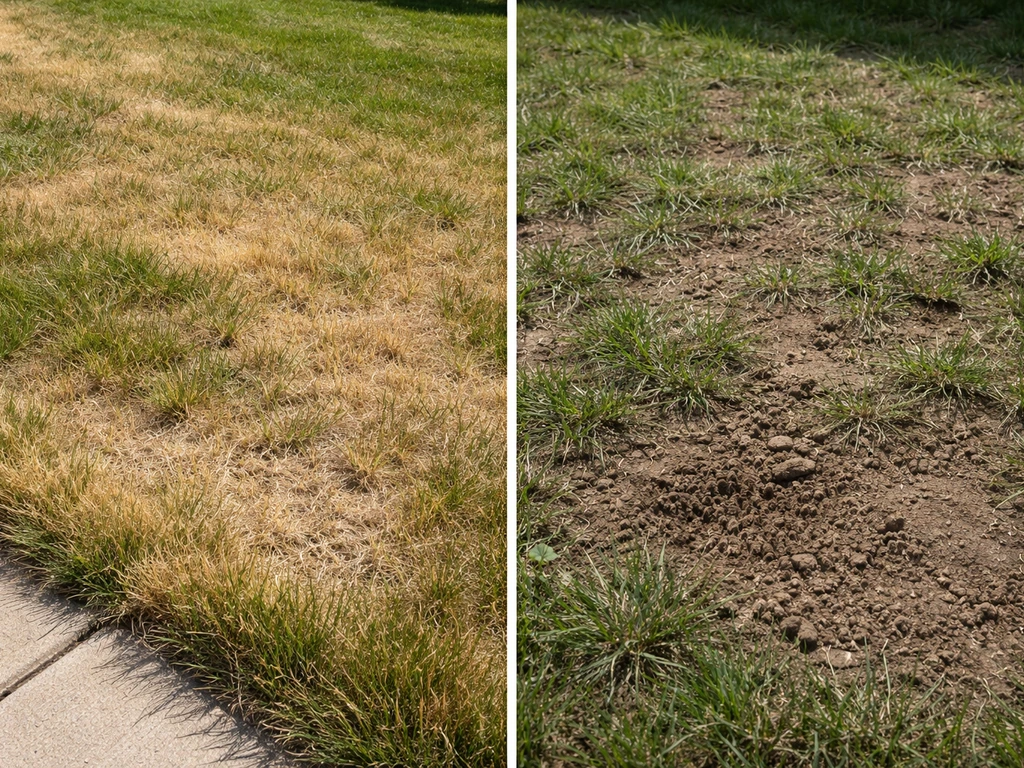
Before you buy another bag of seed, spend 20 minutes walking your yard and looking for patterns. Bare patches, thin turf, and germination failures almost always leave clues. Weeds thriving where grass won't is a classic sign of soil compaction. Standing water after rain points to drainage or hardpan issues. Sparse, yellowing growth under trees is a sunlight and root competition problem. Bare spots in full sun with no obvious cause usually come down to soil pH, low nutrients, or seed that was never in contact with the soil in the first place.
The most common culprits, roughly in order of how often I see them:
- Soil compaction (the single most common lawn quality problem, according to Colorado State University Extension)
- Wrong grass species for the site (shade-tolerant vs. sun-loving, cool-season vs. warm-season)
- Poor seed-to-soil contact during seeding
- Incorrect watering, either too little during germination or too much too early
- Soil pH outside the 6.0–7.0 range most grasses need
- Inadequate sunlight, particularly under tree canopies
- Drainage problems that keep roots waterlogged or bone dry
- Timing issues, seeding too late in spring or too early in fall
Pick the one or two that match what you're seeing. That's where you start.
Check sunlight, drainage, and soil conditions
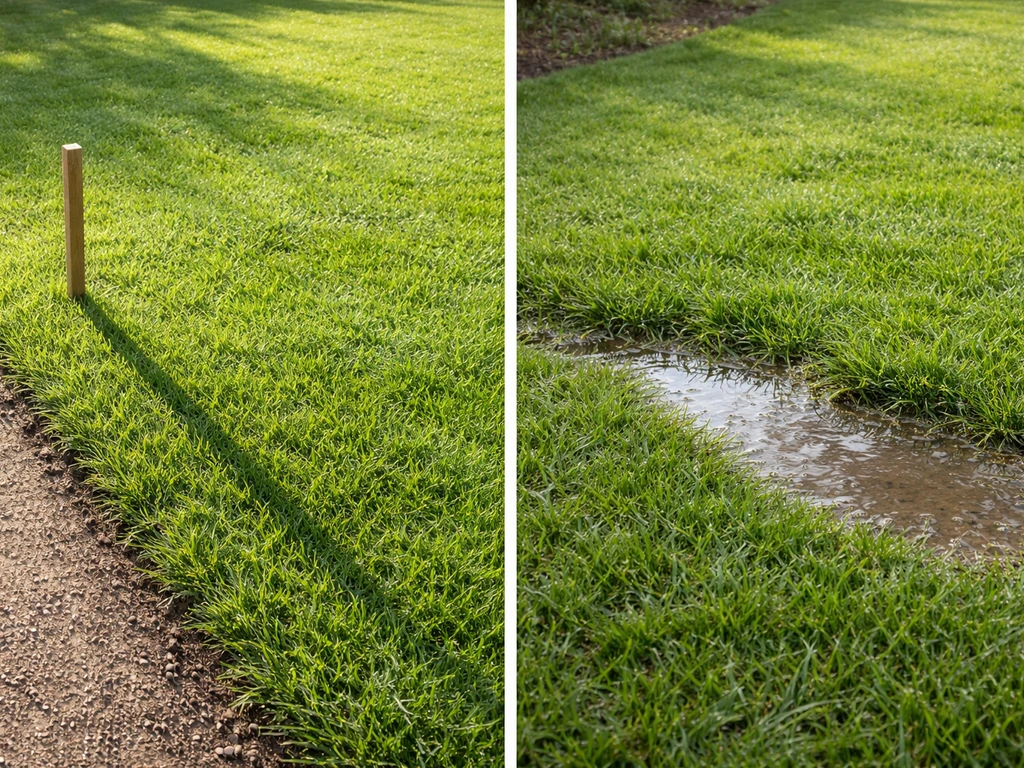
Most turf grasses need a minimum of 4–6 hours of direct sunlight per day, and that's for the more shade-tolerant species. Sun-loving grasses like bermuda and Kentucky bluegrass want 6–8 hours. Walk your yard at different times of day, morning, midday, and late afternoon, and note where shadow falls. If a problem area gets less than 4 hours of direct sun, no amount of soil work or watering will fix it. You either need a shade-tolerant species or a ground cover that isn't grass.
For drainage, watch what happens 30 minutes after a good rain. If water is still pooling an hour later, you have either compacted soil, a clay hardpan layer below the surface, or a low spot with nowhere for water to drain. Grass roots sitting in waterlogged soil suffocate. On the other end, sandy or rocky substrates drain so fast that seedlings dry out between waterings and die before they establish.
To check for compaction without a penetrometer, push a screwdriver into the soil with hand pressure. If you can't push it 2–3 inches without significant effort, your soil is compacted. blank" rel="noopener noreferrer">Compaction cuts off the root growth, water movement, and nutrient access that grass needs to survive, and it opens the door for weeds to move in instead. For example, Wisconsin Extension notes that compaction can increase weed pressure in compacted turf, because restricted root growth makes grass less able to access water and nutrients blank" rel="noopener noreferrer">it opens the door for weeds to move in instead.
Soil testing and fixes (pH, nutrients, compaction)
A soil test is the single most useful thing you can do before spending money on seed or fertilizer. A basic test from your county extension service or a mail-in lab costs $15–30 and tells you pH, organic matter, and primary nutrient levels. Without it, you're guessing. Most grasses perform best at a soil pH between 6.0 and 7.0. Below that, nutrients lock up in the soil and grass can't access them even if they're there. Above 7.0, iron and manganese deficiencies become common.
If pH is low (acidic), apply ground limestone at the rate your test recommends, typically 50–100 lbs per 1,000 sq ft for a meaningful correction, and retest in 3–6 months. If pH is high (alkaline), elemental sulfur or acidifying fertilizers bring it down, though this takes longer. For nitrogen, phosphorus, or potassium deficiencies, match your fertilizer formula to the actual deficiency your test shows. A starter fertilizer high in phosphorus helps new seedlings establish roots.
For compaction, core aeration is the most effective solution. Rent a core aerator or hire it out for larger areas. It pulls plugs of soil 2–3 inches deep, opens channels for air, water, and roots, and makes a big difference in a single pass. After aerating, spread a thin layer (1/4 to 1/2 inch) of compost over the area and work it into the holes. This improves both structure and organic matter at the same time. If compaction is severe, plan to aerate in both fall and spring for a year or two. Topdressing with compost over multiple seasons is one of the most sustainable ways to fix poor soil structure long-term.
Overseeding or starting from scratch: best seeding methods today
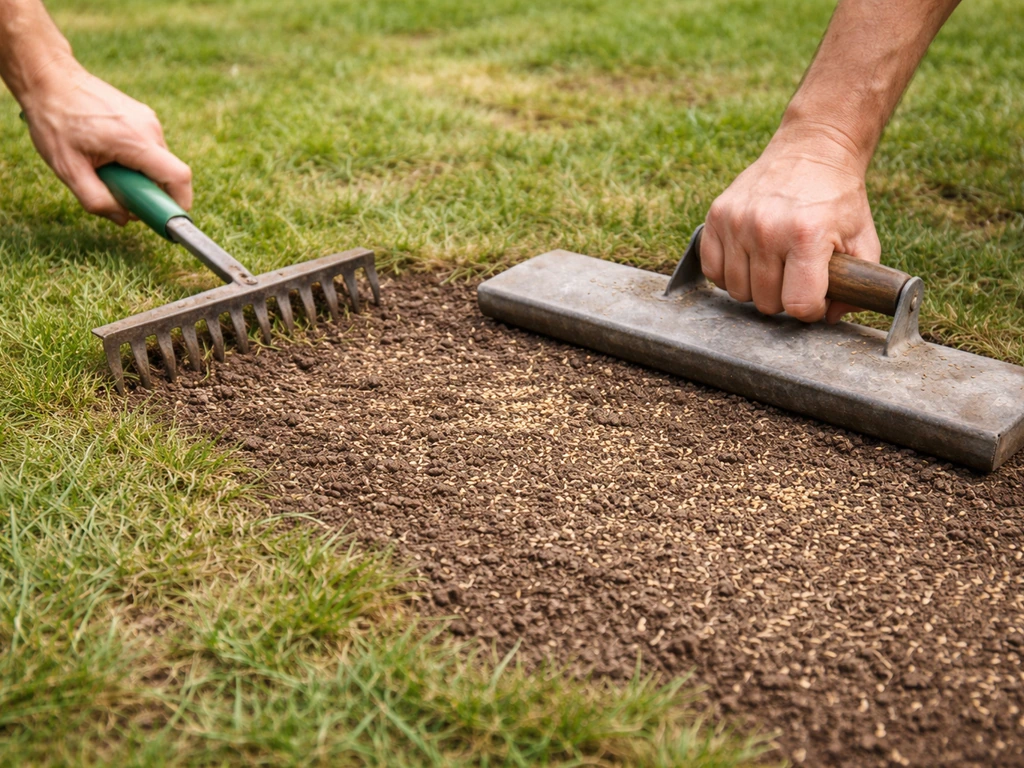
Poor seed-to-soil contact is one of the most common and most preventable reasons grass seed fails to germinate. Seed scattered over hard or thatch-covered ground can't absorb moisture consistently, and the seedlings die before they root. The fix is surface preparation before you ever open the bag.
For overseeding an existing thin lawn, mow low (2 inches or less), remove as much thatch as you can with a dethatching rake or power dethatcher, then core aerate. Spread seed immediately after aerating so seed falls into the holes. For bare patches or a full renovation, till or loosen the top 2–4 inches of soil, rake smooth, and seed into the loose surface.
Seeding depth matters more than most people think. Grass seed should be covered by no more than 1/4 inch of soil. Too deep and seedlings can't push through. Washington State University Extension specifically flags seeding too deeply as a common cause of establishment failure. After seeding, a light roller pass (or just walking the area with flat-soled boots) improves contact without burying the seed.
On seeding rates, don't guess. University of Maryland Extension recommends 6–8 lbs of tall fescue per 1,000 sq ft for establishment, and 2–3 lbs for Kentucky bluegrass. Penn State Extension targets roughly 1,000–2,000 seedlings per 1,000 sq ft. Under-seeding leaves gaps; over-seeding wastes money and can create competition stress in seedlings. Use the recommended rates for your species.
Timing is critical too. For cool-season grasses (fescue, bluegrass, ryegrass), late summer to early fall, generally mid-August through mid-October depending on your region, is the best window. Soil temperatures are warm enough for germination, nights are cooler, and weed competition is lower. Spring seeding works but competes with weed germination and summer heat. For warm-season grasses (bermuda, zoysia, centipede), wait until soil temps are consistently above 65°F, which in most regions means late May through June.
Choose the right grass type for your conditions
Using the wrong grass species for your climate, sunlight, and soil is one of the quieter reasons people can't grow grass, and it's completely fixable once you know what you're dealing with. Here's a practical breakdown of which types fit which conditions.
| Grass Type | Climate Zone | Sun Needs | Tolerates | Weakness |
|---|---|---|---|---|
| Tall Fescue | Cool-season (Zones 4–7) | Full sun to partial shade | Drought, clay soil, moderate shade | Slow to spread, won't self-repair |
| Kentucky Bluegrass | Cool-season (Zones 3–6) | Full sun | Cold, spreads by rhizomes | Needs irrigation, poor shade tolerance |
| Fine Fescue (Creeping/Chewings) | Cool-season (Zones 3–7) | Shade tolerant (3–4 hrs OK) | Low fertility, dry shade | Weak under heavy traffic |
| Perennial Ryegrass | Cool-season (Zones 4–7) | Full sun to light shade | Quick germination, wear | Poor drought and heat tolerance |
| Bermudagrass | Warm-season (Zones 7–10) | Full sun (min. 6 hrs) | Heat, drought, traffic | Goes dormant in cold, no shade |
| Zoysiagrass | Warm-season (Zones 5–10) | Full sun to light shade | Heat, drought, traffic | Slow to establish |
| Centipedegrass | Warm-season (Zones 7–9) | Full sun to light shade | Sandy, low-fertility soil | Not cold hardy, sensitive to overfeeding |
| St. Augustinegrass | Warm-season (Zones 8–10) | Moderate shade OK | Heat, humidity, salt spray | Not cold hardy, needs moisture |
If you're in a shaded yard in the upper South or transition zone and struggling with turf failure, a mix of tall fescue and fine fescue is usually the most practical answer. For sandy or low-fertility soils in the Deep South, centipedegrass is often the most forgiving choice because it actually prefers low inputs. If your main problem is a shaded backyard in a cool climate, fine fescue is about as shade-tolerant as turfgrass gets, though dense shade under mature trees is often a situation where grass alternatives make more sense.
Watering schedule and mowing adjustments that help seedlings establish
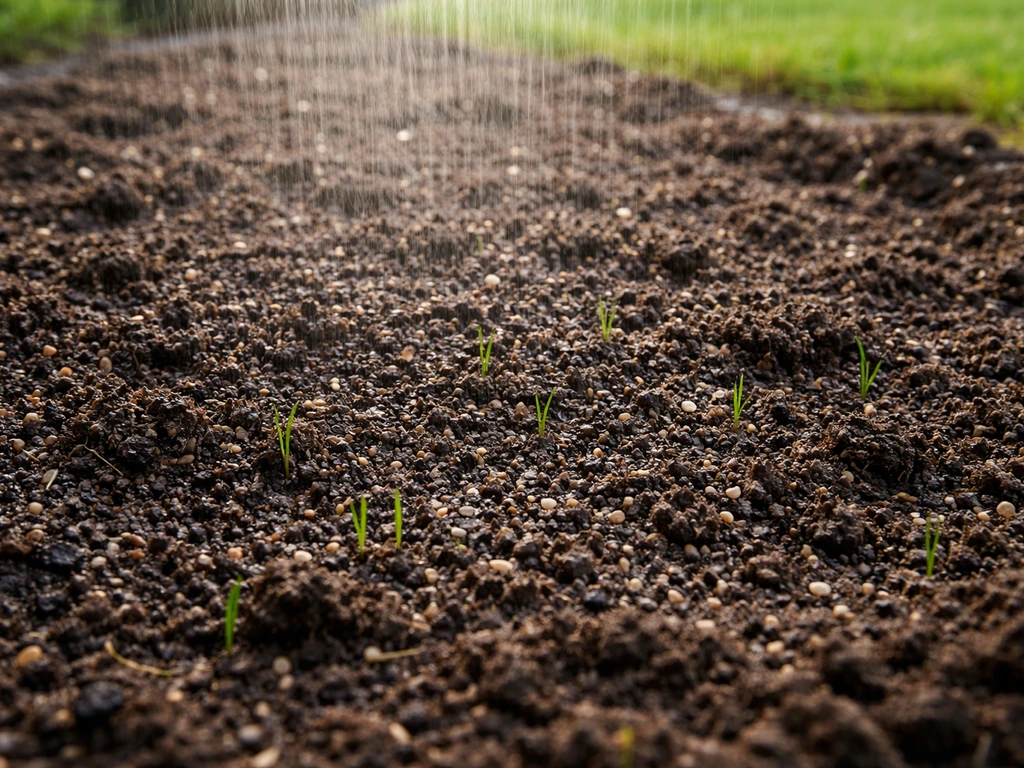
This is where a lot of people undo all their prep work. Seedlings during germination need the top 1–2 inches of soil consistently moist, not soggy, but never allowed to dry out. Missouri Extension recommends watering newly seeded areas daily, and potentially up to four light waterings per day in hot or windy conditions. UC ANR IPM says to plan for multiple light waterings daily for up to 30 days if weather is warm. That's a commitment, but it's what germination requires.
Light and frequent is the rule during germination. You're not trying to saturate the soil deeply, you're just keeping the surface moist so seeds can absorb moisture and seedlings don't desiccate between waterings. Running a sprinkler for 5–10 minutes two to four times a day is more effective during this phase than one long watering.
Once seedlings are up and have been mowed once or twice (typically when they reach about 3–4 inches), shift your watering approach. University of Maryland Extension recommends transitioning to less frequent but deeper watering, targeting the top 4–6 inches of the root zone. This encourages roots to grow downward rather than staying shallow, which is what makes turf drought-resilient long-term. Aim for about 1 inch of water per week total, either from rain or irrigation, split across 2–3 sessions.
On mowing, don't rush it. Wait until new grass reaches about 3.5–4 inches before the first mow, then cut at 3 inches with a sharp blade. Cutting too short too early stresses seedlings that are still developing their root systems. Never remove more than one-third of the blade height at once. Mowing repeatedly at a lower height to encourage density comes later, after the lawn has fully established.
When grass is failing for bigger reasons and what to do next
Sometimes you've done everything right and grass still won't establish. If your goal is to make a Medina lawn grow, start by diagnosing the sun and soil limits first medina has to grow lawn. That usually means there's a bigger underlying blocker. Here are the most common ones and how to handle them.
Persistent weeds taking over
If weeds are outcompeting your grass seedlings every time, you likely have a heavy weed seed bank in the soil. The most effective approach is a stale seedbed: till the area, water it to encourage weed seeds to germinate, wait 2–3 weeks, kill the emerging weeds with a non-selective herbicide or shallow cultivation (without bringing up new weed seeds), then seed immediately. You won't eliminate the bank entirely, but you reduce it significantly for that first critical germination window.
Grubs, pests, or soil disease
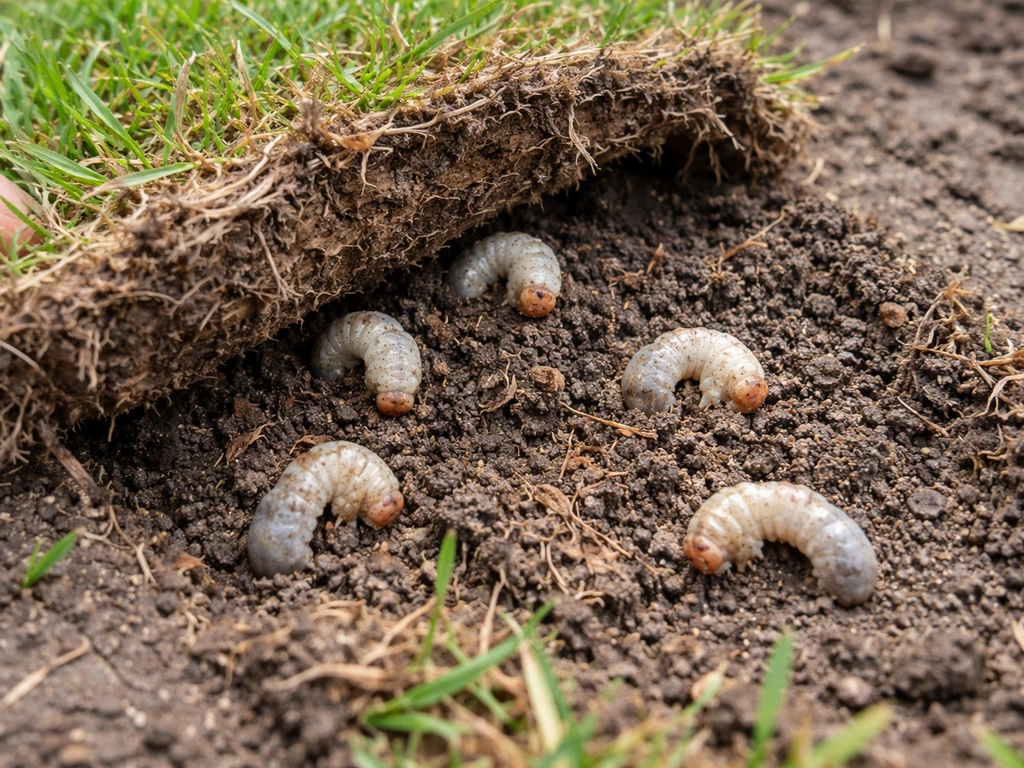
If you're seeing irregular dead patches that can be lifted like a carpet (roots chewed off), white grubs are the likely cause. Apply an appropriate grub control product in early to mid-summer when grubs are young and near the surface, then reseed in fall after treatment. Fungal diseases like brown patch and dollar spot are common in humid conditions and require fungicide treatment and cultural changes (less nitrogen, better air circulation, evening watering switched to morning). If you suspect disease, a county extension plant diagnostic lab can confirm it for a small fee.
Repeated flooding or extreme drought
If part of your yard floods repeatedly or sits wet for days after rain, no turfgrass species will hold long-term. You're working against hydrology. Options include installing a French drain or surface grading to redirect water, raising the area with fill and topsoil, or accepting that a wet-tolerant ground cover or rain garden planting is the more sustainable solution. Similarly, if you're in a drought-prone region without reliable irrigation, drought-tolerant native grasses or hardscape alternatives may be more practical than fighting against your climate. This is an honest trade-off worth making, not a failure.
Dense shade with no practical fix
Under a dense tree canopy with less than 3 hours of sun, turfgrass is simply not viable. Fine fescue is the most shade-tolerant option, but it still needs some light and has to compete with tree roots for water and nutrients. If you've tried shade-tolerant seed multiple times and it keeps failing, consider alternatives: mulched beds, native shade-tolerant ground covers like pachysandra, liriope, or wild ginger, or decomposed granite and stone for a low-maintenance solution. These aren't consolation prizes. They're practical choices for conditions where grass was never going to win. In other words, those conditions take you to the land where grass doesn't grow, so switching to a ground cover or planting plan is the smarter move.
If your backyard has a combination of these issues, it can feel like the ground itself is working against you. It's worth reading more about why grass won't grow in a backyard specifically, since the combination of shade, compaction, and tree root competition creates a different problem set than a front yard or open area. Getting clear on which specific blocker is dominant in your situation is the fastest path to a real fix.
FAQ
How long should I wait after seeding before I decide grass can’t grow here?
In most conditions, germination should start within about 7 to 21 days depending on temperature and grass type. If you see no meaningful sprouting by around 3 to 4 weeks, the problem is usually seed-to-soil contact, seeding depth, shade, or watering consistency during germination, not a temporary delay.
My lawn is thin even though I water. Should I seed again right away?
Reseeding immediately often wastes seed if the root zone is compacted, too dry at the surface, or too shaded. First confirm sunlight (at least 4 hours direct sun for more tolerant grasses), run the screwdriver compaction check, and verify the top 1 to 2 inches stay consistently moist during the first couple weeks.
Can I just increase watering to solve dry grass patches?
More water can backfire. Seedlings need the surface kept moist, not waterlogged, and mature grass can suffer if soil stays saturated. If water pools after rain or footprints stay muddy for days, fix drainage or hardpan first, then seed.
What’s the most common mistake that makes seed fail to germinate?
Poor surface preparation, especially scattering seed over hard soil or thick thatch. Seed must be pressed into contact with soil and covered lightly (no more than about 1/4 inch). If seed sits on top, it dries out or never absorbs moisture reliably.
How do I know if the seeding depth is wrong?
If you gently rake back a small corner and most seeds are still intact or located deeper than about 1/4 inch, seedlings often cannot emerge. Another clue is seedlings that sprout, then fail quickly, which can happen when seeds were buried too deep or contact was inconsistent.
Do grass seed labels mean the same seeding rate everywhere?
No. Seeding rates depend on species and whether you’re overseeding a thin lawn or doing a full renovation. Use the recommended rate for your specific grass type and adjust for bare spots versus established turf, because under-seeding leaves gaps and over-seeding increases competition.
Should I fertilize right after seeding?
Usually you should use a starter fertilizer only if your soil test supports it, and avoid heavy nitrogen right away because it can stress seedlings and encourage weeds. If pH and nutrient levels are off, fertilizer alone often won’t fix establishment.
Do I need a soil test even if grass fails in obvious shade or compaction?
Yes, it’s still helpful. Shade and compaction can block growth, but pH problems and nutrient lockup can prevent seedlings from taking advantage of sunlight once conditions improve. A test lets you avoid spending on the wrong amendments.
What if my yard is mostly shade, but I still want grass?
If you’re getting less than about 4 hours of direct sun, even shade-tolerant grasses may struggle long term. If you’ve already tried fine fescue or shaded blends and it keeps failing, the practical decision is switching to a shade-tolerant ground cover or altering the site (pruning, reducing competition) instead of repeating seed cycles.
The area stays wet after rain. Is grass ever worth trying?
Sometimes short-term, but long-term turf usually won’t survive repeatedly saturated soil. Consider grading, improving drainage, or using a drain plus raised soil. If you can’t practically change hydrology, a wet-tolerant ground cover or rain garden planting is typically the sustainable alternative.
How can I tell if weeds are the real reason grass won’t establish?
If you consistently see weeds dominating where seedlings attempt to sprout, you likely have a weed seed bank. A stale seedbed approach can help by triggering weed germination first, then controlling the seedlings before you seed your grass, so early competition is reduced.
What should I do if I see dead patches that look like they’re lifted?
If patches can be lifted like a carpet and you suspect roots were eaten, treat for grubs or other root-feeding pests around the correct seasonal window, then reseed afterward. Pest damage often comes back if the underlying cause isn’t addressed before reseeding.
How do I water newly seeded areas correctly without wasting water?
During germination, keep only the top surface consistently moist using multiple short cycles, especially during heat or wind. After seedlings establish and you mow once or twice, switch to deeper, less frequent watering that targets the deeper root zone rather than repeatedly wetting the surface.
Can I fix compaction without aerating?
You can sometimes improve lightly compacted soil with topdressing compost and better traffic management, but core aeration is usually the fastest and most effective option when you struggle to push a screwdriver into the soil 2 to 3 inches. If compaction is severe, plan multiple aerations over a season or two.
What if I’m not sure which grass species I’m failing with?
Matching matters, so identify your target grass type and its light and soil needs. If you’re unsure, start by diagnosing sunlight hours and soil constraints first, then choose a species or blend known to tolerate those conditions rather than repeating the same seed that can’t handle your site.
Next Articles
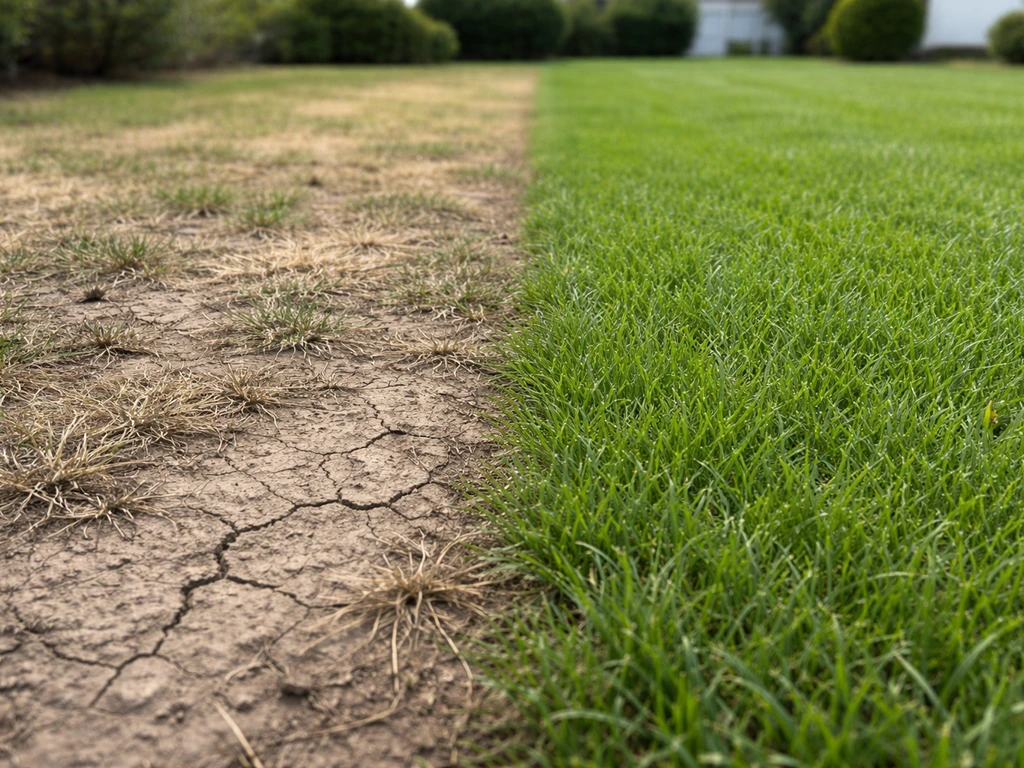
Why Grass Won’t Grow and What to Do on Hard Sites
Diagnose why grass won’t grow in drought, shade, bad soil or hard ground, then get steps, species and alternatives.
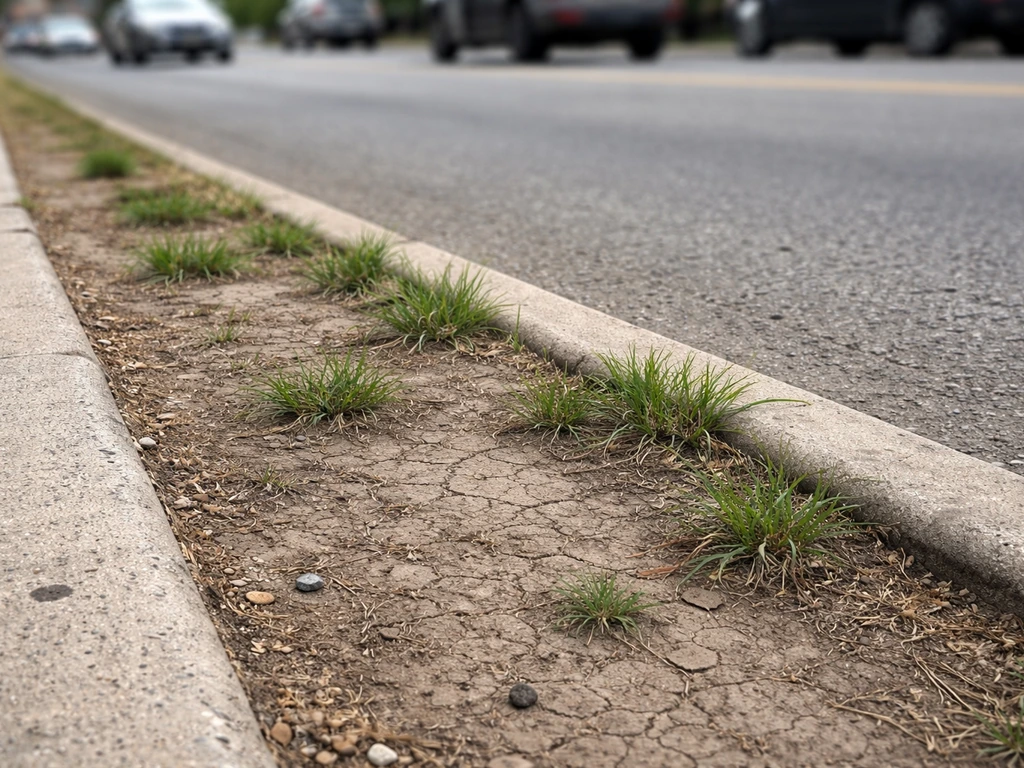
Grass Doesn’t Grow on a Busy Street Meaning and Fixes
Meaning of grass doesn’t grow on a busy street and fixes for traffic, compacted soil, salt, shade, heat, and setup.
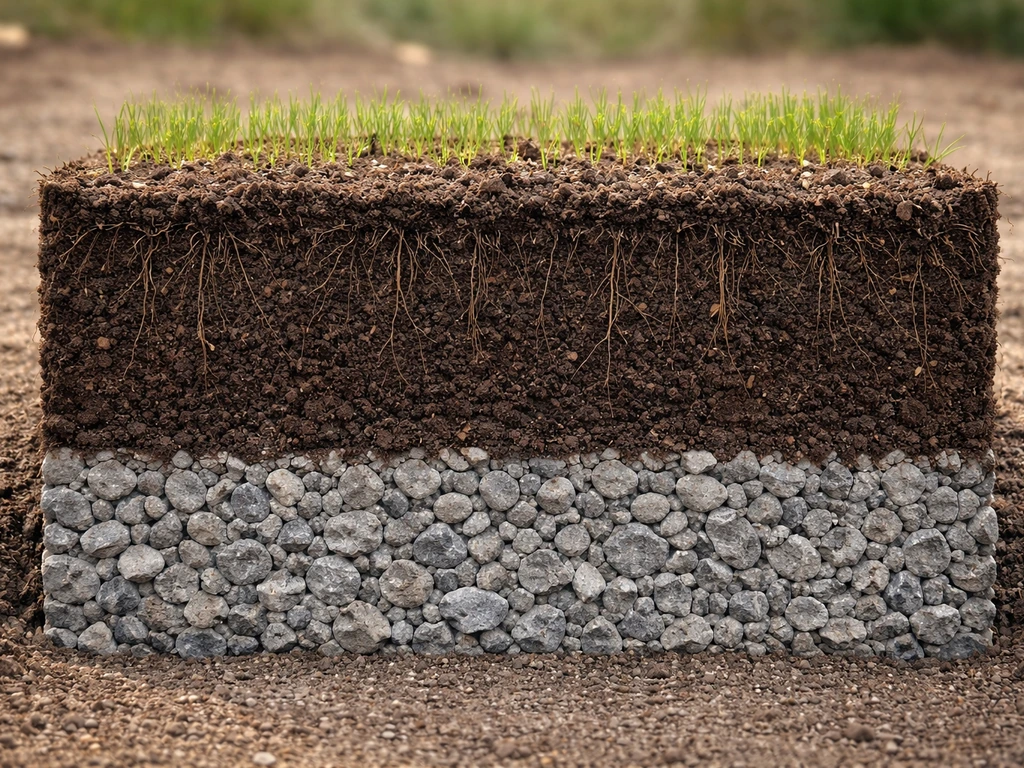
Can You Grow Grass Over Gravel? How to Do It Right
Learn when you can grow grass over gravel and follow a step-by-step method for soil depth, drainage, seeding or sod, and