
Yes, patchy growth is completely normal for new grass, especially in the first two to three weeks after seeding. Damping-off, which affects newly seeded or newly emerged seedlings, can cause poor establishment and sparse, failing patches even when watering seems correct Damping Off. Almost every lawn I've seen come in from scratch has had some uneven spots early on. The real question is whether the patchiness is just normal staggered germination that will fill in on its own, or whether something specific is working against you that needs fixing now. That faster or slower growth can come down to differences in germination timing, soil contact, and moisture in each patch why do some patches of grass grow faster. Most of the time it's fixable, but you need to diagnose the actual cause rather than just watering more and hoping.
Is It Normal for New Grass to Grow in Patches?
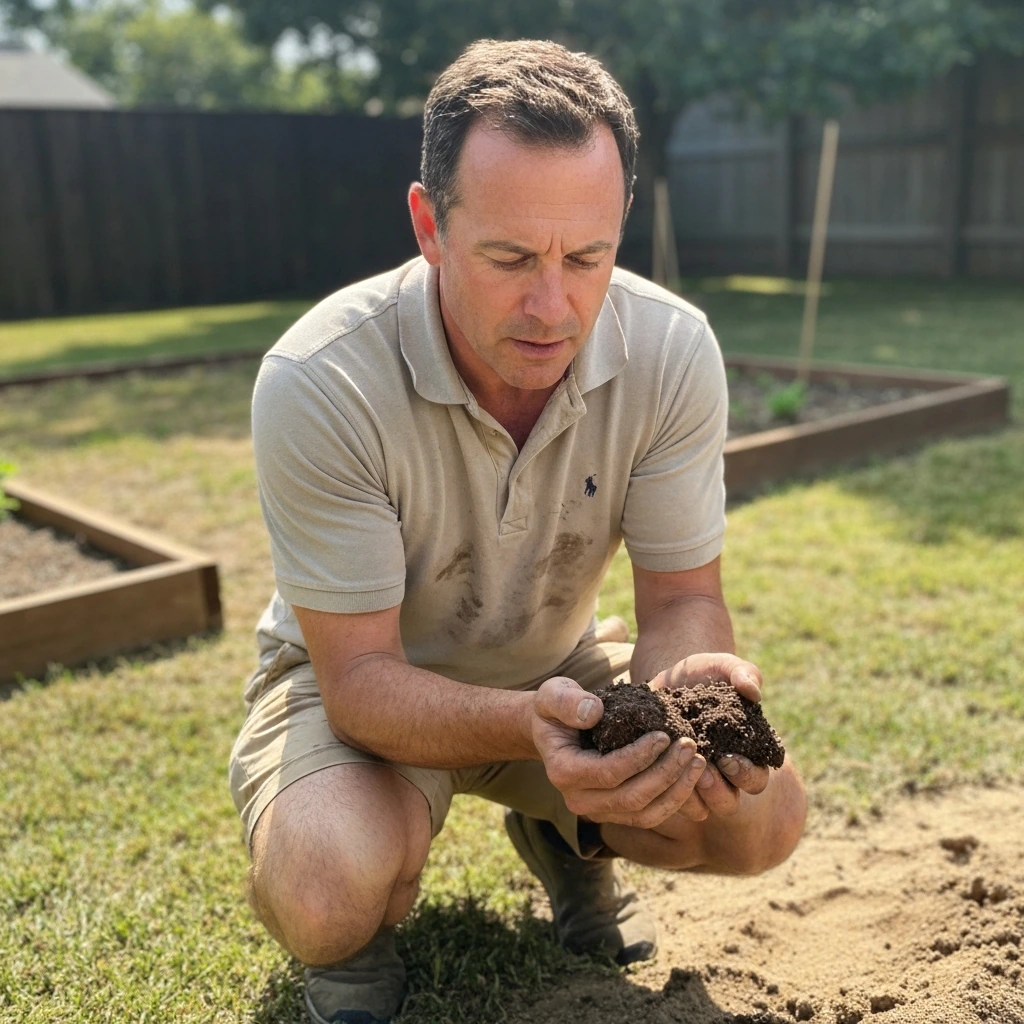
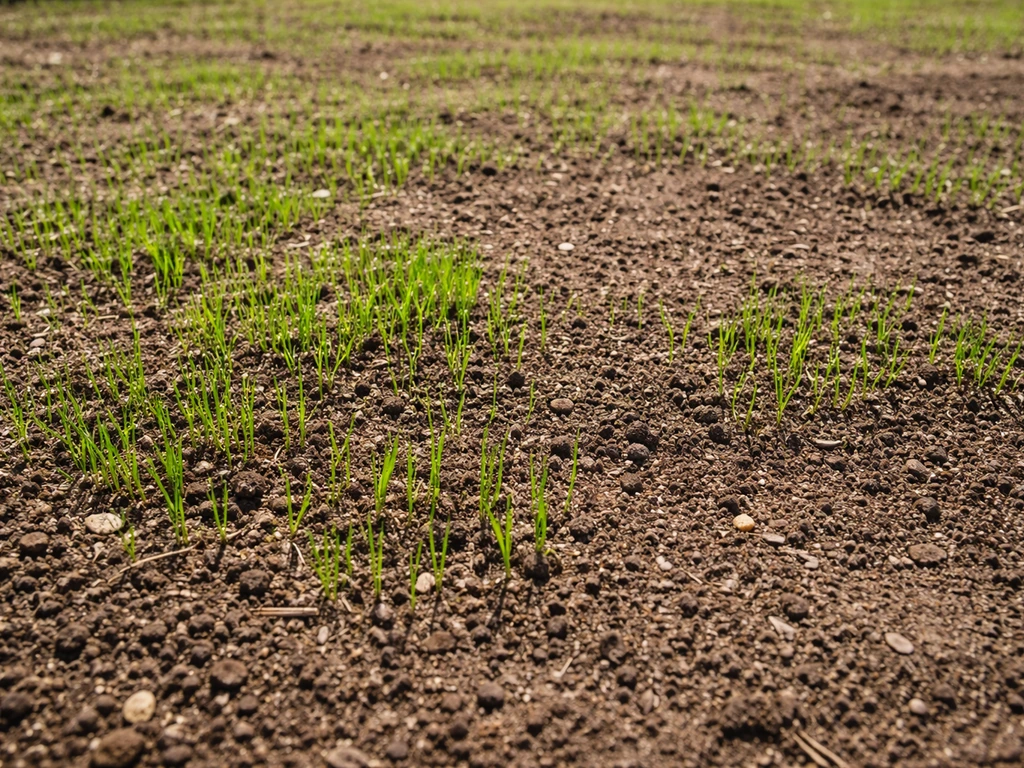
What to expect in the first few weeks (and what's actually normal)
Under good conditions, you should see a green cast on the soil surface roughly 7 to 10 days after seeding. Full germination across the whole area typically takes about four to six weeks, and that timeline assumes consistent moisture, decent seed-to-soil contact, and reasonable temperatures. Sod moves faster since the grass plant already exists and only roots need to establish, usually three to four weeks. During that four-to-six-week window for seed, it's completely normal for some areas to look great while others still look like bare dirt. Different micro-conditions across even a small lawn, slight shade, minor elevation changes, soil texture variation, mean seeds germinate at slightly different rates in different spots.
What's not normal is seeing zero progress in certain patches after three or four weeks, or watching seedlings emerge and then die off in specific areas. That's the signal to investigate rather than wait. The distinction matters because one situation just needs patience, while the other needs action.
The main reasons new grass comes in patchy
Poor seed-to-soil contact
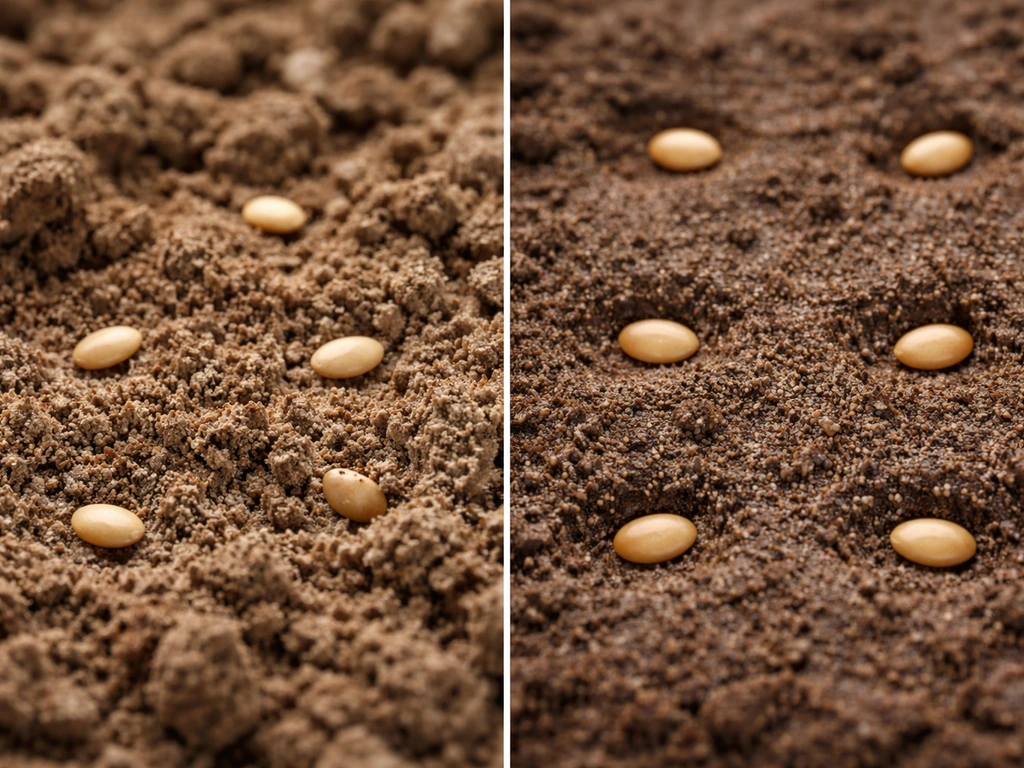
This is the single most common cause I see, and it's almost always avoidable. When seed sits on top of loose, fluffy soil or on top of existing thatch without actually touching mineral soil, it can't reliably absorb moisture and germinate. A seed sitting on top just dries out between waterings. The fix during seeding is to rake the seed in to about a quarter inch depth, or use a roller after seeding, or apply a very light topdressing (no more than a quarter inch of compost or topsoil over the seed). If you skipped that step, that's likely your primary culprit.
Uneven watering coverage
During germination, the seedbed needs to stay consistently moist, not soaked, to a depth of about one to two inches. The typical recommendation is several light waterings per day, sometimes four to five short sessions, rather than one heavy soak. The problem is that sprinkler heads have coverage gaps, wind drifts water, and low spots get too wet while high spots dry out fast. If you walk the area and find dry, crusty soil in the patchy spots, that's your answer. Even a few hours of dryness after a seed has started to swell but before the root anchors can kill that seedling permanently, which is what creates those defined bare patches.
Uneven seed coverage at application
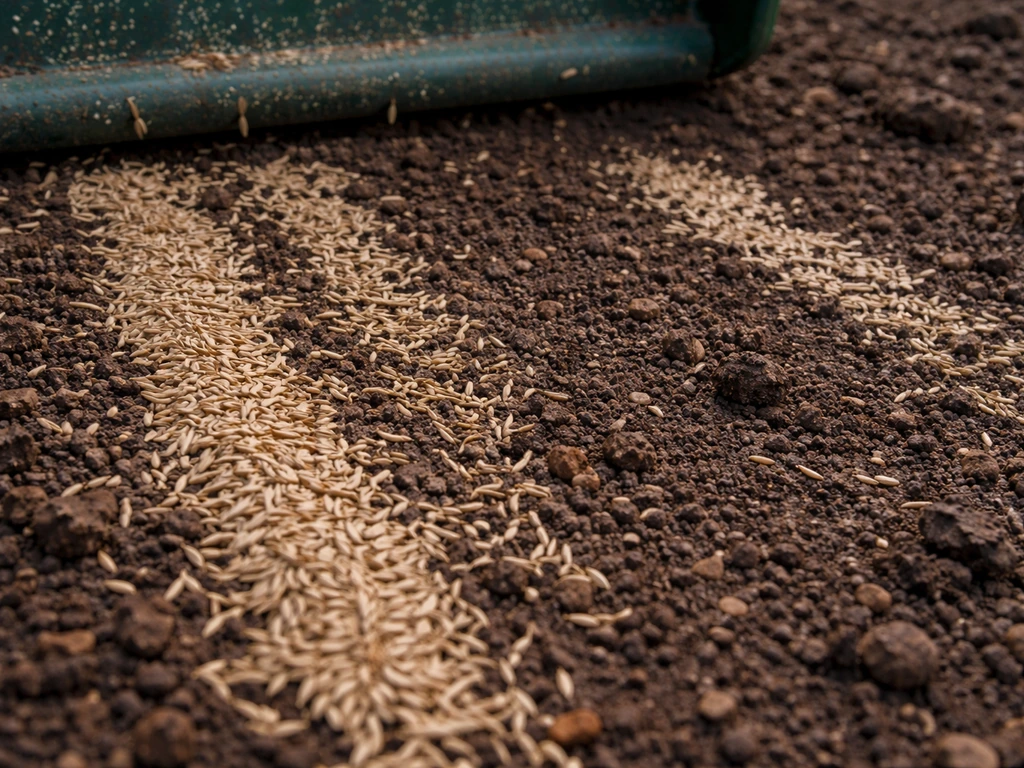
Spreader overlap, skipped rows, or seeding in windy conditions all create inconsistent seed distribution. Uniform seed distribution is one of the fundamentals of good establishment, and if you had gaps in your seeding pattern, those gaps show up exactly as bare patches three weeks later. This is especially common when using a hand-broadcast spreader on large areas.
Timing and temperature issues
Seeding at the wrong time for your grass type creates uneven establishment because different seeds germinate at different soil temperatures. Cool-season grasses like tall fescue and Kentucky bluegrass germinate best with soil temps around 50 to 65°F. Warm-season grasses like bermuda and zoysia want soil temperatures above 65 to 70°F. If you seeded when temperatures were marginal, some areas with better sun exposure and warmer soil may have germinated while shadier, cooler spots lagged significantly. On top of that, seeding in late spring or early summer increases weed competition, which can crowd out slow-germinating patches.
Why some patches grow longer or faster than others
If certain patches of your new lawn are clearly taller or growing faster than surrounding areas, that's a different problem than bare spots, and it has its own causes. The most common ones are uneven soil fertility (areas that received more fertilizer or organic matter grow faster), differences in sunlight exposure, moisture variation (grass near downspouts or in slightly lower spots may grow faster due to more available water), and soil texture differences across the lawn. Compaction also plays a role in a counterintuitive way: heavily compacted areas often have stunted growth, while adjacent non-compacted areas grow at a normal rate, making the contrast obvious. This is closely related to why some lawns develop an uneven or clumping appearance over time.
Quick checks you can do today to find the cause
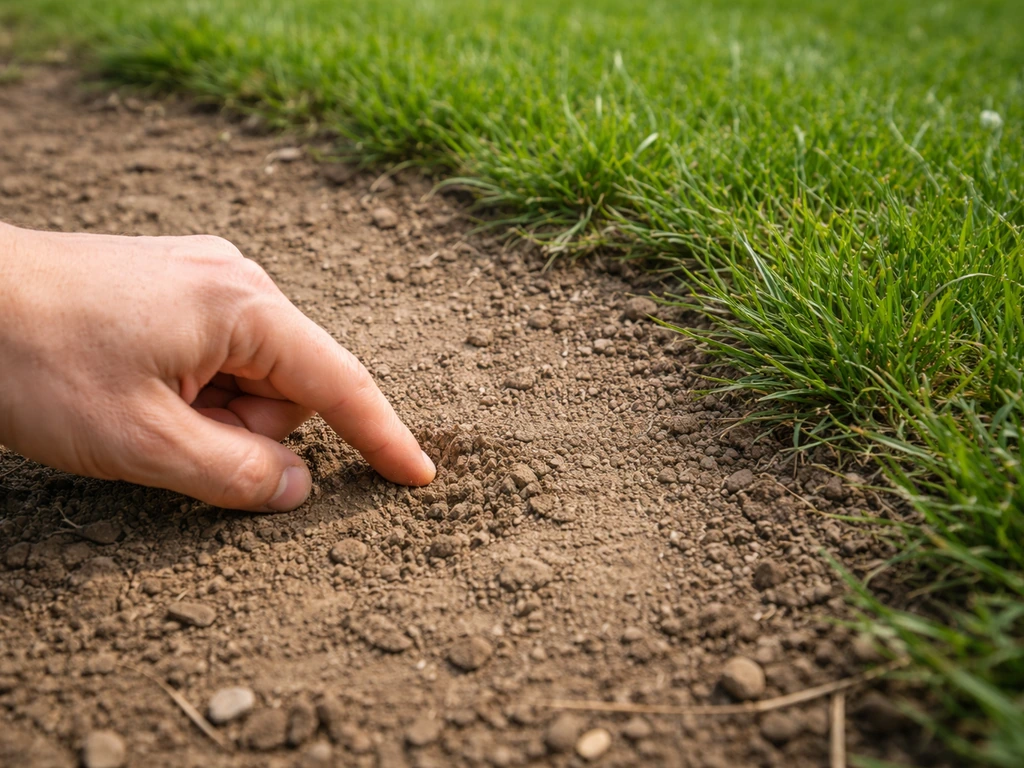
Before you do anything, spend 10 minutes walking the area and looking at your patches with these specific things in mind:
- Check soil moisture in bare patches versus established patches: scratch the surface with your finger. If the bare-patch soil is dry and crusty while established areas feel slightly moist, watering consistency is your problem.
- Look at seed-to-soil contact: can you see seeds sitting on top of the soil surface, or visible on thatch? If yes, poor contact is a major factor.
- Check patch boundaries: if bare patches line up with shade patterns, drainage paths, or where your sprinkler coverage overlaps or misses, that tells you exactly what's driving it.
- Push a screwdriver into the soil in the bare patch. If it's hard to push in, you have compaction, which can create a surface crust that prevents seedling emergence.
- Look at the bare patches closely for seedling remnants: tiny collapsed or brown seedlings in a patch mean the seeds did germinate but died after emergence, which points to drying out or damping-off disease rather than germination failure.
- Check for any pre-emergent herbicide use: if you applied a crabgrass preventer before or during seeding, it may have prevented grass seed germination in treated areas.
What you can do right now to fix it
Fix your watering first
If you're doing one or two long waterings per day, switch immediately to three to five short waterings spread throughout the day. You want the top one to two inches of soil to stay consistently moist without becoming waterlogged. Run your sprinklers and then physically walk the patches to check coverage, because many residential sprinkler setups have dry spots that aren't obvious from a distance. If your sprinkler doesn't reach the bare patches well, hand-water those spots with a gentle spray. One important note: a light misting that only wets the leaf surface without reaching the soil does nothing for germination. You need moisture in the soil, not just on top of it.
Improve seed-to-soil contact in bare areas
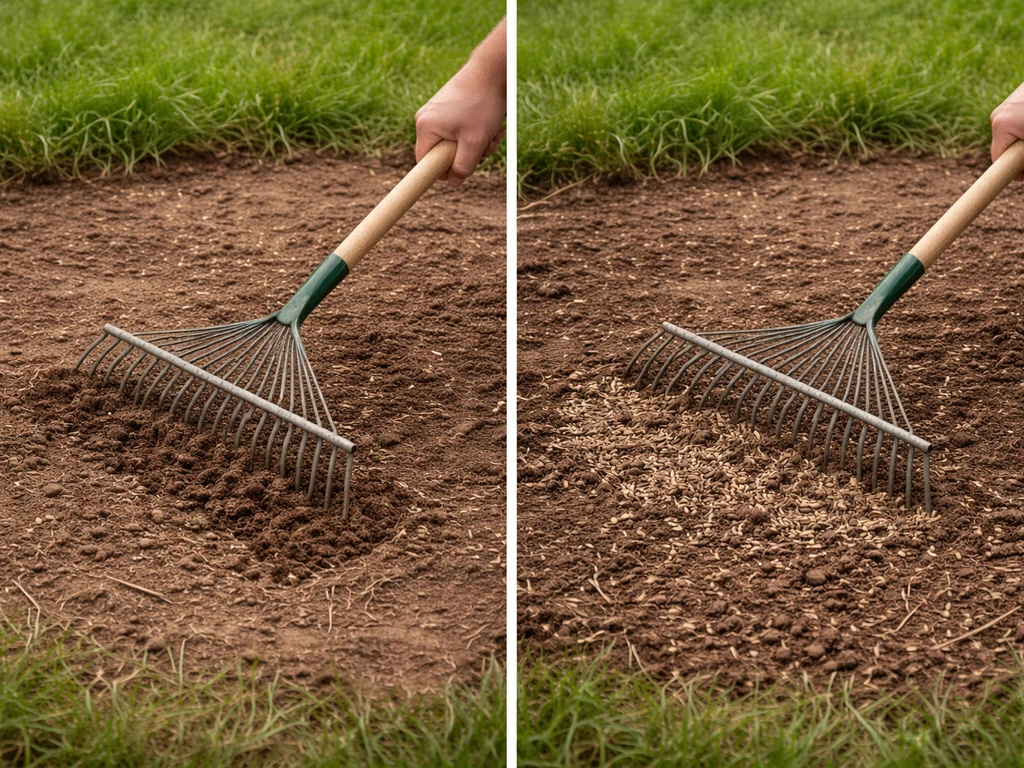
For bare patches where seed didn't establish, loosen the soil surface with a leaf rake or garden rake, apply fresh seed at the appropriate rate for your grass type, and then work it in lightly to about a quarter inch. Follow that with a very light topdressing of compost or topsoil, no thicker than a quarter inch, which helps hold moisture around the seed and improves contact. If you have access to a lawn roller, a light roll after seeding helps too. Don't leave seeds sitting loose on the surface.
Address compaction if you found it
If the screwdriver test revealed hard, compacted soil in your bare patches, core aerating those areas before re-seeding makes a meaningful difference. Compacted soil doesn't just resist root growth; it can form a physical crust less than half an inch thick that seedlings literally cannot push through. Aerating breaks that crust and improves both water infiltration and emergence.
Keep traffic off the area
Foot traffic and pet traffic on newly seeded areas is a much bigger deal than most people realize. Trampoline frames can also create uneven shaded areas and traffic-like compression around the edges, which is why grass can grow better under a trampoline than in the surrounding lawn why does grass grow better under trampoline. Keep people and animals off the area for at least a month after germination, or until the lawn has been mowed at least twice. Footprints displace seed, compress the seedbed, and damage new seedlings before they've rooted. If this has been an issue, fence the area off temporarily.
Deal with weed competition
If weeds are filling in the bare patches before your grass gets a chance, there's not much you can safely apply to a new lawn without harming the grass seedlings. The best short-term approach is hand-pulling weeds in bare patches before they establish, and making sure your grass is getting the starter fertilizer support it needs. Penn State Extension recommends applying starter fertilizer with nitrogen, phosphorus, and potassium just before or right after seeding. OSU notes an application of 1.5 to 2 lb of nitrogen per 1,000 sq ft at planting using a complete fertilizer helps push establishment. A well-fed grass seedling outcompetes weeds more effectively than a nutrient-stressed one.
How to patch-seed or overseed for the best fill-in
If you're past the initial establishment window and have defined bare patches, patch-seeding is the right move. Here's how to do it in a way that actually works:
- Time it right: for cool-season grasses, late summer to early fall (late August through September) is the best seeding window because soil is warm, air temperatures are cooling, and weed competition is lower. Spring is a second-choice option. Avoid seeding cool-season grasses in the heat of summer.
- Prep the soil first: rake out dead material, loosen the top inch of soil with a rake or garden fork, and address any obvious drainage or compaction problems before seeding.
- Seed at the right rate: use the manufacturer's recommended rate for new lawn establishment (not the overseeding rate, which is lower). For most cool-season grass mixes, that's typically 4 to 8 lbs per 1,000 sq ft depending on species.
- Work the seed in: don't just broadcast seed on top. Rake it in to about a quarter inch and apply a light topdressing if you have it.
- Apply starter fertilizer: put down a starter fertilizer at seeding to support early root and shoot development.
- Water consistently: switch to multiple light waterings per day and keep that schedule for at least two to three weeks until germination is well underway.
- Protect the area: flag or fence it to keep foot traffic and pets out for at least four to six weeks.
One mistake that keeps causing repeat patches: people overseed too lightly or at too low a rate, thinking they're 'filling in' bare spots, but end up with thin coverage that leaves gaps for weeds to fill. If you're patching a bare area, seed it at the full new lawn rate, not a light overseeding rate.
When patchiness isn't a simple fix
Some causes of persistent patchy growth aren't solved by better watering or reseeding, and it's worth knowing when you're dealing with one of those situations.
| Problem | Signs | What to Do |
|---|---|---|
| Shade from trees or structures | Patches align exactly with shade patterns; grass thins or dies repeatedly in same spots | Switch to a shade-tolerant grass variety, or accept ground cover/mulch in deep shade areas where grass simply won't establish |
| Chronic drainage problems | Patches are consistently wet or standing water appears after rain; soil stays soggy for days | Address grading and drainage before reseeding; re-seeding without fixing drainage just repeats the failure |
| Damping-off disease | Seeds germinated but tiny seedlings collapsed and died in specific patches; no obvious watering problem | Improve air circulation, avoid overwatering, ensure good drainage; cultural controls are primary since fungicides are rarely practical for home use |
| Lawn grubs or soil pests | Patches can be pulled up like loose carpet; birds or skunks digging in specific areas | Identify grub species and treat appropriately before reseeding; reseeding without grub control will fail again |
| Pre-emergent herbicide residue | Patches align with treated areas; seeds fail to germinate at all despite good moisture and contact | Wait out the herbicide's residual period (varies by product) before attempting to reseed affected areas |
| Sandy or severely nutrient-poor soil | Grass establishes weakly or thinly across the whole area, not just patches; soil has almost no organic matter | Amend with compost before reseeding; sandy soils dry out far faster than loam, making consistent moisture nearly impossible without organic matter to hold water |
If you've reseeded the same spots two or three times with correct technique and they keep failing, that's the signal to stop and figure out whether there's a persistent underlying cause before spending more money on seed. Shade and drainage are the two most common persistent culprits I see. A patch of lawn under a dense tree canopy is going to fail repeatedly no matter how well you seed it, because the fundamental growing conditions aren't there. That's a situation where alternatives, like shade-tolerant ground covers or mulch, make more practical sense than a fourth round of grass seed.
Similarly, if you notice that certain patches consistently grow faster or differently than the rest of the lawn even after establishment, it often points to underlying soil variation or localized nutrient differences rather than a seeding problem. Soil variation and localized nutrient differences can also explain why your grass grows uneven even after the lawn initially fills in uneven growth pattern. That kind of uneven growth pattern tends to persist and is worth investigating at the soil level rather than just mowing it down repeatedly.
FAQ
How long should I wait before I decide the patches are not “normal” staggered germination?
If you see some green showing by about 7 to 10 days but areas remain bare dirt with no visible progress by 3 to 4 weeks, treat it as a diagnosis moment. After that point, the odds that it will self-correct drop, and you should check soil contact, moisture history, and whether traffic or compaction affected those spots.
What’s the fastest way to tell if my watering is reaching the seedbed, not just the grass blades?
After watering, walk the patch and dig a small plug with a trowel. The goal is consistently moist soil about 1 to 2 inches deep, not damp leaf surfaces with dry soil underneath. If the top looks wet but the lower seed zone feels dry or crusty, adjust run time, frequency, or sprinkler coverage.
Can I fix patchy areas by mowing early to “encourage” thicker growth?
Usually no. Mowing too early can stress seedlings and slow establishment, especially if patches are already behind. Wait until most of the lawn has germinated enough that you can mow at the recommended height for your grass type, then mow with a sharp blade to avoid pulling out weak seedlings.
My patchy spots are greener but thinner, not bare. Is that still a seeding-contact problem?
It could be, but it often points to uneven fertility, sunlight, or moisture rather than total seed failure. If seedlings are present yet sparse, check whether those areas received less seed due to distribution gaps or whether the soil is more compacted or less fertile there. A screwdriver test can quickly confirm whether contact is limited by a crust or compaction layer.
Should I overseed with extra seed on bare patches, or use full-rate patch seeding only?
For defined bare areas that did not establish, patch-seed at the full new-lawn rate rather than a light “top up.” Light overseeding often produces thin coverage that stays patchy long enough for weeds to claim the space.
Is it normal for seed to look like it “sprouted” and then disappeared?
It can happen when moisture fluctuates during the critical window right after swelling begins. If seedlings emerge and die back in the same zones, that pattern often indicates brief dry spells or waterlogging cycles that killed them before roots anchored. The fix is tighter irrigation consistency and reseeding only after you correct the cause.
Will fertilizer help fill in patchy areas faster?
Starter fertilizer supports establishment, but it will not compensate for missing germination due to poor seed-to-soil contact or incorrect moisture. Use starter fertilizer as directed around seeding for new seedlings, then focus patch work on loosening, re-seeding at proper depth, and improving watering coverage first.
How do I know if compaction is the real reason those patches keep failing after re-seeding?
If the soil feels hard to penetrate, forms a crust, or you can see a shallow hard layer less than about half an inch thick, reseeding alone usually fails. Core aeration in just those zones can restore rooting pathways and improve infiltration, then you can re-seed with the same area corrected.
What should I do if my patches get lots of weeds before the grass fills in?
Hand-pull weeds in the bare zones while the grass is still establishing, and avoid broad herbicide plans unless you confirm safe timing and label guidance for your grass stage. In the short term, give the grass the right starter support and keep the seed zone consistently moist so the grass can outcompete stressed weeds.
Are shaded patches ever “unsavable,” or can they be fixed with different seed?
Dense shade under trees is one of the most common persistent culprits, and repeating re-seeding often won’t change the underlying light limit. If you repeatedly fail in the same shade area even with correct technique, consider shade-tolerant alternatives, more practical ground covers, or mulched approaches rather than continuing with standard lawn grass.
What’s one common mistake that makes sprinkler coverage look fine from a distance but still leaves dry patches?
Spotty coverage from sprinkler head gaps or wind drift. Many lawns look uniformly damp at the surface while the seed zone still dries out between cycles. Run the system, then physically check the bare patches, and hand-water those spots with a gentle spray that wets the soil, not just the leaves.
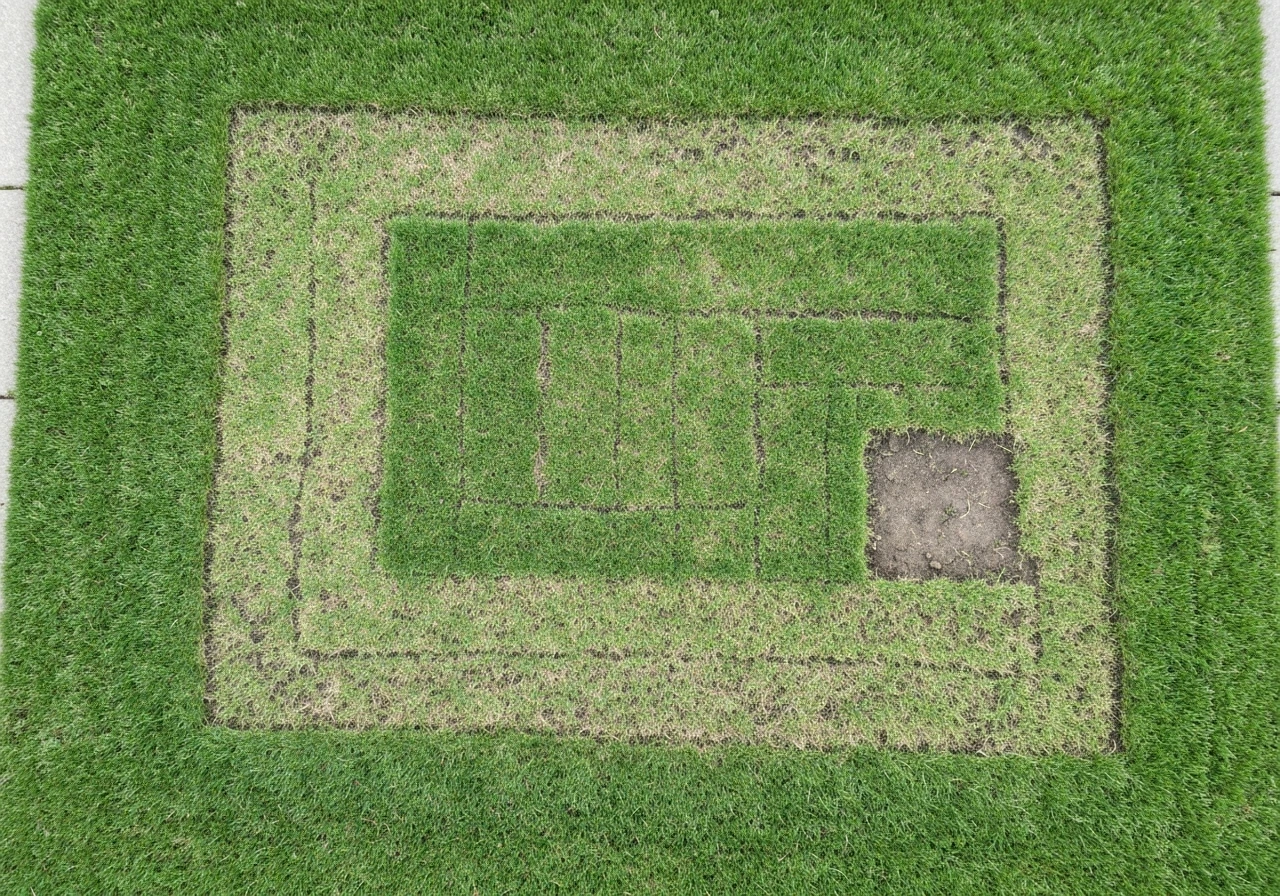
Learn why grass grows in patches and get quick fixes for watering, soil, shade, drainage, and reseeding to even it out.
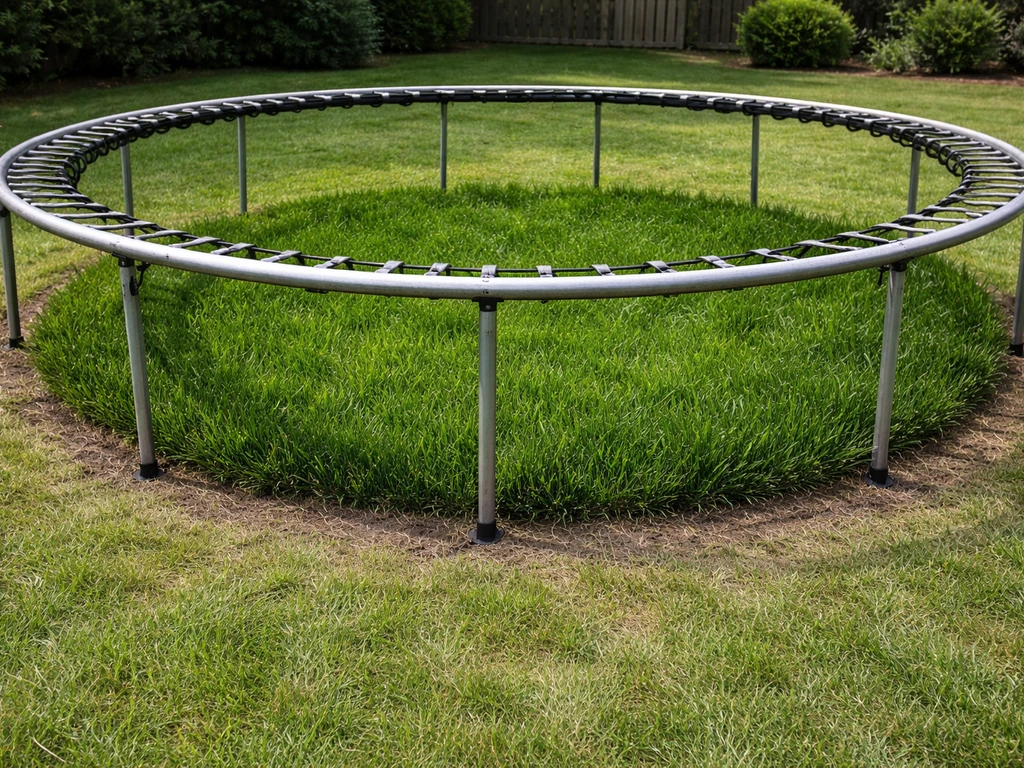
Learn why grass under a trampoline grows better and get step-by-step tips to prep, seed, water, and repair turf.
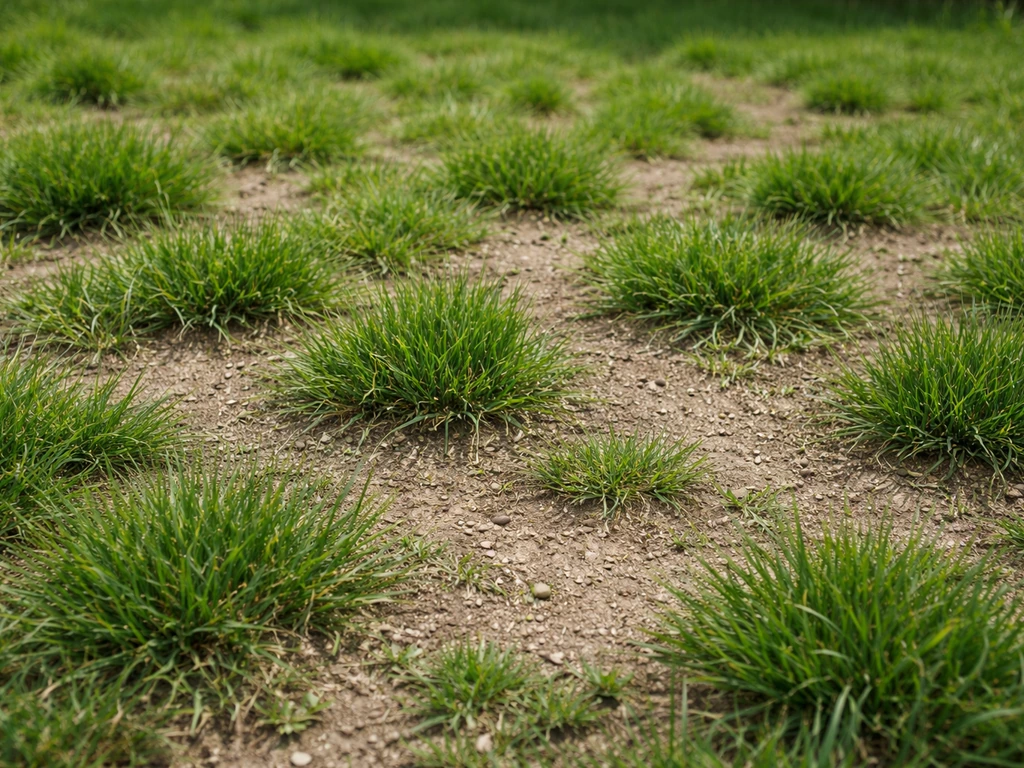
Learn why grass grows in clumps and how to diagnose poor soil, shade, watering, species, and thatch, then fix it.