You do not automatically need to add topsoil to grow grass. If your existing soil is at a decent depth (at least 4 to 6 inches), drains reasonably well, and isn't completely compacted or depleted, you can seed or sod right into it after some basic prep. Topsoil becomes necessary when your current soil is too shallow, too sandy, badly compacted, eroded, or missing enough organic matter to hold water and nutrients. In those cases, adding topsoil or a good compost blend makes the difference between a lawn that takes and one that sputters out by midsummer.
Do You Need Topsoil to Grow Grass? Soil Depth Guide
Marcus Volkmann
9 Jun 2026
What "topsoil" actually means (and what grade and depth matter)
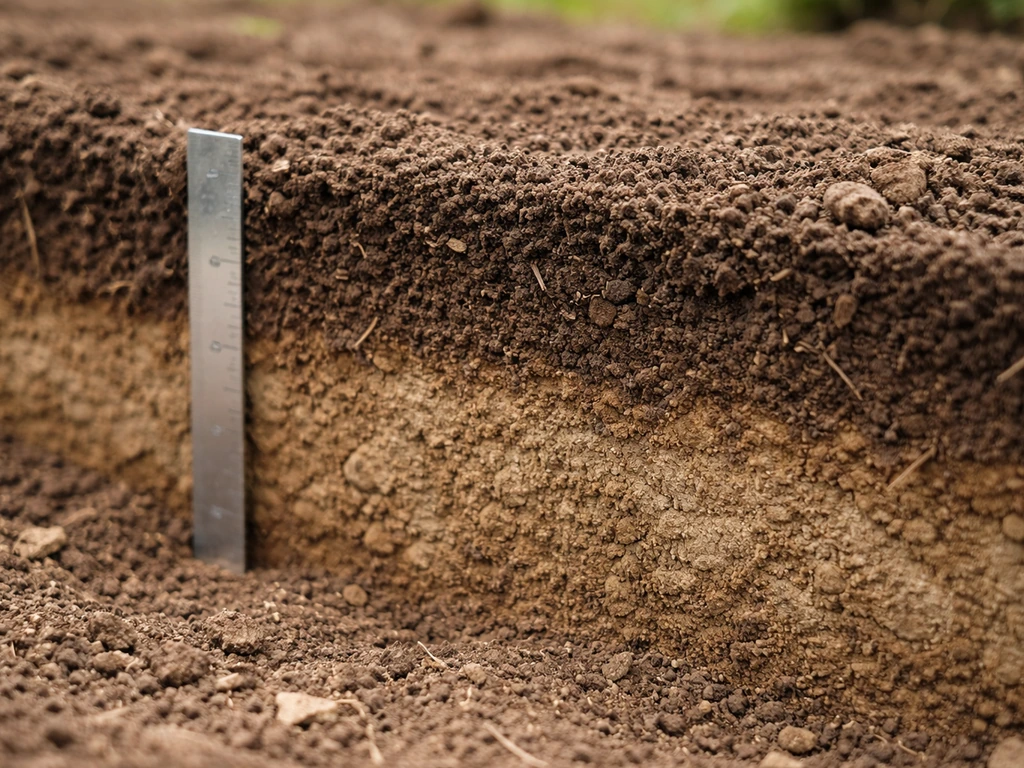
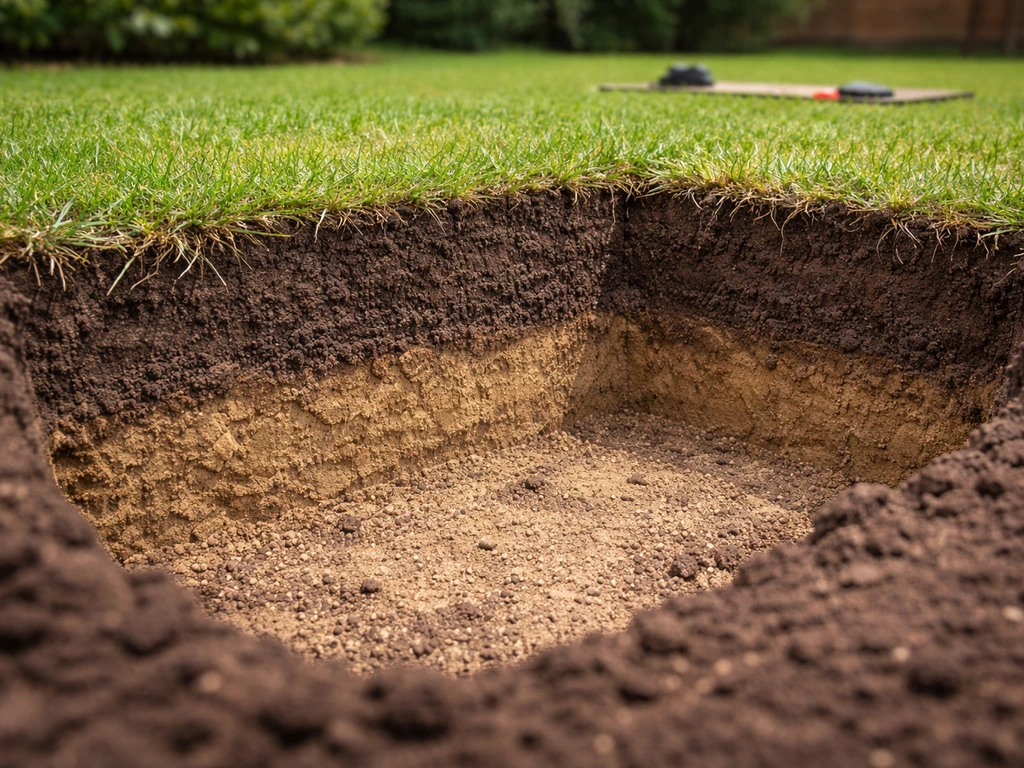
"Topsoil" gets thrown around loosely, and that causes a lot of confusion. In the strictest sense, topsoil is just the upper layer of native ground soil, typically the top 2 to 8 inches, where most organic matter and biological activity live. But when you buy it by the bag or the truckload, quality varies wildly. Cheap bulk topsoil can be mostly subsoil, fill dirt, or clay-heavy material that compacts easily and drains poorly. Good topsoil for lawn use should have visible organic matter, a loose crumbly texture, and a dark color. If it smells musty or looks gray and dense, pass on it.
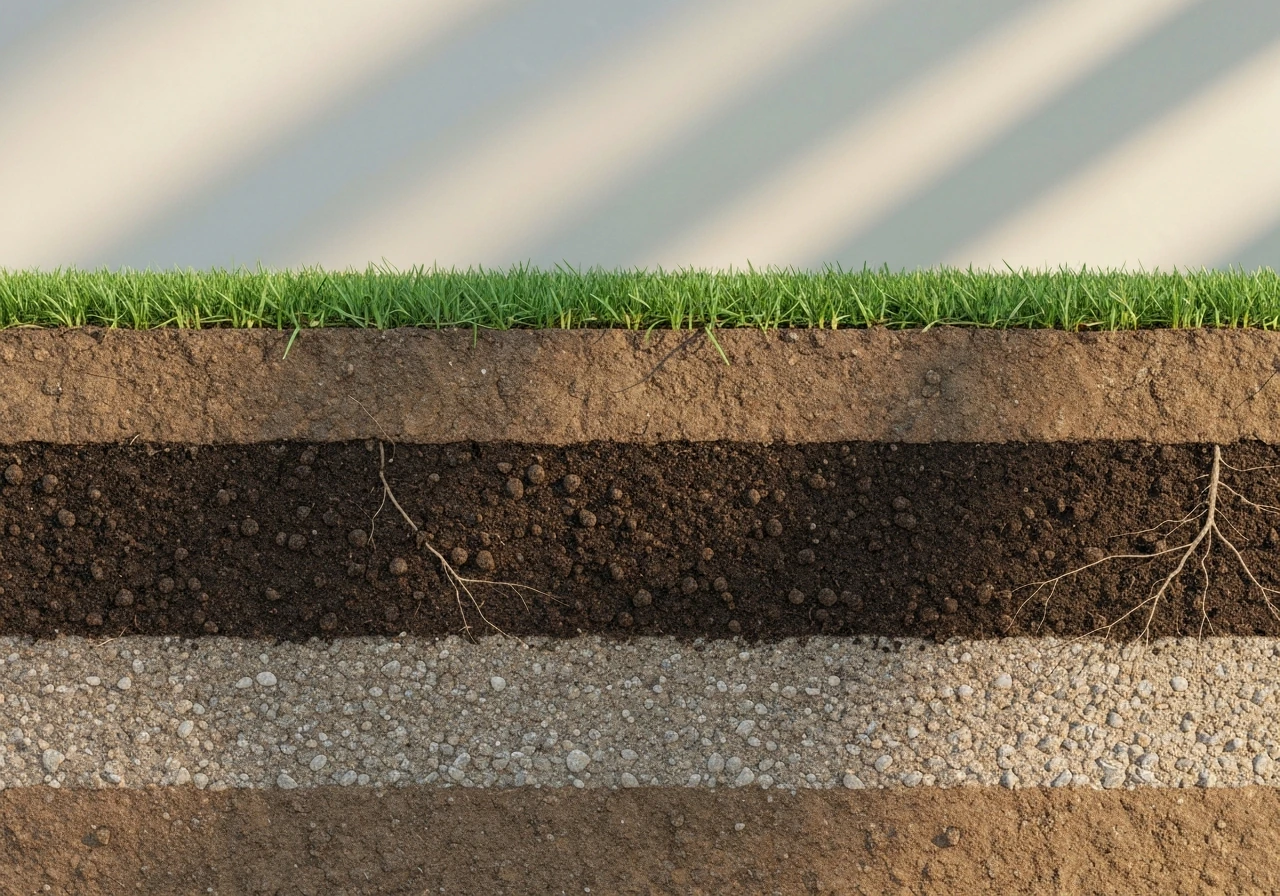
For growing grass, the depth of workable soil matters more than whether it's labeled topsoil. If you’re wondering what grass needs to grow, start with soil depth, moisture, and drainage before you choose seed or sod depth of workable soil matters. Grass roots for most common lawn species need at least 4 to 6 inches of loose, nutrient-present soil to establish well. A common way to think about this is whether you have enough workable, loose soil depth for grass roots to establish 4 to 6 inches of loose, nutrient-present soil. If you're wondering how much soil grass needs to grow, focus on giving the roots at least 4 to 6 inches of loose, nutrient-rich soil to establish well. Deeper is better for drought tolerance, but you can get a functional lawn with 4 inches if the soil structure is right. When University of Maryland Extension recommends adding just 1/4 to 1/2 inch of topsoil or compost over newly sown seed, they're not talking about building a soil profile from scratch. They're talking about a light cover to protect seed and retain moisture, not a foundation layer. Those are two completely different jobs.
When you can skip adding topsoil
If your native soil is in decent shape, you genuinely don't need to haul in topsoil. Here's how to check before you spend money.
- Dig down 6 inches. If the soil is workable, not rock-hard or pure clay, and doesn't look like solid subsoil (gray, orange, or rocky), you're likely in good shape.
- Do the drainage test: pour a bucket of water in the area and watch. If it soaks in within 10 to 15 minutes, drainage is fine. If it puddles for 30 minutes or more, you have a drainage or compaction problem.
- Check for organic matter. Grab a handful of your soil. Good topsoil has a slight earthy smell and feels somewhat loose. Soil that feels like powder or clumps into hard chunks needs amendment, not replacement.
- Get a soil test. University of Minnesota Extension specifically recommends a soil test before seeding or sodding. Most county extension offices process them for $15 to $25 and tell you exactly what your pH and nutrient levels look like. This takes the guesswork out entirely.
If those checks come back reasonable, skip the topsoil import. Till or loosen the top 4 to 6 inches, add compost if needed, and get to seeding. You'll save money and avoid the risk of creating drainage mismatches between an imported topsoil layer and your native soil underneath.
When you should add topsoil (signs your current soil won't cut it)
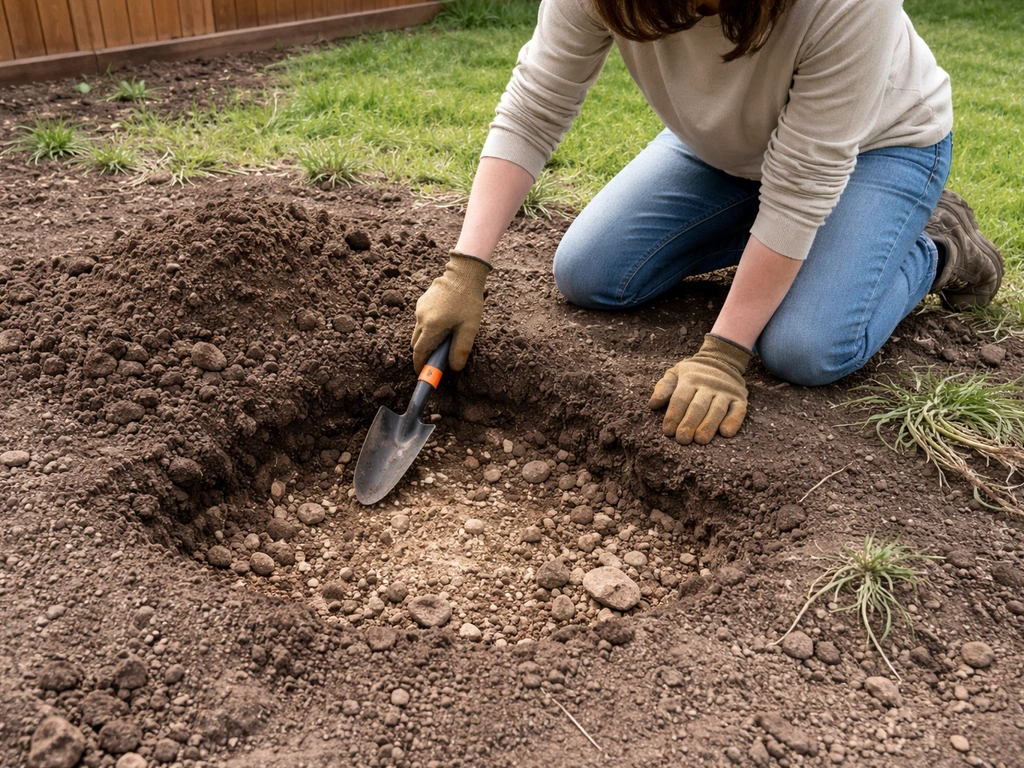
There are real situations where skipping topsoil means you're setting yourself up for failure. Here are the clearest warning signs.
- Shallow soil depth: If you hit hardpan, rock, or compacted subsoil at less than 3 to 4 inches, grass roots won't have room to establish. You need to either break up the hardpan or add topsoil to build depth.
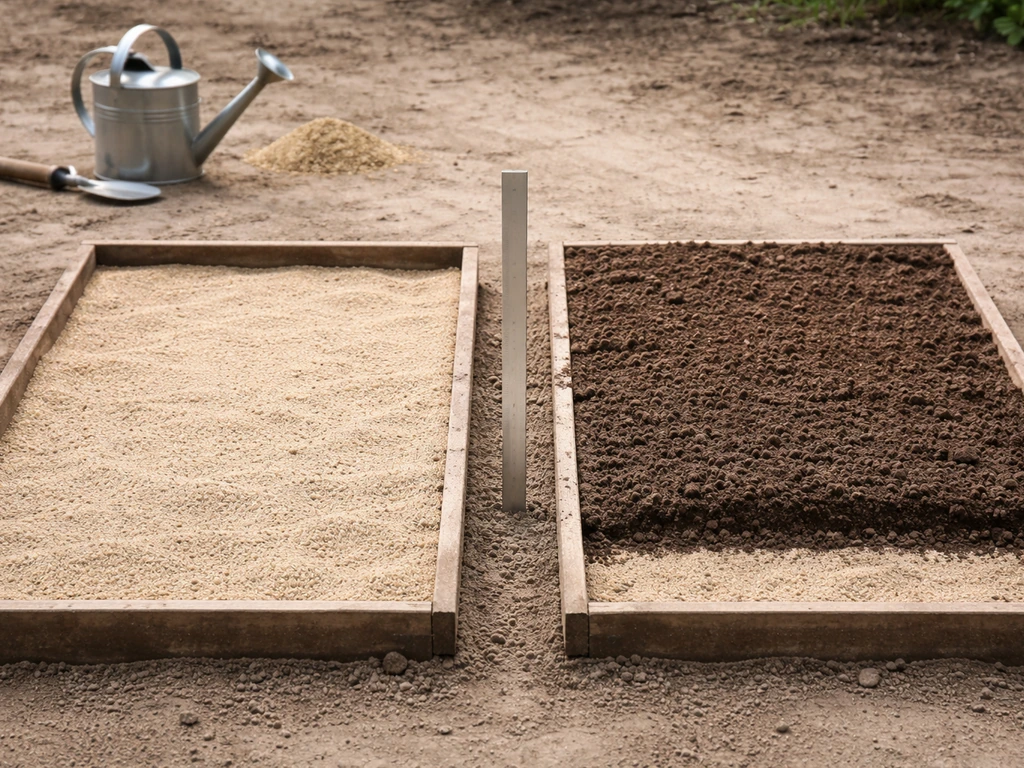
- Sandy or gravelly base: Sand drains so fast it can't hold moisture or nutrients long enough for grass to use them. Sites with mostly sandy substrate typically need 4 to 6 inches of amended topsoil or a compost-blended mix on top to function. (This ties closely to how much topsoil over sand matters, which depends on grass species and your climate.)
- Severely compacted soil: Soil that's been used as a construction staging area or driven over repeatedly is often compacted beyond simple tilling. Grass seeds germinate but roots can't penetrate, causing thin, patchy results that look like a watering problem when it's actually a structural one.
- Eroded or graded areas: After grading or land disturbance, the native topsoil is often gone, leaving only subsoil exposed. This is exactly the scenario University of Maryland Extension identifies as the right time to import good topsoil.
- Low spots and grade problems: Low areas that hold water need topsoil to fill and re-grade before you grow anything. Adding seed to a low spot without leveling it first just creates a wet, muddy patch where grass rots.
Soil prep essentials before you plant anything
Whether or not you add topsoil, the prep steps matter more than most people realize. Skipping them is why a lot of DIY lawn projects fail in the first season.
Grade and level first
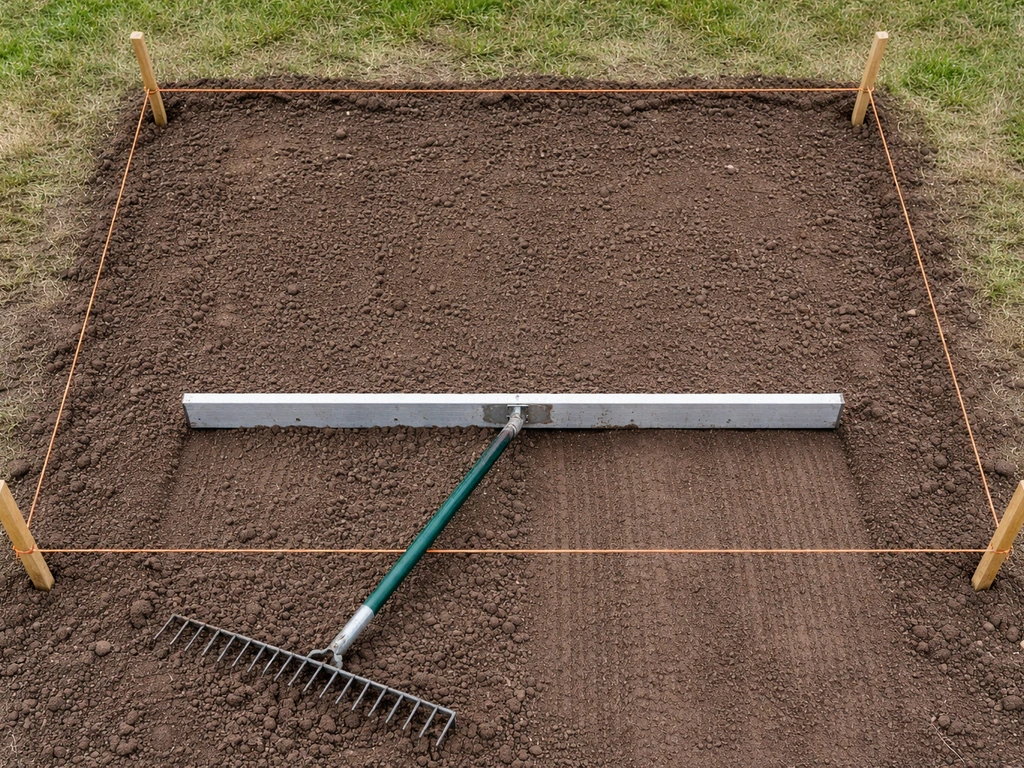
Penn State Extension recommends setting grade stakes marked for both the desired final grade and the depth of topsoil before you do anything else. This isn't just for contractors. Even in a backyard, knowing your target elevation helps you avoid creating new low spots when you rake or till. Slope should run away from your house foundation at roughly 2% grade (about 2 inches of drop for every 10 feet of run). Fill low spots with good topsoil before seeding, not after.
Deal with compaction
For mild compaction, a core aerator run over the area once or twice opens the soil enough for seed-to-soil contact and root penetration. For severe compaction, rototilling to 4 to 6 inches is more effective. If you're adding topsoil over compacted ground, till the existing soil first so the layers bind rather than sit separately. A clean topsoil layer sitting on top of hard native soil creates a perched water table situation where water pools at the interface and drowns roots.
Fix drainage before anything else
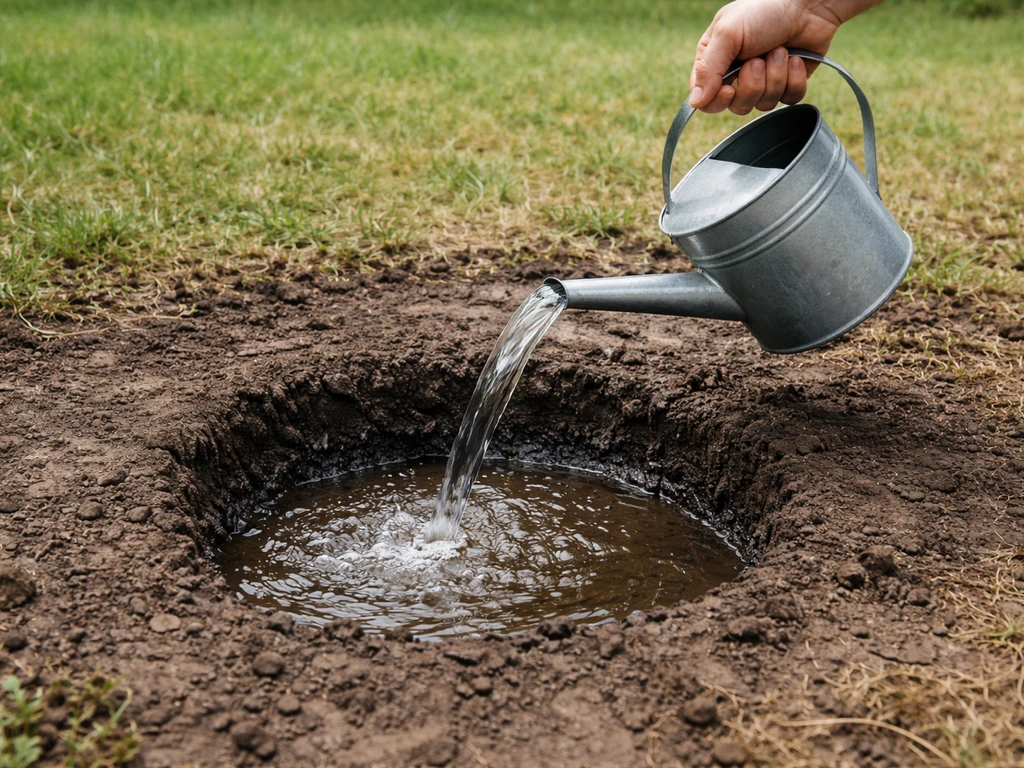
No grass species thrives in waterlogged soil for extended periods. If your drainage test showed slow drainage, address it with grade correction, a French drain, or soil amendment before seeding. Adding compost to clay-heavy soil improves both drainage and aeration. For spots that stay wet seasonally, consider whether grass is even the right plant. Some shade and low-drainage areas are genuinely better served by alternatives.
What to use instead of topsoil (and how much)
You have real options beyond buying bulk topsoil, and in many cases they work better. Here's a practical comparison.
| Material | Best Use | Application Depth | Notes |
|---|---|---|---|
| Finished compost | Amending existing soil, topdressing over seed | 1 to 2 inches worked in, or 1/4 inch as seed cover | Improves both drainage and water retention. University of Maryland Extension approves 1/4 inch over seed. |
| Blended topsoil (topsoil + compost mix) | Building depth in shallow or eroded areas | 4 to 6 inches for new lawn base | More consistent than straight bulk topsoil. Better structure. |
| Straight bulk topsoil | Filling low spots, grade correction | As needed for grade, then till into existing soil | Quality varies widely. Test before purchasing large amounts. |
| Compost-sand blend | Improving sandy substrates, leveling | 1 to 2 inches worked in | Useful for sandy lawns needing better water retention. |
| Peat moss | Seed cover or soil lightener in small areas | 1/4 inch max as seed cover | Expensive for large areas. Can acidify soil over time. |
For topdressing an existing lawn or covering freshly sown seed, keep the layer at 1/2 inch or less. If you are putting any topsoil or compost over sand to help grass root, aim for a light layer first and stay within the recommended topdressing depth topsoil over sand to grow grass. Penn State-related guidance on topdressing is clear: more than 1/2 inch of material over turf crowns can smother the grass rather than help it. Thicker applications are for building a new base before you plant, not covering existing or newly sown turf.
If your soil test shows specific nutrient gaps, those are best addressed with targeted amendments (lime for low pH, sulfur for high pH, fertilizer for nitrogen deficiency) rather than hoping a new topsoil layer fixes everything. Topsoil adds physical structure and some organic matter, but it's not a substitute for proper nutrition. Grass needs much more than just a growing medium, and understanding the full picture of what nutrients grass requires helps you avoid over-relying on topsoil as a cure-all.
Seeding vs. sod: which makes sense based on your soil situation
Your soil condition right now should drive this decision as much as your budget does. Here's how to think through it.
Choose seeding if:
- Your soil is workable but needs amendment. Seed tolerates imperfect soil better than sod because it's establishing roots from scratch rather than trying to knit existing roots into a foreign soil.
- You're working with compost-amended or lightly improved native soil that passed the drainage and depth checks.
- You have time. Seeding on a good soil base in the right season (early fall for cool-season grasses, late spring for warm-season) with 1/4 to 1/2 inch of compost or topsoil cover will get you a solid lawn. It just takes 6 to 12 weeks before you have real coverage.
- You're on a budget. Seed plus compost amendment costs a fraction of sod for the same area.
Choose sod if:
- You've added topsoil or a topsoil blend to build a proper 4 to 6 inch base and you want faster coverage. Sod needs a firm, level base to knit roots quickly, so the soil prep has to be right.
- You have erosion risk. Sod stabilizes slopes and bare soil immediately. Seeded areas on slopes need erosion control blankets or mulch to hold seed in place.
- You're working on a high-traffic area and need functional turf fast. Sod can be walked on lightly in 2 to 3 weeks versus 8 to 12 weeks for seed.
- Your soil is in great shape. Sod rewards good soil prep more directly than seed does, because the sod's existing root system needs a receptive soil to grow into immediately.
The honest bottom line: if you're not sure whether to seed or sod, do your soil prep first (test, amend, level, address drainage), then decide. Both methods require the same soil foundation. The difference is timing and cost, not which one "needs" topsoil more. Good soil prep makes either choice work. Skipping soil prep makes both harder than they need to be.
FAQ
Can I seed directly into clay soil without adding topsoil?
Yes, if the clay drains well and you can loosen the top 4 to 6 inches. If water sits after rain, fix drainage first (regrade, aerate, add compost, or use a drain). Adding topsoil on top of poorly draining clay often creates a water-logged layer at the interface, which slows rooting.
What’s the difference between “topsoil” and compost topdressing for grass?
Topsoil is a base soil layer meant to improve rooting depth and texture. Compost topdressing is a thin application meant to protect seed or improve the surface gradually. For newly sown areas, keep compost/topdress thin (about 1/2 inch or less), because thick layers can smother crowns.
Do I need topsoil if I’m sodding, not seeding?
Not automatically. Sod still needs a workable base, typically at least 4 to 6 inches that are loose and able to hold moisture without staying soggy. The key is making sure the grade is correct and the underlying soil supports proper drainage, so the sod can root and not lift or form shallow roots.
How do I tell if my soil has “enough depth” for grass?
Dig test holes in several spots and look for a barrier like hardpan, construction fill, or a dense layer where a shovel cannot penetrate. If you can loosen and maintain at least 4 to 6 inches of workable soil (not just soft top muck), you usually can grow grass without importing topsoil.
Will adding topsoil after seeding help if the lawn is thin?
Usually not if the problem is poor drainage, compaction, or lack of nutrients. After seeding, heavy additions can cover emerging seedlings too much. If you need to topdress, do it lightly and match the layer thickness to your case, then use targeted feeding based on a soil test.
Is it better to mix compost into the soil or add it as a layer on top?
Mixing compost into the loosened root zone helps improve structure and water infiltration where roots need it most. Topdressing works best when used thinly for seed moisture retention or gradual surface improvement. Avoid thick compost layers on existing turf crowns.
What should I do if the imported topsoil is much sandier than my native soil?
That mismatch can cause uneven moisture behavior, roots may dry out faster or water may move differently at the boundary. If you import material, keep it primarily to correcting shallow/eroded areas or as a thin topdressing. For major fixes, it’s often better to loosen and blend into the existing soil rather than stacking layers.
Does a soil test replace the need to check drainage?
No. A soil test tells you pH and nutrient levels, but it won’t reliably show how quickly water leaves the ground. You still need to check drainage by observing how long the soil stays wet after rain, then address grade and compaction before you decide on topsoil.
When is topsoil most likely required?
When the existing surface is too shallow, heavily eroded, missing enough organic matter to hold moisture, or has a hard layer close to the surface that prevents loosening to 4 to 6 inches. If that’s your situation, adding a good-quality top layer or rebuilding the area is usually more effective than trying to “work around” it.
Can I skip topsoil if I core aerate and add compost?
Often yes for mildly compacted areas, as long as you still have sufficient workable depth and drainage is reasonable. Core aeration plus a thin compost topdressing can improve seed-to-soil contact and infiltration, but it won’t fix severe hardpan or situations where you cannot loosen enough depth for roots.
Next Articles
What Grass Needs to Grow: Light, Water, Soil and Seed Tips
Get the exact light, water, soil, pH, and seed setup to help grass germinate and troubleshoot bare patches fast.
How Much Soil Does Grass Need to Grow? Depth and Amount
Find the right soil depth and topsoil amount for new lawns, plus steps to calculate cubic yards for gravel or clay.
How Much Topsoil Over Sand to Grow Grass
Learn how many inches of topsoil over sand (or rocks) to use for seeding or sod, plus prep steps and fixes.