
Grass needs six things to grow: sunlight, water, the right temperature, decent soil, proper seed-to-soil contact, and time. Get all six right and you'll have a lawn. Miss one or two and you'll be staring at bare patches wondering what went wrong. This guide walks through each requirement in plain terms, covers the tough situations where grass struggles, and gives you a clear path forward whether you're starting from scratch or trying to fix a failure.
What Grass Needs to Grow: Light, Water, Soil and Seed Tips
Marcus Volkmann
16 Apr 2026
The basics: light, water, and temperature
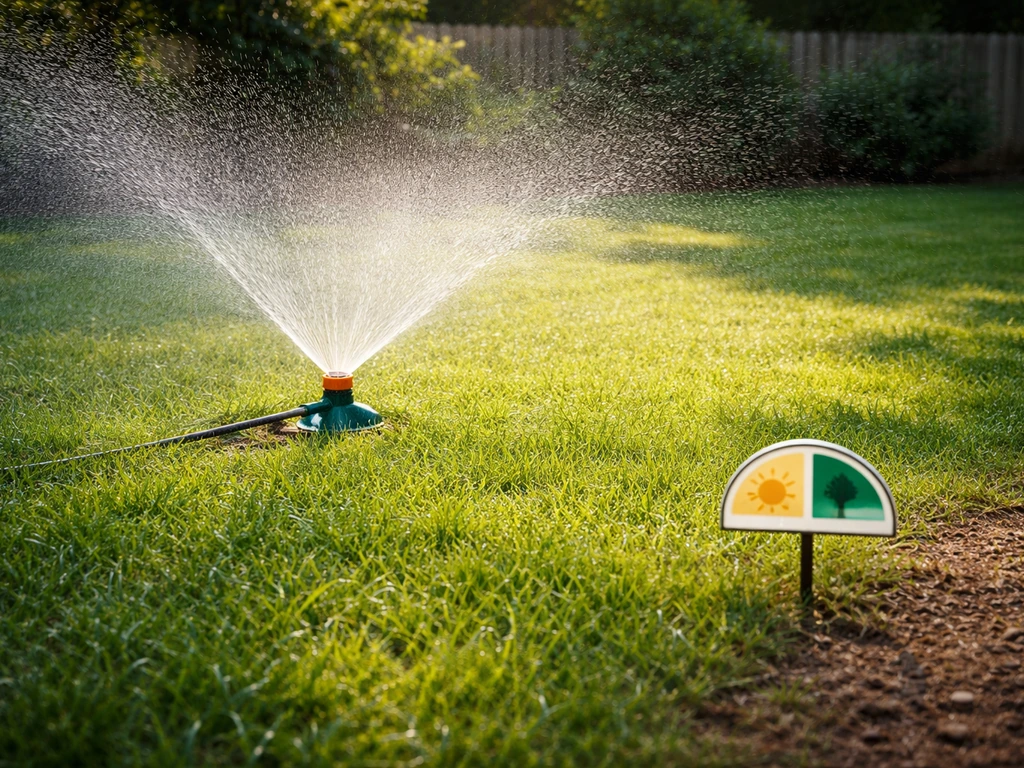
Most turfgrasses need at least 4 to 6 hours of direct sunlight per day. Some shade-tolerant varieties can get by on less, but below that threshold you're fighting a losing battle with standard lawn grass. If you're working with a heavily shaded yard, that's a special situation I'll cover below.
Water is non-negotiable, and the amount matters more than most people realize. Grass needs water to grow, but the schedule changes depending on where you are in the establishment process. For a newly seeded lawn, you may need to water as many as four times in a single day during dry or windy conditions to keep the seedbed moist. Once the lawn has been mowed two or three times and is properly established, you shift to deep and infrequent watering, targeting about 1 to 1.5 inches per week to keep the root system moist and vigorous. A useful planning number: 1 inch of water on 1,000 square feet equals 624 gallons, which helps you translate sprinkler run time into actual water applied.
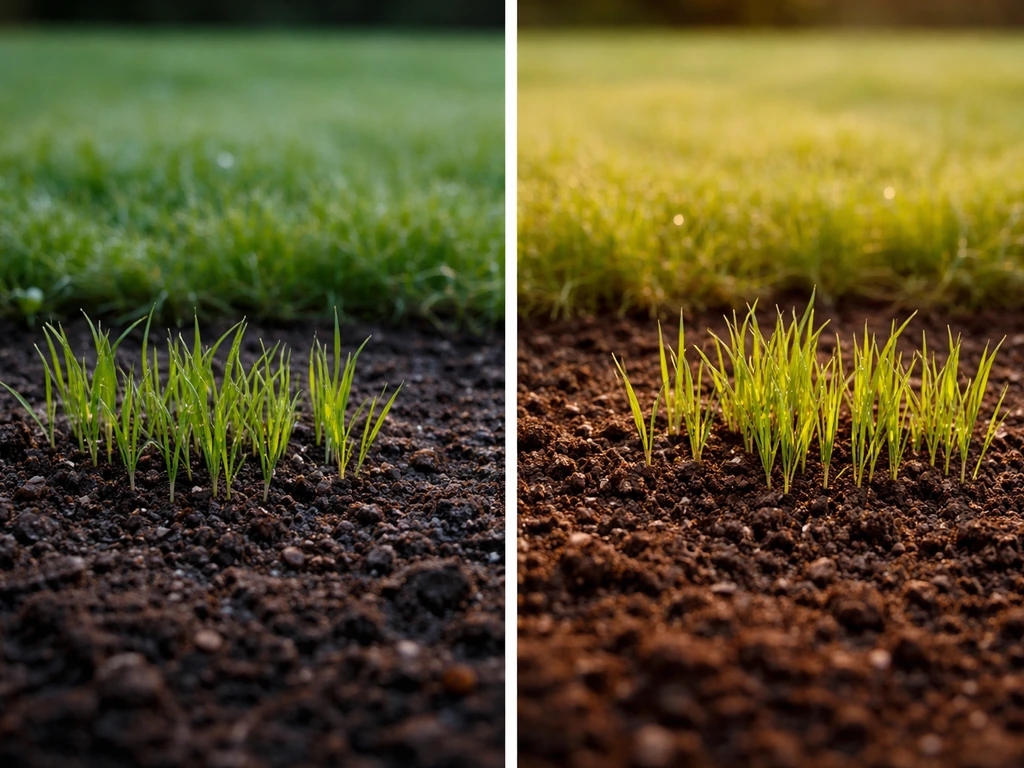
Temperature is the variable most beginners overlook. For cool-season grasses like Kentucky bluegrass, tall fescue, and perennial ryegrass, the ideal air temperature for shoot growth is roughly 65 to 75°F, while roots prefer slightly cooler soil around 55 to 65°F. For germination specifically, you want soil temperatures between 60°F and 85°F. Warm-season grasses like bermuda and zoysia need warmer soil, in the 70 to 90°F range, to germinate at a reasonable pace. Planting outside those windows doesn't mean nothing will happen, it just means slow, uneven germination and more risk of seedling failure.
What your soil needs to support grass
Soil is where most lawn projects succeed or fail. You need to think about four things: soil type and structure, drainage, pH, and nutrients.
Soil type and drainage
Loamy soil is the gold standard for growing grass. It drains well enough that roots don't sit in standing water, but it holds enough moisture and nutrients to support steady growth. Heavy clay soils drain poorly, compact easily, and restrict root expansion. Sandy soils drain too fast and struggle to hold nutrients. Both can be improved, but they require different strategies. If you're wondering whether you need loam to grow grass, the short answer is no, you don't need perfect loam, but you do need soil that drains and holds nutrients reasonably well.
Compaction is one of the most common and underdiagnosed problems. A slightly compacted seedbed can actually help by improving seed-to-soil contact. But significant compaction reduces aeration, tanks water infiltration, and chokes root growth. If water pools on your lawn after rain or you can barely push a screwdriver into the soil, compaction is likely your problem.
Soil pH
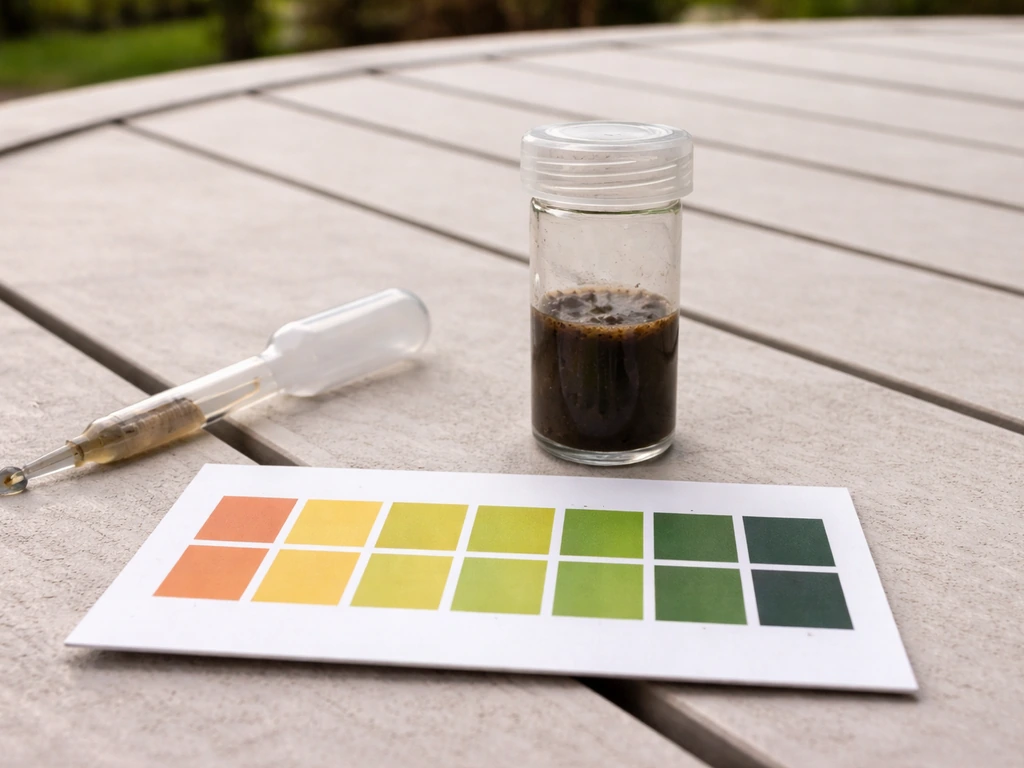
The ideal soil pH for most turfgrasses sits between 6. University of Missouri Extension recommends an optimum turfgrass soil pH range of 6.0 to 7.5 optimum soil pH range for turfgrass is 6.0 to 7.5. 0 and 6.5. At 6.5, nutrients are most available to the plant roots. Below 6.0, you start locking up nutrients even if they're present in the soil. Above 7.0, similar issues occur. A cheap soil test from your local extension office or garden center will tell you where you stand. If you're below 6.0, lime brings pH up. If you're above 7.0, sulfur brings it down. Don't skip this step, especially if you've fertilized but aren't seeing results.
Nutrients grass actually needs
The three primary nutrients for turfgrass are nitrogen (N), phosphorus (P), and potassium (K), which is why every bag of fertilizer shows those three numbers. What nutrients grass needs to grow comes down to getting the right balance of all three at the right time. Nitrogen drives green leafy growth. A deficiency shows up as older leaves turning yellow-green with reduced shoot growth. Phosphorus supports root development early in establishment; deficiency causes purple or darkened leaf patterns. Potassium affects stress tolerance; deficiency causes yellow or brown leaf margins. If your grass looks off and you can't figure out why, nutrient deficiency symptoms are worth checking against your soil test results before you start guessing.
How deep to plant grass seed and why contact matters
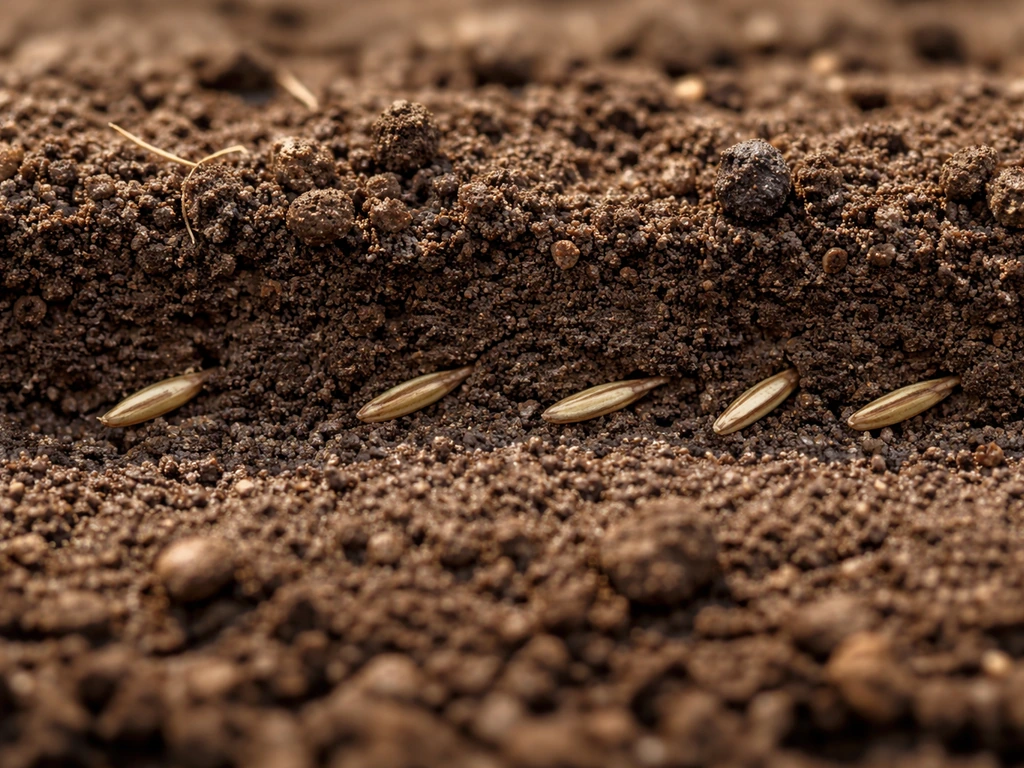
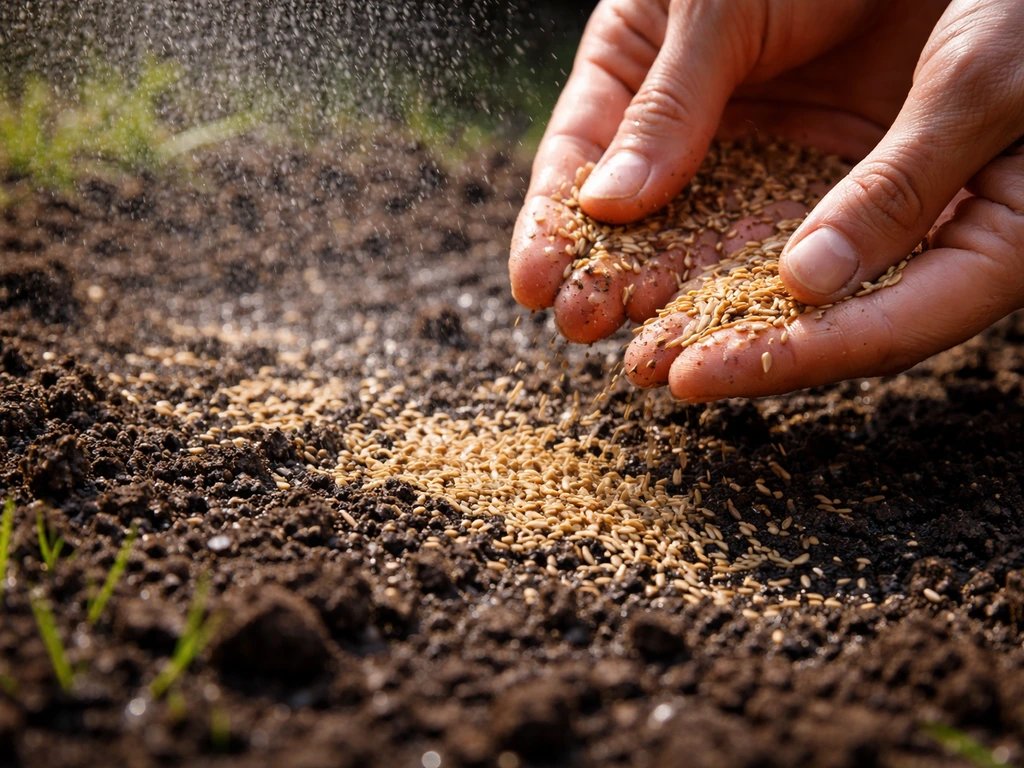
Grass seed should be planted approximately 1/4 inch deep. No deeper. Grass seed is tiny, and if it's buried too far it runs out of energy before the seedling can reach the surface. Too shallow and it dries out before germination occurs.
Seed-to-soil contact is just as important as depth. Seed sitting on top of loose thatch or dry clumps of soil won't germinate reliably because it can't pull moisture from the soil. After seeding, lightly rake the seed in and then roll the area gently (not so hard that you cause compaction problems). For overseeding projects, techniques like core aeration, slit seeding, or topdressing with a thin layer of compost all dramatically improve seed-to-soil contact and germination rates.
Once seed is down, the seedbed must stay moist to a depth of 1 to 2 inches until germination occurs. Seedlings are tiny at germination, often only 1/4 to 1/2 inch tall, and they have almost no ability to tolerate drying out. Missing even one watering during a hot afternoon can kill seedlings that were days away from establishing.
When to plant and how long until you have a lawn
For cool-season grasses, late summer to early fall is the best planting window in most of the country. Soil is still warm enough for fast germination, air temperatures are cooling down, and fall rains typically help. Mid-spring is a workable secondary window, but summer heat often stresses young seedlings before they establish. Penn State Extension makes the case for late summer as the optimum, and experience backs that up.
For warm-season grasses, late spring to early summer is ideal once soil temperatures consistently hit 70°F or above. Planting warm-season grass in cool soil is one of the most common timing mistakes, and it leads to weeks of waiting followed by patchy, uneven germination.
Different species germinate at very different speeds. Perennial ryegrass can show visible sprouts in 5 to 7 days under ideal conditions. Kentucky bluegrass can take 14 to 30 days or more. Tall fescue falls somewhere in between. If you're mixing species in a blend, expect a staggered emergence. Don't panic if things look uneven in the first two weeks.
Full establishment from seed typically takes 6 to 8 weeks before the lawn can handle normal foot traffic. Budget 10 to 12 weeks if you want it to fill in properly before putting stress on it.
The depth question: how much soil does grass actually need?
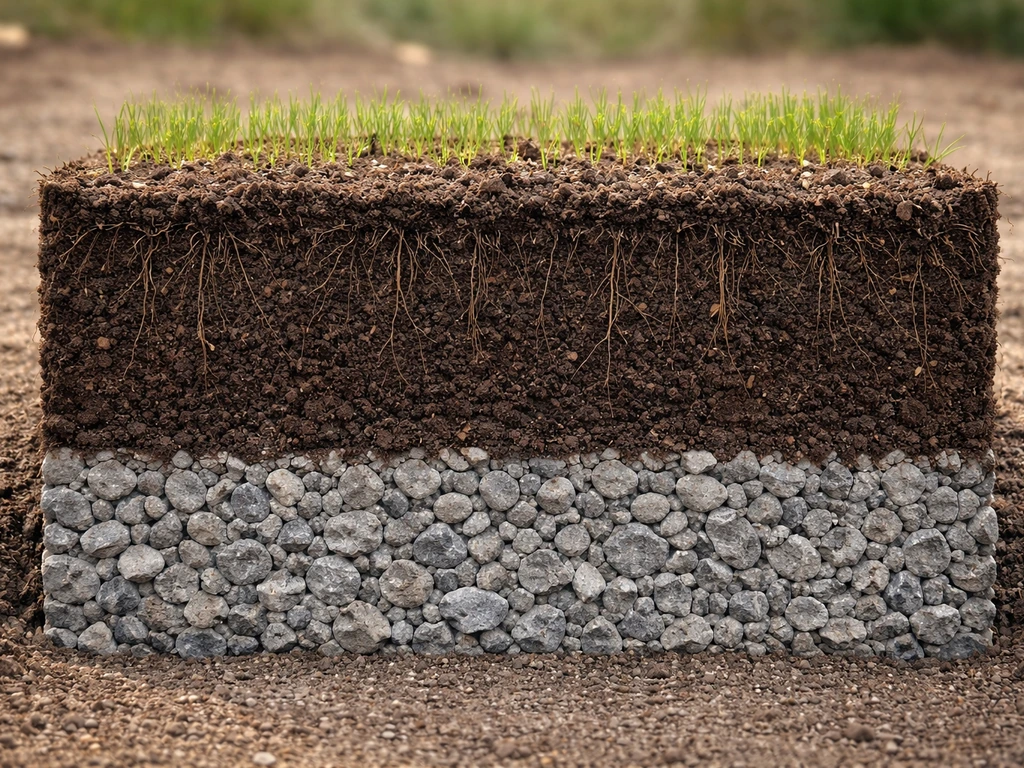
If you're starting with poor, rocky, or substandard soil, you need to think seriously about soil depth. blank" rel="noopener noreferrer">A minimum of 4 to 6 inches of good-quality topsoil (at firmed and settled depth) is what Penn State Extension recommends for establishing quality turf. Less than that and root development is constrained, drought stress becomes a recurring problem, and nutrient holding capacity is limited. Understanding how much soil grass needs to grow is especially important when you're adding topsoil over a problem base, because settled depth is always less than what you initially spread.
Grass in tough spots: shade, sand, slopes, and compacted ground
Not every lawn situation is a flat, sunny yard with good loamy soil. Here's how to handle the common problem scenarios.
Shade from trees
Deep shade under dense tree canopies is one of the most honest conversations you'll have with yourself as a homeowner. Standard turfgrass varieties will struggle or fail below 4 hours of direct light. Shade-tolerant fine fescues are your best bet for low-light areas, but even they have limits. If you're under a full canopy with less than 2 to 3 hours of sun, it's worth considering ground covers, mulch beds, or hardscaping instead of fighting the grass battle repeatedly.
Sandy soil
Pure sand drains too fast and can't hold nutrients. Grass can grow in sandy soil, but you need to improve it first. Adding organic matter (compost) builds nutrient-holding capacity and slows drainage. If you're adding topsoil over a sand base, depth really matters. A thin layer won't cut it. Knowing how much topsoil over sand you need to grow grass is critical before you spend money on seed and fertilizer. General guidance is at least 4 to 6 inches of topsoil over sand, and you need to ensure it doesn't create a hard drainage barrier between the layers.
Compacted soil
If your soil is heavily compacted, aerate before you seed. Core aeration pulls plugs of soil out and immediately opens up air and water channels. Overseeding into aeration holes gives seeds a protected pocket with excellent soil contact. Without addressing compaction first, even expensive seed and fertilizer won't deliver results. You can also topdress with compost after aerating to start improving soil structure over time.
Slopes and erosion-prone areas
On slopes, seed washes away before it can germinate, and the seedbed dries out faster than flat ground. Use erosion control netting or a straw mulch layer to hold seed in place and retain moisture. Water lightly and more frequently on slopes since runoff is a bigger risk. Tall fescue and perennial ryegrass establish faster than bluegrass, making them better choices for slopes where you need quick ground cover.
Bare or depleted soil
If you're working with bare subsoil (common after new construction), don't just throw seed on it. Construction sites often strip topsoil, leaving compacted subsoil that's nutrient-poor and has poor structure. You either need to bring in quality topsoil to the correct depth, or amend what you have aggressively with compost and fertilizer. And the question of whether you need topsoil to grow grass depends on what's already there. If the native soil is workable, you may not need to add topsoil. If it's compacted clay subsoil or gravel fill, adding topsoil is the practical path forward.
Why your grass isn't growing: a practical checklist
If you've seeded or sodded and things aren't working, run through this checklist before you give up or spend more money.
- Check soil temperature first, not air temperature. Cool soil is the number one reason for slow or failed germination. Use a soil thermometer 2 inches deep before you blame the seed.
- Review your watering schedule. Is the seedbed staying consistently moist 1 to 2 inches deep? A seedbed that dries out even once a day during establishment can kill germinating seeds. Under dry or windy conditions, you may genuinely need 3 to 4 short waterings per day.
- Test your soil pH. If you've added fertilizer and nothing is improving, locked-up nutrients due to wrong pH could be the culprit. A simple pH test will confirm this in minutes.
- Assess sunlight honestly. Count actual hours of direct sun reaching the area. If you're under 4 hours, standard grass varieties are going to struggle regardless of everything else you do right.
- Look at your seeding depth and contact. Did seed get raked in and rolled? Seed sitting on fluffy loose soil or thick thatch won't germinate reliably.
- Evaluate soil compaction and drainage. Does water drain away within an hour of rainfall, or does it sit? Can you push a 6-inch screwdriver into the soil with hand pressure? Poor drainage and compaction both kill turf.
- Check for nutrient deficiency patterns. Yellow-green older leaves mean nitrogen shortage. Purple patches suggest phosphorus. Brown leaf margins point to potassium. Match symptoms to a soil test for confirmation.
- Consider timing. If you planted cool-season grass in midsummer heat, or warm-season grass in cold spring soil, timing alone may explain the failure. Re-seeding at the right window is often the simplest fix.
Quick comparison: cool-season vs. warm-season grass requirements
| Requirement | Cool-Season Grasses | Warm-Season Grasses |
|---|---|---|
| Best planting window | Late summer to early fall (secondary: mid-spring) | Late spring to early summer |
| Germination soil temp | 60–85°F | 70–90°F |
| Ideal shoot growth air temp | 65–75°F | 80–95°F |
| Ideal root growth soil temp | 55–65°F | 65–80°F |
| Common species | Kentucky bluegrass, tall fescue, perennial ryegrass | Bermuda, zoysia, centipede, St. Augustine |
| Germination speed | 5–30 days depending on species | 7–21 days depending on species |
| Water needs (established) | 1–1.5 inches per week | 1–1.5 inches per week |
| Ideal soil pH | 6.0–6.5 | 6.0–6.5 |
What to do right now
If it's spring or early fall and you're trying to establish a lawn from seed, start with a soil test. It costs almost nothing and tells you exactly what you're working with before you spend money on seed and fertilizer. Fix pH if needed, add topsoil if your depth is under 4 inches, address drainage or compaction issues before you seed, and then commit to keeping that seedbed consistently moist until germination. The failure points are almost always soil temperature, moisture consistency, or seedbed contact. Get those three right and the rest takes care of itself.
FAQ
How do I know if my lawn needs more sun or a different grass type?
Measure direct light at ground level. If you get consistently under 4 hours of direct sun, most standard lawns will thin, so switching to shade-tolerant fine fescues or reducing lawn area usually beats trying to “add light” with mowing or trimming alone.
What’s the biggest early mistake that kills newly seeded grass?
Letting the seedbed dry out even briefly. Seedlings often die from missed watering during hot, windy afternoons, so the safer plan is short, frequent waterings until germination, then switch to deeper, less frequent cycles.
Should I fertilize right after seeding to help grass grow faster?
Often yes, but not always, and timing matters. Use a starter fertilizer that matches your soil test (especially phosphorus needs) and avoid heavy nitrogen doses that can stress seedlings or burn germinating roots in dry, sandy conditions.
Can I seed directly over existing thatch or should I remove it first?
Light thatch can be okay, but thick or dry layers block moisture movement and reduce seed-to-soil contact. If thatch is more than about 1/2 inch, consider dethatching, core aeration, or topdressing so seed can reach reliable contact points.
How can I tell if my soil is too compacted to seed successfully?
Do two quick checks. After rain, look for pooling or slow infiltration. Then push a screwdriver or probe, if it barely goes in or water sits for a long time, you likely need aeration before you expect seed and fertilizer to work.
What should I do if my germination is uneven or patchy after two weeks?
Don’t automatically re-seed right away. Uneven emergence is common in mixed-species blends or when moisture contact varies. First, verify soil temperature and daily moisture consistency, then evaluate seed depth and contact, and only do an additional overseed when the seedbed conditions are stable.
How do I choose the right seeding depth if my soil is sandy or rocky?
Use about 1/4 inch as your target, but adjust for how the soil settles. On loose sandy fill, you may need slightly firmer contact via light raking and gentle rolling, while on rocky ground you may need to screen and add soil so seedlings are not trapped on stone.
Do I need to test soil even if I’m just overseeding into an existing lawn?
It’s still useful, especially if the lawn has been underperforming. Overseeding can fail when pH is off or nutrients are imbalanced, so a quick soil test helps you avoid wasting seed and fertilizer on the wrong fixes.
How long should I wait before walking on a newly seeded lawn?
Plan for limited traffic until roots establish, typically 6 to 8 weeks from seed for general use. If the lawn is still thin or seedlings are easy to pull, wait longer to prevent root disruption and compaction in the seedbed.
What’s the best way to water on slopes or areas with runoff?
Water in shorter, more frequent cycles so water infiltrates before it runs downhill. If you’re losing seed, pair light, frequent watering with erosion control netting or a thin straw layer to keep seed in place and maintain moisture.
Next Articles
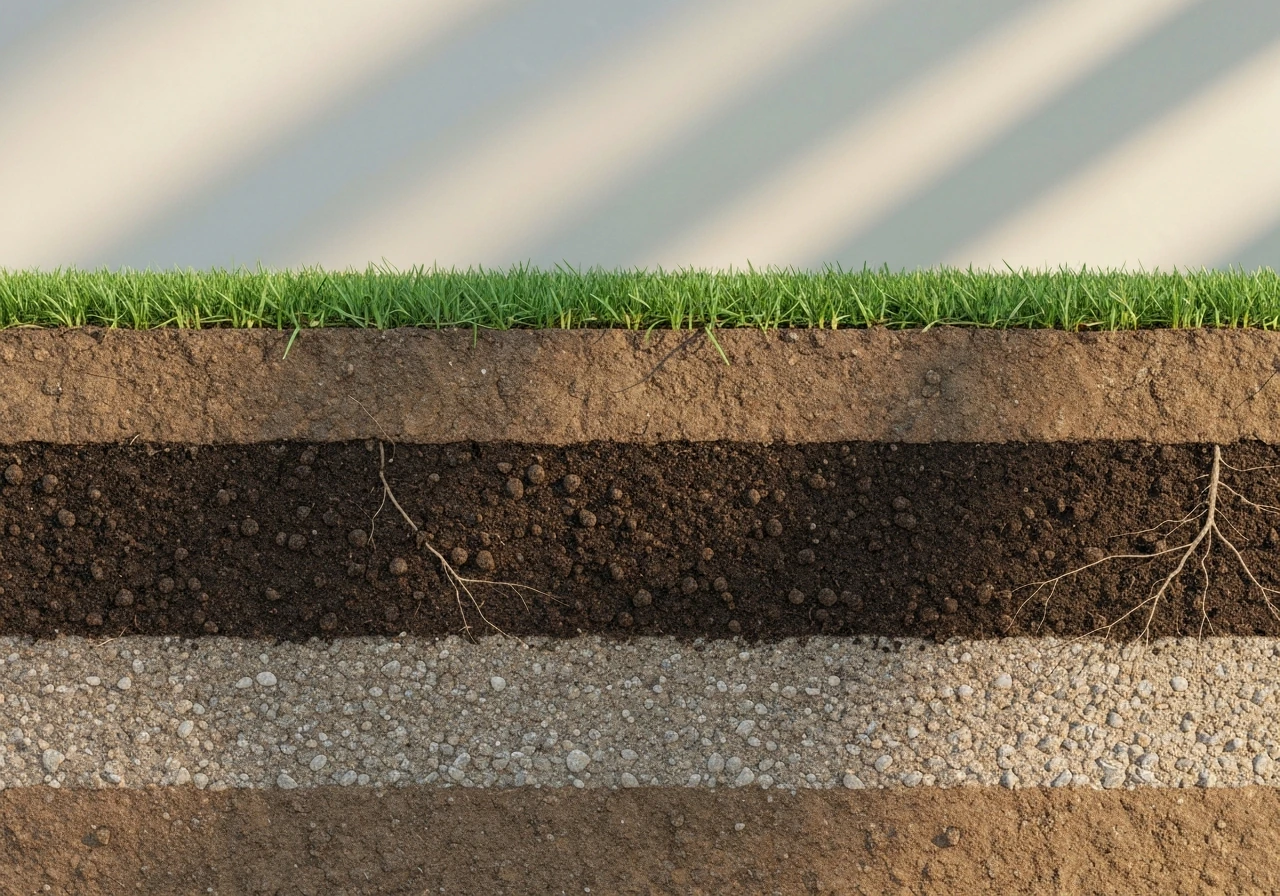
How Much Soil Does Grass Need to Grow? Depth and Amount
Find the right soil depth and topsoil amount for new lawns, plus steps to calculate cubic yards for gravel or clay.
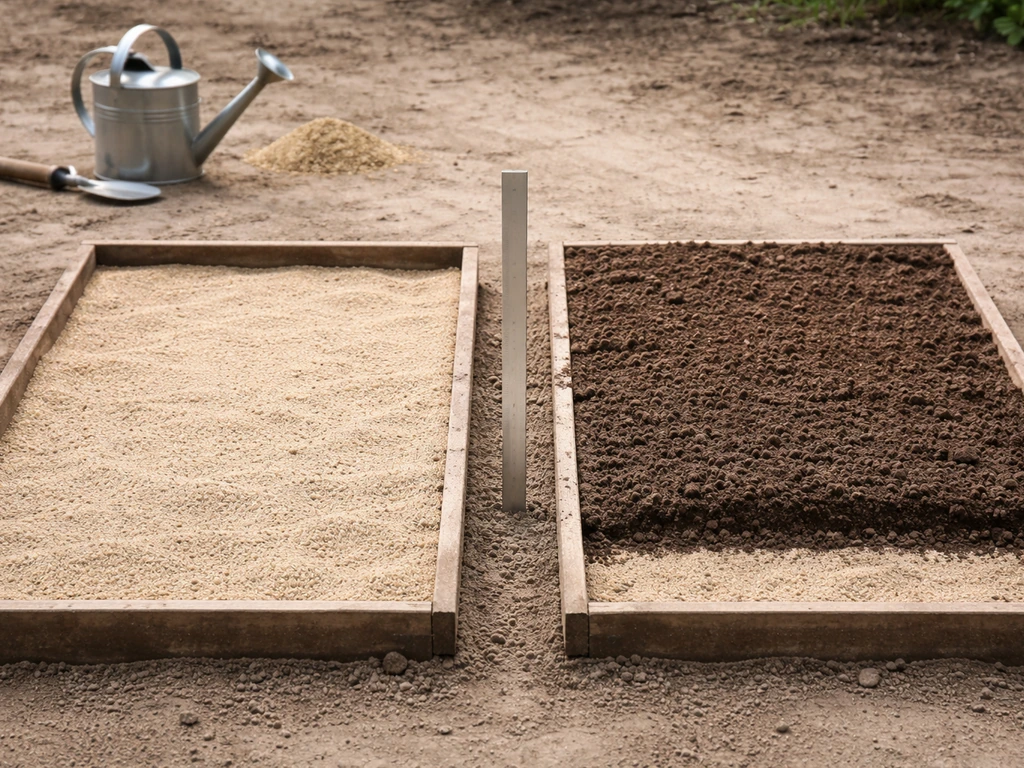
How Much Topsoil Over Sand to Grow Grass
Learn how many inches of topsoil over sand (or rocks) to use for seeding or sod, plus prep steps and fixes.
Can You Grow Grass Over Gravel? How to Do It Right
Learn when you can grow grass over gravel and follow a step-by-step method for soil depth, drainage, seeding or sod, and