
Yes, whole oats will germinate and grow in soil, but what you get is not a lawn. You get oat plants, which are technically members of the grass family (Poaceae), but they behave like a cereal crop, not turfgrass. They'll sprout quickly, cover bare ground in a matter of weeks, and look reasonably lush while conditions favor them. Then they'll die, either from heat, drought, or winter frost, and leave you with bare dirt again. If you want a quick temporary green cover, whole oats can absolutely do that job. If you want a lawn, you need a different plan. But if you’re wondering about will rye grow on top of the ground, rye behaves differently than whole oats.
Does Whole Oats Grow Grass? What to Expect and How to Use It
Marcus Volkmann
2 Jul 2026
What whole oats actually do when you plant them

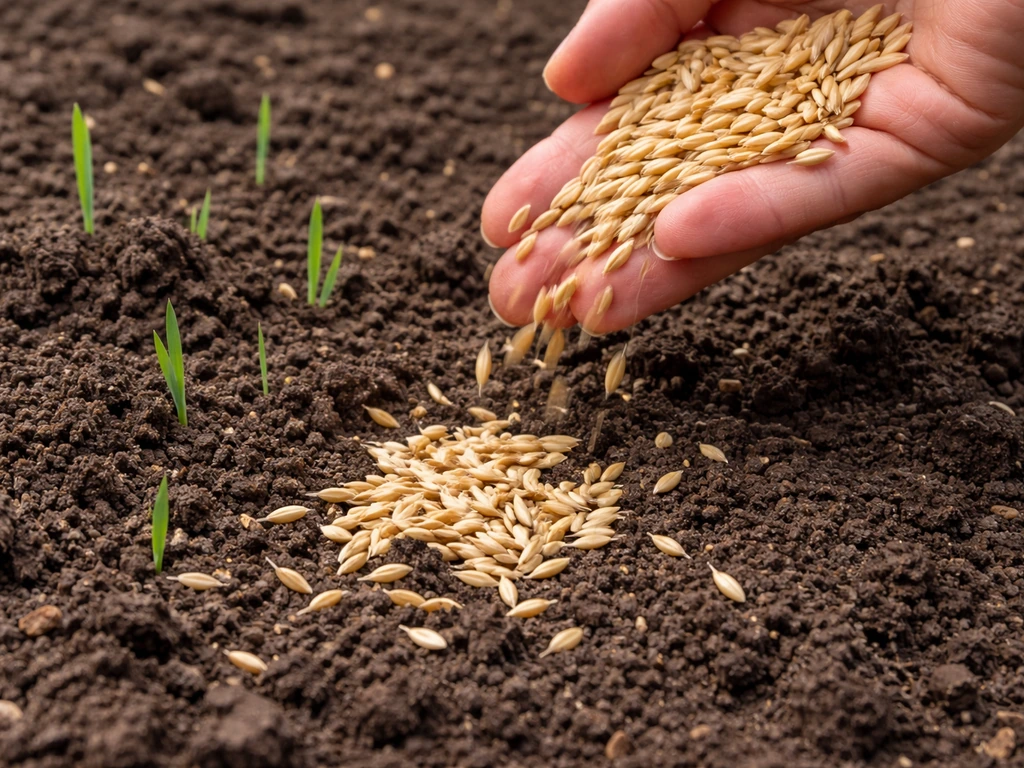
Whole oats (Avena sativa) are a cool-season annual grass. That word 'annual' is the one that matters most here. They germinate, grow, produce seed, and die, all in one season. They don't come back year after year the way perennial turfgrasses like Kentucky bluegrass or tall fescue do. Extension programs across the U.S. classify oats as a cover crop or cereal grain, not a lawn species, and that classification tells you a lot about what to expect.
When you sow whole oats into moist soil at the right temperature, germination is genuinely fast. You can see sprouts poking up in as little as 5 to 7 days under ideal conditions. Within 3 to 4 weeks, a well-established stand looks like a thick, green, grassy cover. At that point, it does a solid job of protecting bare soil from erosion, suppressing weeds through shading, and adding organic matter if you eventually till it in. It's just not permanent, and it won't handle foot traffic, mowing, or the expectations you'd have of an actual lawn.
The conditions that determine whether your oats actually come up
Oats are forgiving compared to many grass species, but they still have requirements. Getting these right is the difference between a solid stand and a patchy disappointment.
Temperature
Oats are cool-season. They germinate best when soil temperatures are in the 50 to 65 degrees Fahrenheit range. Planting into hot summer soil, say 75 degrees or above, slows germination and stresses young seedlings. For most regions, late summer to early fall is the sweet spot for a fall cover, and early spring works for a quick green-up before summer heat arrives. Mid-summer planting in most of the continental U.S. is the hardest window to work with.
Moisture
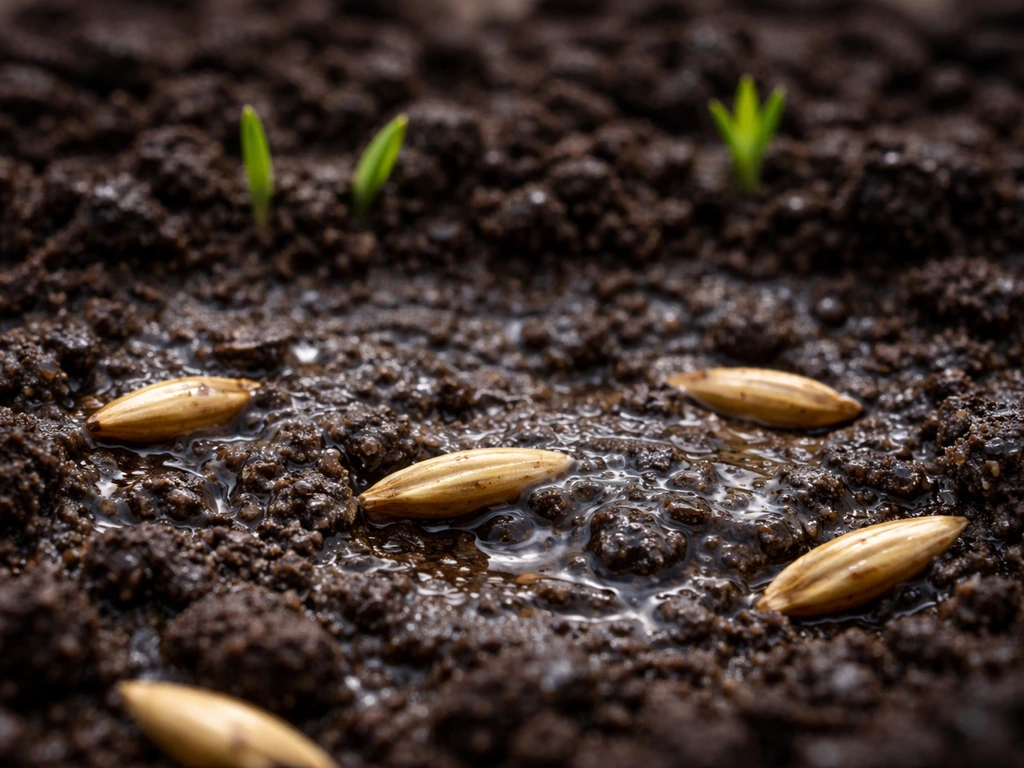
Consistent moisture in the top inch or two of soil is critical for germination and early growth. A heavy rain right after broadcasting can actually cause problems if it crusts the soil surface, blocking seedling emergence. If you see that happen, you may need to lightly rake the surface to break the crust, or in severe cases, resow the affected patches.
Seeding depth
Depth matters more than most people realize. OSU Extension recommends a seeding depth of around 1/2 to 3/4 inch for best emergence. UW-Madison puts the practical range at 1 to 2 inches when drilling. Going too shallow means the seed dries out before it can root properly. Going too deep (over 2 inches) slows or prevents emergence entirely. If you're broadcasting by hand, aim to get seeds lightly covered, a firm rake-in followed by gentle foot-packing or a lawn roller gets you close to that ideal depth.
Seed-to-soil contact
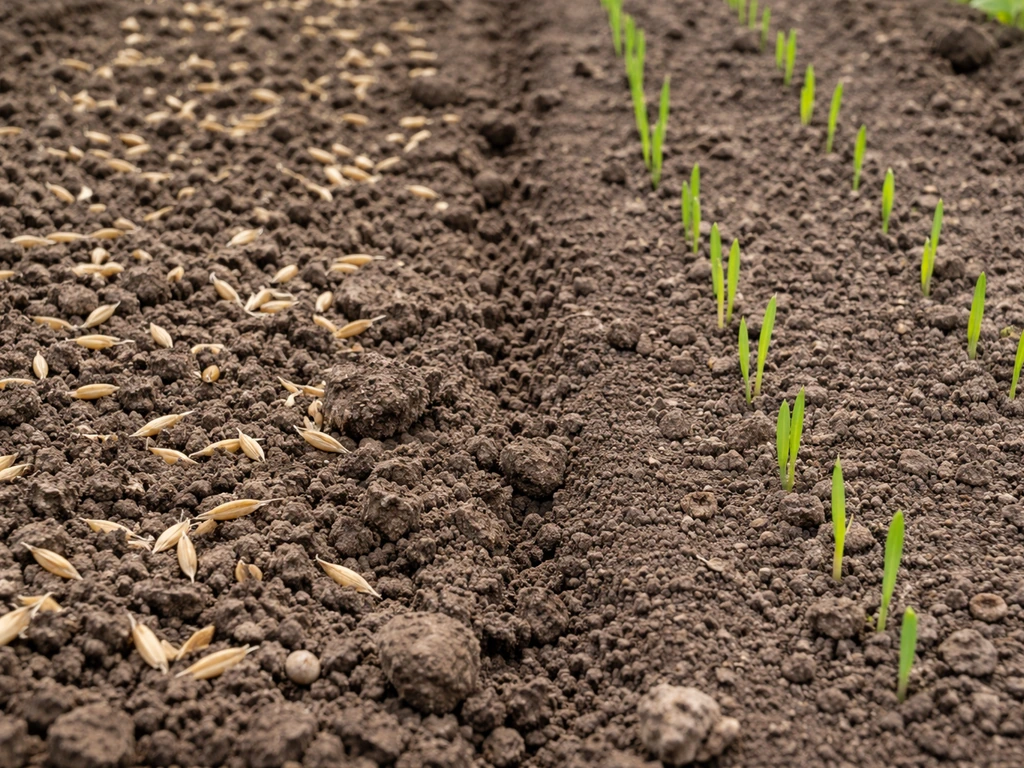
This is the number one reason broadcast-seeded oats fail to establish evenly. Seeds sitting on top of loose, fluffy soil or laying on mulch won't germinate reliably. University of Maryland Extension is blunt about this: cover crop seed must have direct contact with the soil to germinate. Raking after broadcasting, then firming the soil, makes a real difference in stand uniformity.
Sunlight and soil
NC State Extension notes oats grow best in full sun. They'll tolerate partial shade but thin out noticeably in shadier spots, which limits their usefulness under trees, a common problem area for homeowners. On soil quality, oats are adaptable to a range of conditions, including poor or sandy soils, but they won't thrive in waterlogged areas with poor drainage. If you're working in a compacted clay situation or a spot that holds standing water, germination will be sluggish and the stand will be sparse. If you're wondering whether will rye grass grow in clay, the key is matching rye's soil and drainage needs to your site.
The real limitations you need to know before you plant
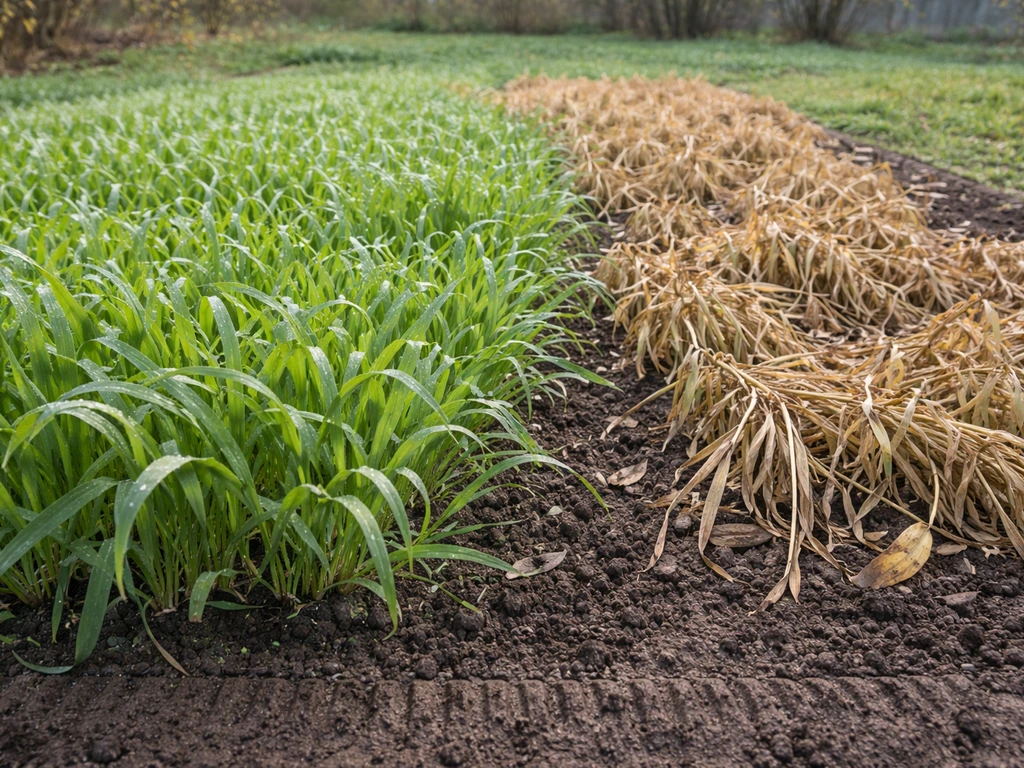
Oats work well as a short-term cover, but they come with some legitimate drawbacks that can surprise people who weren't expecting them.
- They are annuals and will not persist as a lawn. In most of the U.S., oats are winter-killed by frost, meaning they die back completely and leave bare ground. The Southern Cover Crops Council specifically lists oats among species that frost-kill, which is actually why farmers use them as a no-termination-needed cover crop in cold climates.
- If oats aren't killed by winter or heat, and they reach maturity and drop seed before you remove them, you can end up with volunteer oat plants coming up in future seasons, essentially acting like a persistent weed. Purdue Extension flags this directly: terminate cool-season cereal cover crops before they set mature seed to prevent weed problems.
- Uneven stands are common when broadcasting by hand. You'll see thick patches and bare spots, and the result looks nothing like a manicured lawn. This isn't a failure; it's just the nature of broadcast sowing without precision equipment.
- Oats don't tolerate foot traffic or mowing pressure the way turfgrasses do. Run a lawn mower over young oat plants and you'll set the stand back significantly.
- Weed competition is a real risk, especially in poor soils. Oats suppress weeds through shading once established, but thin or patchy stands leave gaps for weeds to fill. A weed-free seedbed at planting gives you a much better outcome.
- The expectation mismatch is the biggest issue. People searching for a quick grass fix sometimes plant oats hoping for a durable lawn. What they get is a temporary cover crop that looks great for a few weeks and then declines.
How to use whole oats as a quick temporary cover: step by step
If a temporary green cover is exactly what you need, oats are genuinely one of the easiest, cheapest options available. Here's how to get a reliable stand.
- Clear the area of existing vegetation, rocks, and debris. Oats establish best in a clean seedbed without heavy competition at the start.
- Loosen the top 1 to 2 inches of soil with a rake or hand cultivator if the ground is compacted or crusted. You don't need to till deeply, just break up the surface so seeds can make contact with moist soil.
- Broadcast whole oats at roughly 2 to 3 pounds per 1,000 square feet for a home-scale cover. Iowa State Extension notes that overseeded (not drilled) oat cover crops typically use higher rates than drilled applications to compensate for lower seed-to-soil contact.
- Rake the seed in lightly so most seeds end up at roughly 1/2 to 1 inch deep. You're not trying to bury them, just get them off the surface and into contact with soil.
- Firm the seedbed by walking over it, using a lawn roller, or pressing down with the back of your rake. This is the step most people skip, and it genuinely matters for germination rates.
- Water gently and keep the top inch of soil moist until seedlings are 2 to 3 inches tall. After that, oats are reasonably drought-tolerant for a cover crop.
- Plan for termination before the oats reach maturity and set seed. Mowing low, tilling in, or simply letting frost kill them (in fall plantings) are all practical options depending on what comes next for that area.
Best timing windows: early fall (late August through September in most of the U.S.) gives you a cover that protects soil through early winter before frost kills it. Early spring works for a quick green-up on bare areas you plan to replant in early summer. Mid-summer is the hardest time to use oats because heat stress works against them.
Better options when you actually need lasting grass
If your goal is a durable lawn or a permanent grass stand, whole oats will leave you disappointed. Oats are typically sown into soil, so they will not reliably grow on top of the ground without good seed-to-soil contact. Here's how to match the right approach to what you actually need.
| Goal | Best Option | Why It Works | Key Consideration |
|---|---|---|---|
| Permanent lawn in cool-season climates | Perennial turfgrass seed (tall fescue, Kentucky bluegrass, perennial ryegrass) | These grasses are bred for durability, traffic tolerance, and seasonal persistence | Soil prep and timing (fall or early spring) matter more than seed quality |
| Permanent lawn in warm-season climates | Bermudagrass, zoysia, or St. Augustine sod or seed | Warm-season grasses thrive in heat and go dormant rather than dying in summer | Sod is faster; seed requires more patience and consistent moisture |
| Quick erosion control on slopes | Annual ryegrass or oats as a temporary cover, then overseed with perennial mix | Fast germination holds soil while perennial grasses establish | Don't skip the perennial overseed step or you're back to bare ground |
| Winter soil protection in a garden bed | Oats, winter rye, or cereal rye as a cover crop | All three germinate quickly and protect bare soil; winter rye survives frost better than oats | Oats are the easiest to terminate; winter rye requires more aggressive management |
| Bare spots in an existing lawn | Overseeding with matching turfgrass species | Matches surrounding grass for a consistent appearance and growth pattern | Scratch up the surface and keep moist for 2 weeks after seeding |
One common scenario worth calling out: people sometimes want to seed a bare patch quickly and reach for whatever seed is available, including feed-store oats. If you're in that situation and just need something green while you figure out the long-term plan, oats will buy you time. But build the real grass establishment plan in parallel. For areas with persistent bare-ground problems, it's worth thinking through why the spot keeps failing, whether it's shade, compaction, poor drainage, or soil chemistry, before reseeding with anything. Other grass establishment challenges, like whether ryegrass will grow without tilling or how grasses perform on top of the soil rather than in it, follow similar logic about seed-to-soil contact and site preparation.
Why your oats didn't come up (and what to do about it right now)
If you already planted whole oats and got a poor or patchy stand, one of these is almost certainly the reason. Each one has a fix you can apply today.
| What happened | Likely cause | Fix it now |
|---|---|---|
| Seeds never sprouted after 10+ days | Soil too dry, too hot, or seeds sitting on surface without soil contact | Water thoroughly to wet the top 2 inches, rake surface to improve contact, resow thin areas at the same rate |
| Patchy stand with thick and bare spots | Uneven broadcasting or soil crusting after rain | Break up any soil crust with a light rake, spot-reseed bare areas, firm soil after reseeding |
| Seedlings came up then collapsed or yellowed | Damping-off from overly wet, poorly drained soil or planting too deep in dense soil | Improve surface drainage if possible; in the short term, reduce watering frequency and let the surface dry slightly between waterings |
| Stand looked good then thinned out fast | Heat stress (soil temp above 75°F) or oats reaching the end of their seasonal cycle | If it's midsummer, oats will continue to struggle; consider switching to a heat-tolerant temporary cover or waiting for fall to reseed with proper turfgrass |
| Nothing grew and seeds seem to have disappeared | Birds, rodents, or seeds washing off a slope before germination | Rake seeds in more deeply (aim for 1/2 to 1 inch), use a light straw mulch on slopes to hold seeds, and resow at a higher rate to compensate for loss |
| Plants grew but look nothing like grass | Oats are what you got, which is exactly what whole oats produce; mismatch in expectations | If you need actual turfgrass, plan to terminate the oat cover and reseed with perennial turfgrass species matched to your climate |
The bottom line on troubleshooting: most oat germination failures come down to three things, poor seed-to-soil contact, timing outside the cool-season window, or inadequate moisture in the first week after seeding. USDA NRCS cover crop establishment guidance emphasizes practices like good seed-to-soil contact and includes termination considerations to help manage risks such as oats persisting as weeds [seed-to-soil contact and termination considerations](https://efotg. sc. egov.
usda. gov/api/CPSFile/17027/340MAPSCoverCrop-SpecificationGuide2018). All three are fixable. If it's been fewer than 2 weeks since you planted and conditions have been right, give it a few more days before you resow.
If it's been 2 weeks with consistent moisture and the right temperature and you still see nothing, resow the bare areas. Oats are cheap enough that a second pass is almost always worth it rather than waiting.
FAQ
Will whole oats grow back after winter, like a perennial lawn would?
No. Whole oats are an annual cool-season grass, so they germinate, grow, set seed, and die in the same season. They only “look” like a recurring green if the area self-seeds or you replant them.
Can I plant whole oats in spring instead of fall?
Yes, early spring often works for a short green-up before hot weather hits. The key is avoiding the summer heat window, since warm soil slows germination and stresses seedlings.
How long do oats usually stay green before they die back?
In many climates, they look best for several weeks after establishment, then decline as heat arrives, as drought reduces moisture, or when winter frosts are severe. Expect the cover to end in the same growing season, not months or years later.
What seeding depth should I use if I’m not sure whether I broadcast or drill?
If broadcasting by hand, lightly rake to cover and then firm the top layer so seeds are in contact with soil (target roughly 1/2 to 3/4 inch). If drilling, a practical range is often about 1 to 2 inches, since the seed placement is more controlled.
Why did my oat cover look patchy even though I watered it?
The most common cause is uneven seed-to-soil contact, especially if seeds ended up sitting on loose soil, floating on mulch, or crusted over after heavy rain. Rake-in and then firming the surface usually improves uniformity.
Will oats grow if I spread them on top of mulch or straw?
Usually not reliably. While oats can germinate if seeds reach soil, heavy mulch and thick residue often prevent direct contact, leading to scattered or failed emergence. If you use mulch, keep it thin and ensure seeds can touch mineral soil.
Do I need to mow or manage oats like regular grass?
No, not like turf. Oats are a short-term cover, so mowing is optional and usually only needed for aesthetics or if they get too tall for access. They will still die back when their season ends.
How much foot traffic can whole-oat grass handle?
Very limited. Oat plants are not established turf, so the cover can thin or break where people walk, particularly while seedlings are still young and roots are not deep.
Can oats grow in partial shade under trees?
They tolerate some shade but tend to thin out compared with full-sun areas. If you have dense tree canopy or consistently dim conditions, oats may look sparse, so expect less coverage than you would in sun.
What should I do if seeds germinate poorly after 10 to 14 days?
First, verify the basics: soil temperature in the cool-season range, consistent moisture in the top inch or two, and seed-to-soil contact. If fewer than about two weeks have passed under good conditions, give it a few more days. If it has been about two weeks with the right conditions and you still see little growth, resow the bare patches.
Will feed-store oats work the same as labeled seed oats for this purpose?
Often they can create a temporary green cover, but quality and processing vary by seller. If your goal is a dependable stand, choose seed that is meant for planting and confirm it is not heavily treated or unsuitable, since inconsistent germination is more likely with non-seed lots.
How can I choose oats versus another grass if I want temporary erosion control?
If you want fast temporary coverage for bare soil, oats are a simple option. If the site is poorly drained or compacted, oats may not establish well, so you may need to improve drainage or pick a species better matched to the conditions.
Next Articles
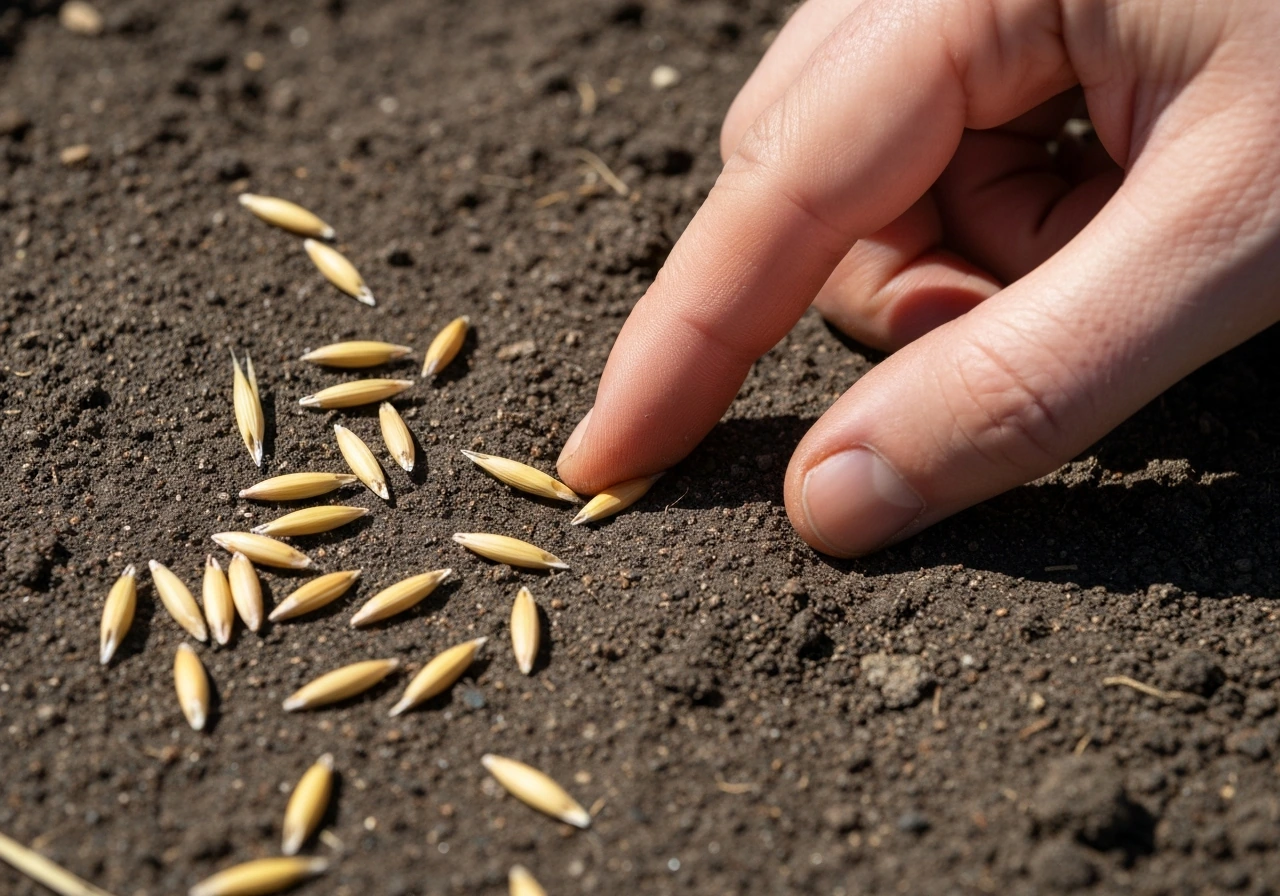
Will Oats Grow on Top of the Ground? How to Seed Correctly
Will oats sprout on bare soil or under mulch? Get seeding depth, moisture, and fixes for surface-sown oats.
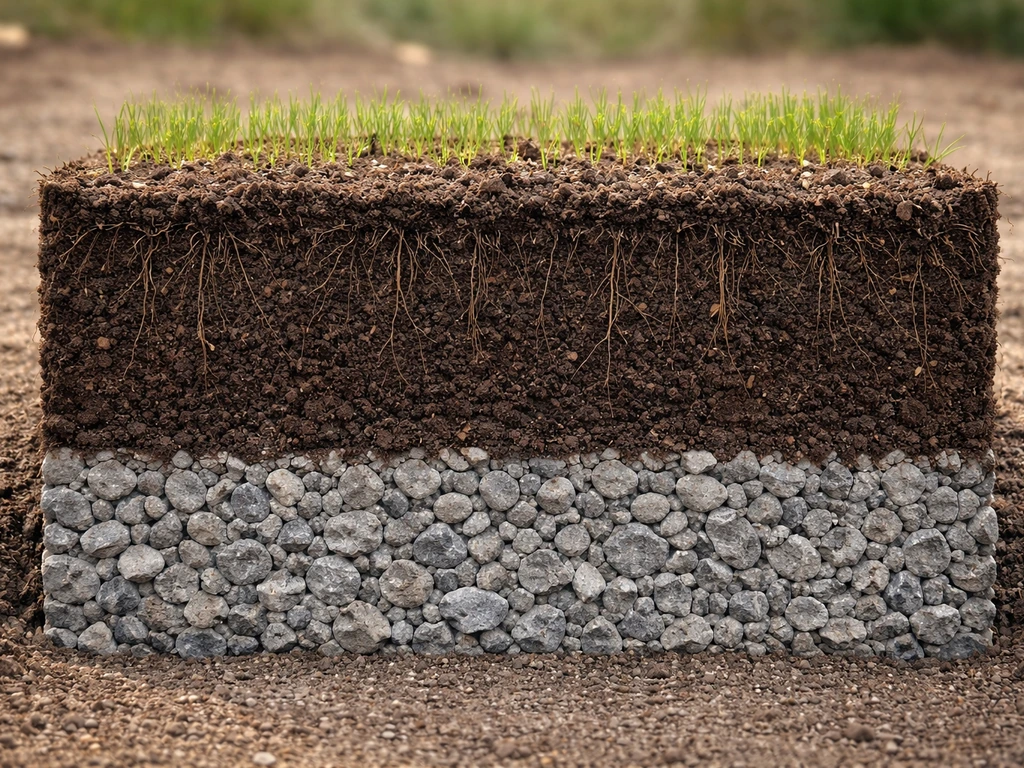
Can You Grow Grass Over Gravel? How to Do It Right
Learn when you can grow grass over gravel and follow a step-by-step method for soil depth, drainage, seeding or sod, and
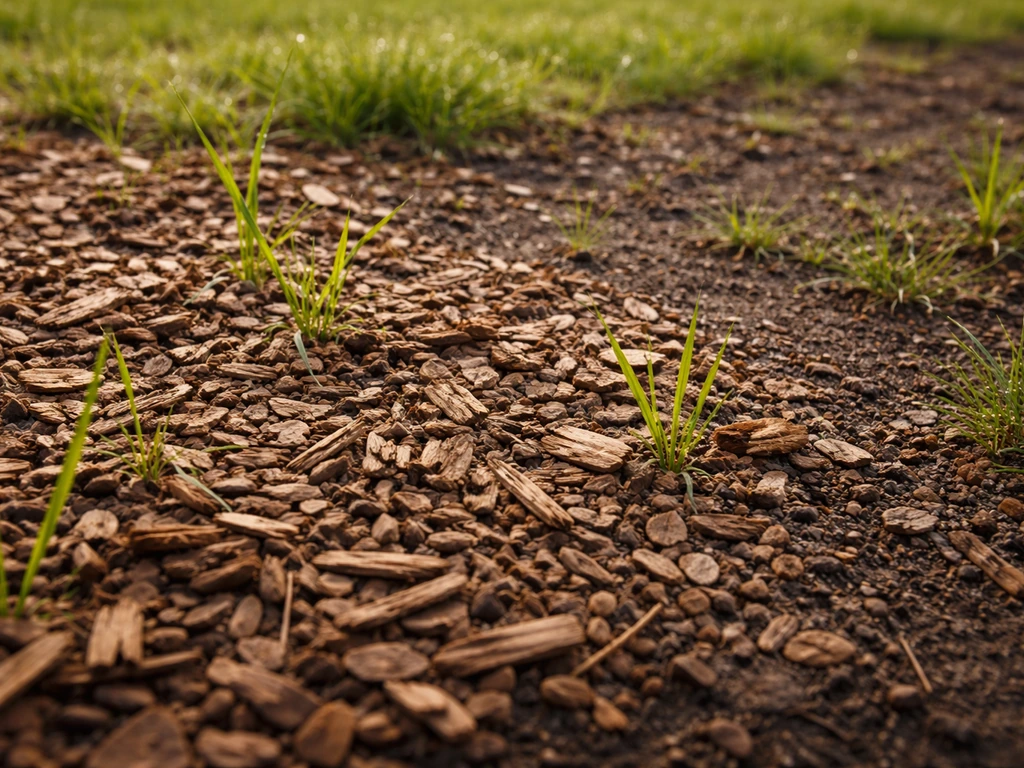
Do Wood Chips Help Grass Grow? When They Work and When Not
Learn when wood chips help grass grow, when they steal nitrogen, and step-by-step how much to apply and seed options.