
Yes, grass will grow where a tree was removed, but not if you just throw seed on the ground and hope for the best. The spot where a tree stood is one of the most hostile environments for new grass on your entire lawn: compacted soil, buried wood debris, depleted nitrogen, disrupted drainage, and possibly a changed sun exposure. Get those factors sorted out first, and you can have a solid lawn patch within a single growing season.
How to Grow Grass After Tree Removal: Step by Step
Marcus Volkmann
19 May 2026
Will grass actually grow after a tree is removed?
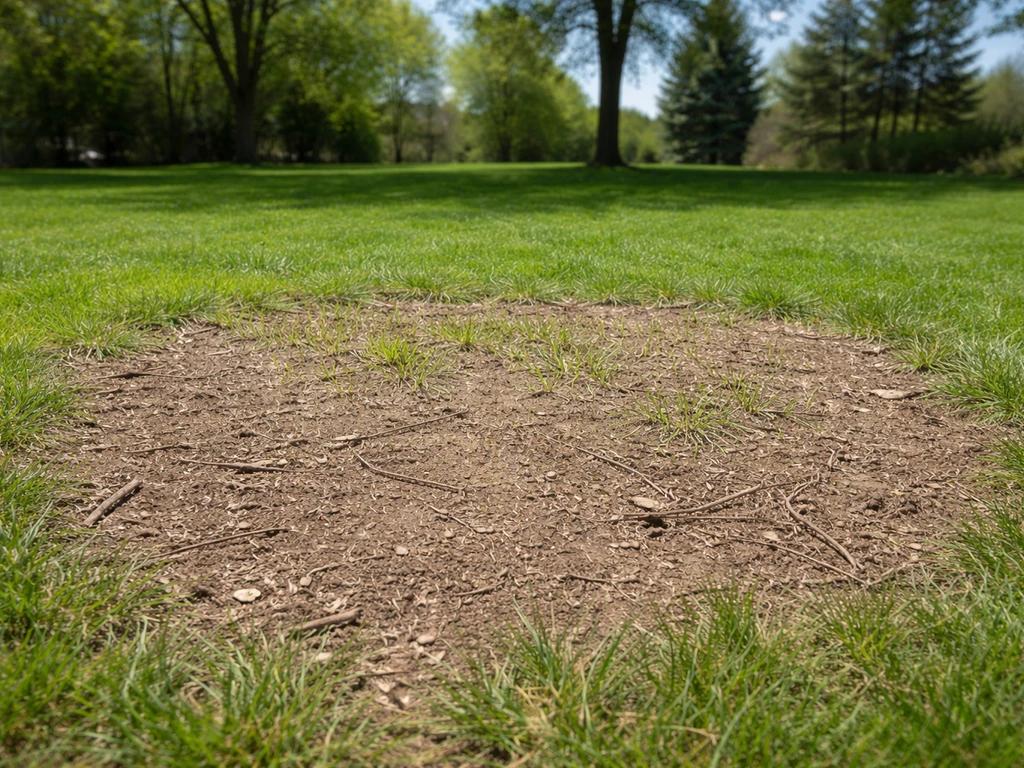
It will, but it needs help. The good news is that once the tree is gone, sunlight is usually no longer the limiting factor (unless nearby trees still cast shade, which is worth checking). The bad news is that everything happening below the soil surface can quietly kill your new grass before it even germinates. I've seen homeowners seed a freshly ground stump area three times in a row and get nothing, then finally fix the soil and succeed on the fourth try. The tree is gone, but its legacy in the soil can last years.
Why grass won't grow in the old tree spot
Before you buy seed or sod, it pays to understand what's actually going wrong in that patch. Here are the most common culprits, roughly in order of how often I see them cause problems.
- Wood chips and sawdust from stump grinding: Stump grinding mixes a large volume of woody material into the soil. That debris has an extremely high carbon-to-nitrogen ratio, which causes soil microbes to lock up available nitrogen as they break it down. Your seedlings essentially starve.
- Compacted soil: Tree removal equipment (skid steers, cranes, log splitters) is heavy, and it compacts the soil hard enough that grass roots simply cannot penetrate it. Soil compaction also reduces oxygen and water drainage, making the root zone even more inhospitable.
- Buried root fragments: Decomposing roots create air pockets as they break down, leaving uneven settling and patchy spots that show up months after you've seeded.
- Nutrient depletion: A large tree draws heavily on soil nutrients for decades. The soil in that zone is often depleted compared to the rest of your lawn.
- Altered pH: Tree species vary in how they affect soil chemistry. Organic material from roots and leaf litter can shift pH over time, pushing it out of the 6.0–7.0 range most grasses need.
- Poor or missing topsoil: Stump grinding often removes the good topsoil along with the stump, leaving you with subsoil that has little structure or organic matter.
- Changed drainage: Tree roots created channels that managed water movement. With those roots gone, the area can become either wetter or drier than the surrounding lawn.
- Residual shade: If nearby trees still overhang the spot, or a building or fence is now the dominant shade source, you need to account for that in your seed selection.
Cleaning up the root zone before you do anything else
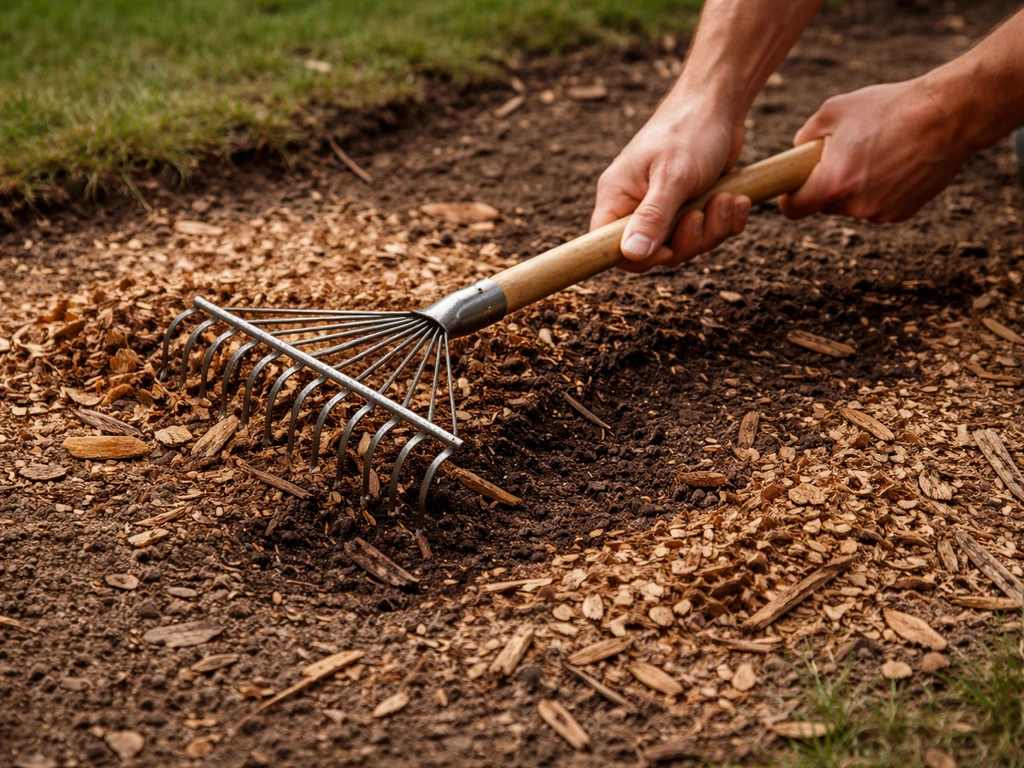
This is the step most people skip, and it's the reason their grass fails. After the stump is ground and the obvious debris is removed, take a hard look at what's left. Iowa State Extension is pretty direct on this: buried wood debris, compacted soil, and uneven grade will undermine your turf long term if you don't address them before seeding or sodding.
- Remove as much woody debris as you can. Rake out the wood chips and sawdust the grinder left behind. You won't get every fragment, but getting the bulk of it out makes a real difference. The more woody material you leave in, the worse the nitrogen tie-up problem.
- Check the depth of usable soil. Dig down and see what you're working with. Iowa State Extension recommends at least 4 to 6 inches of good soil for lawn establishment. If you're hitting subsoil or clay at 2 inches, you'll need to bring in topsoil.
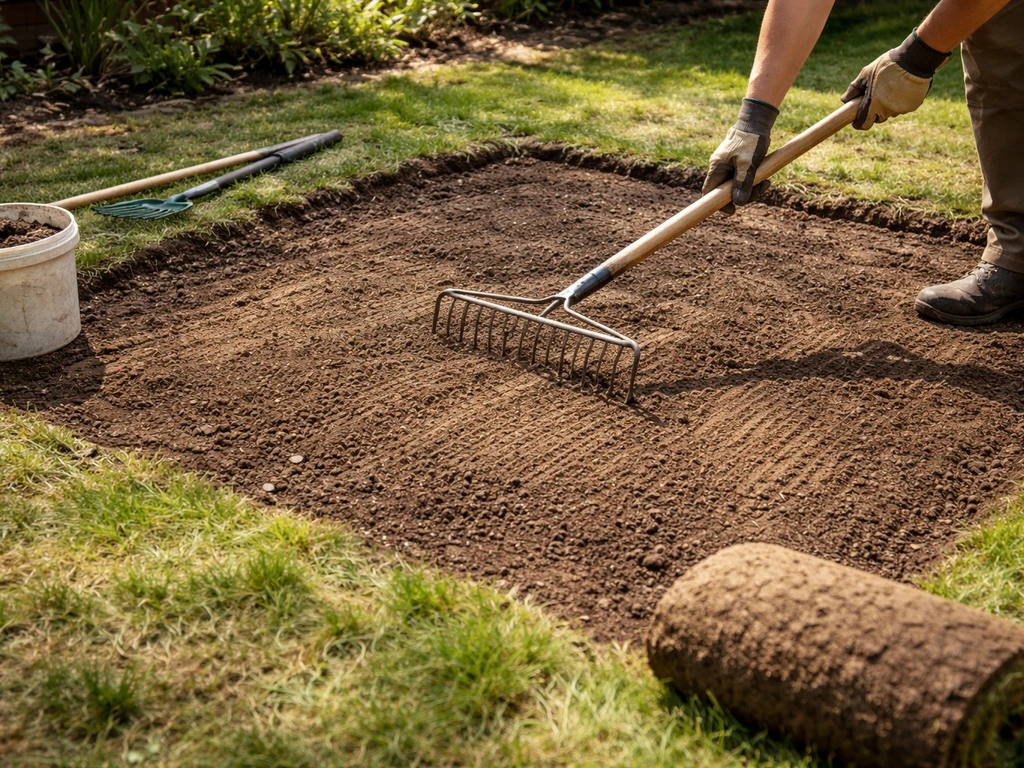
- Break up compaction. Use a tiller, a garden fork, or a rented core aerator to loosen the soil to at least 6 inches deep. Compacted soil prevents roots from penetrating and blocks oxygen and water from reaching the root zone.
- Level the area. Stump removal often leaves a depression. Fill and grade so the spot drains away from any structures and blends smoothly with the surrounding lawn. Low spots will collect water and drown your new grass.
How to prepare the area for new grass
Soil testing first
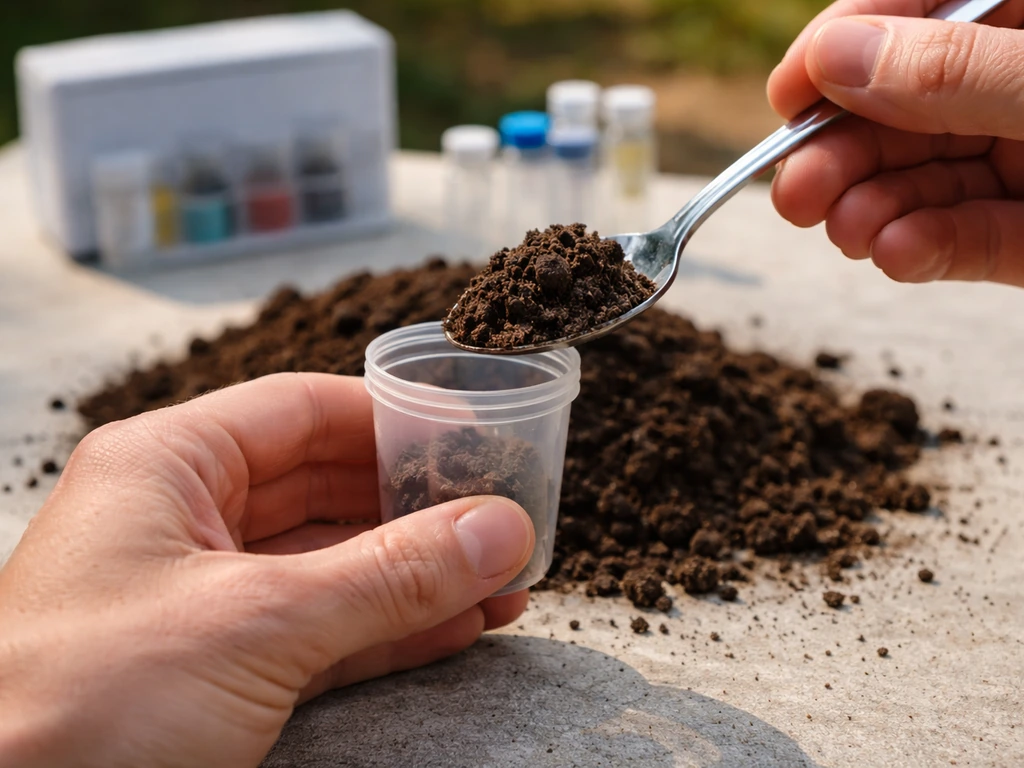
Before you add anything to the soil, get a soil test. University of Maryland Extension recommends this before any new lawn project, and it's especially important after tree removal because the soil chemistry in that spot can be quite different from your surrounding lawn. A basic test (available through most county extension offices for under $20) tells you pH, nitrogen, phosphorus, and potassium levels so you're not guessing.
Fixing pH
Most cool-season grasses do best in the 6.0 to 7.0 range, with Kentucky bluegrass preferring 6.5 to 7.2. If your test shows pH below 6.0, lime is the fix. If it's above 7.5, sulfur can bring it down. Don't skip this step: pH outside the optimal range locks up nutrients in the soil so the grass can't access them even if they're present.
Adding compost and topsoil
Work 2 to 3 inches of quality compost into the top 6 inches of soil. Compost improves drainage in heavy soils, improves water retention in sandy soils, and adds back the organic matter the tree removal stripped away. If the stump grinding left a genuine crater or the area is mostly subsoil, bring in quality screened topsoil to rebuild that 4 to 6 inch layer of workable growing medium.
Addressing the nitrogen problem from wood debris
This is the fix for the high carbon-to-nitrogen ratio issue. Purdue Extension specifically recommends compensating for stump-grinding debris with a slow-release turf fertilizer when establishing grass after stump removal. A starter fertilizer applied just before or immediately after seeding also helps, per Penn State Extension. Don't overdo nitrogen at the start, especially with a slow-release product: you want steady feeding over weeks, not a quick flush that burns seedlings.
Choosing the right grass for your spot
Once the tree is gone, most of the old tree spot often gets more direct sun than before. But not always, especially if the removed tree was on the edge of a group or if a fence or building now casts shade. The single most important thing to get right here is matching your grass selection to the actual light conditions on the ground.
| Grass Type | Sun Needs | Shade Tolerance | Best Use After Removal |
|---|---|---|---|
| Kentucky Bluegrass | 6+ hours direct sun (full sun) | Poor to fair | Open sunny spots; standard choice for most northern lawns |
| Tall Fescue | 4–6+ hours direct sun | Moderate | Transitional zones; tolerates some shade and drought stress |
| Fine Fescue (creeping red, Chewings) | 2–4 hours direct sun tolerated | High | Spots still shaded by nearby trees or structures |
| Perennial Ryegrass | 4–6+ hours direct sun | Low to moderate | Quick cover and repair; often blended with bluegrass |
| Zoysia / Bermuda (warm-season) | Full sun | Low | Sunny spots in southern climates only |
Penn State Extension defines full sun as six or more hours of direct sunlight per day. If your spot gets that, you have the full menu of cool-season grasses available. If it gets 4 to 6 hours, lean toward tall fescue or a blend with fine fescue. Under 4 hours and the spot is still partially shaded, fine fescues (particularly strong creeping red and Chewings fescue) are your best option.
University of Minnesota Extension notes these are among the most tolerant of tree shade, and fine fescue establishes faster than Kentucky bluegrass. If nearby trees still overhang the area, the related topic of growing grass under trees is worth reading since the challenges overlap significantly. Can pale oak saplings grow on grass depends on how much light and soil conditions the seedlings can reach after planting growing grass under trees.
Growing grass under oak trees also depends on addressing shade, leaf litter, and competition from the tree roots growing grass under trees. If you want more detail, this guide on growing grass under trees walks through the same fixes for shade, soil stress, and buried debris.
Step-by-step plan to establish grass after tree removal
Timing: when to seed or sod
For cool-season grasses (the most common choice across the northern two-thirds of the country), late summer to early fall is the best seeding window. Penn State Extension calls it the optimum time, and University of Minnesota Extension agrees. Soil is warm enough for quick germination, air temperatures are cooling down, and fall rains typically reduce watering demands. Spring seeding works but is harder: soil is often cold and wet in early spring, and you're racing against summer heat and weed pressure. University of Maryland Extension specifically notes that spring seeding is more challenging than fall planting. For warm-season grasses in southern climates, late spring to early summer (when soil temps stay above 65°F) is the right window.
Seeding method
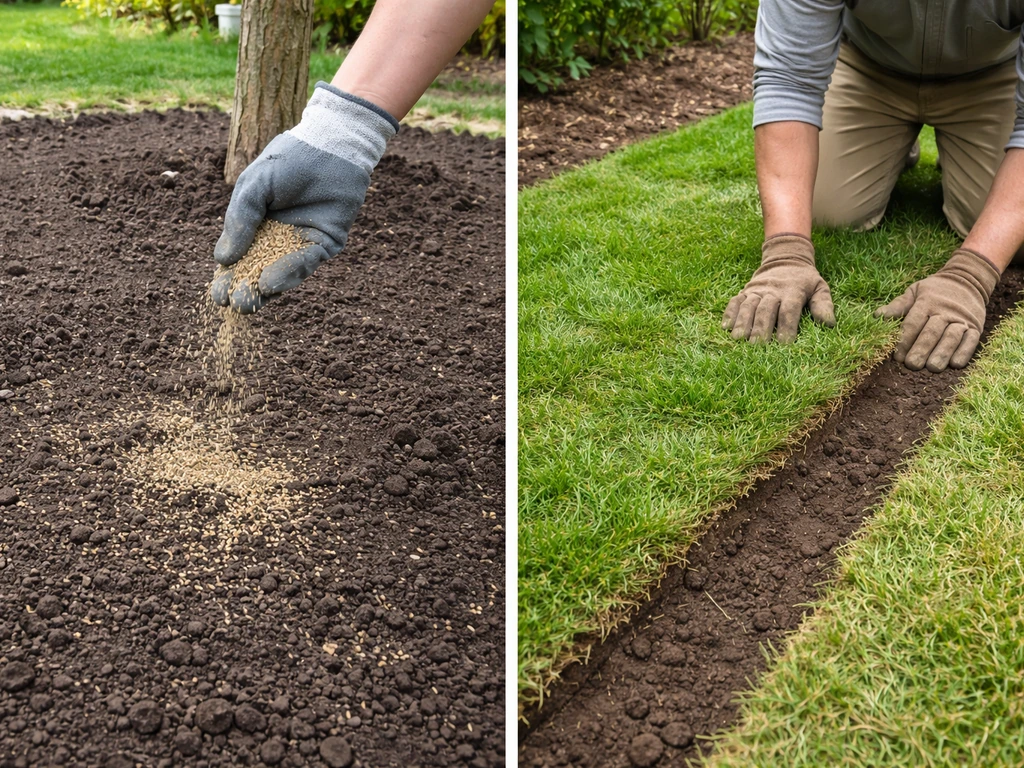
- Finish all soil prep: debris removed, compaction broken up, compost worked in, grade set, pH adjusted if needed.
- Apply starter fertilizer and work it lightly into the top inch of soil.
- Spread seed with a broadcast or drop spreader at the recommended rate for your chosen species. For a patch, hand spreading works fine.
- Rake the seed lightly into the surface so it has good contact with the soil. Penn State Extension is specific: do not bury seed deeper than 1/4 inch for species like Kentucky bluegrass. Most cool-season seeds follow the same rule.
- Roll the area lightly if you have a lawn roller, or simply firm the surface by walking over it. The goal is seed-to-soil contact.
- Apply a thin layer of straw mulch or erosion-control blanket to retain moisture and protect against birds and rain splash.
- Water immediately after seeding.
Sodding method
- Complete all soil prep as above, but grade the area about 3/4 inch lower than surrounding lawn to account for sod thickness.
- Apply starter fertilizer to the prepared soil surface.
- Lay sod pieces tightly together, staggering joints like brickwork. Don't overlap or leave gaps.
- Roll the sod with a lawn roller to maximize contact between sod roots and soil.
- Water immediately and heavily on day one: you want to wet the soil beneath the sod, not just the sod itself.
- Keep off the sod as much as possible for the first 3 weeks.
Watering schedule
The 4 to 8 weeks after seeding or sodding are critical, and consistent moisture is the single most important variable you control. For seed, University of Minnesota Extension recommends light watering 2 to 3 times per day during the first two weeks to keep the soil surface continuously moist.
University of Maryland Extension suggests about 1/4 inch per irrigation session. Around week three, you can shift to less frequent but deeper watering, roughly 1/3 inch every other day, as roots start to develop. For sod, the schedule is similar for the first two weeks, then taper to deeper, less frequent watering as the roots knit into the soil. The goal after establishment is to water deeply and infrequently, about 1 inch per week, to encourage deep root growth.
When grass still won't fill in: troubleshooting
You did the prep, you seeded at the right time, you watered consistently, and you still have bare or thin spots. Here's where to look.
- Buried wood debris you didn't get out: If the area is settling or you see spongy spots, decomposing roots and wood chips are likely still in the soil. Dig down a few inches in the problem area. If you find woody material, remove it, backfill with topsoil, and reseed.
- Compaction you didn't fully address: Probe the soil with a screwdriver. If it won't go in easily to 6 inches, you still have a compaction problem. Core aerate again and work in more compost.
- pH still off: A cheap at-home pH test or a second soil test will confirm this. Even if you limed or acidified, it can take a full growing season for pH to shift meaningfully. Keep adjusting incrementally.
- Nitrogen lockup still happening: If grass germinates but stays pale yellow and thin, nitrogen deficiency from woody debris is probably still the issue. Apply a slow-release nitrogen fertilizer and be patient. This can persist for 1 to 2 seasons as the debris finishes breaking down.
- Wrong grass for the light conditions: If thin spots consistently occur in one part of the area, check whether it gets less sun than the rest. Shaded sections may need to be overseeded with a shade-tolerant mix like fine fescue.
- Watering inconsistency: New seedlings have almost no drought tolerance. Even a day or two of dry surface soil during germination can kill a flush of seedlings. If you're relying on memory or rain, invest in a simple timer and sprinkler.
- Timing was off: If you seeded in late spring and got poor results, don't give up on the spot. Wait for the late-summer window and try again. Fall is genuinely that much better for cool-season grass establishment.
- Soil depth is still inadequate: If grass looks good initially but thins out as summer heat arrives, you may not have enough root-zone depth. This is especially common where stump grinding removed topsoil. Top-dress the area with quality topsoil or compost and overseed.
Most tree-removal grass failures come down to not spending enough time on soil prep before seeding. The seed itself is rarely the problem. Penn State Extension also emphasizes that for Kentucky bluegrass, good seed-to-soil contact is required for successful seeding and that you should not plant it deeper than 1/4 inch The seed itself is rarely the problem.. If you work through this troubleshooting list methodically and fix the underlying issue, grass will establish in that spot. It just might take a second attempt in the right seasonal window.
FAQ
How long after tree removal will grass actually start to grow in that patch?
If the soil prep is right, you typically see germination within 7 to 21 days (seed) or browning and re-rooting within the first 1 to 2 weeks (sod). If you see no growth after about 3 to 4 weeks, it usually indicates a deeper issue like buried wood fragments, poor soil contact, wrong pH, or drainage problems, and re-seeding without fixing those usually repeats the failure.
Should I seed immediately after stump grinding, or do I need to wait?
In most cases, seed right after grading and soil amendments are in place, but avoid seeding while the area is still loose, dusty, or draining unevenly. If you just spread compost/topsoil, lightly compact and rake to firm seed contact, then roll. Waiting a few days can help you confirm drainage, but waiting weeks without stabilizing erosion usually creates new problems.
What is the best way to handle buried wood chips or stump fragments under the soil?
After stump grinding, you want to remove what you can see, then do a practical follow-up by raking and clearing the top few inches repeatedly. If the area keeps producing fresh fragments or you can feel hard debris when you probe, you may need additional excavation and replacement of the top layer, because slow rotting carbon drawdown and physical interference can keep killing seedlings even with fertilizer.
Do I need to use a lawn starter fertilizer, or will regular fertilizer work?
Starter fertilizer helps most when establishing seed because it supports early root and establishment, especially after stump removal when nutrients may be depleted. The key is timing and form, slow-release is safer for young seedlings than high quick-release rates, and avoid heavy nitrogen right at seeding because it can increase seedling stress and weed competitiveness.
How do I choose between seeding and sod after tree removal?
Seed is often cheaper and works well if you can keep moisture consistent for the first few weeks and you prepared the soil properly. Sod can be a faster visual fix and reduces erosion, but it still needs the same underlying soil fixes (grade, pH, debris removal, workable topsoil depth). If drainage is poor or the area is very compacted, sod will fail too, just more quickly and expensively.
Can I just lay down topsoil and seed without compost?
You can, but it is usually less reliable. Compost is specifically useful for rebuilding organic matter and improving water behavior. If you bring in topsoil, aim to blend compost into the top 6 inches rather than only spreading a thin layer, otherwise nutrients and moisture can sit at a shallow depth while stump legacy conditions remain below.
What if the tree removal spot sinks or stays muddy after watering?
That is a drainage or compaction red flag. If it ponds or forms a soft, uneven surface, fix grade first (and address subsoil compaction if needed) before seeding. Repeated flooding or waterlogged soil can prevent germination even when you follow the watering schedule, and it often leads to patchy failure that looks like poor seed choice.
My soil test shows a pH problem, how fast can I correct it before planting?
How quickly you can benefit depends on the amendment. Lime and sulfur both act over time, so you may not get full correction before seeding. The practical approach is to start correcting as soon as the soil is tested, then seed in the proper season while using amendments that improve establishment in the short term. If the pH is extreme, a delay and deeper soil replacement may be safer than rushing.
How should I water after tree-removal seeding if rain keeps washing the seed around?
If heavy rain displaces seed, you may need to use lighter, more frequent watering between storms to keep the surface moist without washing, and consider covering with a thin mulch layer designed for seeding (not thick hay). Also confirm seed depth and soil contact before planting, because weak contact makes seed movement more likely.
Will over-seeding help if the first seeding fails completely?
Sometimes, but only after you identify the cause. If there is buried debris, a soil pH issue, or a drainage/grade problem, additional seed usually just repeats the cycle. A good decision aid is to probe the area at several spots, check moisture behavior after watering, and verify with a soil test before re-seeding in the next correct seasonal window.
What grass type is safest if I am not sure how much sun the spot gets?
If you are unsure, measure it at the ground level for a couple of days (not just your intuition). If you are stuck between full and partial sun, cool-season blends with fine or tall fescue components are typically more forgiving than Kentucky bluegrass in lighter conditions, but the best match still comes from actual hours of direct sun.
Next Articles
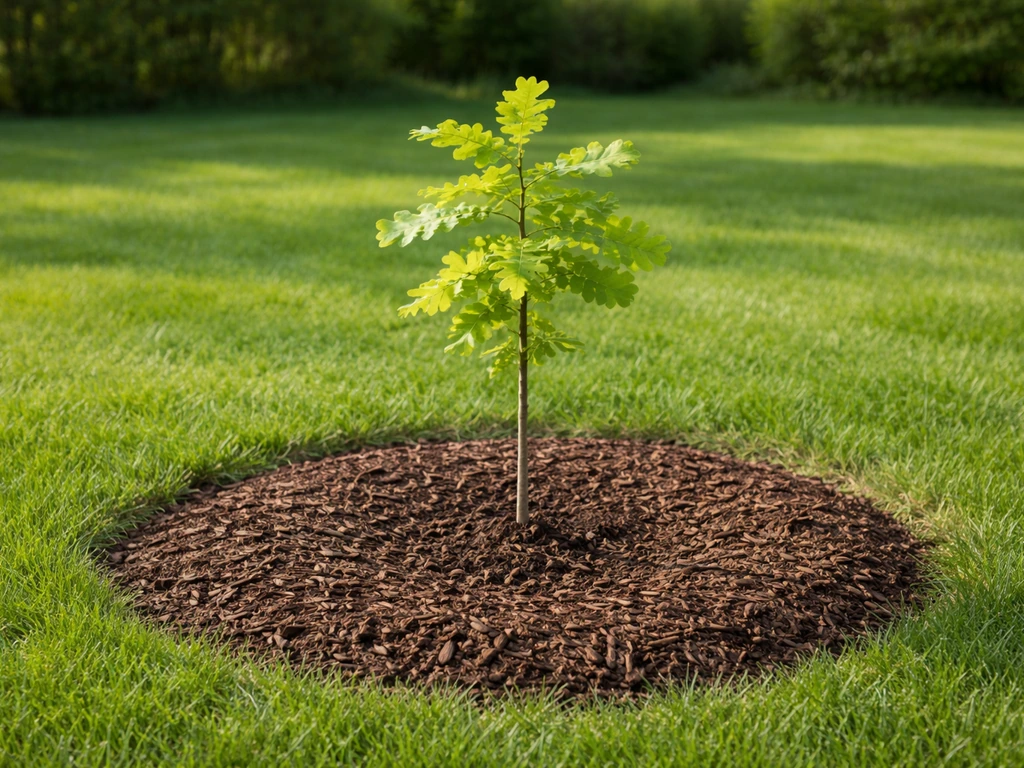
Can Pale Oak Saplings Grow on Grass? Conditions and Steps
Yes, but only with sun, grass removed in a ring, and amended, well-drained soil plus careful watering and mowing.
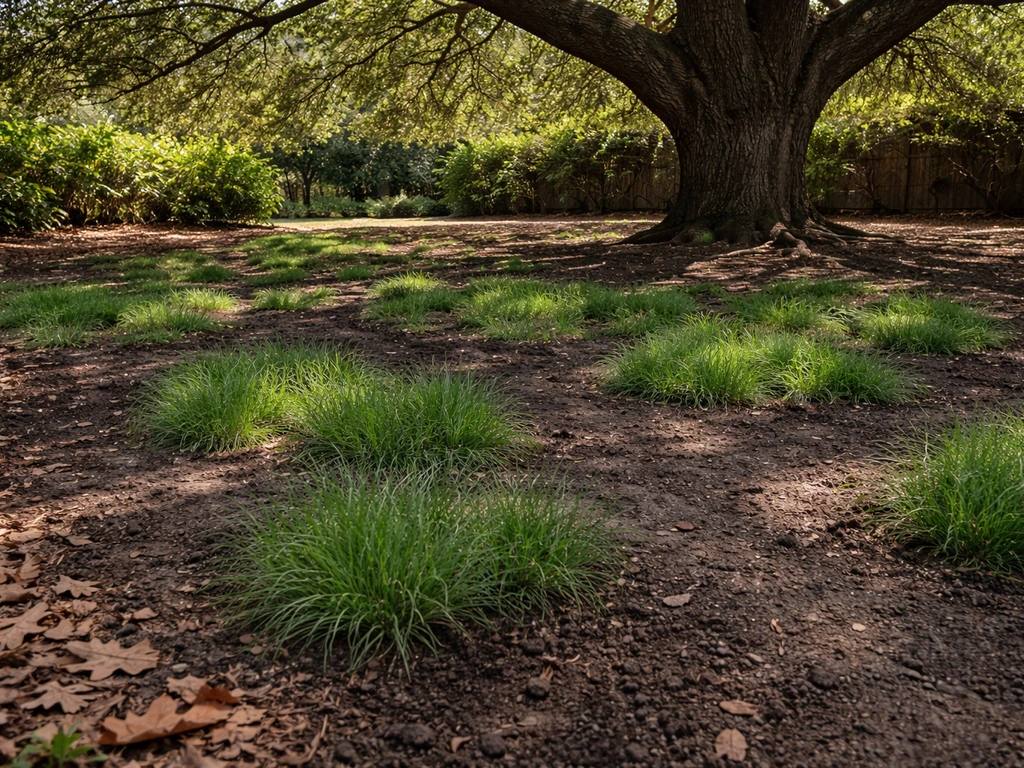
How to Grow Grass Under Oak Trees: Step-by-Step Guide
Learn how to grow shade grass under oak trees with soil prep, oak litter control, irrigation, mowing, and troubleshootin
How to Grow Grass Under a Tree: Step-by-Step Guide
Fix shade and root competition to grow grass under a tree with the right soil prep, turf choice, and troubleshooting tip