Yes, grass seed will germinate and grow without straw, as long as you nail three things: good seed-to-soil contact, consistent moisture in the top inch or two of the seedbed, and protection from erosion or wind. Straw makes those things easier, but it is not a requirement. Skip it, do the work another way, and you will get grass.
Will Grass Seed Grow Without Straw? Yes, But Here’s How
Marcus Volkmann
30 Apr 2026
Does grass seed actually germinate without straw
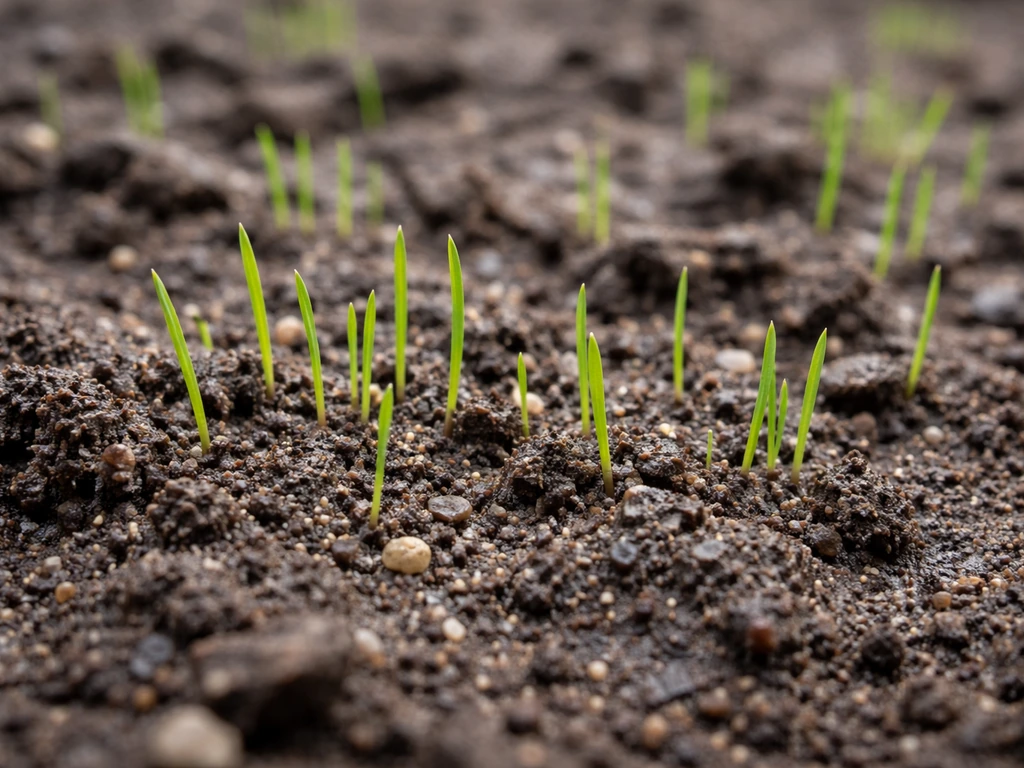
Straw does not contain some magic ingredient that triggers germination. What it does is hold surface moisture, moderate soil temperature, and slow down the erosion that can wash seeds off a bare seedbed before they even get started. If you are wondering whether will wheat straw grow grass, the key is that straw mainly holds moisture and moderates conditions, which is why germination still depends on temperature and water. Take those jobs away from straw and hand them to something else, and the seed behaves exactly the same way.
Germination is driven by soil temperature and moisture. Cool-season grasses want soil temperatures between 60 and 85 degrees Fahrenheit, while warm-season grasses prefer 70 to 90 degrees. Pair the right temperature window with a constantly moist seedbed and you will see germination regardless of whether there is straw on top. The straw is just the easiest, cheapest tool for keeping that moisture in place, which is exactly why Penn State Extension calls it the most widely used and least expensive mulch for lawn establishment.
One thing worth keeping in mind: species matters for your timeline. Some grass types, particularly unhulled varieties, can take 14 to 21 days or longer to germinate. If you are going straw-free, that extended window means you need to maintain moisture for longer, which raises the stakes on your watering routine.
Grass growing through straw vs. no straw at all
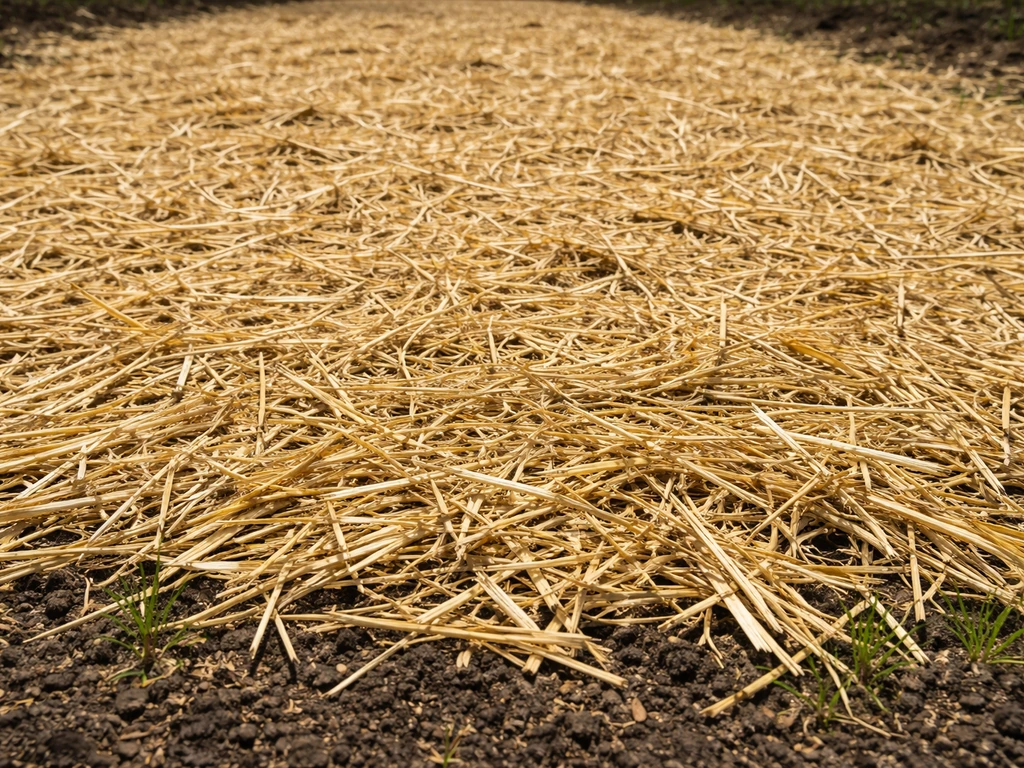
Here is something that confuses a lot of people: grass does not grow through straw, it grows up between the straw stems. Applied at the right rate, roughly one bale per 1,000 square feet, straw covers about 75 percent of the surface and leaves enough gaps for seedlings to push through toward the light without being smothered. Virginia Cooperative Extension recommends clean wheat straw at about 1 bale per 1,000 sq ft as an effective mulch for cool-season lawn establishment, and it warns against weed-infested straw sources roughly one bale per 1,000 square feet. That thin layer also keeps the seed zone shaded just enough to slow surface drying without blocking emergence.
Go heavier than that and you create problems. Thick straw blocks light, traps too much moisture, and physically resists seedling emergence. Some seed actually requires light to germinate, so burying it under dense mulch slows or stops the process entirely. The same principle applies to any coverage method, including alternatives to straw: the objective is always a thin, breathable layer, not a thick blanket.
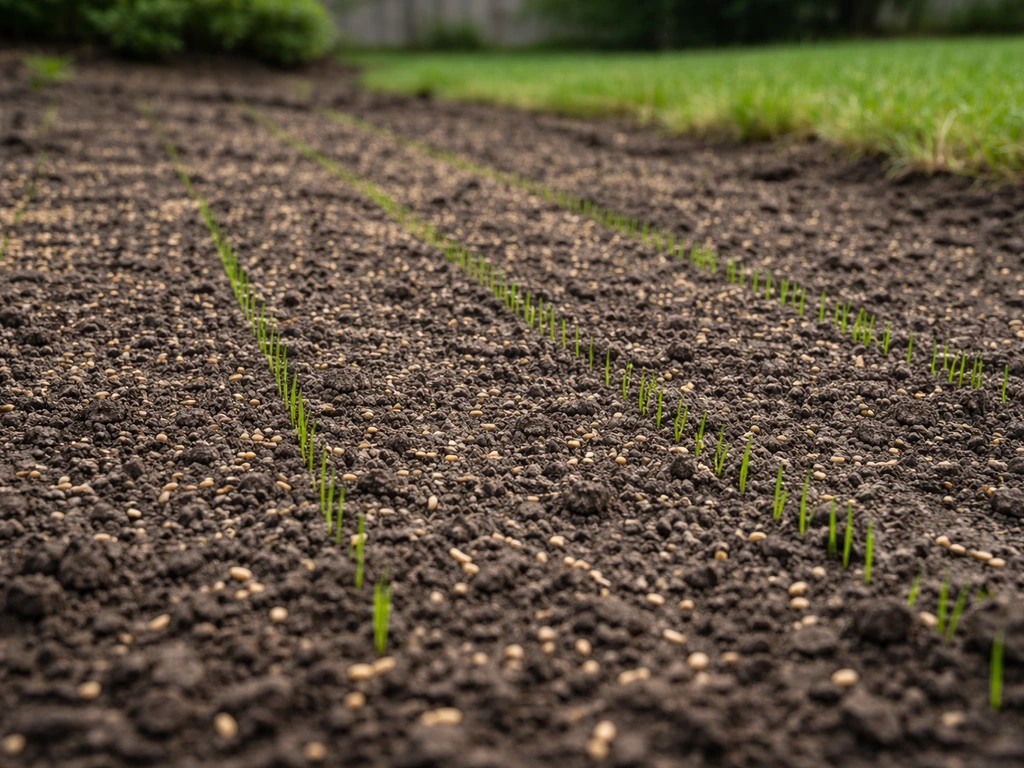
When you go with no coverage at all, germination can still be just as fast and uniform, provided your watering schedule compensates for the exposed surface. In my experience, bare seedbeds on flat, shady ground in mild weather often germinate just as well as straw-covered ones. The gap shows up on slopes, in wind, and during hot dry spells, where bare soil dries out between waterings and seeds either fail to imbibe enough water or wash off the surface.
When straw genuinely helps and when it does not
Moisture retention
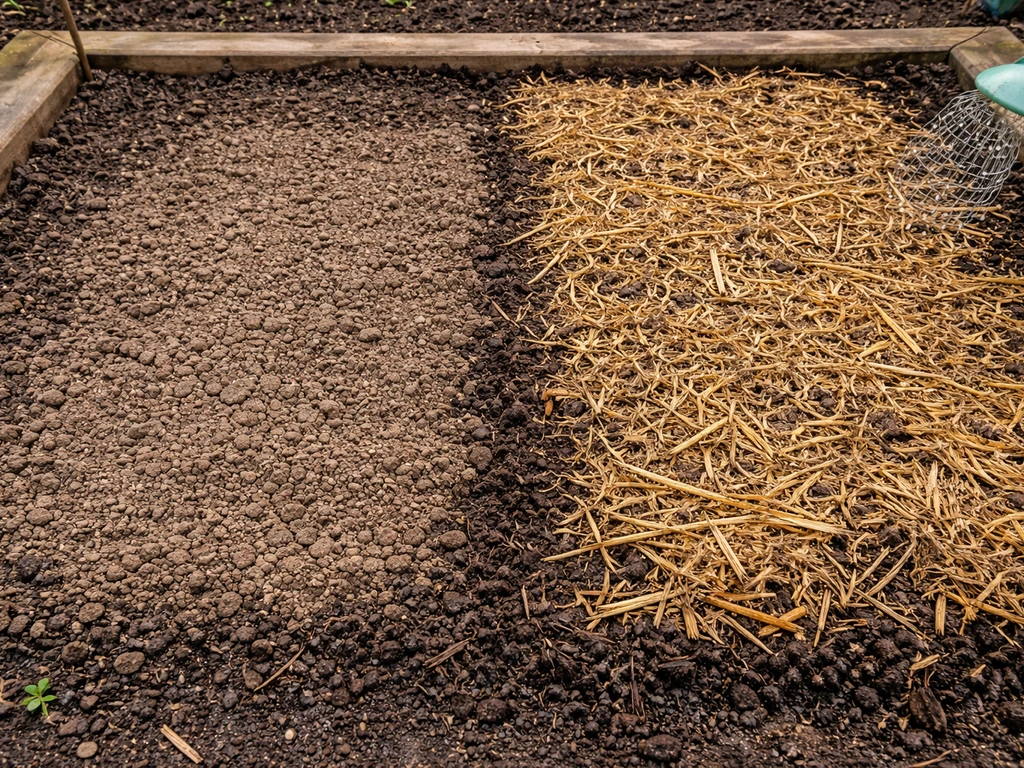
The biggest real-world benefit of straw is keeping that top one to two inches of soil moist between waterings. MU Extension specifically recommends straw at seeding time, at about one bale per 1,000 square feet, to shade the ground and prevent rapid surface drying. If you are seeding in hot, dry, or windy conditions and you cannot water two or three times per day, straw earns its keep. If you are seeding in cool, overcast spring or fall weather on flat ground with a good sprinkler setup, the benefit shrinks considerably.
Erosion control
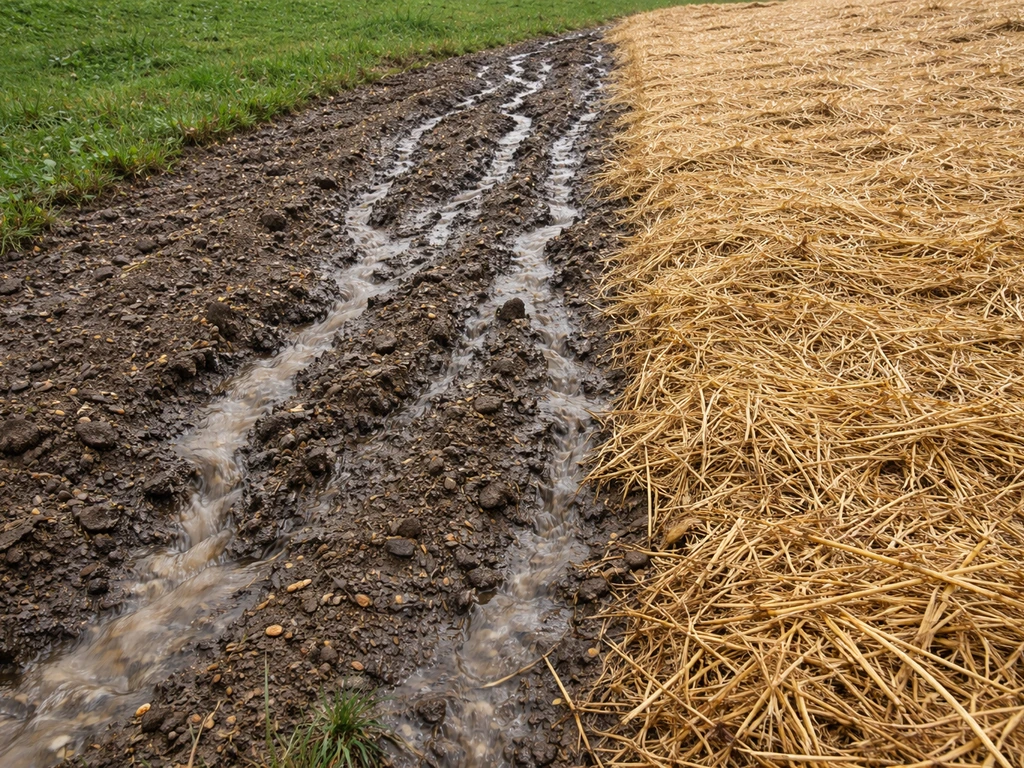
On any slope steeper than a gentle grade, bare seed is at real risk of washing away with the first heavy rain or irrigation pass. This is where straw or an alternative covering shifts from optional to nearly essential. Even a light straw application significantly slows water runoff across the soil surface. On serious slopes, CASQA's erosion control guidance recommends anchoring straw with a tackifier spray to keep it from blowing or washing away itself, which is a whole additional step that makes alternatives like erosion blankets more practical in those situations.
Temperature moderation
Virginia Tech notes that a straw mulch layer can moderate soil temperatures at the seed zone, which helps during late-season seedings when overnight temperatures start dropping. If you are seeding at the tail end of your window, straw buys you a little insurance on those cooler nights. Timing matters here more than people realize: Purdue's turfgrass research shows that even waiting one week too late in the fall can measurably slow germination and delay establishment because temperatures are trending the wrong direction.
How to grow grass seed without straw: step by step
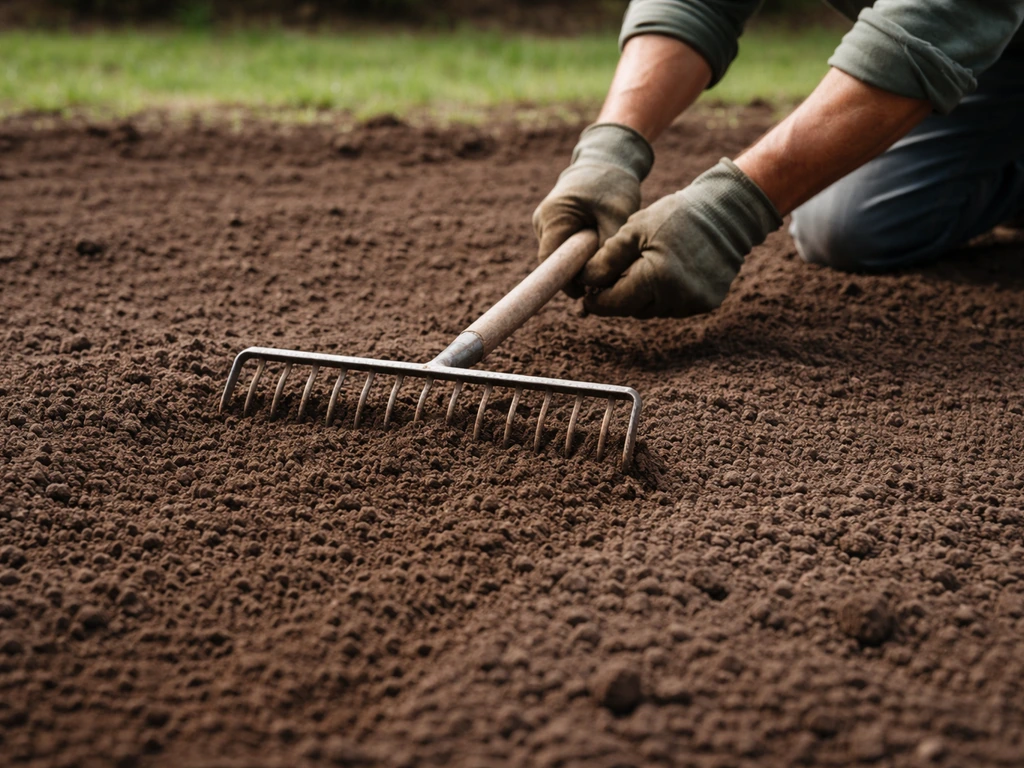
- Prep the seedbed properly. Loosen the top two to three inches of soil with a rake or tiller, break up clumps, and level the surface. Seed cannot make contact with a hard, crusted, or clumpy surface, and contact is everything.
- Set your seeding depth. Broadcast seed and then rake it lightly into the surface so it sits no deeper than one quarter to one half inch. Deeper than that and emergence slows or stops. Shallower and you risk the seed drying out or blowing away before it roots.
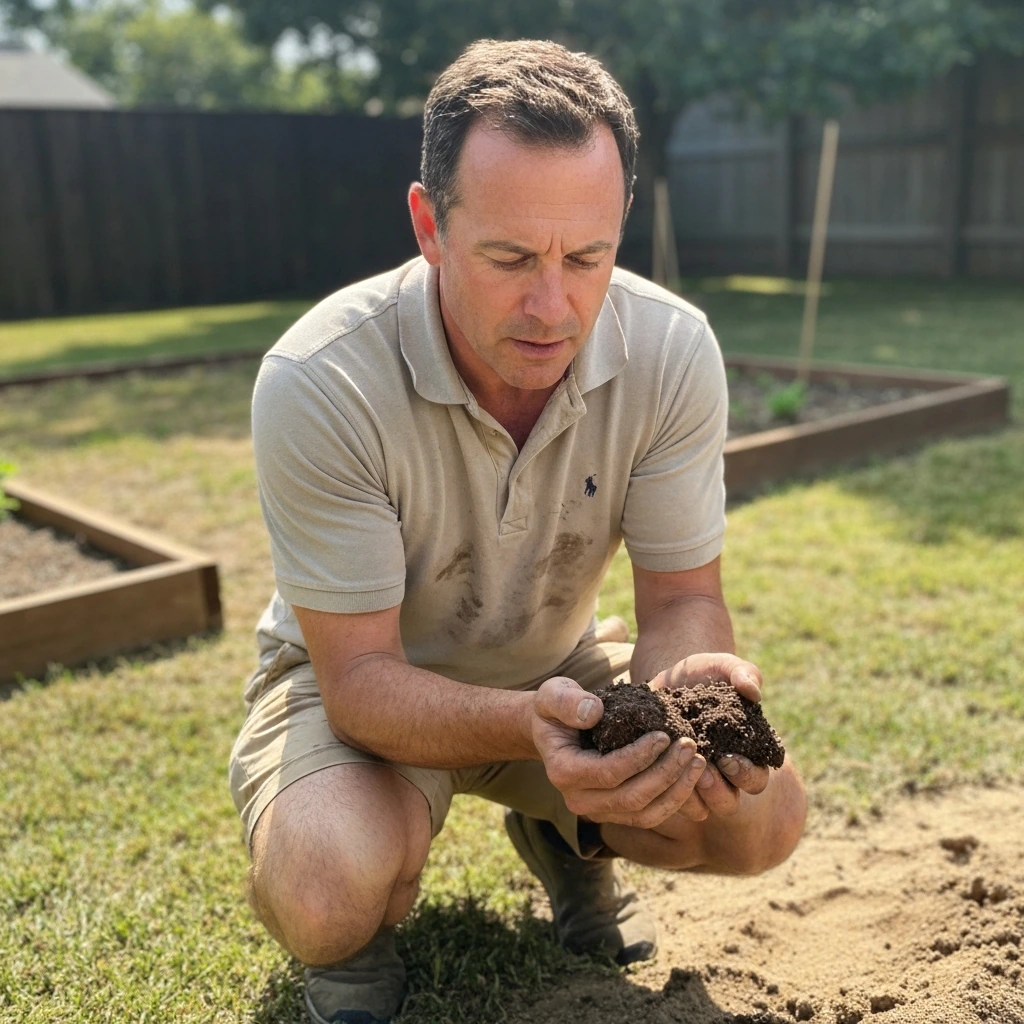
- Roll or firm the surface. Use a lawn roller or even just firm foot traffic on smaller areas to press seed into the soil. This single step does more for germination than almost anything else when you are going straw-free. Oregon State Extension specifically emphasizes that the goal is imbibition, which requires the seed to be in actual contact with moist soil.
- Water immediately and often. Start watering right after seeding and keep the top one to two inches consistently moist until seedlings reach about one quarter to one half inch tall. In warm weather this likely means two to three short watering sessions per day. Light, frequent watering beats one heavy daily soak because it keeps the surface moist without waterlogging the root zone.
- Protect from foot traffic. Mark the area off with stakes and string. One walk across a newly seeded bed can displace seeds and compact the surface before roots form.
- Back off watering gradually. Once seedlings are visible and reaching toward the light, start transitioning toward deeper, less frequent watering to encourage root development rather than surface dependence.
Why it fails without straw: the real culprits
If you skip straw and your grass seed is not coming up, one of these is almost always the reason:
- Hot, dry weather with infrequent watering. The surface crust dries out between waterings and seeds either fail to germinate or dry out right after they start. No coverage and inconsistent moisture is the single most common failure point.
- Wind. On exposed sites, light seed blows before it ever makes soil contact. Rolling or firming helps, but if you are dealing with persistent wind and no coverage at all, seed displacement is a real problem.
- Poor soil prep. Hard, compacted, or poorly raked seedbeds prevent seed-to-soil contact. Seeds sitting on top of clods or hard crust will not germinate reliably no matter how much you water.
- Seeding too deep. Burying seed deeper than half an inch weakens or prevents emergence. Virginia Cooperative Extension is clear that the one quarter to one half inch depth range is the target.
- Heavy shade with poor soil. Shade reduces evaporation, which helps moisture retention, but shaded areas often have root competition from trees, poor soil structure, and low light for seedling establishment. Skipping straw in deep shade is fine for moisture, but the underlying conditions may still cause failure.
- Wrong timing. Seeding outside the optimal soil temperature window means slow, uneven, or failed germination no matter what you do on the surface. Cool-season grasses planted into hot late-summer soil or warm-season grasses seeded in cool spring soil will both disappoint.
Better alternatives to straw
If you want coverage but do not want to deal with straw (or cannot find weed-free straw), there are several solid alternatives. The right choice depends on your slope, budget, and how large an area you are covering.
| Alternative | Best for | Coverage rate or depth | Notes |
|---|---|---|---|
| Weed-free straw | Flat to moderate slopes, large areas | 1 to 1.5 bales per 1,000 sq ft | Cheapest option; use weed-free only or you trade one problem for another |
| Erosion control blankets (straw/coconut fiber) | Slopes, high-erosion areas | Single layer over entire seeded surface | Straw or coconut fiber netting systems; stays in place without tackifier |
| Jute mesh netting | Gentle to moderate slopes | Single layer pinned to surface | Open weave lets light and water through; biodegrades naturally over season |
| Hydromulch or hydroseeding fiber | Large areas, slopes, access-limited sites | Applied by machine at 1,500 to 2,000 lbs per acre | Seed, mulch, water, and fertilizer applied together; excellent moisture retention |
| Tackifier spray | Any slope where straw or mulch needs to be anchored | Applied over seed or straw layer | Not a mulch itself; a bonding agent that holds loose material in place |
| Peat moss or fine compost | Small areas, raised beds, topdressing | 1/8 to 1/4 inch layer | Excellent moisture retention; can be expensive at scale |
For most homeowners doing a standard backyard or front lawn renovation on reasonably flat ground, the honest answer is that none of these alternatives are strictly necessary if you can water consistently. But for slopes, large areas, hot summer seedings, or sandy soils that drain fast, an erosion control blanket or jute netting is worth every penny. It eliminates the twice-daily watering grind and protects the seedbed between rain events without the hassle of cleaning up loose straw after establishment.
It is also worth knowing that hydroseeding, which Penn State describes as a system combining seed, water, fertilizer, and mulch in a single application, is one of the most effective no-separate-straw approaches for larger properties or difficult terrain. The fiber mulch in the mix acts as the moisture retention layer, so you get all the benefits of straw without the bale-spreading step.
The bottom line on going straw-free
Straw is a tool, not a rule. Grass seed does not know or care whether straw is on top of it. What it needs is consistent moisture at the soil surface, good contact with that soil, the right temperature, and protection from being washed or blown away before it roots. If you can supply those things through diligent watering, proper seedbed prep, and a rolled-in seeding, you will get germination and establishment without a single bale of straw.
Wheatgrass is often treated as its own crop, and it typically does not grow into wheat grains in the way people expect will wheatgrass grow into wheat. Add coverage when conditions push against you, whether that is heat, wind, slope, or a schedule that makes twice-daily watering unrealistic, and choose the covering that fits your situation rather than defaulting to straw just because it is traditional.
FAQ
If I skip straw, how often should I water grass seed?
Yes, but “sprinkle enough” usually is not a single-time step. Plan for frequent, light watering that keeps the top 1 to 2 inches consistently damp until most seedlings emerge, then shift to deeper, less frequent watering once the grass has rooted.
Can I overwater if I do not use straw?
Focus on keeping the seedbed moist, not saturating the soil. If you see pooling, runoff, or crusting, you are either overwatering or watering too heavily at once, and both can reduce germination even without straw present.
What can I do to improve seed-to-soil contact without straw?
Rake and press. Use a roller or tamping tool after seeding, especially on bare soil. Better seed-to-soil contact reduces how much you rely on straw to hold seeds in place and helps seedlings get water faster.
How do I avoid using too much straw?
Yes. If you use straw, apply it thin, then make sure it is not matted. Thick, clumped straw can trap too much moisture and block light, and it can also keep seeds from getting the temperature and water they need.
Why would grass seed fail to germinate even with straw (or other covering)?
If seeds are covered too deeply or buried under dense material, light-dependent species may not germinate. As a rule, do not bury seed under more than a light covering, and keep any mulch or alternatives breathable and not packed down.
Is grass seed more likely to fail without straw on slopes or windy areas?
Not always. Straw-free seeding often works best on flat, sheltered areas where you can run sprinklers reliably. On windy days or bare slopes, you usually need some form of temporary erosion control, even if it is not straw.
Does straw change the ideal temperature for germination?
Yes. Warm-season and cool-season grasses have different soil temperature windows, and straw only helps with moisture and moderation, not with putting the soil into the right temperature range. Seeding outside the preferred temperature band typically delays germination regardless of coverage.
What is the correct straw rate if I decide to use it at all?
One bale per 1,000 square feet is a common starting target for thin coverage, but the real check is surface coverage and breathability. You should still see gaps between straw strands, and the layer should not feel like a solid blanket.
If germination takes 3 weeks, does that change my watering plan when no straw is used?
Plan to maintain moisture longer. The article notes some grasses can take 14 to 21 days or more to germinate, so without straw you need a watering routine that stays consistent through the full, species-specific germination window.
What should I choose if I cannot water twice a day?
Yes. If your watering is limited by time or water restrictions, straw can be a practical way to reduce surface drying between waterings. If you cannot water frequently enough, consider an erosion control blanket or hydroseeding fiber mulch instead of relying on bare seed.
Next Articles
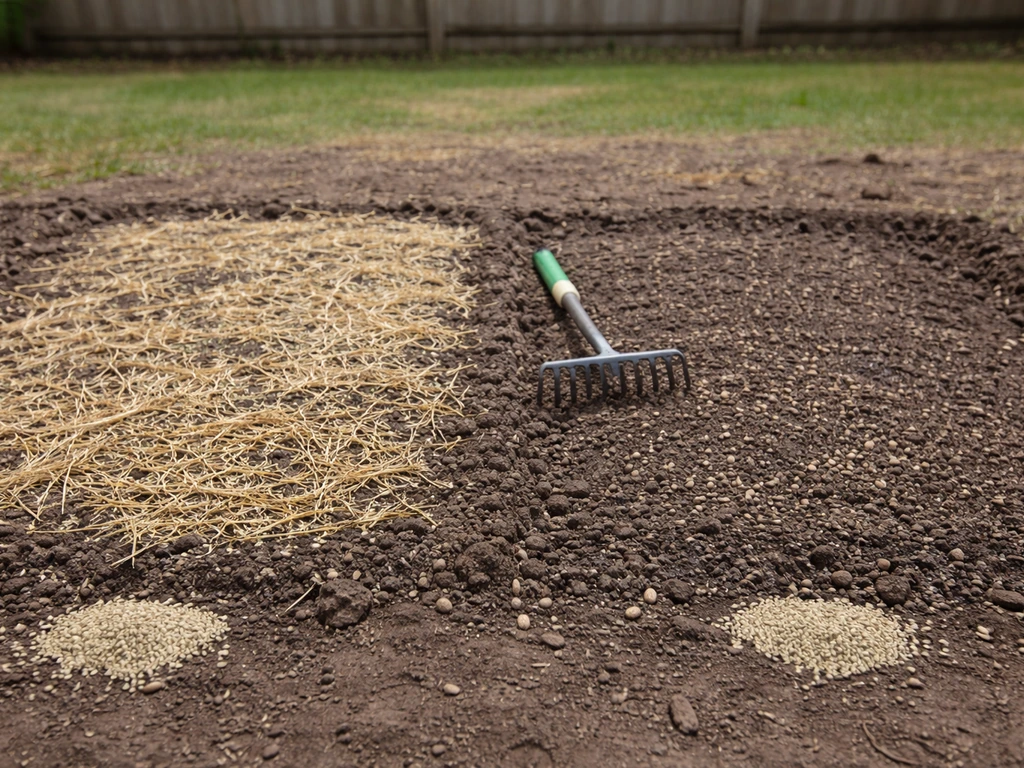
Do You Need Straw to Grow Grass? When to Use It
No, straw often isn’t required, but it helps with moisture and erosion control; learn when to use or skip it.
Does Straw Help Grass Grow? When, How, and Limits
Find out if straw helps grass or seed grow, how to apply it, and when it fails with troubleshooting and fixes.
Can You Grow Grass Over Gravel? How to Do It Right
Learn when you can grow grass over gravel and follow a step-by-step method for soil depth, drainage, seeding or sod, and