Yes, straw helps grass grow, but only when the fundamentals are already in place. It is not magic. Straw acts as a protective mulch layer over newly seeded areas, holding in moisture, moderating soil temperature, and slowing erosion, but it cannot fix bad soil, poor seed-to-soil contact, or a watering schedule that lets the seedbed dry out. Think of straw as a tool that improves the odds of germination, not a shortcut around doing the groundwork correctly.
Does Straw Help Grass Grow? When, How, and Limits
Marcus Volkmann
2 Apr 2026
Will straw actually make grass grow?
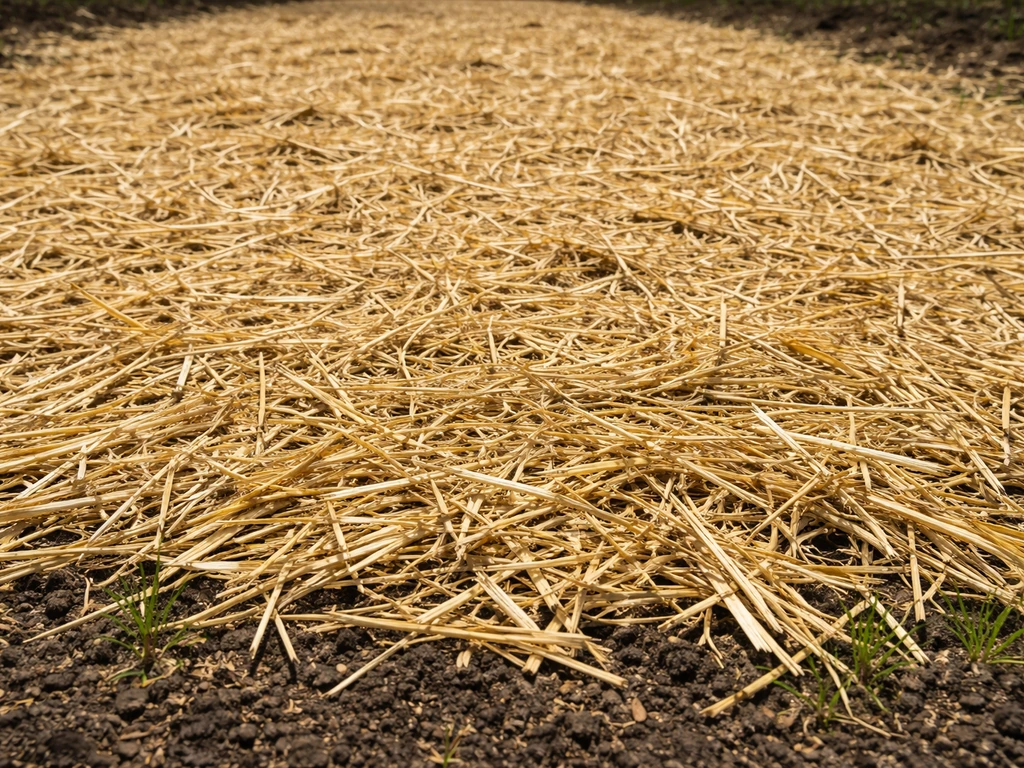
Straw does not contain nutrients that feed grass. It is not a fertilizer, and it will not cause grass to appear where conditions otherwise make it impossible. What straw does is create a more favorable microenvironment for seeds that are already in the ground. Penn State Extension calls straw 'the most widely used and least expensive mulch for lawn establishment from seed,' and that framing is exactly right: it is a mulch, not a growth agent. If your soil is compacted, bone dry two hours after watering, sitting in deep shade, or loaded with weed seeds, straw on top will not solve any of those problems. But if your prep work is solid, straw can meaningfully improve germination rates and protect young seedlings in those first fragile weeks.
How straw supports grass, seed versus established turf
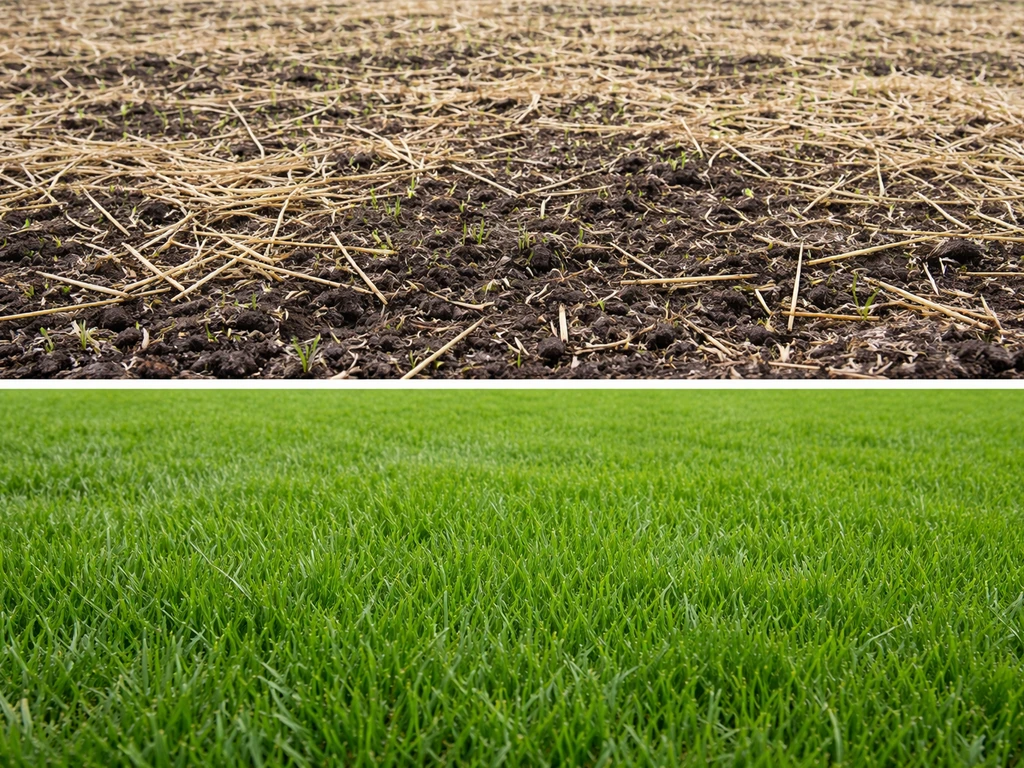
For newly seeded areas, straw is doing real, measurable work. It slows evaporation from the top inch of soil, which is exactly where grass seeds need consistent moisture to germinate. It reduces the physical impact of heavy rain, which can wash seeds away or create a crust on bare soil that blocks emergence. It also buffers soil temperature swings, which matter more than most people realize. Cool nights can stall germination even when daytime temps feel fine, and a thin straw layer keeps the seedbed a few degrees warmer after sunset.
For established grass, straw is much less commonly useful. Mature turf already shades its own soil surface and has a root system deep enough to buffer moisture swings. Where straw does help established grass is in repair patches: bare spots from pet damage, heavy foot traffic, or disease recovery. In those cases, treat the patch exactly like a new seeding. Strip any dead material, loosen the soil, overseed, then apply a light straw cover. Outside of patch repair, laying straw over a healthy lawn is more likely to mat down and cause problems than to provide any benefit.
What straw actually does to your soil
Moisture retention
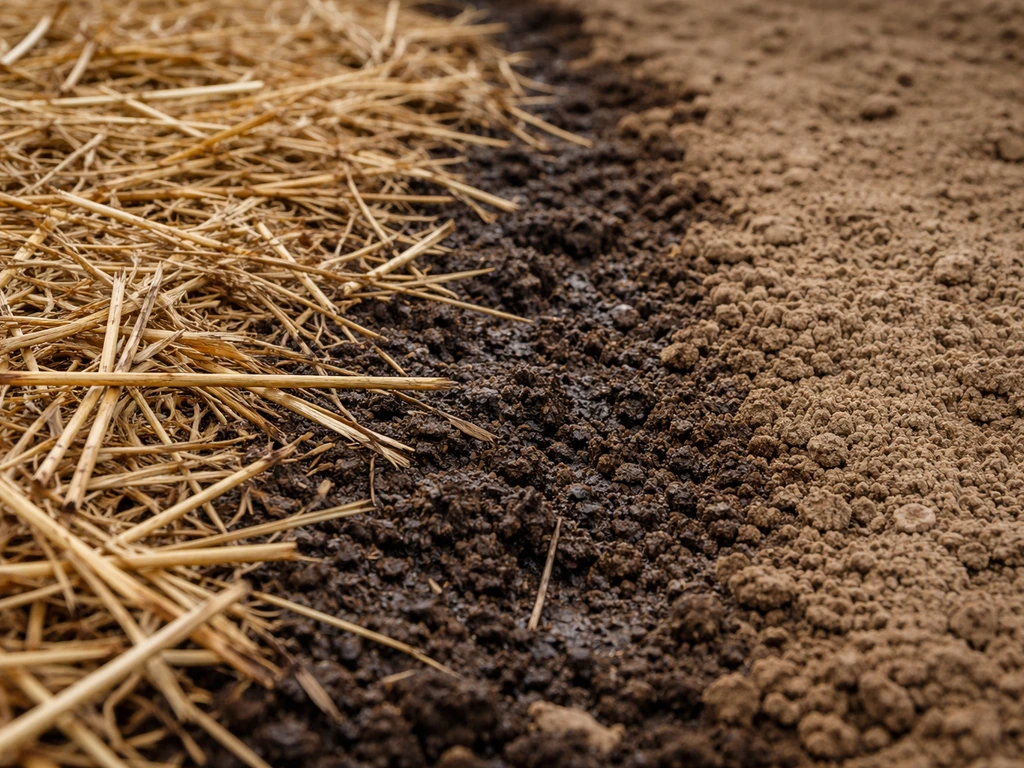
This is the biggest practical benefit. A bare seedbed exposed to wind and sun can dry out completely within a couple of hours of watering, which kills germinating seeds before you ever see a blade. Straw dramatically slows that evaporation. Virginia Cooperative Extension recommends watering 'lightly and frequently' until germination is complete, and straw makes that strategy work by giving the surface moisture somewhere to stay. Without it, you are fighting a losing battle trying to keep bare soil consistently moist in warm or windy weather.
Temperature buffering
Straw insulates in both directions. In fall seedings, it keeps soil temperatures from dropping too fast at night, extending the germination window. In spring or summer seedings, it prevents the top layer of soil from overheating in direct sun, which can actually bake seeds before they sprout. Neither effect is dramatic, but a few degrees either way can be the difference between germination and failure, especially at the edge of optimal temperature ranges.
Erosion control
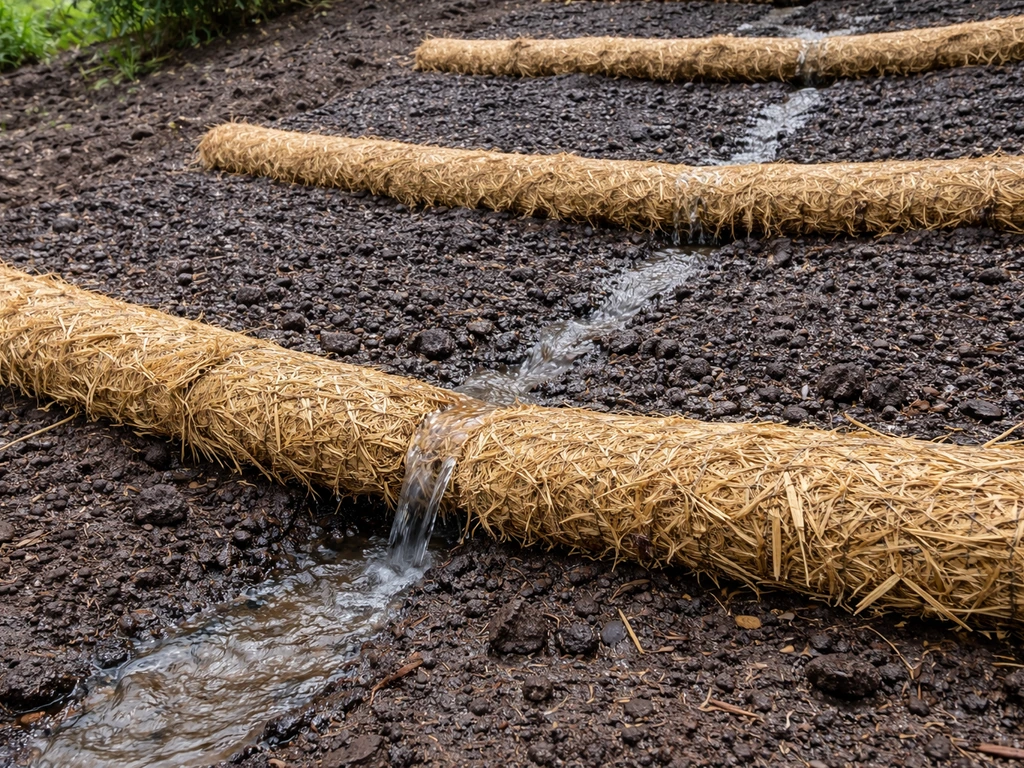
On slopes, straw is doing genuinely important work. Rain and even irrigation water can move seeded soil rapidly down a grade, leaving you with seeds bunched at the low end and bare dirt at the top. Straw slows runoff velocity enough to hold seeds roughly in place while roots establish. If you are seeding any slope steeper than about 10 percent grade, straw is not just helpful, it is close to essential unless you are using erosion blankets instead.
Weed seed risk: the straw trade-off
Here is the catch. Not all straw is clean. A trial reported by LebanonTurf confirmed what many landscapers have learned the hard way: blank" rel="noopener noreferrer">straw mulch can introduce weed seeds into new turf. The weed seed contamination risk varies significantly by source and how well the straw was harvested and stored. If you grab whatever bales are cheapest at a farm supply store, you may be mulching in your next weed problem along with the grass seed. Always buy certified weed-free straw or clean wheat straw from a trusted supplier. The USDA Forest Service Region 3 weed-free material guidelines emphasize using certified weed-free mulch such as straw to reduce contamination from weed seed Always buy certified weed-free straw or clean wheat straw from a trusted supplier..
When straw works well and when it does not
Straw works best for cool-season grass seedings done in late summer or fall, which is the ideal window for grasses like tall fescue, Kentucky bluegrass, and perennial ryegrass. Virginia Cooperative Extension specifically recommends clean wheat straw at 1 bale per 1,000 square feet as 'a very effective mulch' for cool-season turf establishment. It also works well for spring seedings in regions where temperatures are still mild, and for any seeding on a slope or in a spot exposed to consistent wind.
Straw works poorly or actually causes problems in a few specific situations. If you are seeding warm-season grasses like Bermuda or Zoysia in midsummer heat, a heavy straw layer can trap moisture and create conditions for fungal issues. If your area is prone to mold or disease pressure, thick straw can make that worse. And if you are trying to overseed into existing turf, straw can physically block new seeds from reaching the soil surface at all, preventing the seed-to-soil contact that germination requires. Straw is also a bad fit if birds are a serious problem in your area, since loose straw makes it easier for them to scratch around and expose seeds.
People often wonder about the specific material they are using. Whether wheat straw will grow grass is a practical question worth understanding before you buy bales, since not all straw behaves the same way and the plant it came from matters for weed seed risk and decomposition rate.
How to apply straw correctly, rates, timing, and setup
- Prepare your seedbed first: till or loosen the top 2 to 3 inches of soil, level it, and apply starter fertilizer before you seed. Straw goes down last, not first.
- Seed at the recommended rate for your grass species, and rake lightly to improve seed-to-soil contact. Seeds sitting on top of hard, unprepared soil will not germinate no matter how much straw you add.
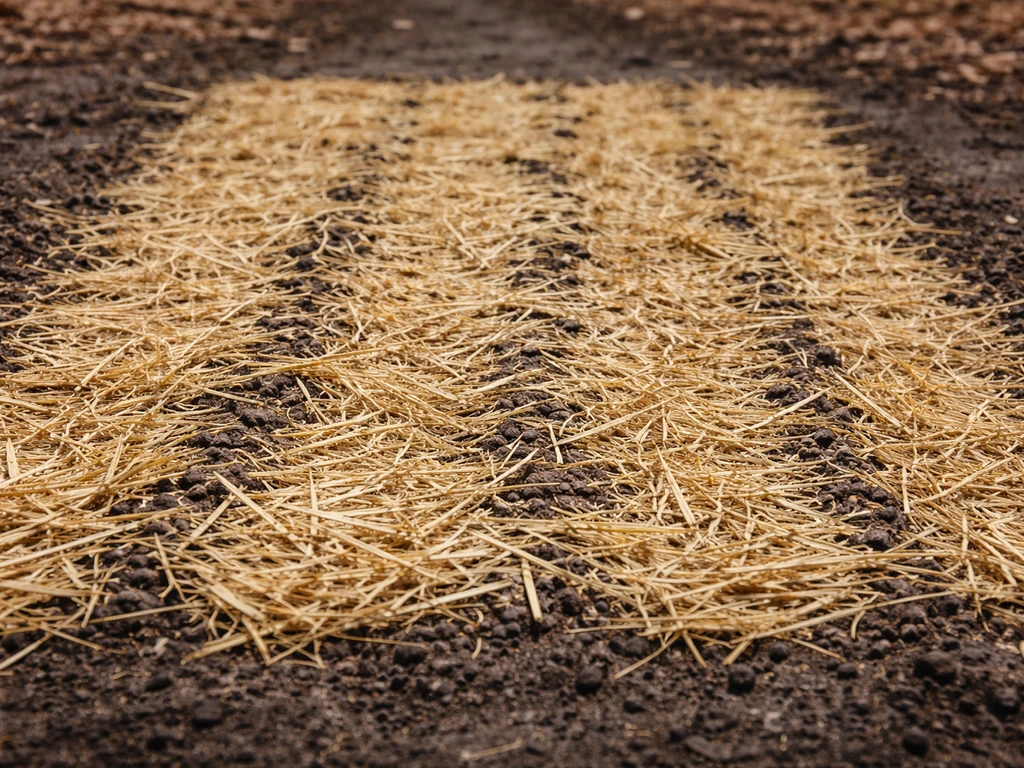
- Apply clean wheat straw at 1 bale per 1,000 square feet. This gives you roughly 50 to 75 percent soil coverage with a thin, loose layer. You should still be able to see some soil through the straw. If you cannot, you have applied too much.
- Spread the straw loosely and evenly. Break up any clumps. Matted or compacted straw blocks light and air once seedlings start to emerge.
- On slopes or windy sites, anchor the straw with a light pass of a lawn roller or use biodegradable erosion netting stapled over the top. Loose straw will shift or blow before seeds have a chance to root.
- Water lightly and frequently right after applying. The goal is to keep the top inch of soil consistently moist, not soaking wet. Light daily watering (or twice daily in hot, dry weather) is better than heavy, infrequent irrigation.
- Watch for germination at 7 to 21 days depending on grass type and temperature. Once you see consistent coverage emerging, reduce watering frequency but increase depth to encourage roots to chase moisture downward.
One question that comes up constantly is whether you actually need straw to grow grass at all, and the honest answer is that it depends heavily on your specific site conditions. It is not always mandatory, but on exposed or sloped ground it makes a significant difference.
Do you need to remove the straw?
At the right application rate, usually not. Virginia Cooperative Extension notes that properly applied wheat straw 'will not have to be removed after planting but can simply be mulched with your mower the first few times the turf is cut.' The straw breaks down into the soil on its own. However, Penn State Extension warns that covers and mats should be removed 'soon after germination' to prevent disease and to allow light to reach seedlings. The practical distinction: light, thin, loose straw at the right rate can stay. Heavy, matted straw that is blocking sunlight needs to come off once germination is visible, or you risk smothering what you just grew.
Common mistakes and what to do when grass still will not come in
| Problem | Likely Cause | Fix |
|---|---|---|
| No germination at all | Poor seed-to-soil contact, straw too thick, seeds dried out, wrong timing | Rake off excess straw, check soil moisture at 1-inch depth, confirm soil temps are in the right range for your grass type |
| Sparse, patchy sprouting | Uneven seed distribution, straw blocking light in spots, uneven watering | Overseed thin areas, thin out heavy straw patches, adjust irrigation to ensure even coverage |
| Straw matting down | Applied too thick or got wet and compressed | Rake it up gently to loosen, remove any sections that are fully matted and reapply thinly |
| Mold under the straw | Too much moisture plus poor airflow, straw too dense | Remove affected straw, reduce watering frequency, improve drainage if possible |
| Birds scratching up seeds | Loose straw makes seed accessible | Add erosion netting or a light biodegradable blanket over the straw to reduce access |
| Weed explosion alongside grass | Contaminated straw with weed seeds | Spot treat weeds once grass is established enough for herbicide (check label for seedling timing), switch to certified weed-free straw for future seedings |
If you applied straw correctly and grass is still not coming in, the problem is almost certainly underneath the straw, not with the straw itself. Check soil pH (most grasses want 6.0 to 7.0), check drainage (standing water after rain will rot seeds), and verify that your seed is not expired. Grass seed viability drops significantly after one to two years of storage.
A lot of people wonder at this point whether grass seed will grow without straw at all, which is worth understanding so you can separate the straw's contribution from other variables when you are troubleshooting a failed seeding.
Alternatives and what to try if straw is not the fix
Straw is not the only mulch option for grass establishment, and for some situations it is not even the best one. Penn State Extension specifically lists pelletized mulches and seed germination blankets as alternatives. Here is how the main options compare:
| Option | Best Use Case | Trade-offs |
|---|---|---|
| Clean wheat straw | Large flat seeding areas, cost-sensitive projects | Risk of weed seed contamination, can blow in wind, needs to be spread evenly |
| Pelletized mulch (hydromulch) | Small to medium areas, high-visibility spots | More expensive, needs watering to activate, but very low weed seed risk |
| Biodegradable erosion blankets | Steep slopes, stream banks, high-erosion sites | Best erosion control available, higher cost, must be properly staked |
| Compost topdressing | Poor soil quality, patchy overseeding | Improves soil while protecting seeds, no weed seed risk if fully composted, heavier to apply |
| Seed germination mats | Small repair patches, high-traffic seed areas | Convenient and clean, expensive per square foot for large areas |
If you are working with truly challenging soil, a thin layer of finished compost over your seed can outperform straw in both moisture retention and long-term soil improvement. It will not blow away, it feeds the seedbed as it breaks down, and there is no weed seed risk if the compost was properly hot-composted. The downside is cost and weight for large areas.
It is also worth understanding the reasoning behind the tool before you use it. Knowing why straw is used to grow grass in the first place helps you make smarter decisions when your site conditions are unusual or when straw is causing more problems than it is solving.
For irrigation-related failures, the fix is almost always the same: water more often but in smaller amounts until germination is complete, then flip to deeper, less frequent watering. A sprinkler timer is worth every dollar here. Hand-watering is inconsistent, and inconsistent moisture is one of the top reasons new seedings fail regardless of what mulch is on top.
One final note on materials: some people end up with hay instead of straw, or use straw from uncommon grain crops and wonder if the results will be different. There is an important distinction worth knowing about: whether wheat straw specifically helps grass grow gets into the details of which straw types perform best and which carry the highest weed risk. And on a related note, if you have ever wondered whether wheatgrass will grow into wheat, that question speaks to a broader point: the plant that produced your straw matters, and understanding that connection helps you source better materials.
Bottom line: straw is a genuinely useful tool for grass establishment when it is applied correctly, at the right rate, at the right time, from a clean source. It is not a solution by itself, and it will not rescue a seeding that has underlying problems with soil quality, moisture, or timing. Get those fundamentals right first, then use straw as the final protective layer it was designed to be.
FAQ
How soon should I remove straw after seeding?
Usually, yes if the goal is establishment from seed. Thin, loose straw can stay in place if it is not matted down and you can still see seedlings once they germinate. If you notice thick clumps, a felt-like layer, or seedlings struggling to reach the surface, remove or rake it lightly once germination is visible so light can get through and disease risk stays lower.
What’s the most common mistake when applying straw to grass seed?
Be careful with depth and compaction. The problem with “more is better” is that heavy straw can block light and keep the seedbed too wet, which can promote fungal issues and smother emergence. Use a light, even layer that covers the soil, not a thick blanket, and avoid pressing it down with a roller or walking on it.
Do I still need straw if I have a sprinkler system and my watering schedule is good?
Yes, but the site dictates the method. Straw is most helpful when seeds need frequent surface moisture and protection from rain or sun. If you already have reliable irrigation coverage that keeps the top inch consistently moist (light, frequent watering until germination), straw’s benefit is smaller. It still helps on slopes, windy areas, or where you cannot keep the surface from drying quickly.
Can I use straw to overseed into an existing lawn?
You can, but it changes the goal. If you are overseeding into existing turf, straw may prevent seed-to-soil contact, even if moisture is good. Instead, focus on aerating or dethatching to open the soil, then overseed and use the lightest possible cover (or skip straw) so seeds actually touch soil.
Will straw always add weeds, or does it depend on the supplier?
It can, especially if your straw comes from a field that had weeds or volunteer plants. To reduce risk, buy certified weed-free straw, confirm the supplier’s weed-control practices, and avoid unknown “bedding straw” that may have high contamination. If you see weeds emerging in the first month or two, treat it as a source-contamination issue and adjust your material for the next seeding.
Should I rake straw into the soil to help seeds contact the ground?
Sometimes, but it is not reliable as a seed-delivery method. Straw should be on top as a protective mulch, not buried. If you notice seeds are mostly trapped under straw and not contacting soil, germination can stall even though moisture is being held.
How does straw affect mowing and cleanup later?
Yes. Straw breaks down over time, so when you go to mow, use a higher initial mower setting and keep blades sharp. If the straw is too thick or matted, mowing can create a dense mat that blocks light and traps moisture, so you may need to lightly lift it with a rake after germination.
If straw is applied correctly and watering is consistent, what other factors most often cause no germination?
Measure viability when troubleshooting. If germination fails while the seedbed stays moist and temperatures are in range, expired seed is a common hidden cause. If your seed is more than about one to two years old (or has been stored poorly), germination can drop sharply, and straw cannot compensate for low viability.
Does straw replace fertilizer for newly seeded grass?
In most cases, no. Straw is not a substitute for fertilizer because it does not provide meaningful nutrients to new seedlings. A light, starter-focused fertility plan is often more important after seeds sprout, but avoid heavy nitrogen immediately before germination to reduce stress and potential disease.
How do I handle birds digging up seeds if I’m using straw?
It should not be the first line of defense, but it can help in minor wind-driven drying. If birds are actively digging, loose straw can make it easier for them to uncover seeds. In that case, combine or prioritize bird deterrence (proper mulch coverage, netting in extreme cases, and keeping the seedbed from being exposed for long periods) rather than relying on straw alone.
Next Articles
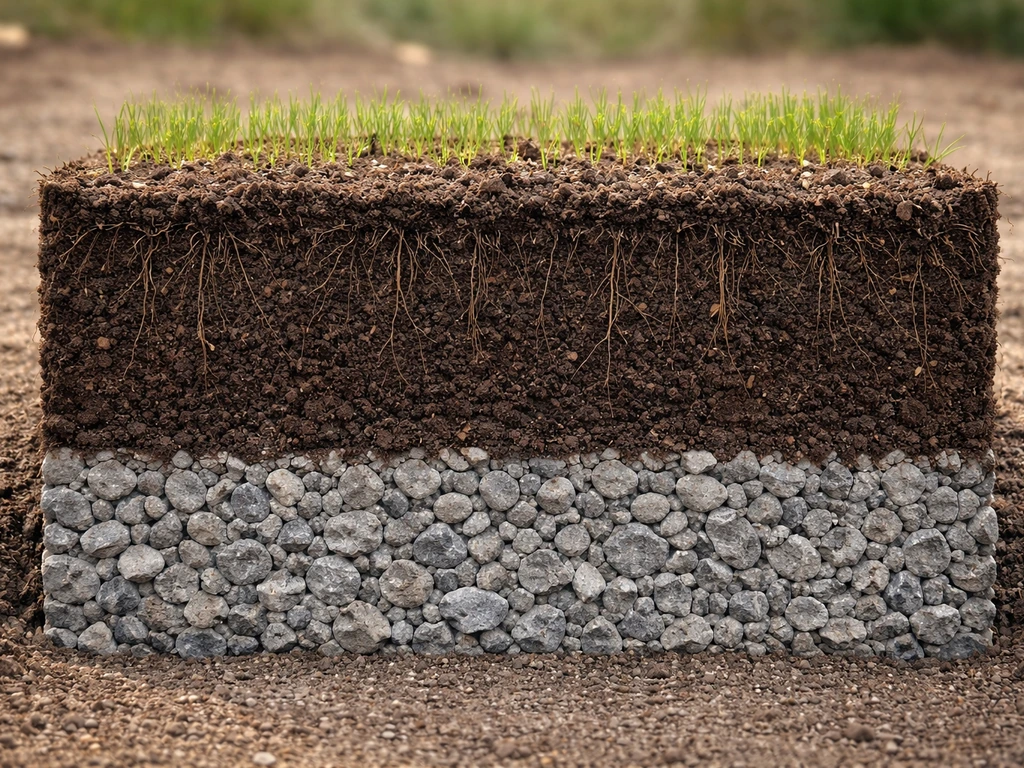
Can You Grow Grass Over Gravel? How to Do It Right
Learn when you can grow grass over gravel and follow a step-by-step method for soil depth, drainage, seeding or sod, and
Do Wood Chips Help Grass Grow? When They Work and When Not
Learn when wood chips help grass grow, when they steal nitrogen, and step-by-step how much to apply and seed options.

Will Potting Soil Help Grass Grow? What Works and What Fails
When potting soil helps grass grow, when it fails, and how to prep, apply, seed, water, and troubleshoot bare spots.