No, you do not need straw to grow grass seed. Grass has been germinating without it for centuries. That said, straw mulch does real work in the right conditions: it holds moisture, buffers soil temperature, and slows erosion on slopes. Whether it helps or hurts depends entirely on how you apply it and where you're seeding.
Do You Need Straw to Grow Grass? When to Use It
Marcus Volkmann
24 Apr 2026
Is straw actually required for germination?
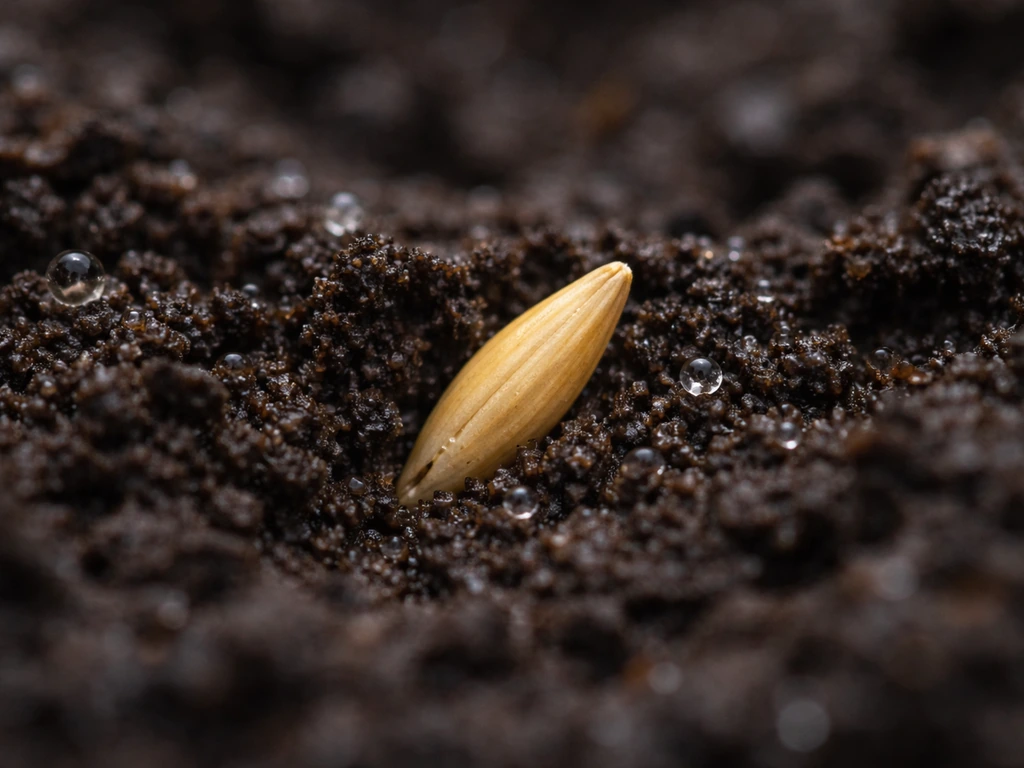
Straw is not a germination requirement. Seeds need moisture, soil contact, and the right temperature to sprout. Straw can support those conditions, but it doesn't create them on its own. Penn State Extension calls straw the 'most widely used and least expensive mulch for lawn establishment from seed,' which tells you something: it's popular because it's practical and cheap, not because it's biologically necessary. If your conditions are already favorable, bare soil and consistent watering can get the job done without any mulch at all.
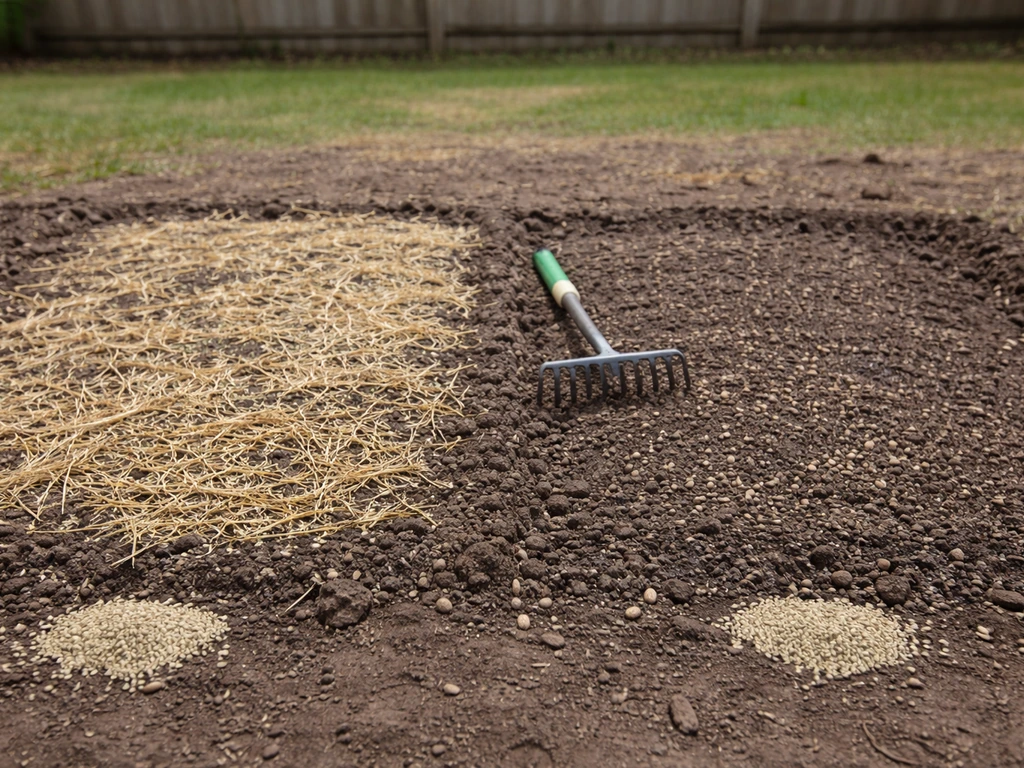
The seed-to-soil contact question matters more than straw. Ohio State University's turfgrass team emphasizes lightly raking seed into the surface after spreading to maximize contact. Skip that step and germination suffers whether you use straw or not. Straw is a tool, not a substitute for good seeding technique.
When straw mulch genuinely helps
There are three situations where straw earns its place: moisture retention, erosion control, and temperature buffering. If you're seeding in dry or sandy soil where the surface dries out fast between waterings, a light straw layer acts as a physical lid, slowing evaporation and keeping the seed zone moist long enough for germination. USDA NRCS technical guidance confirms that mulching can 'dramatically improve water availability' at the seed level, which directly affects germination rates.
On slopes, straw is close to essential. Rutgers NJAES recommends 50 to 90 pounds of straw per 1,000 square feet (roughly one to two bales) on steep seeded areas, combined with erosion-control matting like nylon netting or jute where needed. Without something holding the seed in place, a single heavy rain can wash it all to the bottom of the slope before it even has a chance to sprout.
Temperature swings are the third factor. Straw insulates the soil surface, keeping it warmer during cool nights and cooler during hot afternoons. Penn State Extension notes that warm soils speed germination while cold soils slow it, and seed won't germinate at all once soil temperatures drop too low in late fall. A thin straw layer helps moderate those swings, which is especially useful in spring and early fall seeding windows when nights can still be cold.
When straw works against you
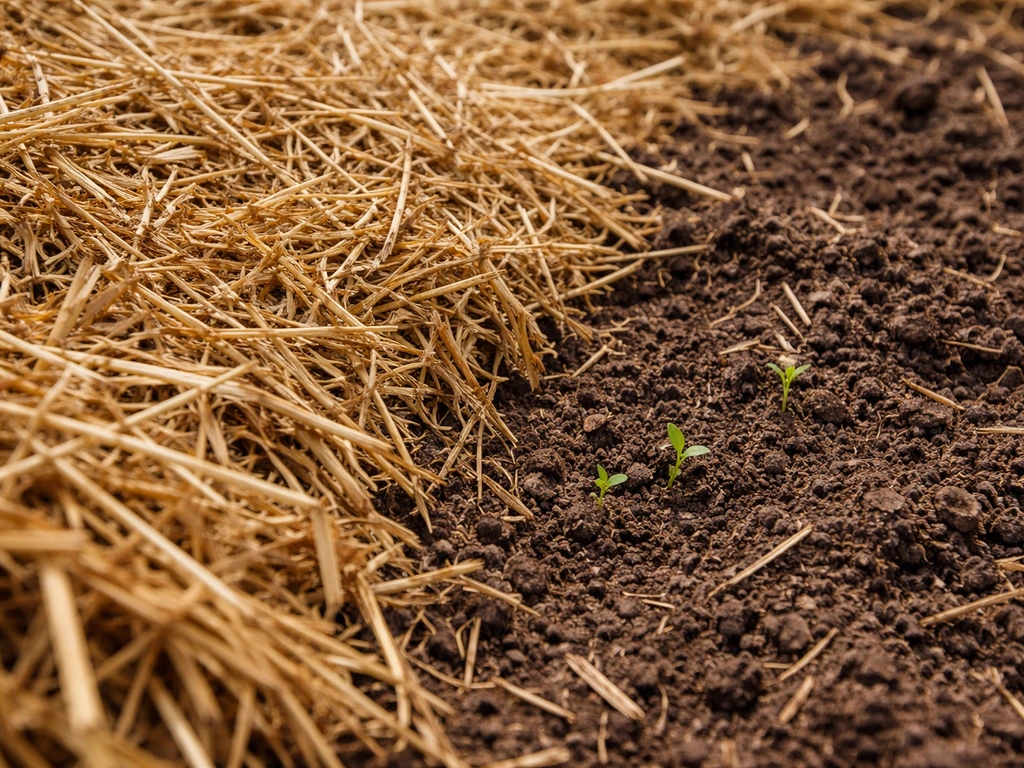
Too much straw is one of the most common seeding mistakes I see. USDA NRCS is direct about this: high amounts of mulch can interfere with seedling emergence. When straw mats down, it becomes a physical barrier. Tiny grass seedlings can push through a light, airy layer, but they can't break through a dense, wet mat. Kansas State University's guidance notes that seedlings can grow through a light straw layer as it decomposes, with the key word being 'light.'
Disease is the other major risk. Penn State Extension warns that covers and mats kept in place too long after germination prevent light from reaching seedlings and create the humid, stagnant conditions that favor fungal disease, especially damping-off. This is a real problem in shaded or humid areas where airflow is already limited. If you're seeding under trees or in a low-lying spot that stays damp, straw can make disease pressure worse, not better.
Weed contamination is the third issue, and it's a trap. Not all straw sold at garden centers is weed-seed-free. Nebraska Extension is blunt: straw mulch can contain high levels of weed seed that will germinate right alongside your grass. Pennsylvania's Bureau of Forestry guideline puts it plainly: 'Use straw, not hay, to reduce the potential for introduction of weed seed.' Hay is cut from fields full of flowering plants and carries a heavy seed load. Even some straw is not clean. Iowa DOT actually requires certification documentation proving straw is 'Noxious Weed Seed Free' before approving it for state erosion-control projects. That's a high bar, but it illustrates the real risk of using uncertified material.
Better alternatives when straw isn't the right choice
Straw isn't your only option, and in some situations it's not even the best one. Here's what works well depending on your setup:
- Compost topdress: A light quarter-inch layer of fine compost over seeded areas retains moisture, improves poor or sandy soil structure, and introduces zero weed seed risk. This is my go-to for bare patches in lawn areas with thin or sandy topsoil.
- Erosion-control netting or jute matting: On steep slopes, biodegradable jute or nylon netting holds seed and soil without the weed seed risk of straw. Rutgers recommends this approach for steep areas and notes it can be left in place after germination without removal.
- Peat moss: A thin layer works well for small areas and holds moisture effectively, though it can get hydrophobic if it dries out completely and it's more expensive than straw at scale.
- Hydromulch or hydroseeding: On large or difficult slopes, hydroseeding mixes seed, water, fertilizer, and mulch into a slurry sprayed directly onto the soil. Penn State notes it's especially useful for large or sloped areas. It costs more than straw but provides excellent coverage and erosion control.
- Paper mulch or straw blankets: OSU Turfgrass Science points to paper mulch and processed straw blankets as solid options that break down over time without the loose weed-seed risk of raw straw. These are worth considering on mid-slope areas or in windy spots where loose straw blows around.
How to apply straw correctly if you go that route
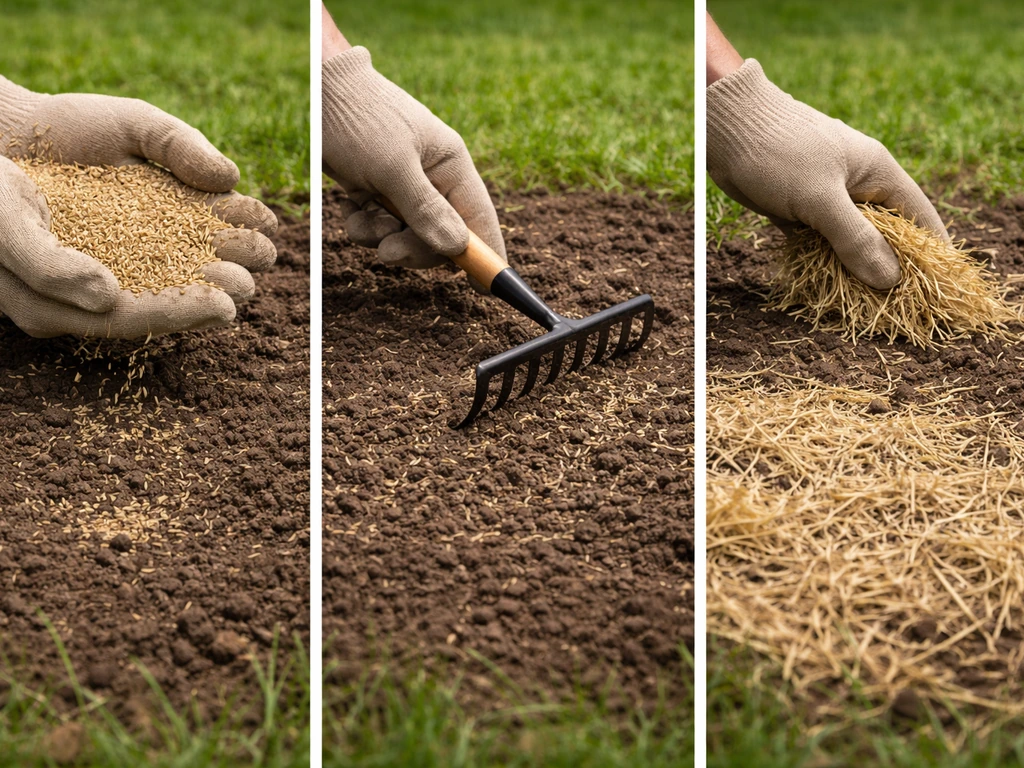
If straw makes sense for your situation, application method matters a lot. Follow this sequence to avoid the common failure modes:
- Seed first, then rake lightly. OSU's turfgrass team recommends a light raking after spreading seed to improve seed-to-soil contact. Do this before applying any mulch.
- Apply straw at the right rate. Rutgers NJAES recommends 50 to 90 pounds per 1,000 square feet. Iowa DOT's spec targets a loose blanket of about 1.5 inches in thickness. The goal is roughly 70 to 75 percent surface coverage, thin enough that you can still see some soil through the straw.
- Use only certified weed-seed-free straw, preferably wheat, oat, or rye straw. Never use hay. Check the label or ask the supplier if the straw is certified clean.
- On slopes of 4: 1 or steeper, crimp or anchor the straw to prevent it from blowing or washing off. Iowa DOT specs list crimping as standard practice for sloped seedbeds.
- Watch germination closely. Once you see 50 percent or more of the seedlings pushing through (usually within one to three weeks for cool-season grasses), assess the straw layer. If it's light and the seedlings are growing through it easily, you can leave it to decompose as K-State recommends. If it's matted or thick, rake it off lightly or remove it in sections to let light in and reduce disease risk as Penn State advises.
Match your approach to your actual conditions
The right answer for your lawn depends on what problem you're actually trying to solve. Here's how to match your situation to a practical next step:
| Your situation | Best approach | Skip straw if... |
|---|---|---|
| Dry or sandy soil that dries out fast | Light straw layer or compost topdress to retain moisture | You can water twice daily to keep the seed zone moist |
| Steep slope with erosion risk | Straw at 50-90 lb per 1,000 sq ft plus jute netting | Almost never skip on slopes steeper than 4:1 |
| Shaded area under trees | Skip straw; use compost topdress for moisture without disease risk | Straw adds humidity and blocks the limited light available |
| Level lawn with decent soil and irrigation | No straw needed; rake seed in and water consistently | Most flat, irrigated lawns don't need it |
| Sandy substrate with poor moisture retention | Compost topdress plus straw, or hydroseeding on large areas | If you can water frequently, compost alone may be enough |
| Large open area or post-construction site | Hydroseeding or straw blankets for efficiency and coverage | Smaller areas (under 500 sq ft) are easy enough to hand-manage |
One thing worth noting: the question of whether straw helps or hurts overlaps with the broader question of what straw is actually doing for germination. Whether you're using wheat straw, salt hay, or a processed alternative, the mechanism is the same: moisture, temperature, and erosion protection. If you're curious whether a specific straw type like wheat straw actually contributes to grass growth, or whether certain straw products carry seeds of their own that could grow alongside your turf, those are worth digging into as separate questions before you buy.
Bottom line: what to do today
If you're seeding a flat, irrigated lawn with decent soil: skip the straw, rake your seed in well, and water daily. If you are growing wheatgrass, note that it typically does not grow into full wheat plants, even though both come from wheat will wheatgrass grow into wheat. You don't need it. If you are wondering whether wheat straw will grow grass, the short answer is that it only helps by supporting moisture and temperature, not by creating germination conditions by itself will wheat straw grow grass. If you're on a slope, seeding into dry or sandy soil, or you can't water consistently every day: use a light straw layer of certified weed-free straw, keep it thin, and check on your seedlings within two weeks. If you're in a shaded area or a spot prone to dampness: go with a thin compost topdress instead. The goal in every case is keeping the seed moist and in contact with the soil long enough to sprout. Rutgers NJAES FS584 specifies that straw mulch like weed seed free wheat, oat, rye, or salt hay can be applied at 50 to 90 pounds per 1000 square feet 50 to 90 lbs… per 1000 square feet. Straw is one tool that helps with that, not the only one, and definitely not a requirement.
FAQ
How much straw should I use if I decide to mulch my grass seed?
Use a light layer. If it looks thick enough to mat or hide the seed, it is too much. A practical rule is to aim for coverage that protects moisture but still allows tiny seedlings to reach light as they emerge, and re-check after the first week, especially if conditions are humid.
Can I use hay instead of straw to grow grass?
Better to avoid hay. Hay is more likely to contain weed seeds because it is harvested from fields with mature flowering plants. If you only have hay available, treat it as high risk, and look for documentation that it is weed-seed-free (and confirm it is truly straw, not hay).
Does the type of grass seed (warm-season vs cool-season) change whether I need straw?
Not for the basic requirement, straw is not a germination requirement for either type. What changes is temperature timing, cool-season grasses struggle when soil is too cold, and warm-season grasses struggle when it is too cool. Straw mainly helps buffer temperature and reduce moisture loss, so you would use it to stabilize conditions during your seeding window.
Will straw help if I cannot water daily?
It can help, but it is not a replacement for watering. Straw slows evaporation, so it buys time when you miss a watering, but you still need enough moisture for the seed zone to stay consistently damp. If you cannot keep the top layer moist for at least the first couple of weeks, compost topdressing or timing seeding with reliable rainfall is usually a safer approach.
When should I remove or thin the straw after grass germinates?
Do not leave it in a thick, tightly matted layer. As soon as you see steady emergence, keep the cover light so seedlings can get light and airflow. In damp or shaded areas, thinning earlier reduces disease risk compared with waiting until the lawn is fully established.
Is there any way to tell if my straw is likely to contain weed seeds?
Yes, verify the source. Look for certification or “noxious weed seed free” documentation when available, and ask the seller whether it is weed-seed-free. Visually, you might see debris, but you cannot reliably detect weed seed contamination without documentation.
Can straw cause mold or fungus on newly seeded grass?
It can, especially in shade, low spots, or when straw mats down and stays damp. Excess moisture plus limited airflow increases damping-off and other fungal problems. If the area stays wet after seeding, prioritize a thinner mulch layer and ensure the seed bed is not compacted or smothered.
What is the biggest mistake people make when using straw for seeding?
Over-applying it. Too much straw turns into a dense barrier that blocks seedlings from emerging. It also increases the chance of humid conditions that favor disease. Start thin, and adjust based on how quickly seedlings appear within about two weeks.
Do I need straw on a slope if I am using erosion-control matting?
Often you still want some form of seed retention, but the priority depends on the mat. Straw alone can help slow erosion, but matting or netting is what prevents washout during heavy rain. If you use matting, you may be able to use less straw, as long as the mat is secured and the seed bed stays moist.
What is safer than straw if I am seeding in a shaded, damp area?
A thin compost topdress is often safer than straw in humid conditions because it moderates moisture without creating the same mat-and-humidity risk. The key is still keeping seed-soil contact and staying consistent with watering until germination is established.
If I am seeding a flat lawn, should I still rake the seed in even if I use straw?
Yes. Straw cannot fix poor seed-to-soil contact. You still need to lightly rake or press seed into the surface so it is close to moist soil, then water appropriately. Without that contact, germination suffers regardless of mulch use.
Next Articles
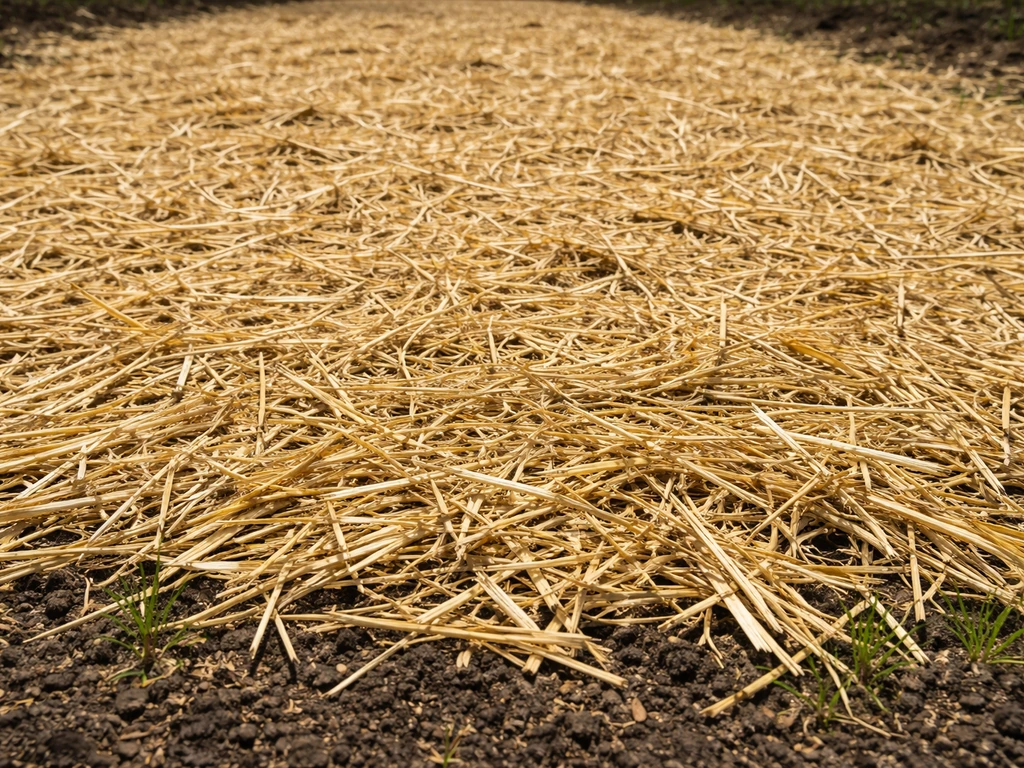
Does Straw Help Grass Grow? When, How, and Limits
Find out if straw helps grass or seed grow, how to apply it, and when it fails with troubleshooting and fixes.
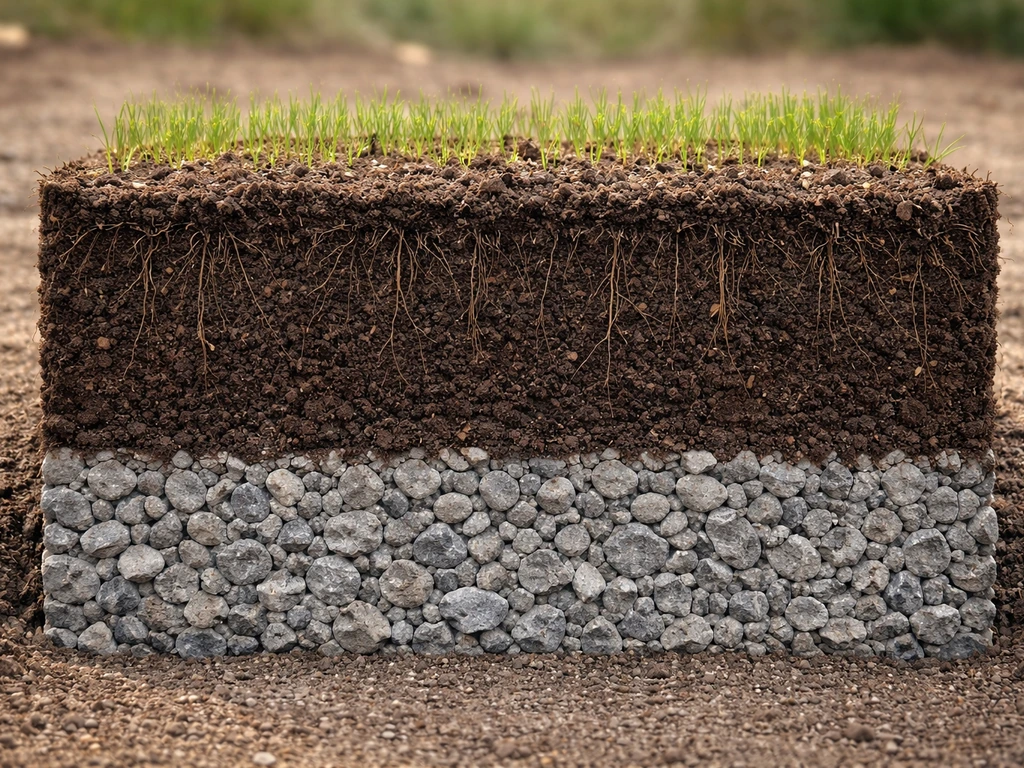
Can You Grow Grass Over Gravel? How to Do It Right
Learn when you can grow grass over gravel and follow a step-by-step method for soil depth, drainage, seeding or sod, and
Do Wood Chips Help Grass Grow? When They Work and When Not
Learn when wood chips help grass grow, when they steal nitrogen, and step-by-step how much to apply and seed options.