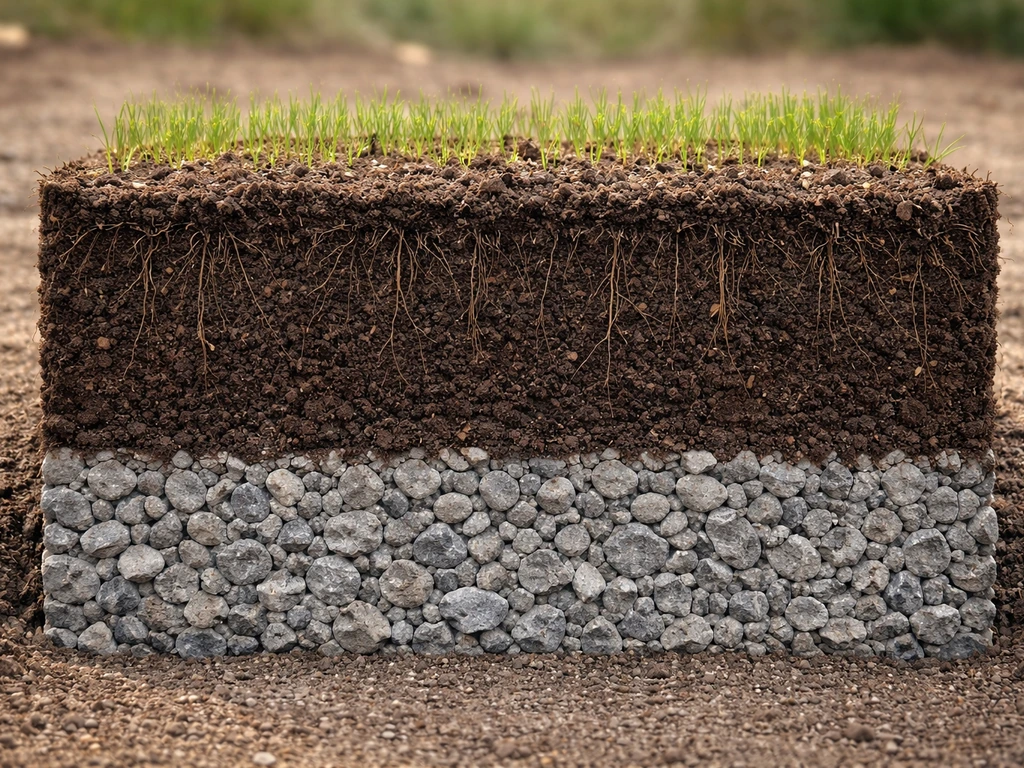
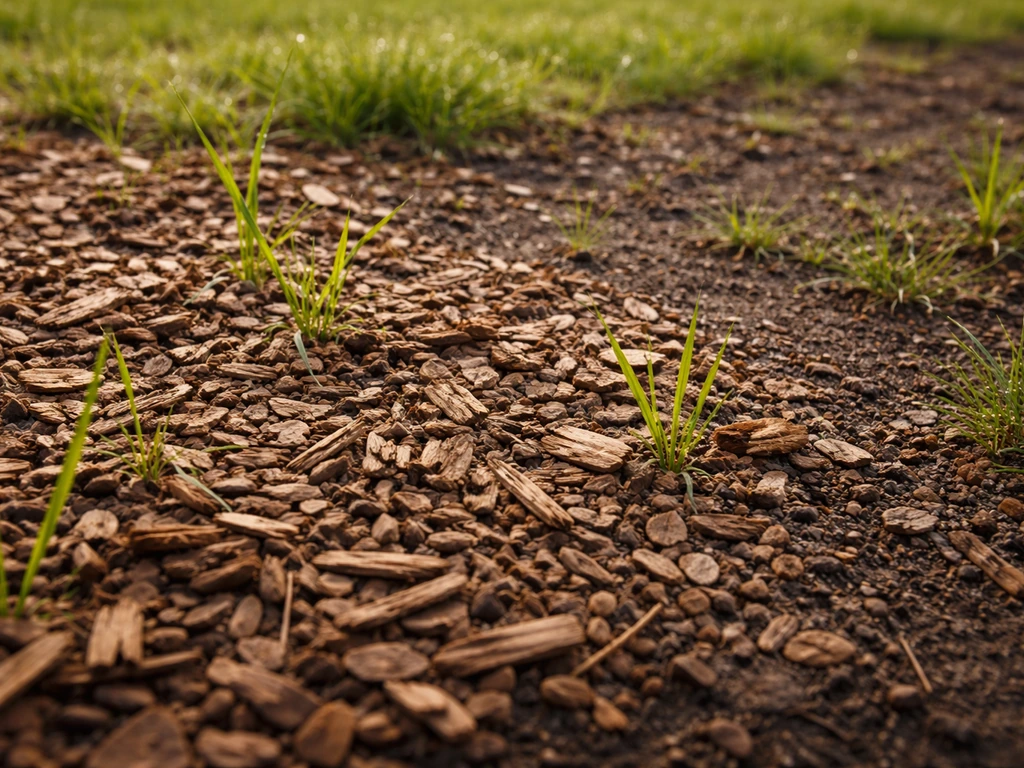
The problem is that you almost never know exactly what will come up, how many seeds survived the baling and drying process, or whether what germinates is anything close to the lawn grass you actually want. So the short answer: hay can and sometimes does grow grass, but relying on it for intentional lawn establishment is a gamble with bad odds.
What determines whether hay seeds will actually germinate
Not all hay is created equal, and that matters a lot when you are asking whether the bale you are spreading will sprout anything. Several factors decide whether viable seeds even make it to your soil in the first place.
When the hay was cut
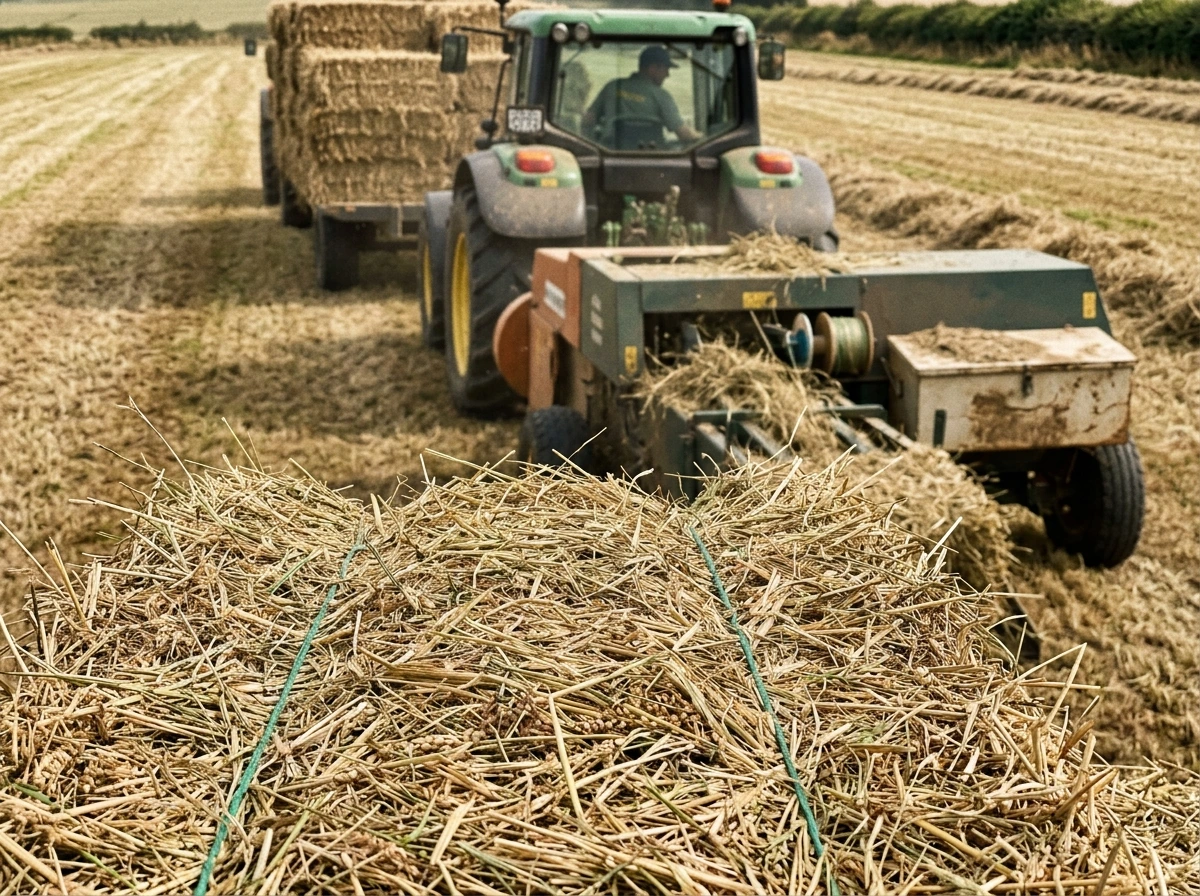
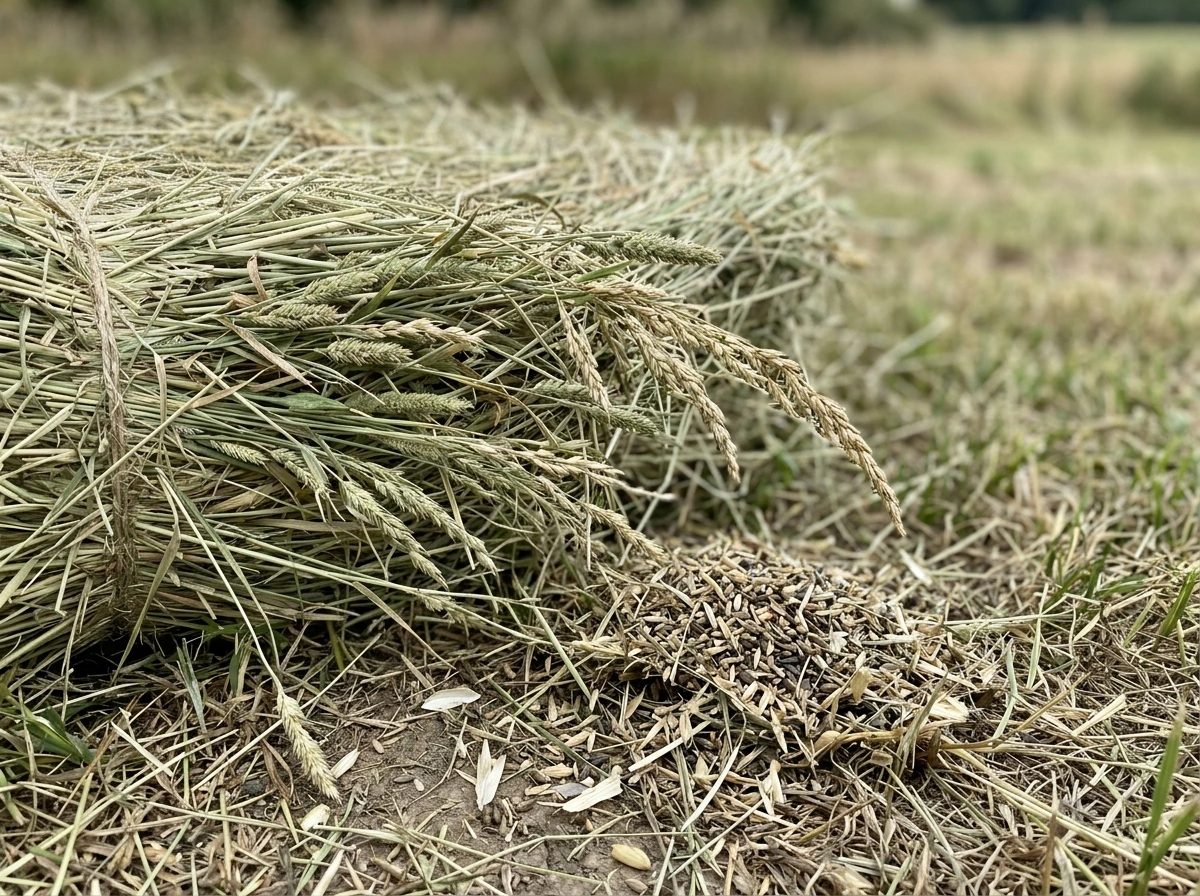
This is the biggest variable. Hay cut early in the season, before seed heads have filled out and matured, will carry far fewer viable seeds than hay cut later in summer when grasses and weeds have fully gone to seed. Farmers who manage quality forage usually cut early for nutritional value, which also means less seed. But plenty of hay, especially lower-quality or older bales, was cut late and is loaded with mature seed.
Seed viability after baling and storage
Baling and drying reduces but does not eliminate seed viability. Many grass and weed seeds are tough enough to survive the process and remain germinable for a year or more in dry storage. If the hay was stored dry and you are using it within a season or two of baling, assume some seeds are still viable. Old, moldy, or heat-damaged bales that got wet in storage are more likely to have had viability reduced, but you cannot count on that either.
What type of hay it is
Grass hay (timothy, bermuda, orchardgrass, fescue) is more likely to sprout grass species. Alfalfa and clover hay will sprout broadleaf plants. Mixed hay, which is very common, is a wildcard. And almost any hay bale, regardless of its primary crop, contains weed seeds from whatever was growing in that field. Oregon State University Extension puts it plainly: hay can contain many weed seeds. What sprouts may look like grass at first but turn out to be crabgrass, foxtail, or other weeds that will eventually outcompete anything useful.
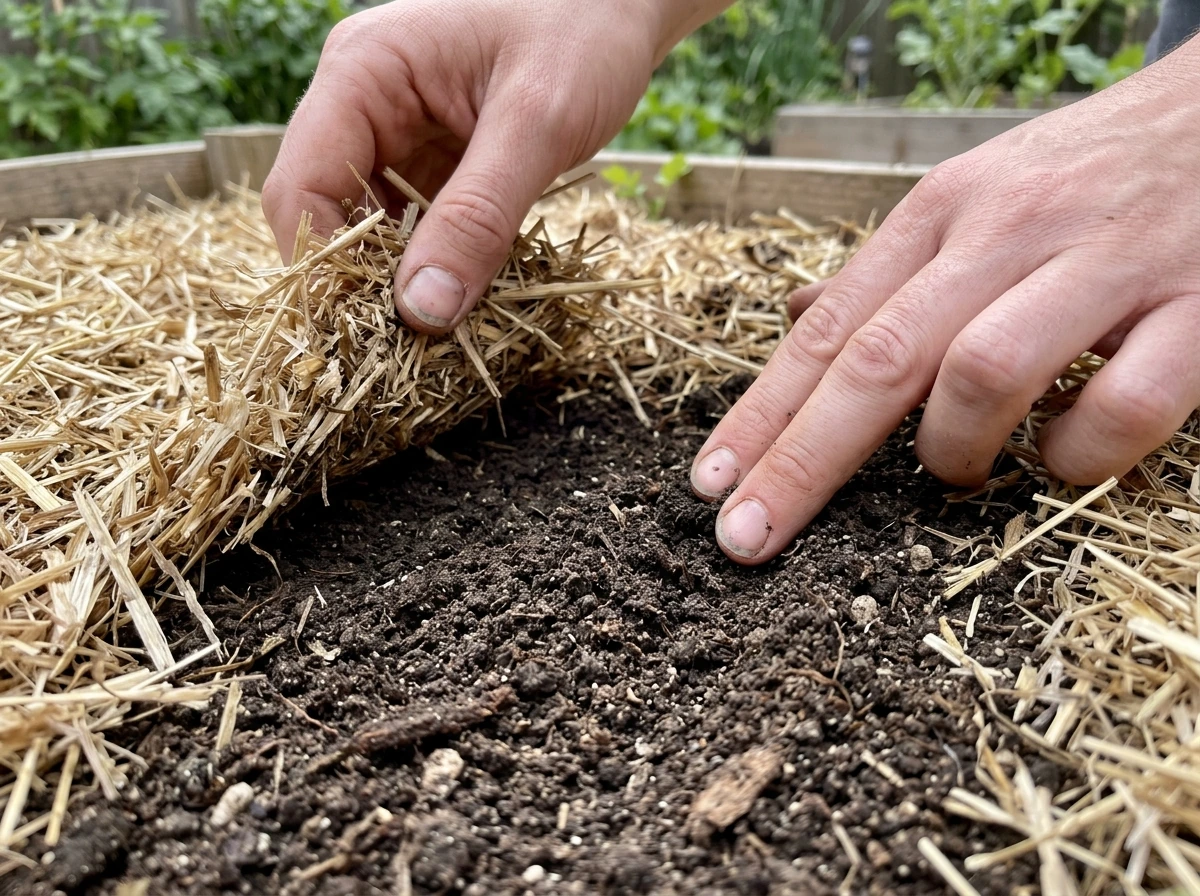
Even if viable seeds are present, they will not germinate without the right conditions. Seeds need direct contact with soil, consistent moisture in the top two inches, and soil temperatures warm enough to trigger germination. Hay spread over compacted or dry soil often just sits there, with seeds suspended in the loose material, never touching soil at all. Poor seed-to-soil contact is one of the most common reasons grass seed fails to sprout under any method, and hay makes that problem worse, not better.
Hay as mulch versus hay as a seed source: the practical reality
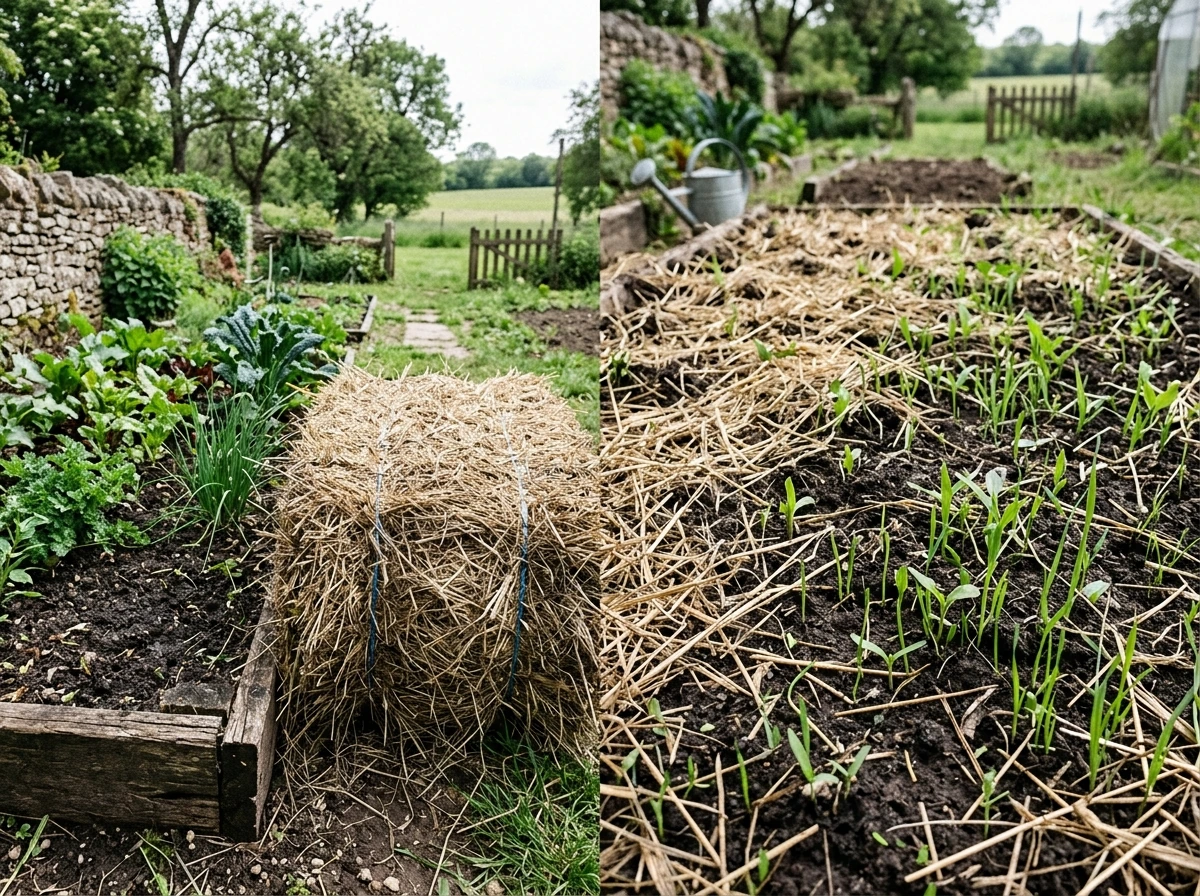
Most people who spread hay in their yard are using it as mulch, not intentionally seeding. And that is a legitimate use. A 3 to 4 inch layer of hay or straw over freshly seeded soil helps retain moisture and moderate temperature, which is exactly what germinating seed needs. The USDA-NRCS and Kansas Forest Service both reference straw and hay as functional mulch materials for erosion control and moisture conservation. That is genuinely useful.
The catch is that using hay as mulch and using it as a seed source are two completely different things, and hay does both at the same time whether you want it to or not. When you spread hay as a protective cover over newly seeded lawn, you are also potentially introducing whatever seeds were in that bale. Cornell turf and weed guidance also cautions that [mulch](https://turfweeds. cals.
cornell. edu/pfm/mulch) materials can include weed seeds or other propagules, so maintaining about a 2 to 4 inch mulch layer can help minimize annual weed emergence. SARE's weed management guidance notes that dense hay and straw mulches can block weed emergence from below while simultaneously providing a germination medium for seeds already present in the material itself, including windblown seeds that land on top of it later.
So hay mulch protects your intended seed but can also feed competing growth at the same time.
The bottom line: hay is a decent mulch when your primary goal is moisture retention over an already-seeded area. It is a poor and unreliable seed source for intentional grass establishment. Hay can sometimes sprout, but it is not a dependable way to make grass grow like true grass seed does hay help grass grow. Those two roles get confused a lot, and that is where most homeowner frustration comes from.
How to try growing grass using hay today (if that is your goal)
If you have hay available and want to see whether it can contribute to grass establishment, here is how to give it the best realistic shot. Going in with realistic expectations matters: you may get patchy grass, you will likely get some weeds, and this method is not a substitute for proper overseeding.
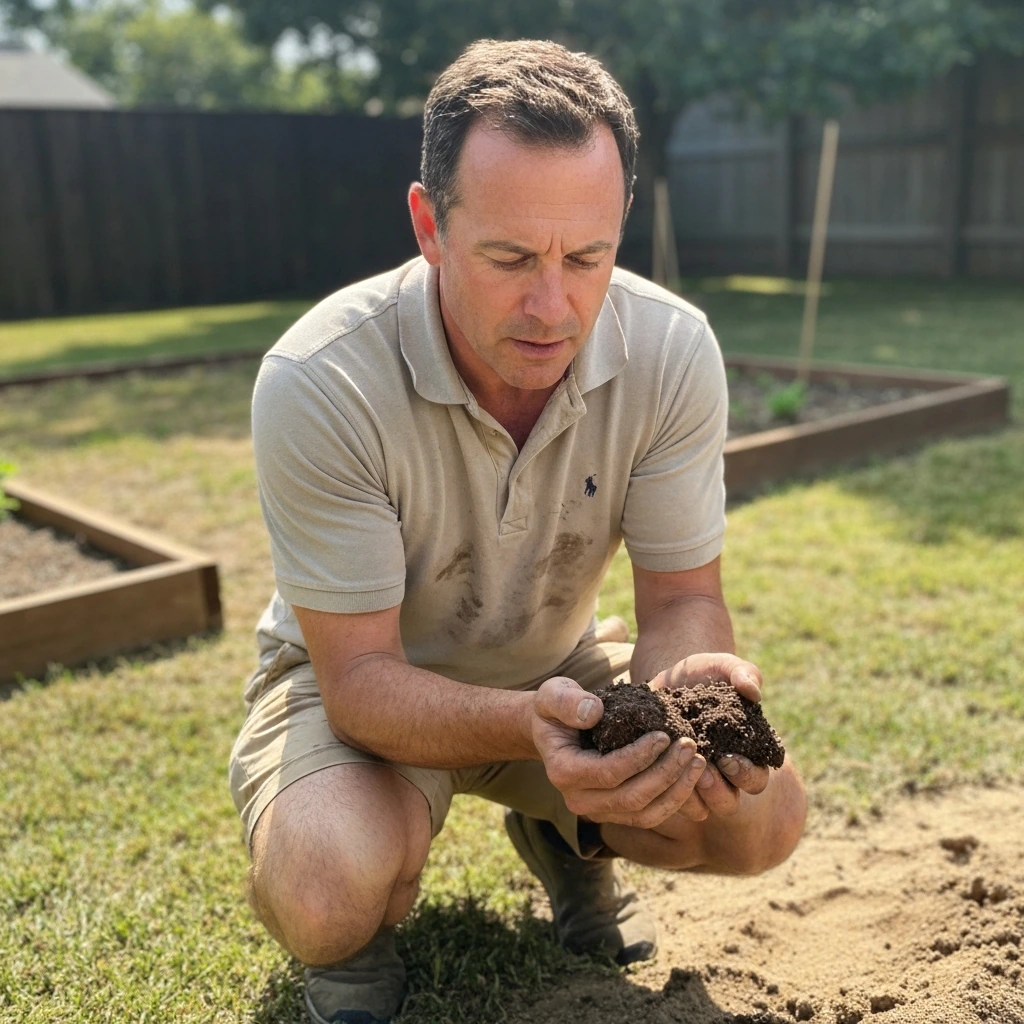
- Prepare your soil first. Loosen the top inch or two of soil with a rake or light tilling. Compacted, hard soil will stop germination regardless of what you spread on it. If you are dealing with poor or sandy soil, work in some compost before you do anything else.
- Spread the hay thinly and evenly. You want seed contact with soil, not seeds buried in a thick mat of dry grass. A light scattering, about half an inch to one inch deep at most, gives seeds a better chance of reaching the soil surface. Thick layers trap seeds in the air and create heat that can kill seedlings.
- Water consistently. University of Maryland Extension and UGA Extension both emphasize keeping the top two inches of soil moist continuously during germination. In warm weather, that means light watering two to three times a day. One deep watering every few days will not cut it.
- Time it right. Late summer to early fall is the best window for cool-season grasses (fescue, bluegrass, ryegrass). Late spring works for warm-season types. Spreading hay in the wrong season and expecting germination is a recipe for nothing, or for weeds sprouting while the grass seed you wanted sits dormant.
- Accept that you will need to weed. Whatever comes up, it will be a mix. Plan to hand-pull or spot-treat weeds as they emerge so they do not crowd out anything useful that sprouts.
How to stop hay from growing if you do not want it to
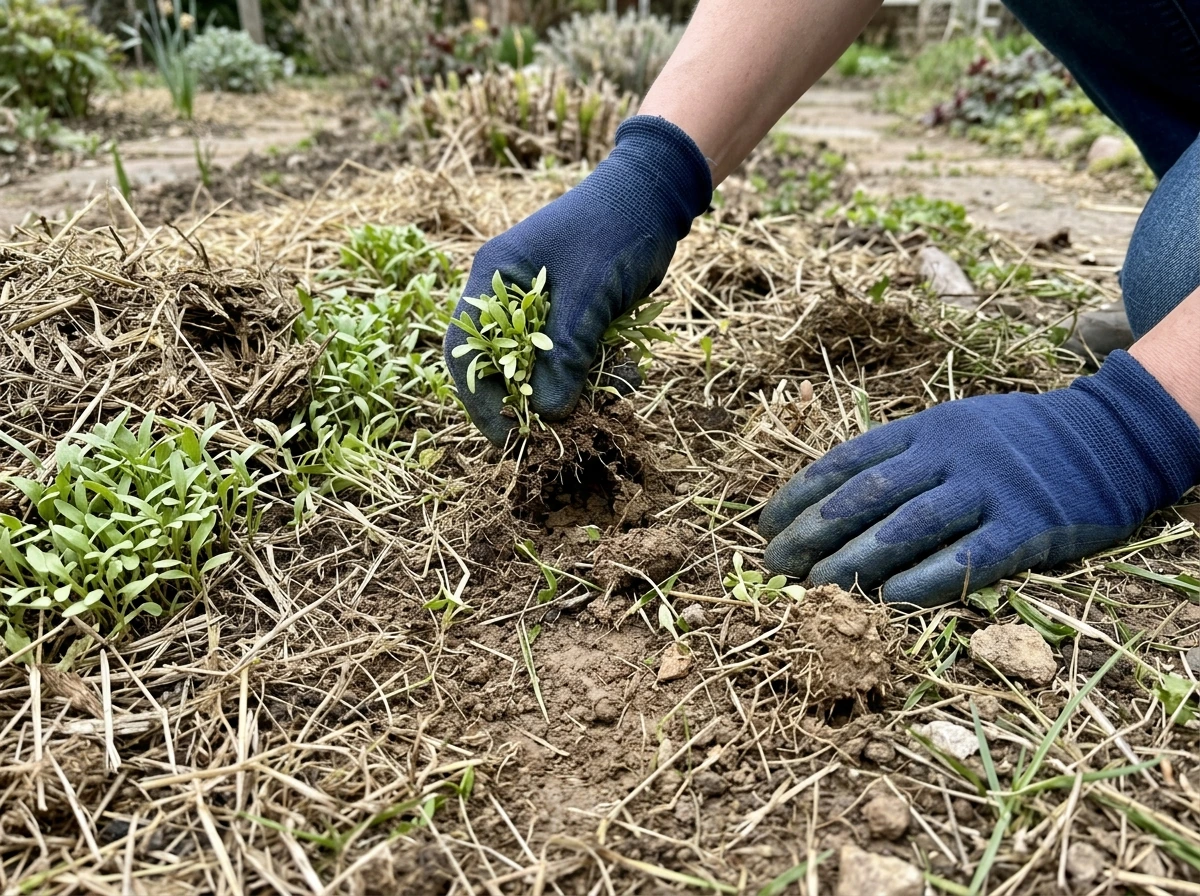
Maybe you used hay as mulch in a garden bed or laid it over a slope for erosion control, and now you are seeing unexpected sprouting. This is very common, and the good news is there are straightforward ways to deal with it.
First, remove the hay before it gets a chance to root. If you catch seedlings early, while they are small and the roots are shallow, pulling them is quick. The longer you wait, the more established the roots get, especially with grass weeds. Remove the hay itself if the sprouting is widespread. Composting it in a hot pile can kill remaining viable seeds through heat, but a cool compost pile will just preserve them.
For future applications, switch to weed-free straw or certified weed-free mulch. The USDA Forest Service treats weed-free certification as important enough to publish formal guidelines around it, and that matters in a yard context too. Weed-free straw is more expensive than regular hay, but it saves you hours of weeding later. You can also use wood chip mulch, which Oregon State University Extension notes shades soil effectively and makes it much harder for weed seeds to germinate beneath the canopy.
If sprouting is already out of hand in a bed or unused patch, soil solarization is worth considering. UF/IFAS Extension documents that covering moist soil with clear plastic for one to four weeks in warm weather raises soil temperatures enough to reduce emergence of several weed species and grass seedlings. It is a simple, chemical-free reset for a small problem area.
Even under ideal conditions, grass establishment is finicky. Add the unpredictability of hay-sourced seed and these challenges become the difference between a lawn and a disappointment.
Timing matters more than most people realize. Spreading hay in midsummer heat on dry soil and hoping for grass is almost always a waste of time. Soil temperatures that are too high or too low inhibit germination entirely. Cool-season grasses want soil temperatures between roughly 50 and 65 degrees Fahrenheit. Warm-season grasses want it warmer. If you are outside that window, viable seeds will just sit there until conditions change, or they will die.
Soil contact is the variable most people underestimate. UGA Extension is clear that seed needs to reach the soil surface and be covered by about a quarter inch of soil to germinate reliably. Hay tossed on top of hard ground does not accomplish that. The seed sits up in the air, dries out between waterings, and never germinates. This is why University of Maryland Extension recommends pressing seed into the soil with a rake back or a water roller, a step that hay application skips entirely.
Moisture consistency is the other big one. UGA Extension recommends keeping the top two inches of soil moist but not wet for the first three weeks of establishment. That is a demanding standard. Most homeowners water once a day and assume that is enough. In hot or windy conditions, the surface dries within hours. Missing even a day of moisture during early germination can kill seedlings that were just starting to emerge.
Shade is an additional complication. If you are trying to grow grass under trees or on a north-facing slope, the seed viability and moisture issues from hay are compounded by reduced light. Most grass species need four to six hours of direct sun. In heavy shade, even perfect seed with ideal soil contact and consistent moisture will struggle to establish. If shade is your main challenge, hay is the last thing you should be relying on as a seed source.
Better options that actually work
If your goal is real, lasting grass coverage, hay is not your best starting point. Here is how the main alternatives stack up against using hay as a seed source.
| Method | Reliability | Cost | Best for | Main drawback |
|---|
| Overseeding with quality grass seed | High | Low to moderate | Thin or bare lawn areas | Requires consistent watering for 3+ weeks |
| Sod installation | Very high | High | Full lawn replacement or large bare areas | Expensive, needs prep and irrigation |
| Weed-free straw mulch over seeded area | Moderate to high | Low | Protecting newly seeded spots from erosion/drying | Still requires separate quality seed |
| Hay as seed source | Low | Very low | Accidental coverage only | Weed contamination, unpredictable species, poor germination rates |
| Wood chip mulch (no grass intended) | High for weed suppression | Low to moderate | Beds and shaded areas where grass won't grow | Not a grass-growing solution |
Overseeding with quality grass seed matched to your region and conditions is almost always the right move when hay's appeal is just that it is cheap and convenient. Spend a little more on a grass seed blend suited to your light conditions and climate, prep the soil properly, and keep it watered. You will get far more predictable results than spreading a hay bale and hoping for the best.
If you are dealing with a poor soil situation, address that first before worrying about seed source at all. Compacted, nutrient-depleted, or sandy soil will fail any seed, hay-sourced or otherwise. Working in compost or a quality topsoil mix before seeding is the fix that actually changes outcomes. You might also want to look into whether soil amendments like Epsom salt have a role to play in your specific setup, and whether does epsom salt help grass grow applies to your lawn or whether your substrate (sand, clay, rocky ground) needs a different approach entirely before you start any kind of seeding.
Weed-free straw is the one hay-adjacent product worth using, but only as a mulch cover over seed you have already intentionally applied, never as the seed source itself. It holds moisture, reduces erosion on slopes, and degrades naturally. Certified weed-free versions eliminate the contamination risk that regular hay carries. That is the one scenario where reaching for a bale at the farm supply store makes practical sense in a lawn context.