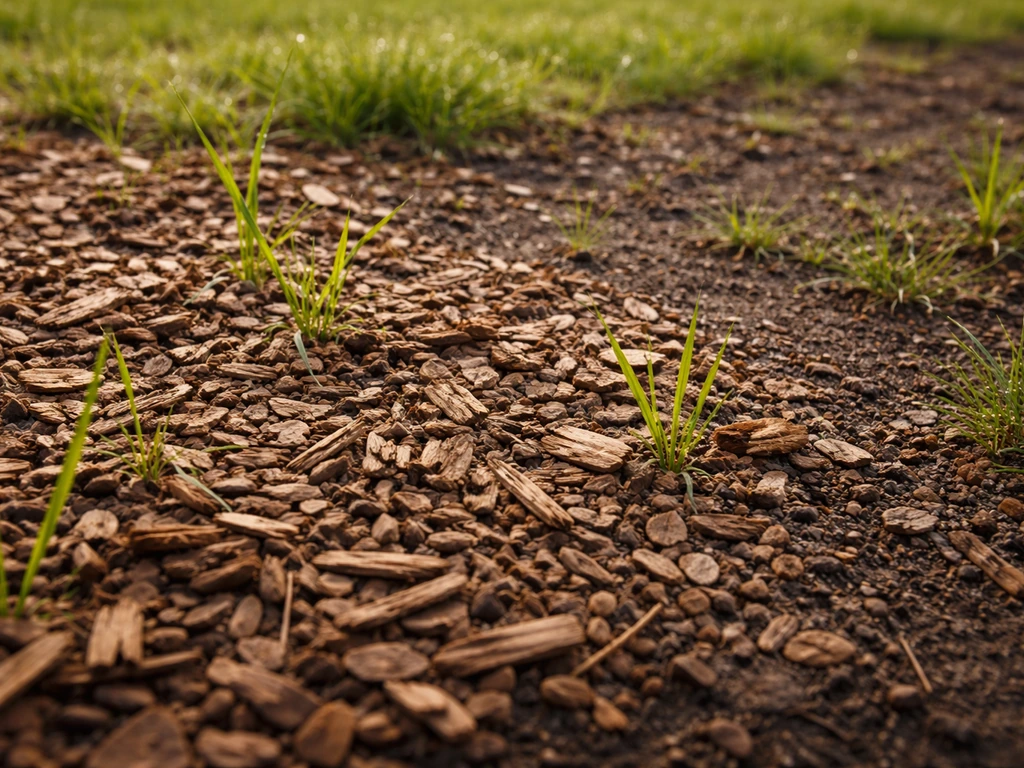
The short version: clean, workable fill with 4 or more inches of depth, good drainage, and no chemical contamination can grow grass. Anything short of that needs amendment, replacement, or a realistic reconsideration of your plan.
What fill dirt actually is (and why it matters for grass)
Fill dirt is not topsoil. Topsoil is the top 4 to 12 inches of earth that's been developed over years by organic matter, microbial activity, and plant root systems. Fill dirt is whatever came from below that layer during excavation. It's used to level grades, raise elevations, and fill holes, and it's sold or given away cheaply because it's essentially the leftovers from someone else's construction or excavation project.
Common fill components include subsoil (heavy clay or sandy material with almost no organic content), gravel and crushed stone, and rubble from demolished structures. If you're wondering whether coarse dirt can grow grass, the honest answer is: sometimes, but the coarser and more rock-heavy it is, the harder you'll have to work to get turf established. Wyoming Extension specifically calls out rubble, gravel, and recycled materials as common fill components, and those materials create real drainage, tillage, and seed contact problems.
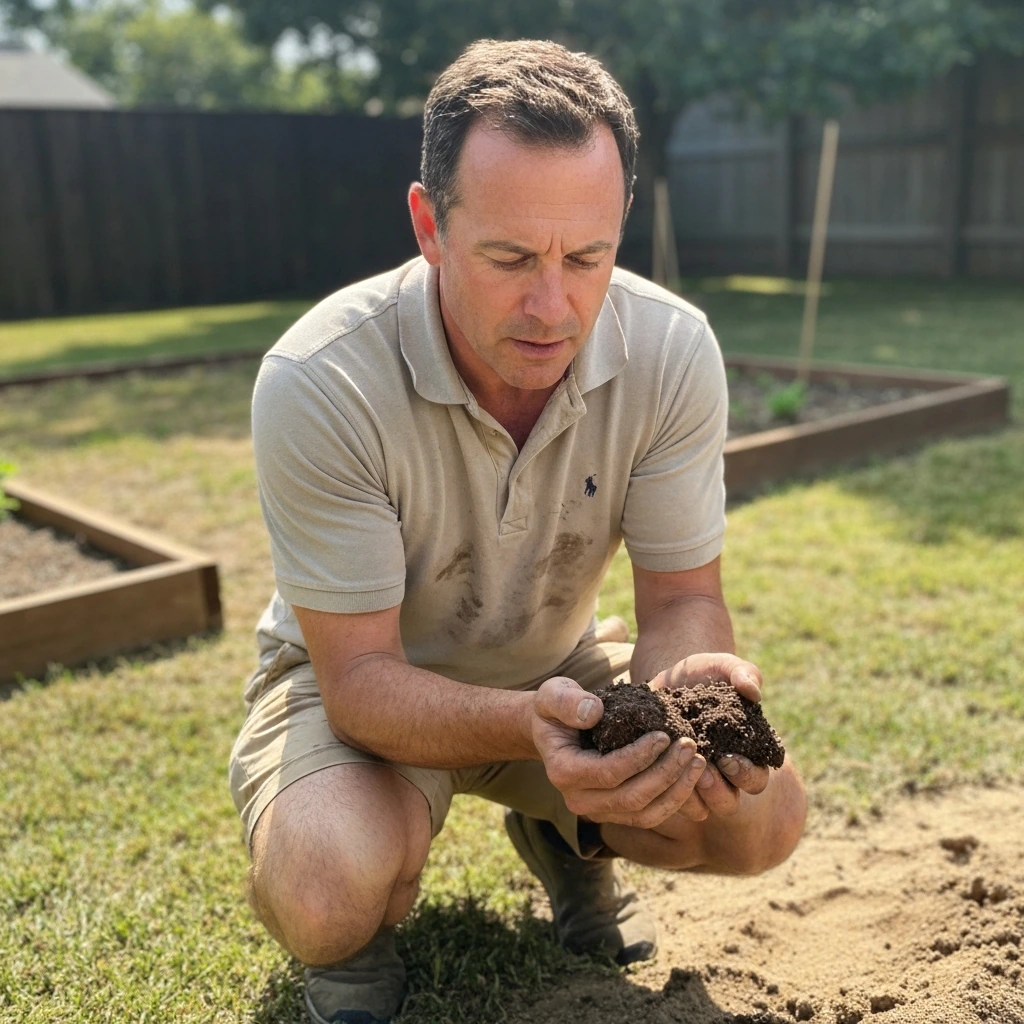
The practical issue is that fill dirt typically has little to no organic matter. Organic matter is what gives soil structure, water retention, and microbial life, all of which grass roots depend on. Without it, you've got a mineral substrate that may or may not hold moisture long enough for seeds to germinate or sod to root. That's not a dealbreaker, but it does mean you're starting with a deficit. If you are wondering, “does rooted dirt grow grass,” the answer is that it can, but without organic matter and proper moisture, the grass roots may not establish well.
Check this today before you seed or sod anything
Before you buy a single bag of seed, you need to assess what you're actually working with. This doesn't take a soil lab (though a basic test is worth doing). Walk the area and check these five things:
Drainage
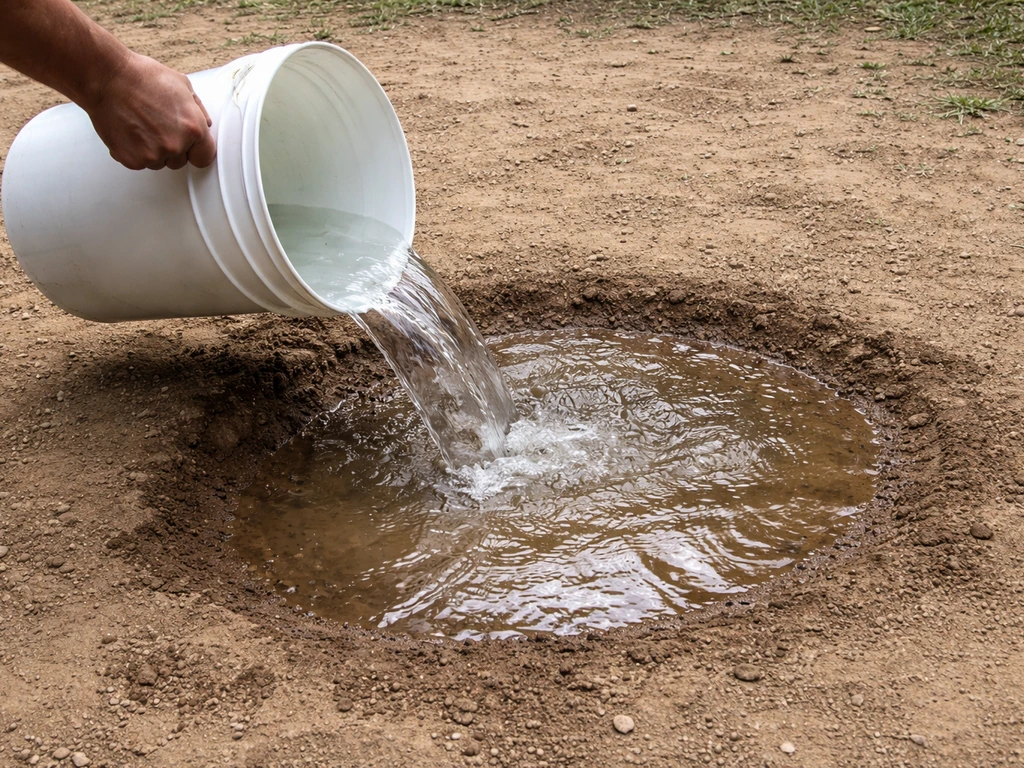
Pour a 5-gallon bucket of water in a low spot and watch what happens. If it pools for more than 20 to 30 minutes, you've got a drainage problem. Heavy clay fill or compacted subsoil can turn a flat yard into a marsh after every rain. Grass will rot or suffocate in standing water before it ever gets established. Poor drainage is one of the most common reasons grass fails on filled areas, and it needs to be solved structurally (grading, amendment, or drainage channels) before you plant anything.
Compaction
Push a standard screwdriver into the fill with your hand only. If it won't go in 2 to 3 inches without serious effort, the soil is too compacted for good grass root development. Compacted fill is the norm, not the exception, because fill is usually graded and tamped down mechanically. Grass roots can't penetrate concrete-hard ground, and water can't move through it either.
Contamination
Look for anything that shouldn't be in soil: chunks of drywall, broken concrete, wood scraps, asphalt pieces, wire, or foam. CSU Extension notes that construction debris like wood, trash, drywall, bricks, asphalt, and concrete buried in soil can seriously degrade the growing medium for plants. These materials don't just block roots physically. They can alter pH (concrete raises it dramatically), leach chemicals, and create air pockets that dry out nearby soil.
Penn State Extension also notes that removing the organic layer can expose poorly aerated, infertile subsoil, and that construction-related contaminants such as concrete and drywall can change soil chemistry, including elevating soil pH construction-related contaminants can affect soil chemistry such as elevating soil pH. If you see debris on the surface, assume there's more below.
Depth
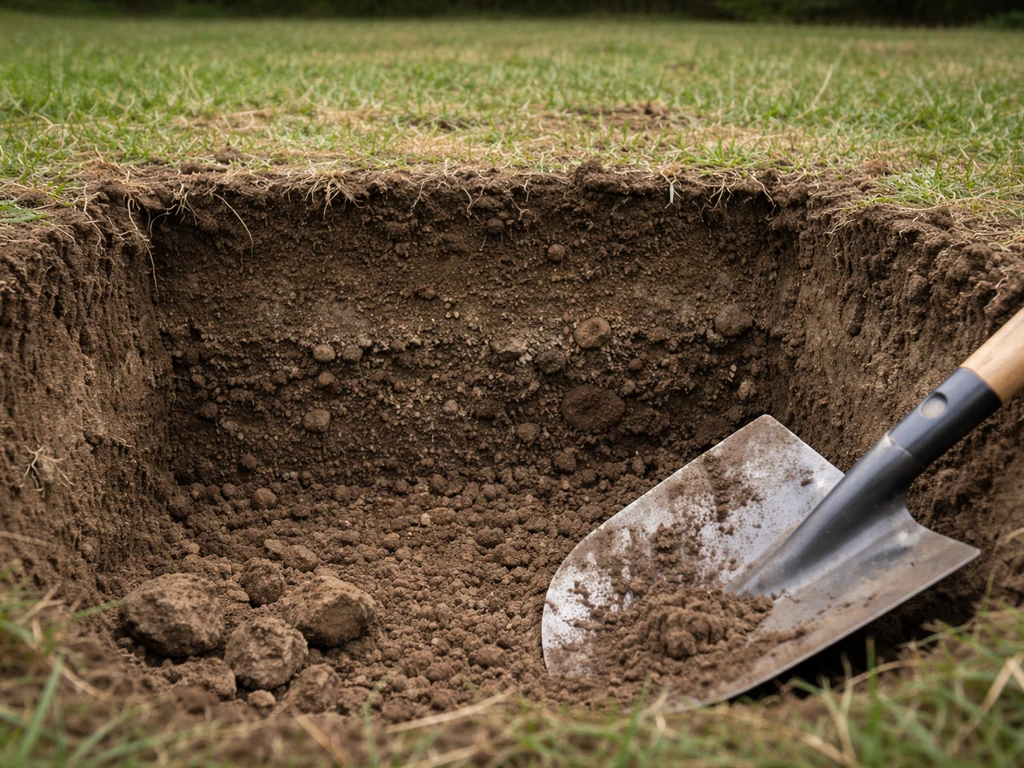
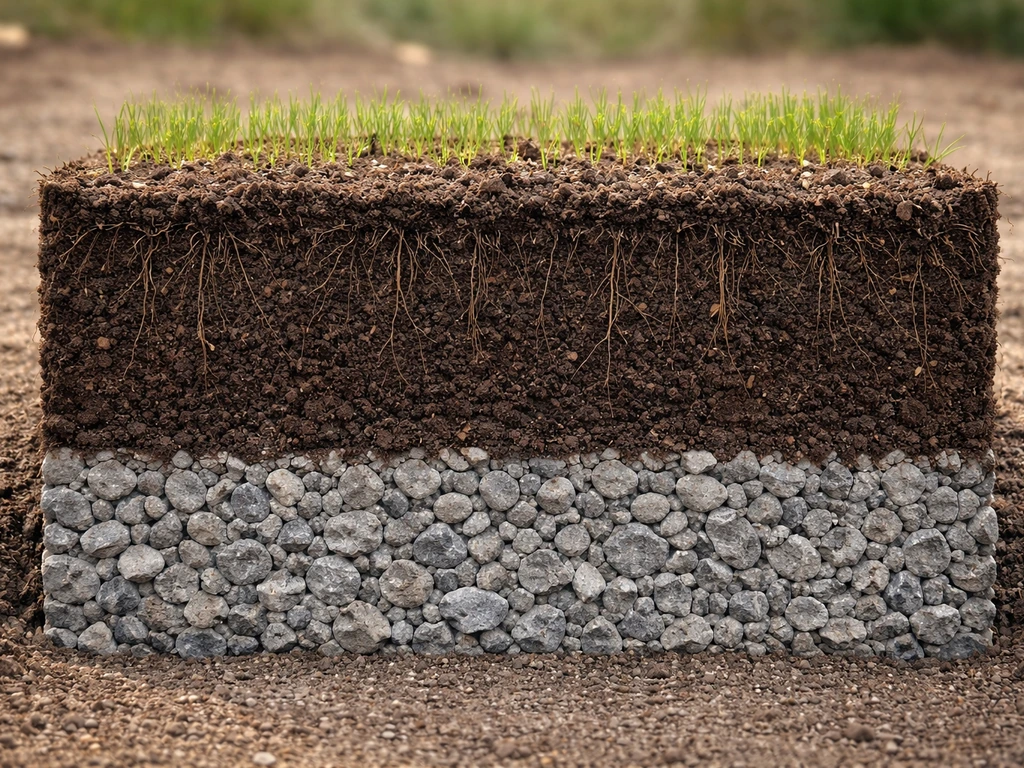
Dig down and find out how deep the fill actually goes and what's underneath it. NMSU Extension is clear on this: the absolute minimum soil depth for a lawn is 4 inches. If you've got 2 inches of fill over compacted clay or hardpan, grass will establish poorly, dry out fast, and thin out over time. Knowing how deep dirt needs to be to grow grass is not an academic question here. It directly determines whether you seed now or add more material first.
Debris and rocks
Rake the surface and look for rocks larger than 1 inch in diameter, chunks of material, and clods. USU Extension notes that coarse fragments like gravel and rocks make soil difficult to till, seed, aerate, and manage. USU Extension also notes that blank" rel="noopener noreferrer">coarse fragments like gravel and rocks make soil difficult to till, seed, aerate, and manage, so it often needs extra prep before planting. Debris on the surface will prevent seed-to-soil contact and make sod installation uneven. This needs to come out before you do anything else.
How to prep fill dirt for seed or sod (do this in order)
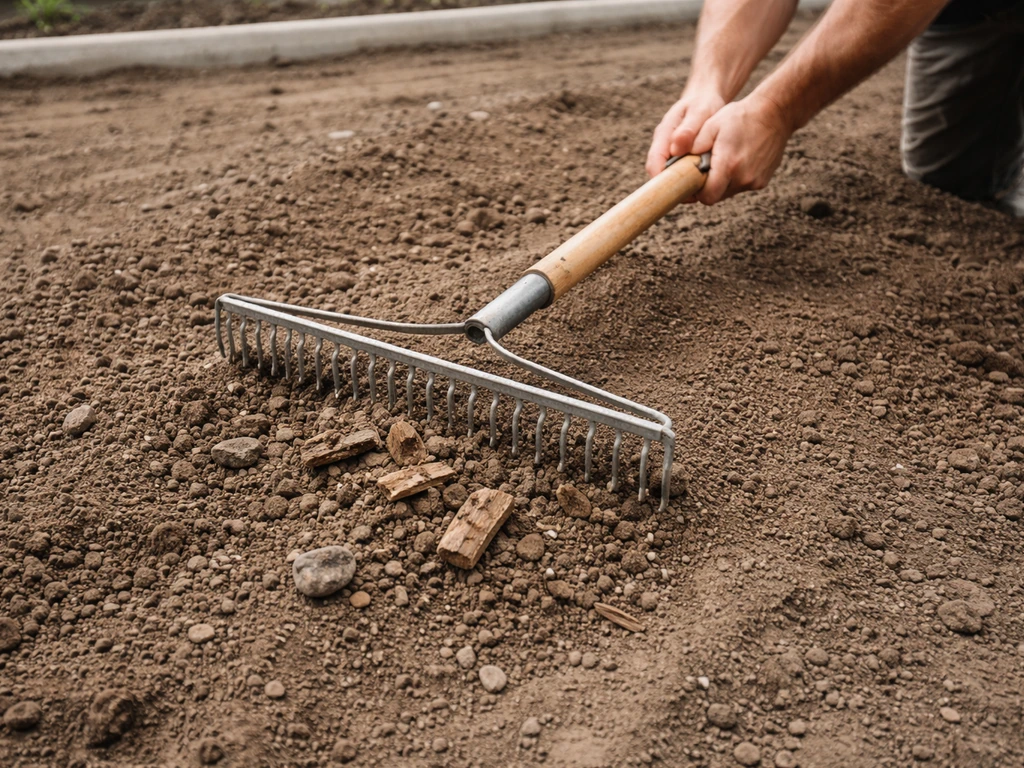
- Remove all visible debris: Pull out rocks larger than 1 inch, chunks of concrete, drywall, wood, wire, and any other non-soil material from the top 4 to 6 inches. Use a rake and hand-sort as needed. This is tedious but non-negotiable.
- Get a basic soil test: A $15 to $25 test from a garden center or cooperative extension will tell you pH, nitrogen, phosphorus, and potassium levels. Fill dirt often has a high pH due to limestone or concrete contamination. You can't fix what you don't measure.
- Break up compaction: Rent a tiller or core aerator and work the top 4 to 6 inches thoroughly. If the fill is extremely hard, you may need a subsoiler or multiple passes. Don't skip this. Loose, friable soil is the single biggest factor in successful germination and root development.
- Fix drainage problems: If you had standing water in the bucket test, address grade now. Fill low spots with clean fill, create gentle slopes away from structures, or install a simple French drain if the problem is severe. Once seed or sod goes in, regrading becomes much harder.
- Add organic matter and compost: Spread 2 to 3 inches of compost over the surface and till it in. USU Extension specifically recommends organic matter to improve soil physical characteristics in soils that are too sandy, silty, or clayey. This is the amendment that will make or break your results on fill dirt.
- Correct the pH if needed: If your soil test shows pH above 7.5, add sulfur per the test recommendations. If it's below 6.0, add lime. Most grass species prefer a pH between 6.0 and 7.0.
- Add starter fertilizer: Apply a starter fertilizer high in phosphorus (look for a 10-20-10 or similar ratio) to support root development. This is especially important on fill dirt, which tends to be nutrient-poor.
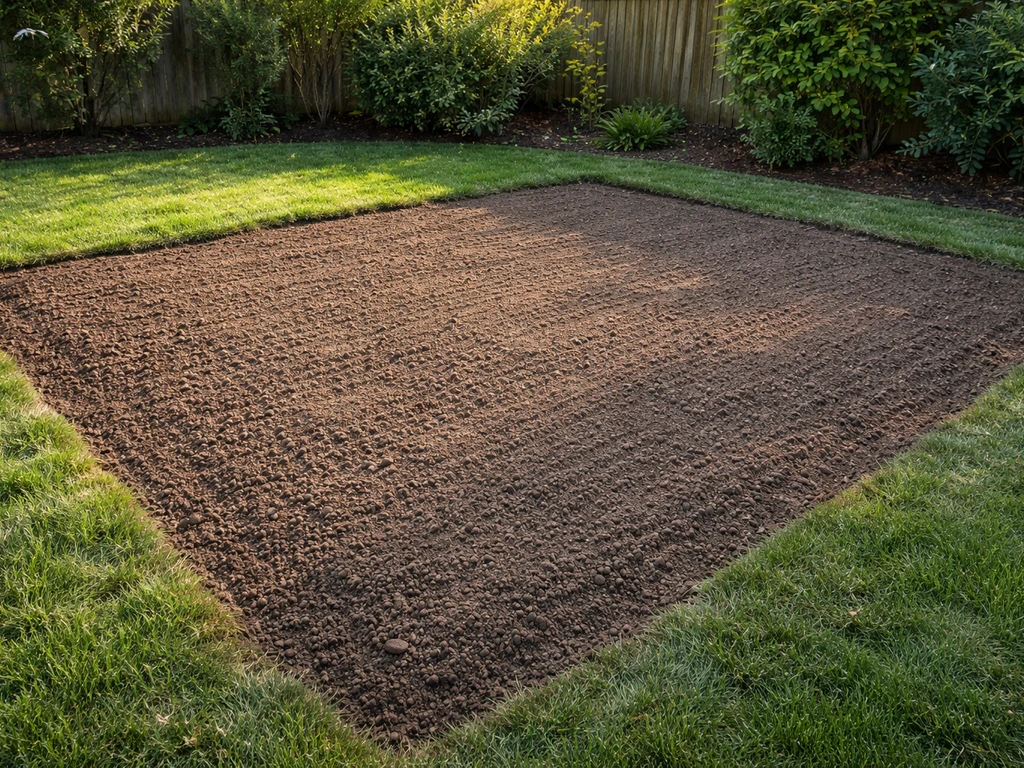
- Finish-grade the surface: Rake smooth, break up any remaining clods, and roll lightly to firm the seedbed without re-compacting. The surface should be level but not hard-packed, and any rocks larger than a marble should be removed.
Choosing the right grass and deciding between seed and sod
Your grass choice matters, but your installation method matters just as much on fill dirt. Here's how to think about it.
Grass species for fill dirt conditions
For cool-season climates (roughly the northern two-thirds of the US), tall fescue is your best friend on fill dirt. It has a deep root system, tolerates clay-heavy soils, and is more drought-tolerant than Kentucky bluegrass. Kentucky bluegrass looks great but needs better soil and more consistent moisture to establish from seed. Perennial ryegrass germinates fast (5 to 7 days) and works well if you need quick cover to prevent erosion while slower grasses establish. For warm-season climates, Bermuda grass is the most tolerant of poor soils and compaction. Zoysia is another option, but it establishes slowly from seed and is usually better installed as sod or plugs.
Seed vs. sod on fill dirt: which to use
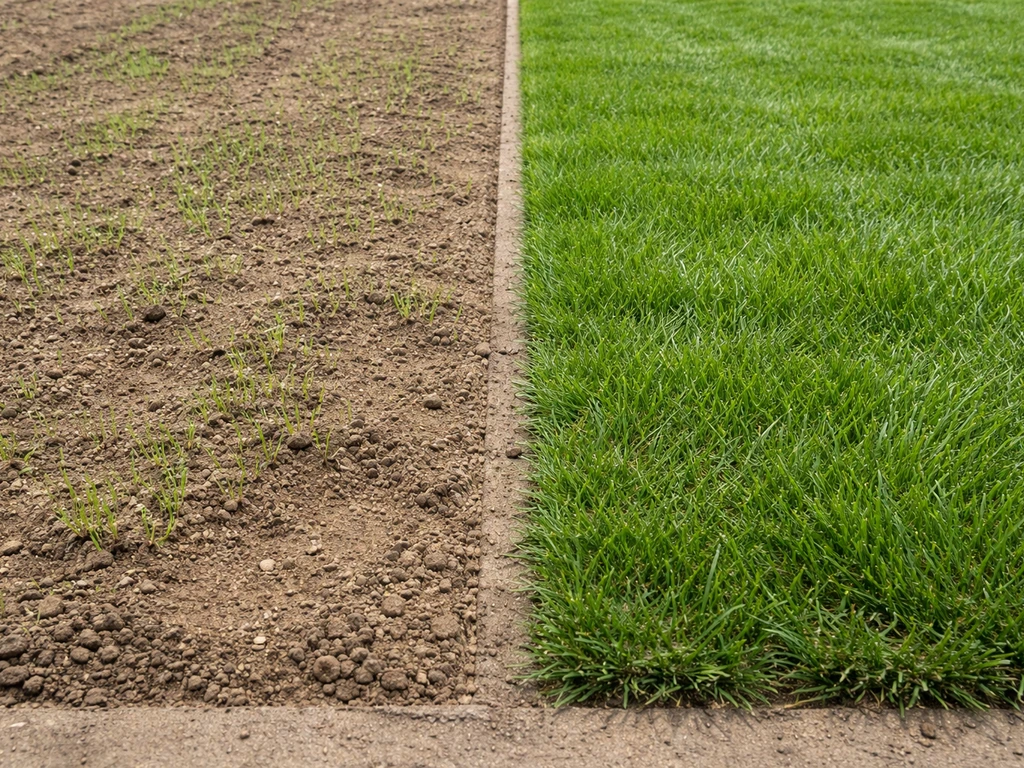
Whether fill dirt is good for growing grass ultimately shapes which installation method makes sense. Seed is cheaper and allows you to work more organic matter into the soil before planting. It gives roots time to grow naturally into the fill layer. The downside is the establishment window: you're looking at 3 to 8 weeks for germination plus another 4 to 8 weeks before the lawn can handle traffic.
Sod is faster, reduces erosion risk, and creates an established lawn in weeks rather than months. But sod is expensive, and it requires excellent soil contact to root properly. On fill dirt that's been properly prepped, sod works well. On fill that's still rocky, uneven, or has drainage issues, sod will fail just as badly as seed will.
| Factor | Seeding | Sodding |
|---|
| Cost | Low ($0.10–$0.30 per sq ft) | Higher ($0.50–$0.90 per sq ft installed) |
| Time to usable lawn | 8–16 weeks | 3–4 weeks |
| Soil prep requirement | Moderate (focus on loosening and amending) | High (surface must be very smooth and firm) |
| Best for fill dirt quality | Decent fill that needs time to develop | Well-prepped, level fill with good drainage |
| Erosion risk during establishment | Higher (bare soil exposed longer) | Lower (sod holds surface immediately) |
| Root integration into fill | Excellent (roots grow naturally into fill) | Good if sod makes full contact with soil |
My recommendation: if your fill is reasonably clean and you have the time, seed with tall fescue or Bermuda and amend heavily with compost. If you need a lawn quickly, the area is sloped (erosion risk), or you've already done thorough prep work, go with sod. Hydroseed is a middle-ground option, especially for large areas, because it combines seed, mulch, and fertilizer in a slurry that holds moisture better than bare seed and covers ground fast.
Watering and timing: what actually makes or breaks establishment
Fill dirt dries out faster than topsoil because it lacks organic matter to hold moisture. This is the number one reason grass fails on fill even when everything else looks right. You need to water more frequently during establishment than you would on a typical lawn.
For seeded areas, water lightly twice a day (morning and late afternoon) to keep the top inch of soil consistently moist until germination. Don't let the surface dry and crust over, which is a common failure point on fill. Once grass reaches 2 inches tall, shift to deeper, less frequent watering to push roots down into the fill layer. For sodded areas, water daily for the first 2 weeks, then every other day for the following 2 weeks. After 4 weeks, check rooting by gently tugging a corner of sod. If it resists, you can cut back to a normal schedule.
Timing matters enormously. Cool-season grasses should be seeded in late summer to early fall (late August through October in most regions) when soil temperatures are 50 to 65 degrees Fahrenheit and air temps are cooling. Spring seeding (March to May) works but competes with weed germination. Warm-season grasses go in during late spring to early summer when soil temps are above 65 degrees. Avoid seeding or sodding in the heat of summer on fill dirt. The combination of high temperatures and low organic matter creates brutal drying conditions that will kill seedlings before they have a chance.
When grass won't take: what went wrong and how to fix it
Even with good prep, fill dirt lawns can fail. Here are the most common problems and what to do about each one:
- Seed washes away or doesn't germinate: Usually means the surface is too smooth and hard (no seed-to-soil contact) or you're watering too heavily and washing seed into low spots. Rake lightly to rough up the surface, rebroadcast seed, and water gently with a fine mist setting.
- Grass germinates but thins out and dies: This almost always points to depth or moisture problems. Either the fill isn't deep enough for roots to go anywhere, or the soil is drying out between waterings. Dig a small plug and check root depth. If roots are hitting hardpan at 2 inches, you need to add topsoil.
- Yellow or stunted grass: Points to nutrient deficiency or pH problems. If you skipped the soil test, do it now. High-pH fill (common when concrete or masonry debris is present) locks out nutrients and turns grass yellow even when fertilized. Sulfur amendment and time will help.
- Patchy establishment with bare spots: Usually compaction-related. Core aerate the bare areas, topdress with compost, and reseed. If the bare spots are in low areas that stay wet, you have a drainage issue that amendment alone won't fix.
- Sod lifting or dying at edges: Poor soil contact or edges drying out. Press sod firmly with a lawn roller after installation. Water edges more frequently since they dry first. If sod is more than 3 weeks old and still not rooting, remove it, amend the soil beneath, and re-lay fresh sod.
When fill dirt just isn't enough: your alternatives
Sometimes the honest answer is that the fill dirt you're working with isn't going to support a lawn without serious intervention. Knowing when to add topsoil, switch methods, or wait is as important as knowing how to prep fill.
Add topsoil over the fill
If your fill is less than 4 inches deep, heavily contaminated, or extremely poor quality, adding 4 to 6 inches of quality topsoil over it is often the most cost-effective path. You're not removing the fill, you're just building a proper growing layer on top. This works well when fill is serving its structural purpose (leveling, raising grade) but simply can't support turf on its own. Buying good topsoil isn't cheap, but it's usually cheaper than ripping out failed sod twice.
Hydroseed instead of dry seed
Hydroseeding applies seed in a slurry with mulch, fertilizer, and a tackifier that helps it stay in place and retain moisture. On fill dirt, this is often superior to broadcast seeding because the mulch component compensates partially for the fill's lack of organic matter at the surface. It's more expensive than dry seeding but less than sod, and it establishes faster with fewer bare spot problems. For large fill areas, get quotes from hydroseed contractors. It's often worth it.
Wait or replace if contamination is the issue
If you suspect chemical contamination (petroleum, heavy metals, or industrial runoff), don't plant until you've had a professional soil test done. Grass may grow poorly and you won't know why, or you'll end up with a lawn that's actively absorbing contaminants. In those cases, cap the contaminated fill with clean topsoil of sufficient depth, or remove and replace it entirely. This is an extreme situation but not unheard of with fill sourced from industrial sites or old construction zones.
It's also worth thinking about what's happening beneath the surface in more nuanced scenarios. If you're dealing with layered soil environments, the way grass spreads through different soil types is relevant. Understanding how dirt blocks can affect grass growth in layered scenarios, or even whether grass can push through compacted layers underground, gives you a clearer picture of what your roots are actually dealing with once they get past the surface fill. And if you're working with a specific type of amended or enriched fill, knowing whether rooted dirt supports grass growth can help you decide whether the material you have is closer to usable topsoil or raw fill.
What you should actually do next
Don't just throw seed at fill dirt and hope for the best. That's where most lawn failures on fill actually come from. Walk the area, do the bucket drainage test, push in a screwdriver, dig a few plugs, look for debris, and get a soil test. You'll know within an hour what you're actually dealing with, and that shapes every decision after it: whether to amend in place or add topsoil, whether to seed or sod, and whether to plant now or wait for better conditions.
Fill dirt can absolutely support a healthy lawn, but it needs your help to get there. Organic matter, compaction relief, correct depth, and consistent moisture during establishment are the four things that will determine whether you're mowing a full lawn in 8 weeks or troubleshooting bare patches. Do those four things right and the grass will follow.