
Yes, clover is genuinely easier to grow than grass in most challenging conditions. If your lawn has poor soil, low fertility, patchy shade, sandy substrate, or you just can't keep up with a demanding watering and fertilizing schedule, clover will almost always outperform grass. It fixes its own nitrogen, tolerates soil pH down to about 5.5, handles short dry spells and even brief flooding, and asks for far less in return than any decent turfgrass. That said, it's not the right answer for every yard. Here's exactly how to make the call and what to do about it today.
Is Clover Easier to Grow Than Grass? A Practical Test
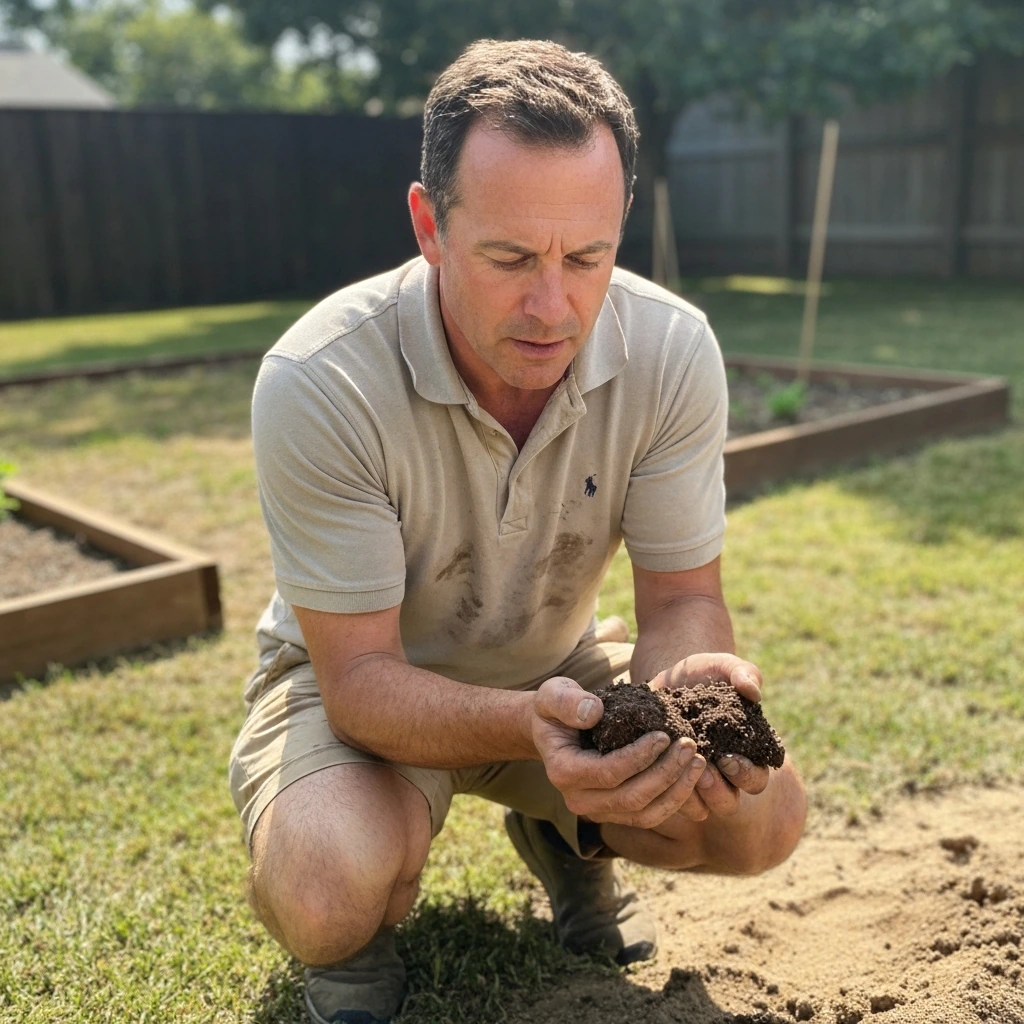
Marcus Volkmann
3 May 2026
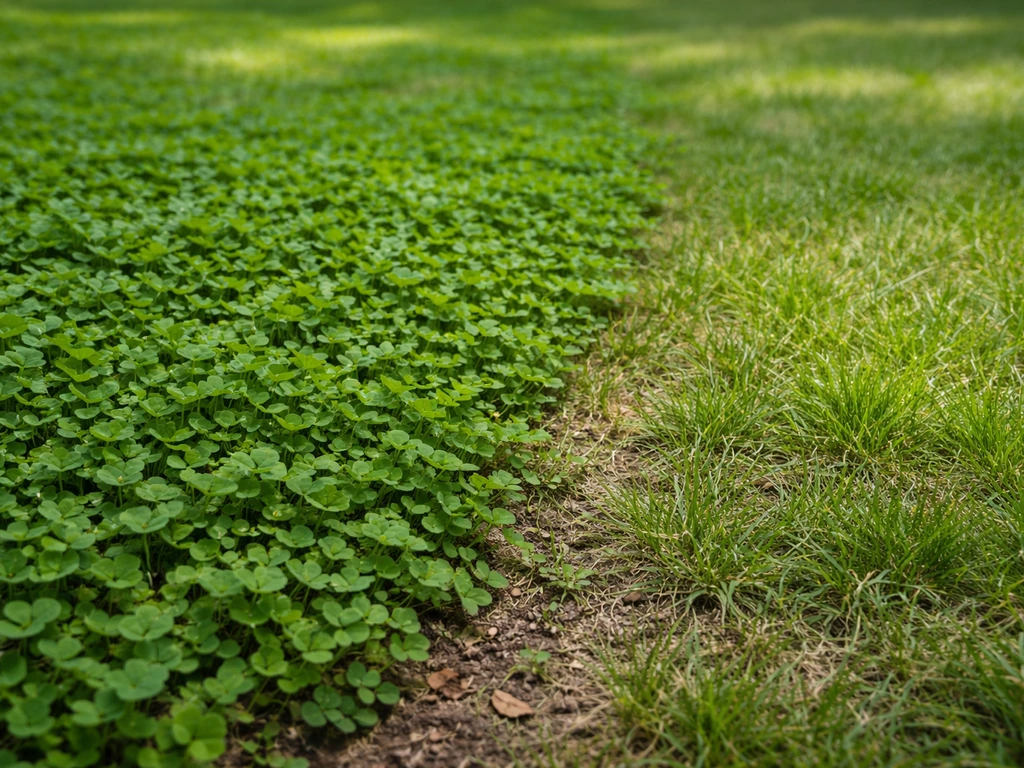
Quick verdict: clover vs grass under tough conditions
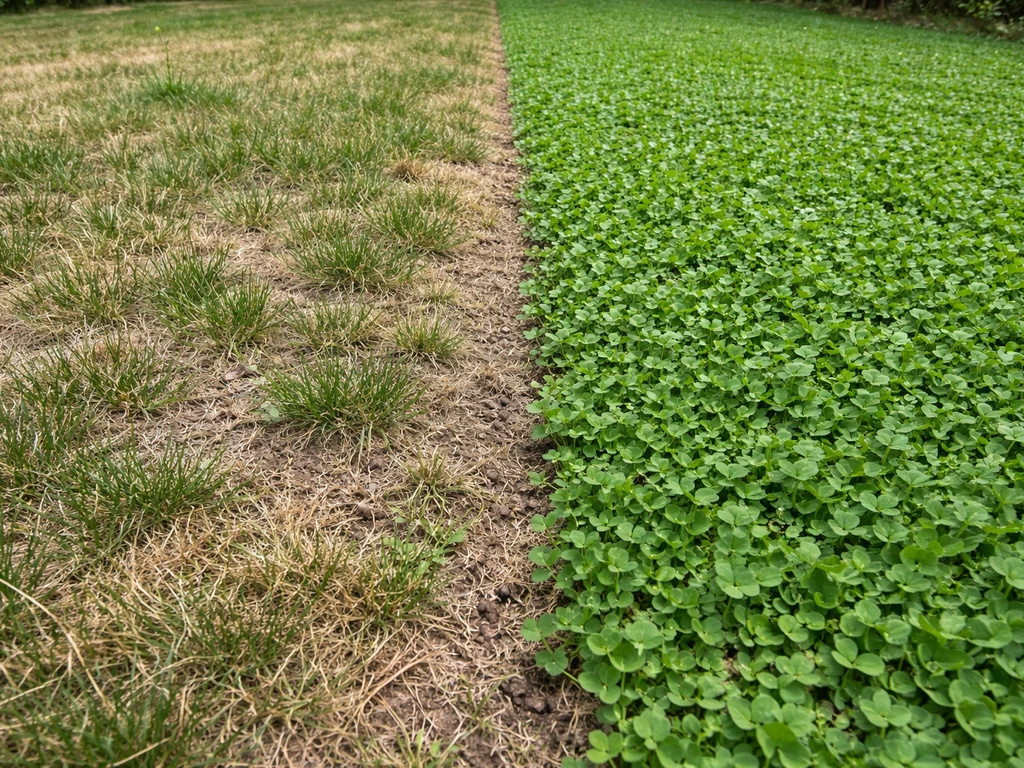
When the conditions get hard, clover wins most of the time. The main reasons grass fails in difficult situations are poor soil fertility, compaction, pH imbalance, and inconsistent moisture. Clover sidesteps all of those problems more gracefully than turf does. It doesn't need you to feed it nitrogen because it makes its own through root nodules containing Rhizobium bacteria, and a solid stand can supply up to 2 pounds of nitrogen per 1,000 square feet per year. It also germinates and establishes faster than most lawn grasses from seed, and it doesn't need premium topsoil to do it.
Grass, by contrast, needs a nitrogen boost right after germination to get established quickly (that's the key driver of rapid grass establishment according to Oregon State Extension research), and it needs that nitrogen to keep coming once it's in. If your soil can't hold nutrients or you're not willing to keep feeding it, your lawn will thin out and weeds, including clover, will move in on their own. That's actually why clover shows up in so many lawns without being planted: it thrives where grass is struggling.
| Factor | White Clover | Typical Lawn Grass |
|---|---|---|
| Nitrogen requirement | Makes its own (up to 2 lbs/1,000 sq ft/year) | Needs regular synthetic feeding |
| Minimum soil pH | 5.5 | 6.0–6.5 for most species |
| Drought tolerance (short) | Good | Varies; cool-season grasses struggle |
| Wet soil tolerance | Handles short flooding | Most species do not tolerate standing water |
| Sandy/poor soil | Establishes well with low nutrients | Struggles without amendment |
| Shade tolerance | Moderate (less than deep shade) | Depends heavily on species |
| Foot traffic tolerance | Low to moderate | Moderate to high (depending on species) |
| Establishment speed from seed | Fast (5–10 days to germination) | Slower (7–21+ days depending on species) |
| Maintenance demand | Low | Moderate to high |
Growth speed and establishment: does clover grow faster or better?
Clover germinates fast. White Dutch clover typically sprouts within 5 to 10 days under good conditions, which is quicker than most lawn grasses. Grass can take 7 to 21 days or more depending on the species, and it then needs an early nitrogen push to build density fast enough to crowd out weeds. Clover skips that step entirely. Once it's up, it spreads by producing stolons (above-ground runners) and fills in gaps over the course of a season. University of Minnesota research describes Dutch white clover forming perennial mats that spread roughly 1 to 2 feet, so bare patches fill in gradually without you doing much.
The honest caveat: clover doesn't create a dense, uniform carpet the way a well-maintained turf lawn does. It tends to grow in clumps and patches rather than a seamless green mat. If you're used to a traditional lawn look, that will bother you. But if your goal is ground coverage and low maintenance rather than a golf-course appearance, clover gets there faster and with less effort than reseeding grass.
In terms of 'growing better' in difficult conditions, clover consistently outperforms grass in poor-fertility and low-pH situations. Where grass would stall and yellow without fertilizer input, clover keeps going. Where grass thins out in lean sandy soil, clover hangs in. The growth isn't lush and thick in those conditions, but it survives and provides cover when grass would give up.
Ease factors that matter: soil, sun and shade, watering, and maintenance
Soil
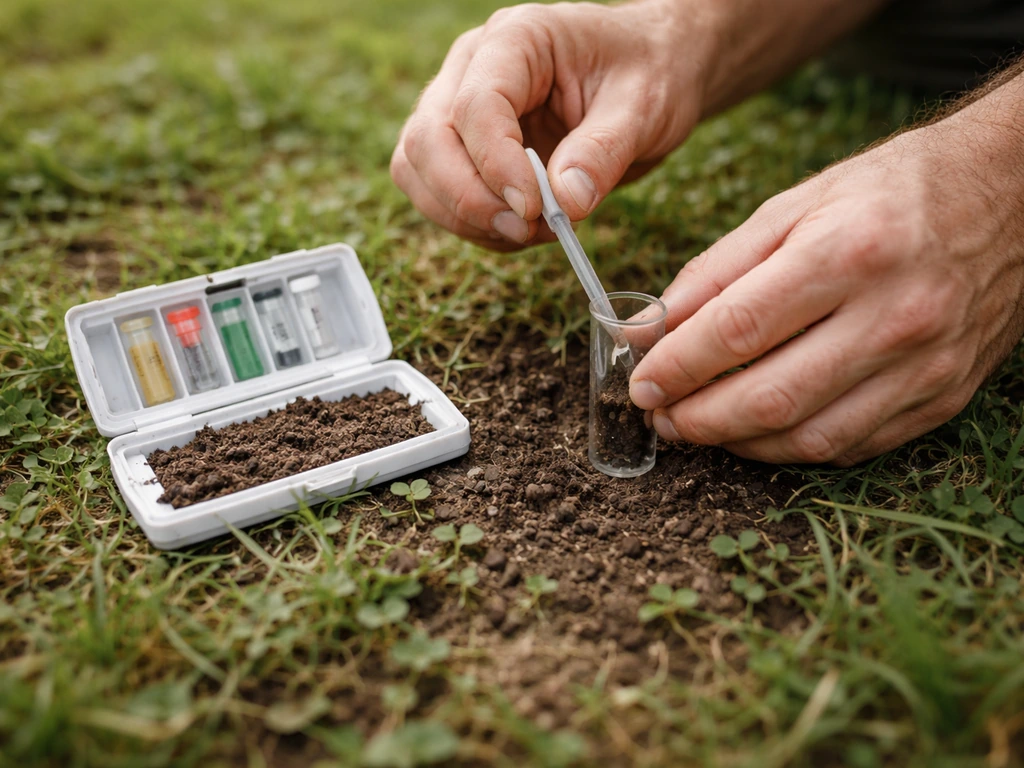
Clover is much more forgiving of poor soil than grass. It tolerates medium to acid soils down to pH 5.5 and can work with low fertility that would leave turfgrass yellow and thin. That said, clover does best with good seed-to-soil contact at seeding, and it needs shallow placement (it's a tiny seed, so burying it too deep kills germination). The one soil-related trap is residual broadleaf herbicides. If you've sprayed your lawn in the past year, those residuals can linger and kill clover seedlings before they even get started. Dicamba sticks around for roughly 120 days, and picloram can persist for up to a year. If your clover seeding fails with no other obvious cause, a recent herbicide application is likely why.
Sun and shade
White clover prefers full sun to partial shade and won't thrive in deep shade. It does better than many sun-loving turf grasses in moderate shade, but if you're dealing with a densely tree-covered yard, neither clover nor standard grass is going to give you a great result. Clover has a slight edge in dappled or shifting shade conditions. For true deep shade, neither is an ideal answer, and ground covers like mondo grass or pachysandra are worth considering instead.
Watering
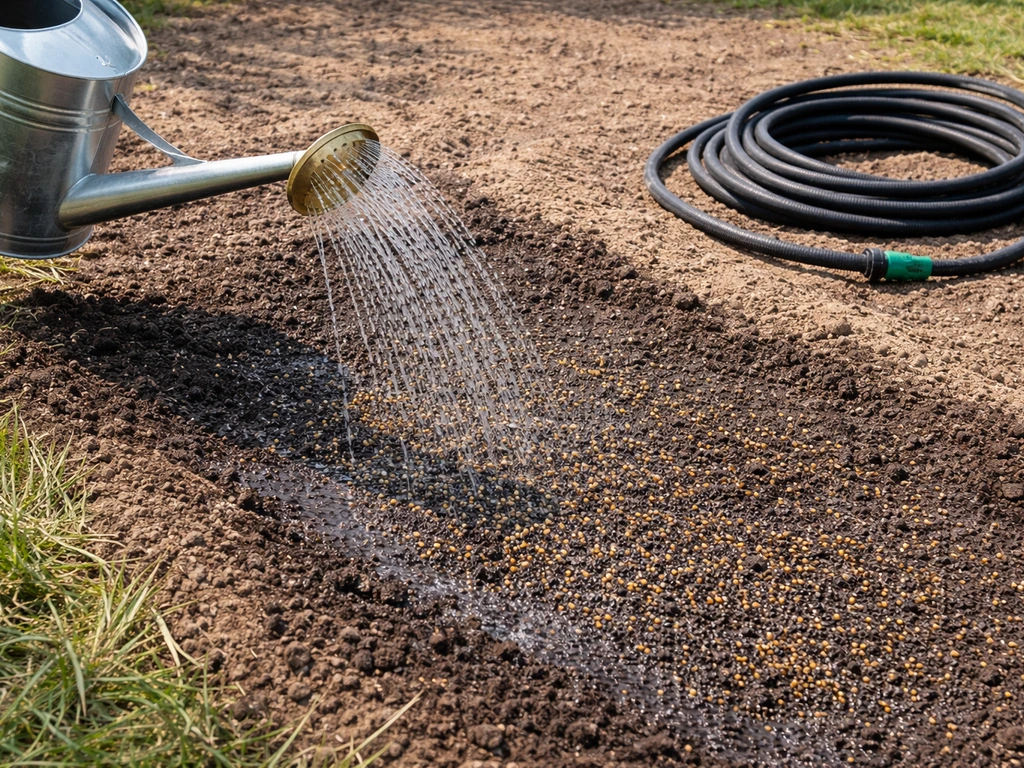
Once established, clover handles short dry spells without much drama. During germination and the first few weeks, you still need to keep the seedbed moist, just as you would with grass seed. The difference is that once clover is established, it bounces back from brief drought stress better than cool-season grasses like fescue or bluegrass, and it can tolerate occasional wet conditions and short-term flooding that would rot most turfgrass roots. White clover can tolerate wet soil, including short flooding, and can survive on medium to acid soils down to pH 5.5 tolerate occasional wet conditions and short-term flooding. If your yard has drainage issues or you tend to forget irrigation, clover is more forgiving.
Maintenance
This is where clover really pulls ahead. A clover lawn or clover-grass mix needs no nitrogen fertilizer, tolerates infrequent mowing, and is naturally resistant to the kind of thinning and bare patches that invite weeds into grass lawns. Grass lawns without consistent feeding and mowing schedules deteriorate quickly, which is exactly why many of the readers on this site end up here in the first place. Cornell Cooperative Extension backs this up, noting clover's role in genuine low-maintenance lawn programs, where it supports the surrounding grass by contributing its own fixed nitrogen.
When to choose clover (and when not to) for lawns and ground cover
Choose clover when you're dealing with any of these situations:
- Soil that's poor, compacted, sandy, or low in nitrogen and you don't want to keep amending it
- Grass that keeps thinning out no matter how many times you reseed
- A low-maintenance or eco-friendly lawn where you want to cut fertilizer use
- Erosion control on slopes or bare patches where grass won't establish quickly enough
- A pollinator-friendly yard where you're okay with clover blooms and bees
- A clover-grass mix where you want clover to feed the surrounding turf naturally
Don't choose clover as your primary solution when:
- You have kids or pets using the lawn heavily for play, since clover is clumpier and less traffic-tolerant than tough turfgrasses like bermuda or tall fescue (University of Maine Extension explicitly cautions against clover for high-traffic areas)
- You want a uniform, traditional lawn appearance, because clover grows in mats and patches rather than a seamless turf
- You're in deep, dense shade where clover won't thrive any better than grass
- You plan to use broadleaf herbicides on your lawn, which will kill clover along with dandelions and other broadleaf plants
- Local HOA rules prohibit non-grass ground covers
One nuance worth knowing: clover naturally invades thin grass, which is a related phenomenon to why dandelions also colonize weak lawns. So if you have thin grass, you may also see can daffodils grow through grass naturally in those openings over time dandelions also colonize weak lawns. Many people notice daisies popping up in grass because weak or stressed lawns create the open spots those seeds need to take hold why do daisies grow in grass. If your goal is to grow dandelions in grounded conditions, treat them like a hardy ground cover that thrives in weak lawns. That same dynamic helps explain why dandelions grow in grass when turf is weakened. If you're wondering whether to let that volunteer clover stay rather than fight it, that's a real choice many homeowners face, and in most struggling-lawn situations, letting it stay makes practical sense.
How to seed and establish clover step-by-step vs grass alternatives
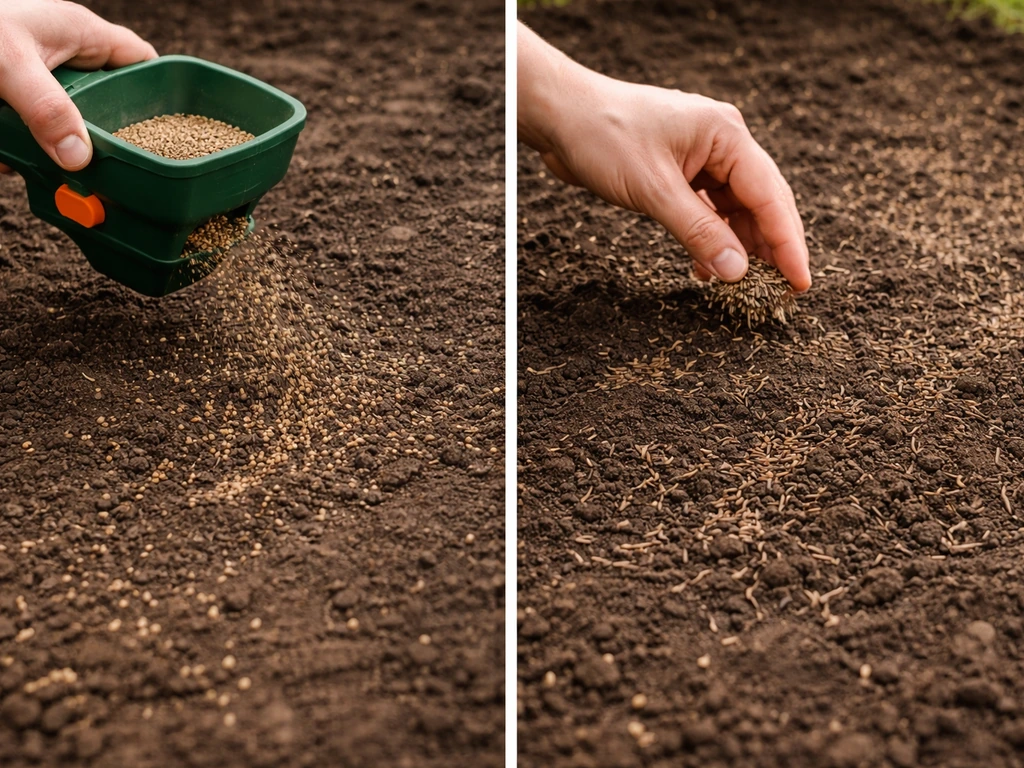
Whether you're going all-clover or mixing clover into an existing lawn, the steps below will give you the best shot at a successful establishment. The single biggest reason clover seedings fail is poor seed-to-soil contact, not bad soil or wrong seed.
- Check for herbicide residuals first. If you've applied any broadleaf herbicide in the past 120 days (or up to a year if you used picloram-based products), wait. Seeding into residual herbicide is the most common hidden reason clover fails to establish.
- Pick the right clover type. White Dutch clover is the standard choice for lawns and mixed ground cover. It's low-growing (6 to 8 inches untrimmed), spreads well, and handles most lawn conditions. Microclover is a finer-leafed variety better suited to mixing with grass seed for a more uniform appearance.
- Mow existing grass short (if overseeding into an existing lawn). Cut it down to about 1.5 to 2 inches so clover seed can reach the soil rather than sitting on top of a grass canopy.
- Loosen the soil surface lightly. A rake or slice seeder works well. Clover seed is tiny and only needs to be placed about 1/4 inch deep, or right at the surface in loose soil. Don't bury it.
- Seed at the right rate. For a clover lawn, use roughly 2 ounces of seed per 1,000 square feet. For a clover-grass mix, use about half that rate.
- Inoculate your seed. This is a step many people skip, but it matters. Clover only fixes nitrogen from the atmosphere if the right Rhizobium bacteria are present in the soil. Buy inoculated seed or coat your seed with the appropriate Rhizobium inoculant before seeding, especially if clover hasn't grown in that area before.
- Firm the seedbed. Use a lawn roller or press wheel after seeding to push the seed into contact with the soil. This single step dramatically improves germination rates.
- Water consistently until germination. Keep the seedbed moist (not soaked) for the first 10 to 14 days. Light, frequent watering is better than heavy soaking at this stage.
- Avoid nitrogen fertilizer on the new seeding area. Unlike grass (which benefits from an early nitrogen push), clover seedlings can be outcompeted by grass that surges in response to fertilizer. Hold off on any nitrogen applications near new clover seedings.
- Wait before mowing. Let clover establish for at least 6 weeks before the first mow. Once established, mow at 3 to 4 inches to maintain it and encourage spreading.
Compared to reseeding grass, this process is shorter and less demanding. Grass reseeding requires soil pH correction, starter fertilizer, more careful watering, and then a follow-up nitrogen application to build density. Clover forgives more mistakes and asks for less.
Ongoing care: mowing, weed pressure, and keeping a clover patch thriving
Once clover is established, the maintenance load drops significantly compared to a grass lawn. You can mow it as infrequently as once every 3 to 4 weeks in summer if you're not concerned about the blooms, or keep it trimmed to about 3 to 4 inches for a tidier look. If you're maintaining a mixed clover-grass lawn, the mowing rule from University of Maryland Extension is worth following: transition back to your regular mowing height gradually rather than scalping suddenly, to avoid stressing the turf grass portion of the mix.
Weed pressure is where things get complicated in a clover lawn. You can't use broadleaf herbicides to control weeds without also killing the clover. Your options are manual weeding, a mulch layer at the edges of beds, or simply accepting that some broadleaf weeds will coexist. Purdue research found that even targeted clover control using herbicides in mixed turf situations can damage surrounding grass while providing incomplete clover control. The flip side of this is that a dense clover mat actually suppresses many weeds on its own once it fills in, because it outcompetes them for light.
Fertilizer is essentially a non-issue for established clover. Don't apply nitrogen. Clover produces its own and adding synthetic nitrogen will encourage surrounding grass to surge and shade out the clover, which defeats the purpose. If you're in a mixed lawn, light nitrogen applications can be used if the grass desperately needs a boost, but do so carefully and infrequently.
Troubleshooting and common failures (and how to fix them fast)
Most clover establishment failures come down to a short list of fixable problems. Here's how to diagnose and correct them:
| Problem | Likely Cause | Fix |
|---|---|---|
| Clover seed doesn't germinate at all | Herbicide residual in soil, or seed buried too deep | Wait out the herbicide (check last application date), re-seed at surface depth only |
| Clover germinates but seedlings die quickly | Residual herbicide, poor seed-soil contact, or dry conditions | Check herbicide history, firm seedbed before next attempt, water more frequently |
| Clover establishes in spots but not uniformly | Uneven seed distribution or grass competition shading out seedlings | Overseed thin areas, mow surrounding grass short to reduce shading |
| Clover grows but doesn't fix nitrogen (stays pale/yellow) | Missing Rhizobium inoculant, bacteria not present in soil | Re-inoculate seed on next seeding; apply pre-inoculated seed |
| Grass overtakes and smothers clover | Nitrogen fertilizer encouraging grass surge, or poor clover density | Stop nitrogen applications near clover, overseed clover into bare spots |
| Clover is patchy and clumpy-looking | Normal growth habit of white clover; not a failure | Accept it or switch to microclover for a more uniform look |
| Clover dies out in winter | Normal dormancy for some regions; or it's an annual variety | White Dutch clover is perennial and will return; check you have the right variety |
| Clover won't grow in shaded area | Too little light for clover (same issue grass faces) | Consider shade-tolerant ground covers instead; neither clover nor grass will thrive in deep shade |
The fastest fix for most clover failures is to start with a clean seedbed, inoculated seed, and no recent herbicide history. If you can confirm those three things are handled, the vast majority of establishment problems disappear. Clover wants to grow. It just needs you to get out of its way and give it the right starting conditions.
If you're in a situation where neither clover nor grass is working, it's worth stepping back and asking whether the underlying problem is shade, drainage, compaction, or something else entirely. Clover is a great tool for difficult lawns, but it's not a miracle. Diagnosing the actual obstacle first is always worth the five minutes it takes before you spend money on seed.
FAQ
Will clover take over and ruin my lawn, or can I keep it under control?
It can expand, especially by runners, so complete control is unrealistic. If you want limited spread, mow higher (around 3 to 4 inches), edge consistently, and avoid over-seeding because vigorous clover increases gap filling. For mixes, keep the grass component healthy with appropriate mowing height rather than adding nitrogen to boost turf.
Is clover easier to grow from seed, or should I use sod plugs?
For most yards, seed is simpler and faster, but it is only forgiving if you get seed-to-soil contact right. Plugs can work for small problem areas, but they still need shallow placement and consistent moisture until rooting. If your soil is hard or compacted, loosening the top inch before seeding makes clover establishment much more reliable than relying on just watering.
How deep should I plant clover seed so it germinates successfully?
Plant it shallow. Clover seed is tiny, and burying it too deep reduces oxygen and moisture exchange at the surface, which prevents germination. As a practical rule, cover lightly only enough to ensure contact, then firm the seedbed so you do not leave air gaps.
What if I already have a clover patch showing up, should I leave it alone or seed over it?
If the patch is healthy, leaving it can reduce work and still improve ground cover. If it is thin or patchy, overseed with inoculated seed and correct the main cause, usually poor surface contact or recent herbicide residue. You will get better results by spot-roughening the soil and re-seeding those bare zones rather than spreading seed over thick, matted turf.
Can I use crabgrass preventer or weed-and-feed products with clover?
Be very cautious. Many pre-emergent and broadleaf products either affect clover directly or leave residues that can harm seedlings later. If you want clover establishment to succeed, check whether the product targets broadleaf weeds or has lingering soil activity, and avoid applying anything that could affect clover germination within the seeding window.
Why did my clover seed fail even though my soil seems fine?
The two most common causes are poor seed-to-soil contact and residual herbicide. If germination is low across the whole area, confirm you used inoculated seed, seeded at shallow depth, and have not sprayed broadleaf-targeting herbicides recently. If only parts failed, the likely culprit is dry or sealed soil spots where the seed did not stay moist at the surface.
How often should I water a clover seedling during establishment?
Keep the top layer consistently moist during germination and the first few weeks. You are not aiming for heavy soak-and-forget, you are aiming for steady surface moisture so the tiny seed can germinate. Once established, clover is more forgiving of short dry spells, but watering is still important if the lawn goes visibly dormant right after you seed.
Will clover reduce weeds, or will I still need to pull them?
Clover can suppress many weeds once it forms a dense mat, but you should expect some coexistence, especially during the establishment period. For broadleaf weeds, you generally cannot use broadleaf herbicides without harming clover. Plan on manual removal of problem weeds while the stand fills in, and accept that not every weed will be eliminated.
Do I need to fertilize clover with nitrogen after it establishes?
In most cases, no. Established clover fixes its own nitrogen, and adding synthetic nitrogen can encourage surrounding turf to outgrow and shade out clover. If you have a clover-grass mix and the grass is struggling, use only light, infrequent nitrogen and avoid frequent feeding schedules that would shift the balance away from clover.
Is clover a good choice for deep shade lawns where grass struggles?
Clover can handle partial shade better than many grasses, but deep, dense shade is still a limitation for both. If you have heavy tree cover, expect slow establishment and thin growth. In those conditions, consider shade-adapted ground covers rather than relying on clover as the primary solution.
Next Articles
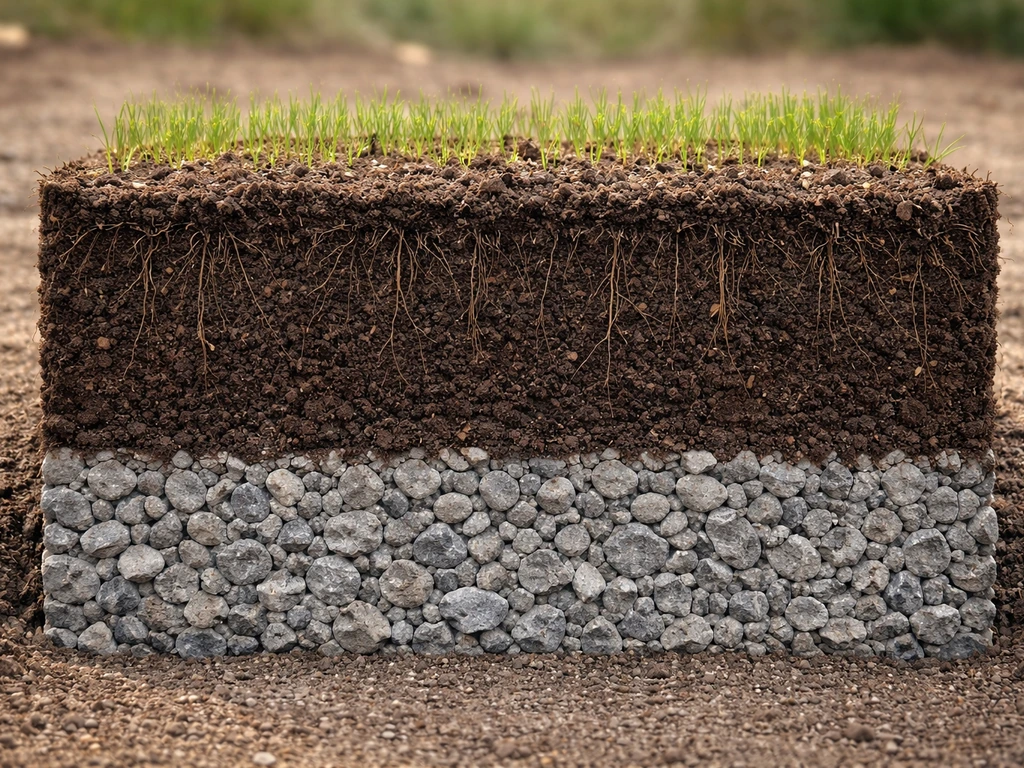
Can You Grow Grass Over Gravel? How to Do It Right
Learn when you can grow grass over gravel and follow a step-by-step method for soil depth, drainage, seeding or sod, and
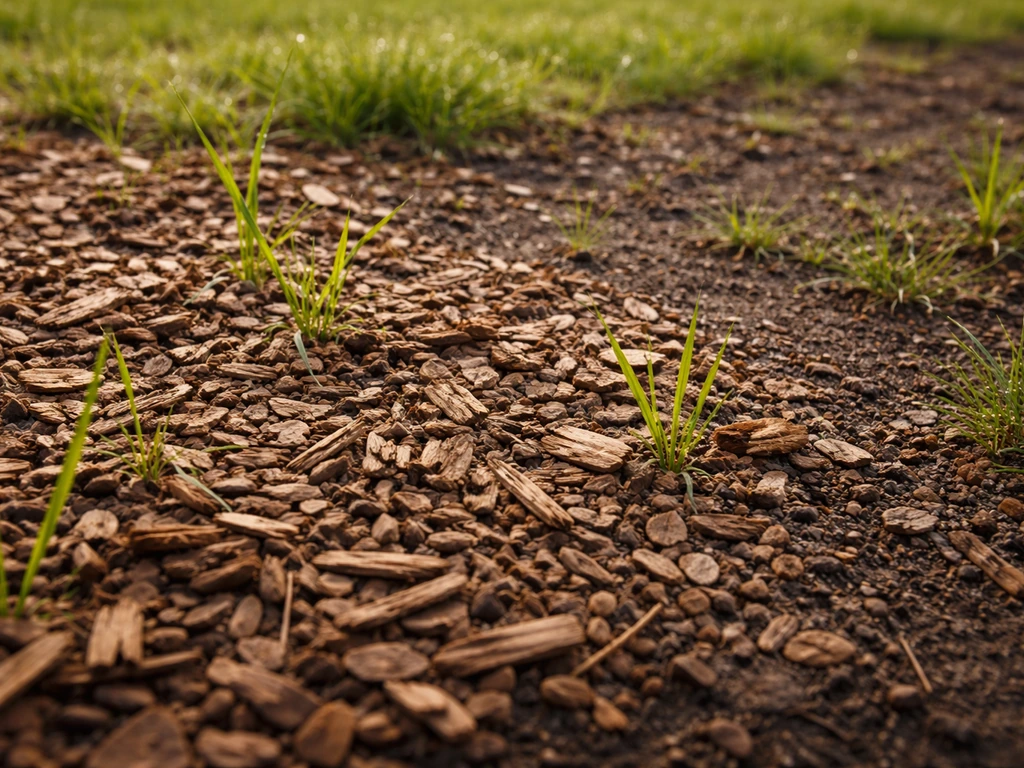
Do Wood Chips Help Grass Grow? When They Work and When Not
Learn when wood chips help grass grow, when they steal nitrogen, and step-by-step how much to apply and seed options.

Will Potting Soil Help Grass Grow? What Works and What Fails
When potting soil helps grass grow, when it fails, and how to prep, apply, seed, water, and troubleshoot bare spots.